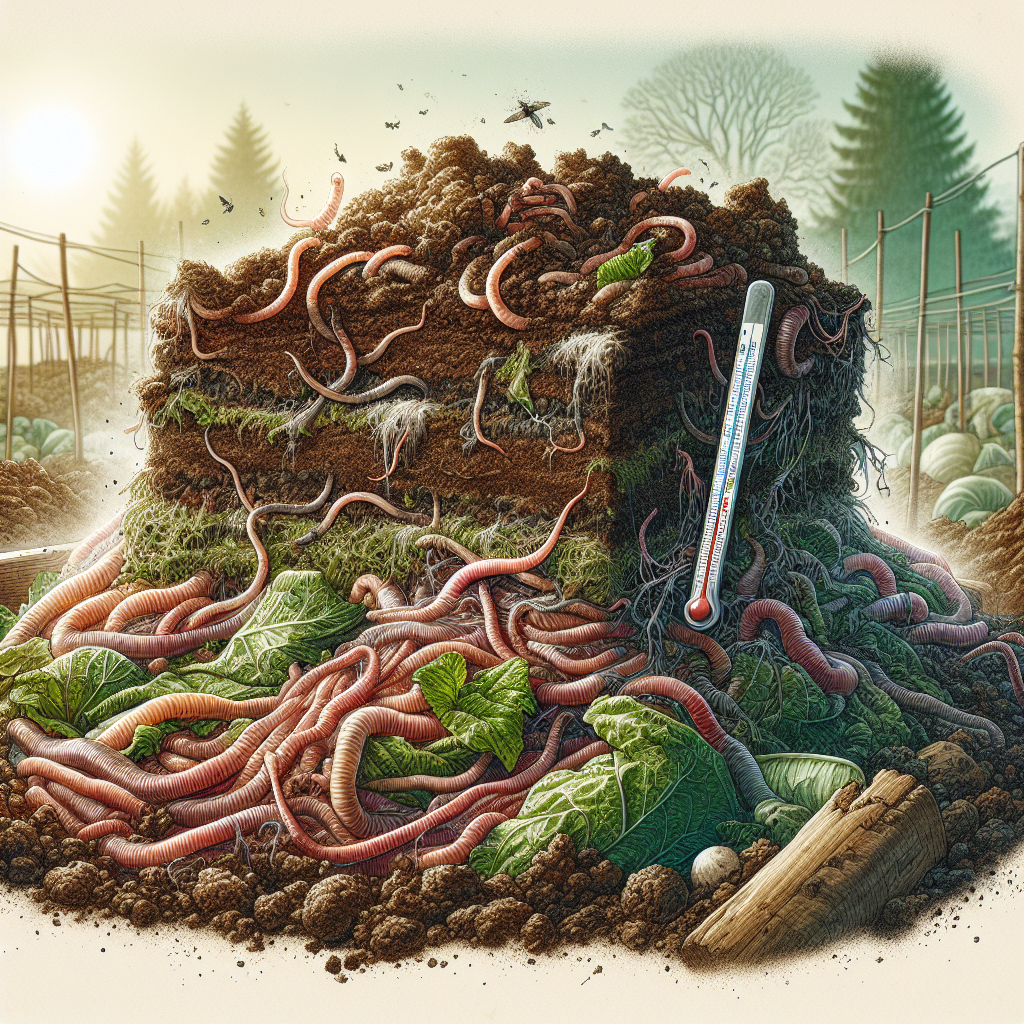
Introduction to compost
Compost represents the cornerstone of sustainable agriculture, transforming kitchen scraps, yard waste, and crop residues into a nutrient-dense soil amendment that enhances fertility, structure, and microbial life. As a professional botanist and agricultural expert, I emphasize that compost is far from a pest—it's an ally in building resilient farms. Yet, in high-production settings like those growing tomato or potato, poorly managed piles can attract true pests such as fungus gnats, fruit flies, or rodents, leading to misdiagnosis as 'compost problems.' This definitive guide equips farmers with diagnostic tools, lifecycle insights, and organic management plans to harness compost's benefits while preventing issues. Proper composting reduces reliance on synthetic fertilizers, suppresses soil-borne diseases like root rot, and boosts yields by 20-30% in crops like corn and wheat. We'll cover symptoms, triggers, treatments, and prevention tailored for small to medium farms.
Healthy compost piles reach thermophilic temperatures (131-170°F or 55-77°C), killing pathogens and weed seeds while fostering beneficial microbes. Anaerobic conditions, however, produce foul odors and attract vinegar flies (vinegar flies). Understanding this balance is key to pest-free composting. For more on integrating AI for farm optimization, check this insightful blog post on soil health strategies.
Identifying Symptoms & Damage
Diagnosing compost-related issues starts with distinguishing beneficial decomposition from pest damage. Common symptoms include excessive moisture leading to slimy textures, ammonia-like smells indicating nitrogen imbalance, or fruit fly swarms signaling anaerobic pockets. Visual cues: white fungal mycelium (beneficial) vs. black mold (potential slugs and snails habitat); steam rising (good heat) vs. no heat (stalled process).
Damage to nearby crops manifests as stunted growth if immature compost introduces phytotoxins or excess salts. Scout for aphids or whiteflies thriving on nitrogen-rich leachate. Use a compost thermometer: below 110°F suggests pest entry points for root mealybugs. Odor profiles help—sweet-earth (healthy), rotten eggs (sulfur-reducing bacteria, attracts sap beetles). Probe piles for larvae: white maggots indicate fly pests, not compost itself.
Field tests: pH 6.0-8.0 ideal; C:N ratio 25-30:1 prevents nutrient lockup. In squash fields, compost mulch gone wrong shows vine wilts mimicking phytophthora. Document with photos for patterns—wet spots foster mites. Early ID prevents 50% yield loss in veggies like lettuce.
Lifecycle and Progression of compost
Compost progresses through distinct phases mirroring a biological lifecycle: mesophilic (initial bacteria break down sugars, 77-104°F, 1-5 days), thermophilic (fungi and actinomycetes digest cellulose/lignin, peak heat kills salmonella, 5-14 days), cooling (macroorganisms like worms enter), and maturation (humus formation, 1-6 months). Full cycle: 3-12 months for hot piles, longer for cold.
Progression stalls if oxygen drops, shifting to anaerobic fermentation—lifecycle disrupted, inviting flea beetles or cutworms from adjacent cabbage plots. Monitor via temperature logs: peaks indicate progression, plateaus signal turning needs. Mature compost (dark, crumbly, earthy scent) resists pests; immature ties up nitrogen, stressing eggplant.
Seasonal progression: spring builds fast with greens, fall slows with leaves. In rice paddies, compost integrates via green manure cycles. Pests exploit immature stages—e.g., thrips in over-wet piles.
Environmental Triggers & Risk Factors
Compost issues trigger from imbalances: high moisture (>60%) breeds fungus gnats; low C:N (<25:1) causes odors attracting yellowjackets. Warm, humid climates accelerate decomposition but risk anaerobic zones. Poor aeration from compacting browns (e.g., hay bales) favors slugs.
Risk factors: oversized piles (>5x5x5 ft) without turning; contaminated inputs like diseased potato vines carrying early blight. Proximity to strawberry beds invites spotted wing drosophila. Drought stalls microbes, inviting wireworms. Soil type matters—clay locks moisture, sand drains too fast.
Climate data: optimal 50-70°F ambient. Monocrop farms over-rely on compost, amplifying risks if not diversified with clover cover.
Organic Control & Treatment Plans
Organic management prioritizes balance. Aeration Plan: Turn piles weekly (hot method) or monthly (cold), incorporating 2:1 browns:greens. Moisture Control: Squeeze test—damp sponge feel; add dry leaves if wet. Bio-activators: Inoculate with mature compost or EM (Effective Microorganisms) to outcompete pests.
Pest-Specific Treatments: For flies, bury food scraps deep, apply BT (Bacillus thuringiensis) for larvae. Neem oil repels ants. Vermicomposting with red wigglers controls moisture naturally. Hot compost kills 99% pathogens.
Step-by-Step Plan: 1. Assess C:N, moisture, temp. 2. Turn/add carbon. 3. Monitor 48hrs. 4. Reapply if needed. Integrate with crops: side-dress carrot at 1-2" layer. Costs: $0.10/lb vs. fertilizers. For AI-enhanced pest patrol, see Spring Pest Patrol.
Preventing compost in the Future
Prevention builds habits: site piles on bare soil for drainage, 100ft from crops. Layer 'no-cook' method: 4" browns, 1" greens, 2" soil. Fencing deters raccoons, deer. Rotate sites yearly to break pest cycles. Test maturity (seed germination >85%) before use.
Crop rotation with legumes like peas maintains soil C:N. Education: train staff on ratios. Long-term: windrow systems for scale. Reduces powdery mildew incidence by 40% via healthy soil.
Crops Most Affected by compost
Compost mismanagement hits high-nutrient demanders: tomato suffers blossom end rot from uneven N; corn stunts from phytotoxins. Leafy greens like kale, spinach attract flies from wet piles. Roots (onion, garlic) burn from salts. Vines (cucumber, squash) wilt from leachate-borne pythium. Fruit trees (apple, mango) see rodent damage near piles. Grains (wheat, rice) face army worms boosted by compost pests. Always mature compost for sensitive strawberry.