Encyclopedia
Definitive guides for crops, pests, and agricultural diseases.
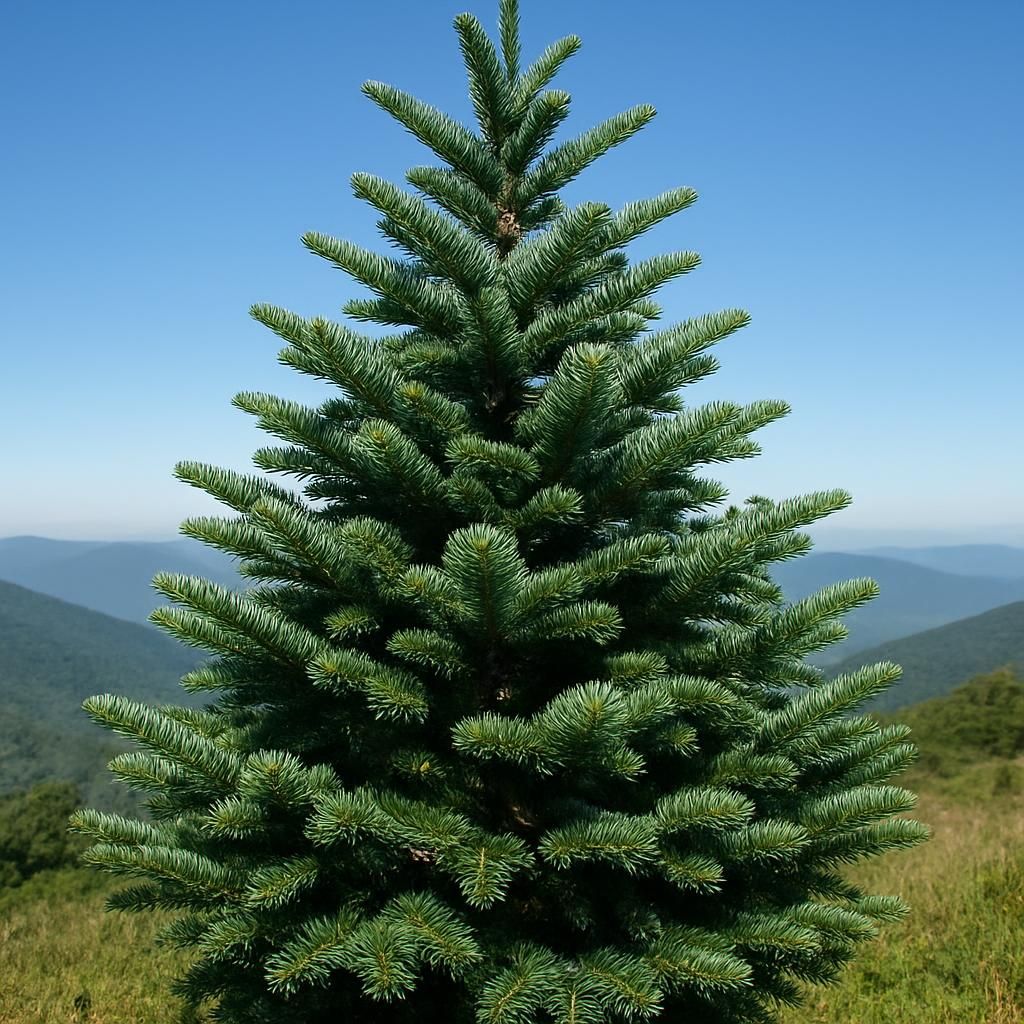
Abies fraseri
Abies fraseri, commonly known as Fraser fir, is a high-value coniferous evergreen prized for Christmas tree production and ornamental landscaping in cool, moist mountain climates. This definitive guide covers soil preparation, planting, care schedules, organic pest and disease management, harvesting protocols, and companion planting strategies to maximize survival and commercial yields.
View Guide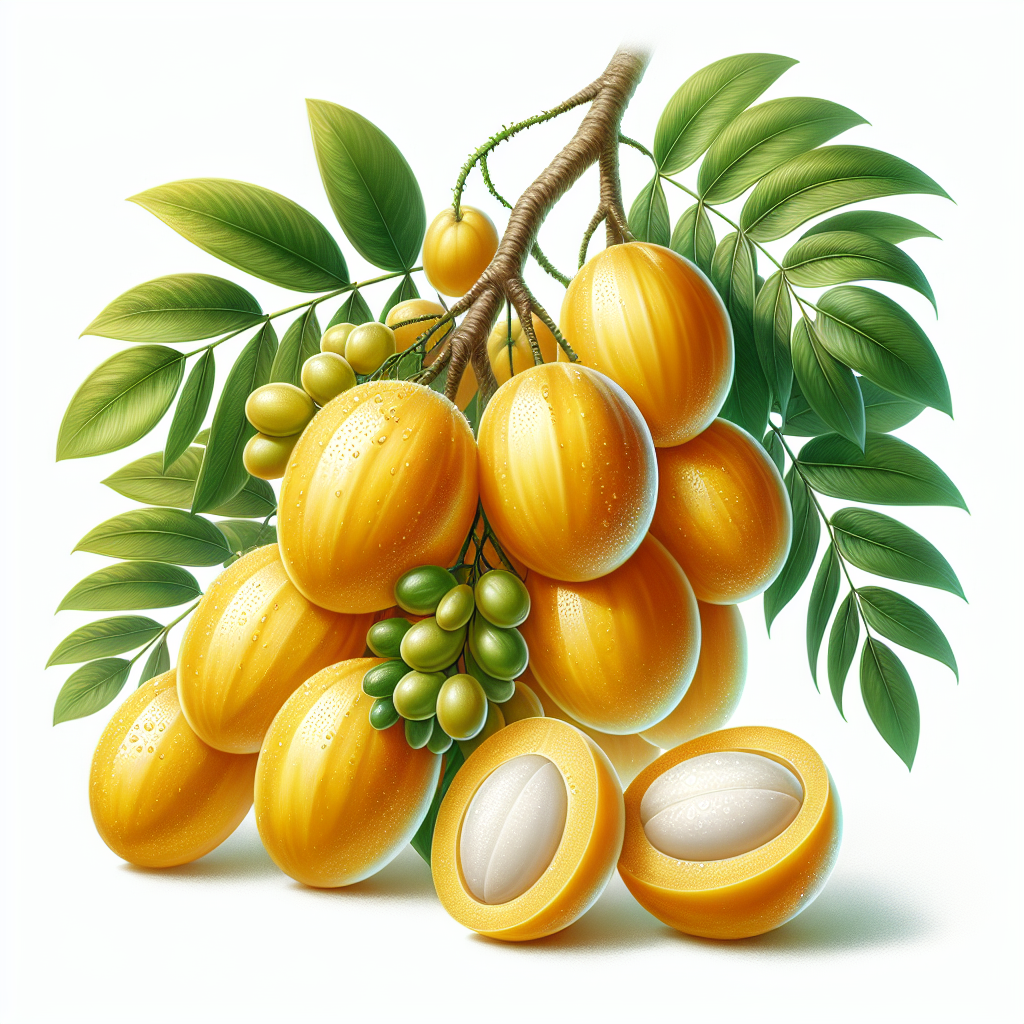
Abiu (Gray)
Abiu (Gray), or Pouteria caimito, is a tropical evergreen fruit tree prized for its sweet, creamy, custard-like fruits with a glossy yellow skin. Native to the Amazon rainforest, it thrives in humid, warm climates and produces abundant yields of nutritious fruits rich in vitamins A and C. This guide provides expert cultivation techniques for optimal growth and harvest.
View Guide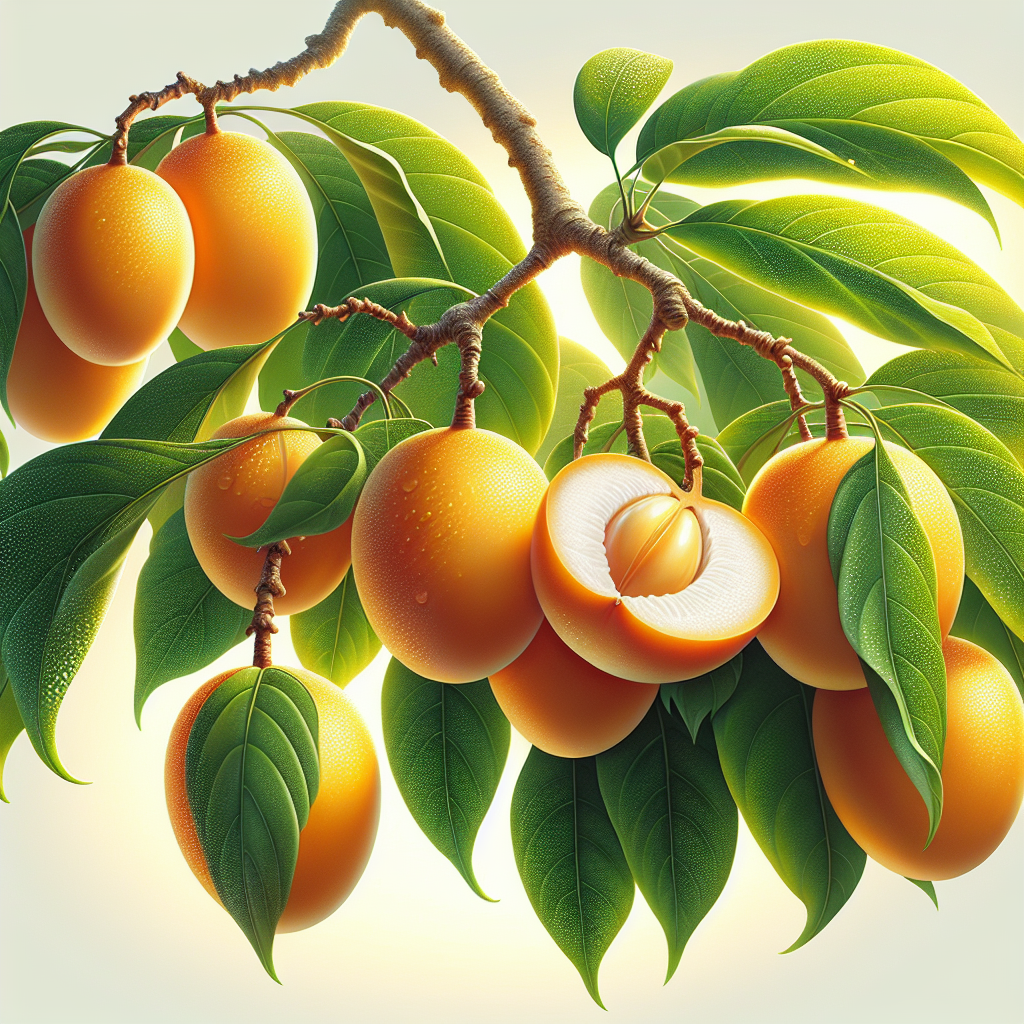
Abiu (Z2)
Abiu (Z2), a creamy tropical fruit tree from the Amazon basin, thrives in warm, humid climates with minimal care once established. Known for its sweet, custard-like flesh and Zone 2 tropical hardiness, it offers high yields of nutritious fruit ideal for fresh eating or desserts. This guide provides expert cultivation techniques for optimal growth and pest-resistant production.
View Guide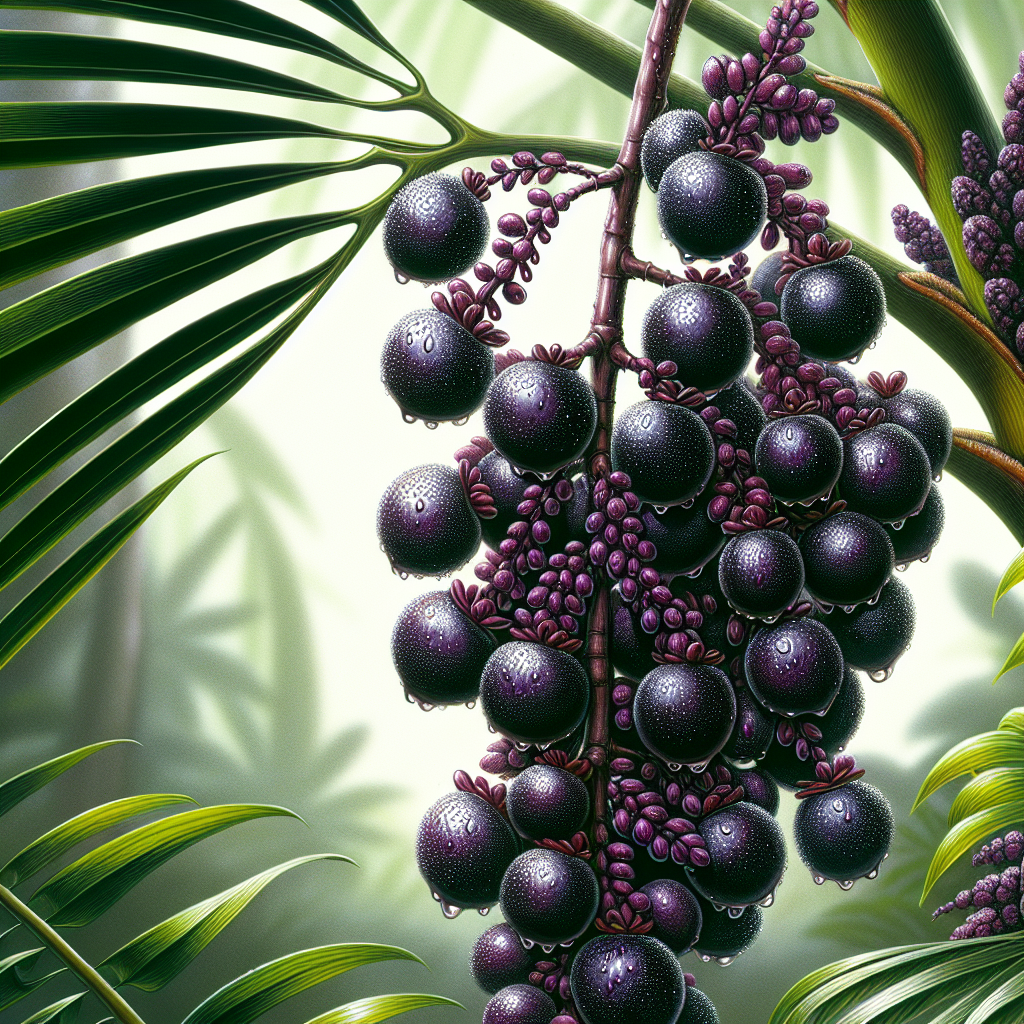
Acai (Euterpe oleracea)
Acai (Euterpe oleracea) is a tall, slender palm native to the Amazon rainforest, prized for its nutrient-dense berries rich in antioxidants. This comprehensive guide covers cultivation from propagation to harvest, ideal for tropical farmers seeking high-value superfood crops. Discover optimal soil, climate, pest management, and companion planting strategies for successful acai production.
View Guide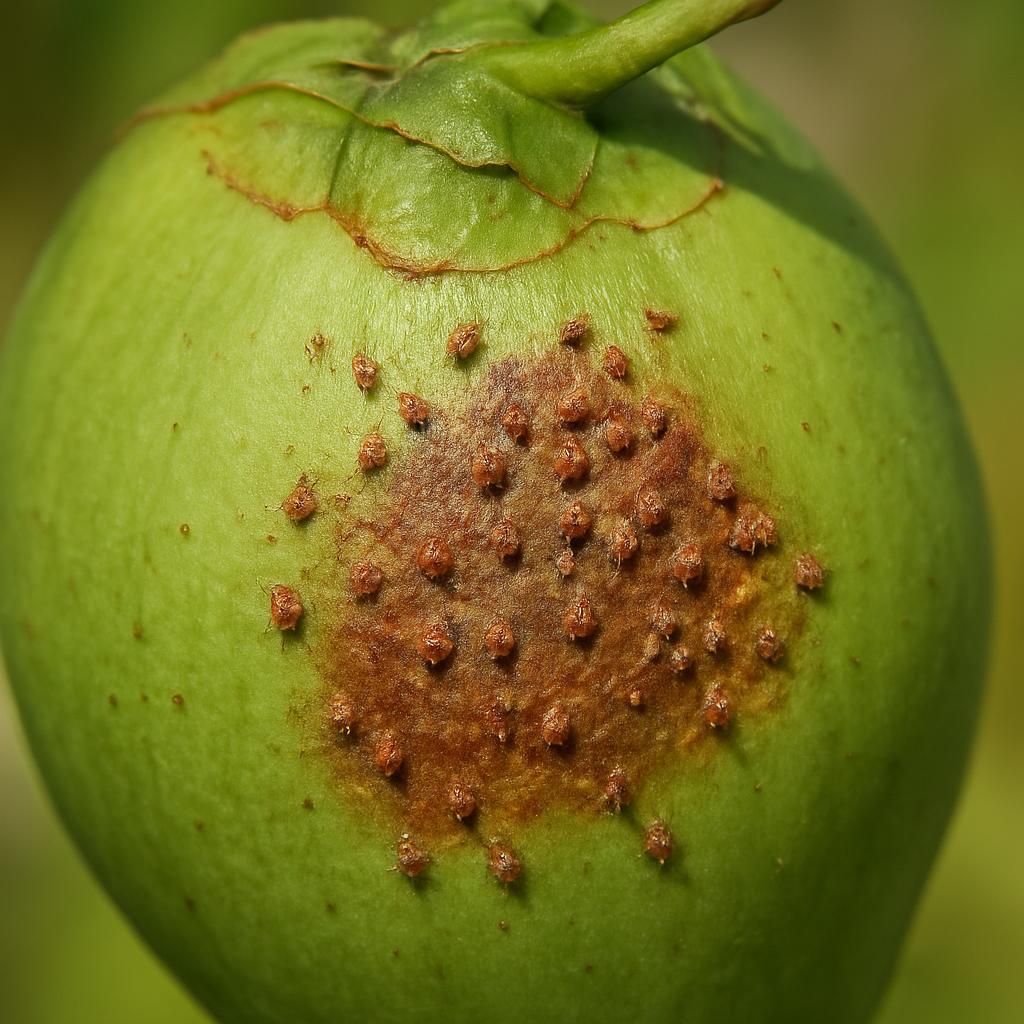
Aceria guerreronis
Aceria guerreronis is an eriophyid mite that infests coconut palms, causing bronzing, scarring, and premature nut drop that can devastate yields. Early detection and integrated management are critical for commercial and smallholder growers.
View Profile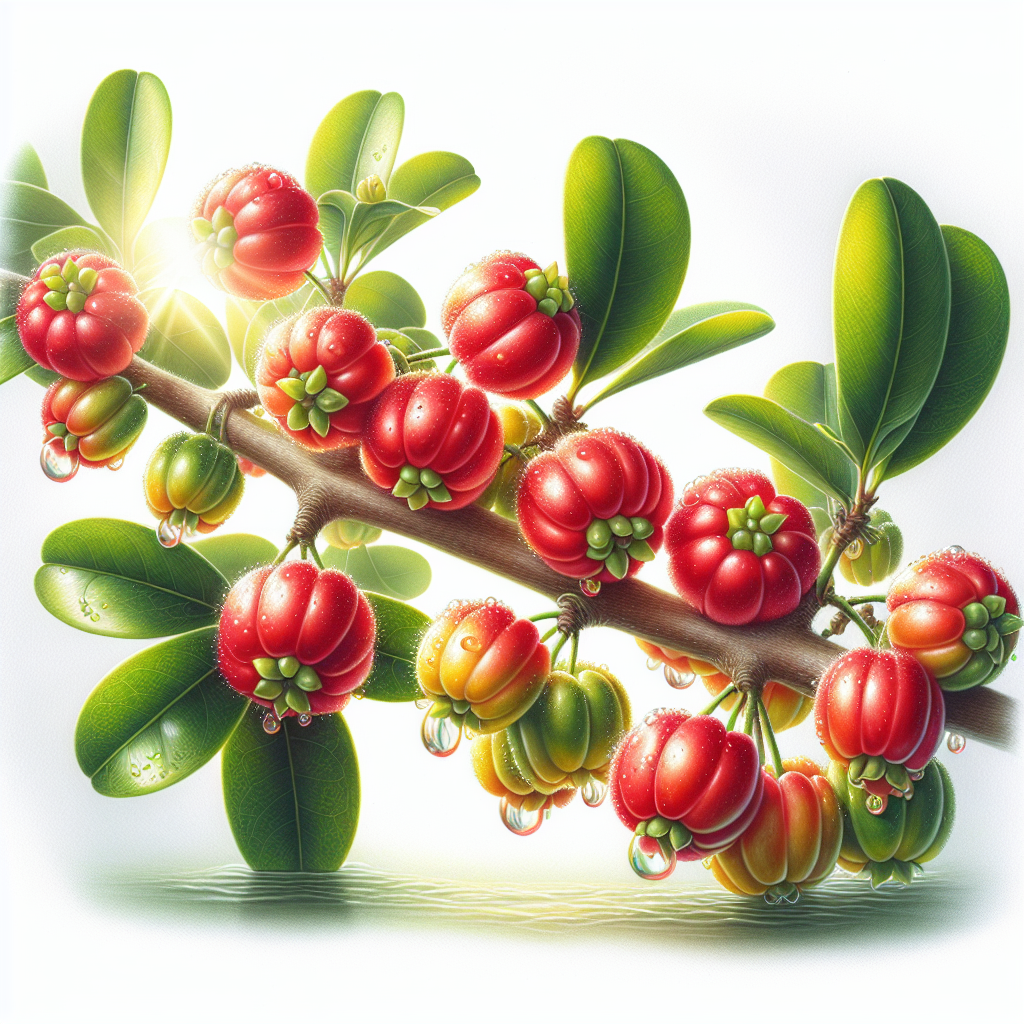
Acerola (Florida Sweet)
Acerola (Florida Sweet) is a tropical superfruit renowned for its exceptionally high vitamin C content, often exceeding oranges by 50-100 times. This compact shrub thrives in subtropical climates, producing abundant clusters of bright red, cherry-sized fruits year-round with proper care. Ideal for home gardens and small farms, it offers antioxidant-rich harvests with minimal maintenance once established.
View Guide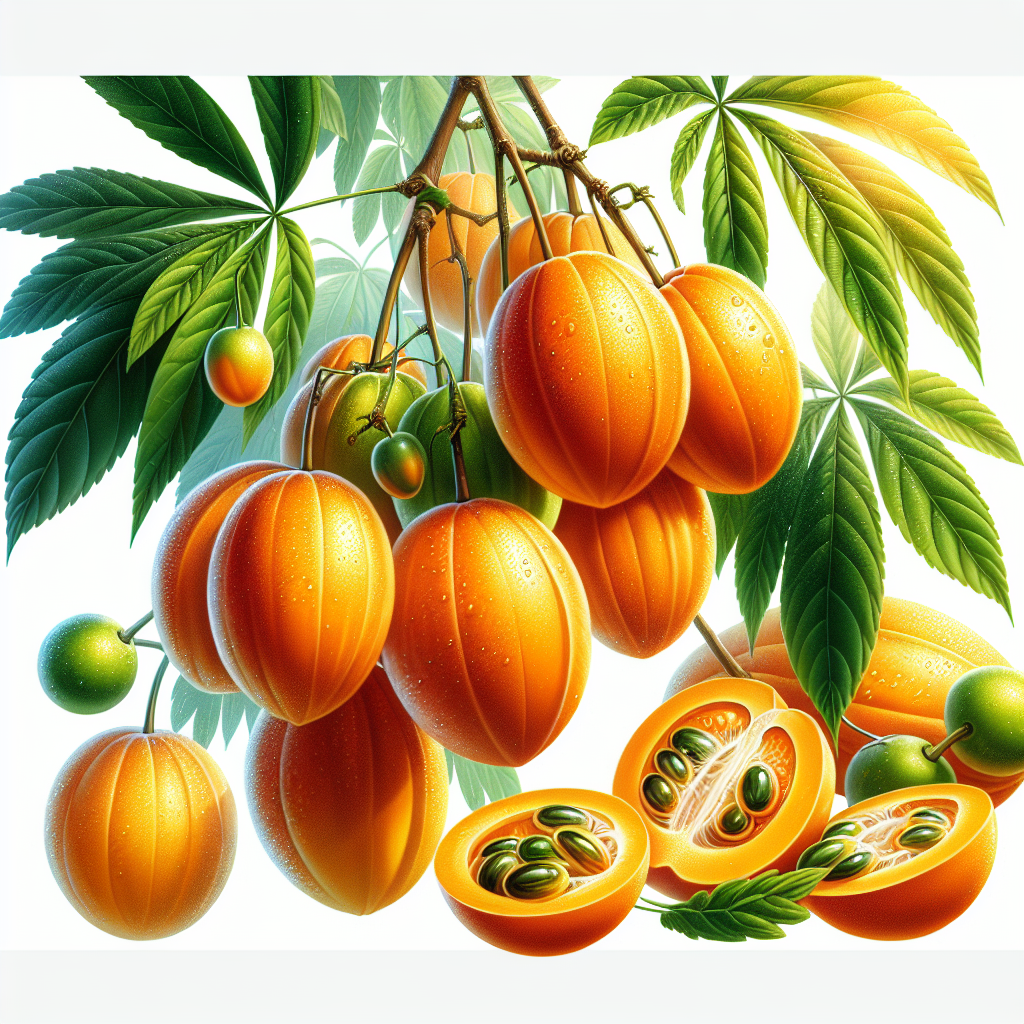
Achacha (Achachairú)
Achacha, also known as Achachairú, is a rare tropical fruit tree native to Bolivia, prized for its juicy, sweet-tart arils that resemble a citrus-mango hybrid. This comprehensive growing guide covers everything from propagation to pest management, enabling home gardeners and small farmers to cultivate this exotic crop successfully in suitable climates. With proper care, Achacha trees can yield abundant fruit for decades.
View Guide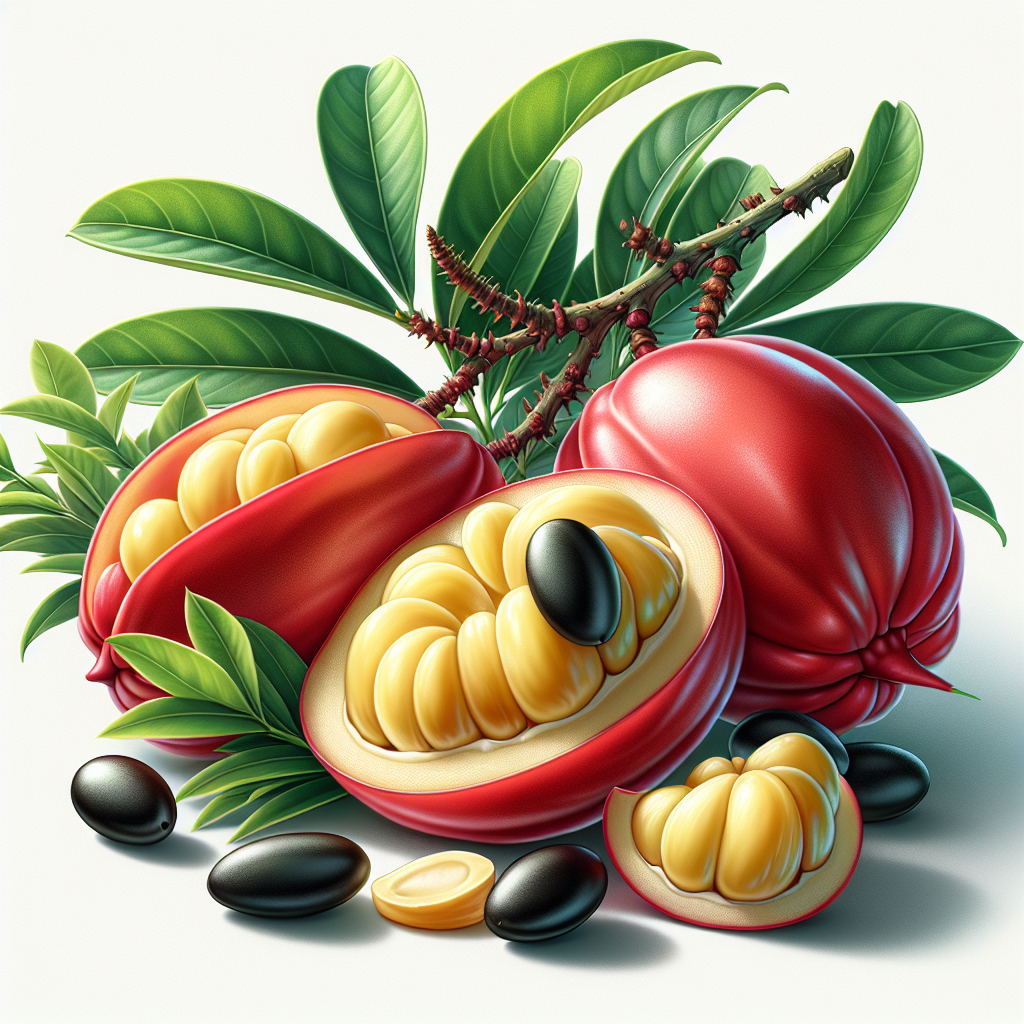
Ackee (Blighia sapida)
Ackee (Blighia sapida) is Jamaica's national fruit, prized for its creamy, nutty pods that form the base of the iconic ackee and saltfish dish. This evergreen tree thrives in tropical climates, producing abundant yields with proper care, but requires caution due to its toxic unripe arils. Growers can achieve commercial success through optimal propagation, pest management, and precise harvesting techniques.
View Guide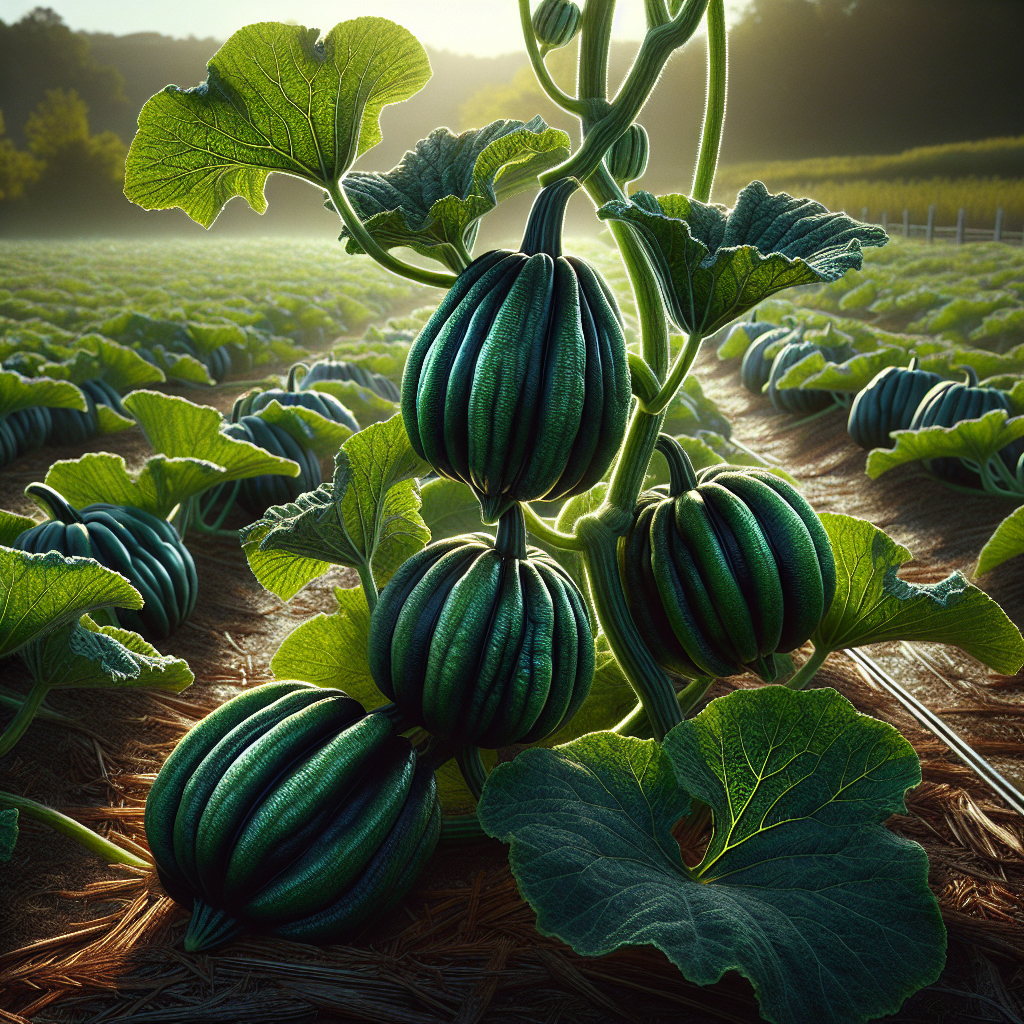
Acorn Squash
Acorn squash is a warm-season winter squash prized for its ribbed, acorn-shaped fruits, sweet nutty flesh, and reliable storage quality. Though relatively straightforward to grow, it performs best when soil warmth, fertility, pollination, and disease prevention are managed carefully from sowing through curing.
View Guide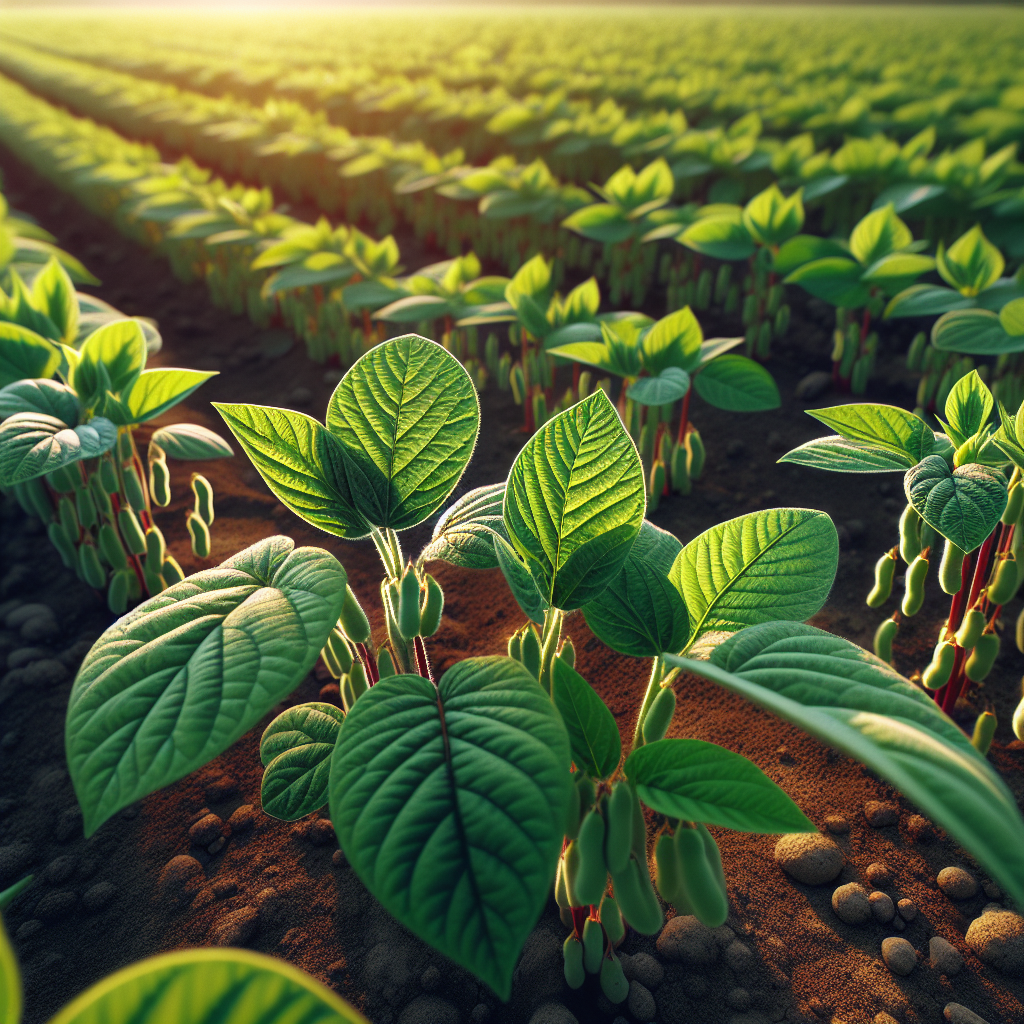
Adzuki Bean
Adzuki bean is a warm-season grain legume valued for its small, protein-rich seeds, reliable performance in short growing windows, and strong adaptation to East Asian food systems. It grows best in well-drained soils, moderate warmth, and relatively dry conditions during maturation, making it an excellent crop for diversified gardens, market farms, and rotational field production.
View Guide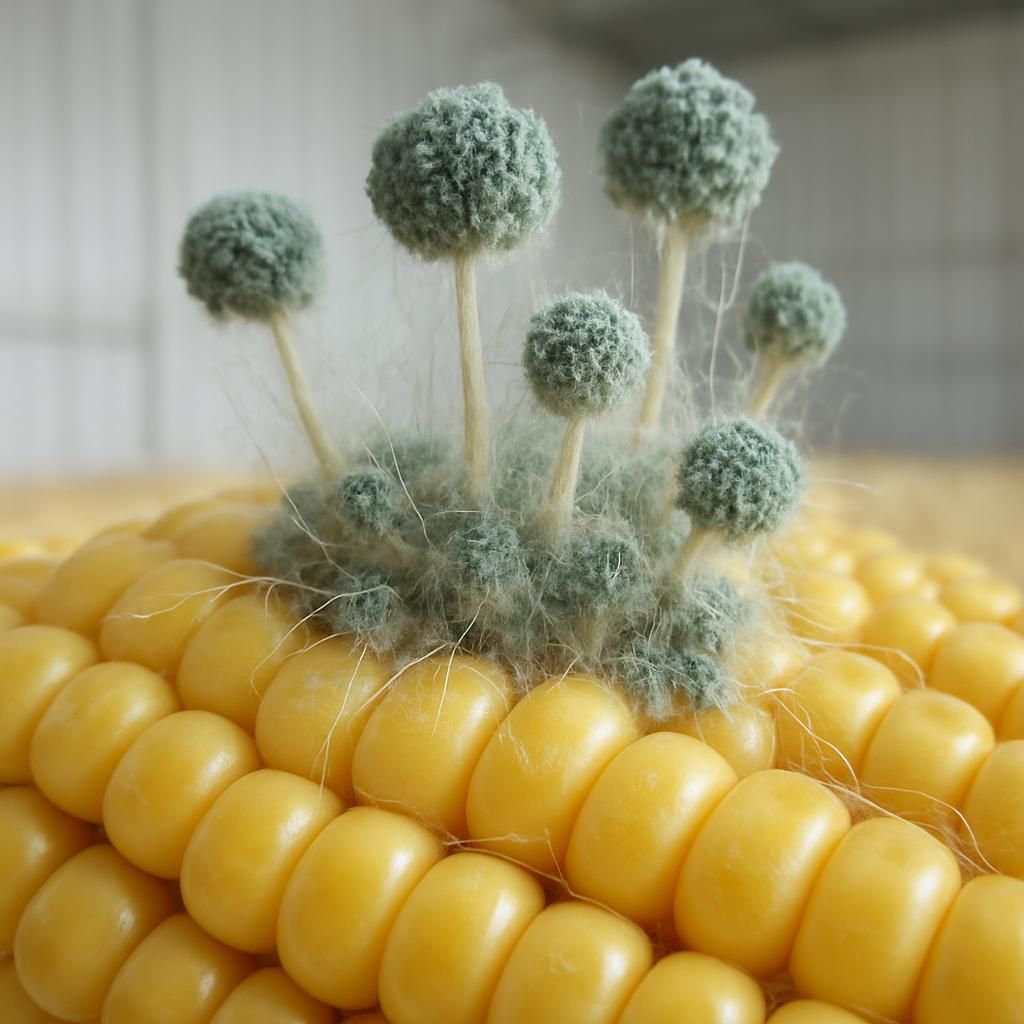
aflatoxin
Aflatoxins are highly toxic secondary metabolites produced primarily by Aspergillus flavus and Aspergillus parasiticus that contaminate staple crops such as corn, peanuts, and tree nuts under warm, humid storage and field conditions. These mycotoxins pose severe health risks to humans and livestock and cause major economic losses through rejected shipments and reduced market value. Effective management requires integrated pre-harvest cultural practices, rapid drying, proper storage, and regular testing.
View Profile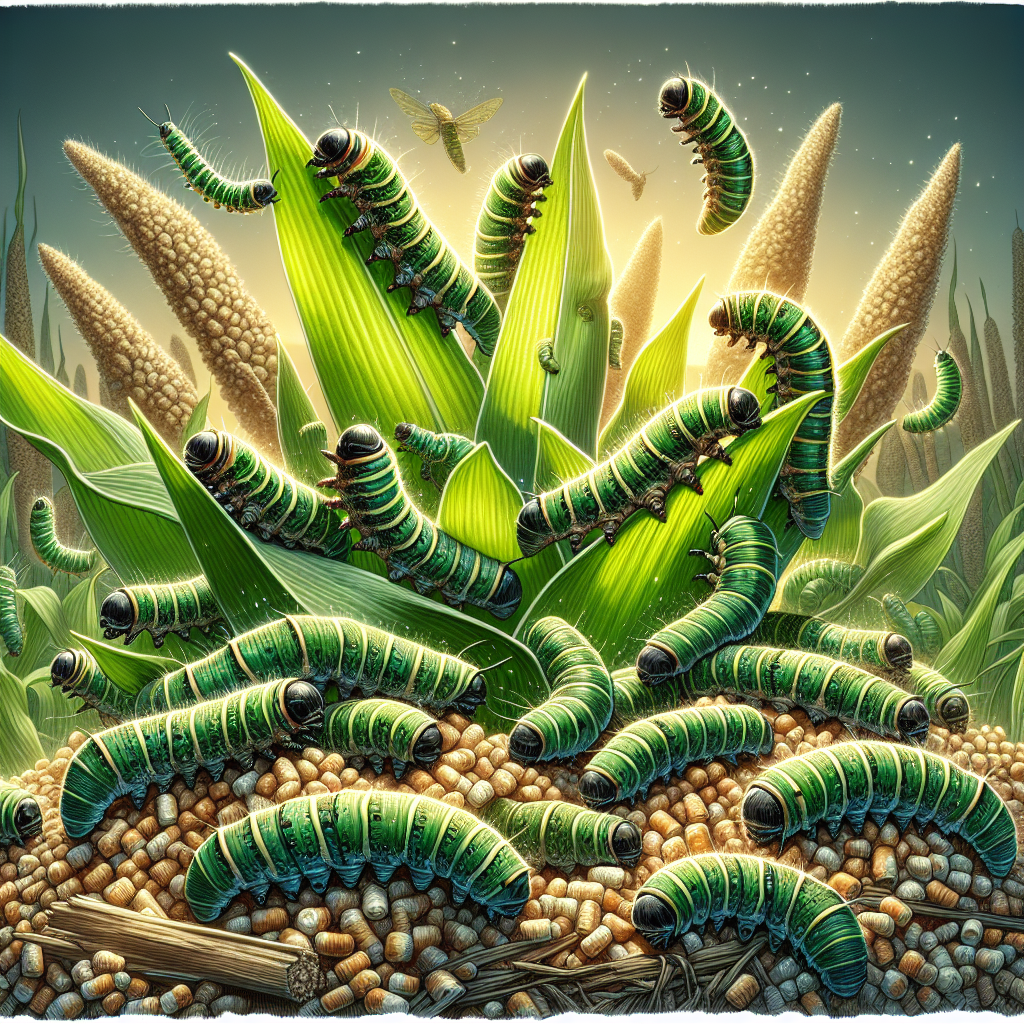
African armyworm
The African armyworm (Spodoptera exempta) is a highly destructive migratory caterpillar pest notorious for devastating cereal crops across sub-Saharan Africa. These pests form massive marching armies that strip fields bare overnight, posing severe threats to food security. Effective management combines early detection, organic controls, and preventive cultural practices.
View Profile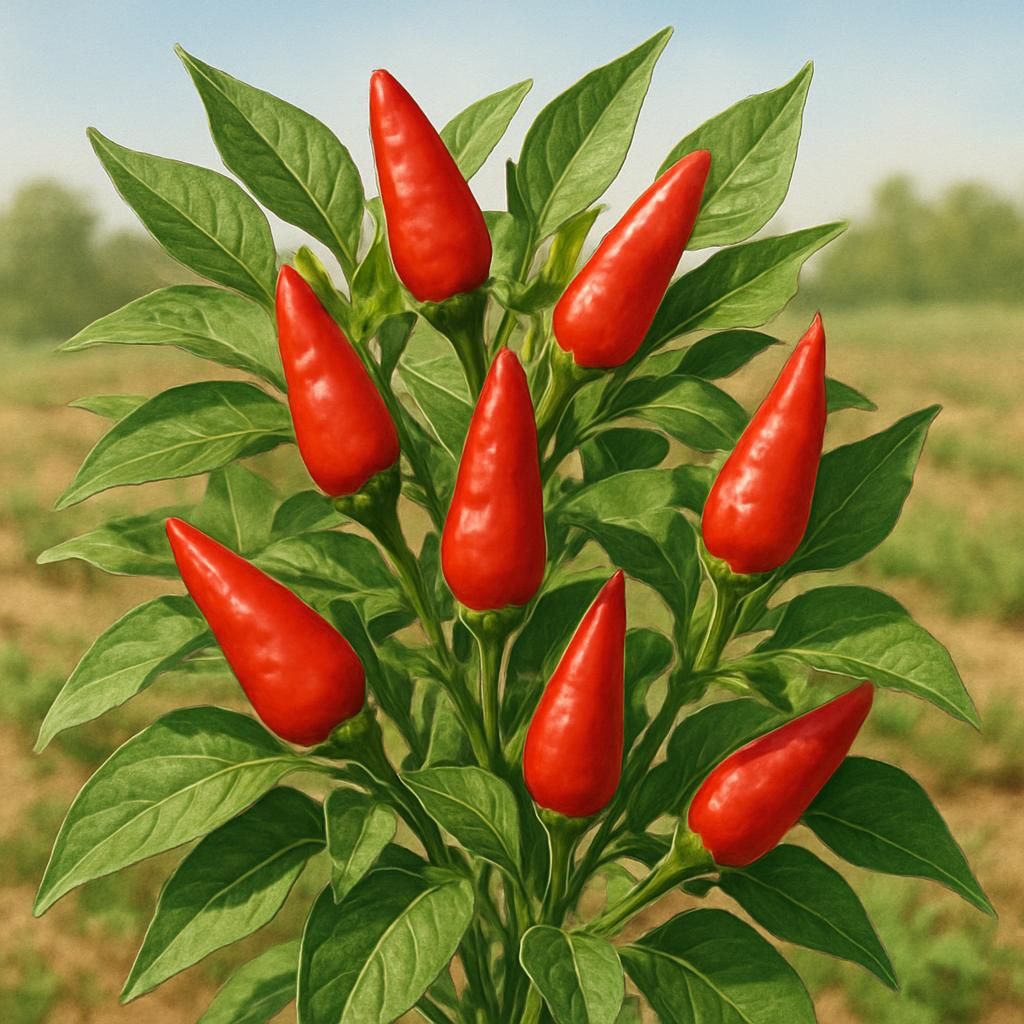
African Bird's Eye (Piri Piri)
African Bird's Eye, also known as Piri Piri, is a compact, high-heat chili pepper native to Africa that produces prolific small red pods prized for both fresh and dried culinary use. This guide delivers professional-grade growing instructions covering soil, climate, planting, care, organic pest management, harvest timing, and companion strategies. Farmers and gardeners seeking reliable yields of intensely flavorful, commercially valuable chilies will find comprehensive, actionable steps.
View Guide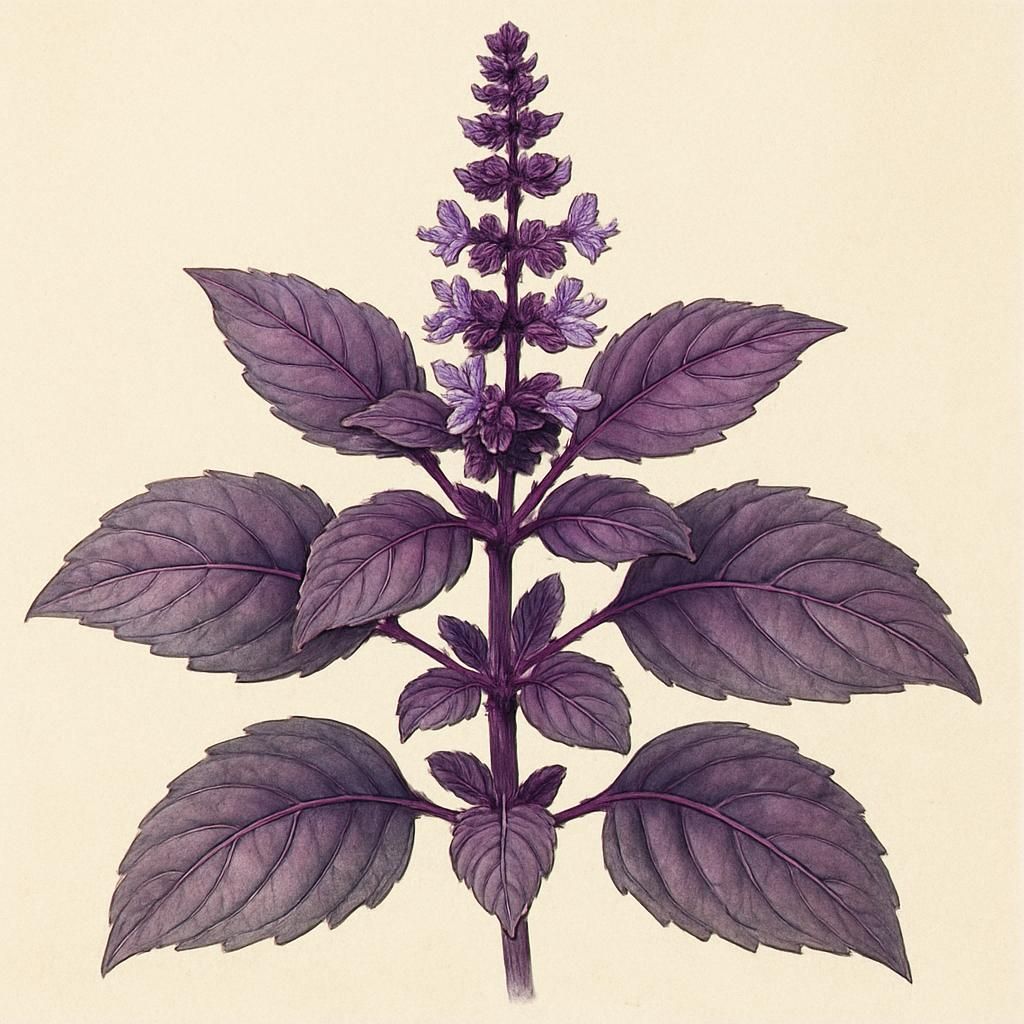
African Blue Basil
African Blue Basil is a perennial herb famous for its vibrant purple-tinged foliage and aromatic scent. It is known for both its culinary uses and ornamental appeal, thriving under the right conditions and requiring minimal care.
View Guide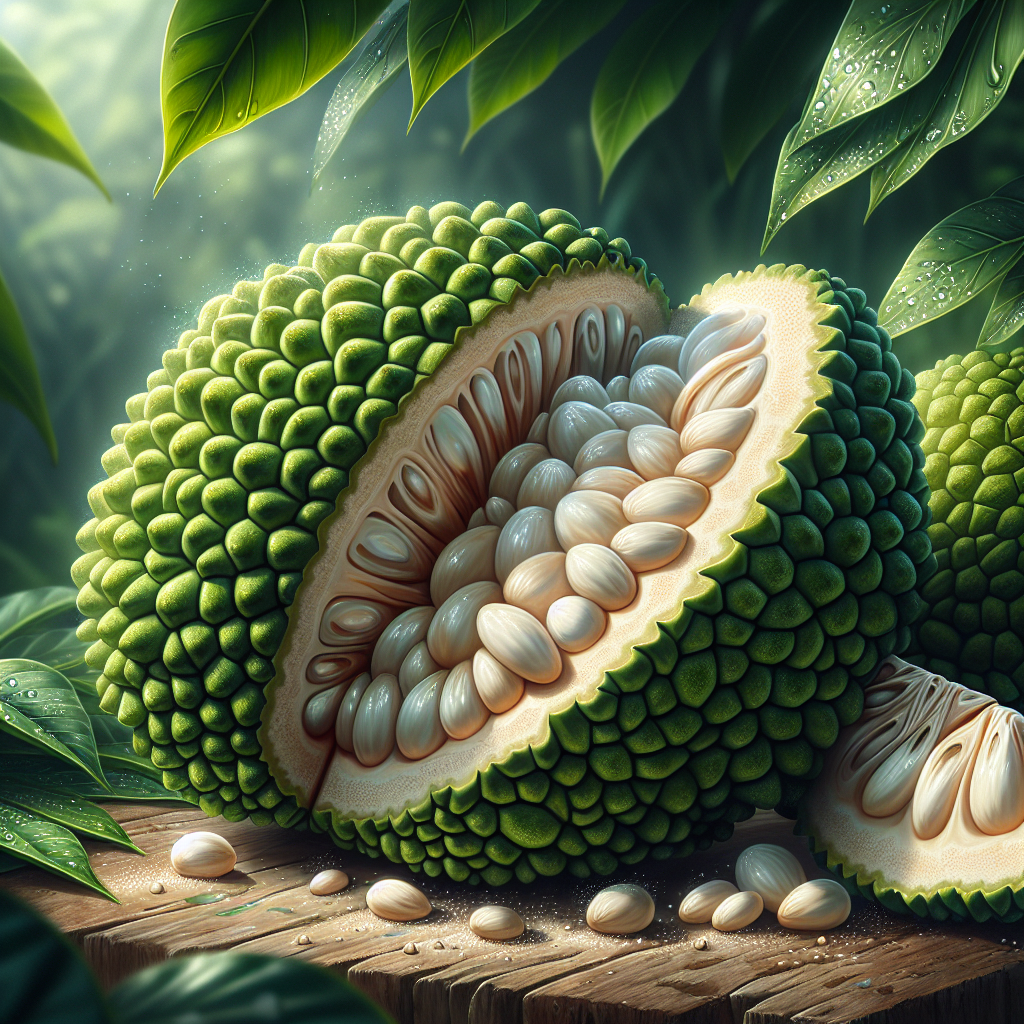
African Breadfruit (Treculia africana)
African Breadfruit (Treculia africana) is a majestic tropical tree native to West and Central Africa, prized for its massive, nutrient-rich fruits that serve as a staple food source. This comprehensive guide covers everything from propagation to harvesting, empowering growers to cultivate this resilient crop in suitable climates. With proper care, it offers high yields and multiple uses in food security and agroforestry systems.
View Guide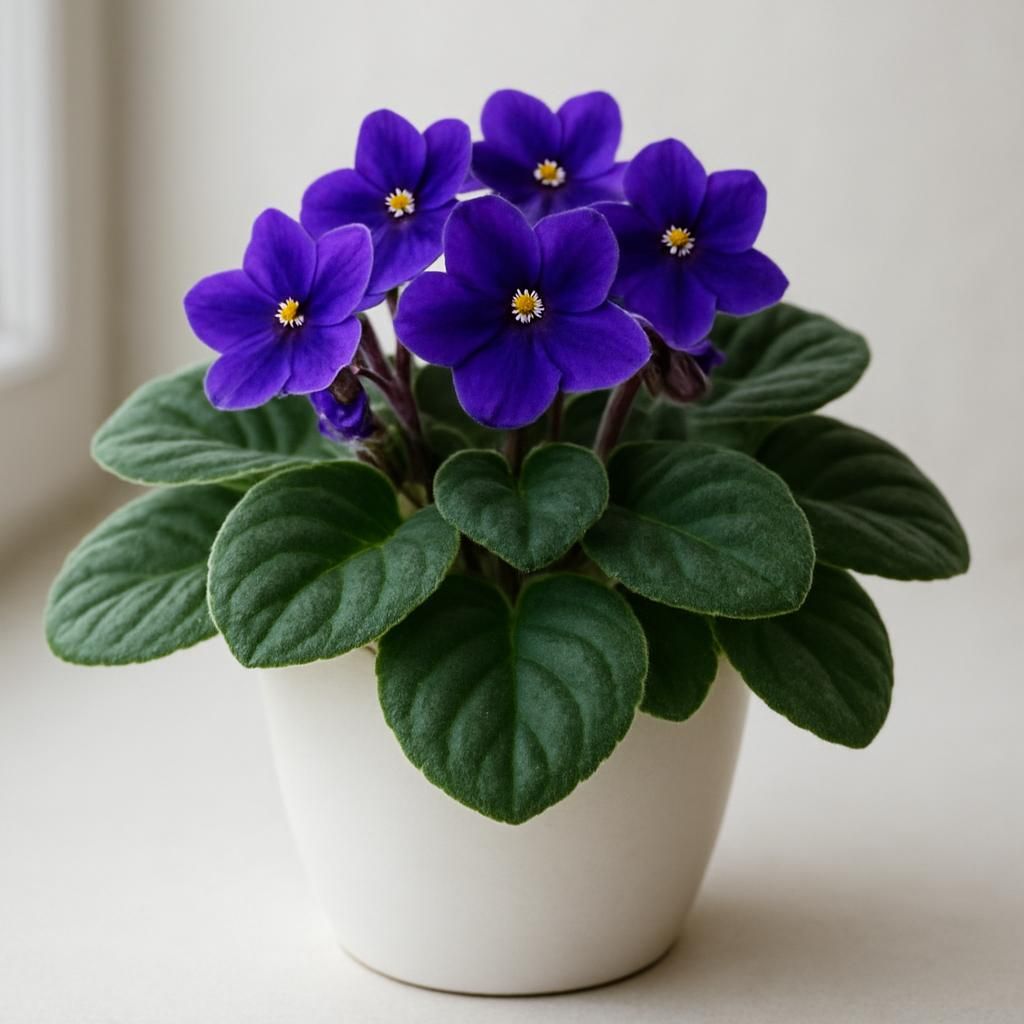
African Violet
African Violet is a compact, flowering houseplant prized for its velvety foliage and year-round blooms. This definitive guide covers botanical details, precise soil and climate requirements, propagation, care schedules, organic pest management, and companion strategies for optimal indoor growth.
View Guide
Agar-Agar
Agar-agar is a premium hydrocolloid extracted from red seaweeds of the Gelidium and Gracilaria genera, widely used as a gelling agent in food, microbiology, and pharmaceuticals. This comprehensive guide covers every stage of its commercial cultivation from spore seeding to harvest and post-harvest processing.
View Guide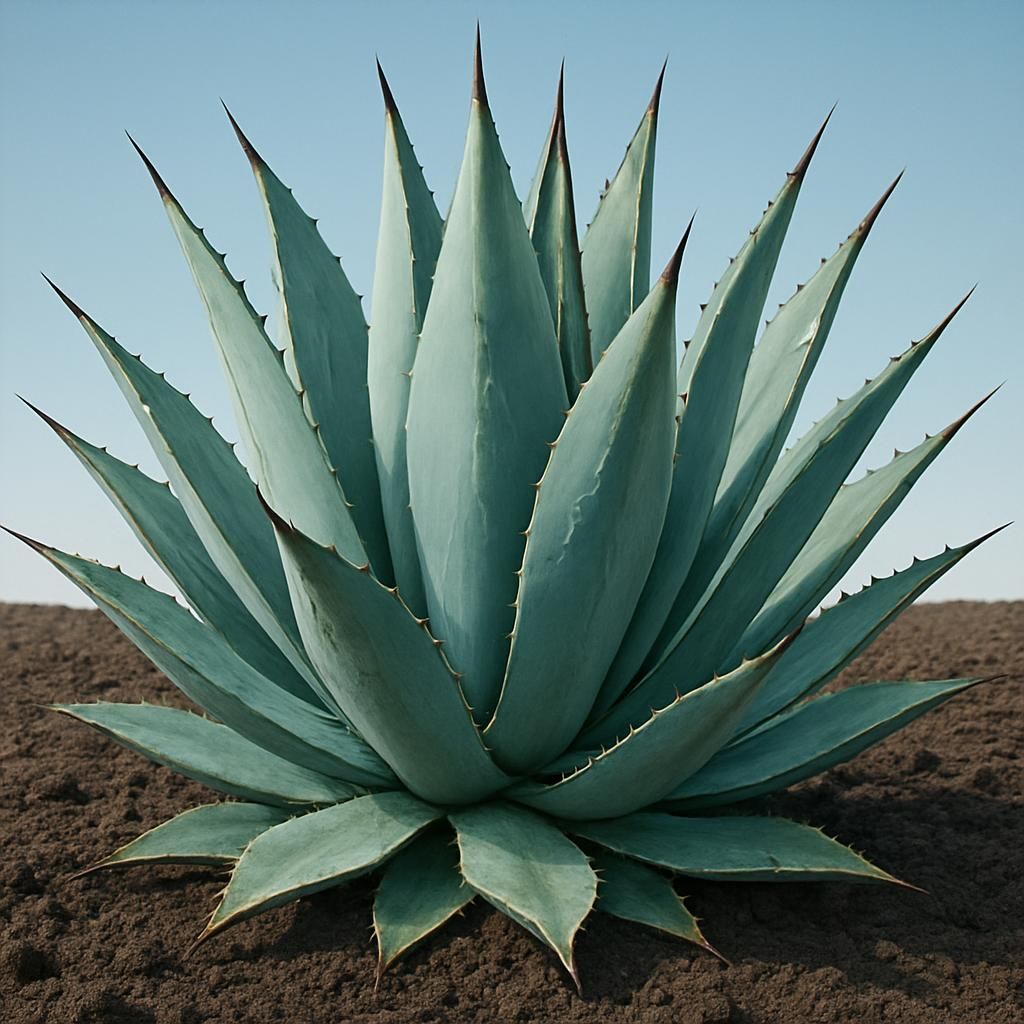
Agave
Agave is a drought-tolerant succulent genus native to the Americas, prized for fiber, sweetener, and distilled spirits production. This guide delivers professional agronomic advice on soil, propagation, maintenance, and harvest for commercial and home growers.
View Guide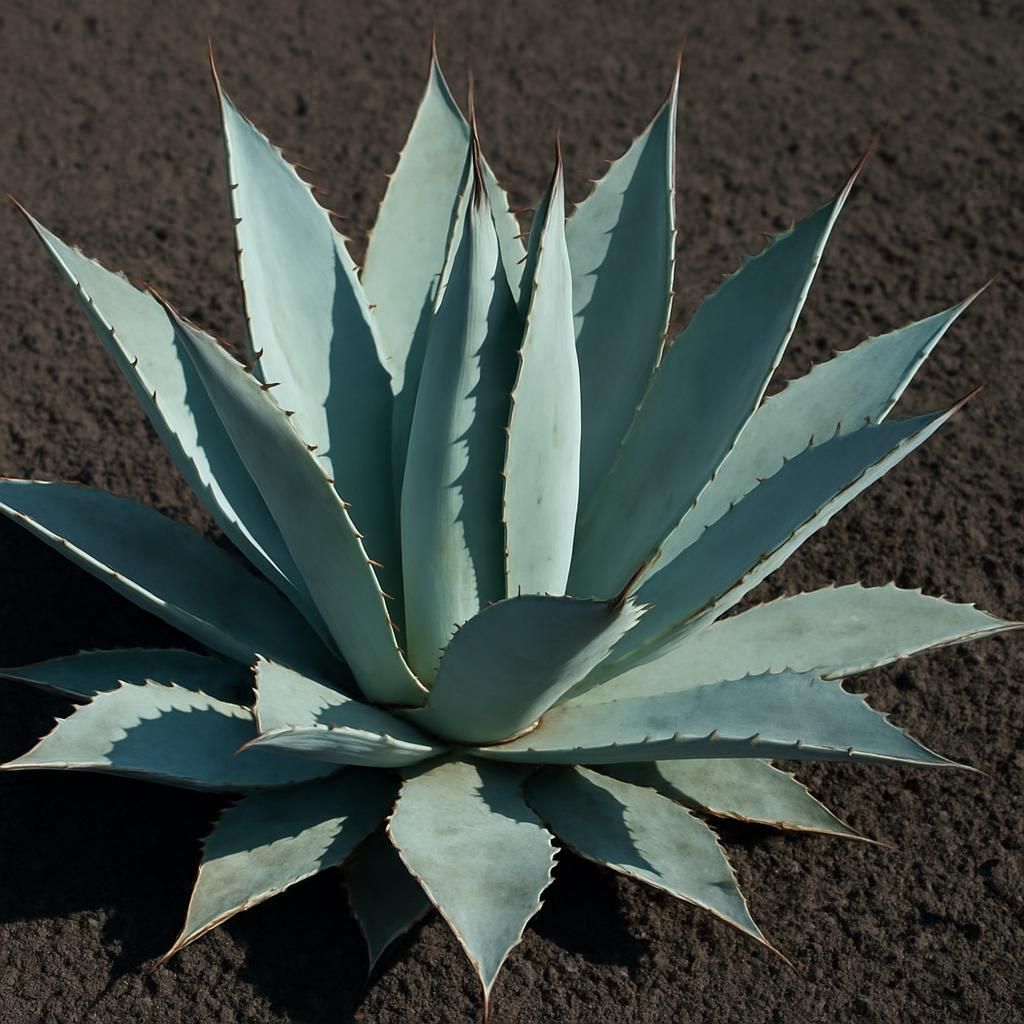
Agave tequilana
Agave tequilana, commonly known as blue agave, is the primary species used for premium tequila production and is prized for its high sugar content and resilience in arid climates. This comprehensive guide covers every stage of cultivation from soil preparation to harvest, providing professional-grade advice for growers aiming for optimal yields and plant health.
View Guide
Agrobacterium
Agrobacterium is a soil-dwelling bacterium renowned in agriculture for its natural genetic engineering capabilities, enabling precise crop modifications without synthetic chemicals. This guide provides professional cultivation techniques for laboratory propagation and field applications, optimizing its role in sustainable farming. Ideal for biotech-savvy growers seeking to enhance yields through bioengineering.
View Profile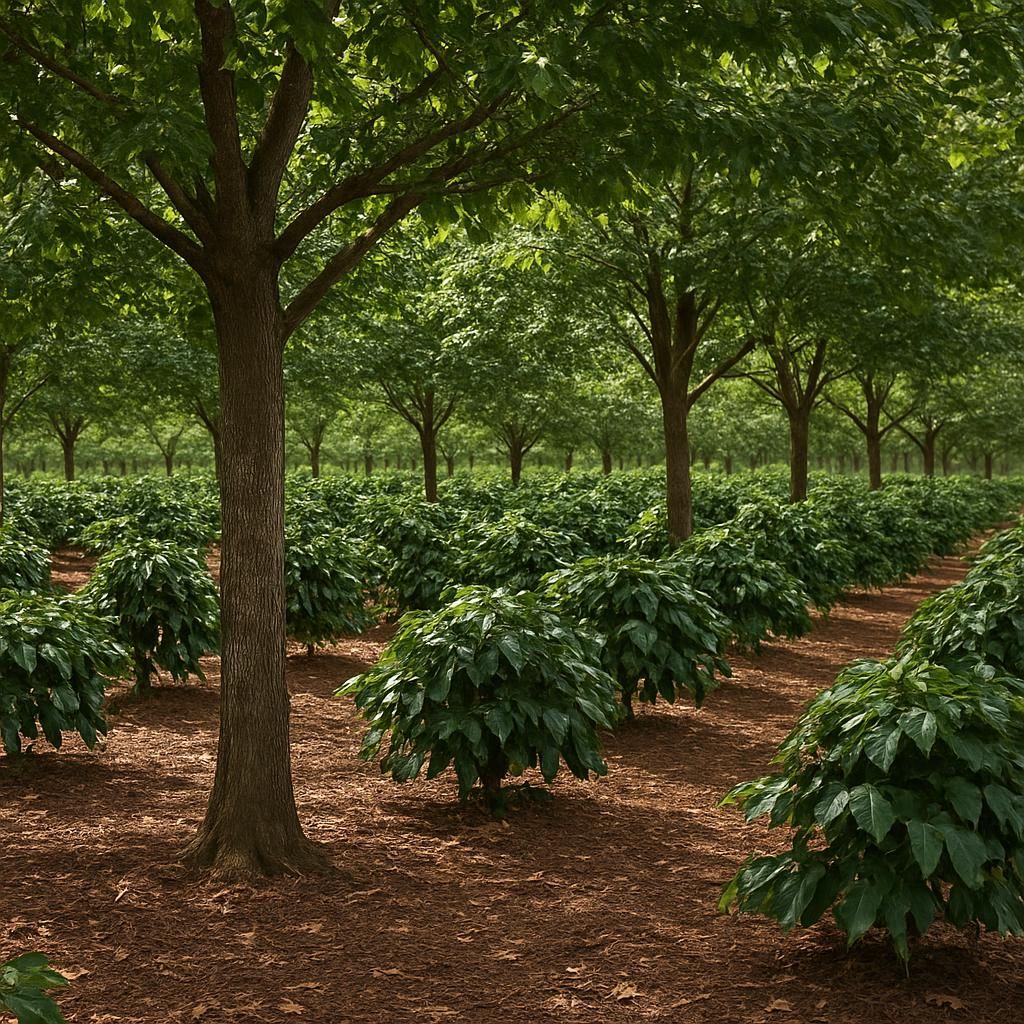
agroforestry
Agroforestry integrates trees and shrubs with crops and livestock to improve soil health, biodiversity, and long-term farm productivity. It delivers measurable economic and environmental benefits when species selection, spacing, and management align with local climate and market conditions. Successful systems rely on careful planning, soil analysis, and adaptive pruning and harvesting schedules.
View Profile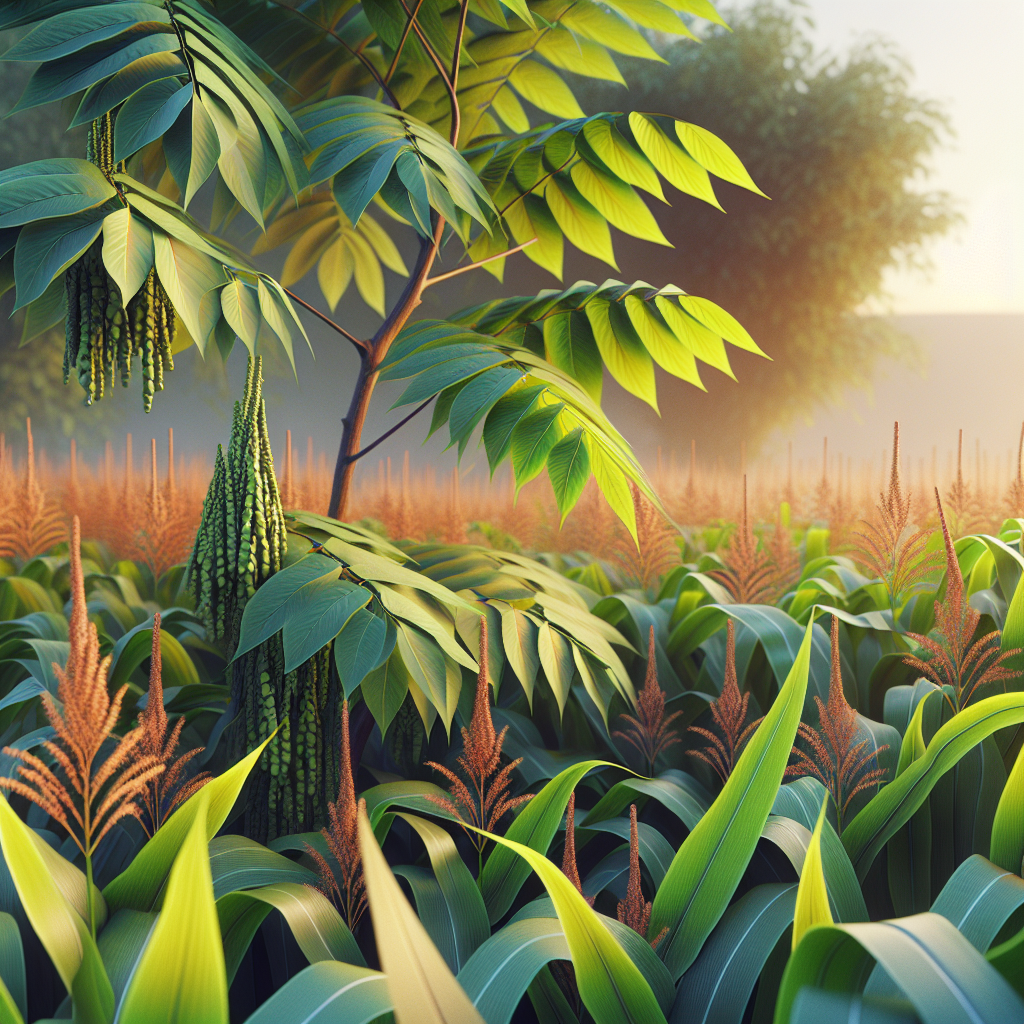
Ailanthus
Ailanthus altissima, commonly known as tree-of-heaven, is an aggressive invasive tree that outcompetes native vegetation and crops in agricultural settings. This guide provides definitive diagnostic symptoms, lifecycle details, organic management strategies, and prevention tactics tailored for farmers battling its rapid spread. Effective control requires understanding its resilient biology and implementing integrated organic approaches to protect crop yields.
View Guide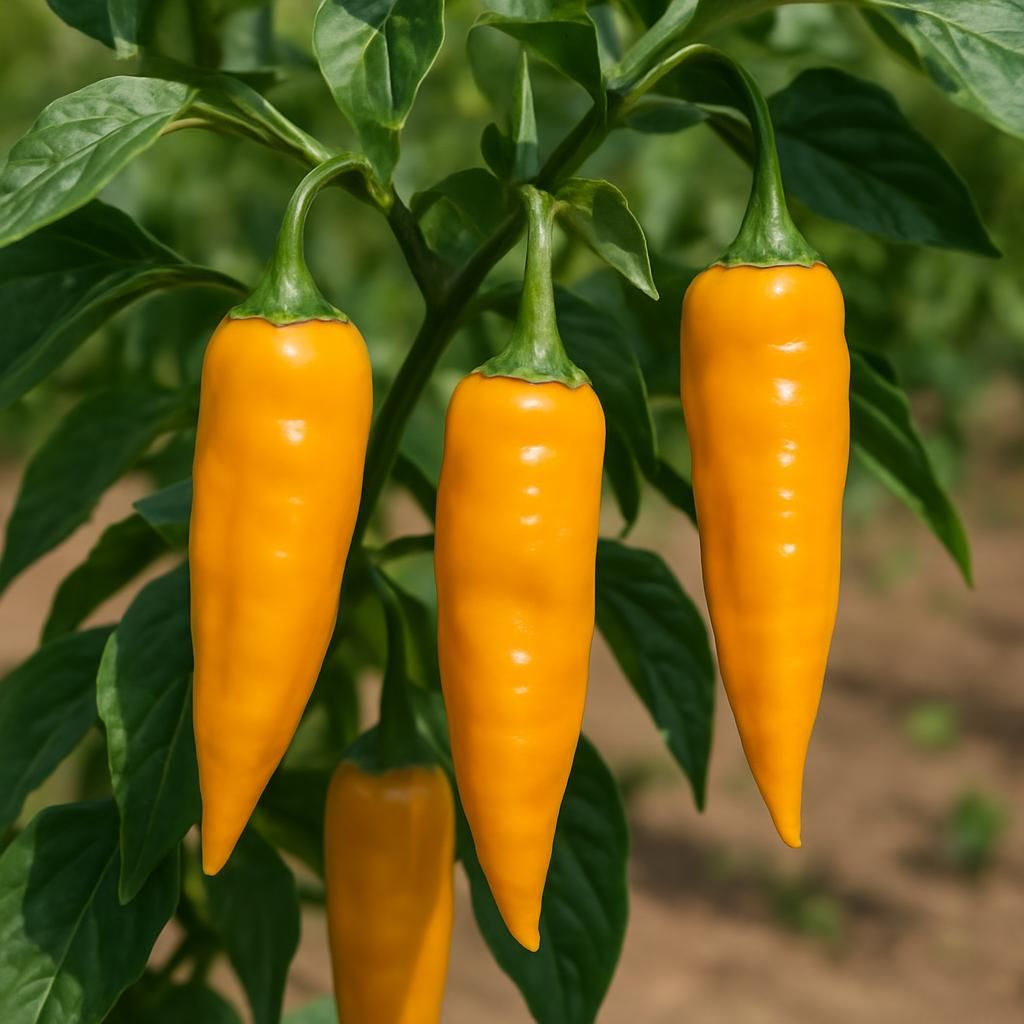
Aji Amarillo (Yellow Chili)
Aji Amarillo is a vibrant yellow Peruvian chili pepper prized for its intense fruity heat and aromatic flavor profile. This guide covers every stage of cultivation from soil preparation through post-harvest storage for professional and home growers alike.
View Guide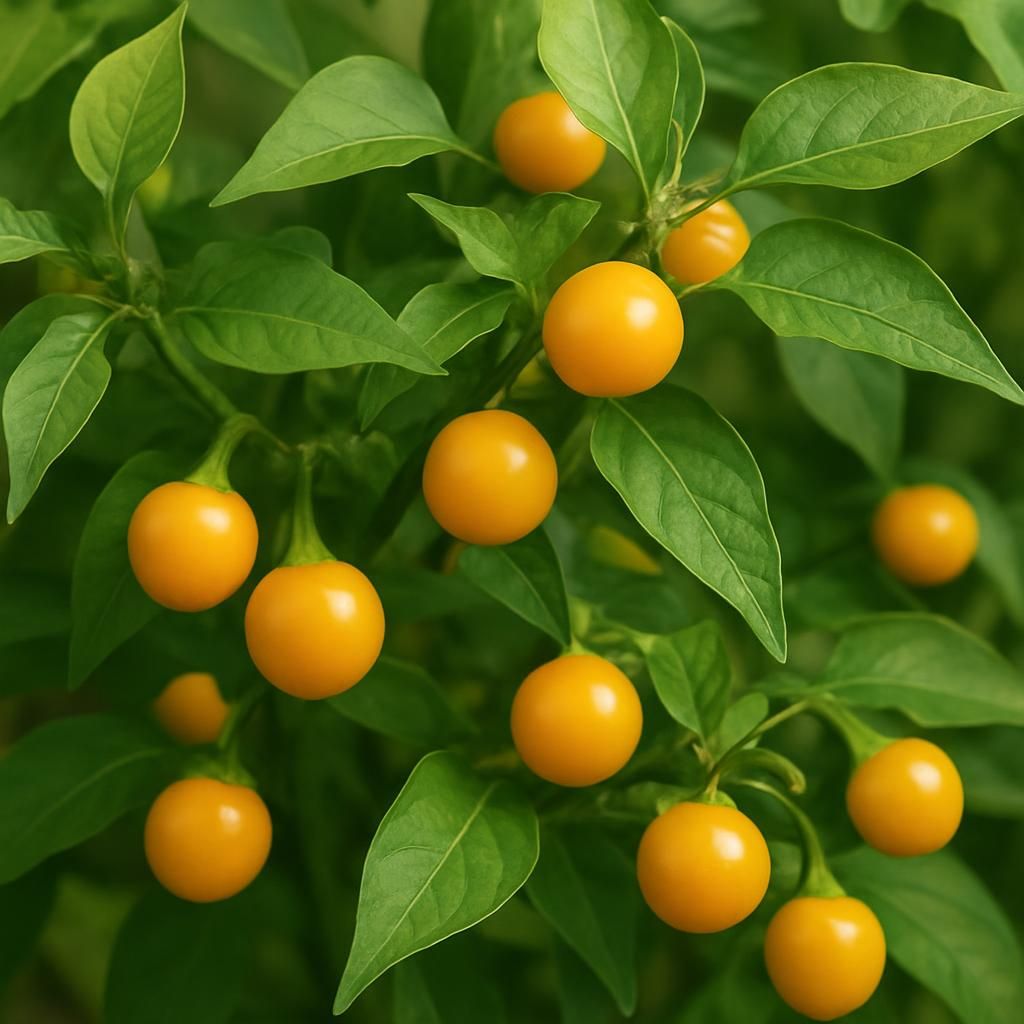
Aji Charapita
Aji Charapita is a rare Peruvian heirloom chili pepper prized for its intense fruity heat and tiny cherry-like fruits. This guide delivers professional-grade, practical advice for successfully growing Aji Charapita from seed to harvest while maximizing flavor and yield.
View Guide