Introduction to Mites
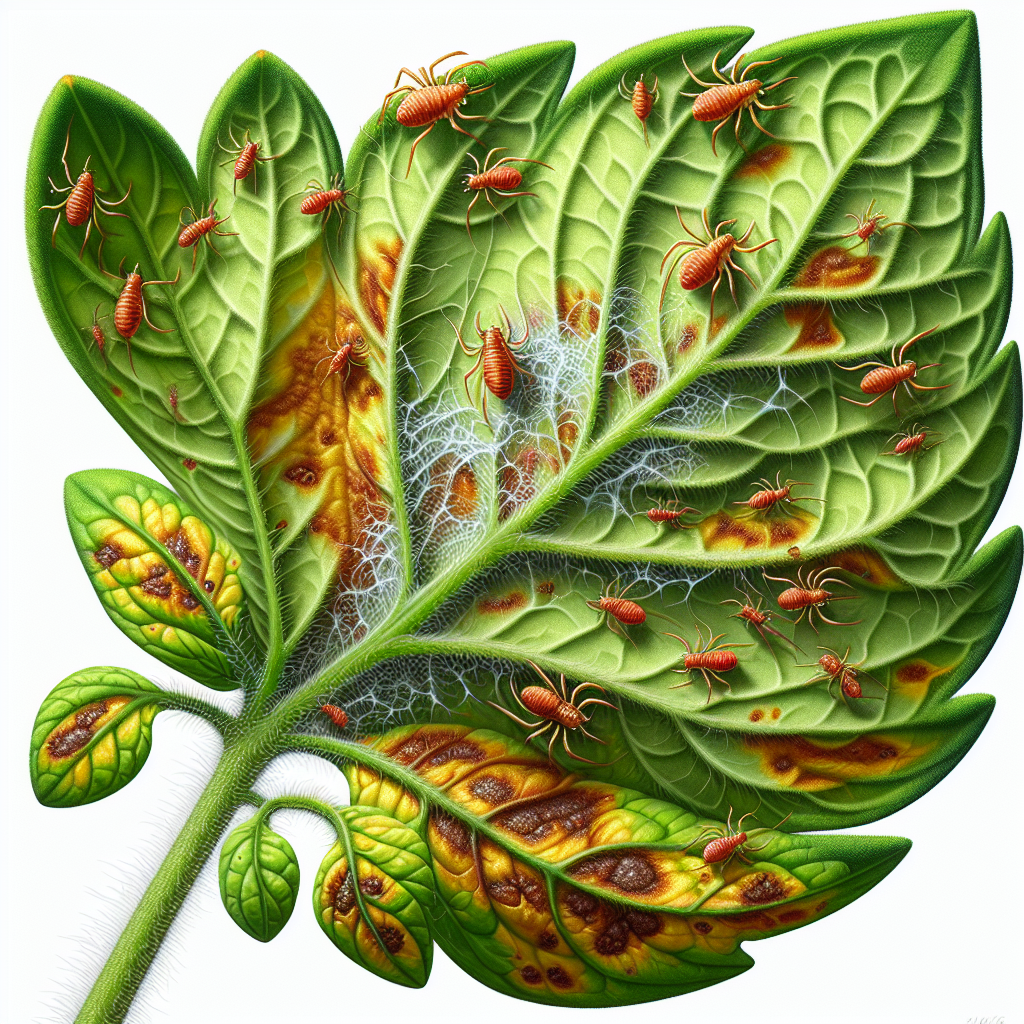
Mites represent one of the most challenging pests in agriculture due to their tiny size—often less than 1mm—and rapid reproductive rates. Unlike insects, mites belong to the arachnid class, featuring eight legs in their adult stage. Common agricultural pests include spider mites (Tetranychus urticae), known as the two-spotted spider mite, broad mites (Polyphagotarsonemus latus), cyclamen mites (Phytonemus pallidus), and russet mites (Aculops spp.). These pests thrive in warm, dry conditions and can explode in population, devastating crops by piercing plant cells and extracting contents.
Spider mites are the most notorious, producing fine silk webbing on leaf undersides, while broad and cyclamen mites cause distorted growth without visible webs. In commercial settings, mites can reduce yields by 20-50% in severe infestations, particularly on high-value crops. This definitive guide equips farmers, growers, and gardeners with diagnostic tools, lifecycle insights, organic controls, and prevention strategies. Understanding mite biology is crucial: females lay hundreds of eggs, with generations completing in 5-20 days depending on temperature. Spring Pest Patrol: Organic AI Strategies to Shield Your Crops from Common Invaders offers timely tips for early-season monitoring.
Identifying Symptoms & Damage
Accurate diagnosis starts with symptoms, as mites are rarely visible to the naked eye. Use a 10x-20x hand lens or magnifying app for confirmation. Key signs include:
- Stippling: Tiny white or yellow dots on leaves from cell puncture, progressing to bronzing or silvering.
- Webbing: Fine silk on leaf undersides, undersides of tomato leaves, or along stems—hallmark of spider mites.
- Leaf Distortion: Cupping, crinkling, or brittle leaves in broad and cyclamen mites, often on new growth.
- Yellowing and Drop: Premature leaf scorch, necrosis, and defoliation; fruit russeting or scarring.
- Plant Stunting: Reduced vigor, twisted terminals, and crumbly buds in ornamentals or tomato crops.
Differentiate from diseases: Mite damage lacks fungal spores or bacterial ooze. Compare to aphids, which leave honeydew. On strawberry, cyclamen mites cause brittle, dwarfed leaves; on avocado, persea mites induce leaf drop. Scout weekly: tap leaves over white paper—if specks move, it's mites. Damage thresholds: 5-10 mites per leaf warrant action.
Lifecycle and Progression of Mites
Mite lifecycles are temperature-driven, enabling 10-20 generations per season. Eggs (0.1mm, spherical) hatch in 2-4 days at 25-30°C (77-86°F), producing larvae (6 legs), protonymphs, deutonymphs, and adults. Total cycle: 8-10 days in heat, slowing below 15°C (59°F). Females overwinter in crop debris or bark cracks, resuming in spring.
Progression:
- Egg Stage: Clustered on leaf undersides; viable 3-5 days.
- Nymphs: Mobile, feeding aggressively; motile stages last 4-6 days.
- Adults: Females (0.5mm, greenish with black spots) lay 100+ eggs; males smaller.
Populations boom in hot, dry weather (>30°C, <50% humidity), doubling every 3-5 days. Predators like Phytoseiulus persimilis interrupt cycles. Monitor with sticky traps or beat sheets for progression tracking.
Environmental Triggers & Risk Factors
Mites exploit stressed plants. Primary triggers:
- High Temperatures: Optimal 26-35°C; greenhouses amplify.
- Low Humidity: Thrive below 40% RH; drought-stressed crops vulnerable.
- Dust and Poor Airflow: Dust reduces predator efficacy; dense canopies trap heat.
- Nitrogen Excess: Tender growth attracts feeding.
- Pesticide Misuse: Broad-spectrum sprays kill predators, causing outbreaks.
Risk factors include monocultures like soybeans or cotton, weed hosts harboring mites, and imported infested stock. Hot, arid regions (California, Australia) see chronic issues. Companion planting with marigold disrupts, per Why Companion Planting Feels Like Guesswork for Small Farms - And How AI Makes It Foolproof.
Organic Control & Treatment Plans
Integrated Pest Management (IPM) prioritizes biologicals, cultural, and botanicals. Avoid synthetics to preserve predators.
1. Cultural Controls: Increase humidity (overhead irrigate), prune infested tips, remove debris. Sulfur burners in greenhouses (nighttime, <30°C).
2. Biological Controls: Release predatory mites (P. persimilis: 2-10/sq m), ladybugs, lacewings. Stethorus beetles devour spider mites. Apply weekly until control.
3. Organic Sprays:
- Neem oil (0.5-1%): Smothers eggs/nymphs; 3-5 day rotations.
- Insecticidal soap (1-2%): Contacts soft-bodied stages; evenings.
- Horticultural oil (1%): Dormant sprays target overwinterers.
- Garlic/chili extracts: Repel via odor.
Treatment Plan: Scout → Threshold hit → Predators first → Soap/neem (3x, 5 days apart) → Miticide (abamectin if organic-approved). Rotate modes to prevent resistance. On cucumber, combine with yellow sticky traps.
Monitoring: Use AI apps for image diagnosis to track efficacy.
Preventing Mites in the Future
Prevention beats cure. Strategies:
- Resistant Varieties: Choose mite-tolerant eggplant or beans.
- Crop Rotation: Avoid hosts 2-3 years.
- Sanitation: Quarantine new plants; clean tools.
- Humidity Management: Misters/foggers maintain 60%+ RH.
- Beneficial Habitats: Plant yarrow or thyme for predators.
- Scouting Routine: Weekly checks, especially undersides.
- Winter Clean-Up: Destroy residues.
Integrated with soil health from Soil Health Mastery: 5 Proven Strategies for Small Farms to Build Fertile Ground Without Breaking the Bank, resilient plants resist better.
Crops Most Affected by Mites
Mites plague 200+ crops, favoring solanaceous, cucurbits, and fruits:
- Vegetables: Tomato, potato, pepper, cucumber, squash, eggplant, bean.
- Fruits: Strawberry, grapes, apple, citrus, avocado, mango.
- Ornamentals/Field: Cotton, soybeans, corn, strawberry.
Spider mites hit tomato hardest; broad mites distort pepper. In greenhouses, lettuce and herbs suffer. Tailor IPM per crop.