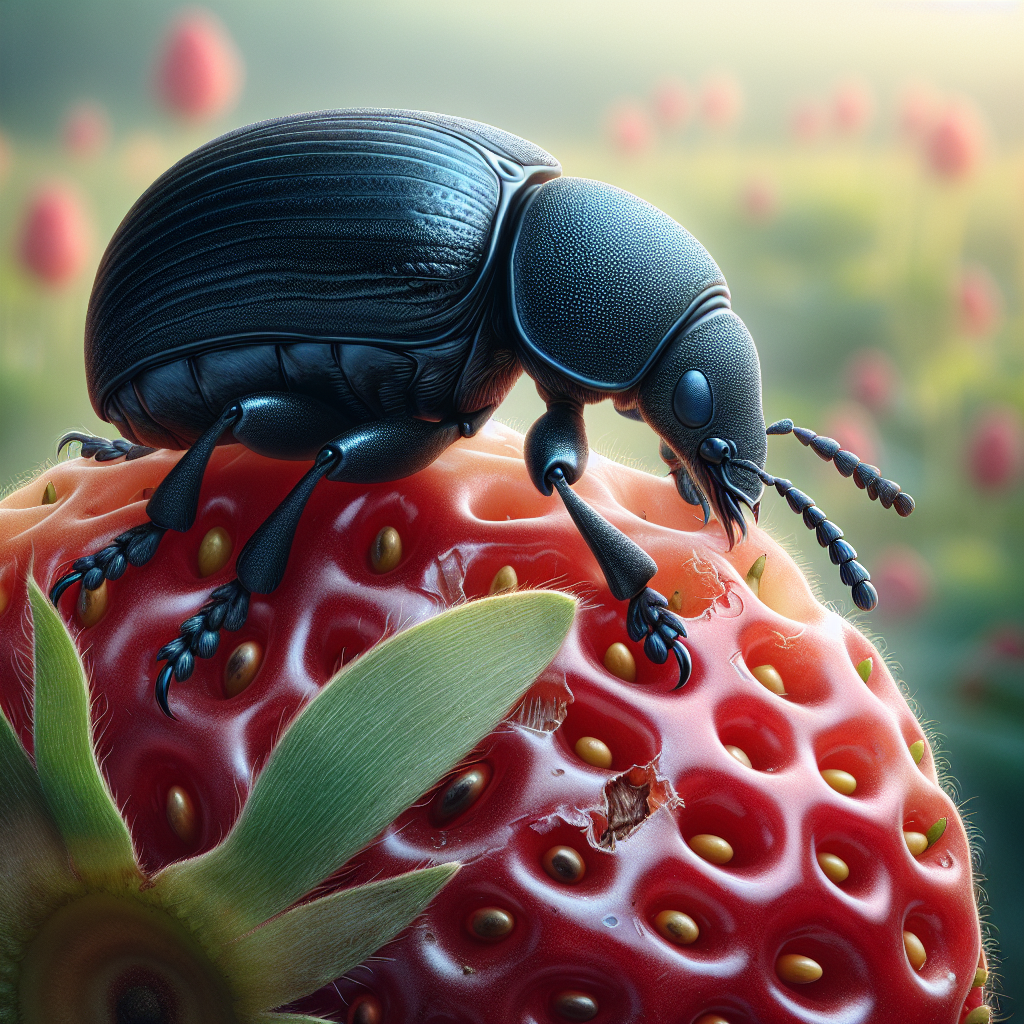
Introduction to sap beetles
Sap beetles, belonging to the Nitidulidae family, are notorious agricultural pests known for their attraction to fermenting, overripe, or damaged plant material. These small, oval-shaped beetles, typically ranging from 2-8 mm in length, feature clubbed antennae and a distinctive 'shoulder' projection on their pronotum. Common species include the dusky sap beetle (Carpophilus lugubris), dried fruit beetle (Carpophilus hemipterus), and picnic beetle (Glischrochilus quadrisignatus). Unlike many borers or chewers, sap beetles are opportunistic scavengers, feeding on sap flows, yeasts, and fungi in decaying matter.
In agricultural settings, sap beetles pose significant threats during harvest periods, infesting crops like strawberry, tomato, corn, and stone fruits. They not only consume produce but also spread yeasts and bacteria, leading to souring and off-flavors. Populations explode in warm, humid climates, with a single female capable of laying hundreds of eggs. Early detection and integrated management are crucial, as unchecked infestations can result in 20-50% yield losses in susceptible crops. This guide provides professional-grade diagnostics, lifecycle insights, and organic strategies tailored for small farms and commercial growers. For more on Spring Pest Patrol: Organic AI Strategies to Shield Your Crops from Common Invaders.
Identifying Symptoms & Damage
Sap beetle damage is often mistaken for that of other pests like flea beetles or fruit flies, but key signs distinguish them. Look for small, ragged feeding holes (1-3 mm) on ripe or overripe fruits, accompanied by brown frass or exudate. Unlike clean cuts from slugs, sap beetle feeding leaves irregular, sunken lesions with a fermented odor due to yeast proliferation.
Affected produce shows rapid deterioration: strawberries develop 'souring rot' with leaking juice; tomatoes exhibit cat-facing scars and internal browning; corn ears feature silks webbed with frass and kernels tunneled shallowly. Larvae, creamy-white with brown heads, are C-shaped and found burrowed in fruit pulp. Adult beetles cluster in groups, often at wounds from mechanical injury or bird pecks.
Secondary symptoms include mold growth (Botrytis) and bacterial contamination, exacerbated by beetle-vectored pathogens. Inspect under leaves, in crop residues, and near compost piles. Use yellow sticky traps to confirm presence—sap beetles are drawn to fermenting bait. Differentiate from Japanese beetles by their smaller size, lack of metallic sheen, and preference for decaying over fresh tissue. Early scouting during fruit set prevents escalation; damage thresholds vary by crop, with zero tolerance for fresh market produce.
Lifecycle and Progression of sap beetles
Sap beetles complete multiple generations per season (3-8, depending on climate), accelerating in temperatures above 75°F (24°C). Adults overwinter in leaf litter, wood piles, or soil, emerging in spring to feed on early blooms and sap. Females lay 200-900 eggs singly or in clusters near wounds, hatching in 2-5 days into larvae that feed for 1-3 weeks before pupating in soil or debris.
The full cycle spans 3-6 weeks, with peak activity aligning with crop ripening. Larvae tunnel shallowly, avoiding deep boring like corn earworm. Pupae are reddish-brown exoskeletons, 3-5 mm long. Adults live 2-8 weeks, dispersing widely via flight. In tropical areas, year-round breeding occurs; temperate zones see dormancy below 50°F (10°C).
Monitor progression with pheromone traps; first adults signal egg-laying risk. Overlapping generations complicate control—target adults to break the cycle. Soil temperatures above 70°F trigger pupation surges. Understanding this rhythm allows timed interventions, reducing populations by 70-90% when synchronized with organic treatments.
Environmental Triggers & Risk Factors
Warm, humid conditions (75-90°F, 60%+ RH) are prime triggers, fostering yeast growth that lures sap beetles. Overripe or injured crops, poor sanitation, and nearby fermenting waste (e.g., cull piles) amplify infestations. Drought-stressed plants exude more sap, attracting adults; excessive nitrogen promotes lush growth prone to damage.
Risk factors include monoculture of susceptible crops, reduced tillage leaving residues, and proximity to wild hosts like tree sap or compost heaps. Mechanical harvest wounds invite entry, while ants or birds create access points. High-risk zones: Southern U.S., tropics, and irrigated fields. Climate change extends seasons, increasing generations. Mitigate by rotating crops, burying residues, and avoiding midday irrigation that raises humidity.
Organic Control & Treatment Plans
Organic management emphasizes sanitation, cultural practices, and targeted biologics. Step 1: Sanitation—remove overripe fruit daily, bury or hot-compost culls at 140°F+ to kill larvae. Destroy volunteer plants and weeds. Step 2: Trapping—deploy whole corn ear traps (ripe ears in jars with holes) or commercial pheromone lures baited with yeast-sugar mix (1 cup water, 1 tbsp sugar, 1 tsp yeast). Place 1-2 per acre, 3-5 ft high, refreshed weekly. Traps capture 80% of adults.
Step 3: Barriers—row covers during ripening; kaolin clay sprays deter feeding. Step 4: Biocontrol—release predatory beetles (Harpalus spp.) or nematodes (Heterorhabditis bacteriophora) for soil-stage larvae. Neem oil (0.5-2%) or spinosad (OMRI-listed) applied at dusk targets adults/larvae, with 7-day reapplication. Rotate modes to prevent resistance. Integrated Plan: Scout weekly; trap threshold >5 beetles/trap/week triggers sprays. Combine with thyme or marigold borders as repellents. Expect 85% control in strawberries, less in dense corn.
Preventing sap beetles in the Future
Prevention hinges on cultural resilience. Harvest promptly at peak ripeness; schedule multiple pickings. Use resistant varieties like tight-husked corn or firm-fleshed peach cultivars. Mulch with straw to suppress soil pupation; till lightly post-harvest to expose pupae to predators.
Crop rotation (2-3 years away from hosts) disrupts cycles. Plant trap crops (e.g., early corn borders) to divert beetles. Enhance biodiversity with flowering hedges attracting parasitic wasps. Monitor with cucumber beetles traps, as co-occurrence heightens risks. Long-term: Improve soil health via cover crops like clover to boost natural enemies. Annual audits reduce recurrence by 90%; integrate with farm-wide IPM for aphids and other pests.
Crops Most Affected by sap beetles
Sap beetles target over 100 hosts, prioritizing soft, ripening fruits and ears. Top impacts: Strawberry (souring rot, 30% losses); tomato (fruit scarring); sweet and field corn (ear infestations up to 50%); stone fruits like cherry, peach, plum (sap-feeding wounds). Vegetables: cucumber, squash, pumpkin (vine damage). Tropicals: mango, papaya, banana (post-harvest decay). Field crops: sorghum, sugarcane. Grains rarely affected unless damaged. Focus prevention on high-value berries and ears.