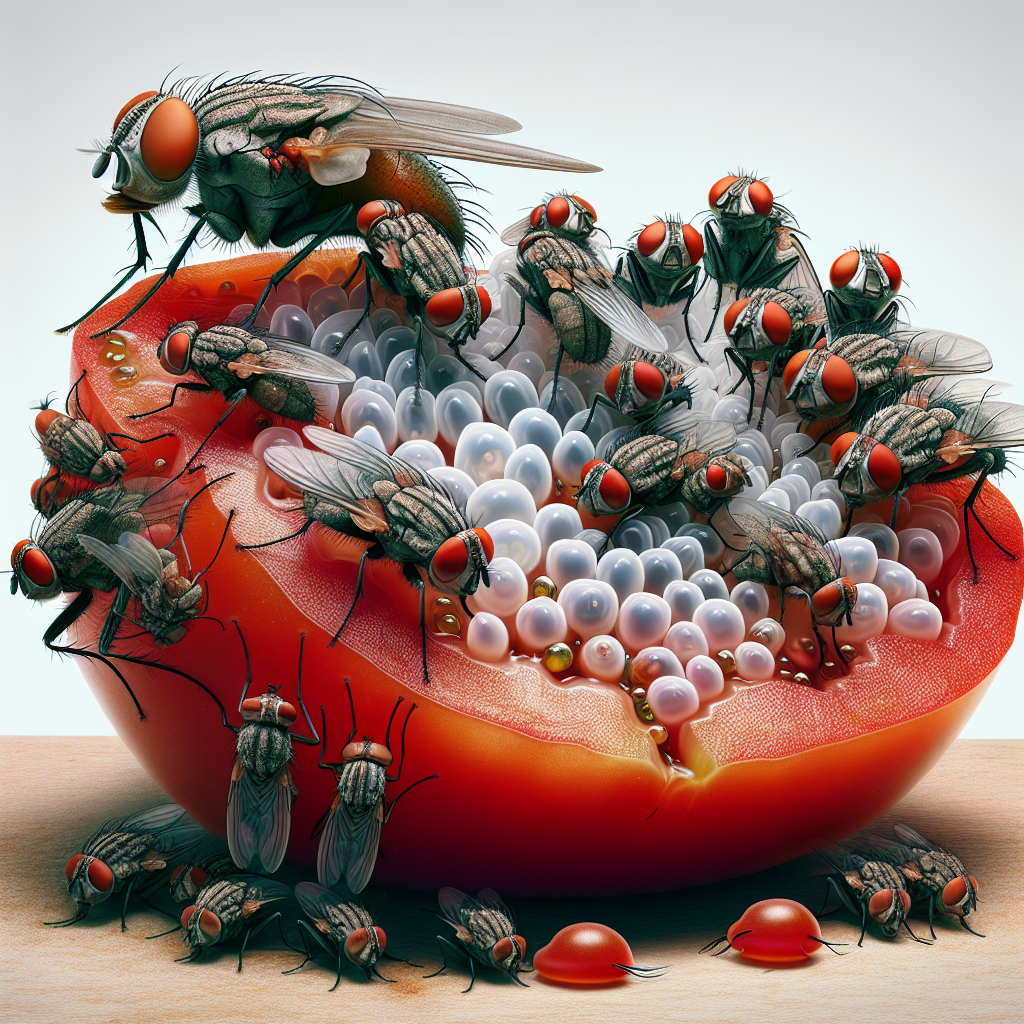
Introduction to Fruit flies
Fruit flies, often referred to as vinegar flies (Drosophila spp.) or true fruit flies (Tephritidae family like Mediterranean fruit fly, Ceratitis capitata, or Oriental fruit fly, Bactrocera dorsalis), are among the most notorious pests in agriculture and home gardens. These tiny dipterans, typically 2-5 mm long with red eyes and yellowish-brown bodies, thrive on fermenting sugars from overripe or damaged produce. In commercial crops and small farms, they can devastate yields by laying eggs inside fruits, leading to larval feeding that renders produce unmarketable.
Globally, fruit flies cause billions in losses annually, particularly in tropical and subtropical regions. For instance, the Mediterranean fruit fly alone infests over 300 host species, including apple, mango, and tomato. Small-scale growers face unique challenges due to limited resources for quarantine or chemical sprays, making integrated pest management (IPM) essential. Early detection via sticky traps and sanitation prevents explosive populations, as a single female can produce 500+ offspring in her lifetime. This guide equips farmers with professional diagnostics and organic solutions to safeguard harvests.
Identifying Symptoms & Damage
Spotting fruit fly infestations early is critical for containment. Adult flies hover around ripening fruits, attracted to ethylene gas emissions. Key symptoms include:
- Puncture wounds or 'stings' on fruit skin: Tiny, dark scars where females deposit eggs using their ovipositor. Common on soft-skinned fruits like strawberry, cherry, and grape.
- Larval tunnels inside fruit: White, maggot-like larvae (1-8 mm) bore through flesh, causing browning, softening, and premature drop. Infested fruits ooze or leak fermented juice.
- Dark pupal cases: Brown, rice-like puparia on fruit surfaces or soil.
- Secondary rot and mold: Larval feeding invites bacteria and fungi, accelerating decay. Fruits may taste vinegary or off.
Damage severity varies: in tomato fields, up to 50% yield loss occurs if unchecked; in mango orchards, larvae ruin pulp quality. Differentiate from sap beetles by fruit flies' lack of hard wing covers and preference for unbroken skin. Use a knife to slice fruits: active larvae wiggle vigorously. For diagnostics, check traps daily—more than 5 flies/trap signals action. Learn more about fruit fly biology in our detailed wiki entry.
Lifecycle and Progression of Fruit flies
Understanding the fruit fly lifecycle enables targeted interventions. These pests complete development in 7-40 days, depending on temperature (optimal 25-30°C).
- Egg (0-2 days): Females lay 300-500 eggs singly or in clusters under fruit skin.
- Larva (3-6 days): Three instars feed voraciously on fruit pulp, growing from 0.5 mm to 8 mm.
- Pupa (4-12 days): Larvae exit fruit, pupate in soil or cracks. Non-feeding stage.
- Adult (lifespan 20-60 days): Mate within hours; females seek hosts immediately.
Progression accelerates in warm, humid conditions—populations explode from one pair to thousands in weeks. Overwinter as pupae in soil. Multiple generations (10-15/year) overlap, complicating control. Monitor with McPhail traps baited with protein hydrolysate or torula yeast. For companion pest insights, see our blog on Spring Pest Patrol: Organic AI Strategies to Shield Your Crops from Common Invaders.
Environmental Triggers & Risk Factors
Fruit flies exploit specific conditions:
- High humidity and warmth: Above 70% RH and 20°C+ trigger egg-laying.
- Overripe or wounded fruit: Primary attractants; mechanical damage from hail or birds invites invasion.
- Poor sanitation: Fallen fruits, compost piles, or dumps breed reservoirs.
- Monoculture and proximity to wild hosts: Dense plantings of banana, avocado, or guava amplify spread.
Risk spikes post-harvest or during rainy seasons. In greenhouses, standing water and poor ventilation exacerbate issues. Global trade introduces exotic species like Queensland fruit fly. Soil type matters—loose, organic-rich soils favor pupation. Mitigate by avoiding susceptible varieties in high-risk zones and rotating crops away from fruit trees.
Organic Control & Treatment Plans
Organic management emphasizes IPM: prevention, monitoring, and minimal intervention.
1. Cultural Controls (Foundation):
- Remove fallen or infested fruits daily; bury >30 cm deep or solarize in black plastic.
- Thin clusters to improve air circulation, reducing humidity.
2. Physical Barriers:
- Fine mesh netting (1.6 mm) over crops like blueberry bushes.
- Kaolin clay sprays create protective film on fruit skin.
3. Trapping & Mass Removal:
- Apple cider vinegar traps: Jar with vinegar, dish soap, and plastic wrap (top holes). Replaces every 3 days.
- Protein baits (hydrolyzed yeast + sugar) in McPhail traps; males-only lures like trimedlure for Medfly.
- Sticky yellow cards for adults.
4. Biological Controls:
- Release parasitoids like Fopius arisanus wasps (egg predators).
- Encourage predators: spiders, tachinid flies.
5. Organic Sprays (Last Resort):
- Neem oil or spinosad (OMRI-listed) on young fruits; rotate to prevent resistance. Apply evenings to spare pollinators.
Integrated Plan: Scout weekly; trap threshold: 2 flies/trap/week → intensify sanitation + traps. For severe outbreaks, bag individual fruits on high-value trees like peach. Expect 70-90% reduction with consistency. Avoid broad-spectrum insecticides that kill beneficials like whiteflies predators.
Preventing Fruit flies in the Future
Long-term prevention builds resilience:
- Sanitation Protocols: Harvest promptly; clean equipment; exclude wild hosts within 100m.
- Resistant Varieties: Choose thick-skinned cultivars, e.g., certain Hass Avocado strains.
- Crop Rotation & Diversification: Alternate with non-hosts like garlic or onion.
- Soil Management: Till post-harvest to expose pupae to predators/sun.
- Quarantine: Inspect incoming produce; hot-water dip (46°C, 20 min) for mangoes.
- Monitoring Tech: Use pheromone traps year-round; log data for trends.
Annual planning cuts recurrence by 80%. Integrate with cover crops like marigold to deter via repulsion.
Crops Most Affected by Fruit flies
Fruit flies target sugar-rich produce:
| Crop | Key Species | Damage Notes |
|---|---|---|
| Tomato | Drosophila suzukii (spotted wing) | Larvae in ripe fruit; 30-50% loss. |
| Mango | B. dorsalis | Pulp destruction; quarantine issues. |
| Apple, Pear | Rhagoletis spp. | Maggots in core; export bans. |
| Citrus (orange, lemon) | C. capitata | Peel punctures, drop. |
| Berries (strawberry, raspberry) | D. suzukii | Invades unripe fruit. |
| Banana, Pineapple | Tephritids | Post-harvest rot. |
| Stone fruits (peach, plum) | Multiple | High infestation in warm climates. |
Tropicals like dragon fruit, papaya suffer most in Asia/Pacific. Prioritize high-value crops for protection.