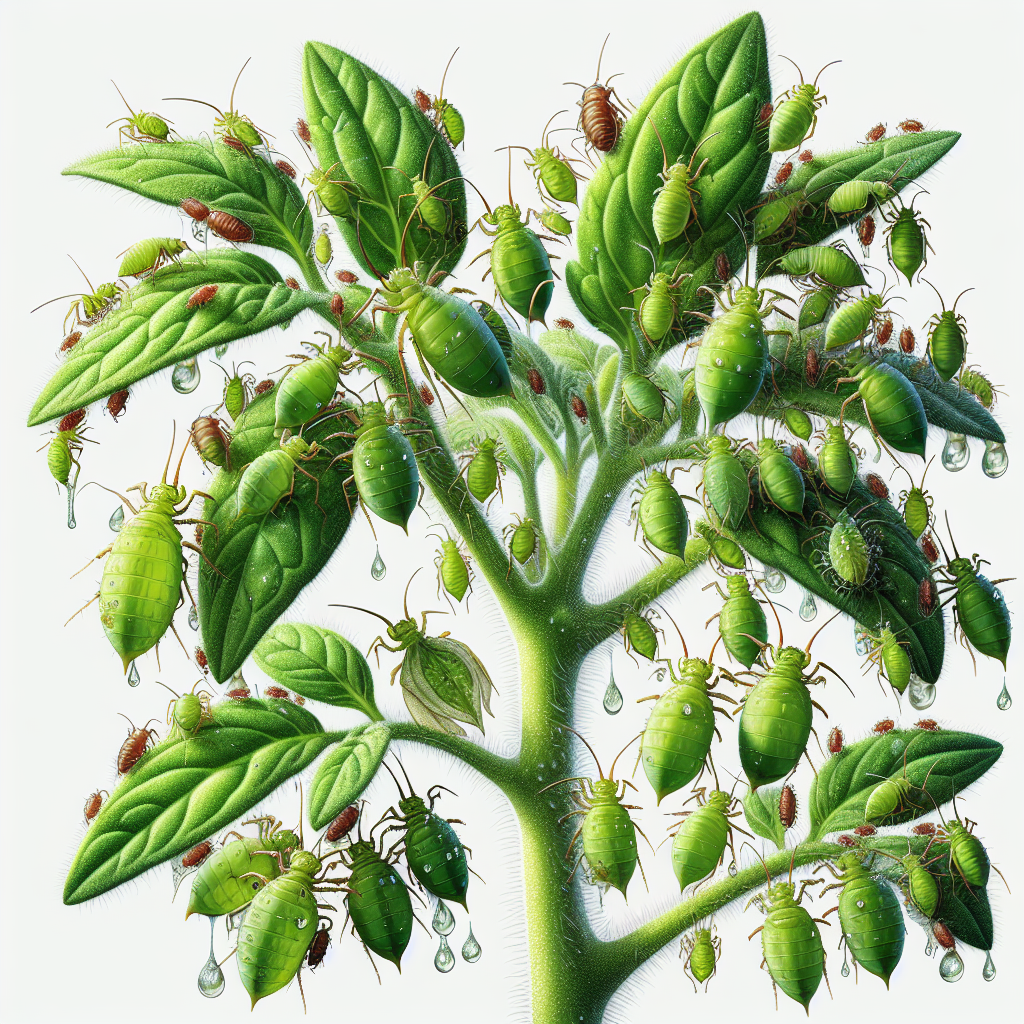
Introduction to Aphids
Aphids, often called plant lice or greenflies, represent one of the most ubiquitous and damaging pests in agriculture worldwide. Belonging to the Aphididae family, these tiny insects (typically 1-3 mm long) pierce plant tissues with their needle-like mouthparts to extract sap rich in sugars and amino acids. Over 4,000 species exist, with common culprits like the green peach aphid (Myzus persicae) and cotton aphid (Aphis gossypii) targeting vegetables, fruits, and ornamentals. Their rapid reproduction—females can produce up to 80 offspring without mating via parthenogenesis—leads to explosive infestations, potentially decimating yields by 20-50% in severe cases.
Farmers encounter aphids in greenhouses, fields, and gardens, where they cluster on new growth, undersides of leaves, and stems. Beyond direct feeding damage, aphids excrete honeydew, fostering sooty mold fungi that blacken leaves and reduce photosynthesis. They also vector devastating plant viruses like potato leafroll and cucumber mosaic virus. Early detection and integrated pest management (IPM) are crucial, as chemical reliance often fails due to aphids' quick development of resistance. This guide equips growers with diagnostic, organic control, and prevention strategies to safeguard crops effectively. For small farms, proactive scouting using tools like sticky traps can prevent outbreaks, saving thousands in potential losses. Read more on Spring Pest Patrol: Organic AI Strategies to Shield Your Crops from Common Invaders for cutting-edge monitoring tips.
Identifying Symptoms & Damage
Accurate identification is the cornerstone of aphid management. Visually, aphids appear as soft-bodied, pear-shaped insects in colors ranging from green, yellow, black, to pink, often with cornicles (tail-like projections). Nymphs resemble wingless adults, while winged forms signal dispersal during overcrowding.
Primary Symptoms:
- Leaf Curling and Distortion: New leaves cup upward or twist due to injected toxins that disrupt cell expansion. On tomato plants, this manifests as stunted, brittle foliage.
- Honeydew and Sooty Mold: Shiny, sticky residue coats leaves, attracting ants and promoting black fungal growth that blocks light.
- Stunted Growth: Sap depletion starves plants of nutrients, leading to yellowing (chlorosis), wilting, and reduced fruit set.
Secondary Damage:
- Viral Transmission: Aphids spread non-persistent viruses within minutes of probing. Symptoms include mosaic patterns, vein clearing, and necrosis.
- Population Indicators: Cast skins (exuviae) and ant attendance signal heavy infestations.
Diagnostic Tools: Use a 10x hand lens to confirm aphids versus similar pests like whiteflies or mites. Shake infested stems over white paper; aphids fall and crawl slowly. Thresholds vary: 5-10 aphids per leaf on vegetables warrant action. Differentiate species by host preference—Myzus persicae attacks 400+ plants, including peach and lettuce.
Damage escalates quickly in warm weather; untreated colonies double daily. Photograph suspect plants for expert verification. Early intervention preserves yields—studies show 90% control if addressed before populations exceed 50 per leaf.
Lifecycle and Progression of Aphids
Understanding aphid biology is key to timing interventions. Aphids exhibit complex, host-alternating lifecycles, but most agriculture pests follow a simplified parthenogenetic cycle in temperate climates.
Stages:
- Fundatrix (Spring Egg Hatcher): Overwintered eggs on primary hosts (e.g., peach for M. persicae) hatch into wingless females.
- Nymphs (Instars 1-4): 7-10 days to maturity at 20°C, feeding and reproducing asexually.
- Viviparous Females: Live birth of 1-5 nymphs daily for 2-3 weeks; no males needed.
- Winged Alates: Produced under stress (crowding, poor nutrition), migrate to secondary hosts like vegetables.
- Sexual Forms (Fall): Males and oviparous females mate, laying cold-resistant eggs.
Progression Timeline:
- Optimal: 65-80°F (18-27°C), lifecycle 7-10 days, 12-20 generations/year.
- Cold slows to 30+ days below 50°F; heat above 90°F kills nymphs.
Populations explode in spring/fall; summer heat or predators curb growth. Monitor for alates on yellow sticky traps. Lifecycle knowledge informs controls: target nymphs when vulnerable, disrupt egg-laying in fall. In greenhouses, perpetual cycles demand constant vigilance.
Environmental Triggers & Risk Factors
Aphids thrive under predictable conditions, allowing preemptive management.
Key Triggers:
- Warm, Dry Weather: 70-85°F with low humidity favors rapid reproduction; irrigation reduces stress susceptibility.
- Nitrogen Excess: Lush, succulent growth from over-fertilization attracts aphids—balance NPK ratios.
- Plant Stress: Drought, root damage, or transplant shock weakens defenses.
Risk Factors:
- Weed Hosts: Dandelions, lamb's quarters harbor aphids; control nearby vegetation.
- Ant Symbiosis: Ants protect aphids for honeydew; disrupt trails with Tanglefoot.
- Polyculture Gaps: Monocrops like soybeans amplify spread; interplant trap crops.
- Greenhouse Proximity: Warm, protected environments enable year-round breeding.
Seasonal peaks: spring on fruit trees, summer on vegetables. High-risk fields near orchards face alate influx. Scout weekly during triggers; use whiteflies presence as co-indicator. Mitigate by hardening plants with moderate stress pre-infestation.
Organic Control & Treatment Plans
Organic IPM prioritizes non-toxic, sustainable tactics yielding 80-95% control.
Cultural Controls:
- Prune infested tips; destroy debris.
- High-pressure water blasts dislodge colonies (repeat 3-5 days).
Biological Controls:
- Predators: Ladybugs (Coccinellidae), lacewings (Chrysoperla), hoverflies devour 50-100 aphids/day. Release 1,000-2,000 per acre.
- Parasitoids: Aphidius wasps mummify hosts; 5-10% parasitism collapses populations.
- Entomopathogens: Beauveria bassiana fungi infect at high humidity.
Organic Treatments:
- Insecticidal Soaps: Potassium salts disrupt membranes; apply evenings, 3% solution, 3x/week.
- Neem Oil: Azadirachtin deters feeding/oviposition; 0.5-1% emulsion.
- Pyrethrins: Fast knockdown; rotate to avoid resistance.
- Homemade Sprays: Garlic-pepper or dish soap (1 tsp/quart) for mild cases.
Treatment Plan:
- Week 1: Scout, water blast, introduce predators.
- Week 2-3: Apply soap/neem if >10 aphids/leaf; monitor ants.
- Ongoing: Trap crops like nasturtium divert aphids.
Avoid broad-spectrum sprays killing beneficials. Success metrics: <5 aphids/leaf sustains yields. For broccoli, combine row covers with releases.
Preventing Aphids in the Future
Prevention outperforms cure, reducing infestations by 70-90%.
Strategies:
- Resistant Varieties: Choose aphid-tolerant cultivars, e.g., 'Green Peach' resistant peppers.
- Companion Planting: Thyme, nasturtium, and marigolds repel; interplant with garlic.
- Reflective Mulches: Aluminum foil disorients alates; 50-75% reduction.
- Sanitation: Remove weeds, clean tools; quarantine transplants.
- Monitoring: Sticky traps, beat sheets; act at 1-2 aphids/leaf.
Long-Term Soil Health: Balanced fertility via compost minimizes lush growth. Encourage biodiversity with hedgerows hosting predators. Crop rotation disrupts cycles—avoid brassicas after brassicas. Fall cleanup eliminates overwintering sites. Learn precise pairings via Why Companion Planting Feels Like Guesswork for Small Farms - And How AI Makes It Foolproof. Annual plans integrate these for resilient farms.
Crops Most Affected by Aphids
Aphids infest 200+ crops, prioritizing nitrogen-rich new growth.
Vegetables: Tomato, cucumber, lettuce, cabbage, broccoli, peppers, eggplant, beans, peas. Fruits: Apple, peach, cherry, strawberry, citrus, grapes. Grains/Legumes: Soybeans, peas, wheat. Specialty: Avocado, mango, ornamentals.
Myzus persicae hits solanaceae hardest; cotton aphids plague cucurbits. Economic losses exceed $1B annually globally. Tailor prevention per crop—e.g., oil sprays on strawberry, predators on orchards.