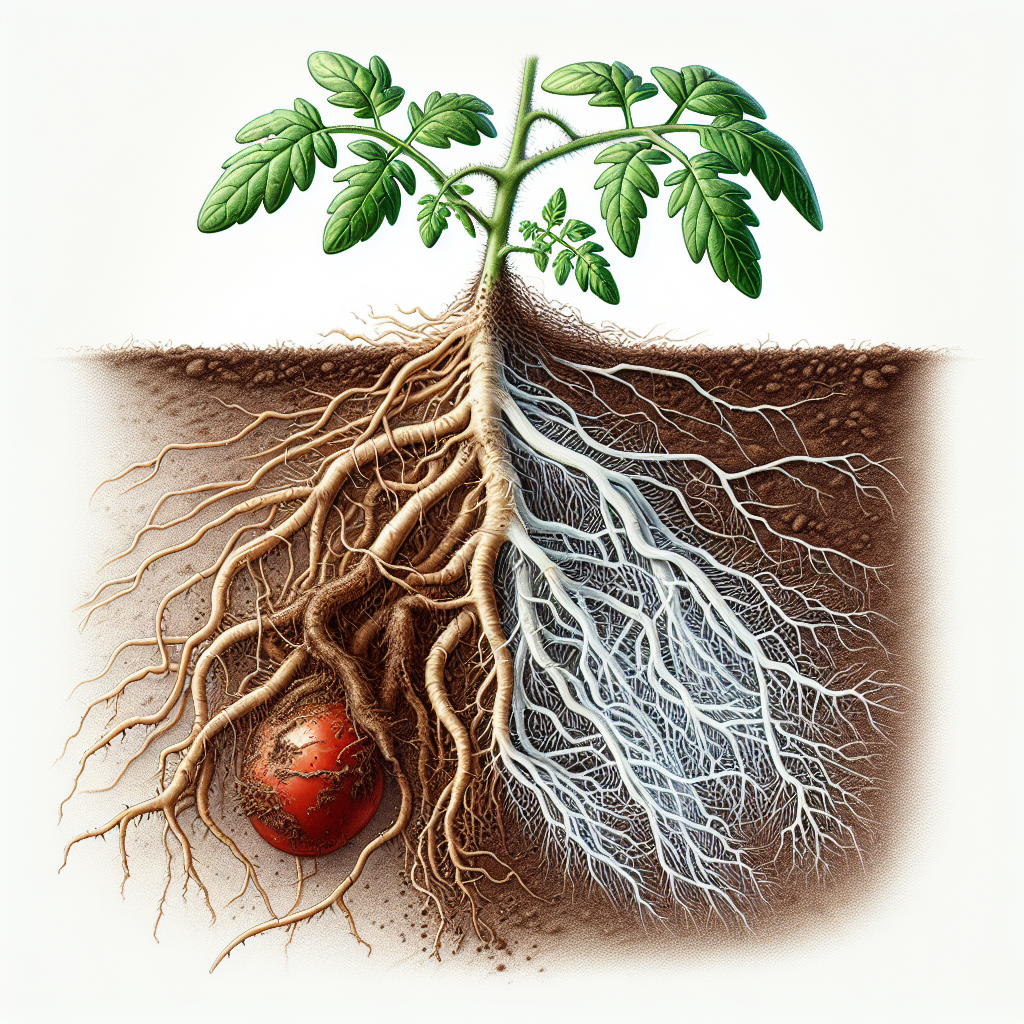
Introduction to Root rot
Root rot represents one of the most pervasive and destructive diseases in agriculture, affecting crops across diverse climates and soil types. This condition arises primarily from soilborne pathogens such as Phytophthora, Pythium, Rhizoctonia, and Fusarium species, which thrive in waterlogged conditions. These organisms attack the root system, impairing water and nutrient uptake, which manifests as sudden wilting even under adequate moisture. In commercial farming, root rot can lead to yield losses exceeding 50% in susceptible crops, making it a critical concern for growers. Understanding its pathology is essential for implementing effective diagnostic and management strategies. This guide provides professional-grade advice on identification, lifecycle, risk factors, organic treatments, prevention, and affected crops, empowering farmers to safeguard their operations. For small farms struggling with soil health, check out this Soil Health Mastery blog post for complementary strategies.
Identifying Symptoms & Damage
Accurate diagnosis begins with recognizing the hallmarks of root rot, which often mimic nutrient deficiencies or drought stress. Above-ground symptoms include rapid wilting of foliage, starting with younger leaves, followed by yellowing and browning. Plants may exhibit stunted growth, with stems appearing dark and water-soaked at the base. In advanced stages, entire plants collapse, resembling a sudden die-off.
Below ground, the diagnostic signature is unmistakable: roots turn dark brown to black, mushy, and foul-smelling, with a shredded or rotted texture. Healthy roots are firm, white, and fibrous; affected ones easily slip from the soil and disintegrate when squeezed. Secondary symptoms include sparse feeder roots and lesions on larger roots. In container-grown plants like tomato or potato, water pooling in saucers exacerbates the issue, leading to rapid progression.
To confirm, gently excavate roots from multiple plants. Cut cross-sections: healthy roots show white interiors, while rotted ones reveal blackened, decayed tissue. Differentiate from other issues like root-knot nematodes (galls present) or damping-off (seedling-only). Lab testing via soil sampling can identify specific pathogens, but field diagnosis suffices for immediate action. Damage escalates in warm soils (above 20°C/68°F), where pathogens multiply rapidly, potentially wiping out seedlings in days.
Lifecycle and Progression of Root rot
Root rot pathogens are soil inhabitants with complex lifecycles adapted to persistence. Oomycetes like Phytophthora and Pythium produce zoospores that swim in saturated soils, infecting root tips directly. Fungi such as Rhizoctonia form sclerotia—dormant, survival structures that endure dry periods for years. Infection initiates at root wounds or tips, where enzymes dissolve cell walls, allowing mycelial invasion.
Progression unfolds in phases: initial colonization (1-3 days), symptom expression (wilting in 7-14 days), and secondary spread via contaminated tools or water runoff. Under optimal conditions (high moisture, 25-30°C/77-86°F), epidemics develop exponentially. Sporangia release thousands of spores, splashing to nearby plants. In perennials like avocado, chronic infections girdle roots, leading to canopy decline over seasons. Crop rotation disrupts lifecycles, but pathogens survive in debris or weed hosts.
Environmental Triggers & Risk Factors
Root rot flourishes in poorly aerated, compacted soils with excessive moisture. Overwatering, heavy rains, or inadequate drainage are primary triggers. Compacted soils reduce oxygen, favoring anaerobic pathogens. High soil temperatures accelerate pathogen activity, while low-lying fields trap water.
Risk factors include planting in native soils without sterilization, using unpasteurized potting mixes, or over-fertilizing with nitrogen, which promotes succulent roots. Susceptible varieties, like certain pepper cultivars, amplify vulnerability. Poor sanitation—reusing infested pots or tools—spreads inoculum. Acidic soils (pH <6.0) favor Pythium, while alkaline conditions suit Fusarium. Learn more about zoning fields to mitigate risks in this insightful zoning blog post. Climate change intensifies risks with erratic rainfall patterns.
Organic Control & Treatment Plans
Organic management prioritizes cultural practices over curative fungicides. Upon detection, remove and destroy affected plants immediately to curb spread. Improve drainage by tilling in organic matter like compost to enhance aeration. Solarization—covering moist soil with clear plastic for 4-6 weeks in summer—kills pathogens via heat (up to 50°C/122°F).
Biological controls shine: Trichoderma and Bacillus subtilis colonize roots, outcompeting pathogens. Apply as seed treatments or drenches (e.g., 10^9 CFU/L). Mycorrhizal fungi bolster root health, enhancing drought tolerance. Hydrogen peroxide (3% solution, 1:4 dilution) oxygenates soil, suppressing anaerobes temporarily.
Neem oil or compost teas provide mild suppression. For Hass Avocado, phosphite drenches boost defenses. Rotate with resistant crops like grains. In hydroponics, sterilize reservoirs with UV or ozone. Integrated plans yield 70-90% control; monitor weekly. Avoid overhead watering; use drip irrigation.
Detailed treatment: 1) Excavate and discard plants. 2) Drench with biofungicide. 3) Amend soil with 20% compost. 4) Mulch to regulate moisture. Success hinges on early intervention—delays reduce efficacy by 50%.
Preventing Root rot in the Future
Prevention trumps cure through proactive soil and water management. Select well-draining sites; elevate beds 20-30 cm. Use raised beds or containers with drainage holes. Test soil pH (aim 6.2-7.0) and amend with lime or sulfur as needed. Sterilize potting media via steam (82°C/180°F for 30 min) or microwave.
Plant resistant varieties: e.g., disease-tolerant potato hybrids. Space plants for airflow (e.g., 45 cm for tomatoes). Water deeply but infrequently, early morning only. Mulch with coarse materials (bark, straw) to suppress splash and retain structure. Crop rotation (3-4 years) breaks pathogen cycles—follow root crops with grasses.
Incorporate cover crops like mustard for biofumigation. Monitor with soil probes for moisture (keep <20% volumetric). Sanitize tools with 10% bleach. For greenhouses, use gravel benches. Annual soil tests guide amendments. These steps reduce incidence by 80-95%, ensuring long-term productivity.
Crops Most Affected by Root rot
Root rot plagues a wide array of crops, particularly those with fine roots in wet conditions. Vegetables like tomato, potato, pepper, cucumber, and lettuce suffer high losses, with seedlings most vulnerable. Root crops such as carrot, onion, and beet exhibit forked, rotted tubers.
Fruit trees including avocado, citrus, mango, and strawberry face chronic decline, with Phytophthora prevalent. Ornamentals and herbs like basil and [mint] are prone in pots. Field crops such as soybeans, corn, and peanuts experience stand reductions. Perennials like [rhododendron] and pineapple show girdling. In flooded rice (rice), sheath rot mimics symptoms. Tailor prevention to crop: e.g., grafted avocados resist better.