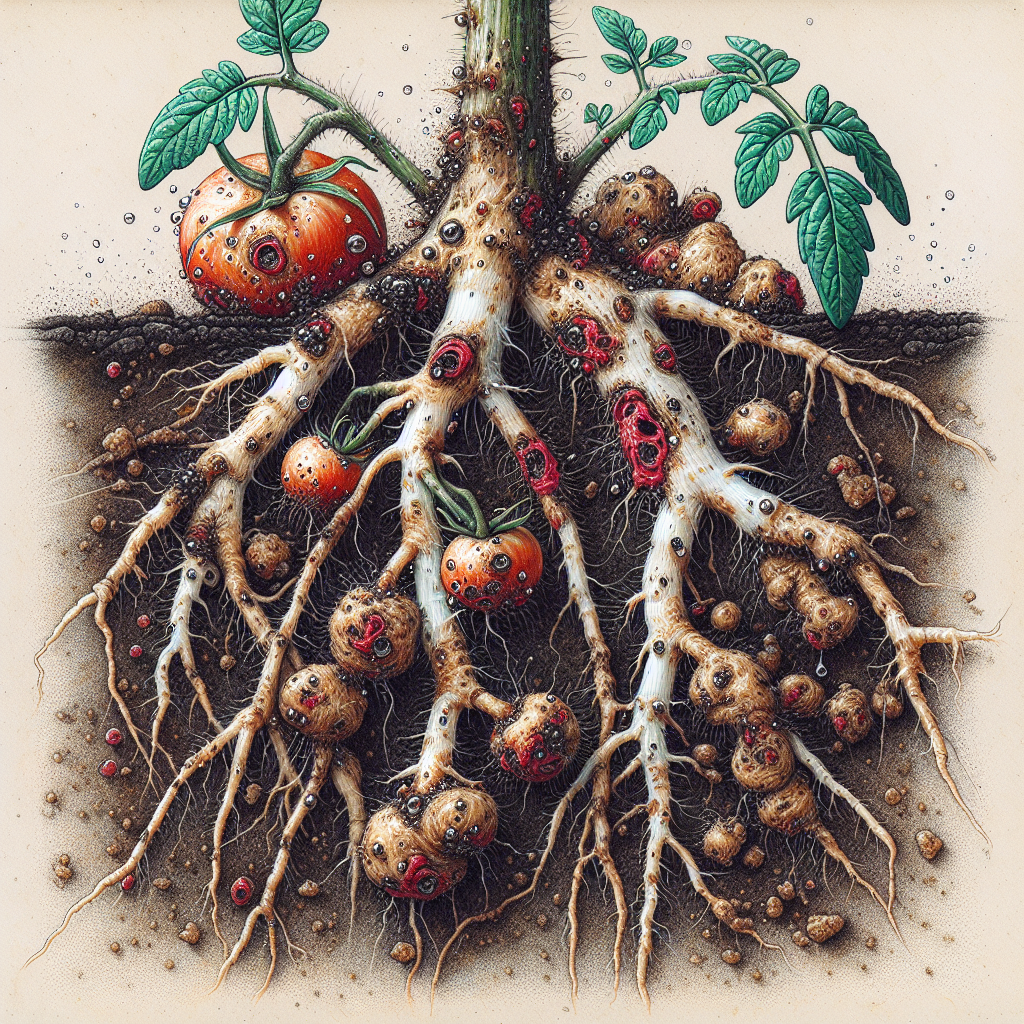
Introduction to Phytophthora
Phytophthora represents one of the most devastating pathogen groups in agriculture, responsible for billions in annual crop losses globally. Unlike true fungi, these oomycetes—often called water molds—thrive in saturated soils, attacking roots, crowns, stems, and fruits of susceptible plants. First identified in the mid-19th century as the cause of potato late blight during the Irish famine, Phytophthora species like P. infestans, P. ramorum, and P. sojae now plague diverse crops from orchards to field vegetables.
This guide provides professional-grade diagnostics, organic management strategies, and prevention tactics tailored for small farms and commercial growers. Understanding Phytophthora's biology is crucial: it spreads via soil, water splash, infected tools, and even airborne spores in some species. Early detection prevents total yield collapse, while integrated cultural practices build long-term resilience. For deeper insights on soil health fundamentals that combat such pathogens, check this Soil Health Mastery blog post.
Identifying Symptoms & Damage
Phytophthora symptoms vary by crop and infection site but share hallmarks of water-related stress. Initial signs include stunted growth, yellowing lower leaves (chlorosis), and wilting during the day despite adequate moisture—often mistaken for drought. As roots decay, plants exhibit rapid decline, with dark, water-soaked lesions at the soil line indicating crown rot.
Root Symptoms: Excavate roots to reveal black, mushy rot with a foul odor. Healthy roots are firm and white; Phytophthora turns them brittle, brown-black, and sparse. In advanced cases, entire root systems slough off.
Foliar and Stem Damage: Upper leaves droop, stems show brown streaks or girdling cankers. On fruits like tomato or citrus, firm, dark lesions expand into rot. Differentiate from Fusarium wilt by Phytophthora's preference for wet conditions and lack of vascular streaking.
Diagnostic Tips: Cut diseased tissue; oozing sap or white mycelium confirms oomycete activity. Lab tests via agar plating or PCR provide species ID. Compare with root rot or Pythium for accurate diagnosis—Phytophthora lesions often have a reddish tint and feathery margins.
Field scouts should monitor during rainy periods, as 70-90% yield losses occur in unchecked outbreaks. In avocado groves, gummosis (oozing sap) at trunk base signals P. cinnamomi.
Lifecycle and Progression of Phytophthora
Phytophthora's lifecycle exploits water: thick-walled oospores survive soil for years as dormant inoculum. Under cool, moist conditions (15-25°C), they germinate, producing sporangia that release zoospores—motile swimmers infecting roots via wounds or natural openings.
Key Stages: 1) Oospore germination (triggered by host exudates); 2) Zoospore encystment and penetration; 3) Mycelial growth colonizing vascular tissue; 4) Sporangia formation for aerial spread. Cycles repeat every 3-7 days in wet weather, accelerating epidemics.
Progression: Subtle root infection leads to crown lesions (1-2 weeks), foliar wilt (2-4 weeks), and plant death (4-8 weeks). In perennials like Hass Avocado, trees decline over seasons, producing fewer, smaller fruits. Annuals like peppers collapse suddenly. Overwintering structures ensure recurrence without rotation.
Environmental Triggers & Risk Factors
Phytophthora demands free water: saturated soils (>20% volumetric water) for >48 hours trigger outbreaks. Optimal temperatures vary—P. infestans favors 10-20°C; P. capsici 25-30°C. Poor drainage, heavy clay soils, and low oxygen exacerbate issues.
Risk Factors:
- Over-irrigation or rainfall >100mm/week.
- Compaction from machinery reducing percolation.
- Susceptible varieties without resistance breeding.
- Contaminated water sources or tools.
- High humidity (>80%) aiding foliar blights.
Fields near creeks or with history of root rots are high-risk. Climate change intensifies events via erratic rains. Test soil pH (optimal 6.0-7.0); extremes favor pathogens.
Organic Control & Treatment Plans
No cure exists post-infection; focus on suppression. Remove and destroy infected plants immediately to limit spread.
Cultural Controls: Improve drainage with raised beds (30-60cm high) and tile systems. Use 20-30% organic matter to enhance aeration.
Organic Fungicides: Apply copper hydroxide or phosphorous acid (mono- and di-potassium salts) preventively—0.5-2% solutions every 7-14 days. Neem oil or compost teas boost biocontrol. Bacillus subtilis or Trichoderma spp. antagonize via mycoparasitism.
Biologicals: Inoculate with beneficial microbes like Gliocladium virens. Mulch with mustard amendments releasing biofumigants.
Step-by-Step Plan:
- Scout weekly; rogue infected plants.
- Solarize soil (clear plastic, 4-6 weeks summer) to kill oospores.
- Drench with phosphite (3-5L/ha) at transplant.
- Rotate 3-4 years with non-hosts like grasses.
- Monitor with bait tests (floating trays).
Integrate with Spring Pest Patrol strategies for holistic defense.
Preventing Phytophthora in the Future
Prevention trumps treatment: select resistant varieties (e.g., Mountain Merit potato). Sanitize tools with 10% bleach; avoid overhead irrigation.
Site Selection: Choose well-drained slopes; avoid low spots. Pre-plant fumigation unnecessary organically—focus on biofumigants.
Long-Term Strategies:
- Cover crops (sudangrass, mustard) suppress via allelopathy.
- Mycorrhizal inoculants enhance root vigor.
- pH-balanced lime or gypsum.
- Windbreaks reduce splash.
Annual soil tests guide amendments. Resistant rootstocks for avocado (e.g., Dusa) cut incidence 50%. Track via apps for hyper-local weather.
Crops Most Affected by Phytophthora
Phytophthora hits broadly:
- Solanaceae: Potato, tomato, pepper (late blight, root rot).
- Perennials: Avocado (P. cinnamomi), citrus, rubber.
- Vegetables: Cucumber, squash, eggplant (crown rot).
- Others: Soybeans (P. sojae), rhododendron, oak.
Global impacts: 20-50% losses in tropics. Tailor IPM per crop.