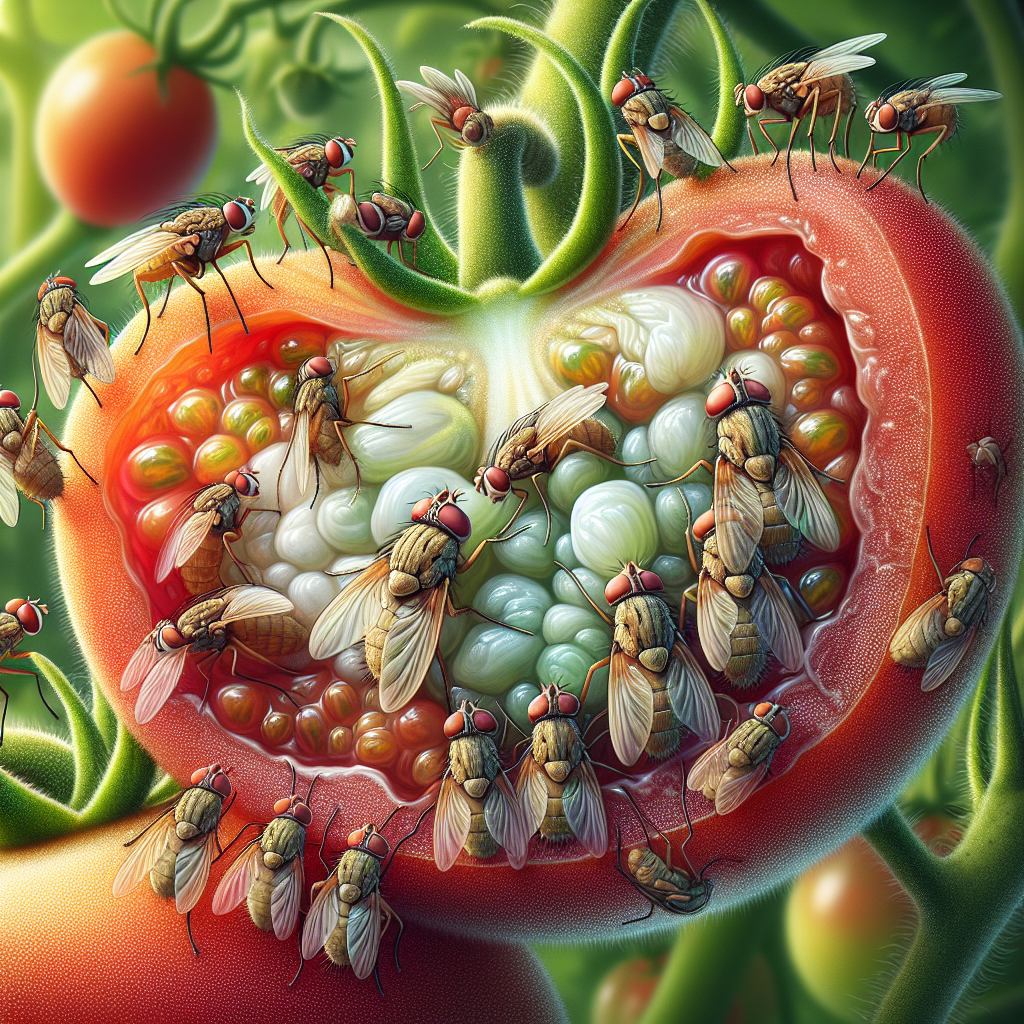
Introduction to vinegar flies
Vinegar flies, scientifically known as Drosophila melanogaster and related species in the Drosophilidae family, are small, agile insects notorious for infesting agricultural produce worldwide. Often mistaken for fruit flies, these pests are particularly drawn to fermenting sugars from decaying fruits, vegetables, and compost piles. Measuring just 2-4 mm in length with red eyes, tan bodies, and distinctive wings, vinegar flies can rapidly multiply, with a single female laying up to 500 eggs over her short lifespan of 40-50 days.
In farming contexts, vinegar flies pose a dual threat: direct spoilage of marketable crops and indirect contamination through bacterial transmission. They are especially problematic in humid, warm climates where overripe produce accumulates. Small-scale farmers and commercial growers alike report yield losses of 10-30% in untreated infestations, particularly during harvest seasons. Understanding their behavior is crucial for effective management. For more on Spring Pest Patrol: Organic AI Strategies to Shield Your Crops from Common Invaders, which covers early detection techniques.
These flies do not bite humans or feed on healthy plant tissues but exploit wounds and bruises, accelerating rot. Their presence signals underlying sanitation issues, making integrated pest management (IPM) essential. This guide equips you with diagnostic tools, lifecycle insights, and proven organic controls to reclaim your harvests.
Identifying Symptoms & Damage
Spotting vinegar flies early prevents widespread infestations. Adult flies hover around infested areas, often entering structures through tiny gaps. Key symptoms include:
- Clusters of tiny flies: Swarms near ripening fruits, compost, or drains, especially in greenhouses or packing sheds.
- Spoiled produce: Soft, mushy spots on fruits like tomato, strawberry, or cantaloupe, with a vinegar-like odor from fermentation.
- Larval tunnels: White, maggot-like larvae (1-3 mm) visible inside overripe fruits or vegetables, leaving brown tracks.
- Secondary infections: Mold growth or bacterial ooze on affected produce, often confused with Botrytis or soft rots.
Damage manifests as premature fruit drop, reduced marketability, and contamination risks. In severe cases, larvae feed internally, causing fruits to collapse from within. Inspect undersides of leaves, stem ends, and harvest bins daily. Use yellow sticky traps to monitor populations; more than 10 flies per trap per week indicates an outbreak. Differentiate from fungus gnats, which target roots, by vinegar flies' affinity for sweets.
Economic impact is stark: a single untreated bin of cherry tomato can lose 50% value. Early diagnosis via visual scouting and pheromone traps saves thousands.
Lifecycle and Progression of vinegar flies
Vinegar flies complete their lifecycle in 7-10 days under optimal conditions (75-85°F, 70% humidity), enabling 10-15 generations per season.
- Eggs (0.5 mm, white): Laid singly or in clusters (up to 100/day) on moist, fermenting surfaces. Hatch in 12-24 hours.
- Larvae (instars 1-3): Creamy-white maggots creep through substrates, feeding on yeasts and bacteria. Last 3-4 days.
- Pupae: Form reddish-brown cases on dry surfaces; non-feeding stage lasts 2-4 days.
- Adults: Emerge, mate within hours, and seek oviposition sites. Females prefer wounds on fruits like mango.
Progression accelerates in summer; cooler temps extend to 30+ days. Overwinter as pupae in debris. Monitor with traps to time interventions during peak larval stages.
Environmental Triggers & Risk Factors
Vinegar flies exploit specific conditions:
- High humidity (>70%) and warmth (above 70°F): Ideal for rapid breeding.
- Overripe or wounded produce: Entry points for eggs.
- Poor sanitation: Compost piles, cull piles, or unclean tools.
- Monoculture fields: Dense plantings of susceptible crops like grapes.
Risk spikes post-harvest, in greenhouses, or near kitchens. Nearby orchards or wineries amplify invasions. Soil moisture from overwatering mimics breeding sites, overlapping with root rot risks.
Organic Control & Treatment Plans
Prioritize IPM with organic methods:
- Sanitation (Foundation): Remove overripe fruits daily; bury culls deep. Clean harvest bins with vinegar solutions.
- Traps: Deploy apple cider vinegar traps (1:1 vinegar-water + dish soap) or commercial lures. Yellow sticky cards capture adults.
- Biological Controls: Introduce parasitic wasps (Lariophagus distinguendus) or nematodes (Heterorhabditis bacteriophora) targeting larvae.
- Barriers: Fine mesh netting (1/16-inch) over crops; diatomaceous earth around bases.
- Natural Repellents: Neem oil sprays (1-2% solution weekly) deter oviposition without residues. Essential oils like clove or lemongrass.
Treatment Timeline:
- Week 1: Sanitation + traps.
- Week 2-3: Biocontrols + sprays.
- Ongoing: Monitor and repeat.
Efficacy reaches 90% with consistency. Avoid broad-spectrum sprays to preserve predators like spiders.
Preventing vinegar flies in the Future
Long-term prevention:
- Crop Rotation: Alternate with non-hosts like wheat.
- Resistant Varieties: Choose firm-skinned cultivars.
- Sanitation Protocols: Daily patrols; sealed compost.
- Environmental Management: Improve airflow, reduce humidity with fans.
- Quarantine: Inspect incoming produce.
Integrated with weather monitoring, prevention cuts recurrence by 80%.
Crops Most Affected by vinegar flies
Vinegar flies target soft, sweet produce:
| Crop | Vulnerability | Key Notes |
|---|---|---|
| Tomato | High | Larvae in ripe fruit cracks. |
| Strawberry | High | Overripe berries prime targets. |
| Grapes | High | Fermenting clusters. |
| Mango | Medium-High | Post-harvest losses. |
| Cantaloupe | High | Wound entry. |
| Banana | Medium | Ripening bunches. |
Focus protections on these for maximum ROI.