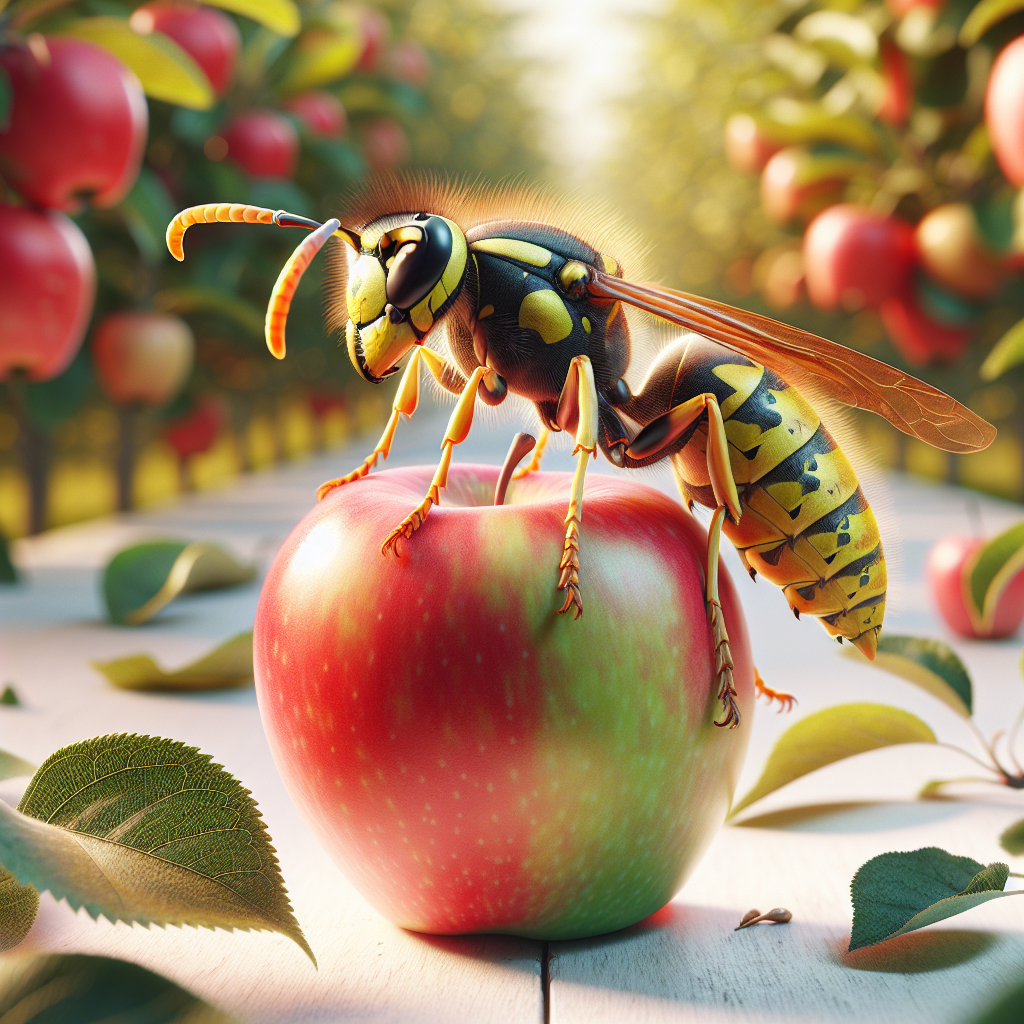
Introduction to yellowjackets
Yellowjackets (Vespula spp. and Dolichovespula spp.) are predatory social wasps notorious in agricultural settings for their aggressive foraging behavior. Unlike honeybees, which primarily pollinate, yellowjackets scavenge for proteins and sugars, often targeting ripe fruits, vegetable gardens, and aphid-infested crops. In farming contexts, they can decimate beneficial insect populations like pollinators and predators such as aphids predators, indirectly harming yields. Their stings pose health risks to workers, and nests near fields amplify problems during late summer when food sources dwindle.
Farmers encounter yellowjackets most intensely from midsummer through fall, when colonies peak at thousands of individuals. A single nest can forage across acres, pilfering grapes, apples, and strawberries while defending food sources fiercely. Understanding their role as both pests and occasional predators (e.g., consuming caterpillars) is key to balanced management. This guide equips agricultural professionals with diagnostic, organic control, and prevention strategies to safeguard operations. For small farms, early intervention prevents escalation, as unchecked populations can ruin harvests and labor productivity. Learn more about integrated pest strategies in our Spring Pest Patrol: Organic AI Strategies to Shield Your Crops from Common Invaders.
Identifying Symptoms & Damage
Yellowjacket damage manifests subtly at first but escalates rapidly. Primary signs include puncture wounds on fruits like peaches, plums, and cherries, where wasps chew into flesh for sugary pulp, leaving ragged holes susceptible to rot pathogens such as Botrytis. In vegetable patches, expect shredded leaves on ripening tomato or cucumber fruits, often accompanied by wasp frass (insect droppings) resembling tiny brown pellets.
Observe swarms hovering near overripe produce or garbage piles; this indicates foraging hotspots. Crop contamination occurs via stings injecting venom, causing tissue necrosis and secondary infections. Reduced pollination is indirect damage—yellowjackets kill bees and hoverflies essential for crops like blueberry bushes. Worker stings lead to medical incidents, with allergic reactions halting field work.
Diagnostic tips: Use sticky traps baited with meat or soda to confirm presence. Inspect plants at dawn when wasps are less active; look for yellow-black striped adults (1/2-inch long) with teardrop-shaped abdomens. Differentiate from paper wasps by yellowjackets' rapid, darting flight and lack of pinched waists. Severe infestations show 20-50% fruit loss in orchards, with leaves bearing chew marks or aphid outbreaks from disrupted predators. Early ID prevents 30-50% yield reductions.
Lifecycle and Progression of yellowjackets
Yellowjackets follow an annual cycle starting in spring. Queens overwinter in protected sites like soil cracks or woodpiles, emerging in March-April (northern hemispheres) to build paper nests from chewed wood fibers. She lays 20-30 eggs, tending larvae that pupate into workers within 3-4 weeks. Colony growth explodes by June, reaching 1,000-5,000 wasps by late summer.
Workers forage aggressively, feeding larvae meat (insects) and themselves sugars. Peak activity (July-September) coincides with crop ripening, amplifying damage. Males and new queens emerge in fall; fertilized queens seek hibernation sites as cold kills the colony. Nests average 10-15 inches underground or in cavities, expanding to basketball size.
Progression stages: Egg (3 days), larva (20 days), pupa (12 days), adult. Multiple generations per season mean constant pressure. In agriculture, monitor for queen flights in spring to preempt nests near fields. Lifecycle knowledge enables timed interventions, like treating nests pre-worker emergence. Tropical species like Vespula squamosa persist year-round, demanding vigilant monitoring.
Environmental Triggers & Risk Factors
Yellowjackets thrive in warm-temperate climates (60-85°F optimal), with populations surging in areas of abundant protein (insect-heavy fields) and carbohydrates (ripe fruits). Overripe or fallen produce in mango, watermelon, or pineapple orchards acts as magnets. Poor sanitation—uncollected clippings, compost heaps, or open trash—exacerbates issues, as wasps scavenge aggressively late-season.
Risk factors include proximity to woodlands (nesting sites), drought-stressed crops attracting pests, and reduced predators from pesticides. High aphid or scale insects loads draw wasps initially as predators, but they shift to crops. Climate change extends seasons, boosting overwintering success. Soil types: Loose, well-drained loams favor underground nests. Urban-agriculture edges heighten risks due to garbage attractants. Mitigate by mapping high-risk zones near fences or irrigation ditches.
Organic Control & Treatment Plans
Organic management prioritizes non-toxic, sustainable tactics. Step 1: Nest Location and Removal. At dusk, use a flashlight to find nests (ground holes with paper envelopes or aerial in shrubs). Pour 2 gallons boiling soapy water (1/4 cup dish soap) into entrances; repeat nightly for 3 days. For aerial nests, enclose in clear plastic bag at night, seal, and drown in soapy water.
Step 2: Trapping. Deploy commercial wasp traps or DIY: Hang yellow plastic bottles filled with 1:1 sugar water + jam, with small entry holes. Protein baits (canned tuna in water) attract early-season foragers. Place 10-20 traps per acre, 5-10 feet off ground, away from crops. Refresh weekly; traps capture 70-80% foragers.
Step 3: Cultural Controls. Harvest ripe fruits promptly; mulch fallen debris. Plant decoy crops like nasturtium borders to divert wasps. Introduce natural enemies: Encourage birds and spider mites predators indirectly via habitat diversity.
Step 4: Barriers and Repellents. Net orchards with 1/4-inch mesh over grapes or berries. Spray plants with garlic-pepper mixes (2 tbsp garlic juice + 1 tbsp cayenne per quart water) weekly. Diatomaceous earth around nests desiccates wasps. Integrated plan: Traps + sanitation reduces populations 90% without chemicals. Monitor with pheromone lures for resurgence.
Preventing yellowjackets in the Future
Prevention hinges on lifecycle disruption. Spring queen hunts: Patrol field edges March-May, destroy queens with soapy sprays. Maintain sanitation: Daily harvest, compost 100 feet from fields, secure trash. Landscape with repellents—plant thyme, yarrow, or mint borders; their scents deter wasps.
Crop rotation and diversity reduce monoculture appeal. Install mud dauber birdhouses to attract parasitic wasps that prey on yellowjackets. Perimeter traps year-round with inverted cone designs prevent entry. Soil solarization in nest-prone areas kills queens pre-emergence. Long-term: Favor resistant varieties and interplant with marigold for pest repulsion. Annual audits cut recurrence 80%. Combine with weather monitoring for peak activity forecasts.
Crops Most Affected by yellowjackets
Tree fruits top the list: Apple, peach, cherry, and pear suffer 20-40% damage from direct feeding and sting-induced rots. Berries like strawberry, raspberry, blackberry, and blueberry face swarm predation during ripening. Vine crops including grapes and kiwi see pulp extraction, inviting fruit rots.
Vegetables: Late-season tomato, cucumber, squash, and pumpkin attract sugar-seekers. Citrus (orange, lemon) experience peel damage. Tropicals like mango, pineapple, and avocado report high losses in warm regions. Even grains near orchards indirectly suffer via pollinator decline. Prioritize monitoring in mixed orchards; small farms lose $500-2000/acre untreated.