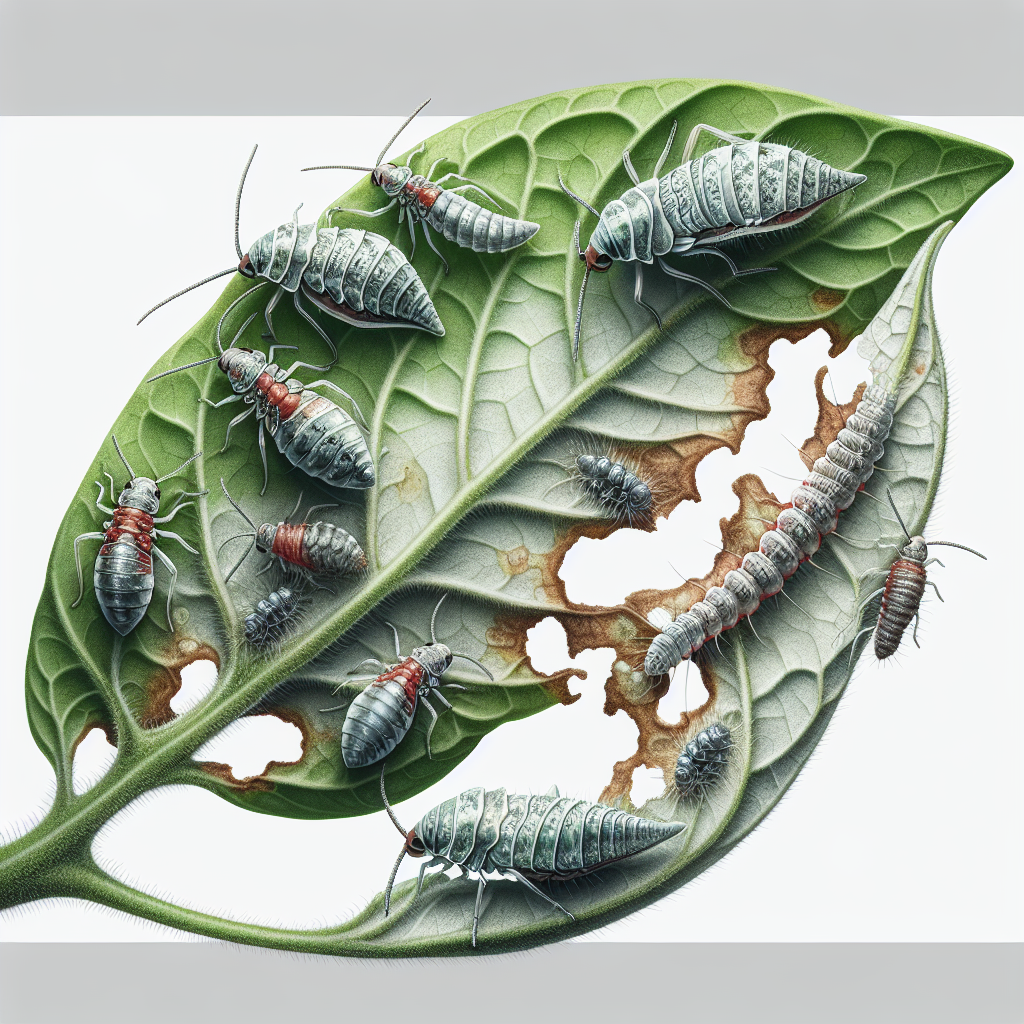
Introduction to Thrips
Thrips represent one of the most pervasive pests in modern agriculture, affecting a vast array of crops worldwide. Belonging to the order Thysanoptera, these minuscule insects—typically 1-2 mm long—wreak havoc through their piercing-sucking mouthparts. They scrape the surface of leaves, flowers, and fruits, injecting saliva that disrupts cell function while extracting plant juices. This feeding behavior leads to characteristic silvering or bronzing of foliage, stunted growth, and deformed produce, significantly impacting marketable yield.
Over 6,000 species exist, but crop-damaging ones include the western flower thrips (Frankliniella occidentalis), onion thrips (Thrips tabaci), and melon thrips (Thrips palmi). Thrips are notorious for vectoring tospoviruses like tomato spotted wilt virus, amplifying their threat. In greenhouses and field crops alike, unchecked infestations can reduce yields by 20-50% or more. Early detection is crucial, as thrips hide in buds, flowers, and crevices, evading casual inspection.
Farmers face challenges from thrips' rapid reproduction—females lay 25-80 eggs—and resistance to many synthetic insecticides. Integrated Pest Management (IPM) emphasizes cultural, biological, and targeted organic controls over broad-spectrum chemicals. This guide provides diagnostic tools, lifecycle insights, and actionable strategies to safeguard your crops. For small farms, vigilance through sticky traps and regular scouting pays dividends, preventing outbreaks that cascade into economic losses.
Identifying Symptoms & Damage
Thrips damage manifests subtly at first but escalates quickly. Primary signs include silvery-white streaks or patches on leaves, where epidermal cells collapse after feeding. Affected foliage may curl, crinkle, or drop prematurely. On flowers, thrips cause browning, scarring, or abortion, while fruits show russeting, dimpling, or halo-like spots—known as 'thrips rash.' Severe cases lead to blackened terminals, stunted shoots, and physiological disorders like chili leaf curl.
Examine undersides of young leaves, buds, and blossoms under magnification; thrips appear as tiny, yellow, brown, or black specks wiggling rapidly. Use blue or yellow sticky traps to monitor populations—thrips are drawn to these colors. Shake plants over white paper; active thrips will crawl or fall, confirming infestation. Distinguish from mites (which cause stippling without scarring) or aphids (which leave honeydew).
Yield impacts vary: in tomato, up to 40% fruit blemish; in onion, bulb deformation; in strawberry, bronzed berries. Virus transmission exacerbates damage, causing mosaic patterns or necrosis. Thresholds for action: 5-10 thrips per trap weekly in vegetables, higher in ornamentals. Document symptoms with photos for IPM tracking.
Lifecycle and Progression of Thrips
Thrips undergo incomplete metamorphosis: egg, two larval instars, prepupa, pupa, and adult. Eggs (0.2 mm) are inserted into plant tissue, hatching in 2-5 days at 25-30°C. Larvae feed actively for 5-10 days, then drop to soil or leaf litter for non-feeding prepupal and pupal stages (3-5 days). Adults live 30-45 days, with females ovipositing in slits made by their ovipositors.
In warm climates, 12-15 generations occur annually; cooler areas see 4-8. Development accelerates above 15°C, halting below 10°C. Winged adults disperse via wind, invading new fields. Population peaks coincide with bloom or new growth flushes. Eggs evade most sprays, perpetuating cycles. Disrupt lifecycle by targeting larvae with spinosad or removing pupation sites via tillage.
Environmental Triggers & Risk Factors
Thrips flourish in hot, dry conditions (25-35°C, <60% humidity), stressing plants and favoring pest over predators. Drought weakens defenses, increasing susceptibility. Over-fertilization with nitrogen promotes tender growth, an ideal food source. Poor airflow in dense canopies or greenhouses traps heat and retains adults.
Weed hosts like pigweed and nightshade harbor thrips, serving as reservoirs. Nearby fields of cotton or onion amplify migration. Imported infested transplants introduce populations. High UV light and low rainfall exacerbate outbreaks. Mitigate by irrigating adequately, spacing plants for ventilation, and rogueing weeds.
Organic Control & Treatment Plans
Organic management prioritizes prevention but deploys layered tactics during outbreaks. Monitoring: Deploy 1-2 blue sticky traps per 1000 sq ft, checked twice weekly. Cultural: Remove weeds, till soil post-harvest to expose pupae, and space plants 30-50% wider for airflow. Reflective mulches (aluminum) deter landing.
Biological: Release predatory mites (Amblyseius cucumeris, 2-5/m² weekly), pirate bugs (Orius spp.), or lacewings. These consume 5-20 thrips daily. Botanicals: Neem oil (0.5-1%) or insecticidal soap (1-2%) smother larvae; apply evenings to spare predators. Spinosad (organic-approved) targets feeding larvae at 7-10 day intervals, max 3 apps/season.
Treatment Plan: Scout → <5 thrips/trap: monitor; 5-20: release predators + soap; >20: spinosad + mulch. Rotate modes to prevent resistance. For Spring Pest Patrol: Organic AI Strategies to Shield Your Crops from Common Invaders, integrate tech for precise timing. Avoid broad-spectrum sprays killing beneficials.
Preventing Thrips in the Future
Prevention hinges on farm hygiene and resilience. Use thrips-free transplants; quarantine newcomers. Crop rotation disrupts pupation—avoid solanaceous families consecutively. Plant resistant varieties like 'Mariachi' peppers or 'Defiant' phr1 tomatoes. Overhead irrigate to boost humidity >70%, deterring thrips.
Intercrop with repellents: marigold or nasturtium borders confuse invaders. Maintain soil health via cover crops like clover to foster predator habitats. Screen greenhouses (0.2 mm mesh). Post-harvest sanitation: chop residues, disk fields. Monitor weather for dry spells, preempting with irrigation. Long-term, diversify crops reducing monoculture risks.
Crops Most Affected by Thrips
Thrips plague over 100 crops, prioritizing those with tender tissues. Vegetables: tomato, cucumber, bell pepper, onion, chili pepper. Fruits: strawberry, grapes, avocado. Grains: cotton, rice, corn. Ornamentals and legumes also suffer. In strawberry, scarring slashes grade; in cotton, bolls abort. Tailor IPM to crop—e.g., bloom sprays for fruit trees.