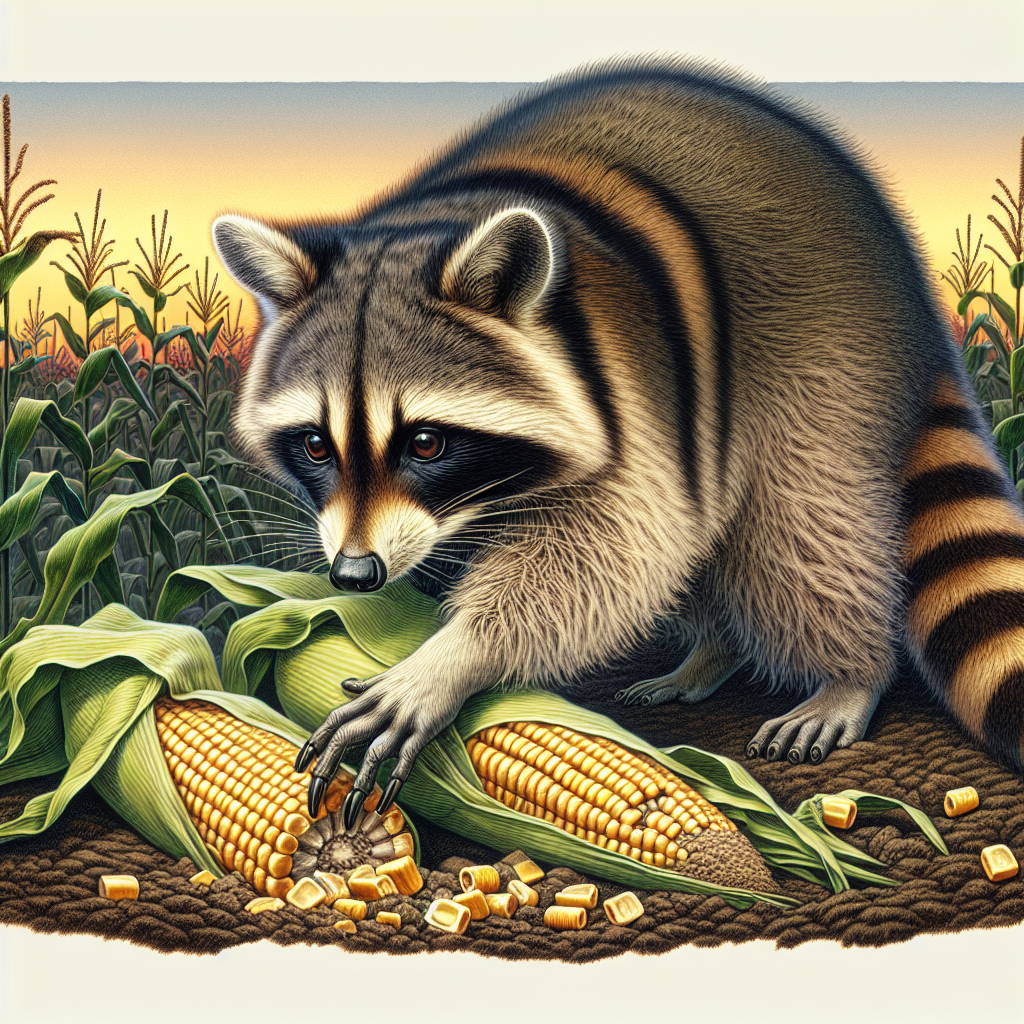
Introduction to raccoons
Raccoons (Procyon lotor), often called 'masked bandits' due to their distinctive black facial markings, pose a significant challenge to farmers, gardeners, and agricultural operations worldwide. Native to North America but introduced globally, these adaptable mammals thrive in urban, suburban, and rural environments, making them one of the most widespread vertebrate pests in agriculture. With dexterous paws and keen intelligence, raccoons excel at accessing food sources, leading to substantial economic losses estimated in millions annually for crop damage alone.
In farming contexts, raccoons target sweet, accessible produce, often working nocturnally to avoid detection. Their opportunistic diet includes corn, fruits like apple and grapes, vegetables such as sweet potato, and even small livestock feed. Unlike insect pests, raccoons leave obvious signs of intrusion, but their problem-solving abilities make control tricky. This guide provides professional-grade diagnostics, organic management strategies, and prevention tactics tailored for small to medium-scale farms. For more on integrated pest management timing, see Why Timing Kills Small Farm Profits - And How AI Task Scheduling Saves Your Harvests.
Understanding raccoon behavior is key: they are excellent climbers, swimmers, and manipulators, capable of opening latches, tipping bins, and digging under fences. Populations boom in areas with abundant water, cover, and food, exacerbated by human expansion. Early intervention prevents infestations from escalating, protecting yields and reducing secondary issues like soil compaction or disease vectoring from disturbed plants.
Identifying Symptoms & Damage
Diagnosing raccoon activity requires keen observation of physical signs, as these pests operate under cover of darkness. Primary damage manifests as scattered, partially eaten produce: ears of corn yanked from stalks with husks peeled back and kernels consumed; fruits like tomato or watermelon bitten into and discarded; and root crops such as potato unearthed with characteristic 3-4 inch dig marks from dexterous paws.
Look for:
- Handprint-like tracks: Five-toed prints 3-4 inches long with claw marks, often in mud or soft soil near water sources.
- Scattered debris: Husks, vines, or stems pulled haphazardly, unlike neat cuts from rodents or deer.
- Tipped containers: Garbage cans, compost bins, or harvest totes overturned, with contents rifled through.
- Latched gates disturbed: Clever raccoons unlatch simple mechanisms, leaving them ajar.
- Droppings: Cylindrical, 2-3 inches long, often containing seeds, corn kernels, or fruit pits; found on elevated surfaces like fence posts.
Secondary damage includes soil turnover exposing roots to desiccation or pathogens like root rot, and compaction from repeated visits. In orchards, branches may break from climbing. Differentiate from squirrels by larger track size and messier foraging—no hoarding. Nighttime sightings via trail cams confirm presence. Early detection via perimeter scouting prevents 80% of potential losses.
Lifecycle and Progression of raccoons
Raccoons exhibit a single annual breeding cycle, with females (sows) mating in late winter (January-March) and gestating 63 days. Kits (typically 3-5) are born April-May in dens like hollow trees, attics, or burrows. Blind and hairless at birth, kits open eyes at 18 days, venture out at 8-10 weeks, and wean by 12-16 weeks. Juveniles stay with mothers until fall or winter, reaching sexual maturity at 1 year.
Adults weigh 10-30 lbs, with males larger; lifespan in wild is 2-3 years, up to 20 in captivity. Activity peaks nocturnally year-round, but foraging intensifies pre-hibernation (October-November) when fat reserves build. In agriculture, damage progression follows:
- Spring (kits emerge): Low activity as sows den.
- Summer (peak crop vulnerability): Juveniles learn foraging, targeting ripening corn, berries.
- Fall (pre-hibernation): Intense raiding of nuts, fruits like pumpkin.
- Winter: Reduced but persistent on stored crops, garbage.
Dispersal occurs fall, with young males traveling miles, spreading infestations. High reproduction (up to 5 litters lifetime) demands proactive management during kit-rearing to disrupt cycles humanely.
Environmental Triggers & Risk Factors
Raccoon incursions spike with specific farm conditions mimicking wild habitat. Proximity to wooded areas, streams, or wetlands provides cover and water—core attractants. Overripe or fallen produce signals easy meals; unsecured compost, pet food, or poultry feed acts as bait. Urban sprawl fragments habitat, driving raccoons to farms.
Key triggers:
- Water sources: Ponds, irrigation ditches; raccoons drink nightly.
- Den sites: Brush piles, barns, culverts within 1 mile of fields.
- Food abundance: Late-maturing sweet corn, unsecured silage.
- Seasonal cues: Drought concentrates foraging; mild winters boost populations.
- Human habits: Bird feeders, garbage overflow.
High-risk farms lack fencing or have gaps >4 inches. Companion pests like birds indicate shared attractants. Mitigate by auditing perimeters monthly.
Organic Control & Treatment Plans
Organic raccoon management prioritizes non-lethal deterrence, exclusion, and habitat denial over poisons, which risk non-targets and contaminate produce. Integrated plans yield 90% efficacy.
Immediate Response (Active Infestation):
- Secure food: Harvest promptly; elevate bins 4ft on metal poles.
- Exclusion: Install 4ft electric fencing (alternating hot/cold wires); bury 12 inches outward to prevent digging.
- Repellents: Apply capsaicin/egg-based sprays (e.g., 1 egg:1 gal water + hot sauce) to crops weekly; reapply post-rain. Motion-activated lights/sprinklers disrupt nights.
- Trapping (last resort): Live traps baited with marshmallows/fish, relocate >10 miles per local regs. Use Spring Pest Patrol: Organic AI Strategies to Shield Your Crops from Common Invaders for timing.
Long-term Plan:
- Remove dens: Clear brush within 50ft of fields.
- Guardian animals: Dogs (Great Pyrenees) or livestock guardian donkeys patrol effectively.
- Habitat mods: Eliminate standing water; plant thorny borders like blackberry. Monitor with cams; adjust seasonally. Avoid rodenticides—raccoons scavenge poisoned prey, entering secondary poisoning chains.
Preventing raccoons in the Future
Prevention builds resilient systems: 6ft woven-wire fencing topped with 12-inch floppy overhang foils climbers. Double-strand electric (5-7kV) at 6,12,18,30,48 inches deters 95%. Clear 50ft vegetation buffer; floodlight perimeters.
Cultural practices:
- Stagger plantings to avoid peak ripeness alignment.
- Use row covers/netting over grapes, berries.
- Secure all feed 5ft high, lid-locked.
- Annual audits: Seal sheds, cap chimneys. Community efforts like town-wide den removal amplify success. Long-term, diverse landscapes reduce reliance on monocrops.
Crops Most Affected by raccoons
Raccoons devastate accessible, sweet crops:
- Corn: Ears stripped, up to 30% loss; primary target.
- Fruits: Apple, peach, cherry, grapes—pulled and eaten.
- Melons/Squash: Watermelon, pumpkin cracked open.
- Root Crops: Potato, sweet potato dug up.
- Nuts: Pecan, walnut.
- Vegetables: Tomato, cucumber.
Orchards and vineyards suffer most; field corn in sweet varieties like peaches-and-cream-sweet-corn hit hardest. Protect high-value Hass Avocado groves similarly.