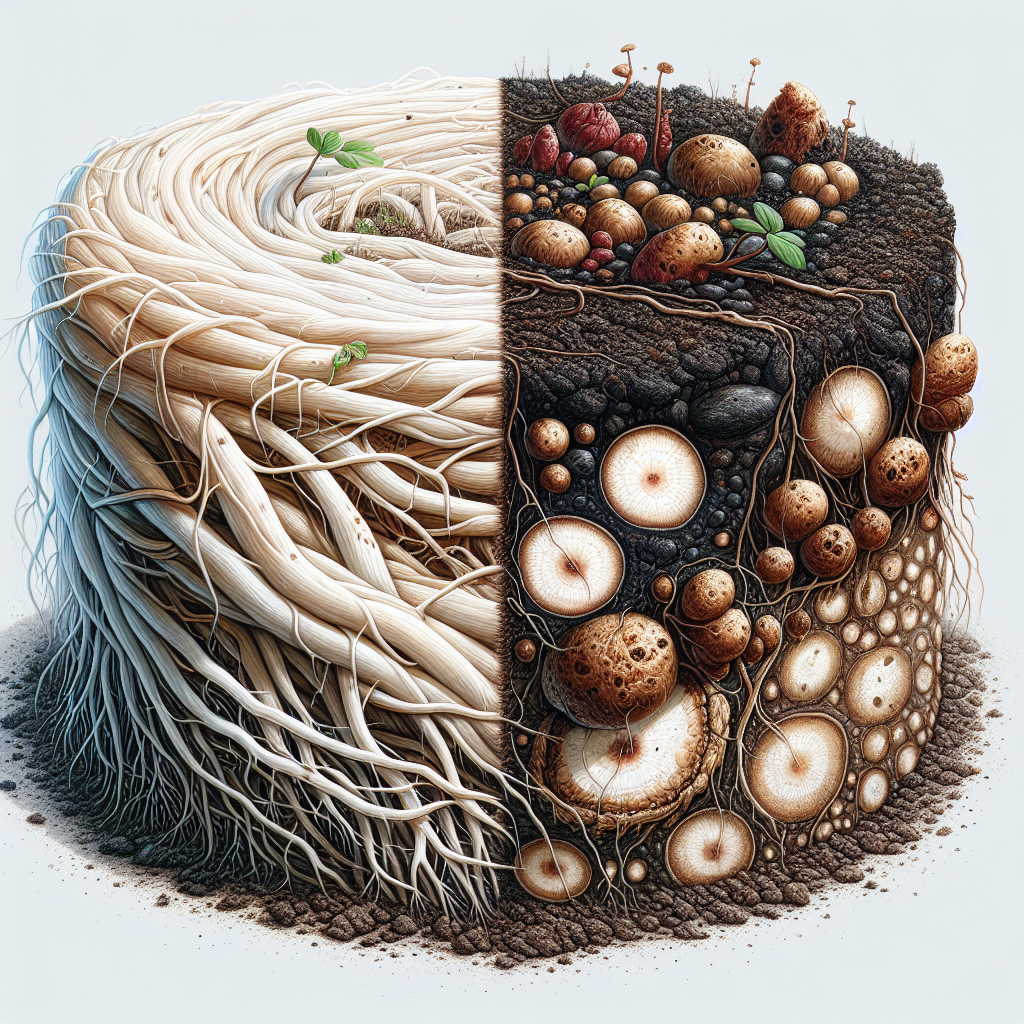
Introduction to root disorders
Root disorders represent a critical challenge in modern agriculture, affecting the foundational system that sustains plant life. These disorders arise from a complex interplay of environmental stresses, nutritional deficiencies, soil compaction, and biological agents like fungi, bacteria, nematodes, and insects. Unlike foliar diseases that are immediately visible, root disorders often go undetected until plants exhibit severe above-ground symptoms such as wilting, yellowing, or sudden collapse.
In agricultural settings, root disorders can devastate yields, with losses ranging from 20-80% depending on the crop and severity. They are particularly problematic in high-value crops grown in intensive systems, where poor soil management amplifies risks. Understanding root disorders is essential for sustainable farming, as healthy roots are vital for water and nutrient uptake, anchoring plants, and resisting environmental stresses. This guide provides comprehensive diagnostic tools, lifecycle insights, organic management strategies, and prevention tactics tailored for professional growers. For small farms optimizing operations, check out Soil Health Mastery: 5 Proven Strategies for Small Farms to Build Fertile Ground Without Breaking the Bank for foundational practices.
Identifying Symptoms & Damage
Diagnosing root disorders requires careful inspection, as symptoms mimic other stresses like drought or nutrient deficiency. Above-ground signs include stunted growth, chlorosis (yellowing starting from lower leaves), wilting during the day with partial recovery at night, and premature leaf drop. Plants may exhibit uneven growth across the field, with some thriving while others decline.
The definitive diagnosis comes from excavating roots. Healthy roots are white, firm, and fibrous. Affected roots show dark, mushy, or brittle tissues, often with foul odors indicating rot. Specific patterns help differentiate causes:
- Fungal rots (root rot): Roots appear water-soaked, brown-black, and slimy; secondary invaders cause white mycelium.
- Bacterial rots: Soft, discolored roots with rapid tissue breakdown.
- Nematode damage (root-knot nematodes): Galls or knots on roots, stunted feeder roots.
- Abiotic issues (e.g., waterlogging): Uniform darkening without pathogens; roots may crack from oxygen starvation.
Soil testing reveals pH extremes (below 5.5 or above 7.5), high salinity (EC > 2.0 dS/m), or compaction (penetrometer resistance > 300 psi). Use a shovel to assess soil structure—compacted layers restrict root penetration. For precise identification, submit samples to a lab for pathogen culturing or nematode assays. Early detection via regular scouting prevents spread, especially in irrigated fields.
Lifecycle and Progression of root disorders
Root disorders progress through distinct phases influenced by soil conditions and plant susceptibility. Abiotic disorders develop rapidly under stress: waterlogging depletes oxygen within 48 hours, triggering root asphyxiation and enzyme breakdown of cell walls within days. Recovery is possible if stress is relieved early.
Biotic disorders follow pathogen lifecycles. Oomycetes like Pythium and Phytophthora produce zoospores that swim in saturated soils, infecting roots within hours. They colonize cortex tissues, advancing to vascular systems over 7-14 days, causing girdling and plant death. Fungi such as Rhizoctonia and Fusarium enter via wounds, growing mycelially and producing toxins that persist in soil for years.
Nematodes like root-knot nematodes have complex cycles: eggs hatch in spring, juveniles penetrate roots, form galls, and mature into adults producing new eggs in 20-30 days, with multiple generations per season. Progression accelerates in warm, moist soils (20-30°C), leading to chronic decline. Secondary symptoms include increased susceptibility to wilt complexes as weakened roots fail to support tops.
Environmental Triggers & Risk Factors
Root disorders thrive under specific conditions that compromise root health. Poor drainage and overwatering are primary culprits, creating anaerobic soils where pathogens proliferate. Compacted soils from heavy machinery limit oxygen diffusion and root exploration, exacerbating issues in crops like potato and carrot.
Nutrient imbalances—excess nitrogen promotes lush tops at root expense, while deficiencies in calcium or phosphorus weaken cell walls. High soluble salts from fertilizers burn root tips, mimicking drought. Temperature extremes stress roots: cool, wet springs favor damping-off, while hot, dry summers induce physiological disorders.
Crop rotation failures allow pathogen buildup; monocultures of susceptible varieties heighten risks. Contaminated water, tools, or transplants introduce inoculum. Acidic or alkaline soils hinder microbial balance, favoring pathogens. Risk assessment involves soil audits: aim for 5-6 inches of friable topsoil, pH 6.0-7.0, and organic matter >3%.
Organic Control & Treatment Plans
Organic management focuses on cultural, biological, and minimal chemical interventions. Immediate actions: Remove and destroy affected plants to curb spread. Improve drainage by ridging beds or installing tile drains. Aerate compacted soils with subsoilers.
Biological controls: Apply Trichoderma spp. or Bacillus subtilis drenches (1-2 L/ha) to outcompete pathogens. Mycorrhizal inoculants enhance root vigor in tomato and avocado. Beneficial nematodes (Steinernema feltiae) target root pests.
Organic amendments: Incorporate compost teas rich in actinomycetes, aerated for 24-48 hours. Lime acidic soils or add gypsum for sodic conditions. Mulch with straw (4-6 inches) to moderate moisture and suppress nematodes.
Crop-specific plans:
- For sweet potato: Solarize soil pre-planting (6 weeks black plastic).
- For cassava: Rotate with marigold for nematicide effects.
Monitor progress with root digs every 2 weeks. Avoid overhead irrigation; use drip systems. In severe cases, certified organic phosphonates provide protective boosts without residues. Integrate these with resistant varieties for long-term suppression. For more on soil strategies, see Soil Health Mastery: 5 Proven Strategies for Small Farms to Build Fertile Ground Without Breaking the Bank.
Preventing root disorders in the Future
Prevention hinges on proactive soil management and cultural practices. Start with soil tests annually, amending based on results—balance N-P-K ratios and micronutrients. Implement 3-4 year rotations, incorporating cover crops like clover or hairy vetch to suppress pathogens and build organic matter.
Select resistant varieties: e.g., nematode-resistant eggplant or flood-tolerant rice. Optimize planting: avoid cool, wet conditions for warm-season crops; space adequately to reduce competition. Sanitize tools with 10% bleach and quarantine transplants.
Enhance biodiversity with companion planting—thyme and yarrow deter pests. Maintain even moisture via soil moisture probes, targeting 60-80% field capacity. Long-term, foster soil biology with vermicompost and reduced tillage. Scout weekly during vulnerable stages (seedling, flowering). These IPM pillars can reduce incidence by 70-90%.
Crops Most Affected by root disorders
Root disorders strike a wide array of crops, particularly those with shallow or fibrous roots. Root and tuber crops like potato, sweet potato, carrot, onion, garlic, ginger, turmeric, cassava, and taro suffer direct yield losses from rot and galls.
Vegetables: Tomato, cucumber, squash, lettuce, and beet are highly susceptible in poorly drained fields.
Fruit trees and vines: Avocado (Hass avocado), citrus (navel orange), strawberry, grapes, banana, mango face chronic Phytophthora issues.
Field crops: Soybeans, corn, wheat, rice, and legumes like chickpeas and peanuts experience sudden wilt epidemics.
Tropicals such as pineapple, sugarcane, and coffee are vulnerable in wet climates. Prioritize prevention in high-risk crops through tailored rotations.