Encyclopedia
Definitive guides for crops, pests, and agricultural diseases.
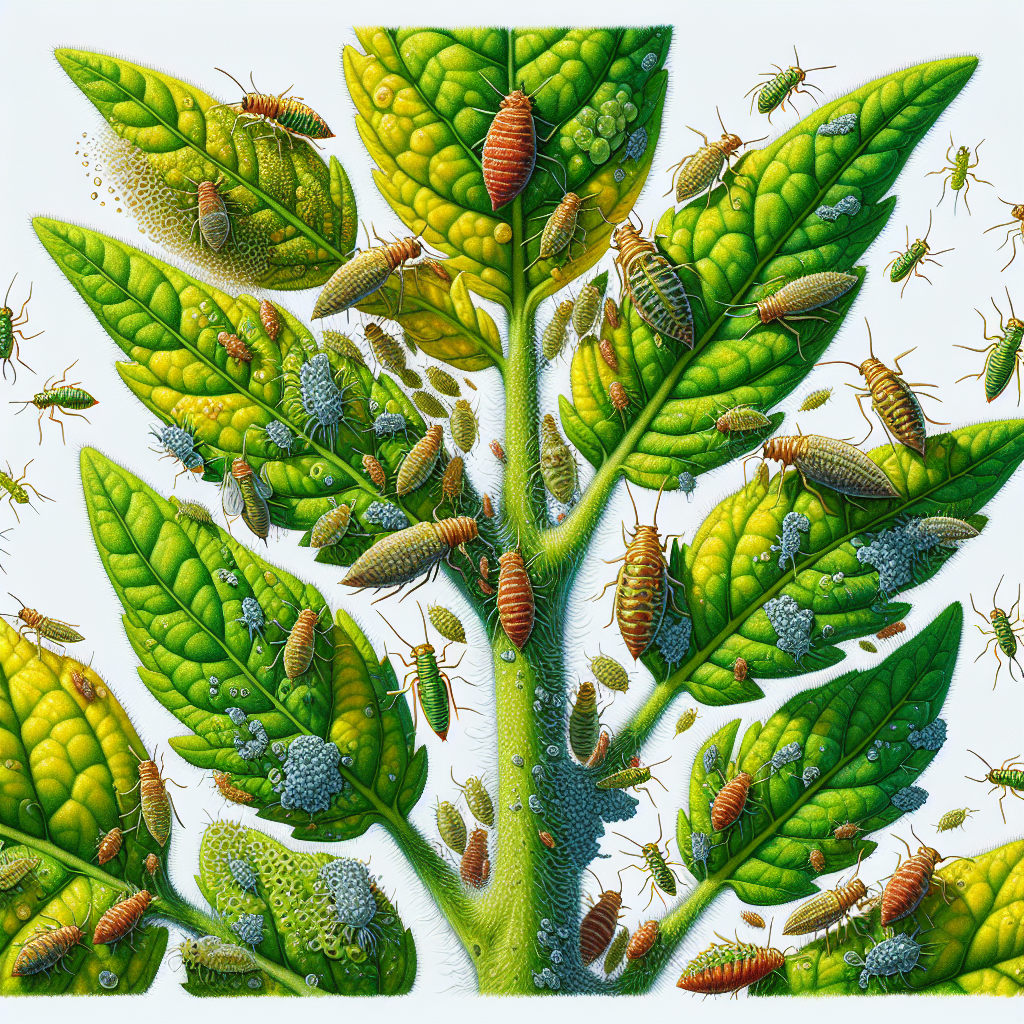
Sap-sucking insects
Sap-sucking insects, including aphids, whiteflies, scales, and leafhoppers, pierce plant tissues to extract nutrient-rich sap, causing stunted growth, leaf curl, and sooty mold. These pests transmit viral diseases and weaken crops across orchards, vegetables, and grains. Effective management combines monitoring, organic controls, and cultural practices for sustainable agriculture.
View Profile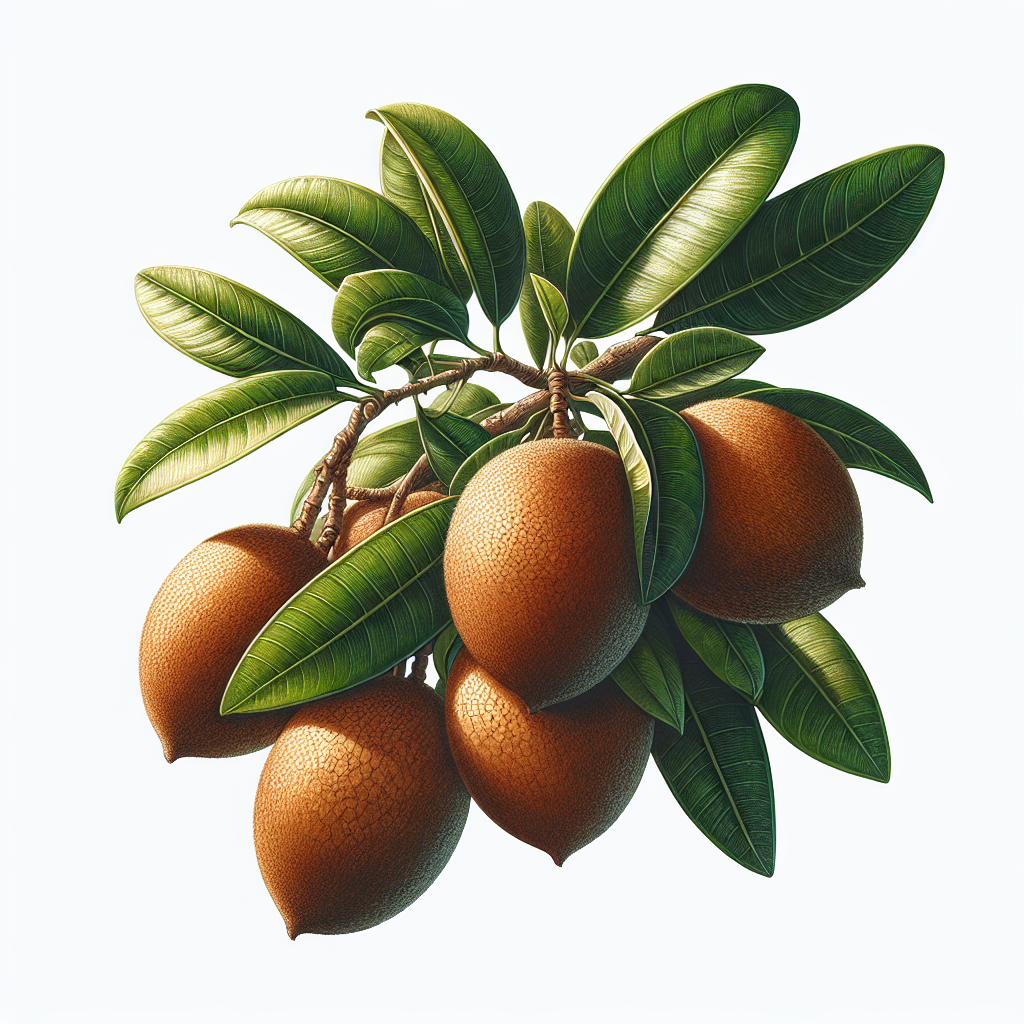
Sapodilla (Alano)
Sapodilla (Alano), known for its sweet, grainy fruit resembling brown sugar pears, is a tropical evergreen tree thriving in warm climates. This comprehensive guide covers cultivation from propagation to harvest, ideal for home gardeners and small-scale farmers seeking high-value tropical crops. Discover optimal soil, pest management, and companion planting strategies for bountiful yields.
View Guide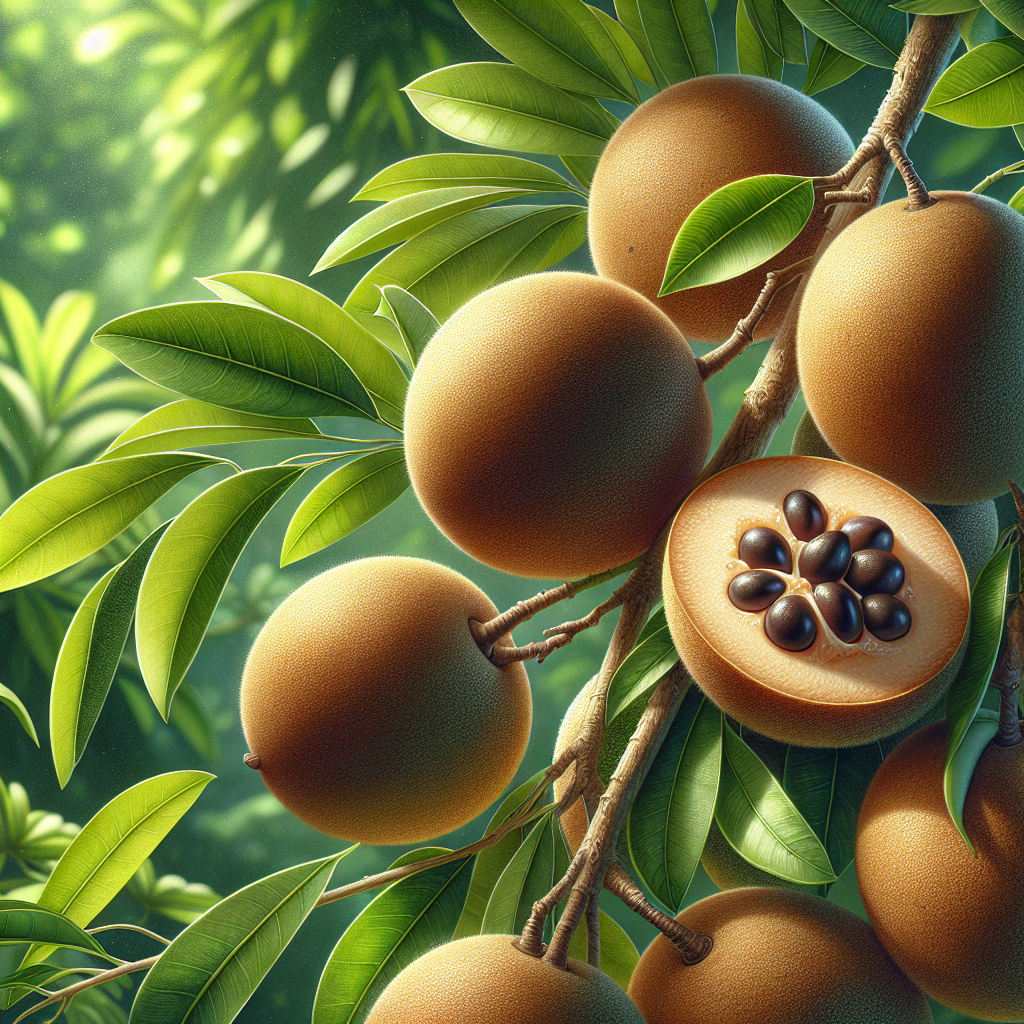
Sapodilla (Makok)
Sapodilla, known locally as Makok in Thailand, is a tropical evergreen tree prized for its sweet, gritty-textured fruit rich in sugars and vitamins. This comprehensive guide covers cultivation from propagation to harvest, ideal for small farms in humid subtropical regions. Discover optimal soil, pest management, and companion planting strategies for bountiful yields.
View Guide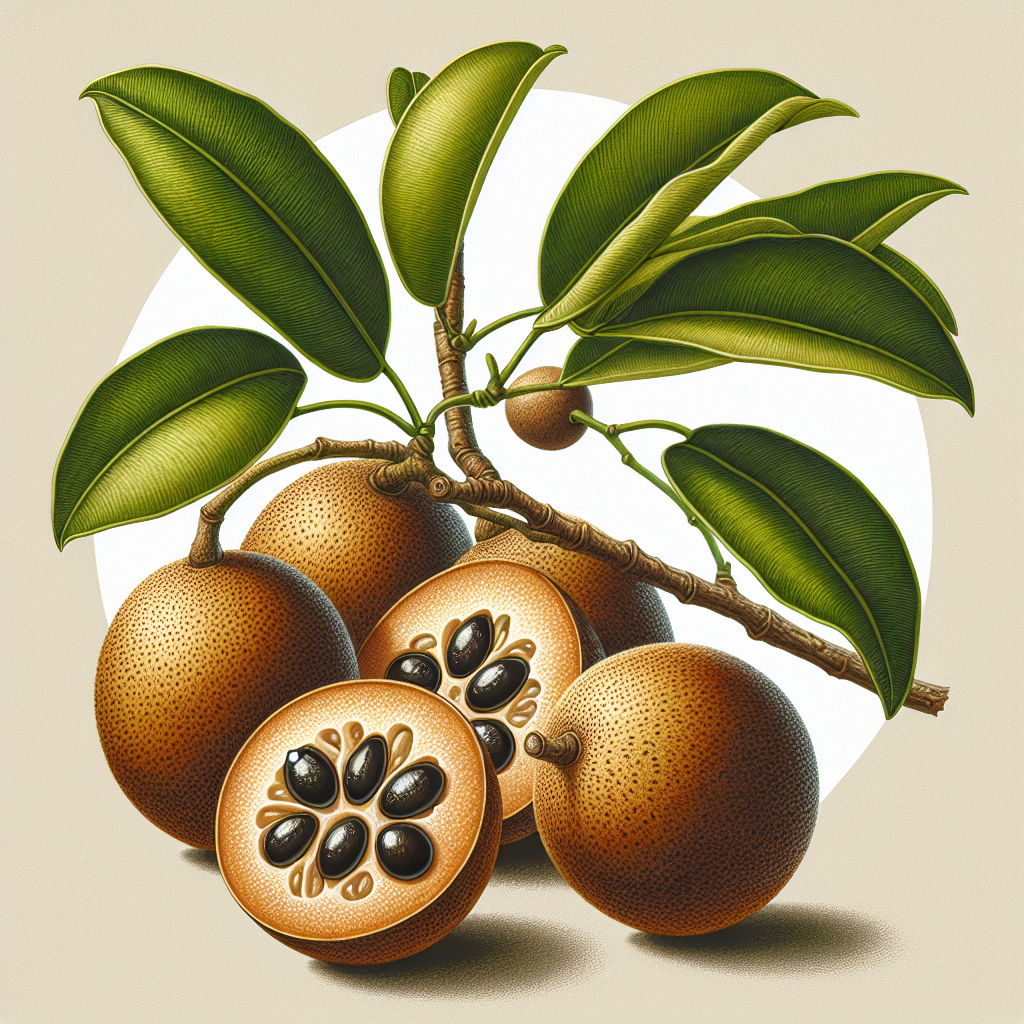
Sapodilla (Molix)
Sapodilla (Molix), also known as naseberry or chikoo, is a tropical evergreen tree prized for its sweet, grainy fruit with caramel-like flavor. Native to Central America, this resilient crop thrives in subtropical climates and can produce for decades with proper care. This guide provides expert techniques for propagation, maintenance, pest control, and harvesting to maximize yields.
View Guide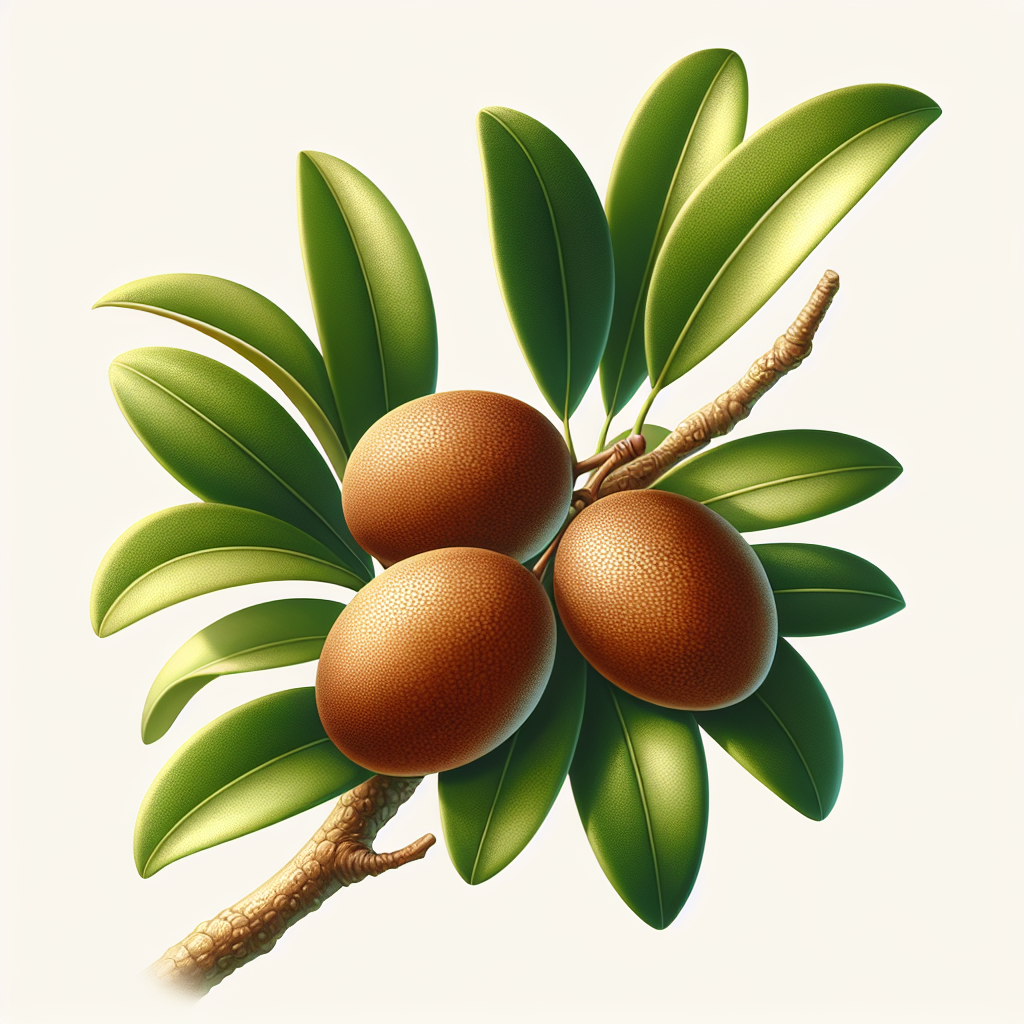
Sapodilla (Silas Wood)
Sapodilla (Silas Wood), a premium cultivar of Manilkara zapota, is renowned for its exceptionally sweet, honey-like fruit with silky texture, thriving in tropical climates. This comprehensive guide covers cultivation from propagation to harvest, offering professional agricultural insights for optimal yields. Ideal for small farms seeking high-value tropical crops with minimal maintenance once established.
View Guide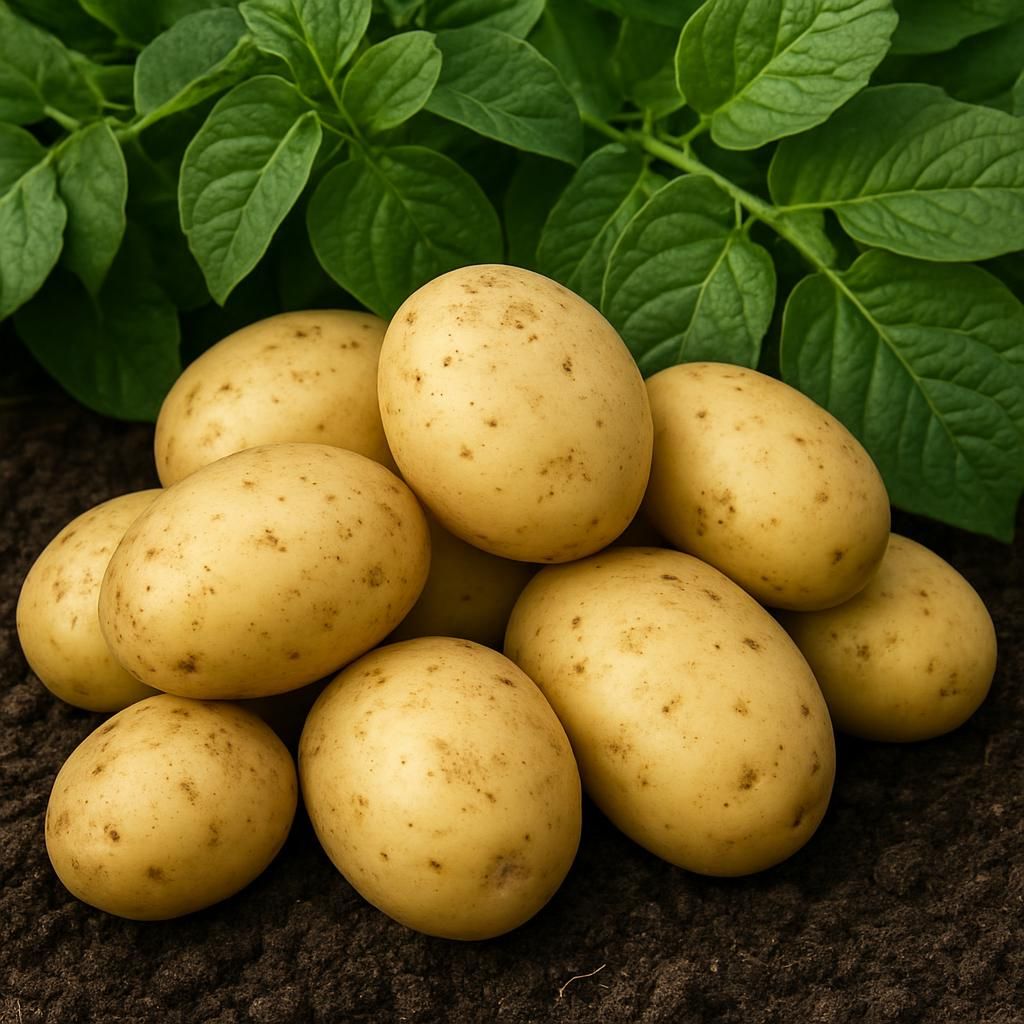
Sarpo Mira
Sarpo Mira is a late-maturing, high-yielding potato cultivar renowned for exceptional late blight resistance and reliable performance in cooler climates. It produces large, floury tubers with good culinary qualities and stores exceptionally well.
View Guide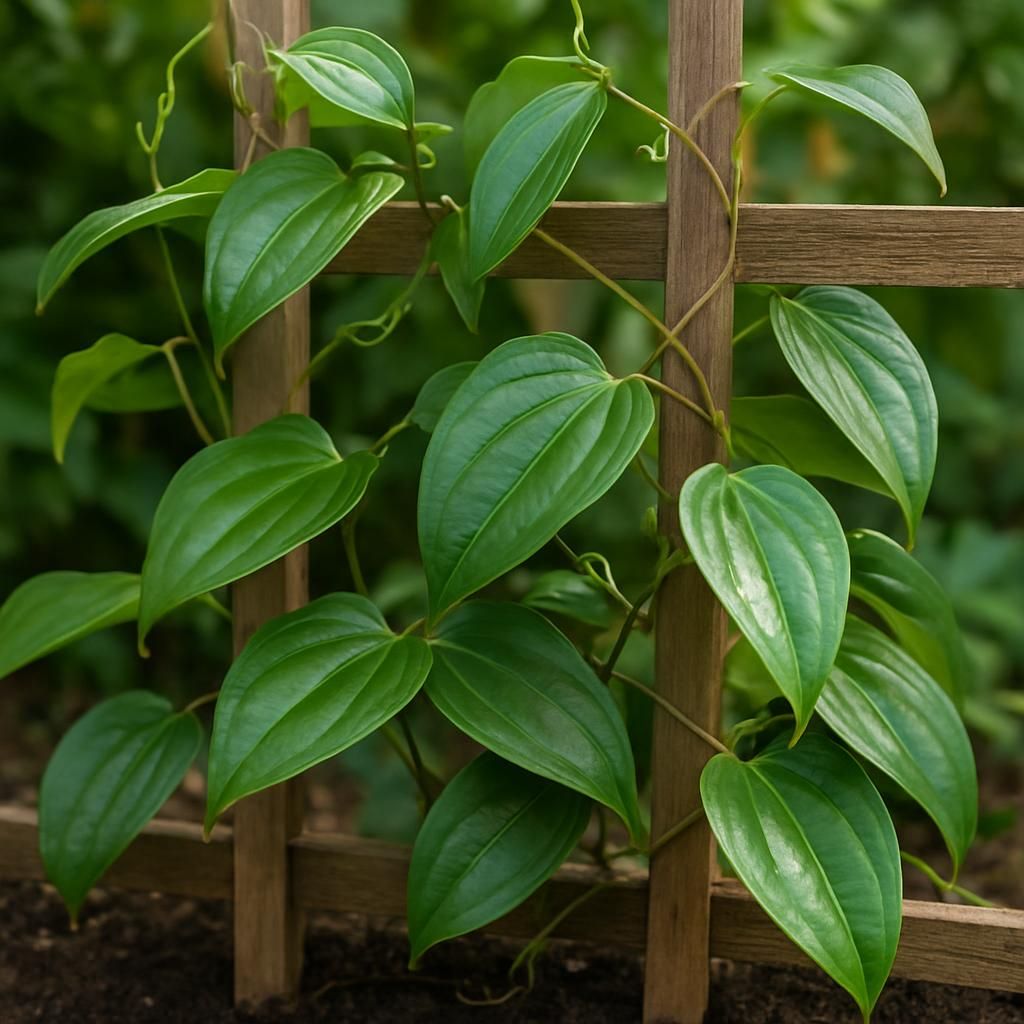
Sarsaparilla (Smilax)
Sarsaparilla (Smilax) is a perennial woody vine valued for its medicinal rhizomes and vigorous climbing habit. This definitive growing guide covers soil, climate, planting, care, pest management, harvesting, and companion planting strategies for commercial or home-scale production.
View Guide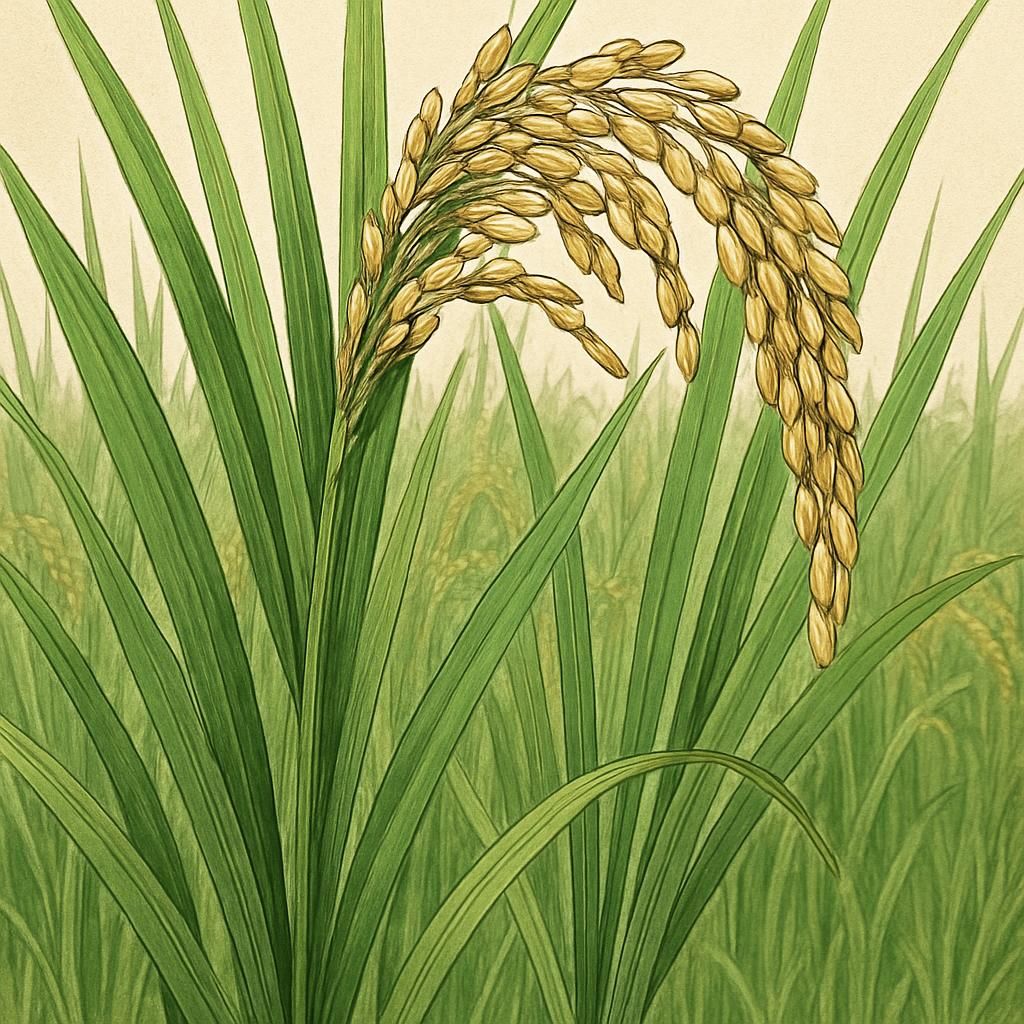
Sasanishiki Rice
Sasanishiki Rice is a premium Japanese short-grain rice variety known for its delicate texture and subtle flavor. It thrives in temperate climates and is prized for its use in sushi and other traditional Japanese cuisine.
View Guide
Savoy Cabbage
Savoy cabbage is a cool-season brassica prized for its deeply crinkled leaves, sweet flavor, and superior cold tolerance compared with many smooth-headed cabbages. It thrives in fertile, moisture-retentive soil and rewards careful timing, steady nutrition, and vigilant pest management with dense, high-quality heads for fresh use or storage.
View Guide
Saw Palmetto Berry
Saw palmetto berry, from the resilient Serenoa repens palm, is a valuable crop for herbal supplement production, thriving in sandy, well-drained soils of the southeastern US. This low-maintenance perennial offers berries rich in fatty acids used for prostate health and hair growth remedies. Growers appreciate its drought tolerance and wildlife benefits, making it ideal for sustainable agroforestry systems.
View Guide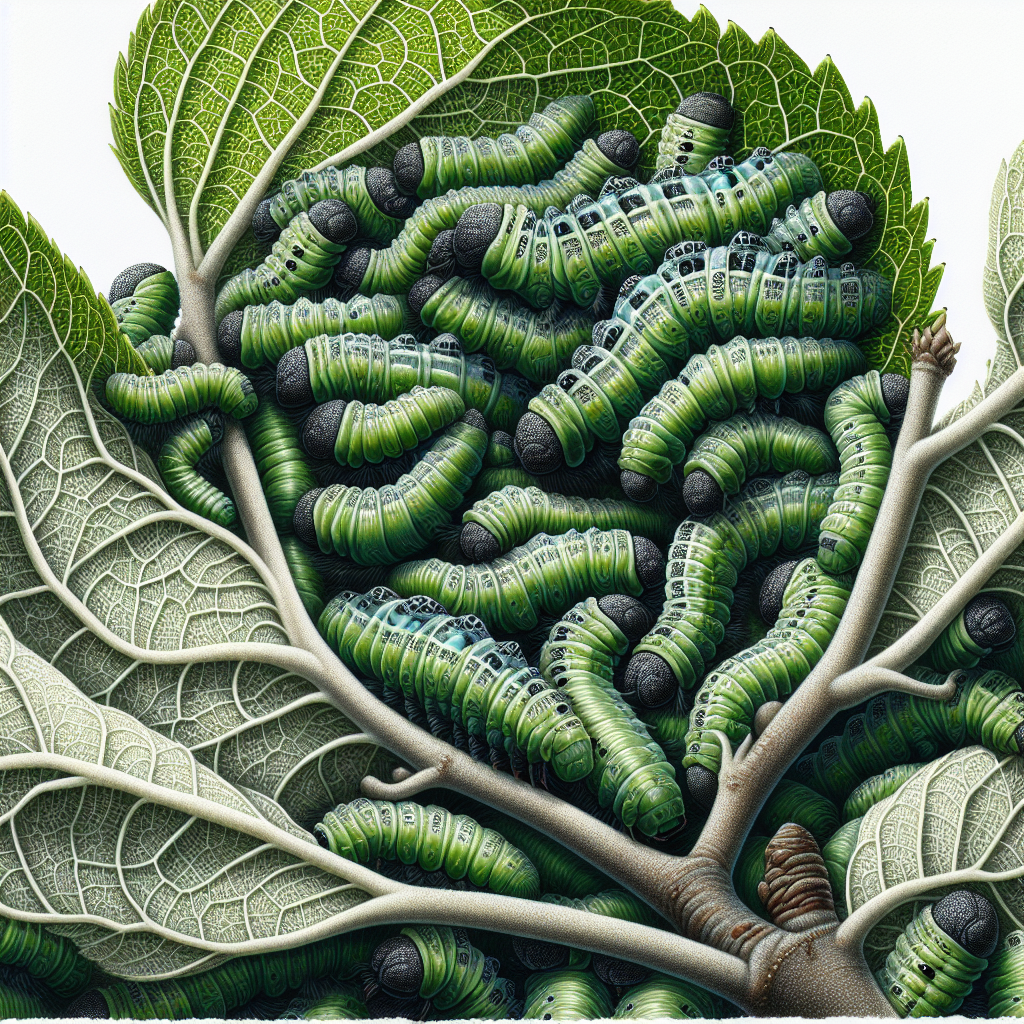
sawflies
Sawflies are hymenopteran insects resembling wasps but lacking a constricted waist, notorious for larval defoliation of trees, shrubs, ornamentals, and field crops. Their slug-like larvae feed gregariously, causing rapid skeletonization of foliage. Effective management combines monitoring, biological controls, and targeted organic treatments.
View Profile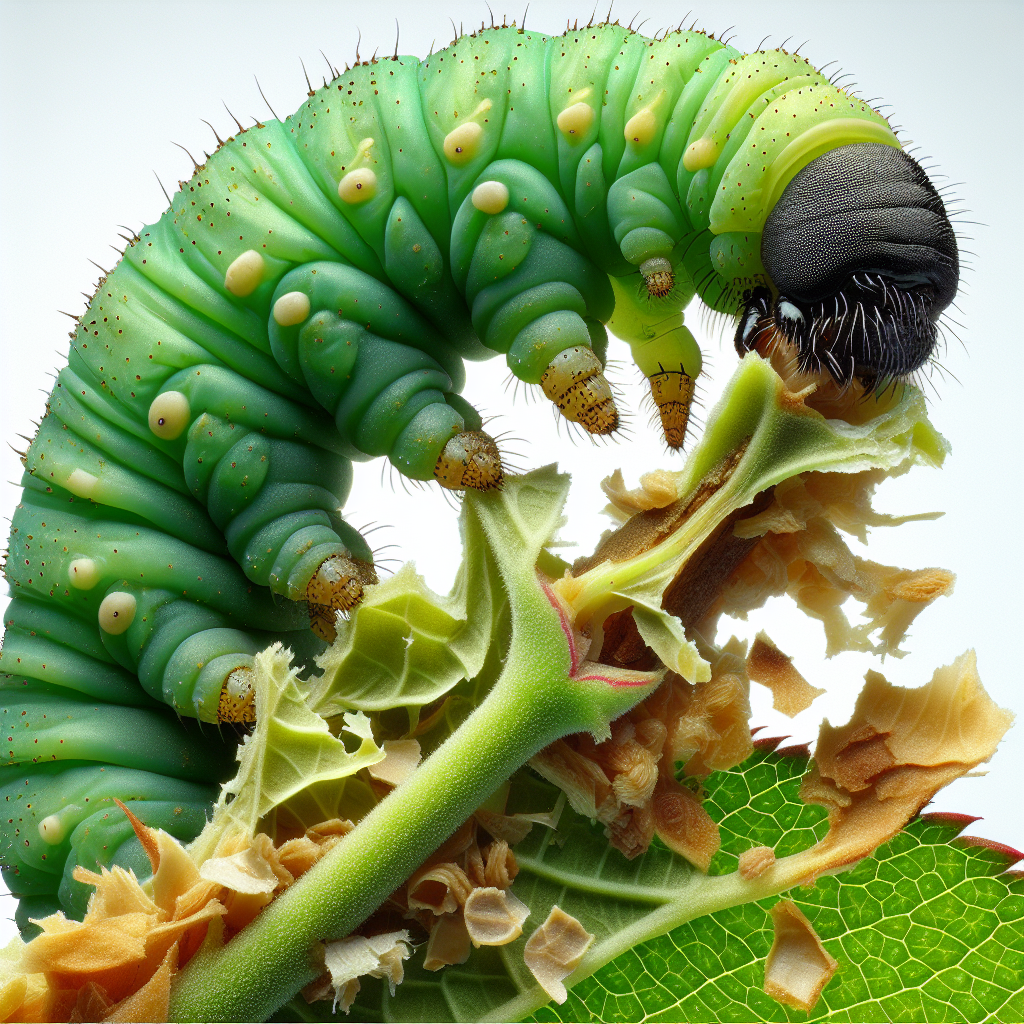
sawfly
Sawflies are wasp-like pests whose larvae resemble caterpillars and cause significant defoliation on roses, fruits, and ornamentals. This guide provides expert diagnosis, lifecycle insights, organic controls, and prevention strategies for effective management. Protect your crops with proven agricultural techniques tailored for farmers and gardeners.
View Profile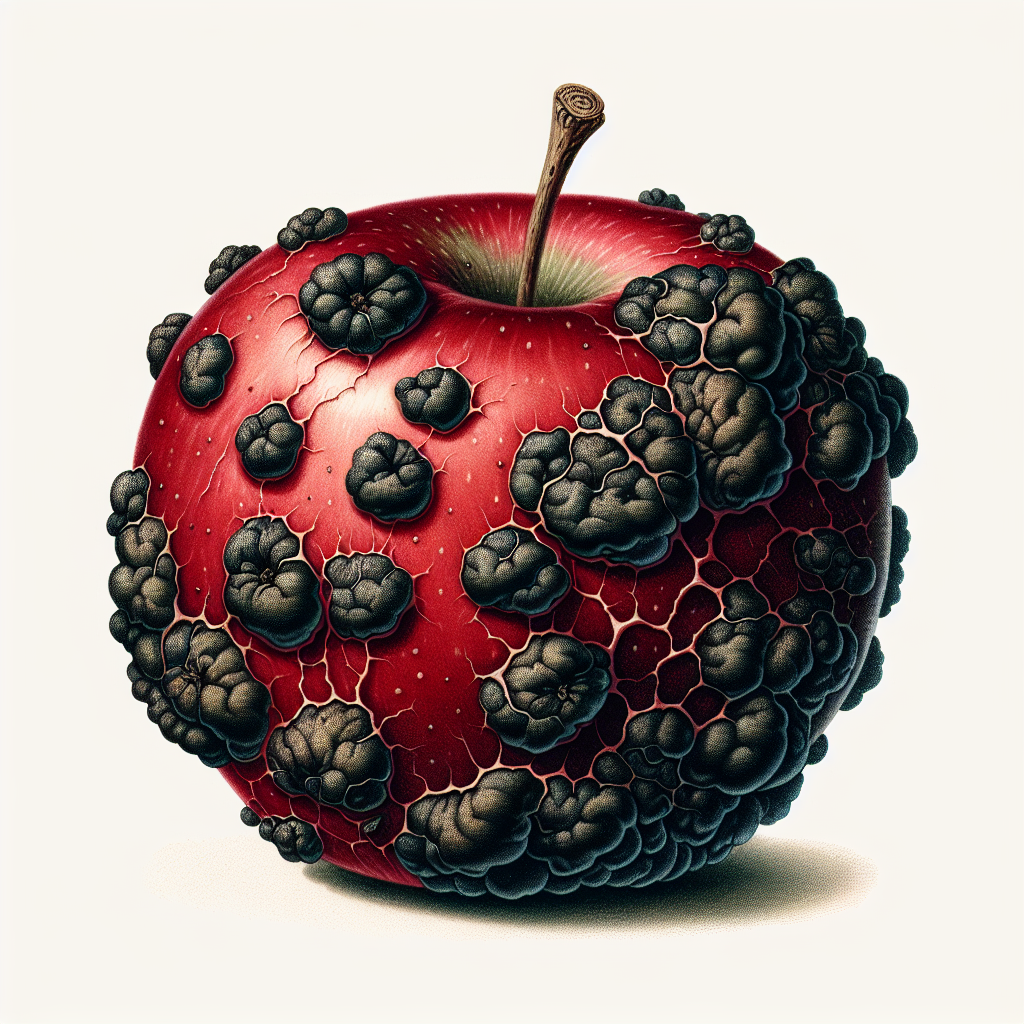
Scab
Scab is a widespread fungal disease affecting numerous crops, characterized by rough, corky lesions on leaves, fruits, and stems that reduce yield and marketability. It thrives in warm, humid conditions and spreads via spores, making early detection and cultural management essential. This guide covers diagnosis, organic treatments, and prevention strategies for affected crops like apples, potatoes, and pecans.
View Profile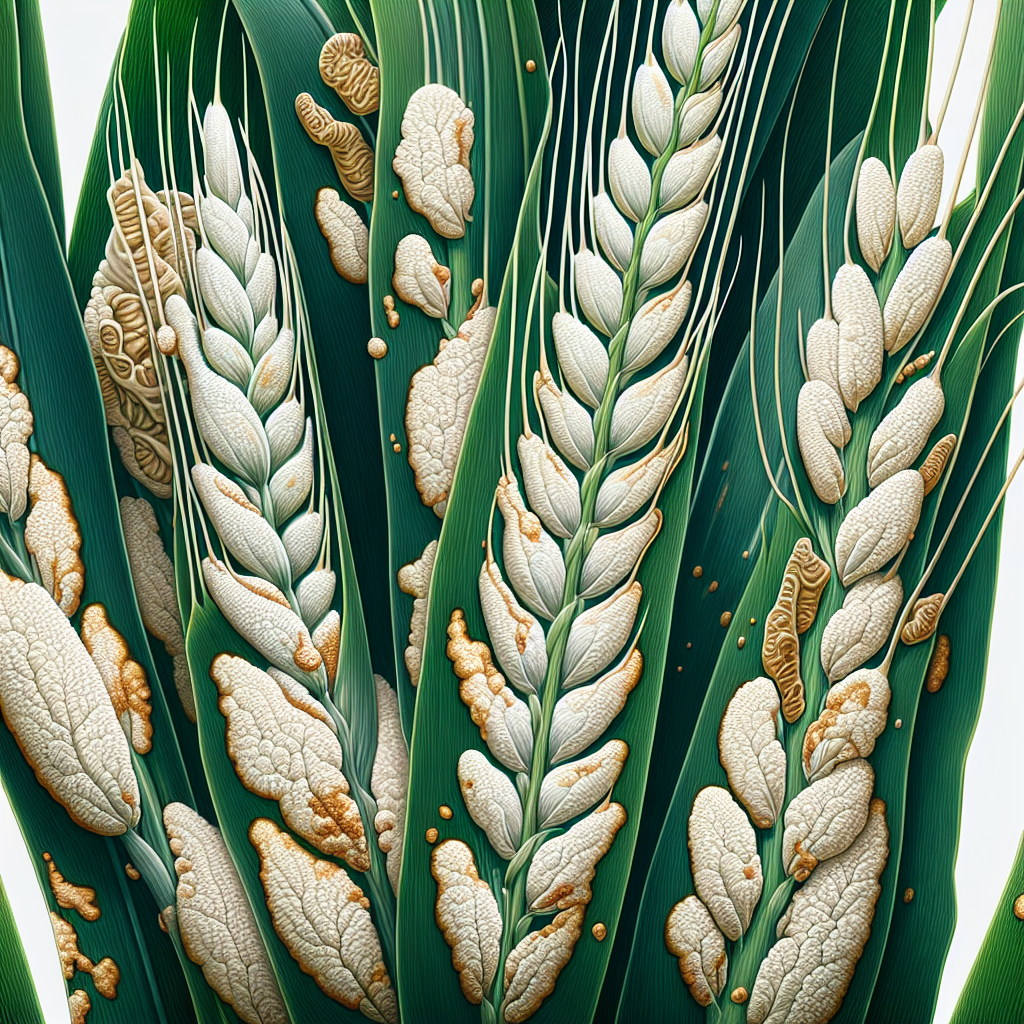
Scald
Scald is a widespread fungal disease primarily affecting cereal crops like barley, rye, and wheat, as well as turfgrasses and certain fruits, causing bleached, scalded leaf lesions that reduce photosynthesis and yield. It thrives in cool, moist conditions, leading to significant economic losses in grain production. Effective management relies on resistant varieties, cultural practices, and targeted organic fungicides.
View Profile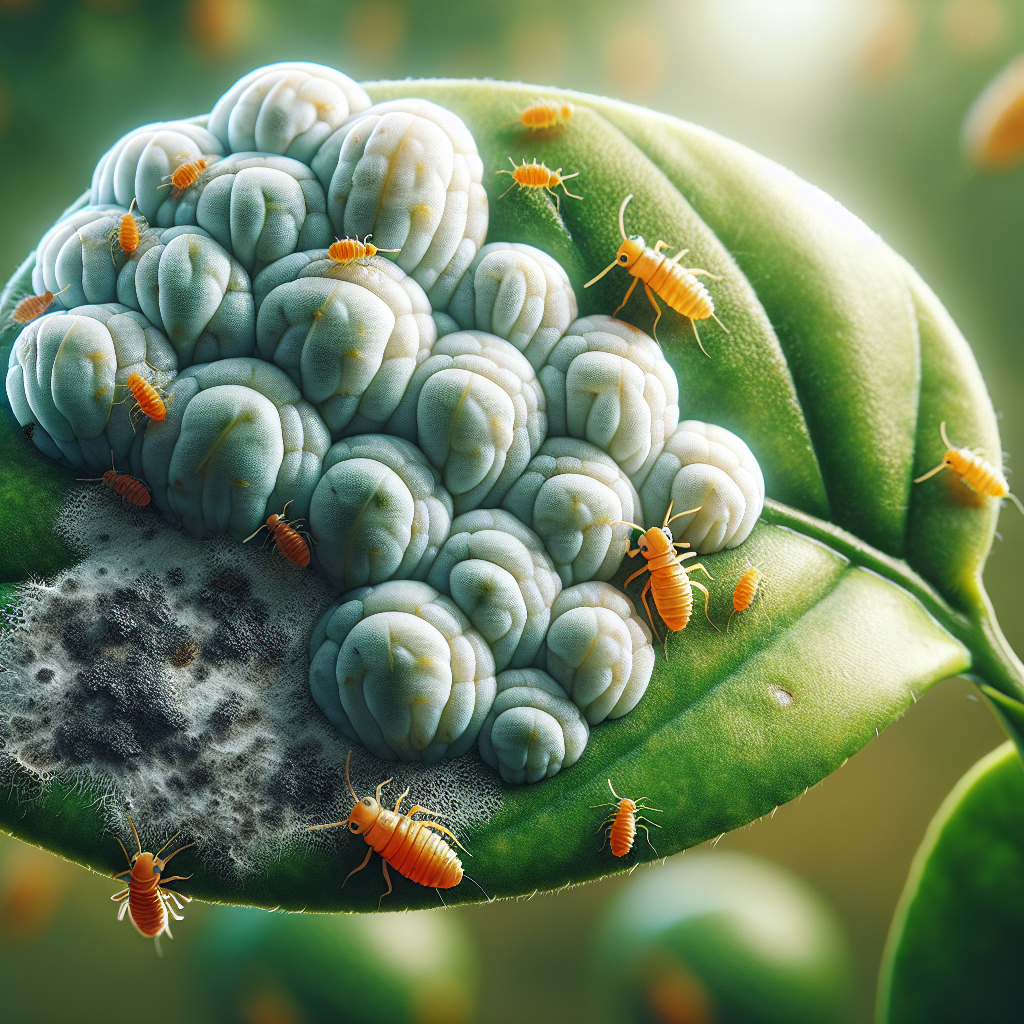
scale
Scale insects are small, sap-sucking pests that form protective waxy covers on plant stems, leaves, and fruits, weakening crops by draining vital juices and promoting sooty mold. Common in orchards, greenhouses, and gardens, they affect a wide range of plants including citrus, avocados, and ornamentals. Effective management combines organic controls like horticultural oils, biological agents, and cultural practices for long-term prevention.
View Profile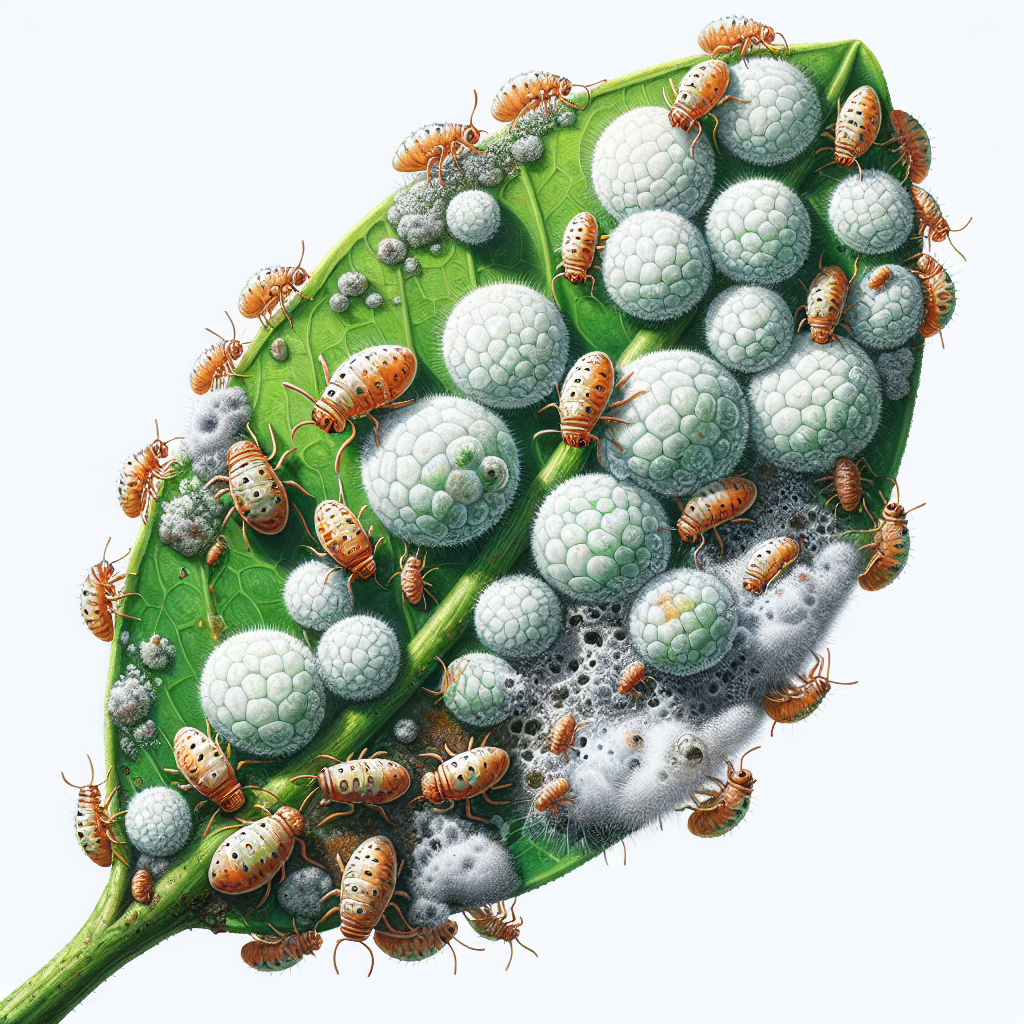
Scale insects
Scale insects are small, sap-sucking pests that attach to plant stems, leaves, and fruits, weakening crops by draining vital nutrients and promoting sooty mold growth. This guide provides professional diagnostics, lifecycle insights, organic management strategies, and prevention tips for farmers tackling infestations effectively. Protect high-value crops like citrus and ornamentals with proven agricultural techniques.
View Profile
Scallions (Tokyo Long White)
Scallions (Tokyo Long White) are a classic Japanese bunching onion valued for their long white shanks, upright dark green leaves, and mild, clean onion flavor. This cultivar is fast growing, cold tolerant, and especially well suited to succession planting for continuous harvests in home gardens, market gardens, and intensive small-scale production.
View Guide
Scarring Beetles
Scarring beetles are notorious fruit and leaf pests that chew irregular patterns into crop surfaces, causing cosmetic scarring that drastically reduces market value. Primarily active during warm seasons, these beetles target a wide range of fruits and vegetables, leading to significant yield losses if unmanaged. This guide provides comprehensive diagnostics, lifecycle insights, and organic management strategies for effective control.
View Profile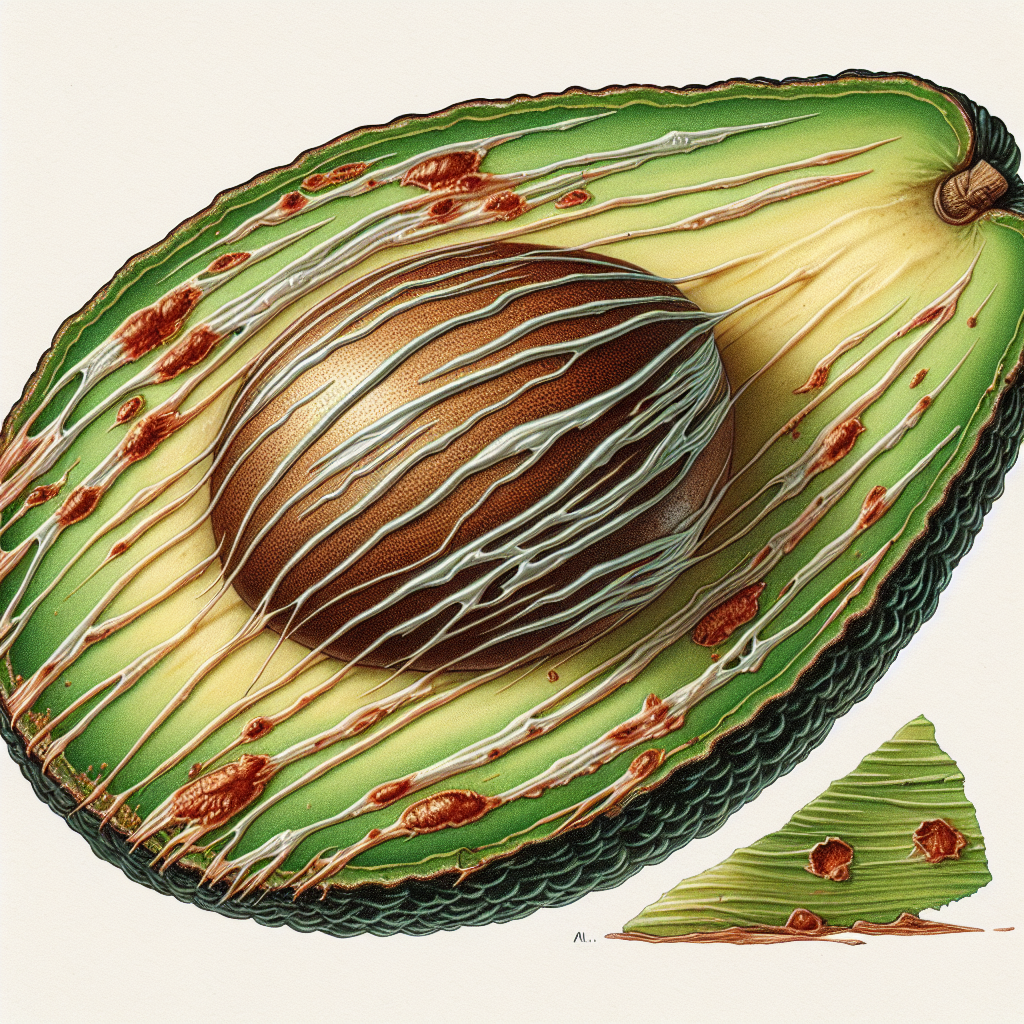
Scarring insects
Scarring insects are a diverse group of pests including thrips, mites, and certain caterpillars that feed on fruit surfaces, causing unsightly scars that reduce market value and quality. These pests target developing fruits on high-value crops like avocados, mangoes, and citrus, leading to significant economic losses. Effective management combines monitoring, organic controls, and cultural practices for sustainable control.
View Profile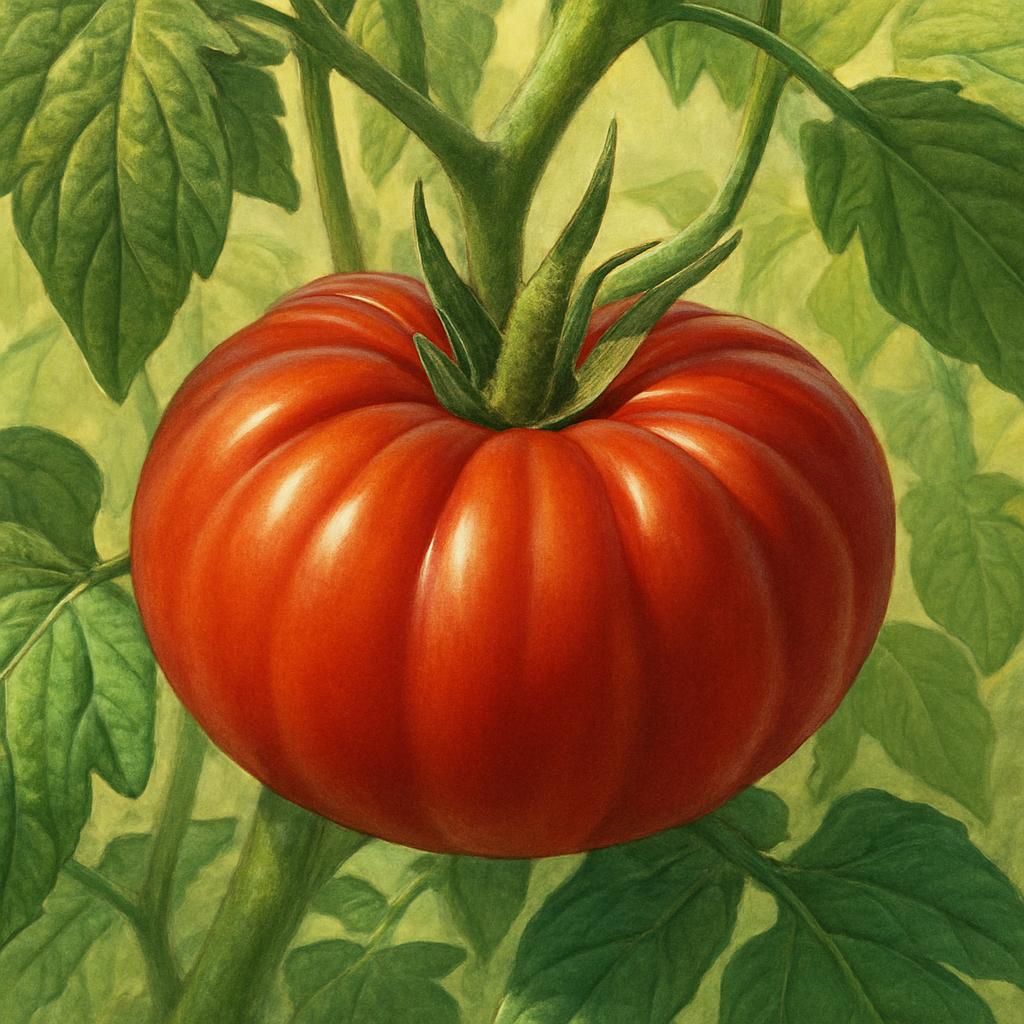
Schimmeig Stoo Tomato
Schimmeig Stoo Tomato is a vigorous, indeterminate heirloom-style variety prized for its large, ribbed fruit and exceptional flavor. It performs best in fertile, well-drained soils with consistent moisture and full sun exposure. This guide covers every stage from seed to storage with professional-grade agricultural practices.
View Guide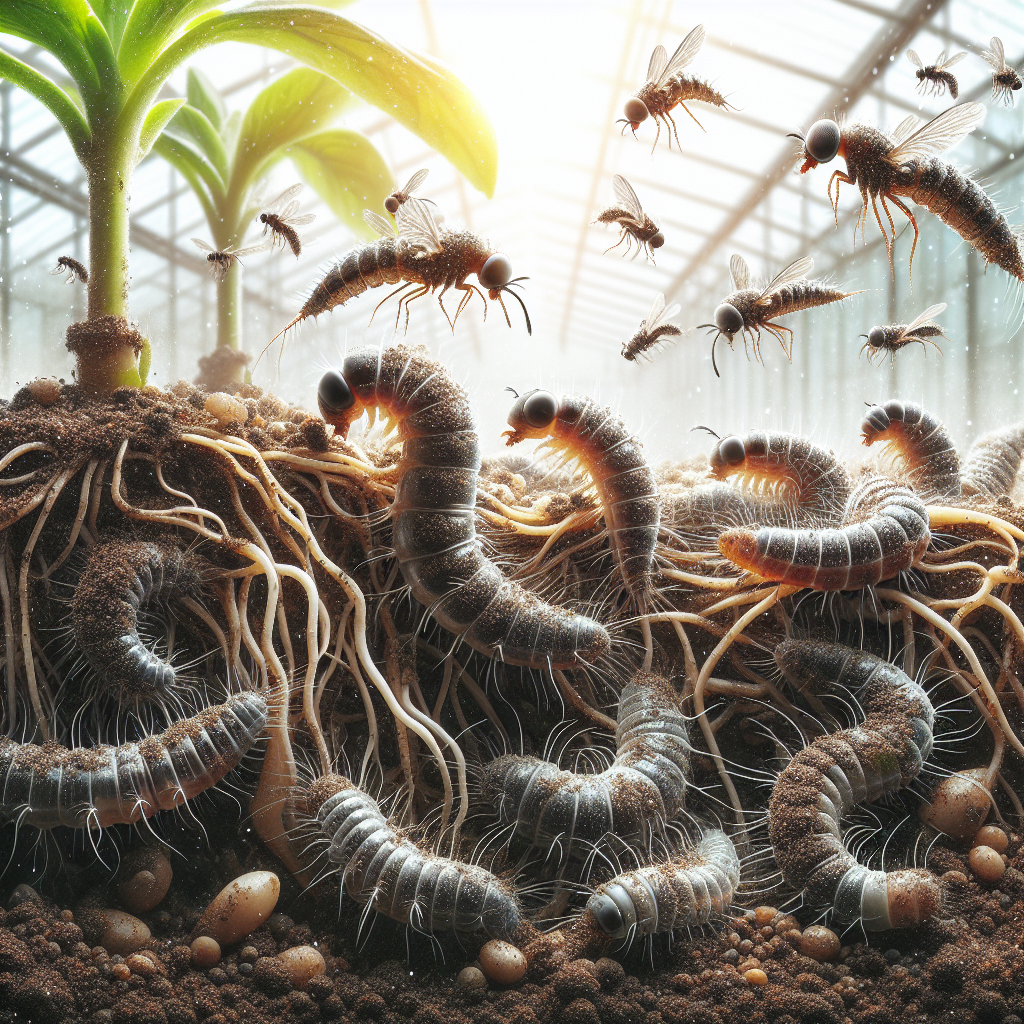
Sciarid flies
Sciarid flies, also known as fungus gnats, are small black flies that thrive in moist, organic-rich soils, primarily targeting seedlings and young plants by feeding on roots. Their larvae cause significant damage in greenhouses and indoor setups, leading to stunted growth and plant death if unmanaged. Effective organic control focuses on moisture management, biological agents, and cultural practices for long-term prevention.
View Profile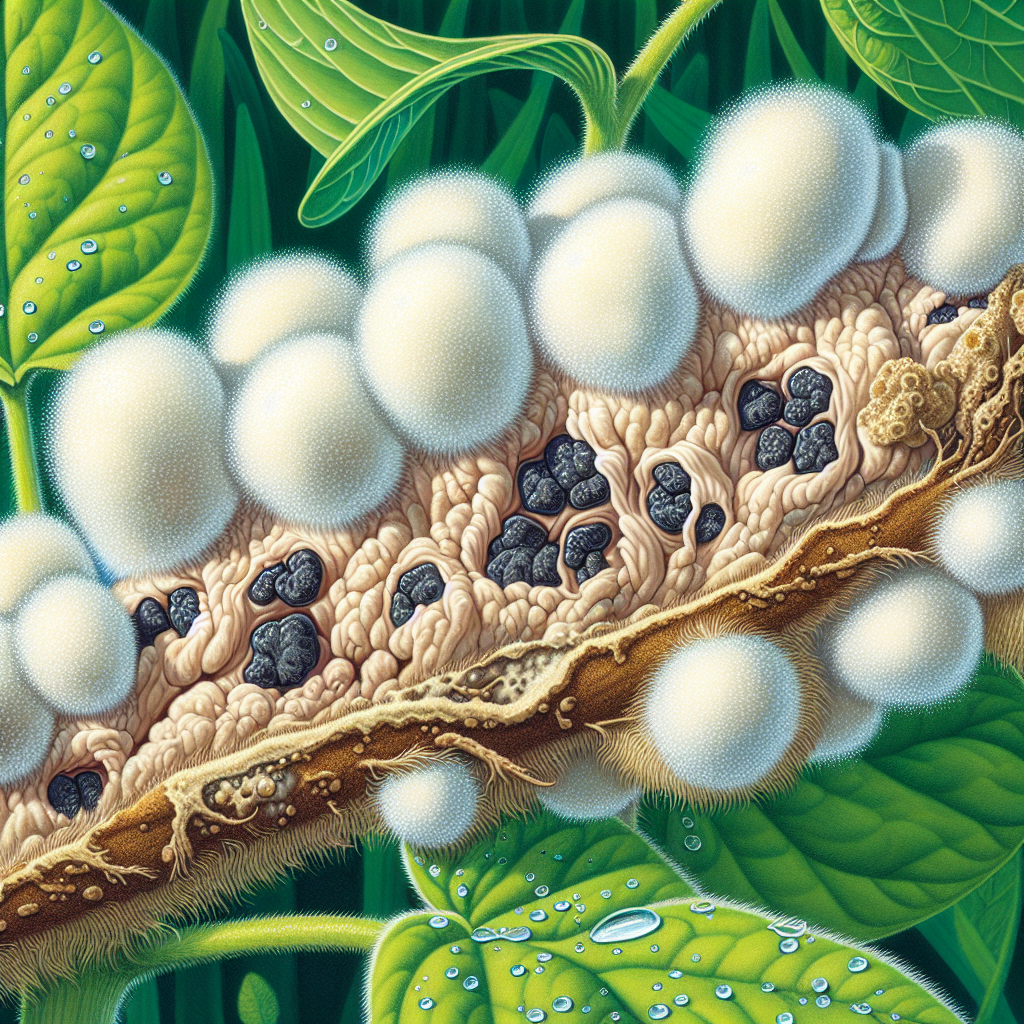
Sclerotinia
Sclerotinia, caused by the fungus Sclerotinia sclerotiorum, is a devastating soilborne disease affecting over 400 plant species, leading to white mold, stem rot, and severe yield losses in cool, wet conditions. This guide provides definitive diagnostic criteria, lifecycle insights, organic management strategies, and prevention tactics for farmers battling this persistent pathogen. Early identification and cultural controls are key to minimizing damage in high-risk crops like soybeans and lettuce.
View Profile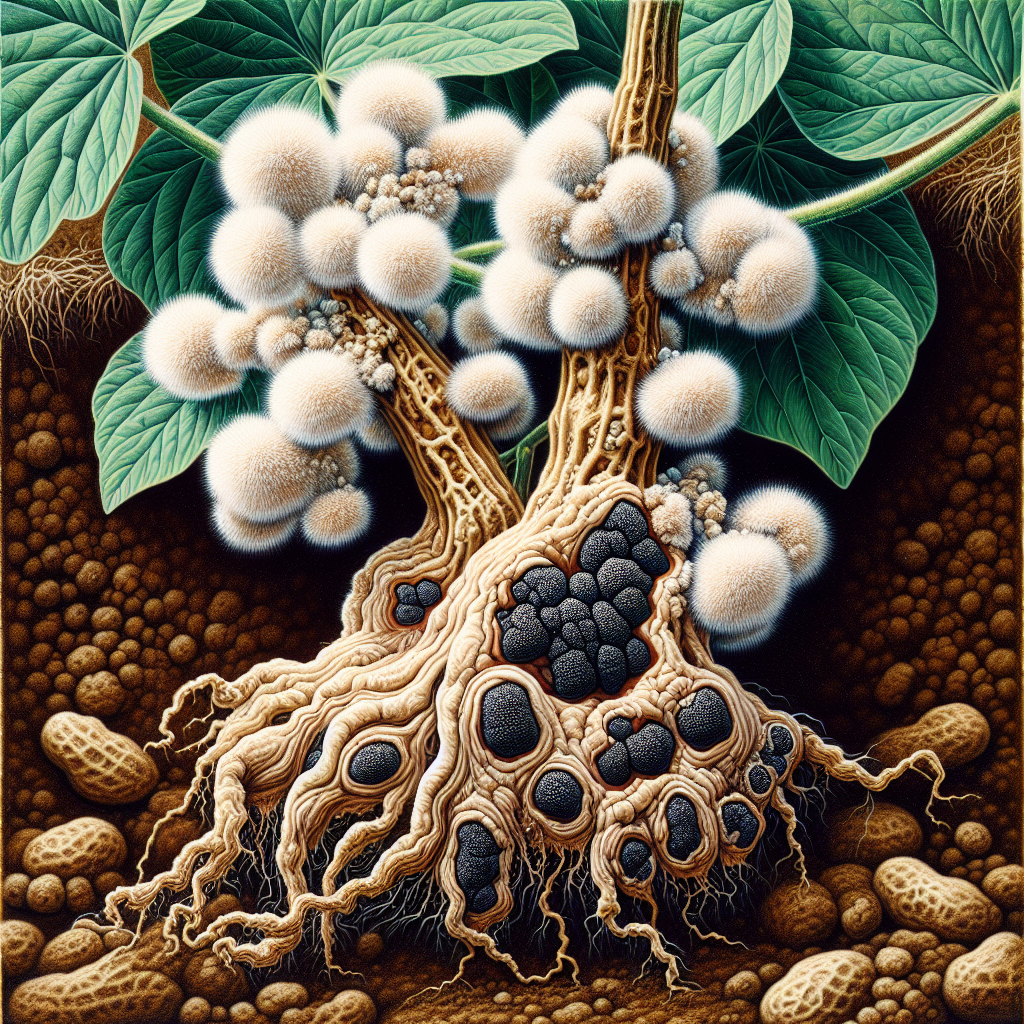
Sclerotinia blight
Sclerotinia blight is a destructive fungal disease caused by Sclerotinia sclerotiorum, primarily affecting peanuts, soybeans, and other legumes in cool, moist conditions. It leads to stem blights, wilting, and plant death, with hard sclerotia persisting in soil for years. Effective management relies on cultural practices, resistant varieties, and organic fungicides to minimize losses.
View Profile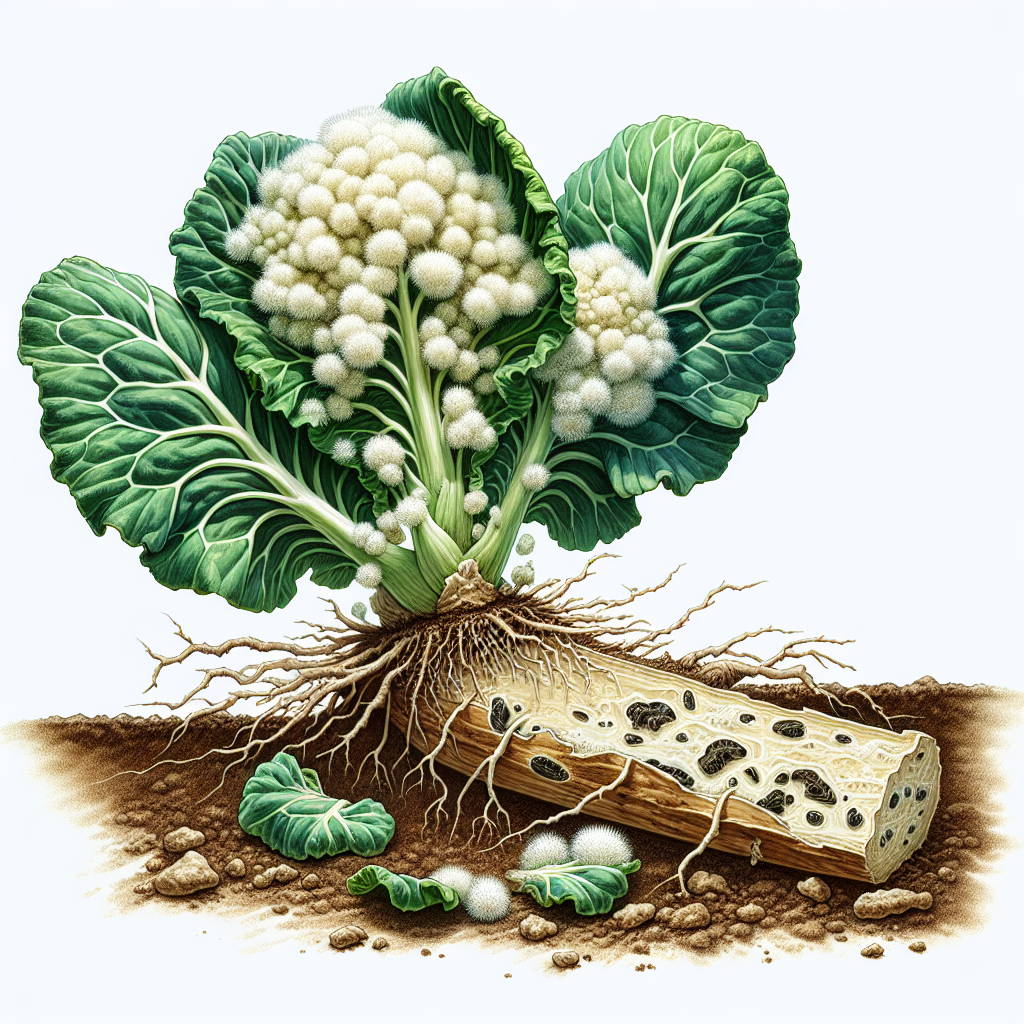
Sclerotinia drop
Sclerotinia drop is a devastating fungal disease caused by Sclerotinia sclerotiorum, leading to sudden wilting and drop of infected plant parts, particularly in brassicas and legumes. It thrives in cool, moist conditions, producing hard sclerotia that persist in soil for years. Effective management relies on cultural practices, resistant varieties, and organic biocontrols to minimize crop losses.
View Profile