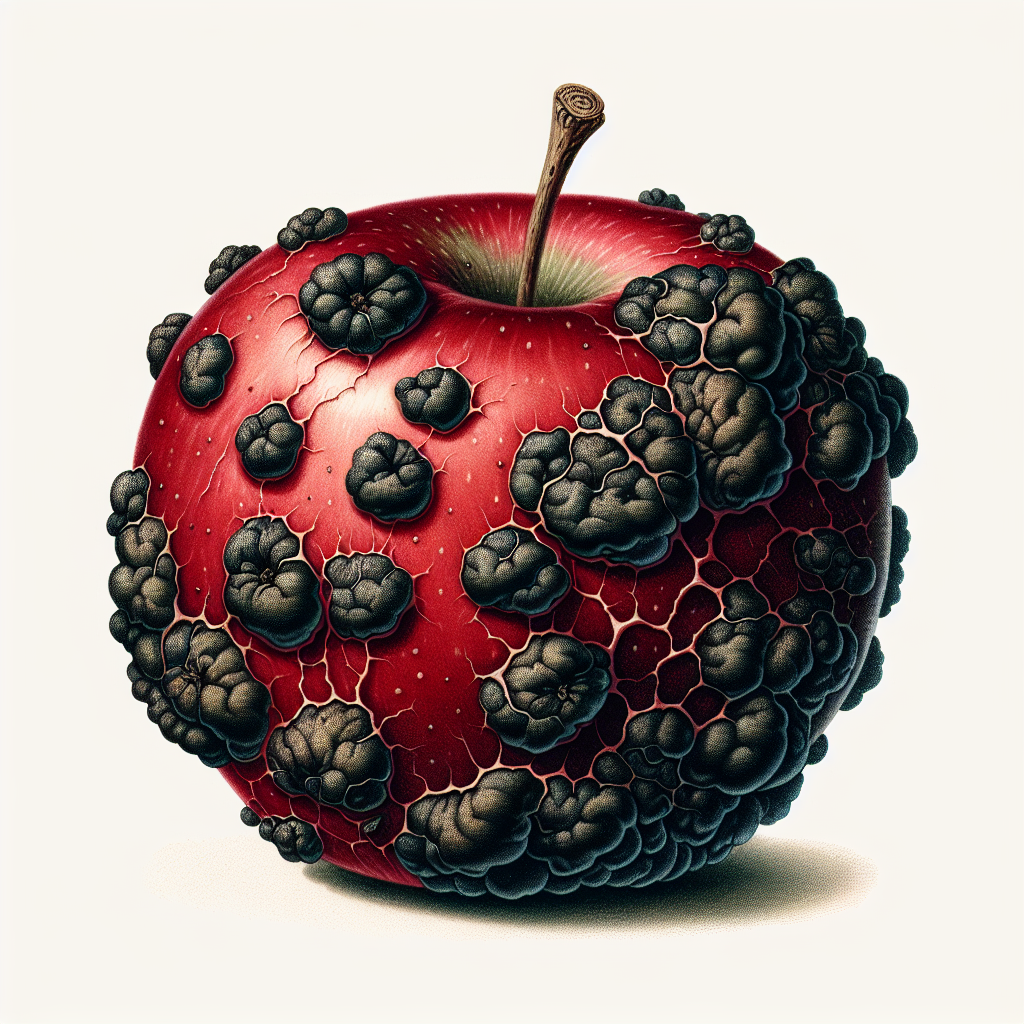
Definitive Diagnostic and Management Guide for Scab
Introduction to Scab
Scab diseases represent one of the most economically significant fungal pathogens in agriculture, impacting a diverse array of crops from temperate fruits to root vegetables and nuts. Caused primarily by fungi in genera like Venturia, Streptomyces, and Cladosporium, scab manifests as dark, scaly, or corky lesions that deform plant tissues, impair photosynthesis, and render produce unmarketable. In apples and pears, apple scab alone can cause losses exceeding 50% in untreated orchards during wet springs, while common scab devastates potato yields by pitting tubers.
Understanding scab is crucial for farmers because it doesn't just affect appearance— it compromises structural integrity, invites secondary infections like powdery mildew, and shortens storage life. This guide draws from botanical, entomological, and agronomic expertise to provide actionable diagnostics, organic management, and prevention tactics. Whether you're growing wheat, potato, or pecan (linked to pecan scab), mastering scab control boosts profitability and sustainability. Early intervention is key, as spores can spread rapidly in humid microclimates, turning minor spots into crop-wide epidemics.
Identifying Symptoms & Damage
Diagnosing scab requires keen observation of lesion characteristics, as symptoms vary by host. On leaves, initial signs are olive-green or velvety spots that darken to black, corky scabs with defined margins—often 1/4 to 1/2 inch in diameter. In apple trees, these expand into large, cracked areas causing premature defoliation, weakening trees and reducing fruit set by up to 70%. Fruits show russeted, scabby patches; in potatoes, shallow, raised, brown pits called 'russet scab' or deep pits in 'pitted scab' types.
Pecan scab appears as black, velvety growth on nuts early, progressing to olive-black lesions cracking shucks, leading to premature drop. Differentiate from anthracnose (sunken lesions) or early blight (concentric rings). Use a 10x hand lens to spot fungal pycnidia or sporulating surfaces. Damage includes yield loss (20-100%), deformed produce unfit for fresh markets, and secondary pest entry points for aphids. Scout weekly during wet periods; severity scales like the McKinney index help quantify impact for management decisions.
Lifecycle and Progression of Scab
Scab fungi follow a polycyclic lifecycle, with multiple infection cycles per season driven by splashing rain. For Venturia inaequalis (apple scab), pseudothecia in fallen leaves release ascospores from April to June, infecting young tissues during 10-hour wet periods above 45°F. Conidia then form on lesions, spreading via wind/rain for 5-9 cycles. Potato common scab (Streptomyces scabies) survives in soil as mycelia, activating at pH >5.2 and soil moisture 60-80%, infecting tubers 2-4 weeks post-planting.
Progression: Incubation 9-19 days, optimal at 65-75°F. Lesions sporulate after 14 days, perpetuating epidemics. Overwintering structures (e.g., leaf litter for fruit scabs, soil for potatoes) are critical reservoirs. In humid tropics, pecan scab completes 6-8 cycles, with shuck infections causing 90% nut drop. Breaking this cycle via sanitation disrupts progression. Monitor with traps or apps for ascospore release timing.
Environmental Triggers & Risk Factors
Scab explodes in moderate temperatures (50-75°F) with leaf wetness >9 hours, leaf wetness duration being the primary trigger. High humidity (>85% RH) and frequent rain (>1 inch/week) amplify spore dispersal. Soil factors: Potato scab favors sandy, alkaline soils (pH 5.5-7.0); avoid over-liming. Poor air circulation in dense canopies traps moisture, elevating risk by 3x.
Risk factors include susceptible varieties (e.g., McIntosh apple), overhead irrigation, and residue from prior crops. Wet springs predict severe outbreaks—historical data shows 80% correlation. Compacted soils retain moisture, favoring Streptomyces. Climate change extends wet periods, increasing incidence. Mitigate with resistant cultivars like Liberty apple or soil acidification.
Organic Control & Treatment Plans
Organic management integrates cultural, biological, and OMRI-approved fungicides. Sanitation first: Rake and destroy 90% leaf litter (flail mow + till) to cut inoculum by 95%. Prune for 20% canopy openness to dry foliage faster. Biologicals: Bacillus subtilis (Serenade) or Trichoderma suppress sporulation; apply preventively every 7-10 days. For potatoes, green manures like mustard biofumigate soil.
Sprays: Sulfur (80% wettable) at 5-10 lbs/acre, 3-5 applications during green tip to petal fall for apples. Potassium bicarbonate for early suppression. Neem oil deters conidia. Potato specifics: Acidify soil to pH 5.0-5.2 with sulfur (200-400 lbs/acre pre-plant). Rotate 3-4 years from potato/cabbage. Pecan plan: Copper hydroxide pre-bloom, then sulfur through nut fill. Time sprays post-rain using NEWA models. Integrate with Soil Health Mastery: 5 Proven Strategies for Small Farms to Build Fertile Ground Without Breaking the Bank for resilient soils. Monitor efficacy with lesion counts; expect 70-90% control.
Preventing Scab in the Future
Long-term prevention builds resilient systems. Select resistant varieties: Geneva series apples, DEFY potatoes. Site selection: Well-drained slopes, avoid low spots. Crop rotation: 3+ years, incorporating clover or brassicas to suppress Streptomyces. Mulch with 4-6 inches straw to moderate soil moisture/pH.
Forecasting: Use UC IPM or RIMpro models for spray windows. Drip irrigation minimizes wetting; morning watering dries by night. Boost plant immunity with compost teas (1:10 aerated, weekly) rich in mycorrhizae. Annual soil tests guide amendments. For orchards, wind machines or fans enhance drying. Read Why Companion Planting Feels Like Guesswork for Small Farms - And How AI Makes It Foolproof for intercropping suppressants. IPM thresholds: Treat if >5% leaf area infected.
Crops Most Affected by Scab
Scab plagues staple and high-value crops. Fruit trees: Apples/pears (70% global orchards affected), peach (Fusicladium scab). Nuts: Pecan (losses to $50M/year US), filberts. Roots: Potato (common scab in 60% fields), beet, radish, turnip. Cereals: Wheat (Karnal bunt-like), barley. Others: Tomato stem scab, squash. Regional hotspots: Northeast US apples, Southeast pecans, Idaho potatoes. Diversify with scab-resistant strawberry or blueberry in rotations.