Encyclopedia
Definitive guides for crops, pests, and agricultural diseases.
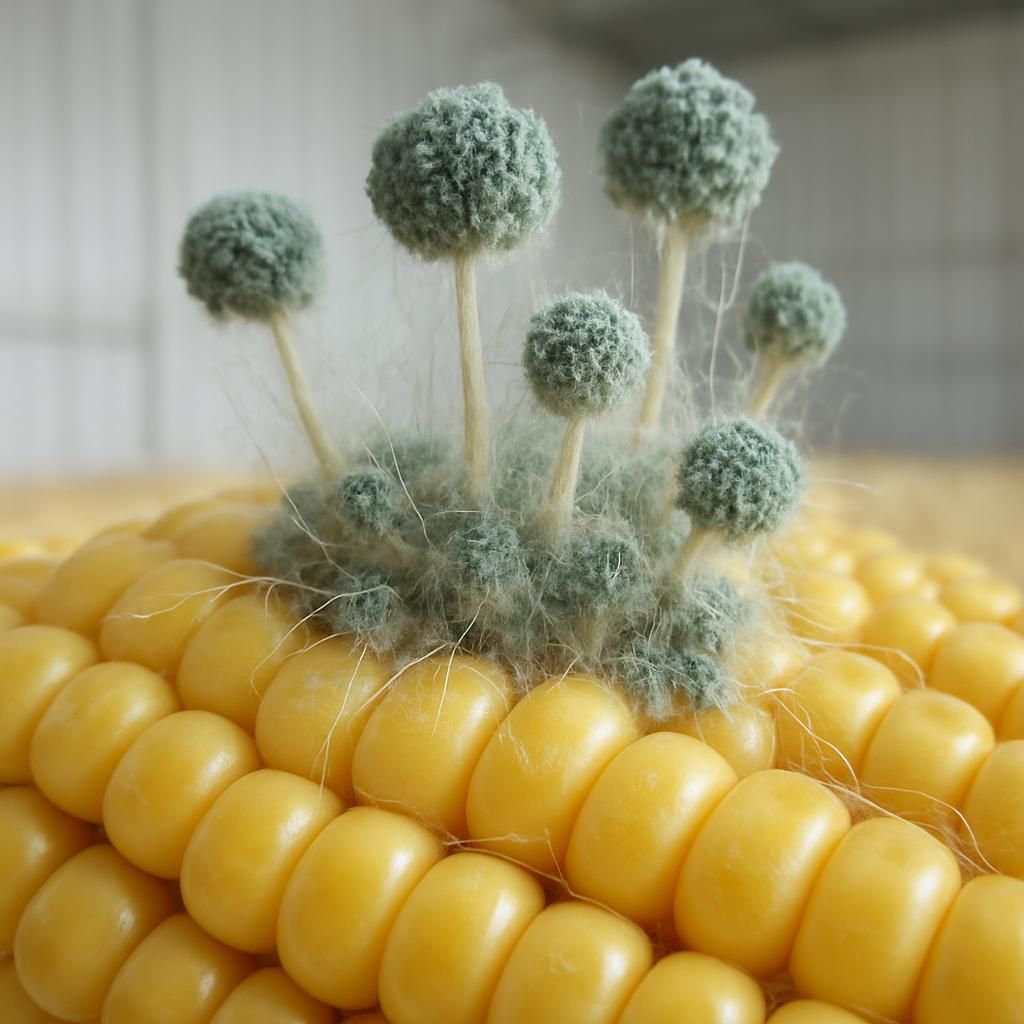
aflatoxin
Aflatoxins are highly toxic secondary metabolites produced primarily by Aspergillus flavus and Aspergillus parasiticus that contaminate staple crops such as corn, peanuts, and tree nuts under warm, humid storage and field conditions. These mycotoxins pose severe health risks to humans and livestock and cause major economic losses through rejected shipments and reduced market value. Effective management requires integrated pre-harvest cultural practices, rapid drying, proper storage, and regular testing.
View Profile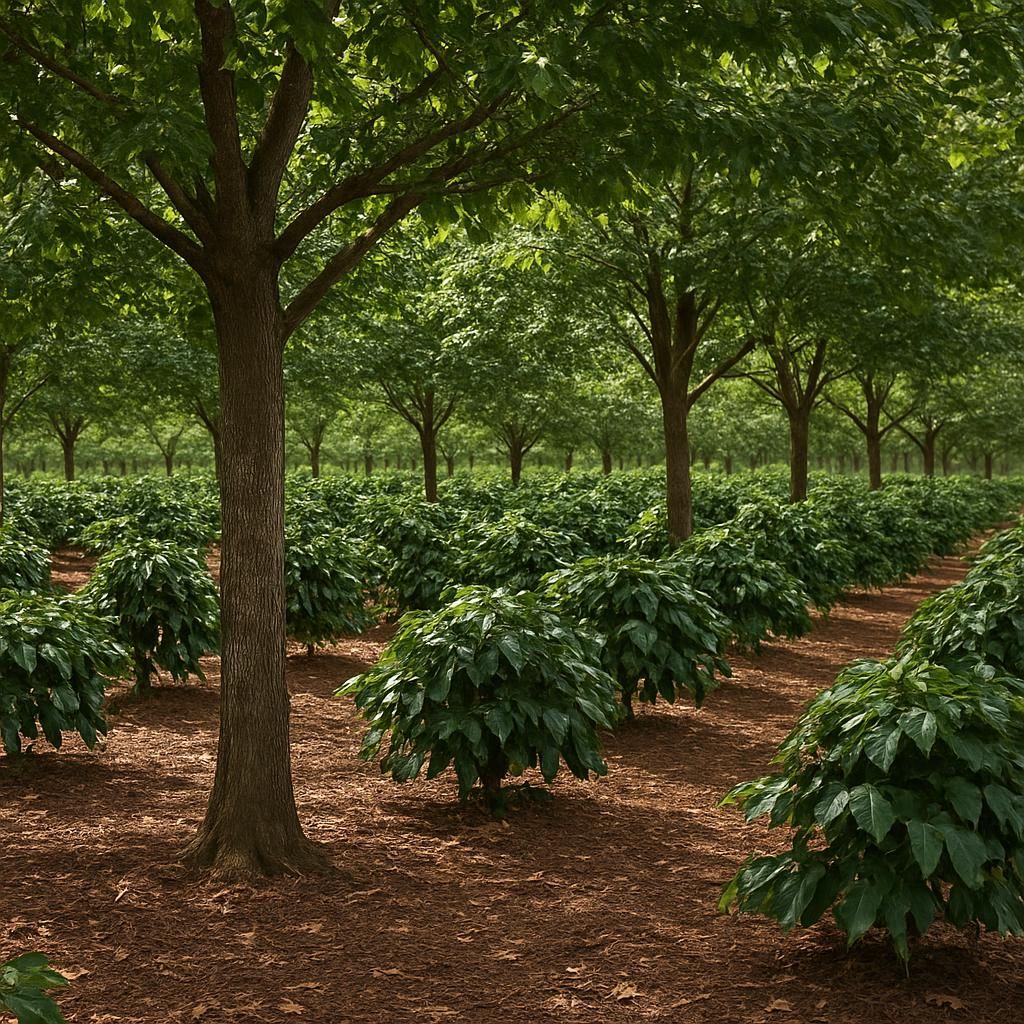
agroforestry
Agroforestry integrates trees and shrubs with crops and livestock to improve soil health, biodiversity, and long-term farm productivity. It delivers measurable economic and environmental benefits when species selection, spacing, and management align with local climate and market conditions. Successful systems rely on careful planning, soil analysis, and adaptive pruning and harvesting schedules.
View Profile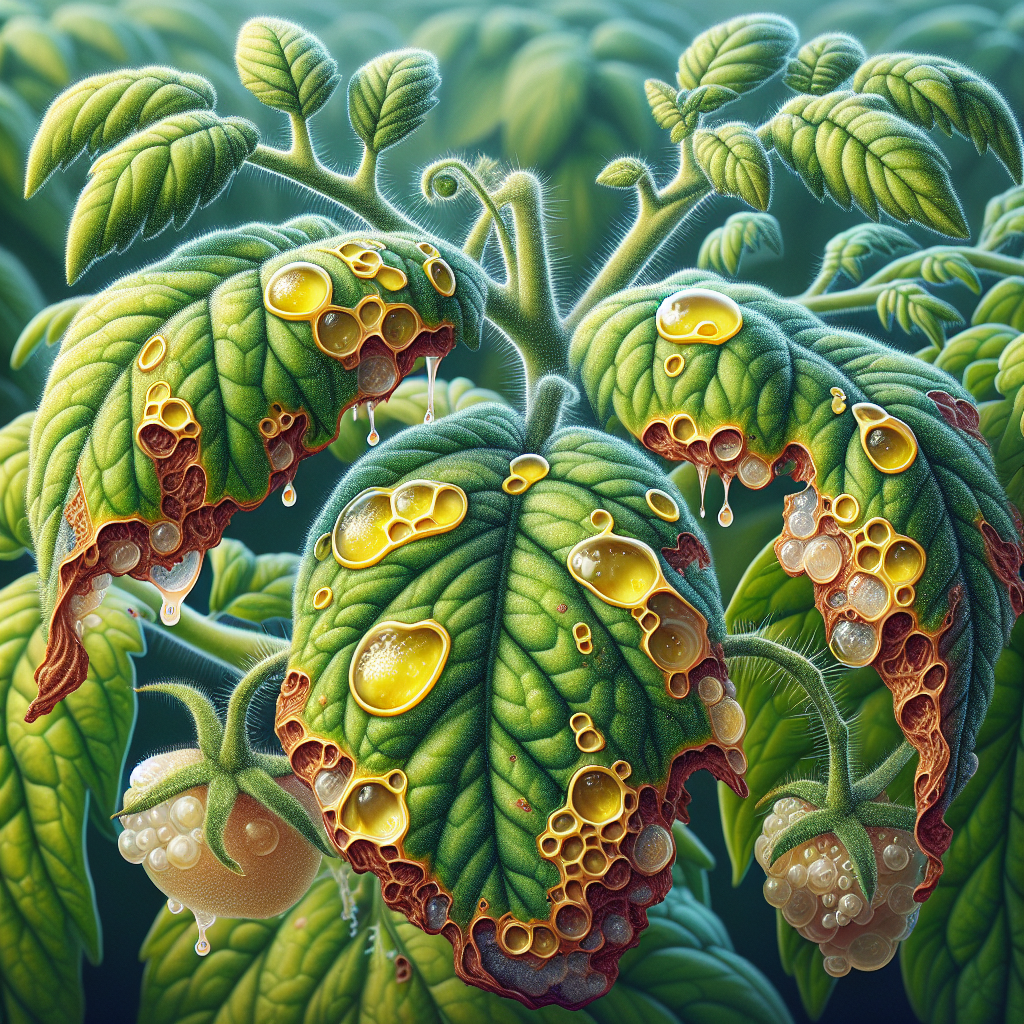
Bacterial issues
Bacterial issues encompass a range of devastating plant diseases caused by pathogenic bacteria that thrive in warm, moist conditions, leading to leaf spots, wilts, blights, and rots across numerous crops. These infections spread rapidly via water splash, tools, and insects, causing significant yield losses if not managed promptly. Effective control relies on cultural practices, sanitation, and resistant varieties rather than curative chemical treatments.
View Profile
bitter pit
Bitter pit is a prevalent physiological disorder in apples and pears caused by calcium deficiency, resulting in sunken, bitter spots on fruit. It significantly impacts marketability and yield, particularly in commercial orchards. Effective management focuses on balanced nutrition, irrigation, and cultural practices to ensure calcium uptake.
View Profile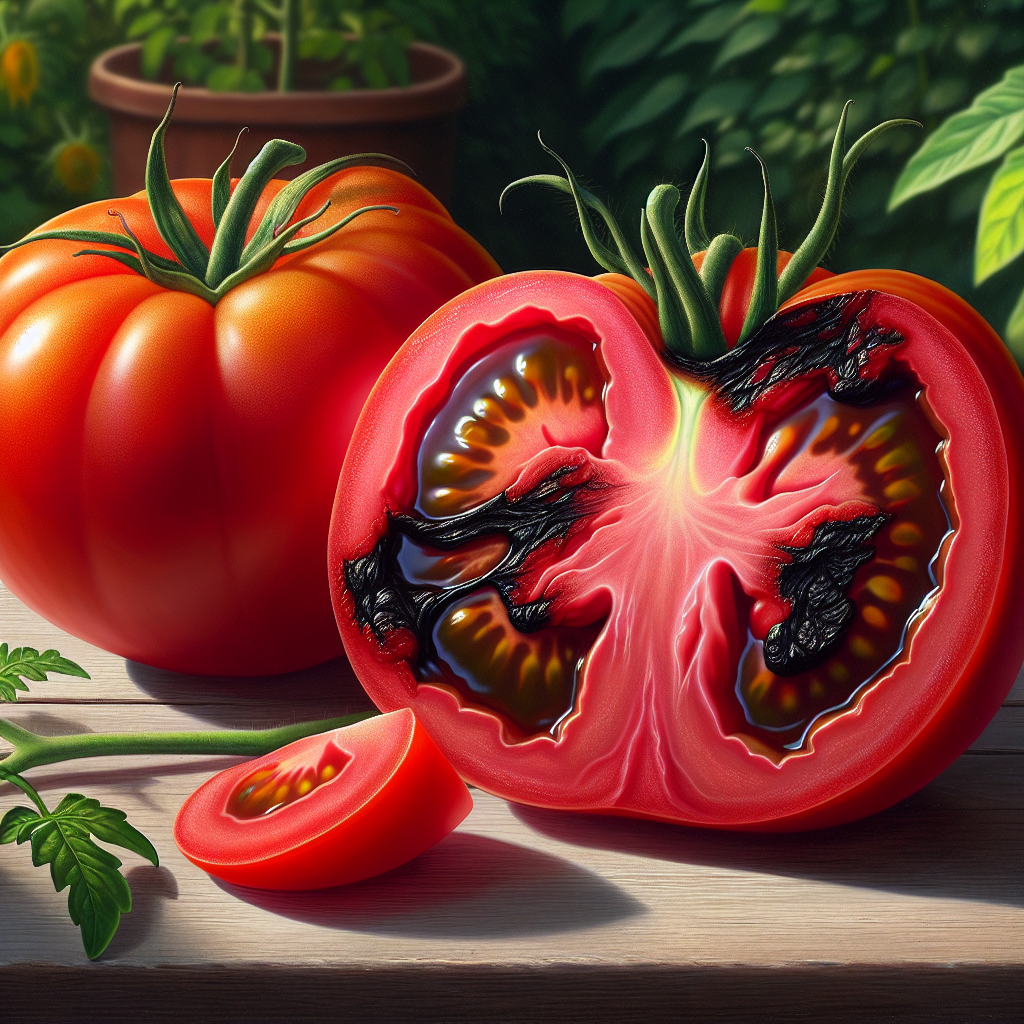
Blossom End Rot
Blossom end rot is a prevalent physiological disorder affecting fruit crops, characterized by dark, sunken lesions at the blossom end of fruits due to localized calcium deficiency. It commonly impacts tomatoes, peppers, and squash, resulting from inconsistent watering, rapid growth, and poor calcium uptake rather than soil shortages. Effective management focuses on balanced irrigation, mulching, and soil amendments to prevent recurrence.
View Profile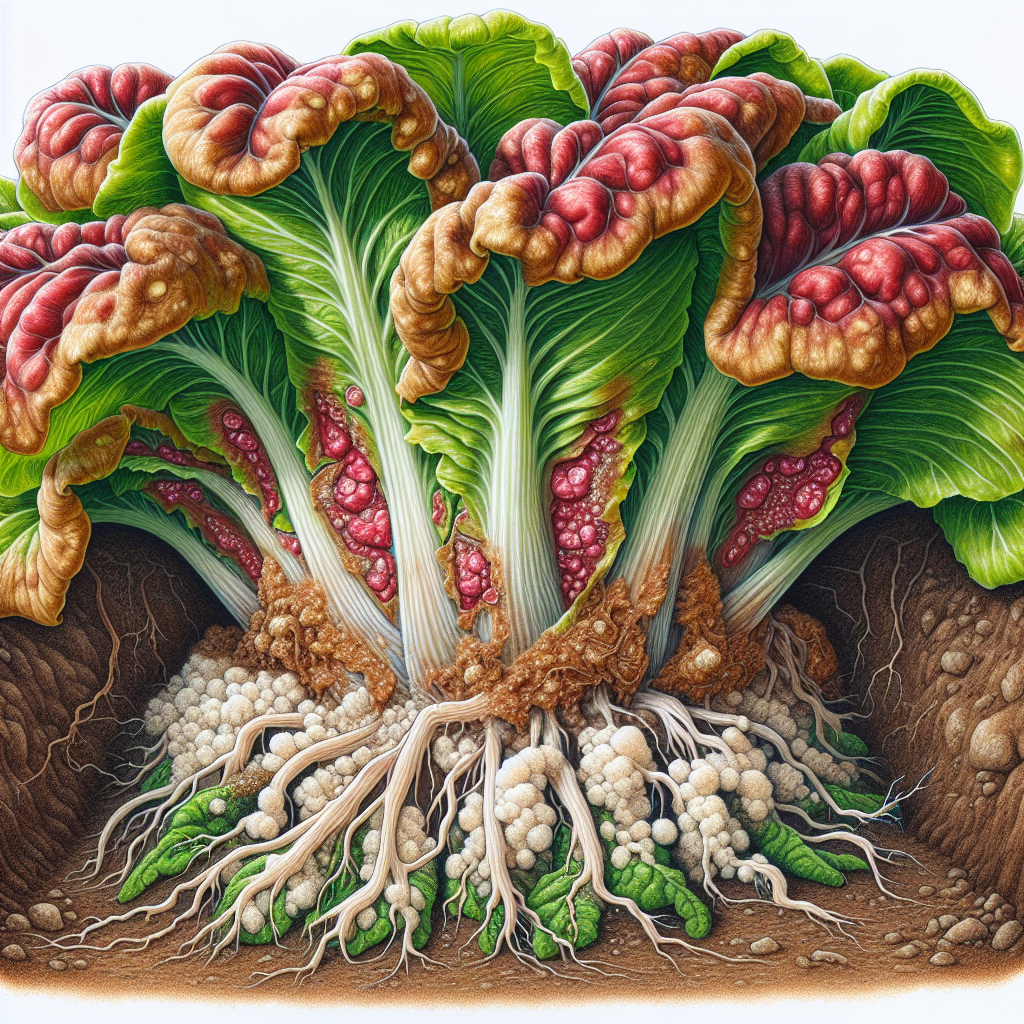
bottom rot
Bottom rot is a destructive fungal disease primarily affecting lettuce and other leafy greens, caused by soilborne pathogens like Rhizoctonia solani, leading to rapid decay of lower leaves and plant collapse. It thrives in warm, wet conditions, causing significant yield losses in commercial and home vegetable production. Effective management relies on cultural practices, sanitation, and resistant varieties.
View Profile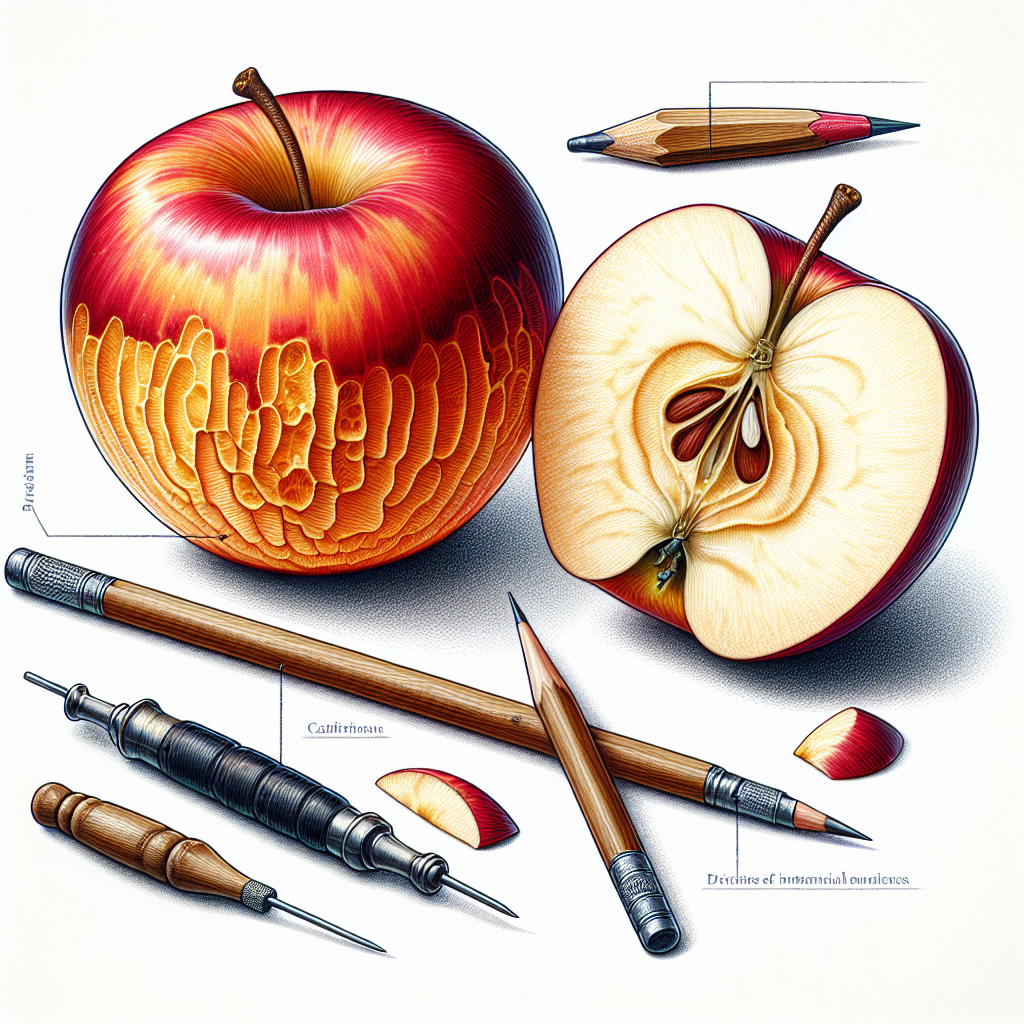
Braeburn browning disorder
Braeburn browning disorder is a physiological issue affecting Braeburn apple fruits, causing internal browning and cavity formation that renders them unmarketable. Triggered by environmental stresses like calcium deficiency and temperature fluctuations, it significantly impacts yield quality in commercial apple orchards. Effective management relies on cultural practices, soil amendments, and precise orchard monitoring.
View Profile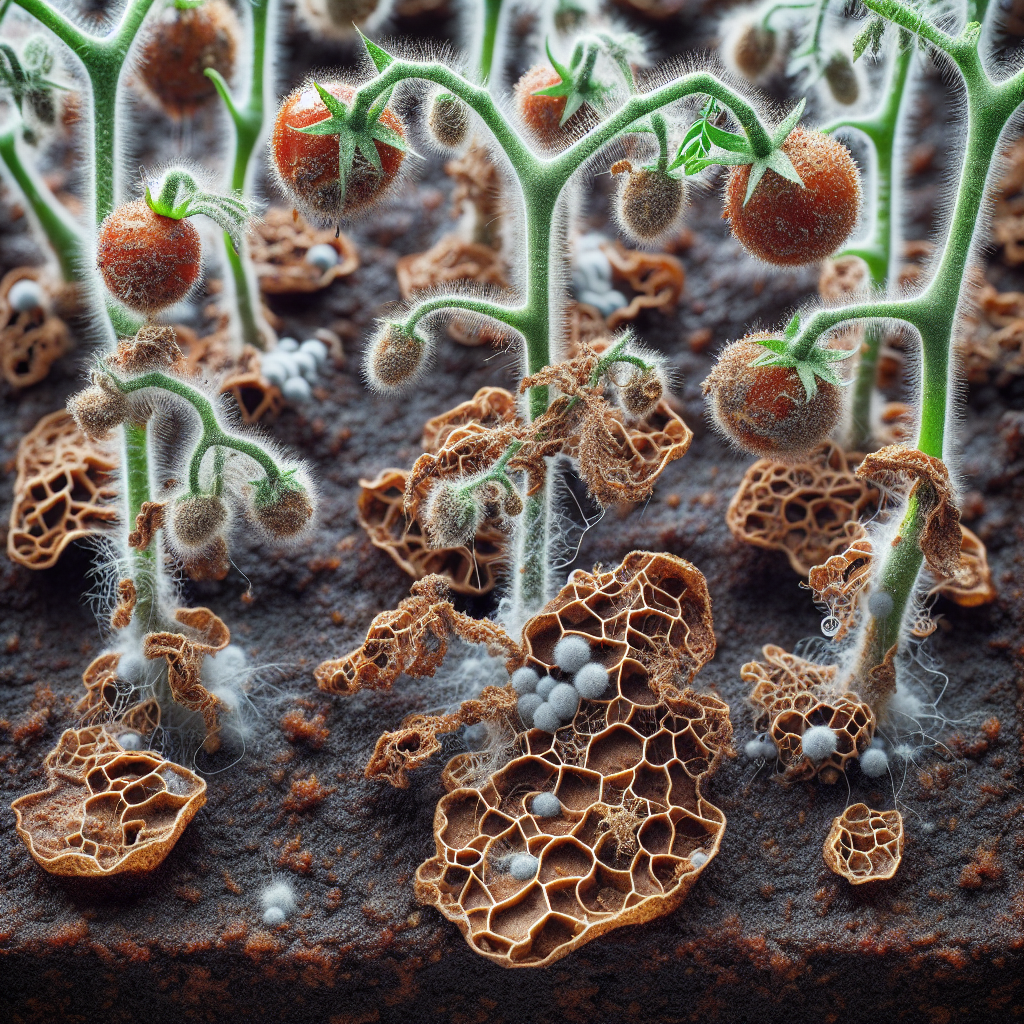
Damping Issues
Damping issues, commonly known as damping-off, is a devastating fungal disease affecting seedlings, causing them to collapse and die shortly after emergence. Caused by soil-borne pathogens thriving in wet conditions, it leads to significant losses in nurseries and early crop stages. This guide provides expert diagnostic, organic management, and prevention strategies for farmers.
View Profile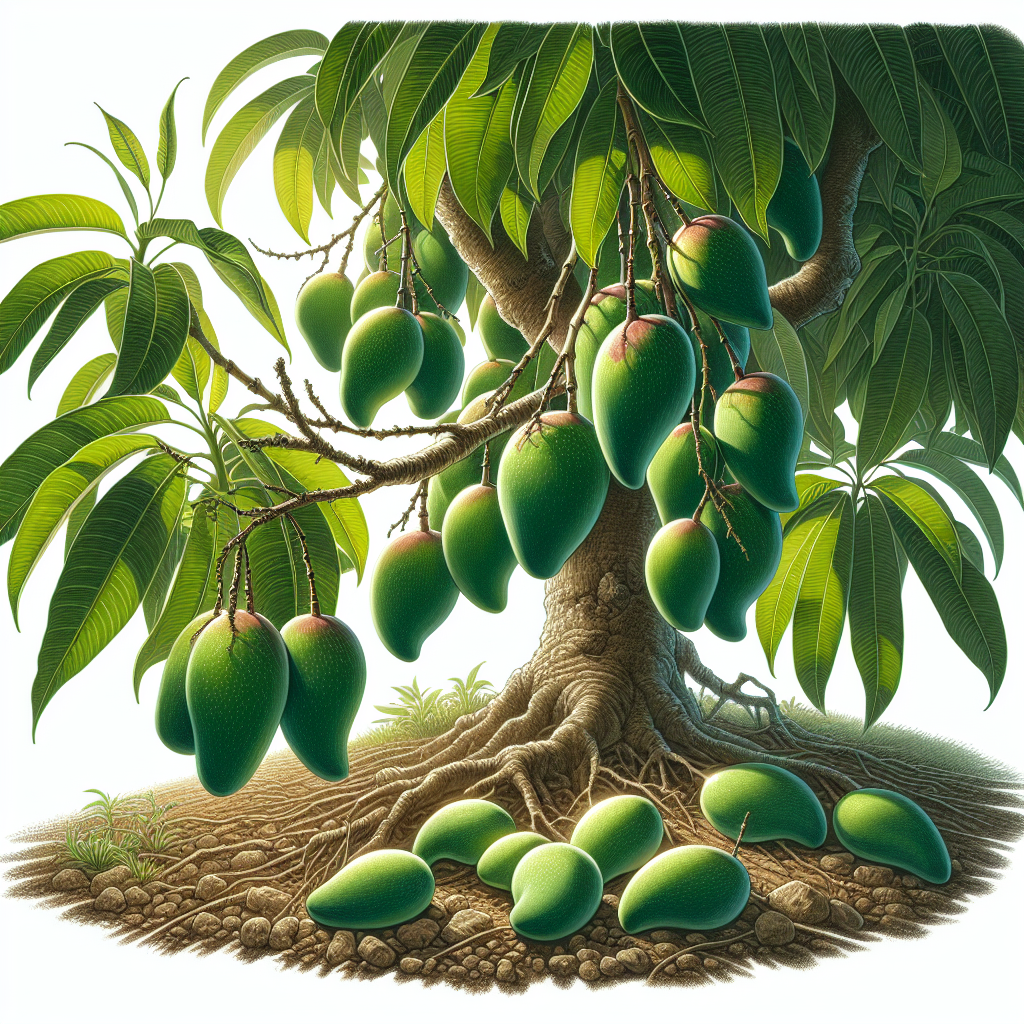
drop
Drop is a common physiological disorder in fruit crops characterized by premature fruit shedding, leading to significant yield losses. Caused primarily by environmental stress, hormonal imbalances, and nutrient deficiencies, it affects pollination and early fruit development. Effective management focuses on balanced nutrition, irrigation, and stress mitigation for healthy crop yields.
View Profile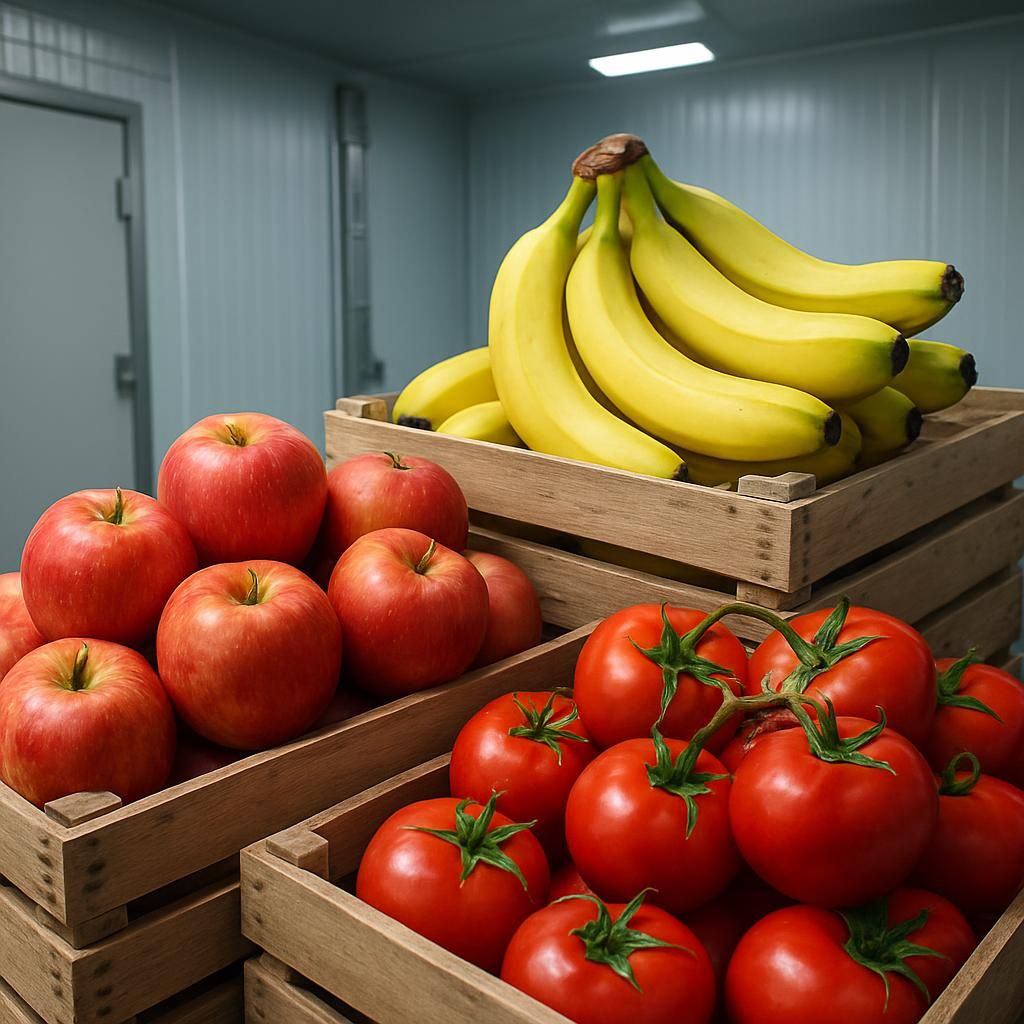
Ethylene-producing fruits
Ethylene is a natural plant hormone that accelerates ripening, senescence, and abscission in many climacteric fruits. Managing ethylene production and exposure is essential for commercial growers, packers, and distributors to reduce post-harvest losses and maintain quality. This guide covers identification, practical control strategies, and storage best practices.
View Profile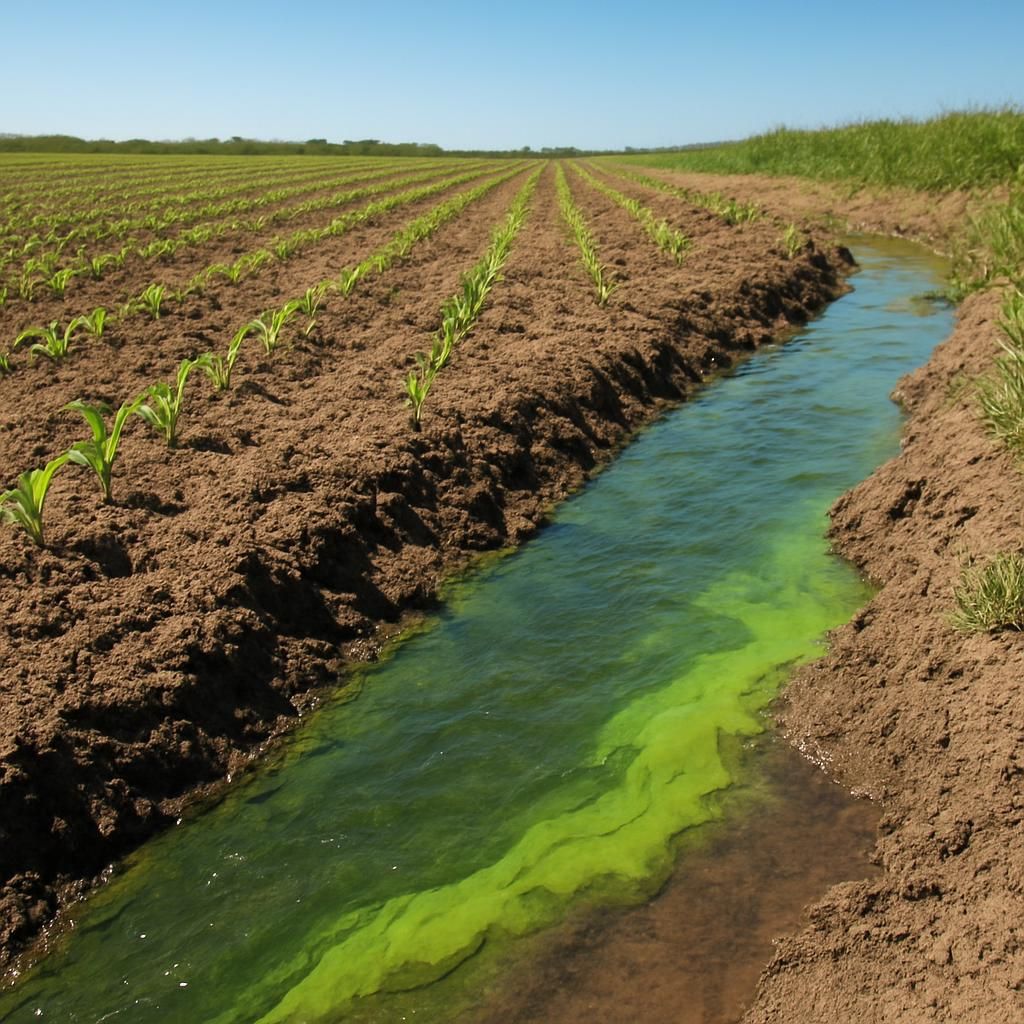
eutrophication
Eutrophication is the excessive enrichment of water bodies with nutrients, primarily nitrogen and phosphorus from agricultural runoff, leading to algal blooms and oxygen depletion that harm aquatic ecosystems and farm productivity. This guide provides practical agricultural strategies to reduce nutrient losses, protect water quality, and maintain soil fertility.
View Profile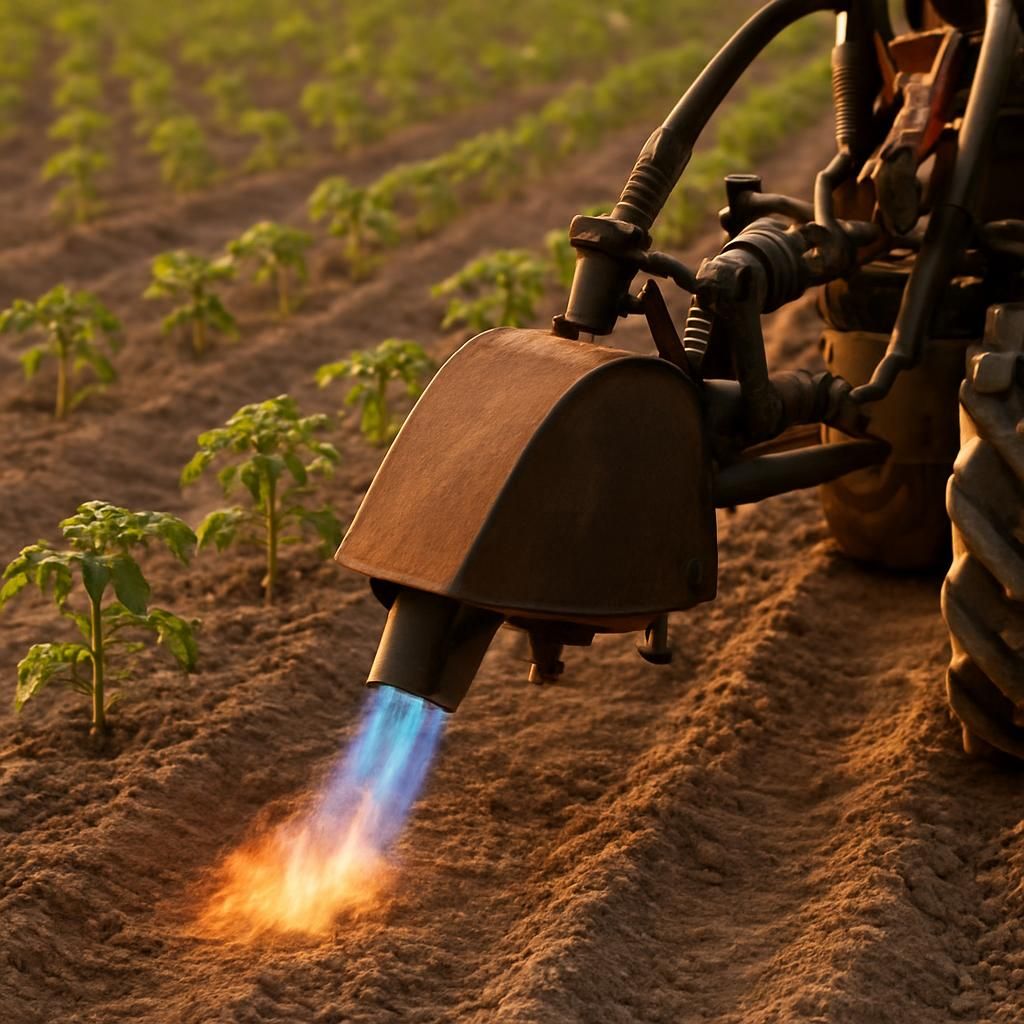
flame weeding
Flame weeding uses brief, intense heat from propane torches to rupture weed cell walls without burning them to ash, providing chemical-free control in organic and conventional systems. It is most effective on small annual broadleaf weeds at the cotyledon to four-leaf stage and can be deployed via handheld, push, or tractor-mounted units. Proper timing, speed, and safety protocols are essential to protect crops and operators.
View Profile
Fruit Cracking
Fruit cracking is a widespread physiological disorder affecting many fruit crops, caused primarily by environmental stresses like rapid water uptake after drought periods. It results in unsightly splits in the fruit skin, leading to reduced marketability, increased susceptibility to pests and rots, and significant yield losses. Effective management focuses on balanced irrigation, mulching, and cultivar selection to prevent this common issue.
View Profile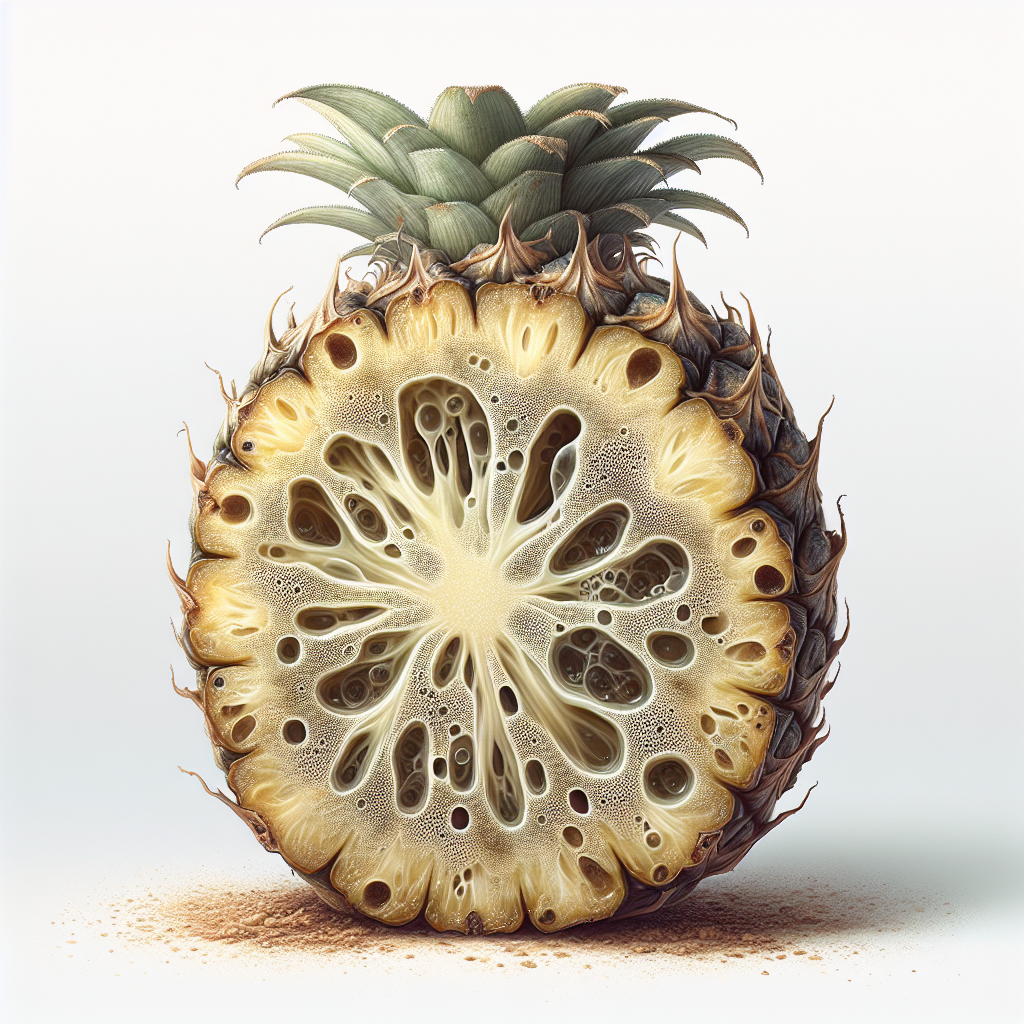
fruit souring
Fruit souring is a post-harvest disease caused primarily by acetic acid bacteria like Gluconobacter oxydans, turning sweet fruits into unpalatably sour masses through rapid fermentation. It devastates tropical and subtropical fruits, causing massive economic losses if not managed through proper sanitation and environmental controls. This guide provides definitive diagnostic, organic management, and prevention strategies for affected growers.
View Profile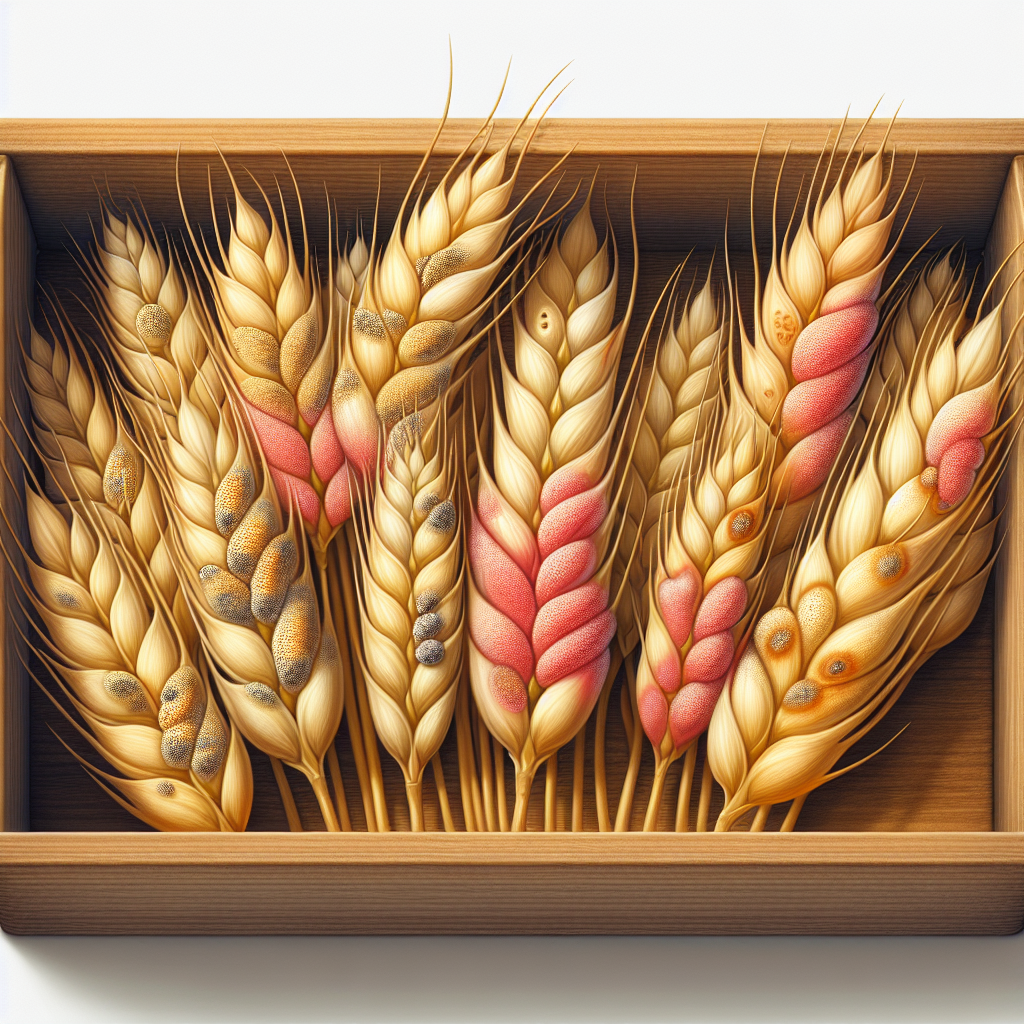
Grain Discoloration
Grain discoloration is a post-harvest fungal disease affecting cereal grains like wheat, rice, and corn, causing unsightly color changes that reduce market value and quality. Primarily triggered by high humidity and improper storage, it involves saprophytic fungi that colonize damaged or moist grains. Effective management relies on timely drying, sanitation, and organic fungicides to prevent economic losses.
View Profile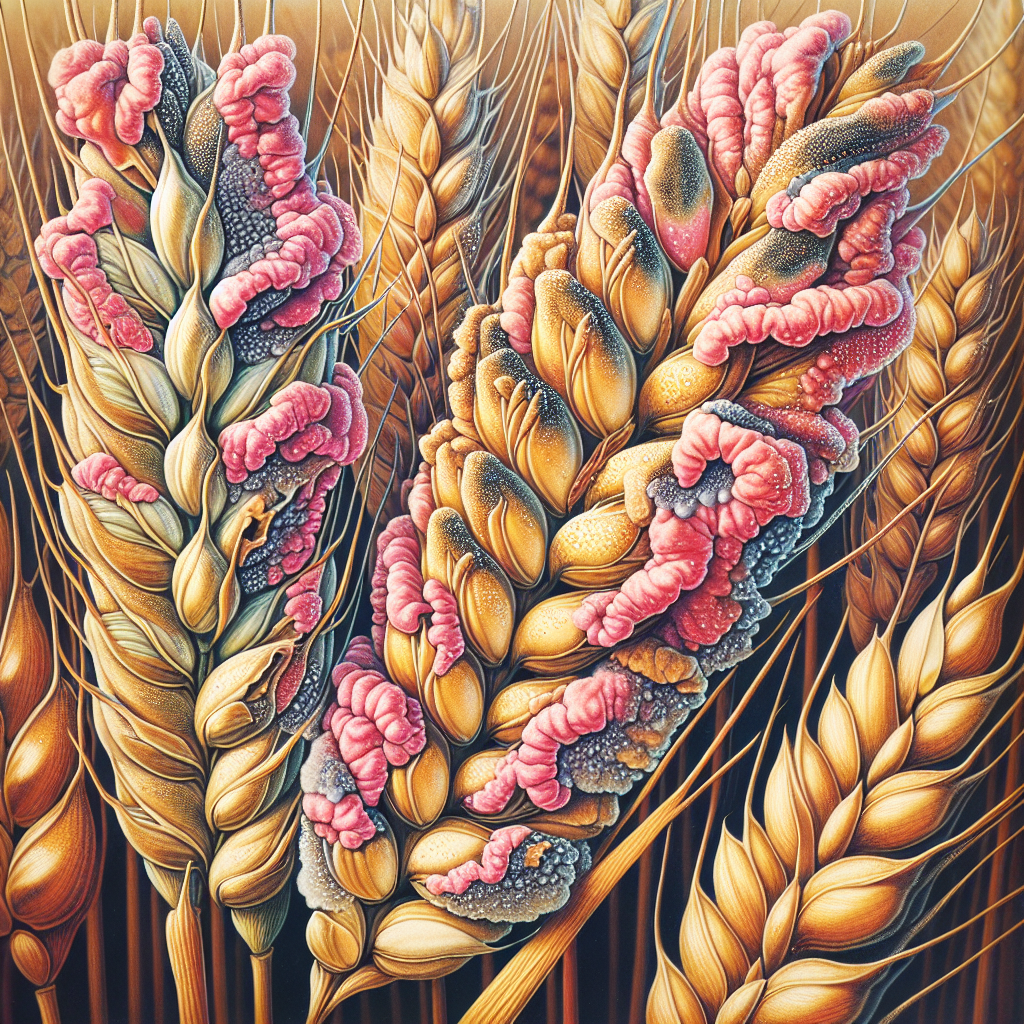
Grain Discoloration Complexes
Grain discoloration complexes refer to a group of fungal diseases causing premature ripening, discoloration, and quality loss in cereal grains like wheat, rice, and corn. Triggered by high humidity and stress, they reduce yield and market value through shriveled, discolored kernels. Effective management relies on cultural practices, resistant varieties, and timely harvest.
View Profile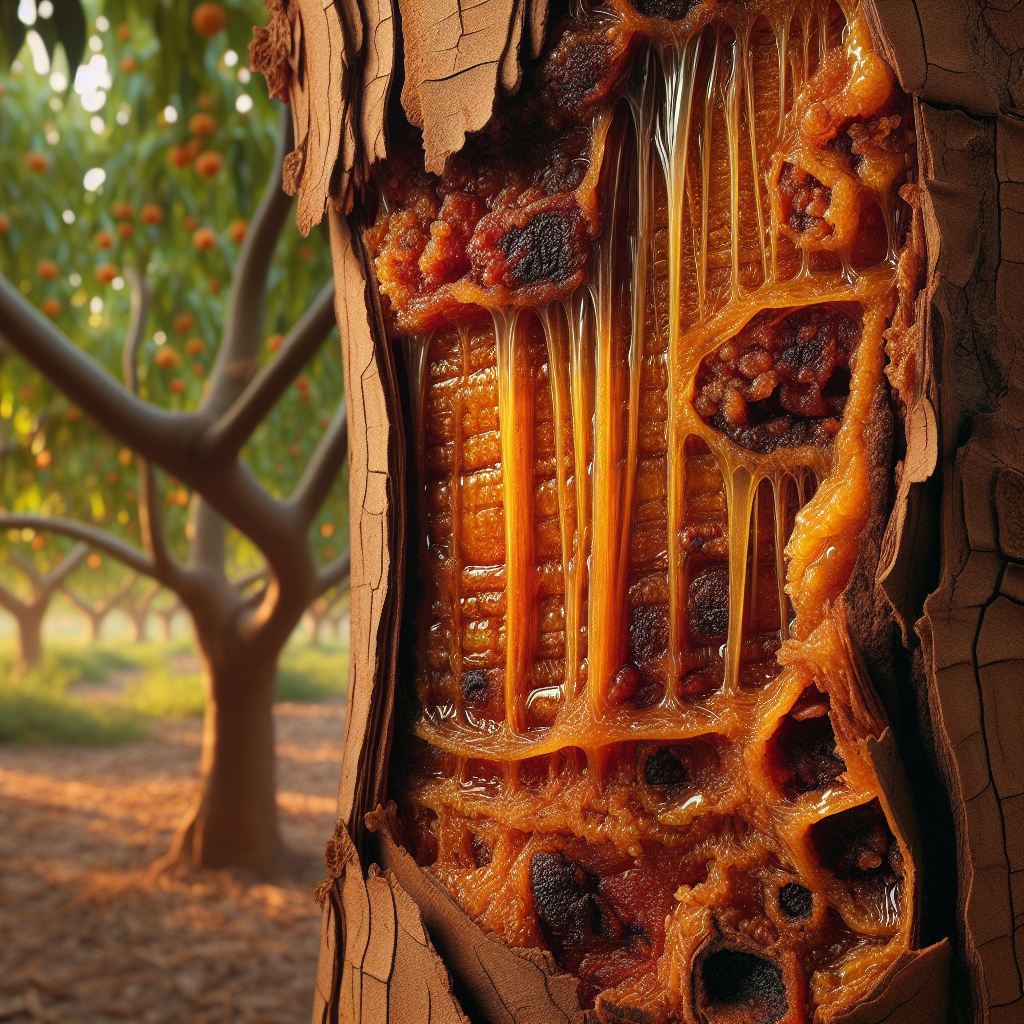
Gumosis
Gumosis is a serious disease affecting stone fruit trees and citrus, characterized by the exudation of gum from bark cracks, leading to tree decline and reduced yields. Primarily caused by Phytophthora fungi, it thrives in poorly drained soils and wet conditions. Effective management combines cultural practices, sanitation, and targeted organic treatments to protect vulnerable crops.
View Profile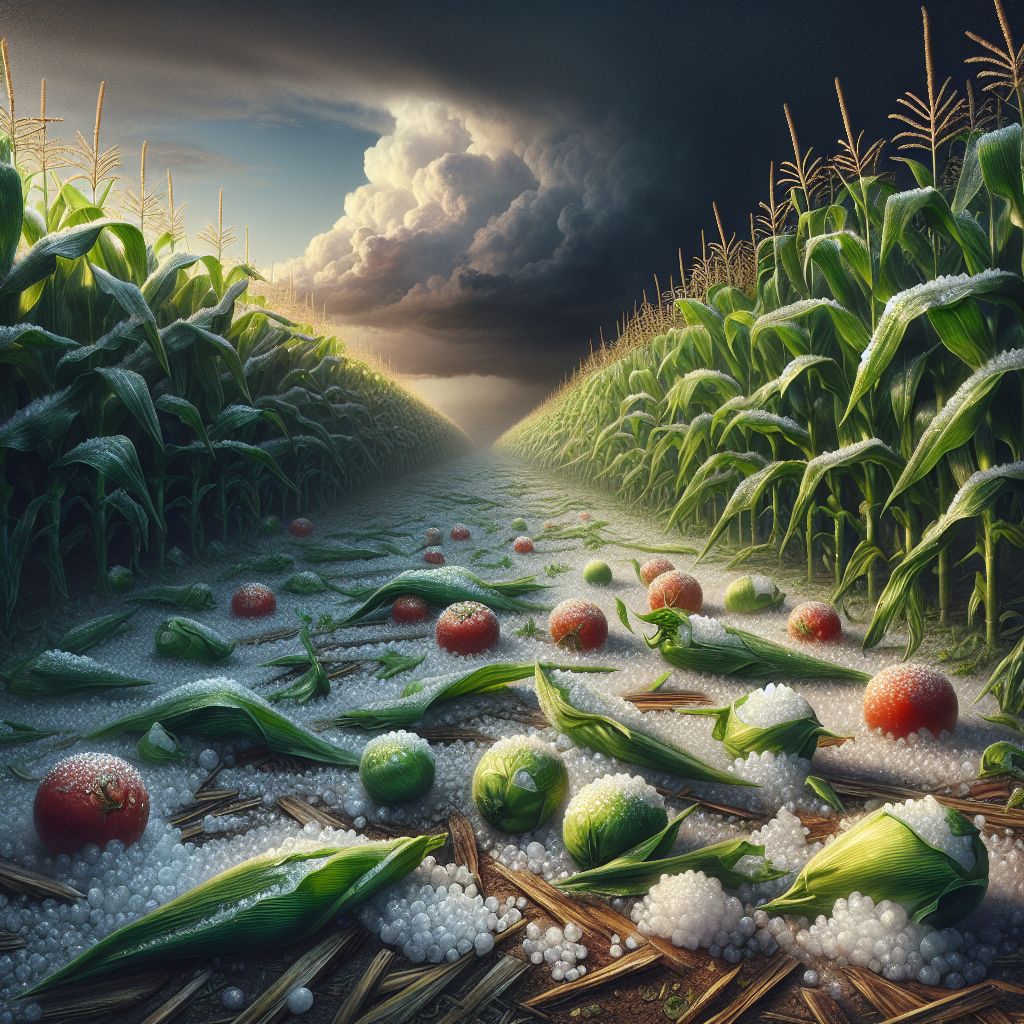
Hail
Hail is a destructive weather phenomenon consisting of solid ice pellets formed in thunderstorm updrafts, capable of shredding crops and causing massive agricultural losses. This guide provides farmers with diagnostic tools, damage assessment, and proven management strategies to mitigate hail's impact on fields and orchards. From immediate response to long-term prevention, discover practical steps to protect your harvest.
View Profile
Internal Breakdown
Internal Breakdown is a physiological disorder affecting fruit quality in various crops, characterized by internal tissue necrosis and mealy textures that render produce unmarketable. It arises from environmental imbalances rather than pathogens, making early detection and cultural management essential. This guide provides comprehensive diagnostics, organic treatments, and prevention strategies for affected growers.
View Profile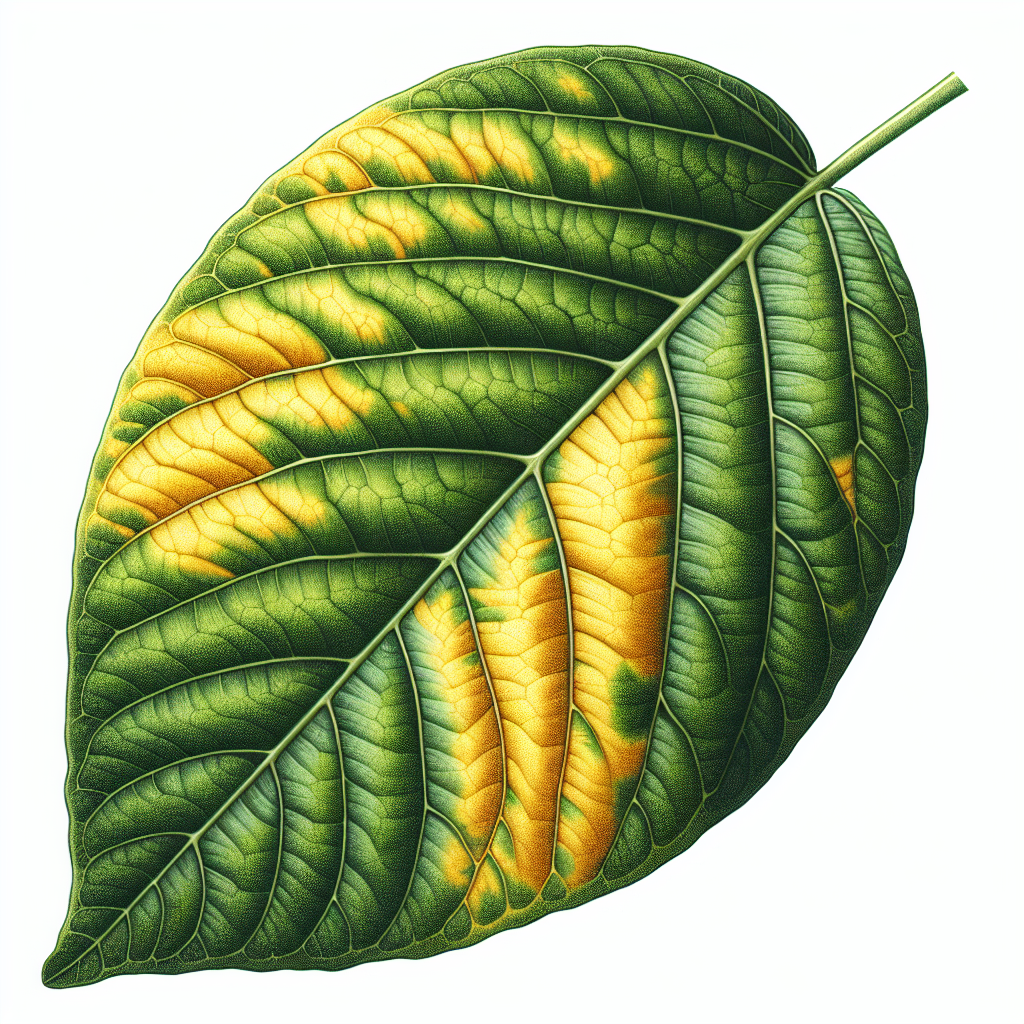
iron deficiency
Iron deficiency is a widespread nutrient disorder in plants causing interveinal chlorosis, particularly in young leaves, due to insufficient iron availability for chlorophyll production. Commonly triggered by high soil pH and calcareous soils, it severely impacts crop yields and quality in alkaline environments. Effective management involves soil acidification, chelated fertilizers, and cultivar selection for optimal plant health.
View Profile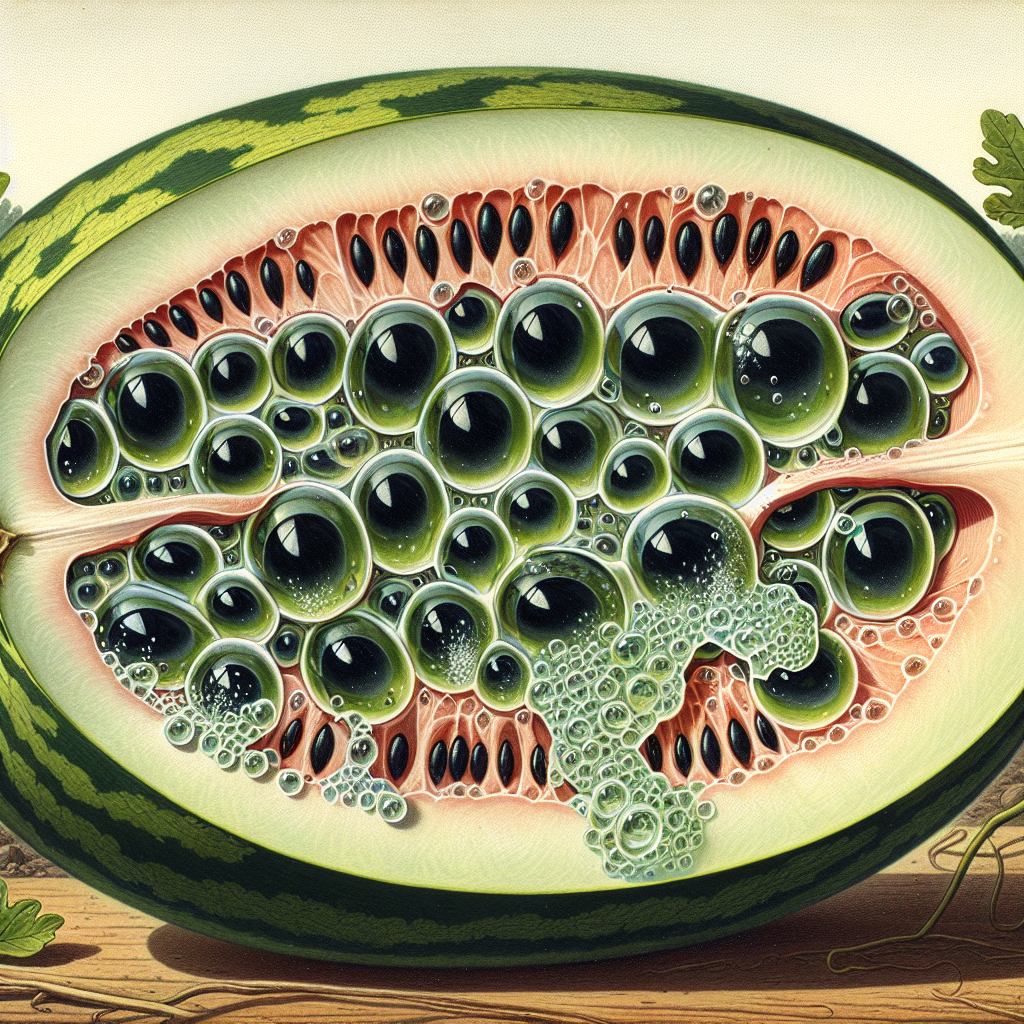
Jelly Seed
Jelly Seed is a bacterial disease causing translucent, jelly-like masses on seeds and fruits, leading to premature drop and yield losses up to 60%. It thrives in warm, humid conditions and spreads via rain splash and tools. Early detection and organic copper sprays provide effective management for affected crops.
View Profile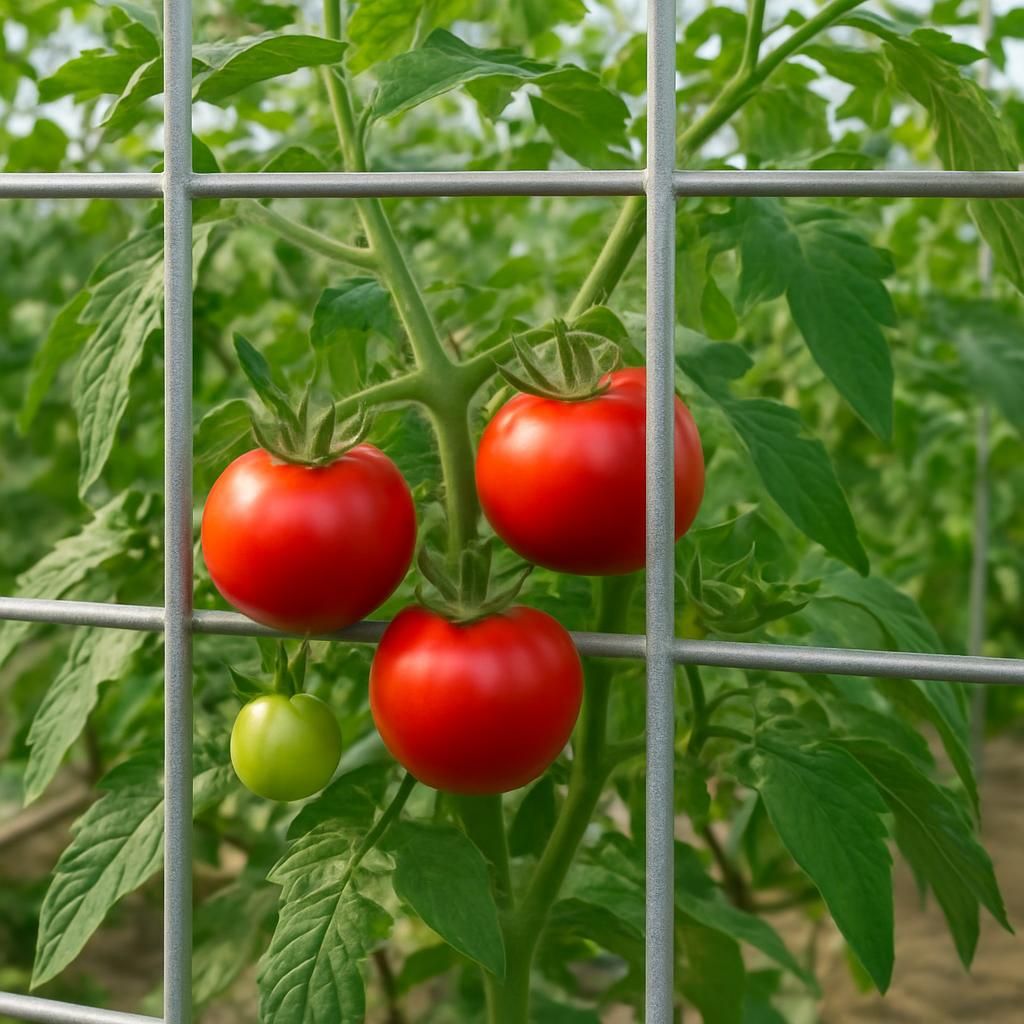
lattice
Lattice refers to the use of grid-like support structures in agriculture to train climbing plants, improve air circulation, and maximize vertical space. This guide covers design, materials, installation, and crop-specific applications for professional growers. Proper lattice systems increase yields, reduce disease pressure, and improve harvest efficiency.
View Profile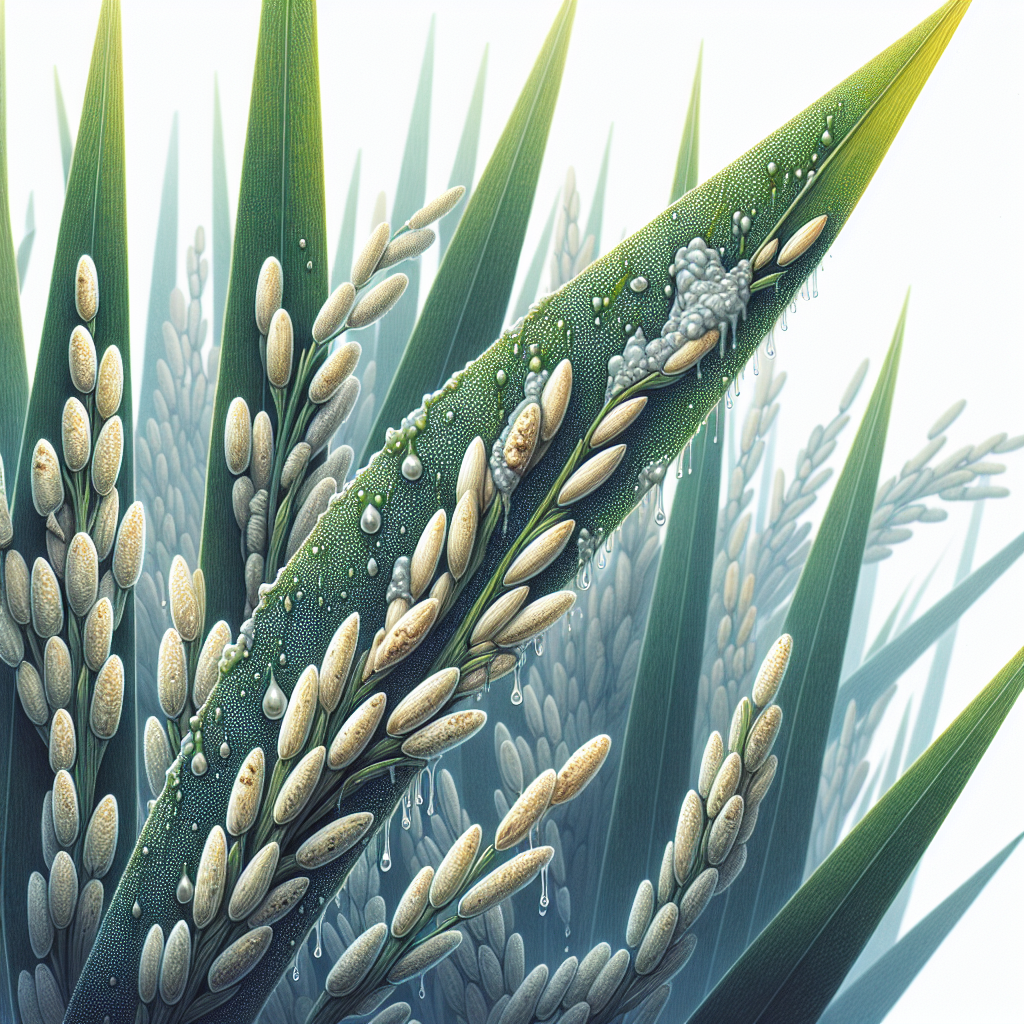
Leaf scald
Leaf scald is a devastating bacterial disease primarily affecting rice crops, caused by Xanthomonas oryzae pv. oryzae, leading to significant yield losses through water-soaked lesions that progress into dry, scalded leaf areas. Early detection of symptoms like yellowing streaks and bacterial ooze is crucial for effective management. This guide provides comprehensive diagnostic, organic control, and prevention strategies for farmers battling this persistent pathogen.
View Profile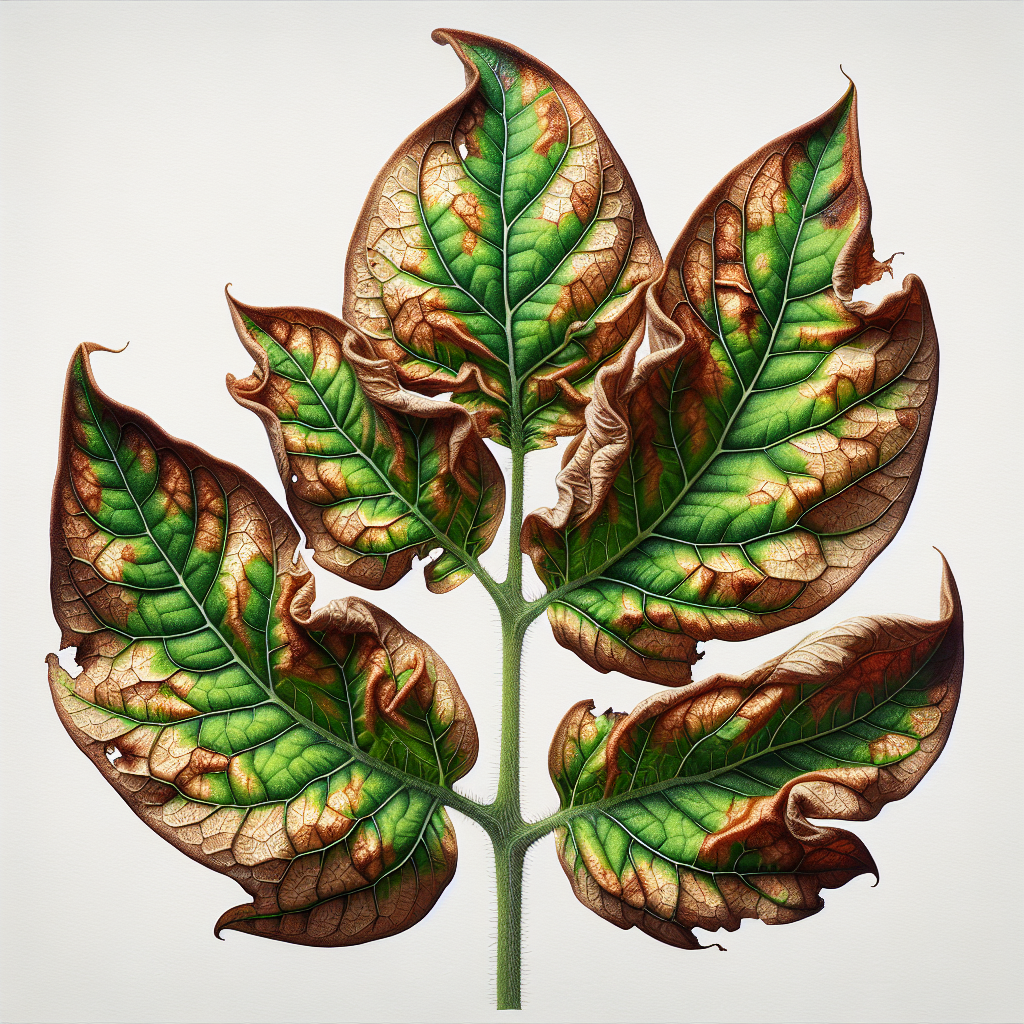
leaf scorch
Leaf scorch is a common physiological disorder in plants caused by environmental stresses like drought, salt buildup, or vascular issues, leading to browning and drying of leaf margins and tips. It affects a wide range of crops, particularly trees and shrubs, and is not caused by pathogens but by the inability of roots to supply water to leaves. Early identification and proper management can prevent widespread damage and crop loss.
View Profile