Encyclopedia
Definitive guides for crops, pests, and agricultural diseases.
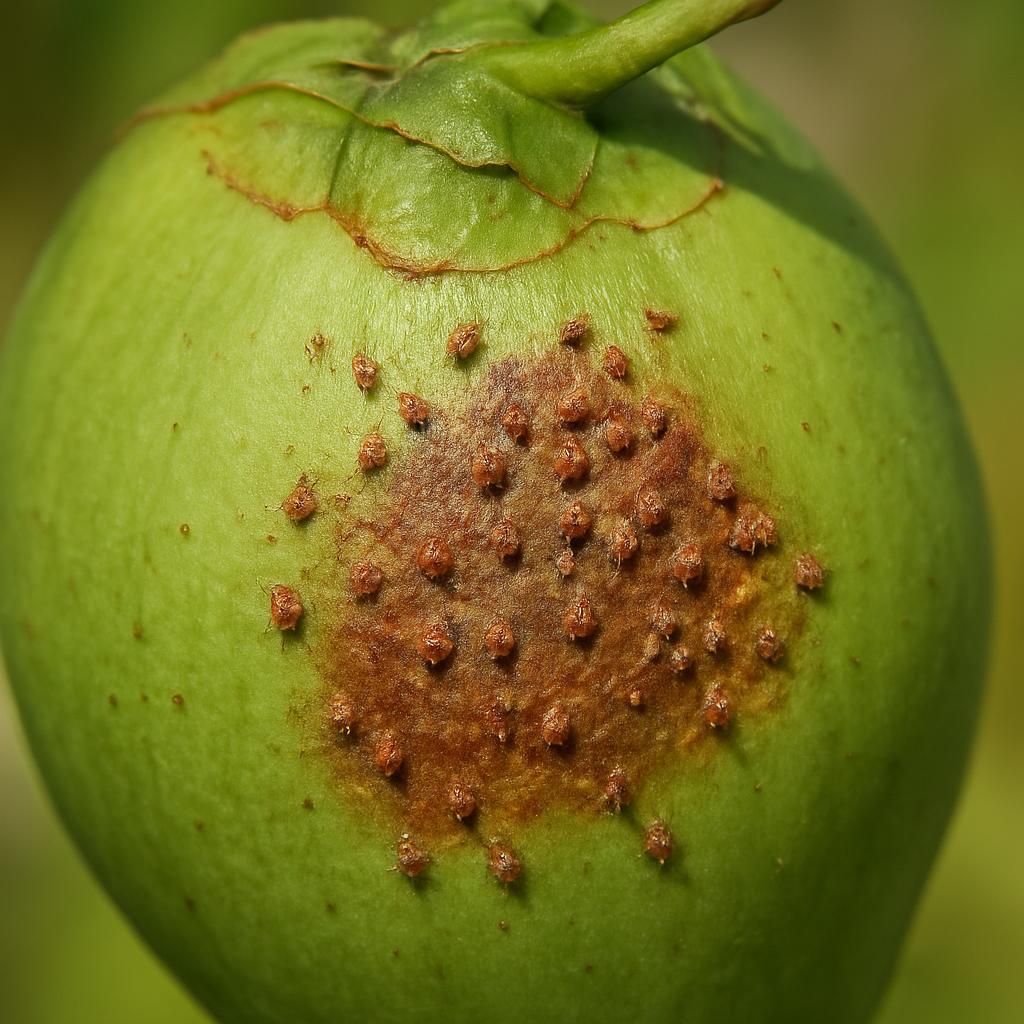
Aceria guerreronis
Aceria guerreronis is an eriophyid mite that infests coconut palms, causing bronzing, scarring, and premature nut drop that can devastate yields. Early detection and integrated management are critical for commercial and smallholder growers.
View Profile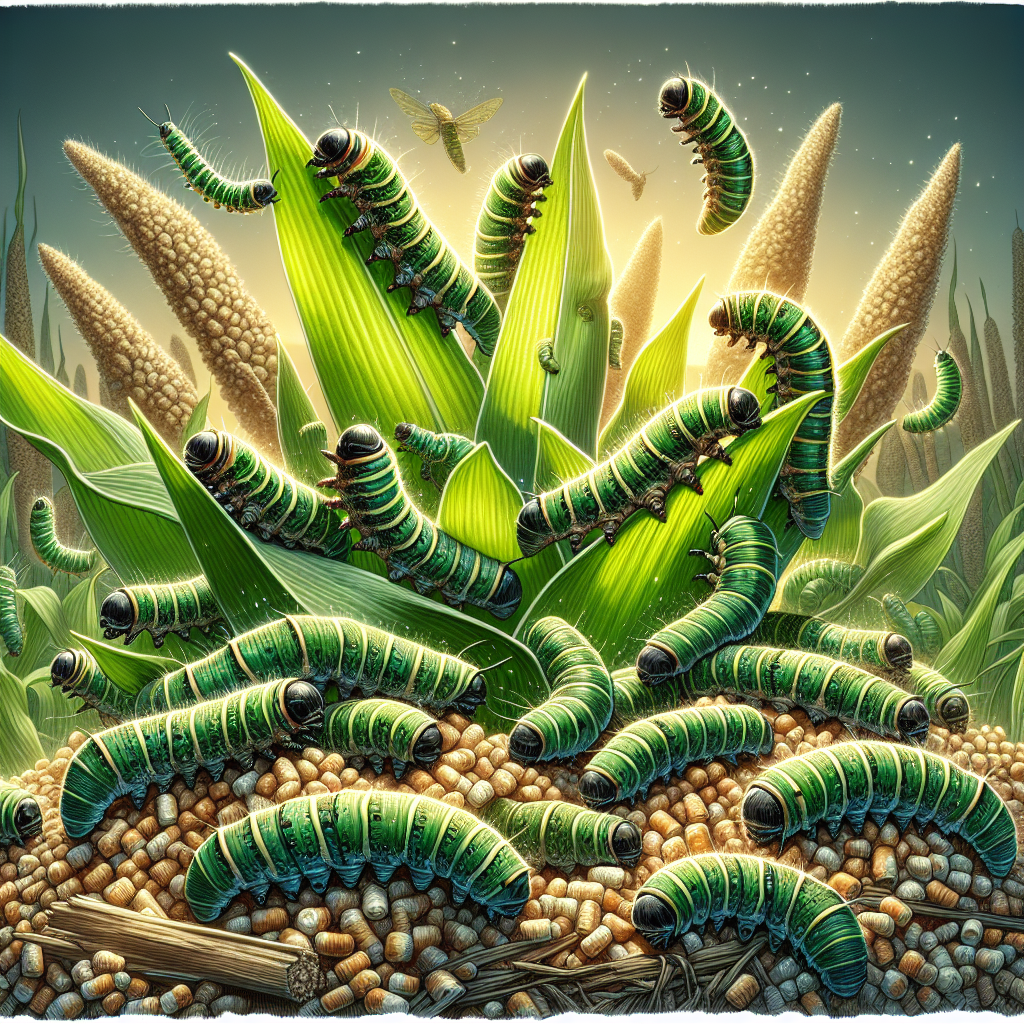
African armyworm
The African armyworm (Spodoptera exempta) is a highly destructive migratory caterpillar pest notorious for devastating cereal crops across sub-Saharan Africa. These pests form massive marching armies that strip fields bare overnight, posing severe threats to food security. Effective management combines early detection, organic controls, and preventive cultural practices.
View Profile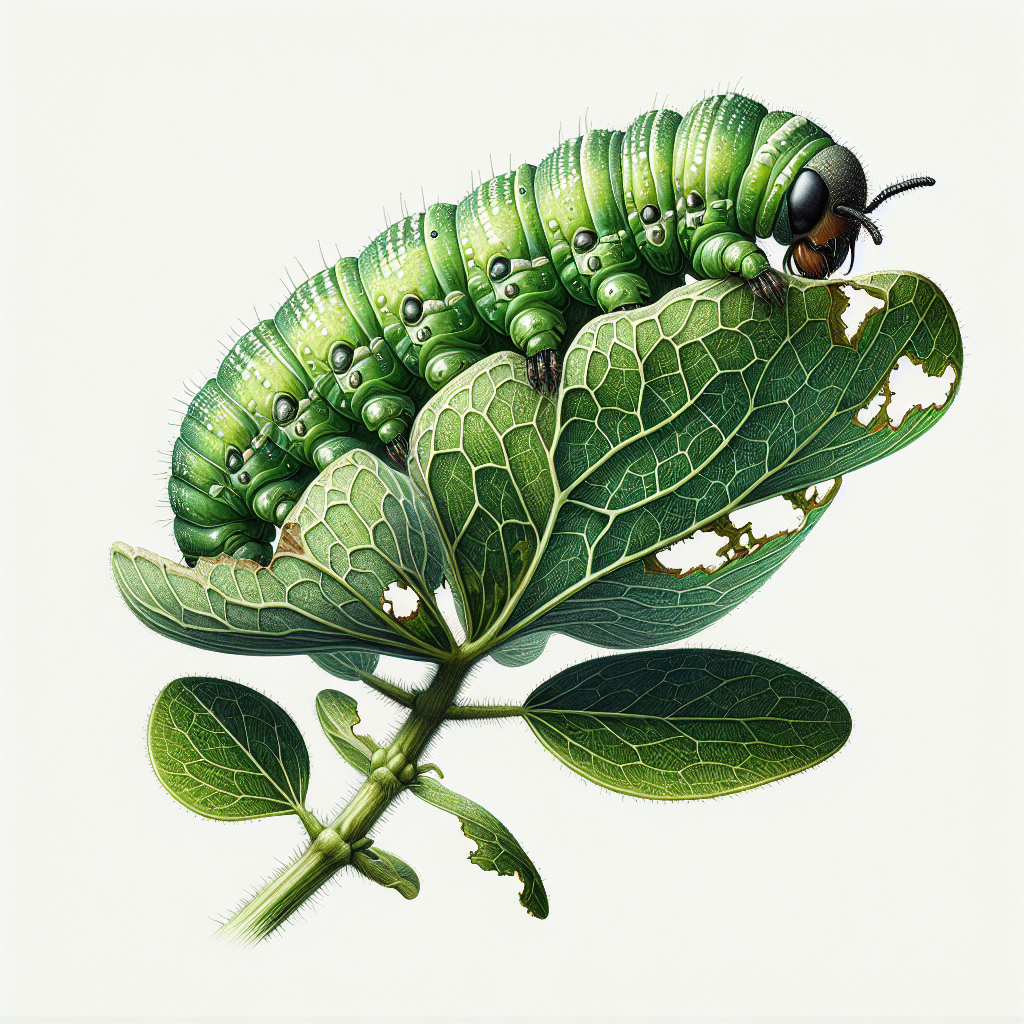
Alfalfa Weevil
The alfalfa weevil (Hypera postica) is a destructive pest that feeds on alfalfa foliage, causing significant yield losses in hay and forage production. Early detection through larval skeletonizing and adult notching is crucial for effective management. Integrated organic strategies including timely cutting, biological controls, and resistant varieties provide sustainable control.
View Profile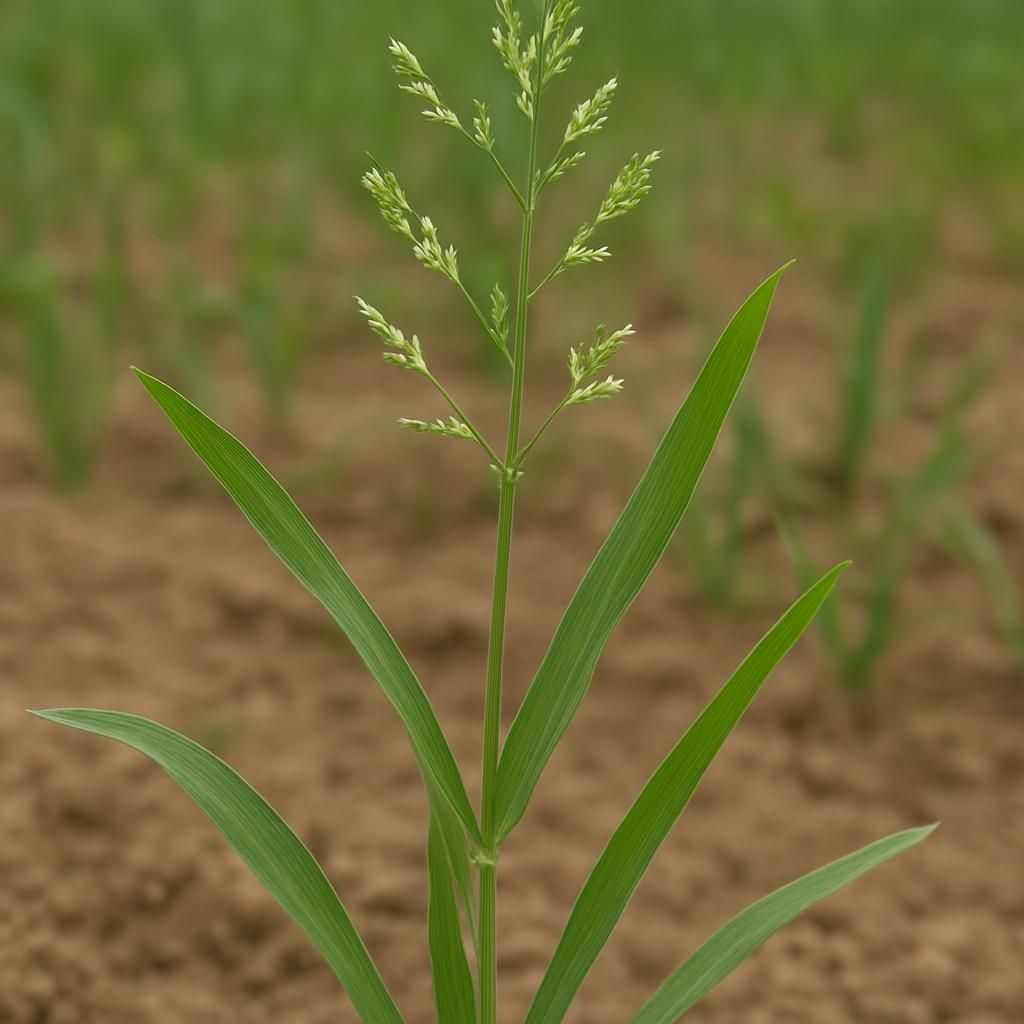
annual meadow grass
Annual meadow grass (Poa annua) is a widespread cool-season annual weed that invades lawns, pastures, and croplands, competing aggressively for water, nutrients, and light. It produces vast quantities of seed that germinate rapidly under cool, moist conditions, leading to dense patches that reduce crop yields and turf quality. Effective management combines cultural, mechanical, and targeted organic controls with vigilant prevention strategies.
View Profile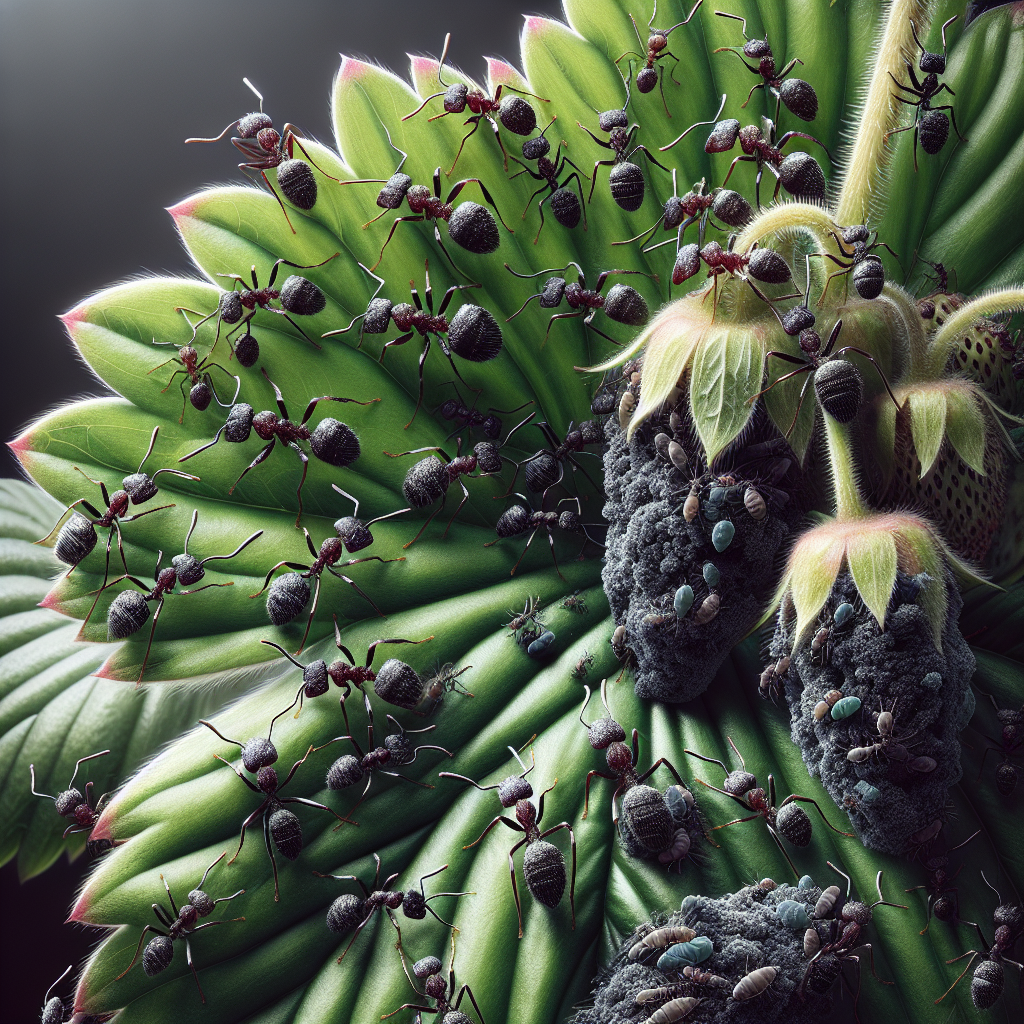
Ants
Ants are ubiquitous agricultural pests that primarily damage crops indirectly by farming aphids and other sap-sucking insects like [Aphids](/wiki/aphids) and [Scale insects](/wiki/scale-insects), protecting them from predators to harvest their honeydew. Direct feeding on seeds, fruits, and roots can also cause significant losses in crops such as [Tomato](/wiki/tomato) and [Potato](/wiki/potato). Effective management combines organic baits, cultural practices, and biological controls for sustainable control.
View Profile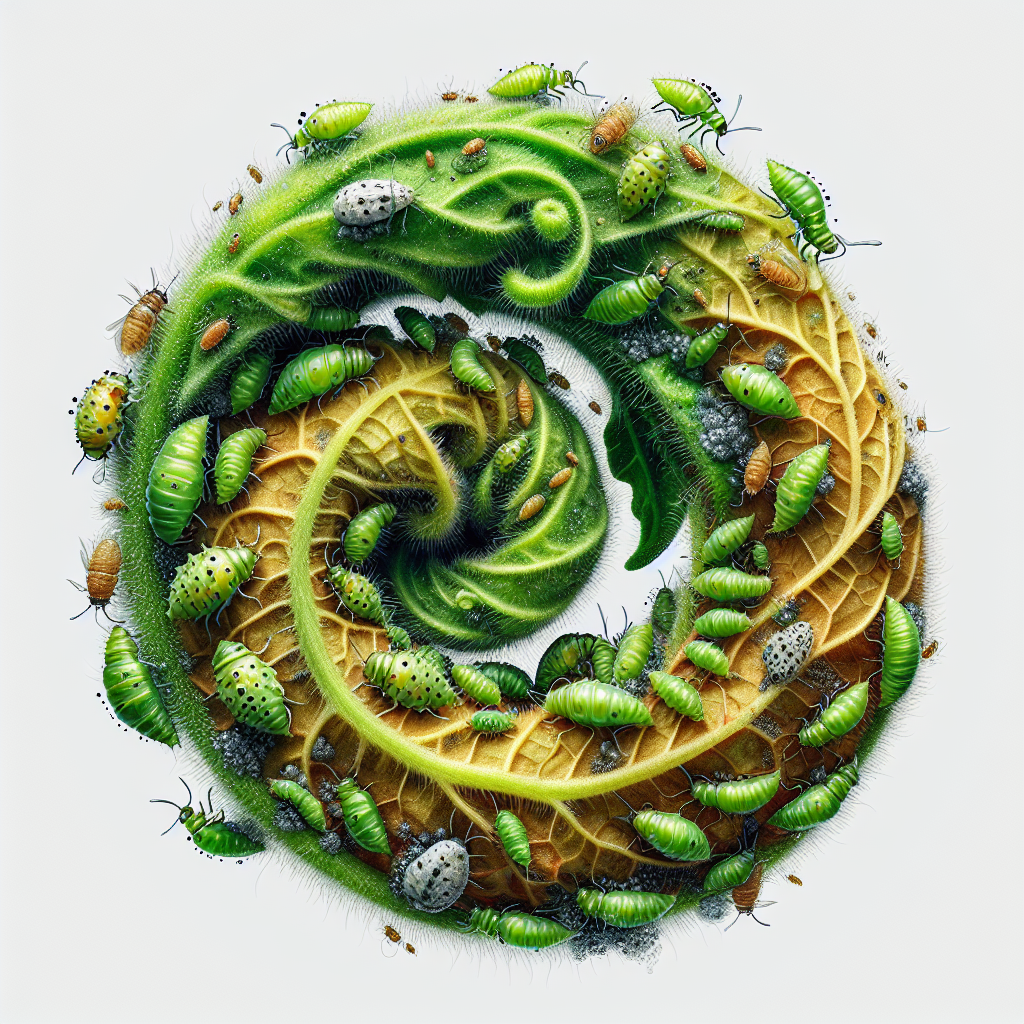
Aphid-like sap feeders
Aphid-like sap feeders encompass a diverse group of small insects including aphids, whiteflies, scales, and mealybugs that pierce plant tissues to extract sap, causing stunted growth, leaf curl, and honeydew production. These pests weaken plants by depriving them of nutrients and transmit viral diseases, leading to significant crop losses if unmanaged. Effective identification, organic controls, and prevention strategies are essential for sustainable agriculture.
View Profile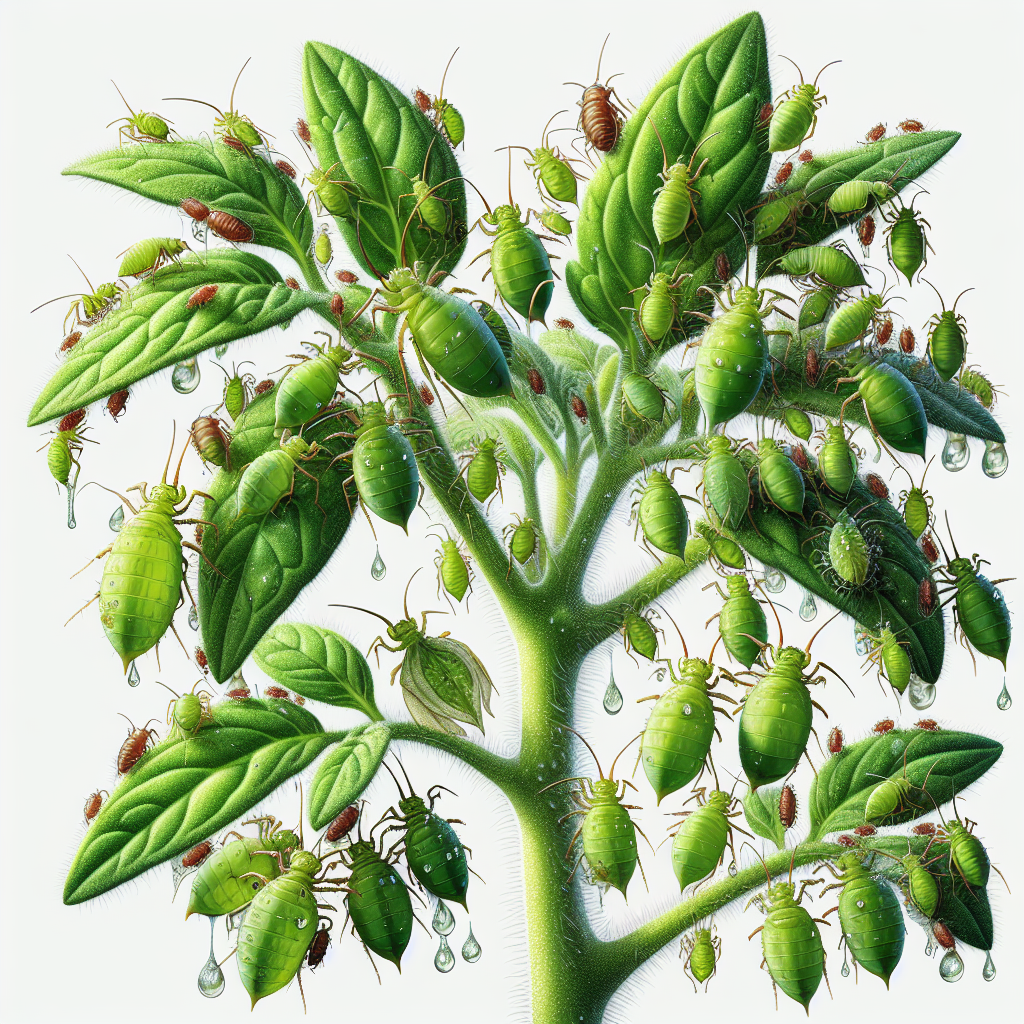
Aphids
Aphids are small, sap-sucking insects that infest a wide range of crops, causing distorted growth, sticky honeydew, and virus transmission. This guide provides professional diagnostic tools, lifecycle insights, organic management strategies, and prevention tactics for farmers. Effective control combines cultural practices, biological agents, and monitoring to minimize crop losses.
View Profile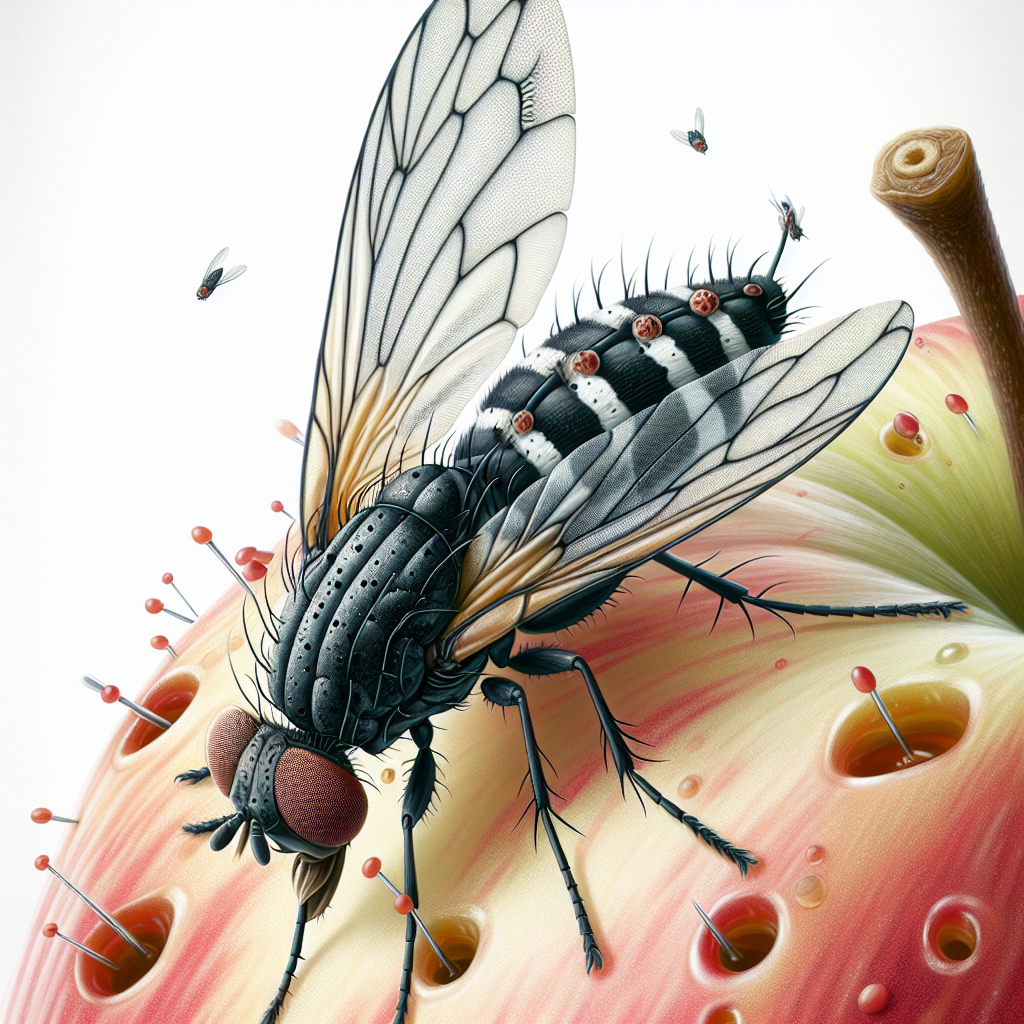
apple maggot
The apple maggot is a destructive fruit fly pest that infests apples and other stone fruits, causing significant economic losses through larval tunneling that renders fruit unmarketable. Native to North America, it has adapted from hawthorn to commercial apple orchards, with effective management relying on monitoring, sanitation, and targeted organic controls. This guide provides comprehensive diagnostics, lifecycle insights, and proven organic strategies for sustainable control.
View Profile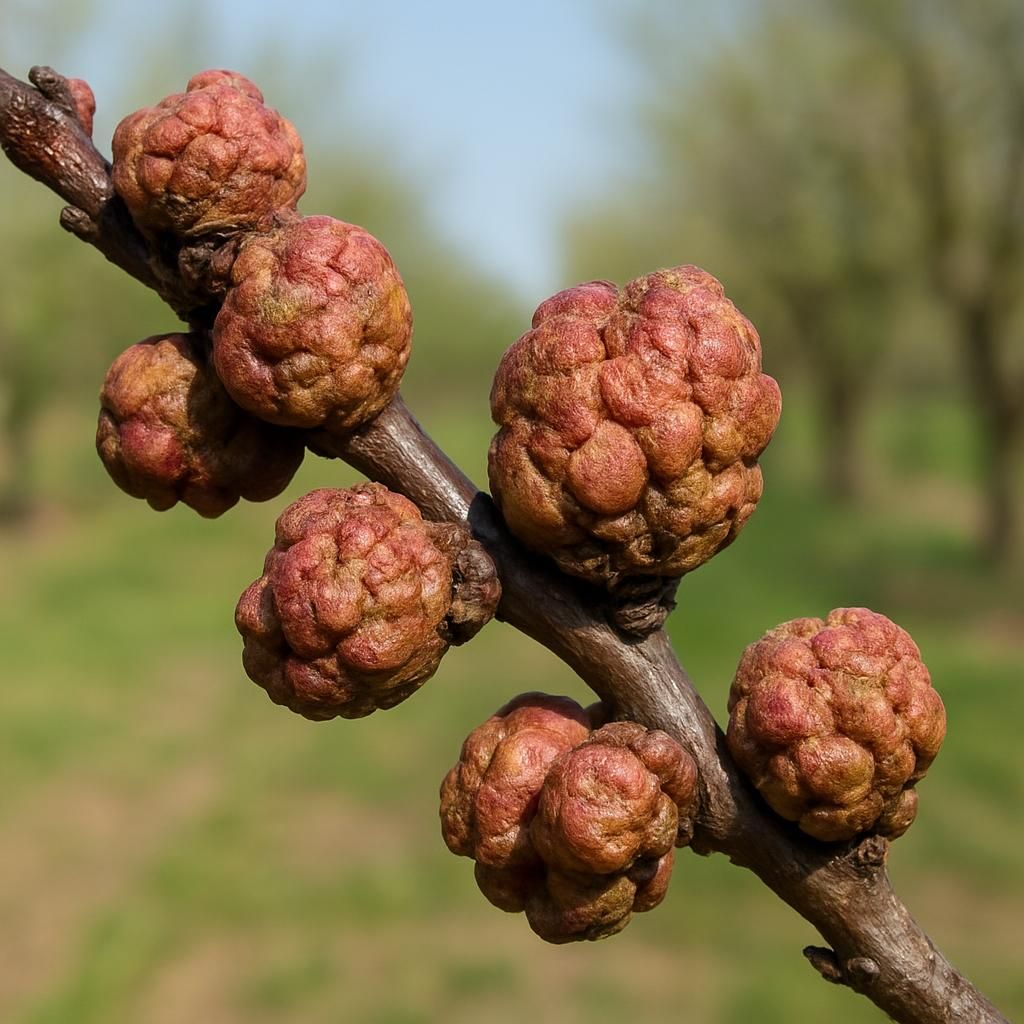
Apricot Bud Gall Mite
The Apricot Bud Gall Mite is a microscopic eriophyid mite that infests apricot buds, causing distinctive galls and significant yield loss. This guide provides professional-grade strategies for identification, prevention, and integrated management in commercial and home orchards.
View Profile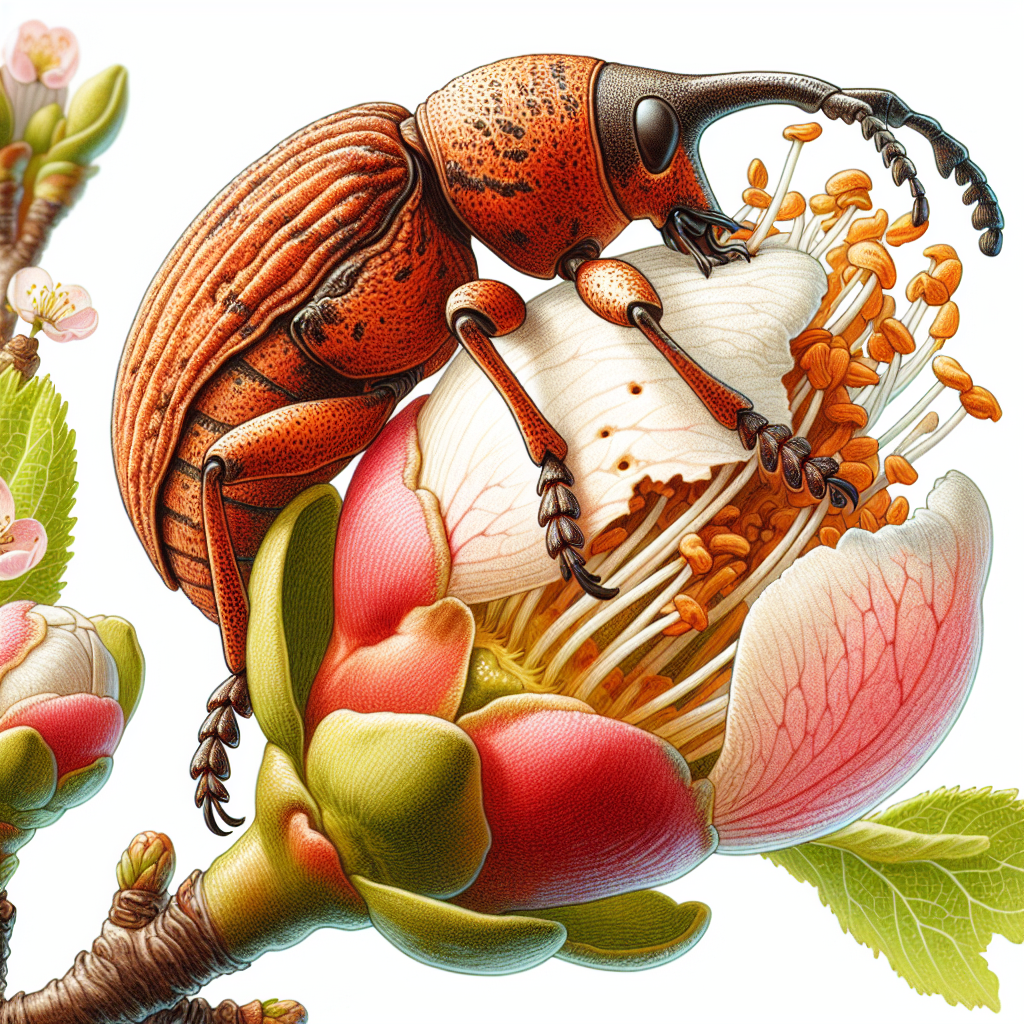
Apricot Bud Weevil
The apricot bud weevil is a notorious pest targeting apricot buds and blossoms, causing significant yield losses in stone fruit orchards. This guide provides comprehensive diagnostics, lifecycle insights, organic management strategies, and prevention tactics for effective control. Farmers can protect their crops using integrated approaches to minimize damage and ensure healthy harvests.
View Profile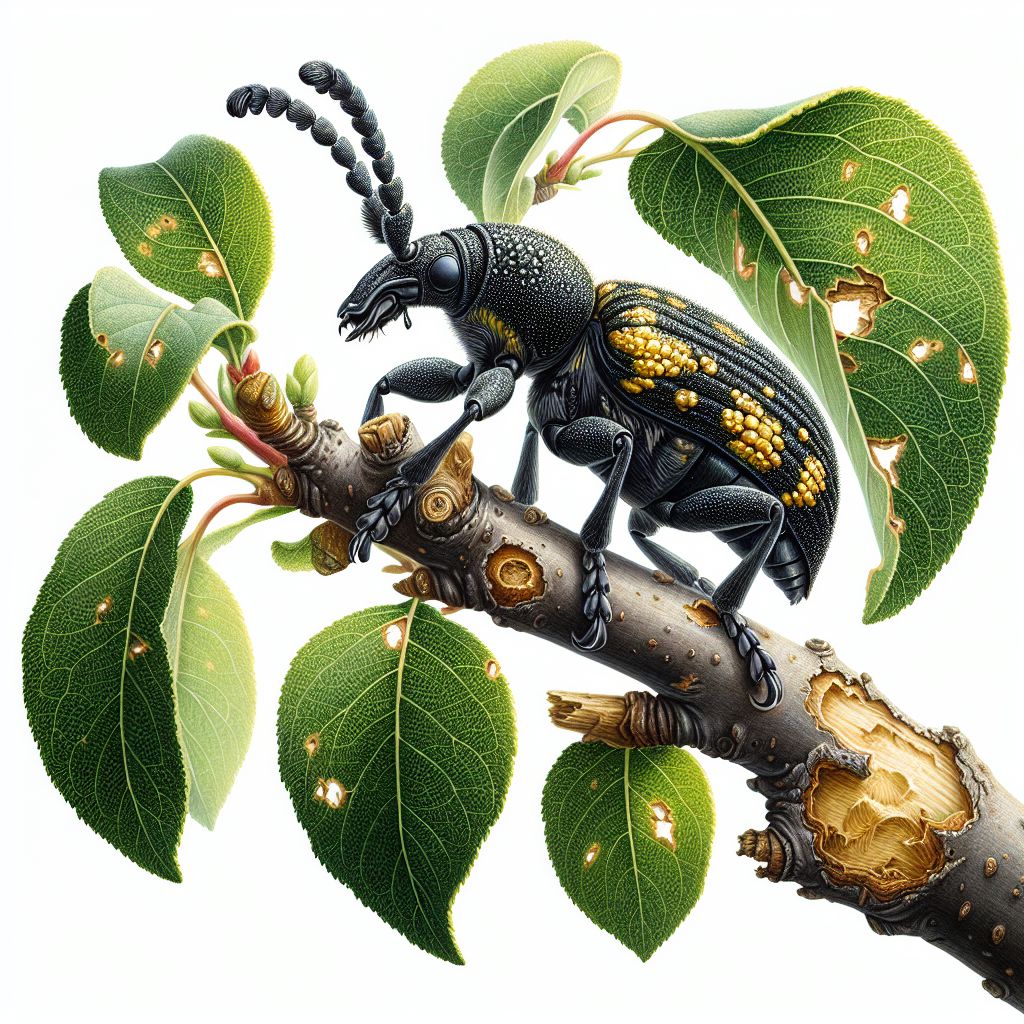
Apricot Weevil
The apricot weevil is a notorious soil-dwelling pest that attacks apricot tree roots and fruits, causing significant yield losses in stone fruit orchards. This guide provides comprehensive diagnostics, lifecycle insights, organic management strategies, and prevention tactics for growers facing infestations. Protect your [peach](/wiki/peach) and [plum](/wiki/plum) crops from this hidden threat with proven agricultural techniques.
View Profile
Armored scale
Armored scales are tiny, immobile pests that form protective waxy covers, sucking sap from plants and causing yellowing, leaf drop, and stunted growth. Common on citrus, ornamentals, and fruit trees, they thrive in warm, dry conditions and can be managed organically with horticultural oils, insecticidal soaps, and natural predators. Early detection and prevention are key to protecting yields on affected crops.
View Profile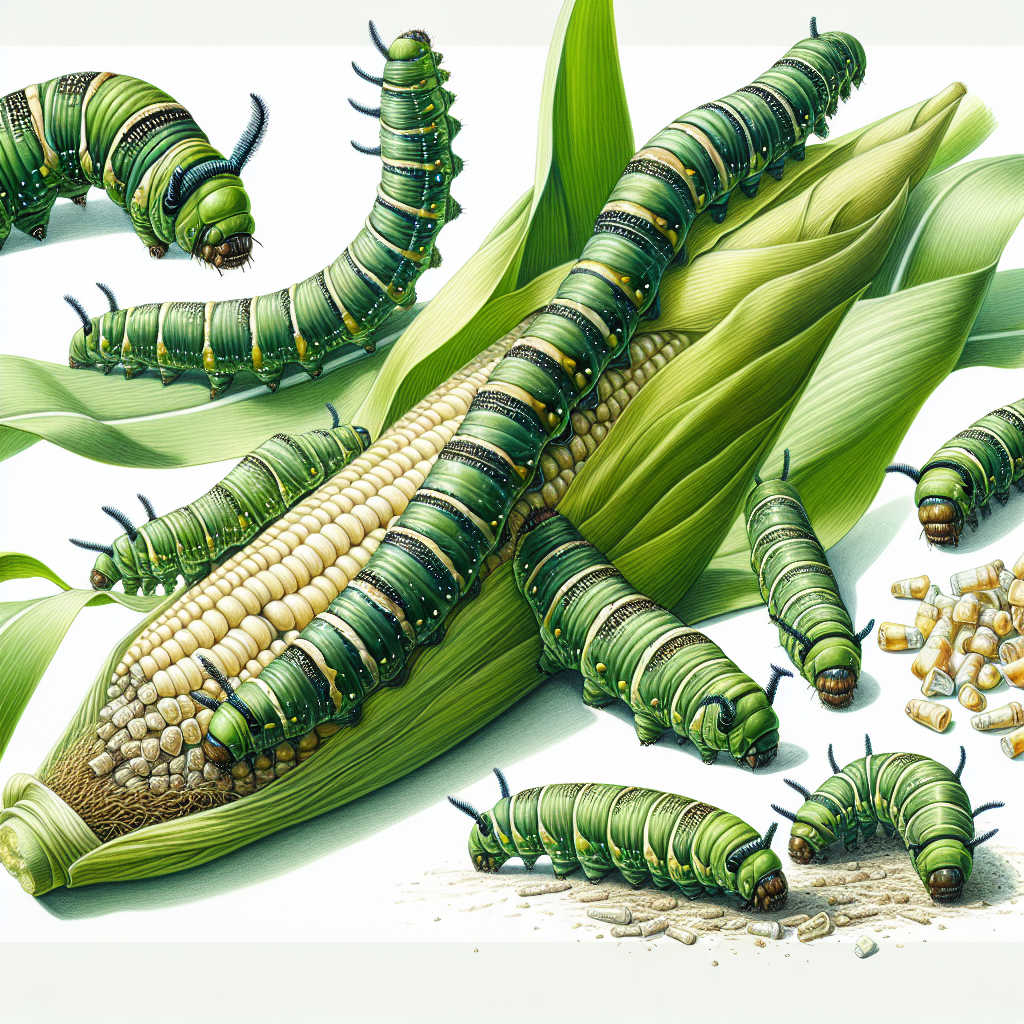
Armyworms
Armyworms are highly destructive caterpillar pests that march in large groups, devastating crops like corn, wheat, and rice by feeding voraciously on foliage. This guide provides definitive diagnostics, lifecycle insights, organic management strategies, and prevention tactics for farmers facing armyworm outbreaks. Protect your fields with proven, professional agricultural techniques.
View Profile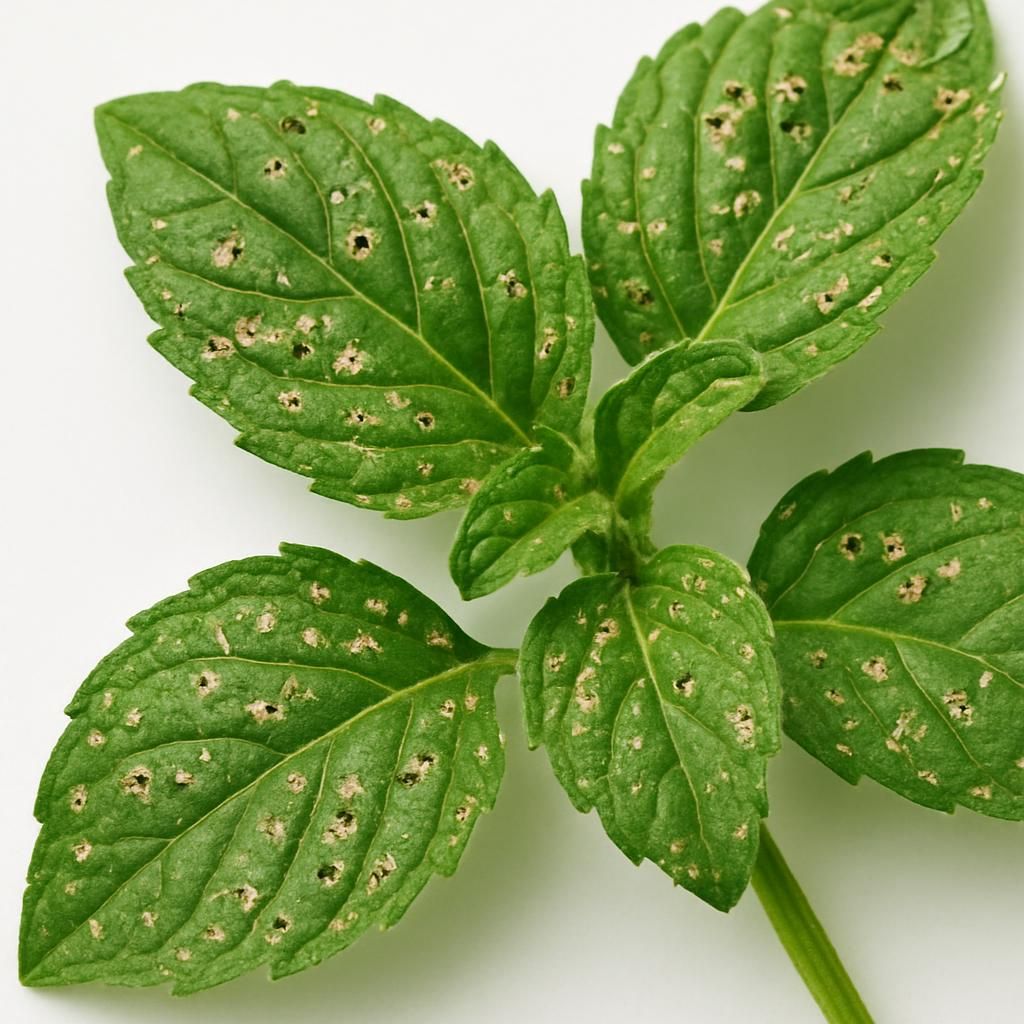
Aromatic herbs
Aromatic herbs such as basil, rosemary, and thyme are widely cultivated for culinary and medicinal uses but are frequently affected by herb-specific pests and diseases that reduce yield and quality. This guide provides diagnostic identification, lifecycle details, and integrated management strategies for sustainable production. Emphasis is placed on organic and cultural controls to protect herb crops in home gardens and commercial operations.
View Profile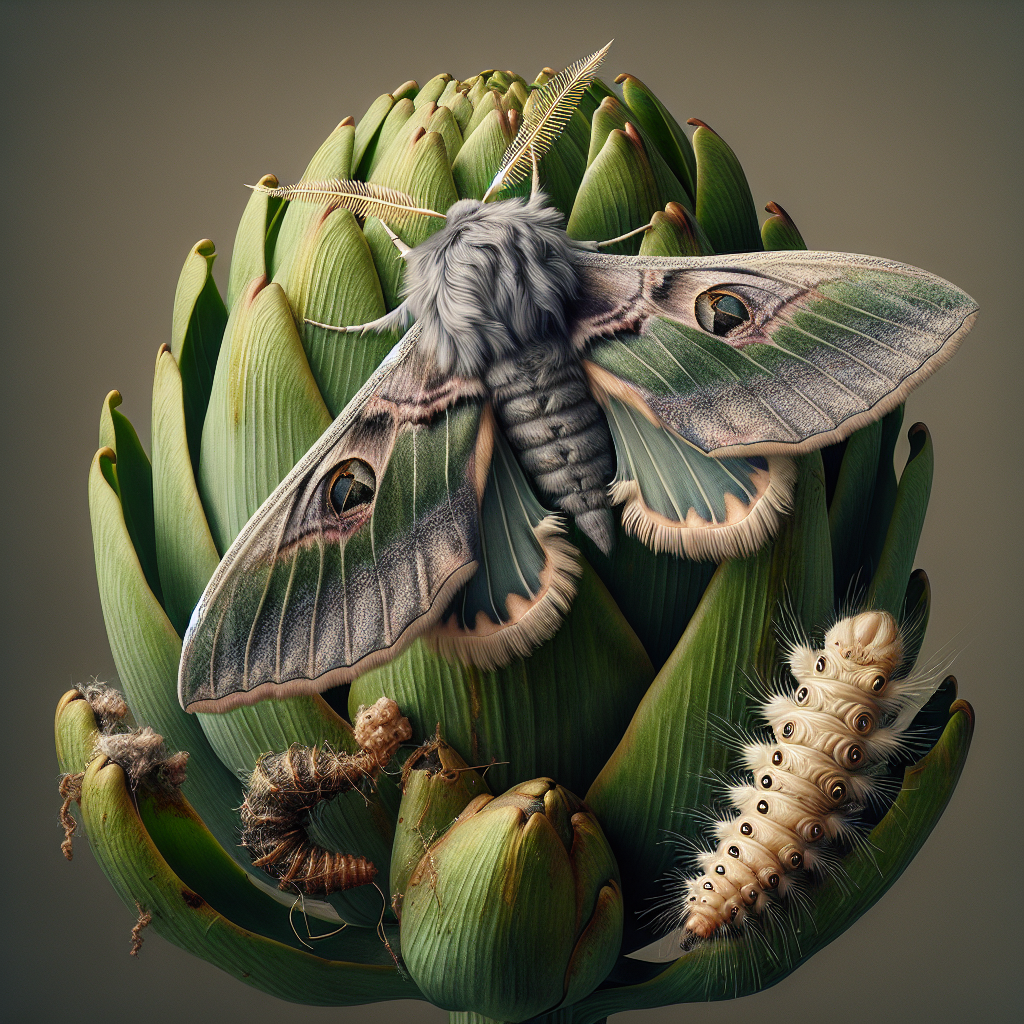
Artichoke plume moth
The artichoke plume moth (Platyptilia carduidactylus) is a destructive pest targeting artichoke crops, with larvae boring into buds and heads causing significant yield losses. This guide provides comprehensive diagnostics, lifecycle details, organic management strategies, and prevention tips for farmers. Effective control relies on early detection, cultural practices, and biological agents to protect harvests.
View Profile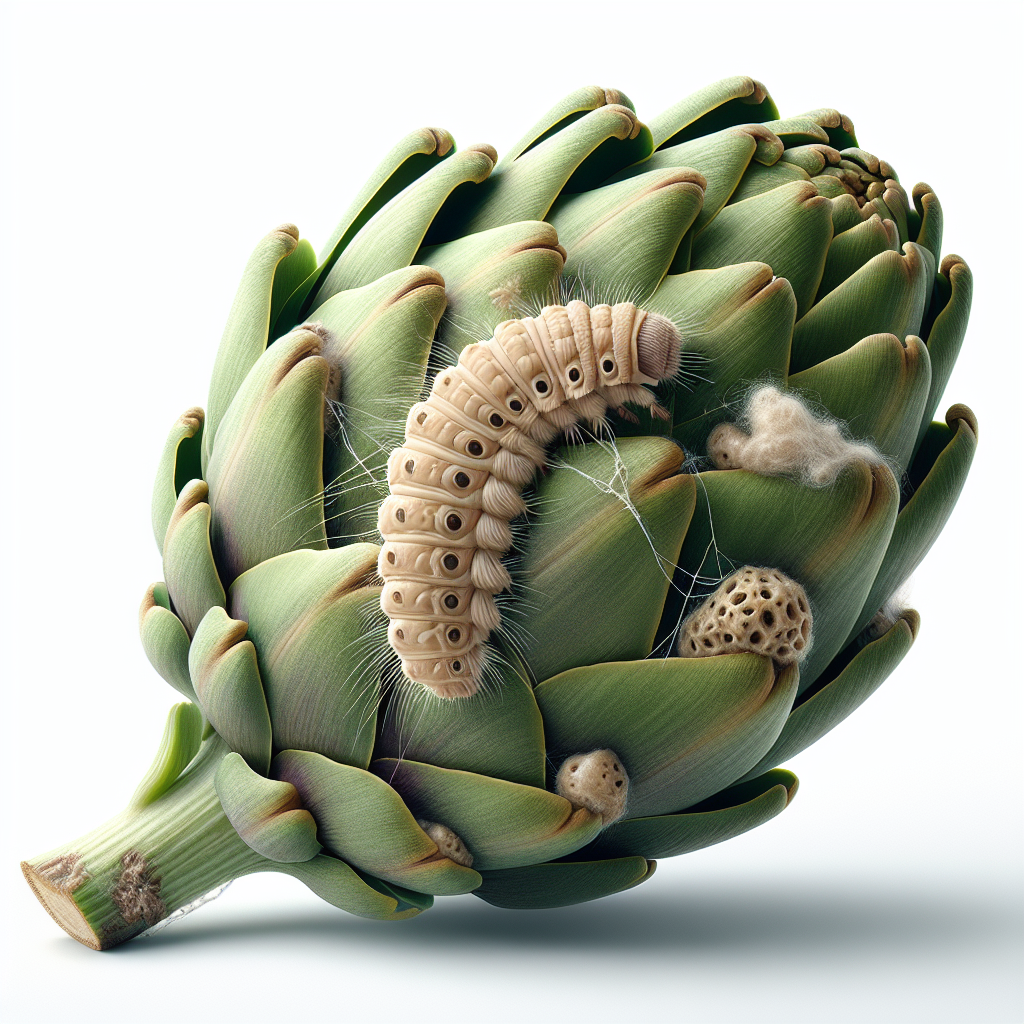
Artichoke plume moth larvae
Artichoke plume moth larvae (Platyptilia carduidactyla) are destructive pests targeting artichoke crops, boring into buds and heads causing significant yield losses. This guide provides comprehensive diagnostics, lifecycle details, organic management strategies, and prevention tips for farmers. Early detection and integrated organic controls can effectively minimize damage while preserving crop health.
View Profile
Asian citrus psyllid
The Asian citrus psyllid (Diaphorina citri) is a tiny invasive insect that feeds on citrus trees, transmitting the devastating huanglongbing (HLB) disease, also known as citrus greening. This pest causes leaf curling, stunted growth, and fruit drop, threatening citrus production worldwide. Effective management combines monitoring, organic controls, and cultural practices to protect orchards.
View Profile
Asparagus Beetle
The asparagus beetle is a primary pest of asparagus crops, with both common and spotted variants defoliating ferns and scarring spears, leading to significant yield losses. Early detection through characteristic damage and targeted organic controls like handpicking and neem oil are essential for management. Comprehensive prevention strategies, including crop rotation and resistant varieties, ensure long-term protection for asparagus plantings.
View Profile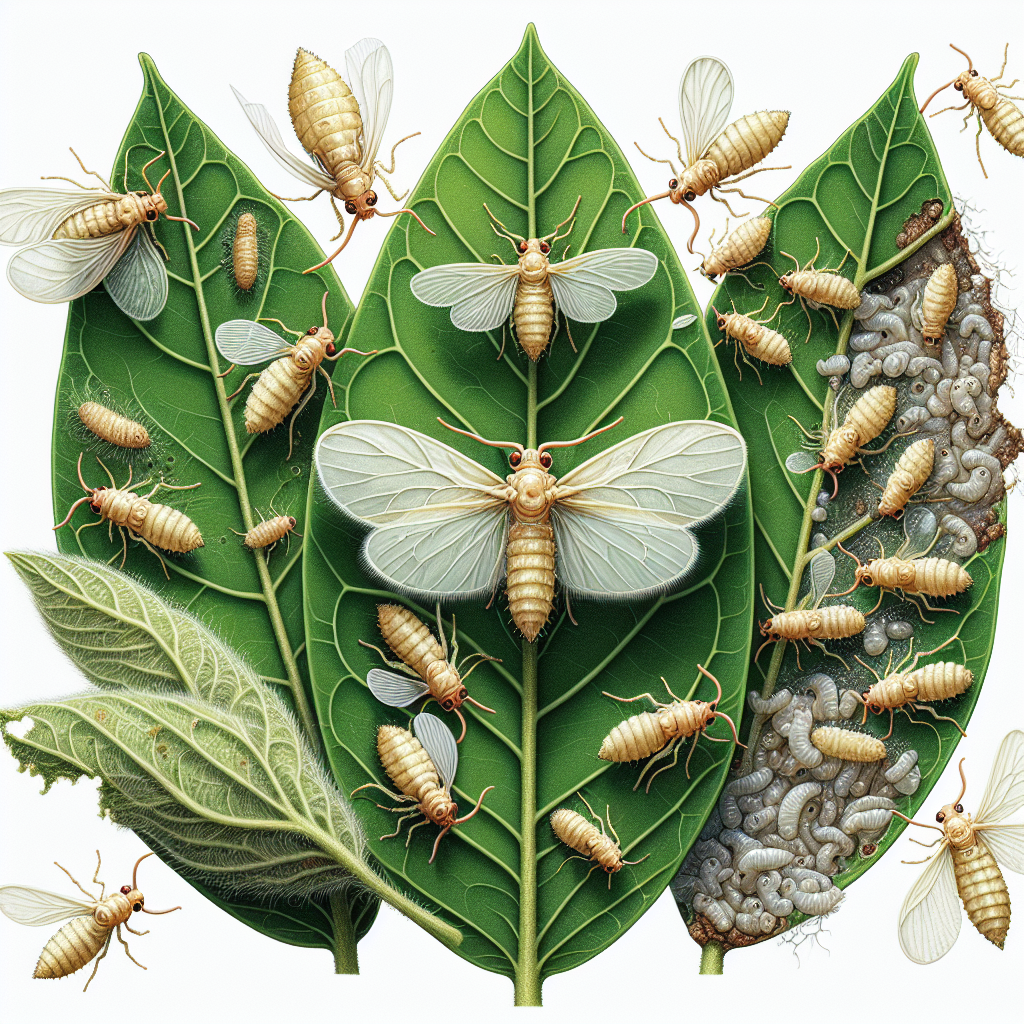
Avocado thrips
Avocado thrips (Scirtothrips perseae) is a tiny, invasive pest that targets young avocado foliage, causing silvering, leaf drop, and scarring on fruit that reduces market value. Native to Central America, it has become a major threat to commercial avocado production, especially in California. Effective management combines monitoring, organic treatments, and cultural practices to protect yields.
View Profile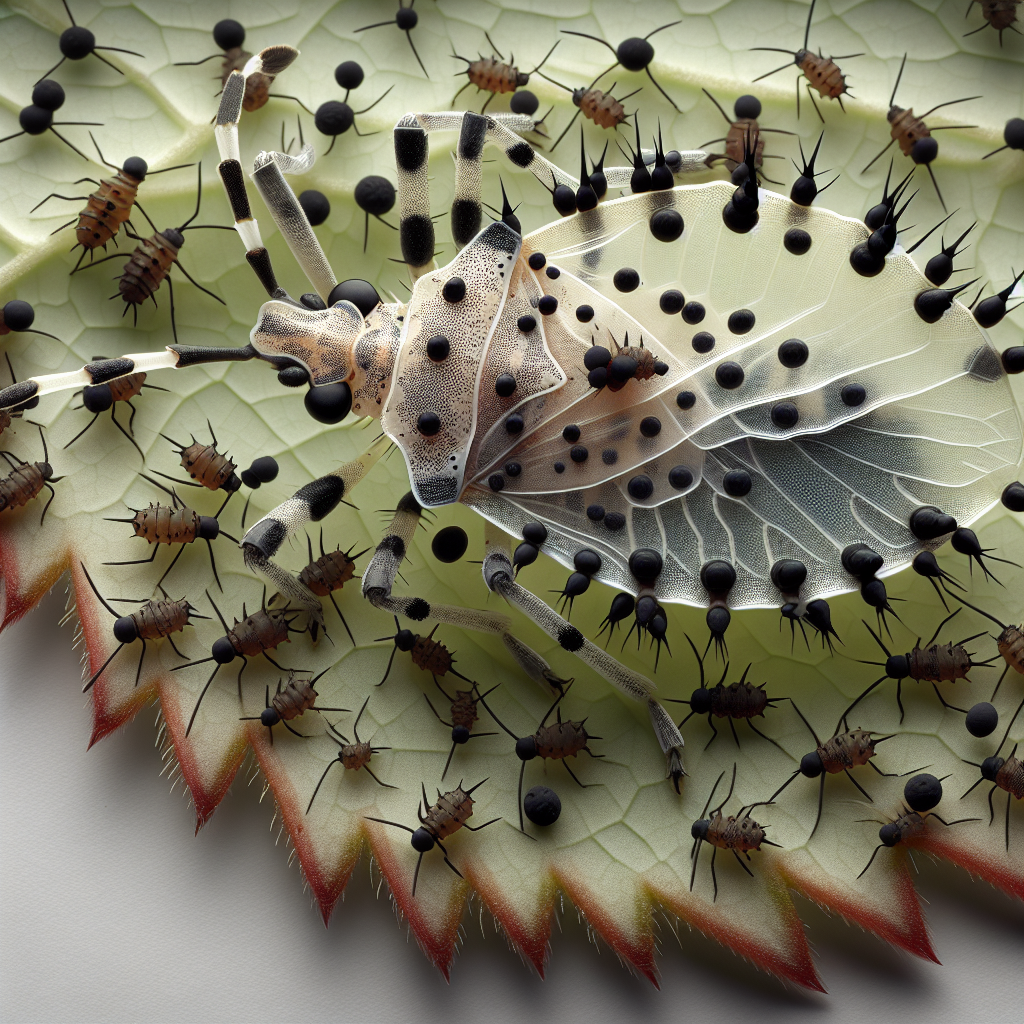
Azalea Lace Bug
The azalea lace bug (Stephanitis pyrioides) is a pervasive sap-sucking pest that causes stippling, discoloration, and defoliation on azalea shrubs, severely impacting ornamental landscapes. Native to Asia but widespread in North America, it thrives in warm conditions and can lead to plant decline if unmanaged. This guide provides comprehensive diagnostics, organic management strategies, and prevention tactics for effective control.
View Profile
Bacillus thuringiensis
Bacillus thuringiensis is a naturally occurring, spore-forming bacterium widely used as a biological insecticide targeting caterpillars and certain other larvae. It produces crystal proteins that become toxic only after ingestion by specific pests, making it highly selective and safe for beneficial insects and mammals. This guide covers identification, lifecycle, risk factors, organic management, and long-term prevention strategies for growers.
View Profile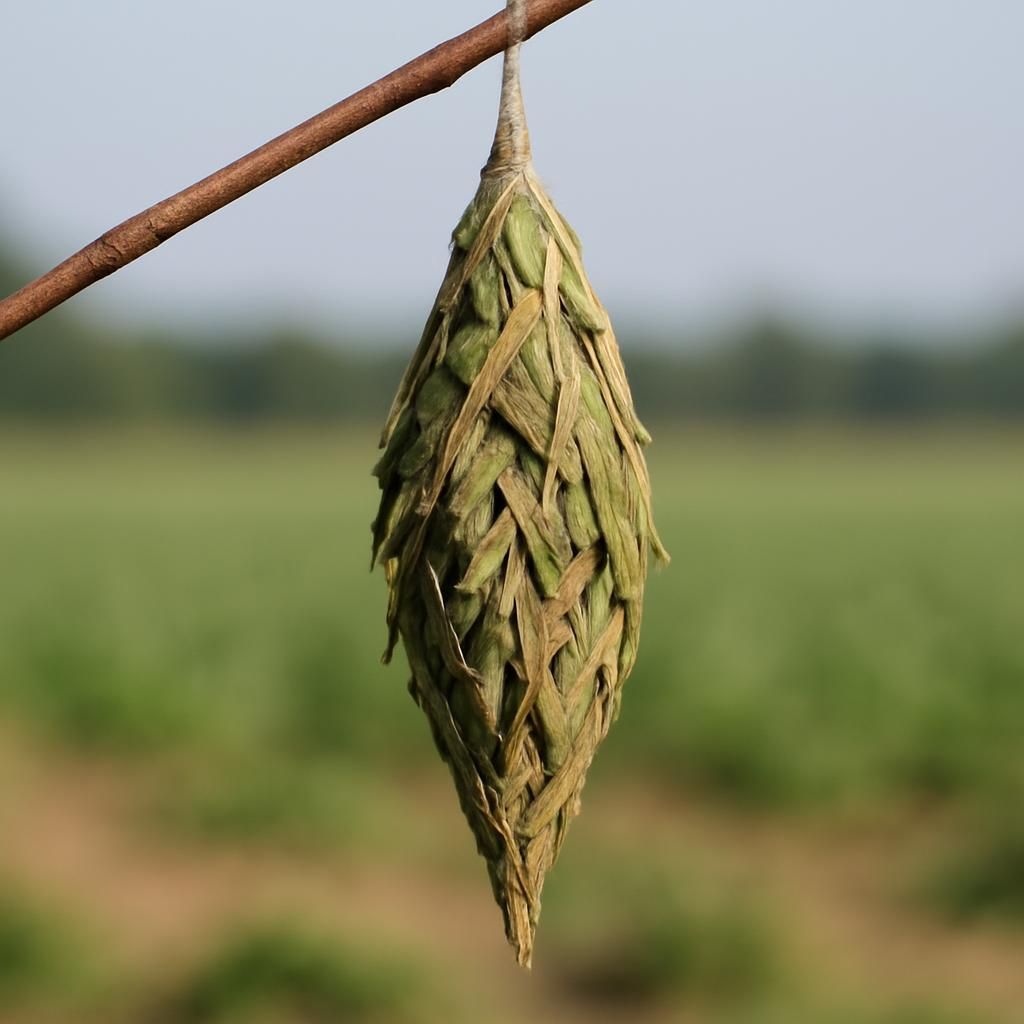
Bagworm lifecycle
Bagworms are destructive caterpillars that construct protective silk cases from host foliage; their lifecycle spans egg, larval, pupal, and adult stages with distinct seasonal timing. This guide details diagnosis, damage symptoms, environmental risk factors, and integrated management for orchards, landscapes, and field crops. Practical organic and cultural strategies are emphasized to protect yields sustainably.
View Profile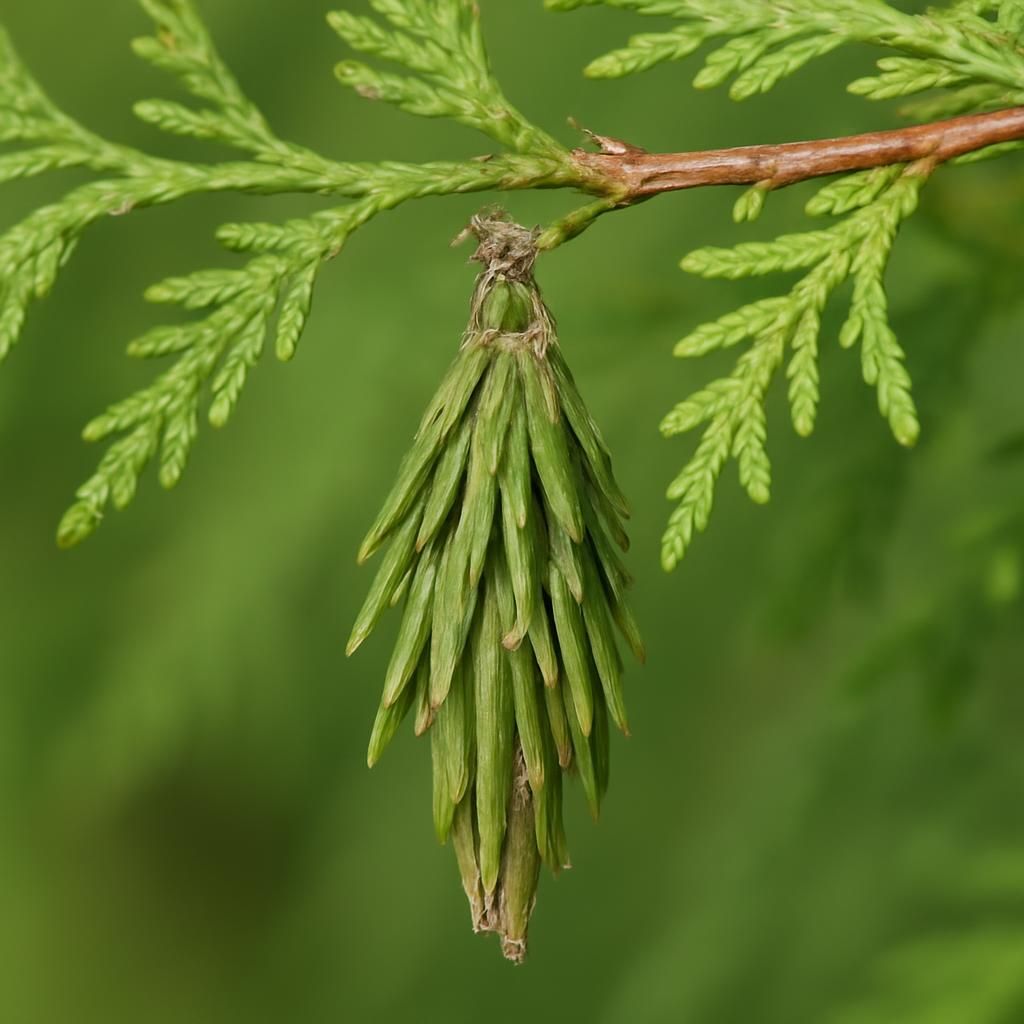
bagworms
Bagworms are destructive moth larvae that construct protective silk-and-foliage cases on trees and shrubs, causing severe defoliation and branch dieback when populations are high. This guide provides professional diagnostic criteria, lifecycle details, and integrated management strategies for agricultural and landscape settings.
View Profile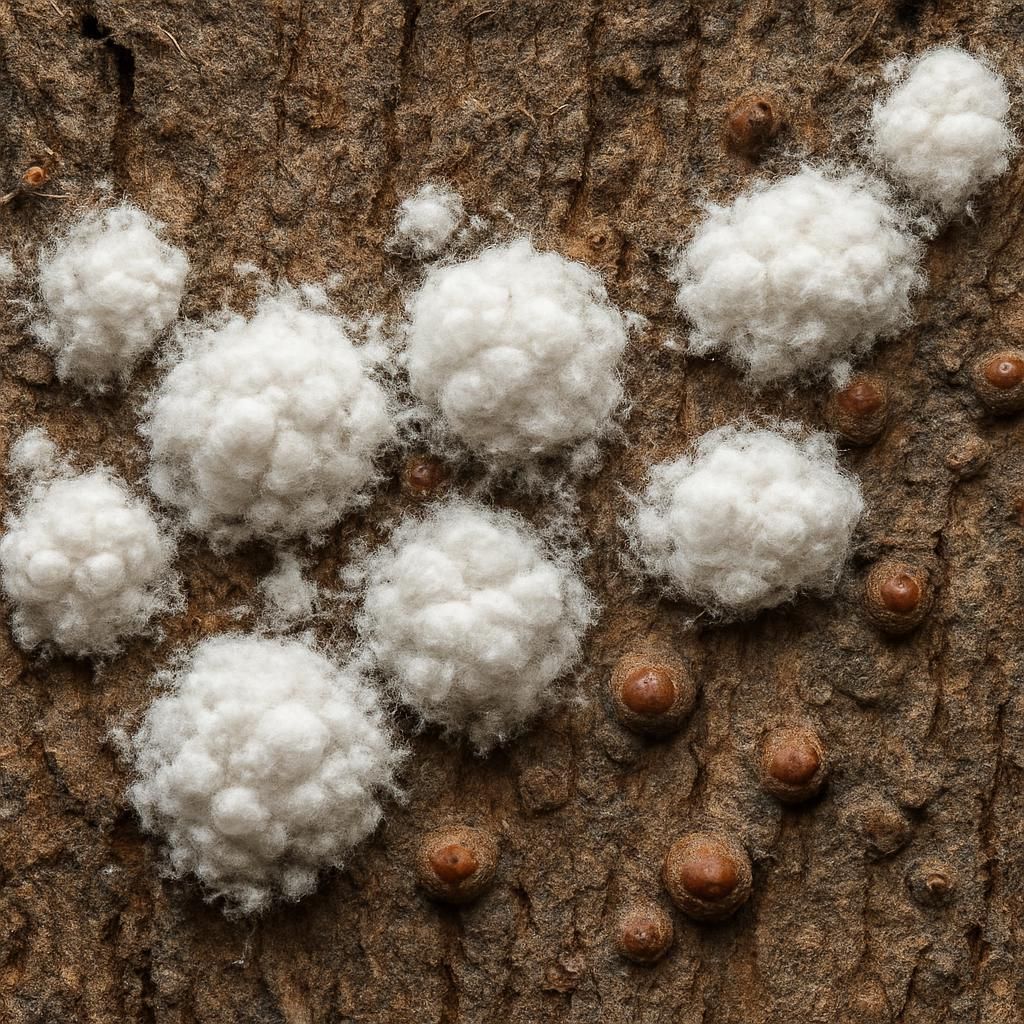
balsam woolly adelgid
The balsam woolly adelgid is a destructive invasive insect that attacks true firs, causing severe swelling, dieback, and eventual tree mortality. Early diagnosis and integrated management are critical for protecting fir stands and ornamental plantings.
View Profile