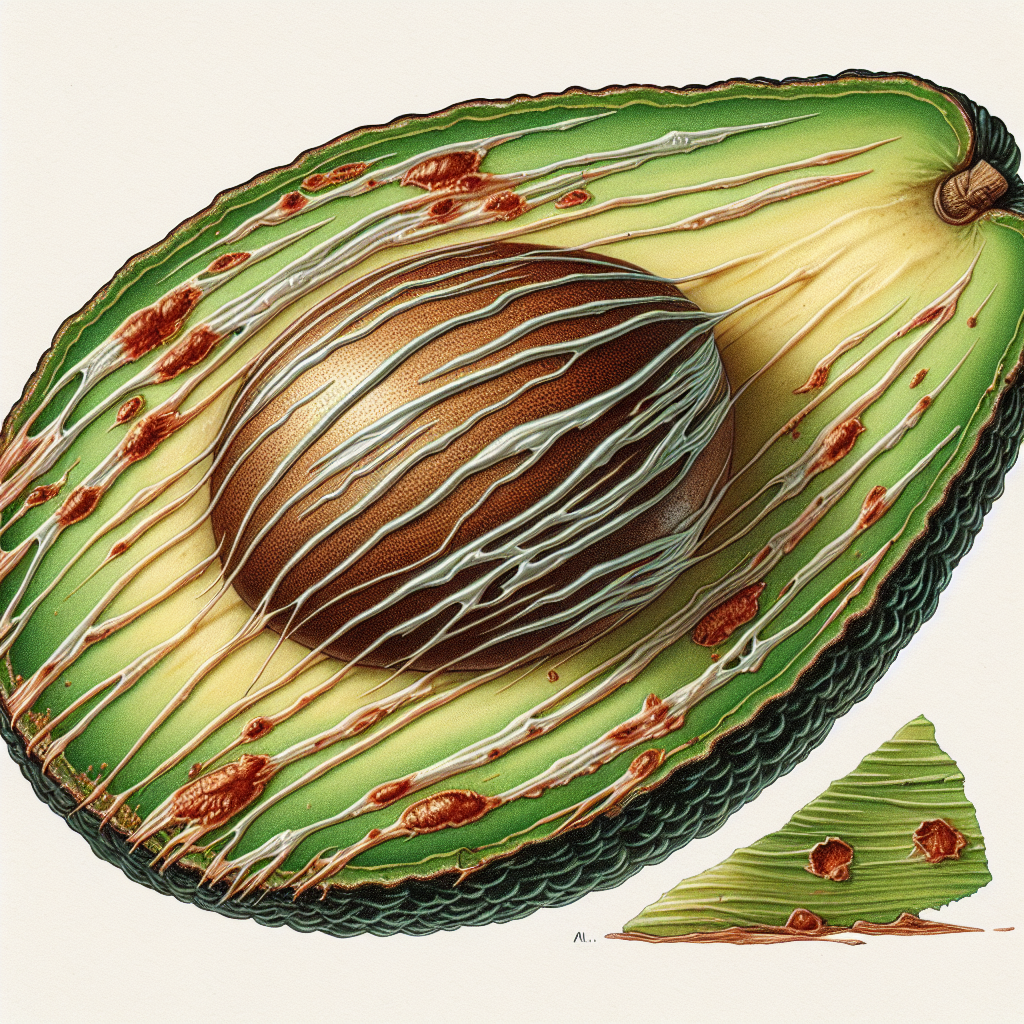
Introduction to Scarring insects
Scarring insects represent a critical challenge in modern agriculture, particularly for fruit growers dealing with cosmetic damage that slashes marketable yields by up to 40% in severe cases. These pests, often tiny and elusive, include thrips, eriophyid mites, and fruit-feeding Lepidoptera larvae that rasp or chew the delicate epidermis of developing fruits, leaving permanent scars, russeting, or corky lesions. Unlike borers or internal feeders, scarring insects damage the exterior, making fruits unappealing for fresh markets even if internally sound. This guide provides professional-grade diagnostics, lifecycle insights, and organic management strategies tailored for small to medium farms growing susceptible crops like Hass Avocado and mango.
Understanding scarring insects is essential because their damage mimics environmental stress or fungal issues, leading to misdiagnosis. Early detection through scouting can prevent outbreaks, preserving fruit quality and farm profitability. With rising demand for blemish-free produce, proactive IPM (Integrated Pest Management) is non-negotiable. For farms battling multiple pests, check our comprehensive Spring Pest Patrol: Organic AI Strategies to Shield Your Crops from Common Invaders for tech-enhanced monitoring tips.
Identifying Symptoms & Damage
Scarring manifests as irregular, superficial lesions on fruit skin, often starting as silvery patches or bronzed areas that turn brown and corky as fruits mature. Key diagnostic signs include:
- Thrips scarring: Narrow, elongated silver streaks or halos around feeding punctures, common on avocado and citrus. Use a 10x hand lens to spot tiny, fringed-wing adults or banana-shaped larvae.
- Mite-induced scars: Rusty, velvet-like russeting with fine webbing, especially from eriophyid mites on mango and papaya. Damage appears during rapid fruit growth phases.
- Caterpillar rasping: Broad, shallow grooves or 'wind-rubbed' appearance from leafrollers or fruit moths, prevalent on apple and stone fruits.
Differentiate from diseases like anthracnose (sunken, dark lesions) or sooty mold (black sooty coating). Scrape scars: insect damage lacks mycelium and feels rough. Yield impacts: 20-50% cull rates in Hass Avocado, reducing grade A fruit. Photograph suspect damage and compare to extension service databases for confirmation.
Lifecycle and Progression of Scarring insects
Scarring insects exhibit 4-10 generations per year, synchronized with host fruiting cycles. Take thrips (Thrips spp.): eggs inserted into fruit tissue hatch in 2-5 days into crawling nymphs that feed voraciously for 7-14 days, then pupate in soil or bark. Adults emerge, live 30-45 days, and females oviposit 20-100 eggs.
Eriophyid mites (Aculops spp.) complete cycles in 10-14 days under warm, humid conditions, with up to 20 generations annually. Larvae of scarring moths (e.g., Amorbia cuneana) feed externally before boring, overwintering as pupae.
Progression: Damage peaks during bloom-to-early fruit set when skins are tender. Monitor with sticky traps (blue for thrips) and beat sheets. Thresholds: 5-10 thrips per fruit trigger action. Lifecycle knowledge enables precise timing of interventions, avoiding unnecessary sprays.
Environmental Triggers & Risk Factors
Warm, dry conditions (75-90°F, <60% RH) accelerate scarring insect populations, especially post-bloom droughts stressing fruits. High nitrogen fertilizers promote succulent growth, attracting females for oviposition. Poor canopy management traps humidity, favoring mites.
Risk factors include adjacent infested orchards, weed hosts harboring thrips, and wind-dispersed mites. Susceptible varieties like young Hass Avocado trees or thin-skinned mango cultivars amplify damage. Climate change extends growing seasons, prolonging pest windows. Mitigate with irrigation scheduling to avoid water stress and cover crops to suppress soil pupation.
Organic Control & Treatment Plans
Organic management emphasizes prevention and biologicals over broad-spectrum sprays. Step 1: Monitoring - Weekly scouts from bloom; use alcohol rinses to quantify thrips/mites.
Cultural Controls:
- Prune for airflow; remove mummies.
- Reflective mulches deter thrips.
Biologicals:
- Release predatory mites (Amblyseius spp.) at 2-5 per sq ft for eriophyids.
- Neem oil (0.5-1%) or spinosad (OMRI-approved) at early thresholds; rotate to prevent resistance.
- Beneficial insects: lacewings, pirate bugs.
Treatment Timeline:
| Stage | Action | Product |
|---|---|---|
| Bloom | Sticky traps | Blue cards |
| Fruit set | Hort oil | 1% v/v |
| Pea-sized | Spinosad | 0.2 oz/gal |
| Maturing | Kaolin clay | Surround WP |
For outbreaks, insecticidal soaps suffocate soft-bodied pests. Always test on small areas. Combine with scale insects management if co-occurring.
Preventing Scarring insects in the Future
Long-term prevention builds resilient systems. Plant resistant varieties like thick-skinned avocados. Use row covers during vulnerable stages. Enhance biodiversity with marigold borders repelling thrips.
Soil health underpins resistance: maintain 5-7% OM to support natural enemies. Scout religiously; apps aid pattern recognition. Post-harvest sanitation destroys overwintering sites. Rotate with non-hosts like clover. Annual IPM audits track efficacy, targeting <5% scarring incidence.
Crops Most Affected by Scarring insects
Scarring insects devastate premium fresh-market fruits:
- Avocados (Hass Avocado, Fuerte): Thrips scarring reduces export grade by 30%.
- Mangoes (Alphonso Mango): Mite russeting affects peel quality.
- Citrus (navel orange): Persea mite scarring.
- Apples/Pears (Gala Apple): Codling moth surface feeding.
- Stone fruits (peach, cherry): Oriental fruit moth.
Secondary: papaya, guava, dragon fruit. Global losses exceed $500M yearly. Protect these high-ROI crops first.