Encyclopedia
Definitive guides for crops, pests, and agricultural diseases.
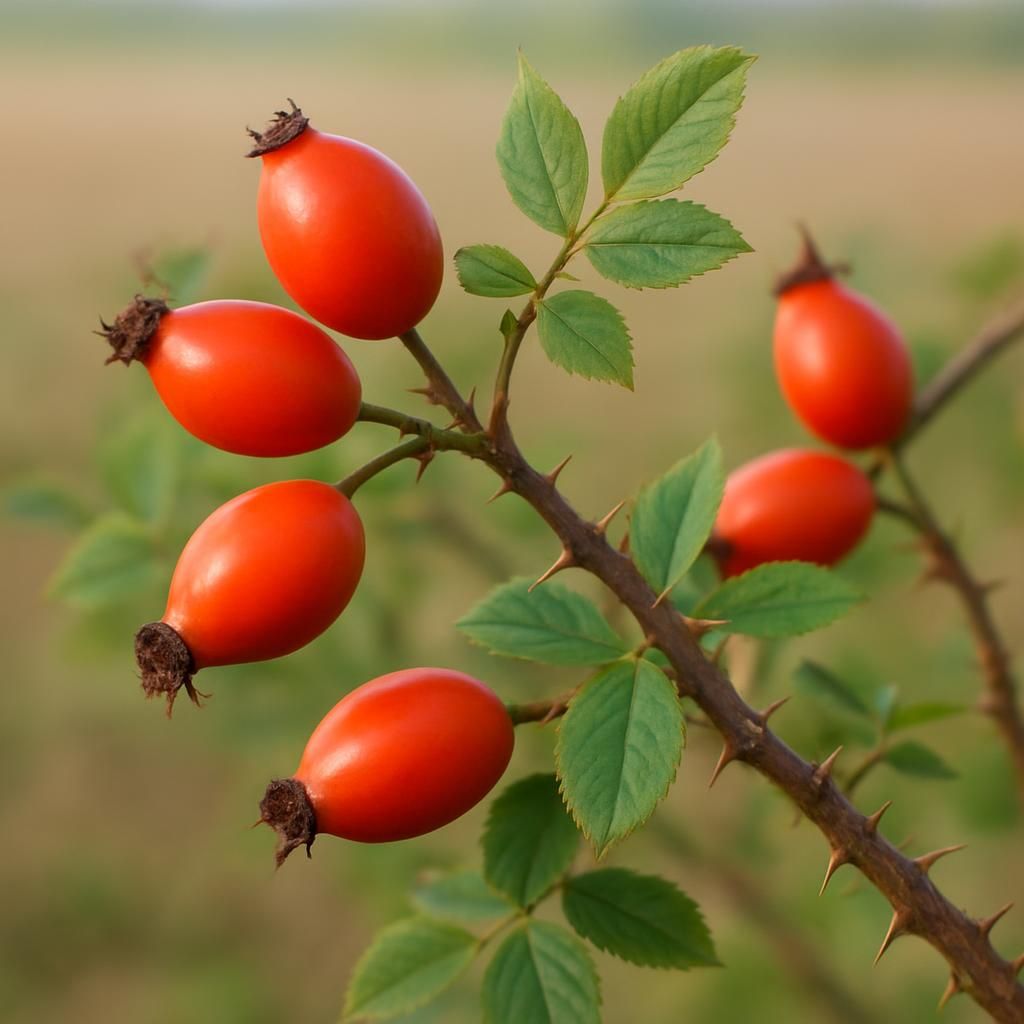
Rose Hips (Rosa canina)
Rosa canina, commonly known as the dog rose, produces vitamin-C-rich rose hips that are harvested for culinary, medicinal, and ornamental uses. This deciduous shrub thrives in temperate climates and can be grown successfully on small farms or in home gardens with proper soil and pruning management.
View Guide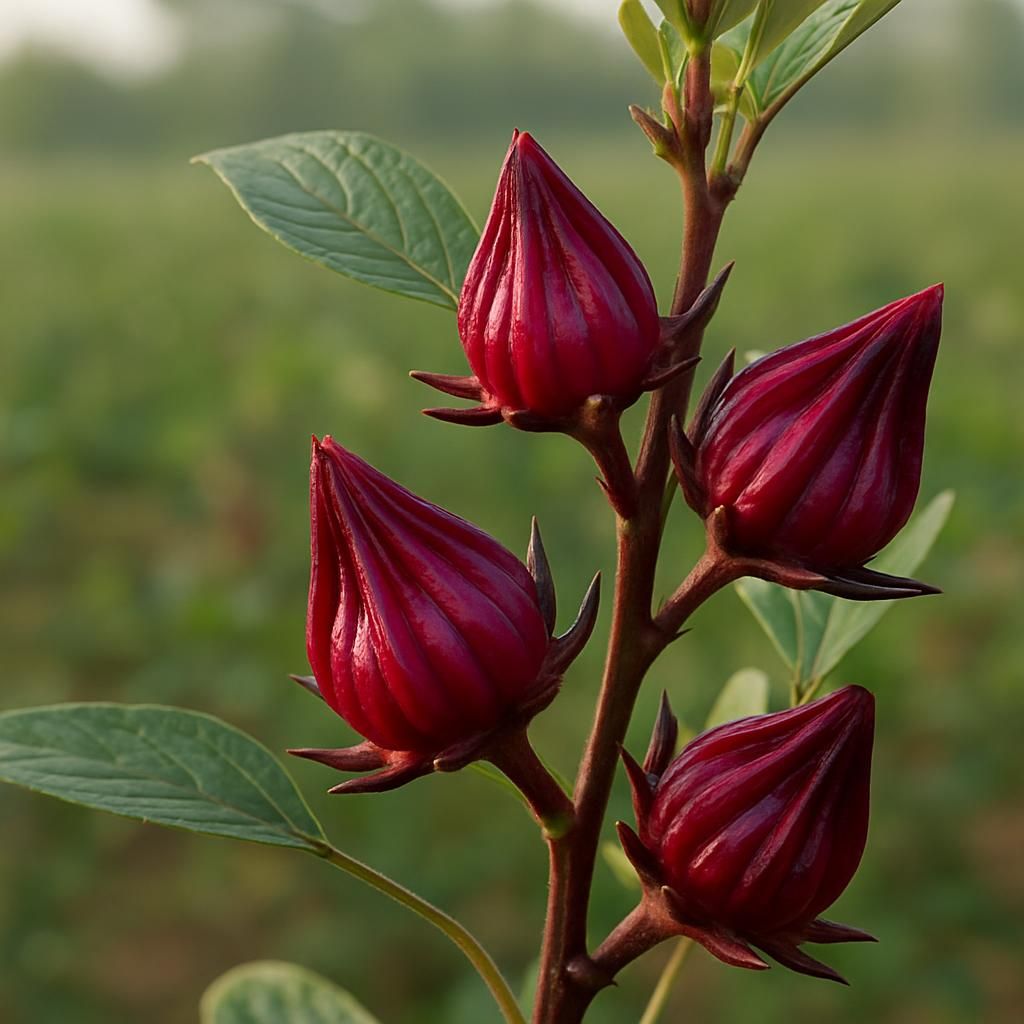
roselle
Roselle is a fast-growing annual hibiscus grown for its vibrant red calyces used in teas, beverages, and preserves. This heat-loving crop thrives in tropical and subtropical climates and is valued for its high vitamin C content and natural pectin. It offers farmers and gardeners a dual-purpose harvest of edible calyces and bast fiber.
View Guide
Rosemary
Rosemary is a woody, evergreen Mediterranean herb prized for its aromatic foliage, culinary value, and exceptional drought tolerance once established. Although often considered easy, it performs best when growers understand its strict requirement for sharp drainage, moderate fertility, strong light, and careful water management.
View Guide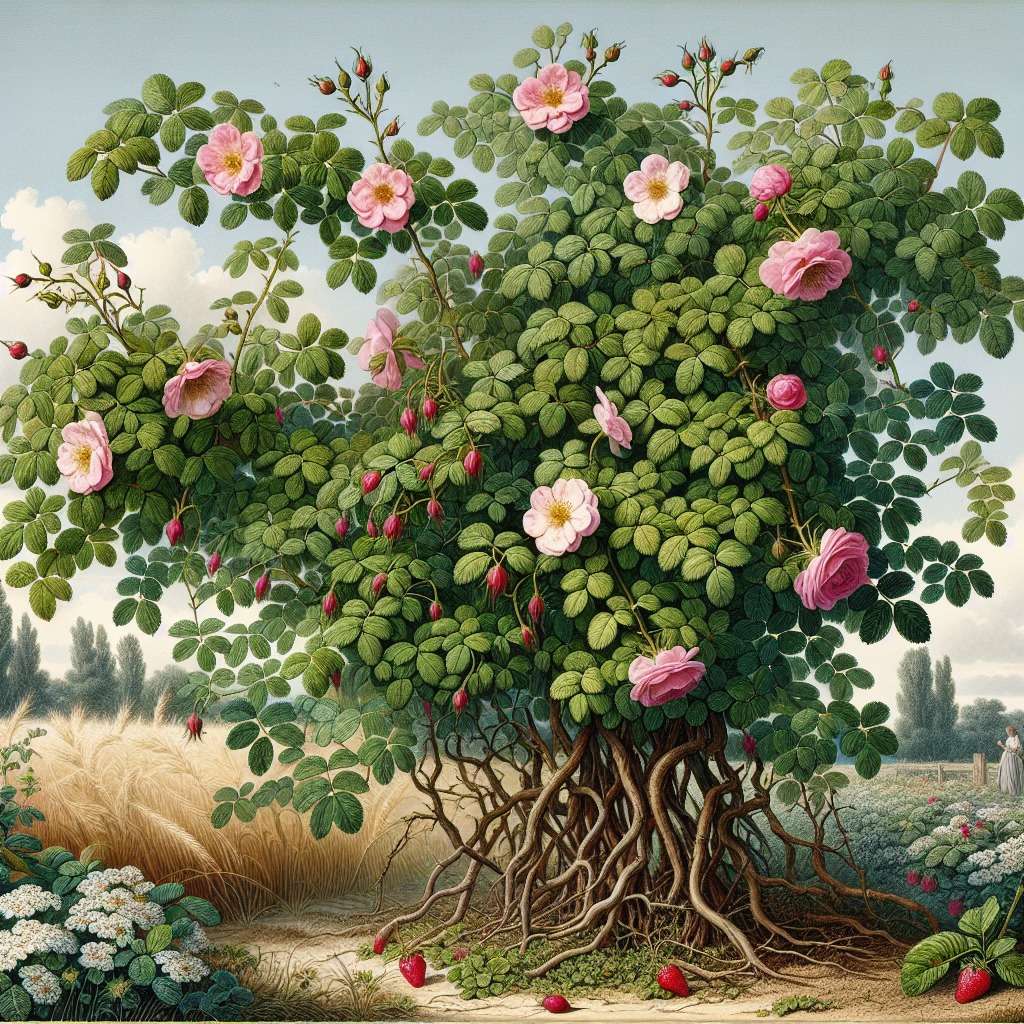
roses
Roses, while prized ornamentals, can become aggressive invasive pests in agricultural settings by outcompeting crops for resources, spreading rapidly via seeds and roots, and harboring pests like aphids. This guide provides definitive diagnostics for rose infestations and proven organic management strategies to eradicate them from farms and gardens. Effective control requires understanding their lifecycle and implementing prevention to protect yields.
View Guide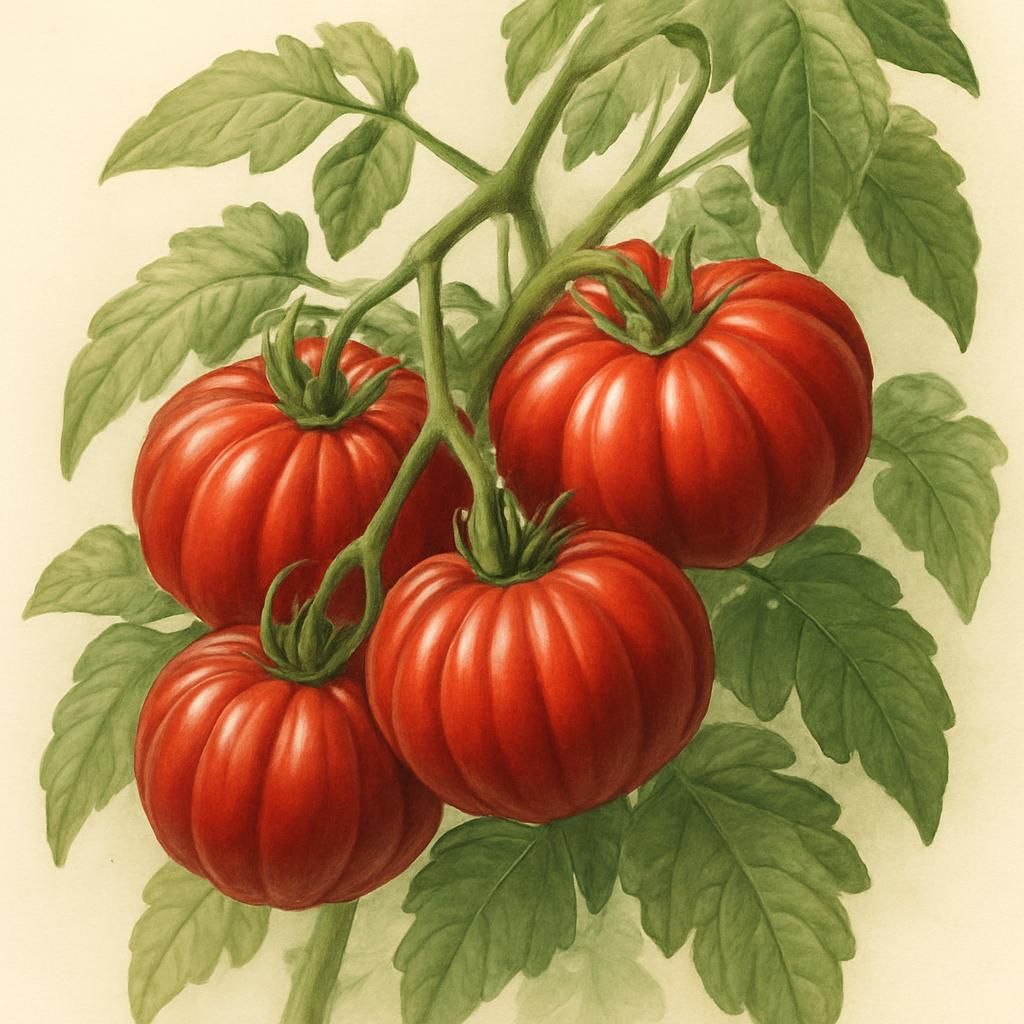
Rosso Sicilian Tomato
Rosso Sicilian Tomato is a rare, heritage Italian variety prized for its intense flavor and deep red, ribbed fruit. It performs well in Mediterranean-style climates and is favored by home gardeners and market growers for its exceptional culinary quality.
View Guide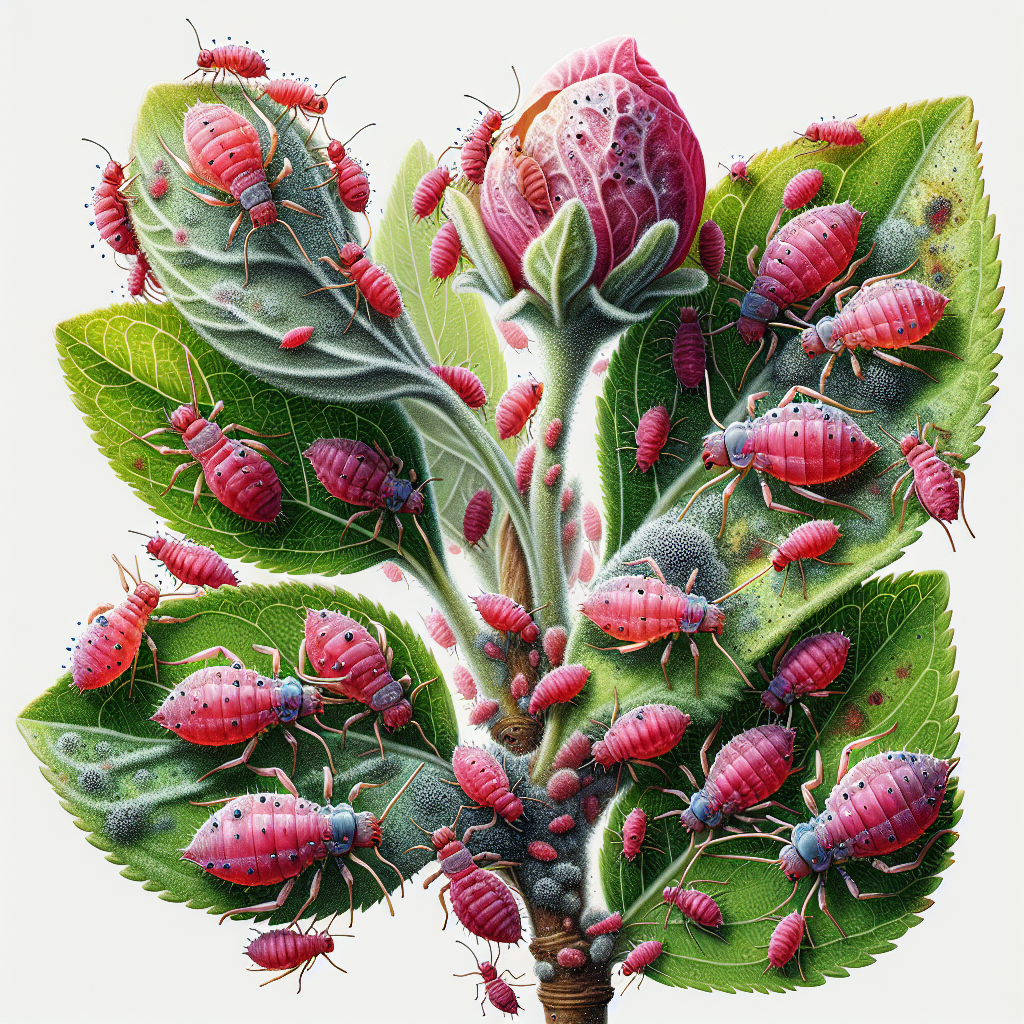
Rosy apple aphid
The rosy apple aphid (Dysaphis plantaginea) is a major pest of apple orchards, causing curled leaves, stunted growth, and sooty mold from honeydew excretion. It overwinters as eggs on apple trees and rapidly multiplies in spring, leading to significant yield losses if unmanaged. Effective organic controls include beneficial insects, horticultural oils, and cultural practices for long-term prevention.
View Profile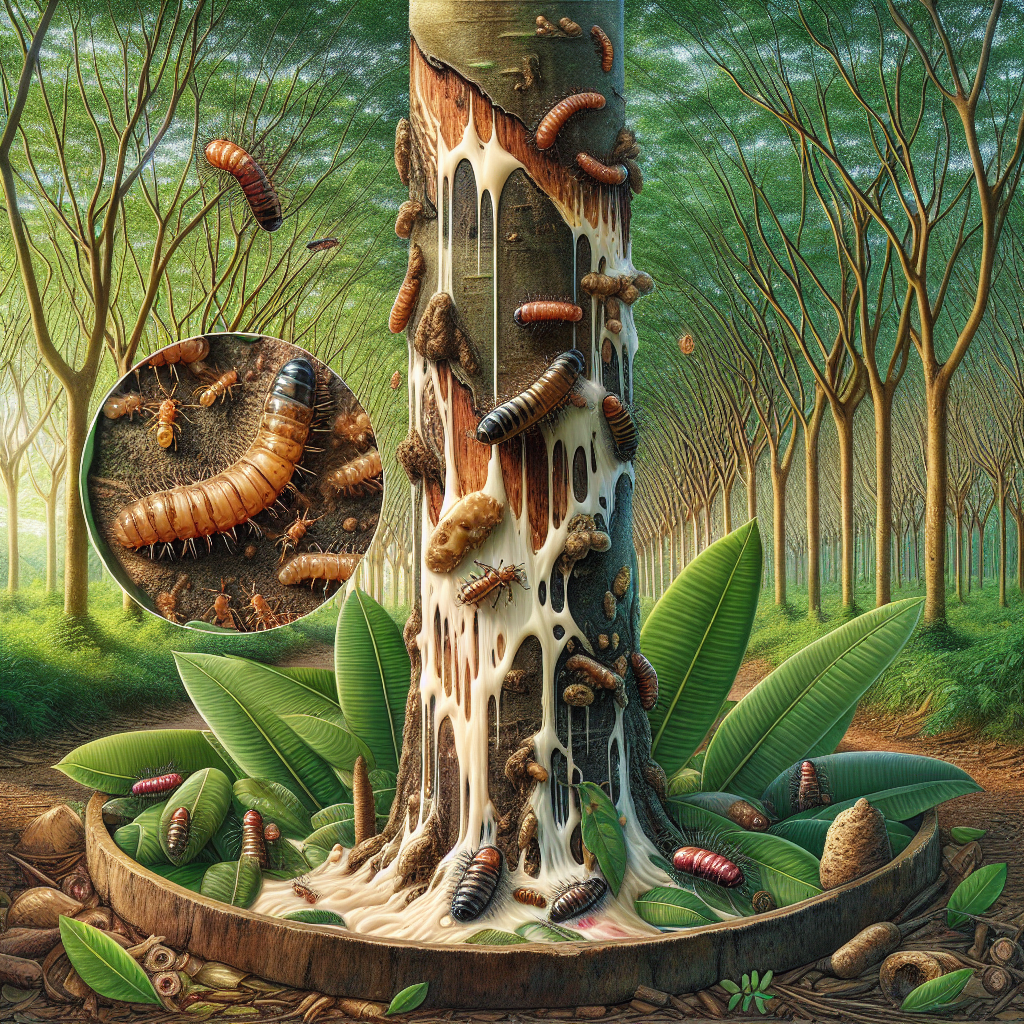
rubber
Rubber, scientifically known as Hevea brasiliensis, is a major tropical crop exploited for its latex but faces severe pest and disease pressures that can devastate plantations. This guide provides comprehensive diagnostics, lifecycle insights, and organic management strategies to protect yields. Learn to identify early symptoms, understand environmental triggers, and implement prevention for sustainable rubber cultivation.
View Profile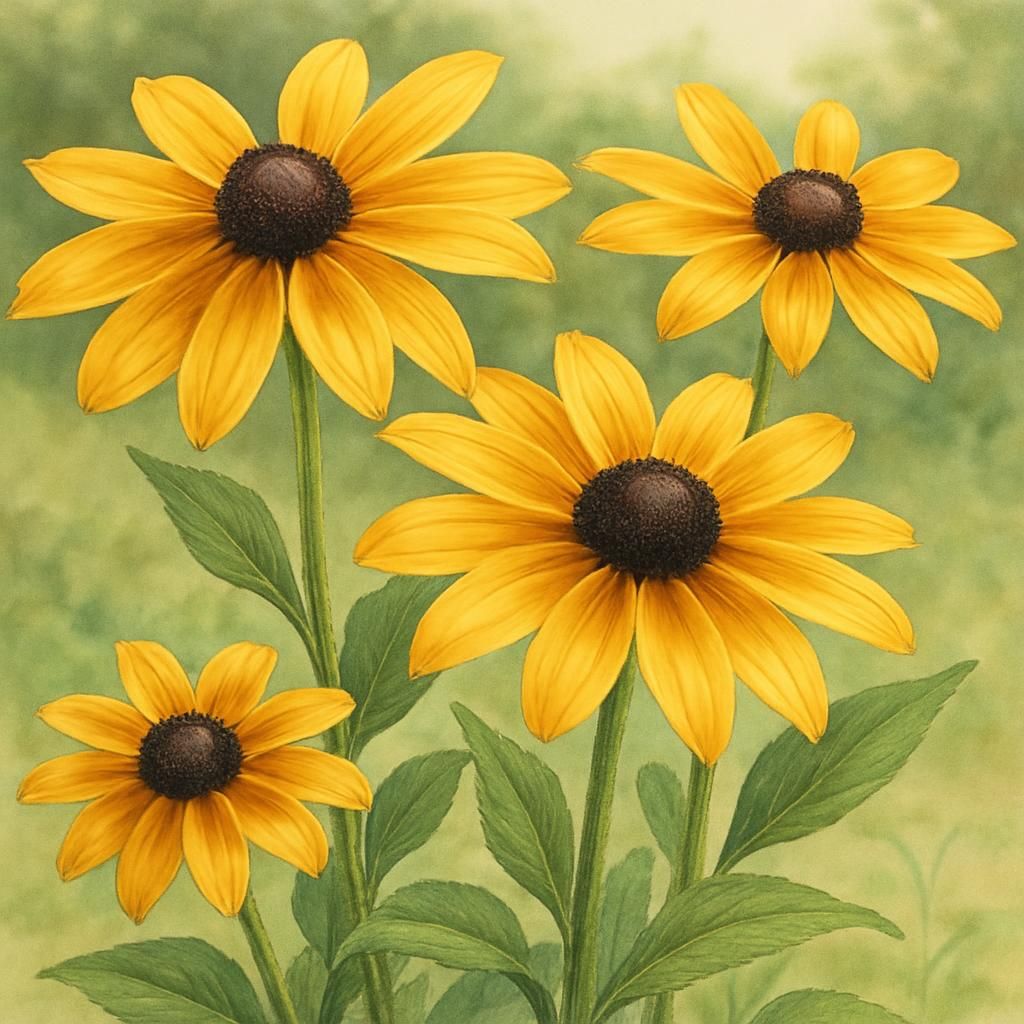
rudbeckia
Rudbeckia, commonly known as black-eyed Susan, is a hardy, sun-loving perennial or biennial prized for its bright daisy-like blooms and exceptional drought tolerance. This definitive guide covers soil preparation, propagation, seasonal care, and organic pest management to ensure abundant, long-lasting flowers.
View Guide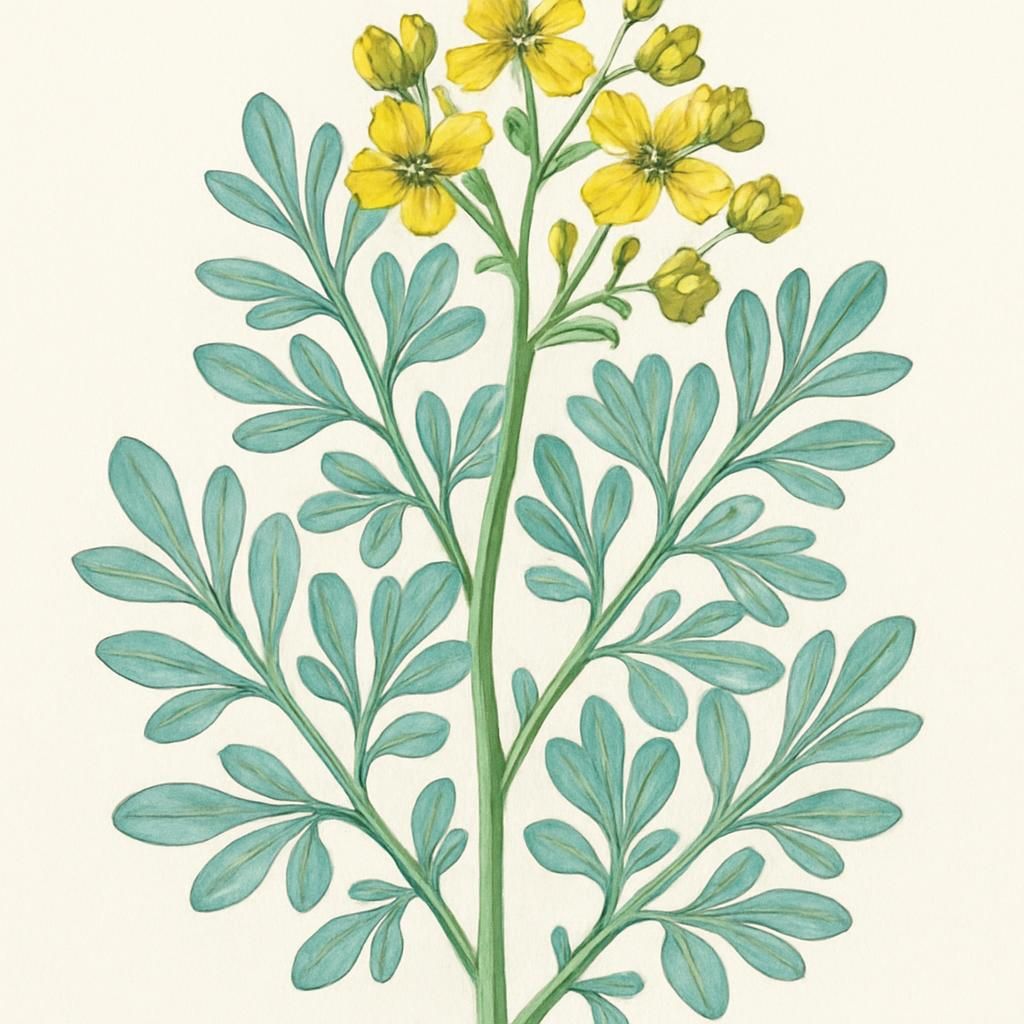
Rue
Rue is a hardy, aromatic evergreen herb traditionally grown for its medicinal, culinary, and insect-repelling properties. It thrives in full sun and well-drained soils, tolerating drought once established.
View Guide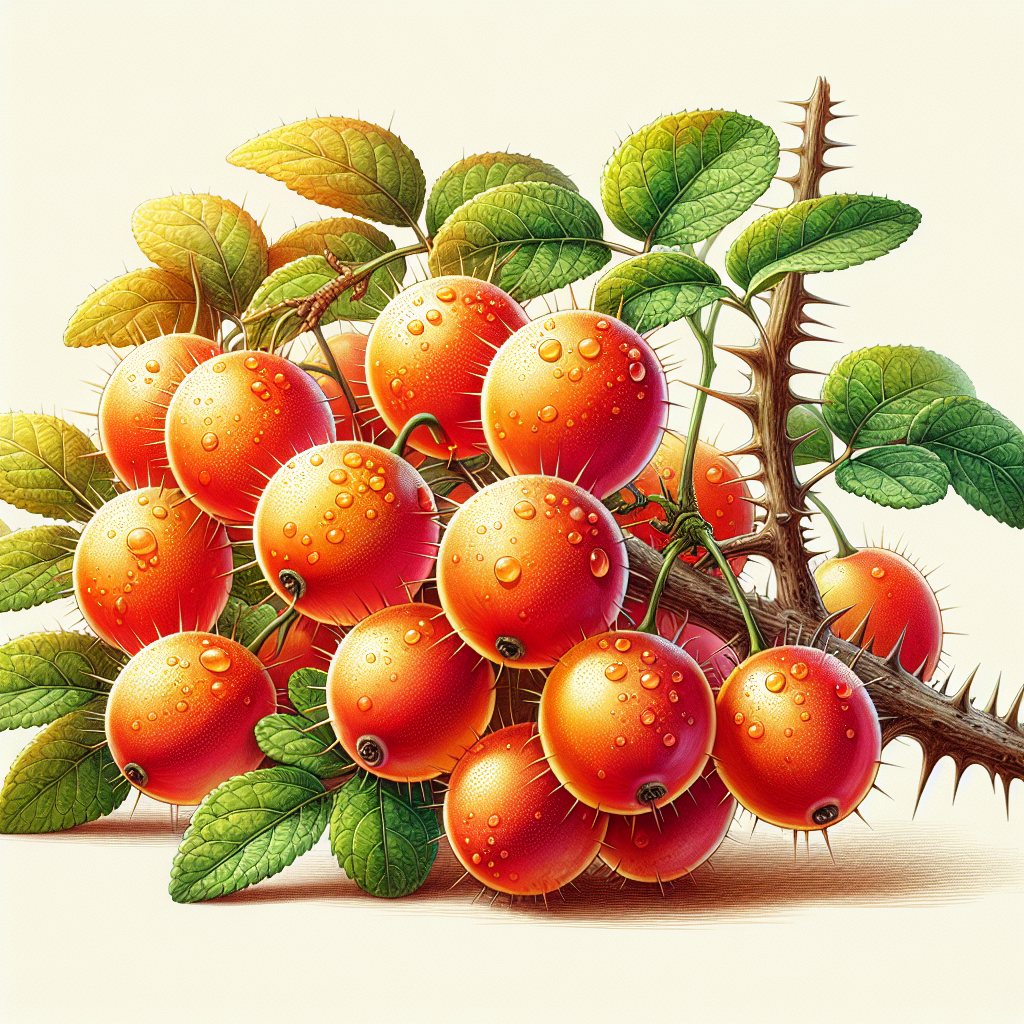
Rukam (Flacourtia rukam)
Rukam (Flacourtia rukam) is a resilient tropical shrub producing tangy, vitamin-rich fruits ideal for fresh eating, jams, and preserves. Thriving in diverse soils and hot climates, it offers small farms a low-maintenance, high-yield option with strong pest resistance. This guide provides expert cultivation techniques for optimal production.
View Guide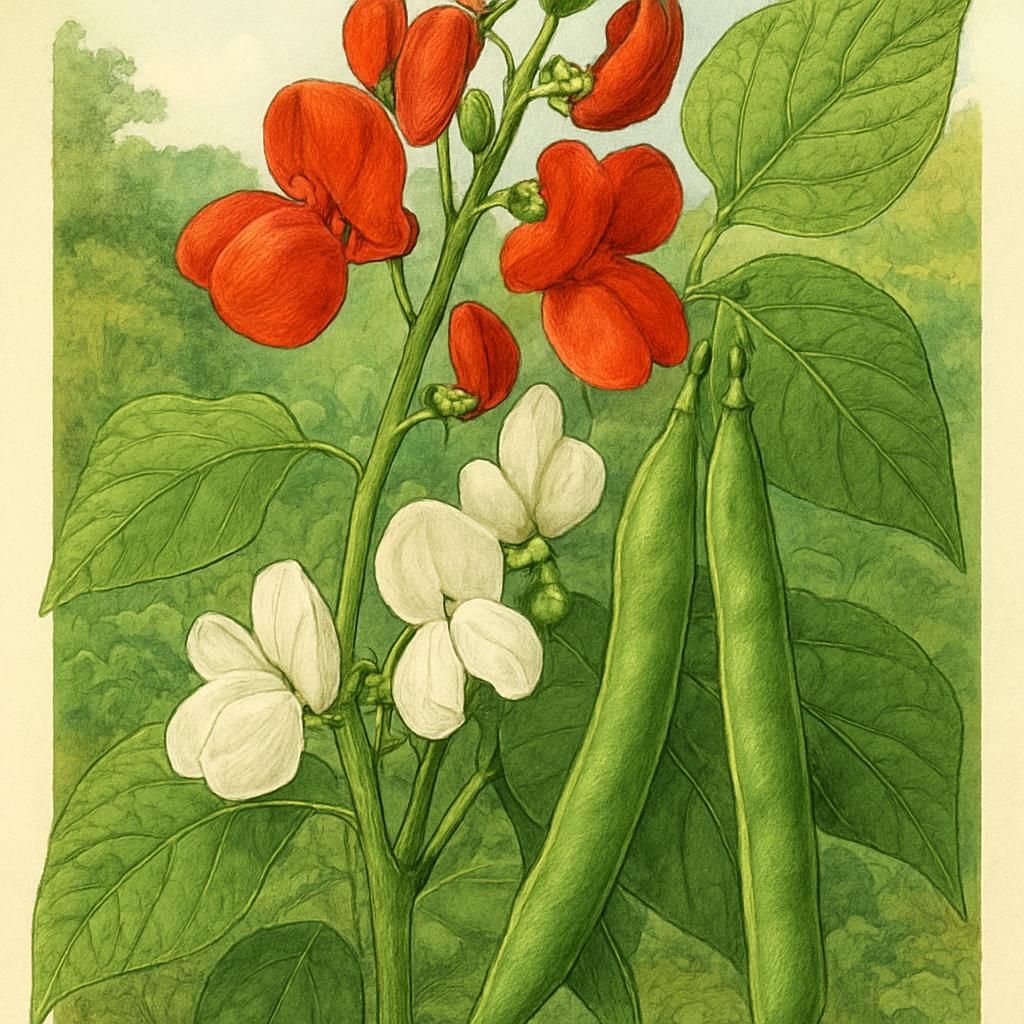
Runner Bean (Painted Lady)
Runner Bean 'Painted Lady' is a vibrant, dual-purpose crop known for its ornamental flowers and edible pods. Recognized for its easy cultivation and attractive appearance, this bean is ideal for backyard gardeners and small farms.
View Guide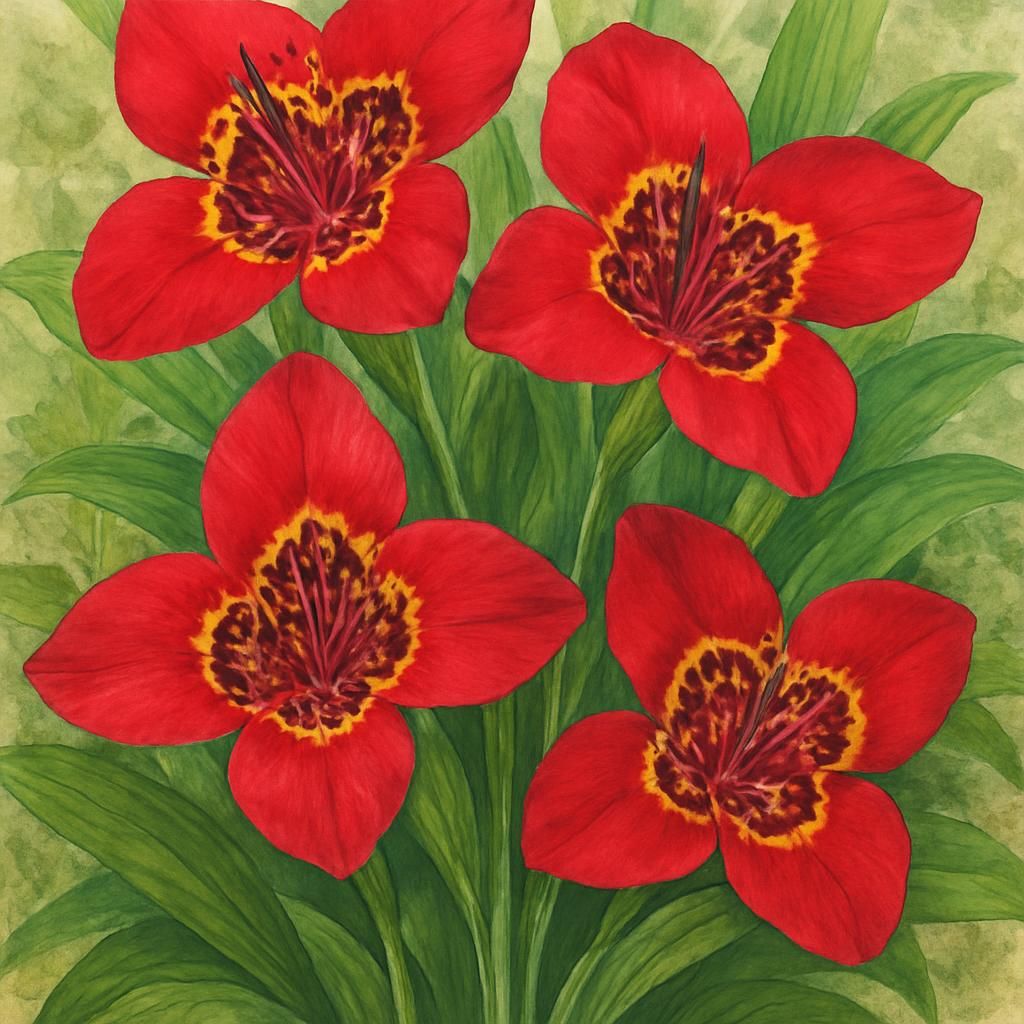
Runner Bean (Scarlet Emperor)
Runner Bean 'Scarlet Emperor' is a prolific climbing bean known for its vibrant red flowers and delicious pods. Ideal for temperate climates, it can be easily grown in gardens and provides both decorative and edible benefits.
View Guide
Runner Peanuts
Runner peanuts are a high-yielding market type of peanut prized for their uniform kernel size, strong flavor after roasting, and widespread use in peanut butter production. They require a long, warm growing season, loose well-drained soil, and careful management during flowering, pegging, and pod fill to achieve top yields and quality.
View Guide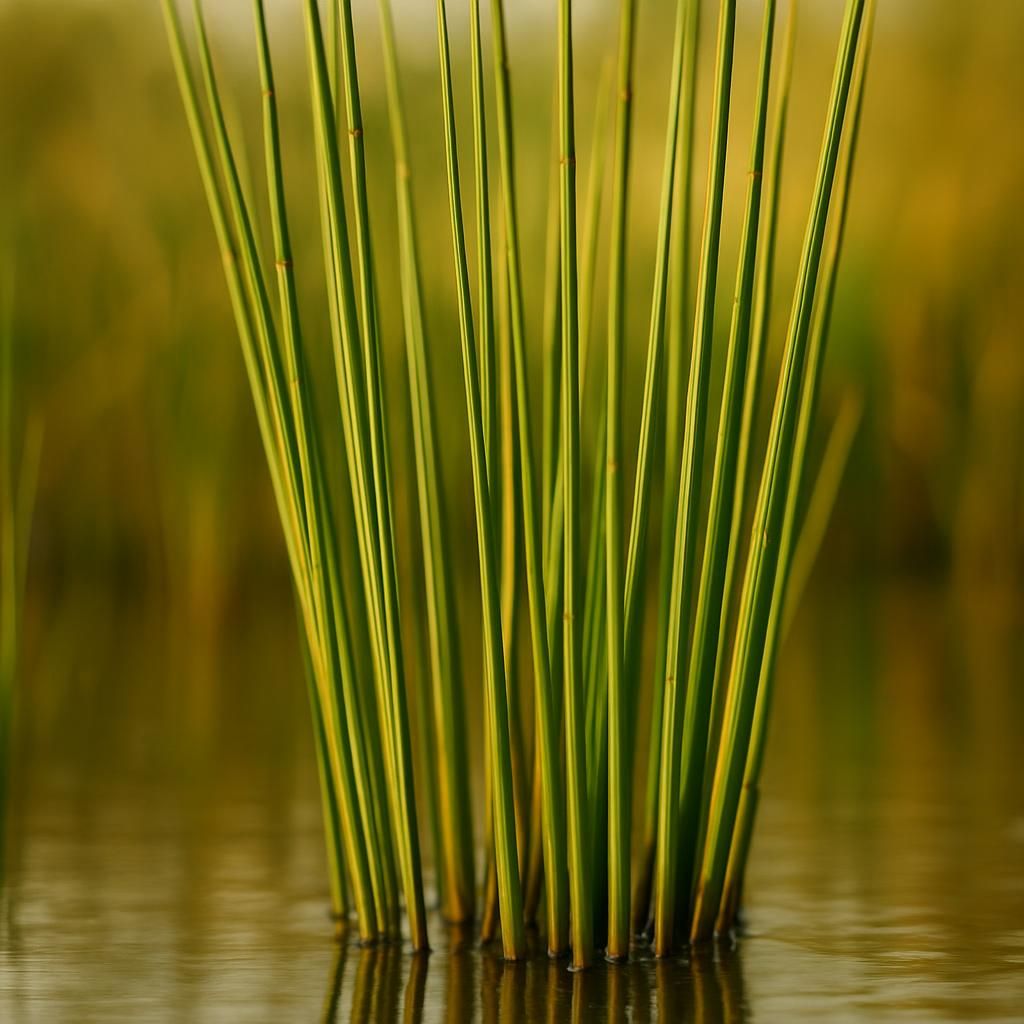
rushes
Rushes are versatile wetland perennials valued for erosion control, soil remediation, and sustainable fiber production in marginal or waterlogged agricultural land.
View Guide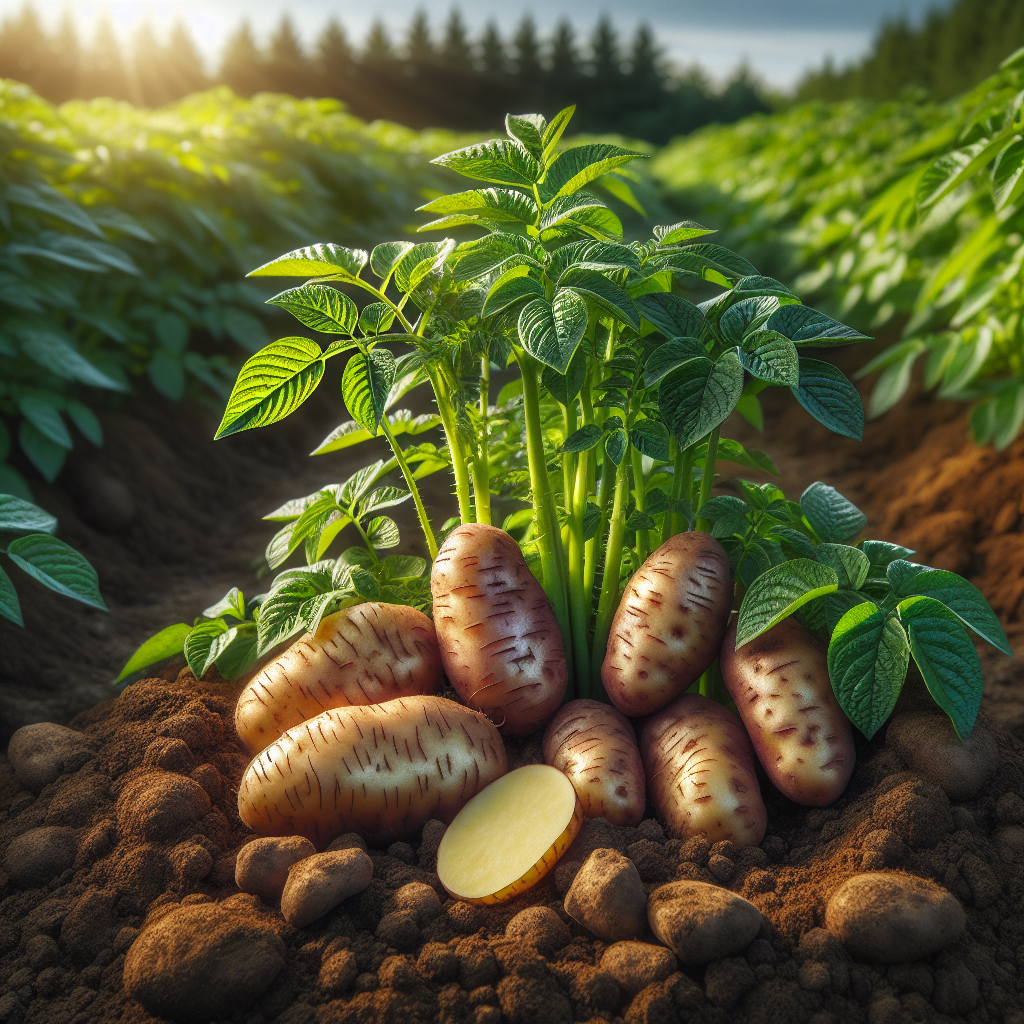
Russet Burbank Potato
Russet Burbank is the classic long, brown-skinned baking and processing potato best known for fries, baked potatoes, and long storage. It is a late-maturing cultivar with high dry matter, strong culinary performance, and demanding management needs, especially around fertility, irrigation consistency, and disease prevention.
View Guide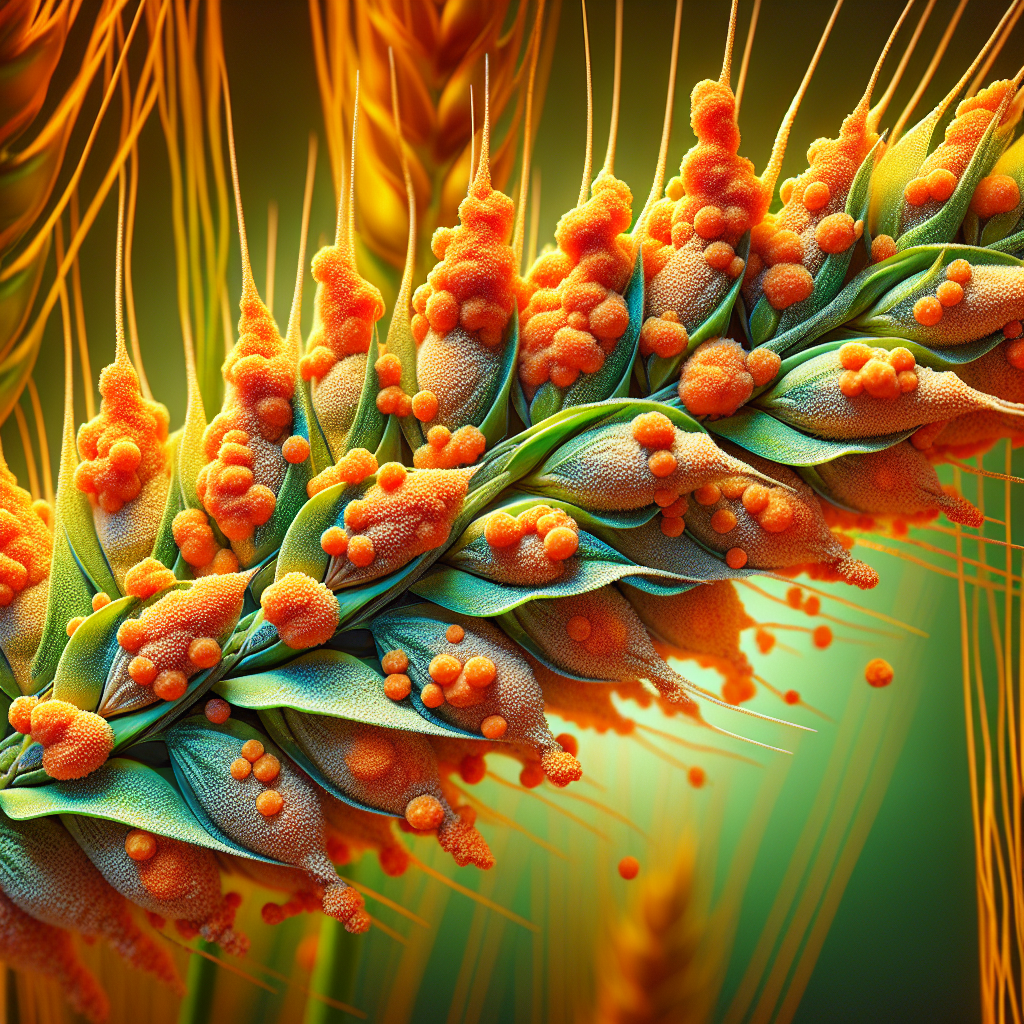
Rust-like diseases
Rust-like diseases are fungal infections primarily caused by Pucciniales order fungi, producing characteristic orange, yellow, or reddish powdery spores on plant surfaces, mimicking true rusts. These diseases affect leaves, stems, and fruits, leading to reduced photosynthesis, yield loss, and plant weakening. Effective management relies on early identification, cultural practices, and organic fungicides for sustainable control.
View Profile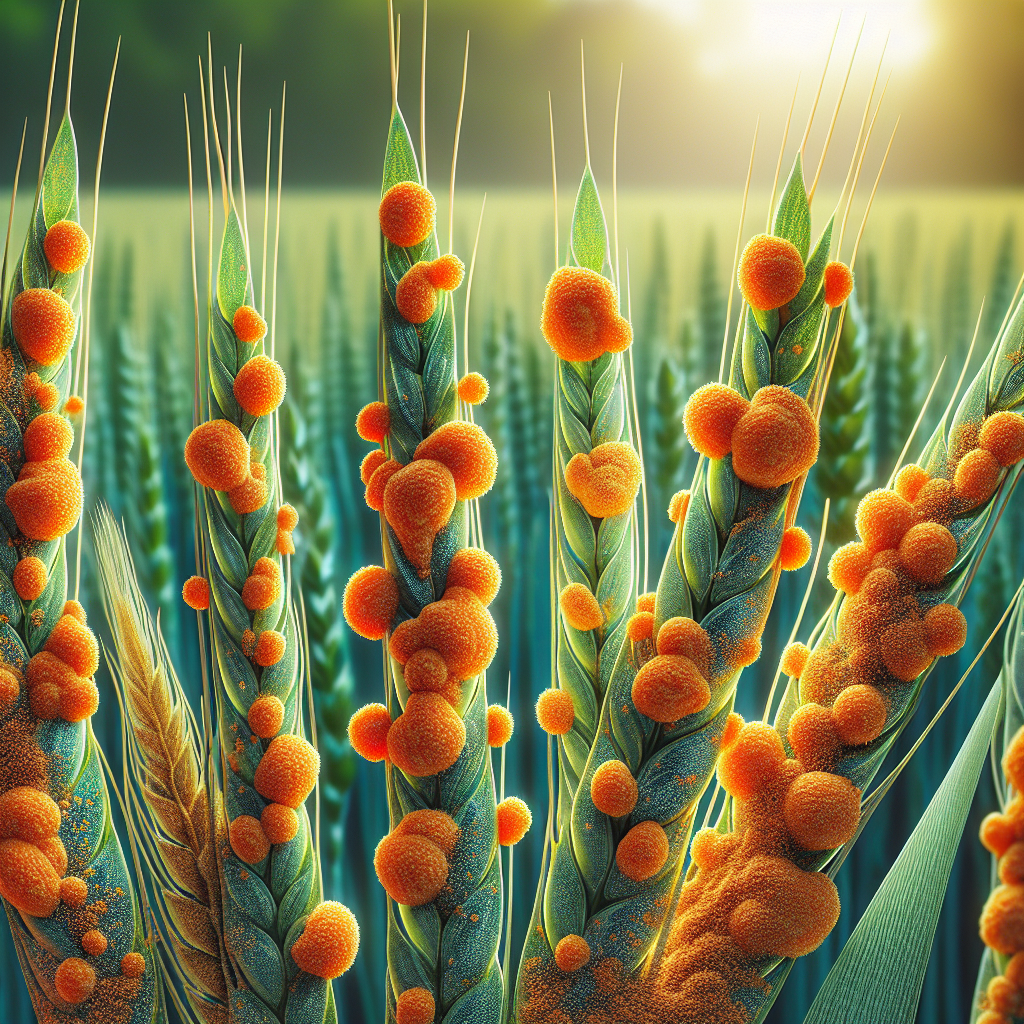
Rusts
Rusts are fungal diseases caused by basidiomycete pathogens that produce characteristic rusty-colored pustules on plant tissues, leading to significant yield losses in cereals, vegetables, and ornamentals. These obligate parasites require living host tissue and often alternate between hosts in complex lifecycles. Effective management combines resistant varieties, cultural practices, and targeted organic fungicides for sustainable control.
View Profile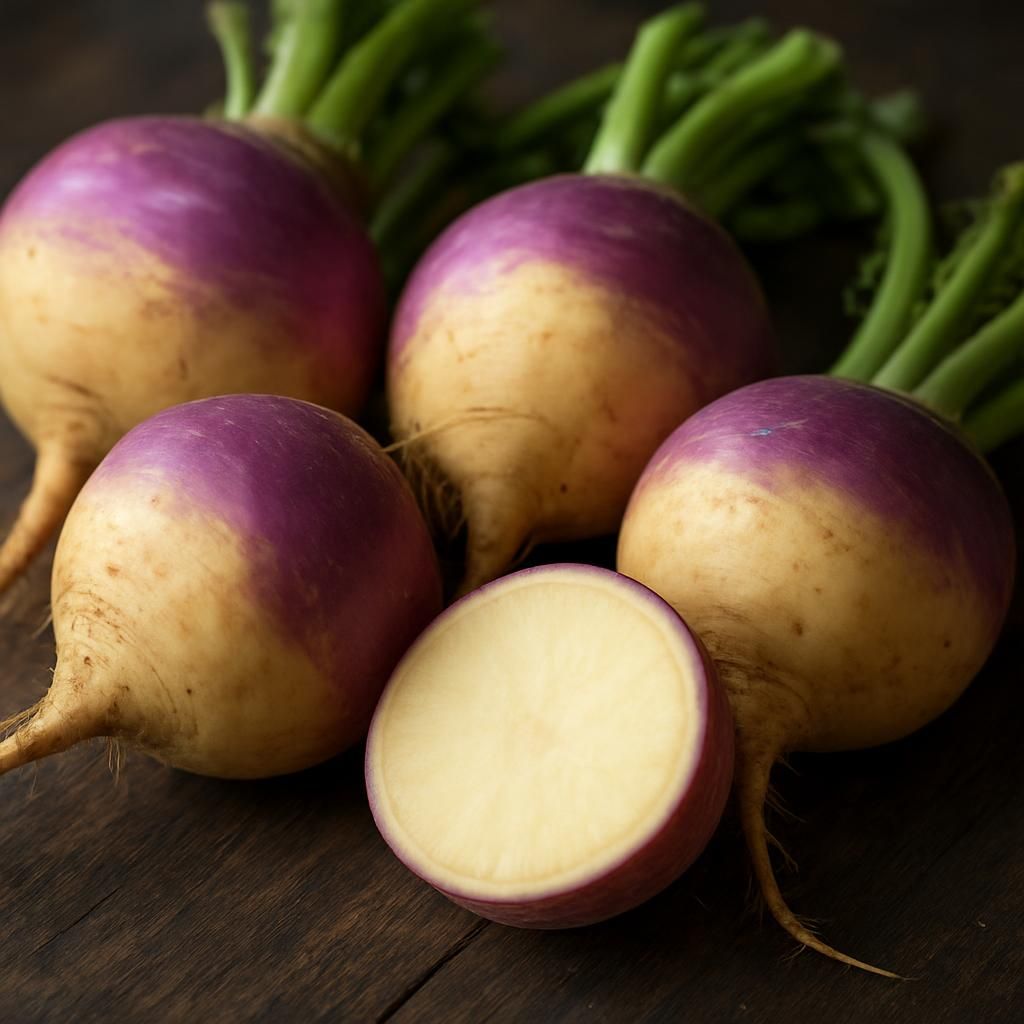
Rutabaga (American Purple Top)
Rutabaga (American Purple Top) is a cool-season root crop prized for its large, sweet, purple-shouldered bulbs that combine the best traits of turnips and cabbage. This guide delivers professional-grade, field-tested growing advice for home gardeners and commercial growers seeking reliable yields and long-term storage.
View Guide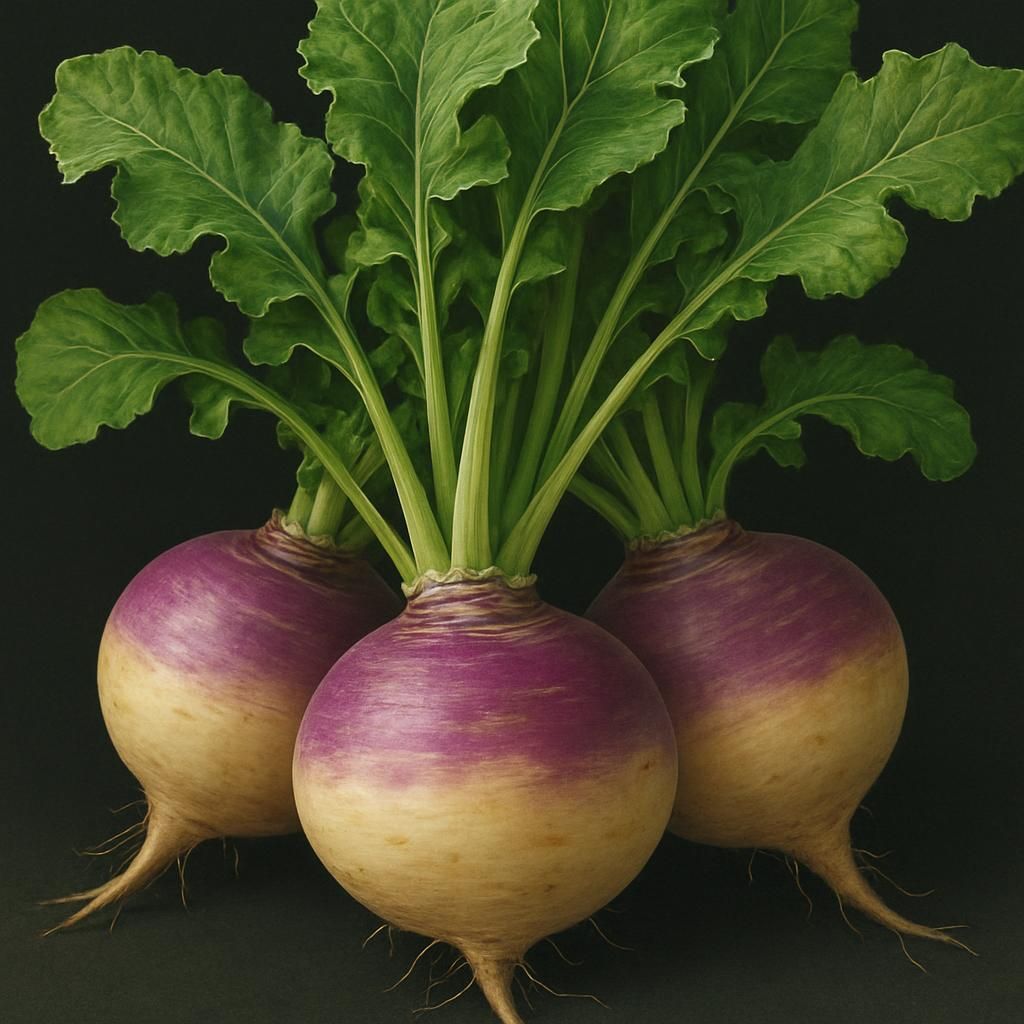
Rutabaga (Joan)
Rutabaga (Joan) is a high-yielding, cold-hardy root vegetable prized for its smooth, mild-flavored yellow flesh and reliable storage qualities. This cultivar excels in cool-season production with strong disease resistance and uniform roots ideal for both fresh markets and winter storage.
View Guide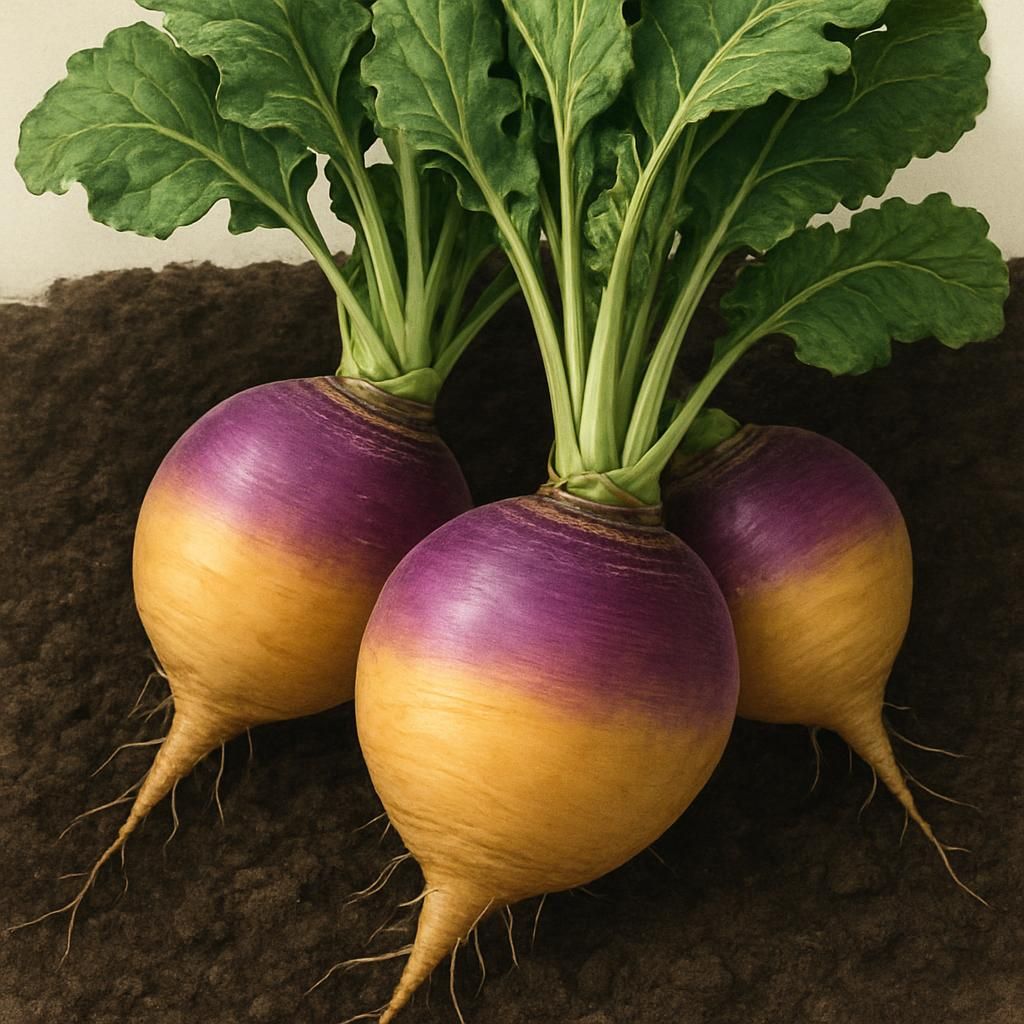
Rutabaga (Laurentian)
Laurentian rutabaga is a cold-hardy, high-yielding root crop prized for its smooth, purple-shouldered globes and sweet, dense flesh. This guide covers every stage from soil preparation through long-term storage with professional-grade, research-backed practices.
View Guide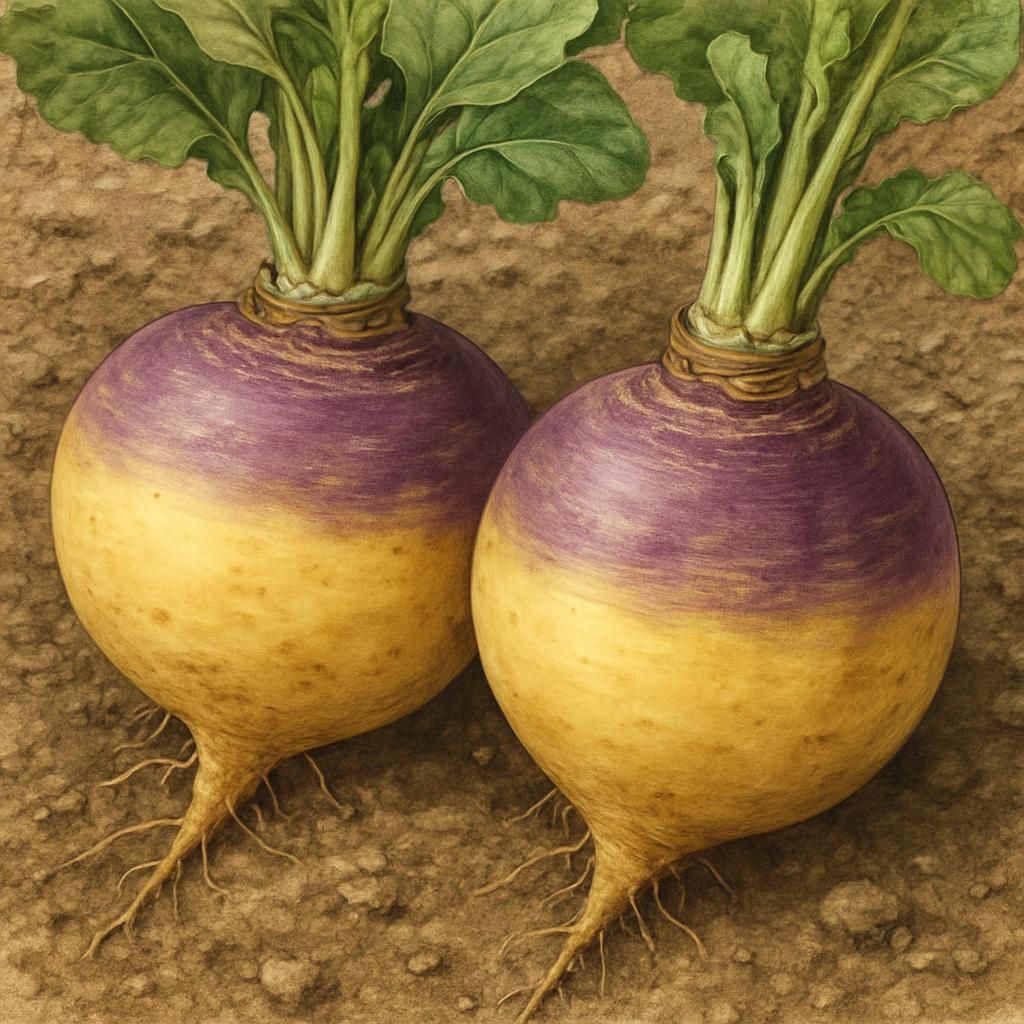
Rutabaga (Marian)
Rutabaga (Marian) is a hardy, cool-season root crop prized for its large, globe-shaped yellow-fleshed roots and sweet, nutty flavor after frost exposure. This variety offers excellent disease resistance and reliable yields for both home gardeners and commercial growers. It thrives in well-drained soils and is best suited to temperate climates with cool autumns.
View Guide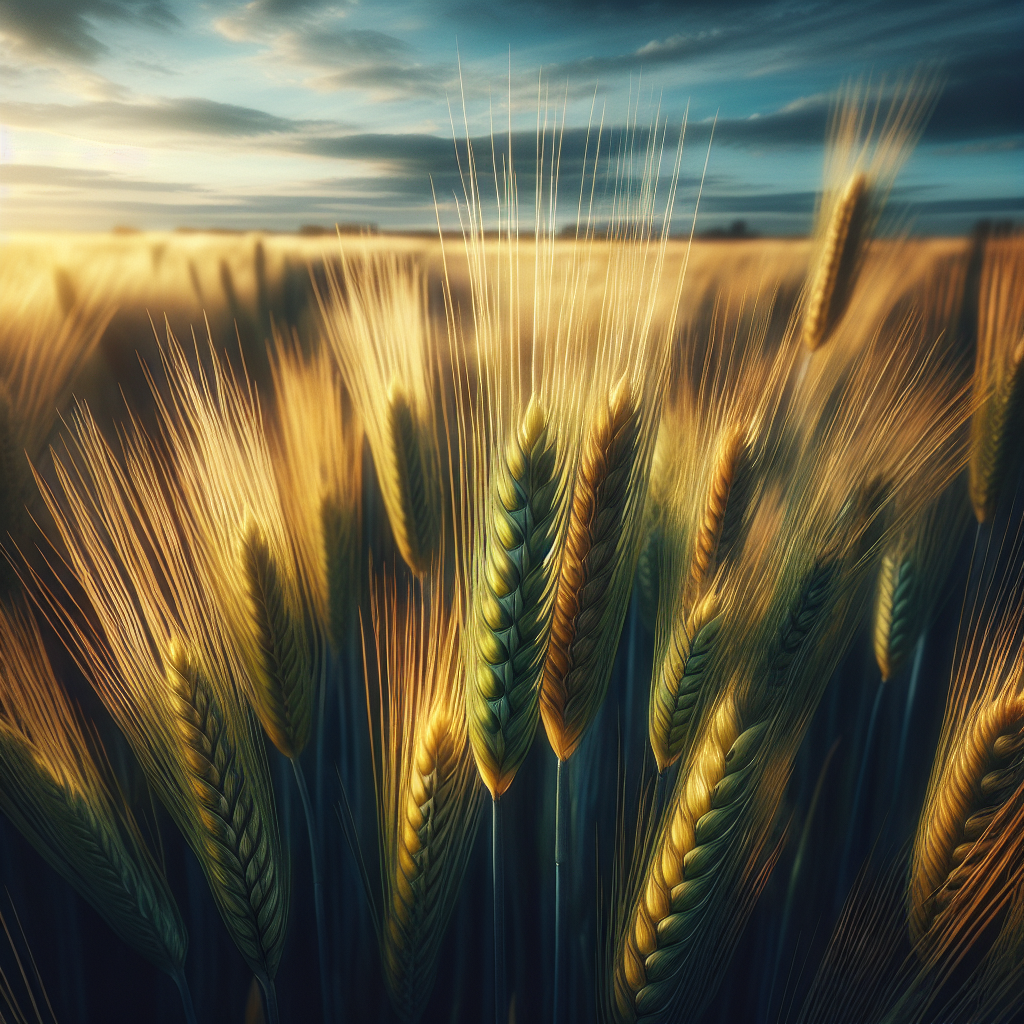
Rye
Rye is a hardy temperate cereal grain valued for its exceptional cold tolerance, ability to grow on lighter and less fertile soils, and usefulness as both a grain crop and cover crop. It is widely grown for bread flour, animal feed, forage, straw, and soil improvement, making it one of the most versatile small-grain species in diversified farming systems.
View Guide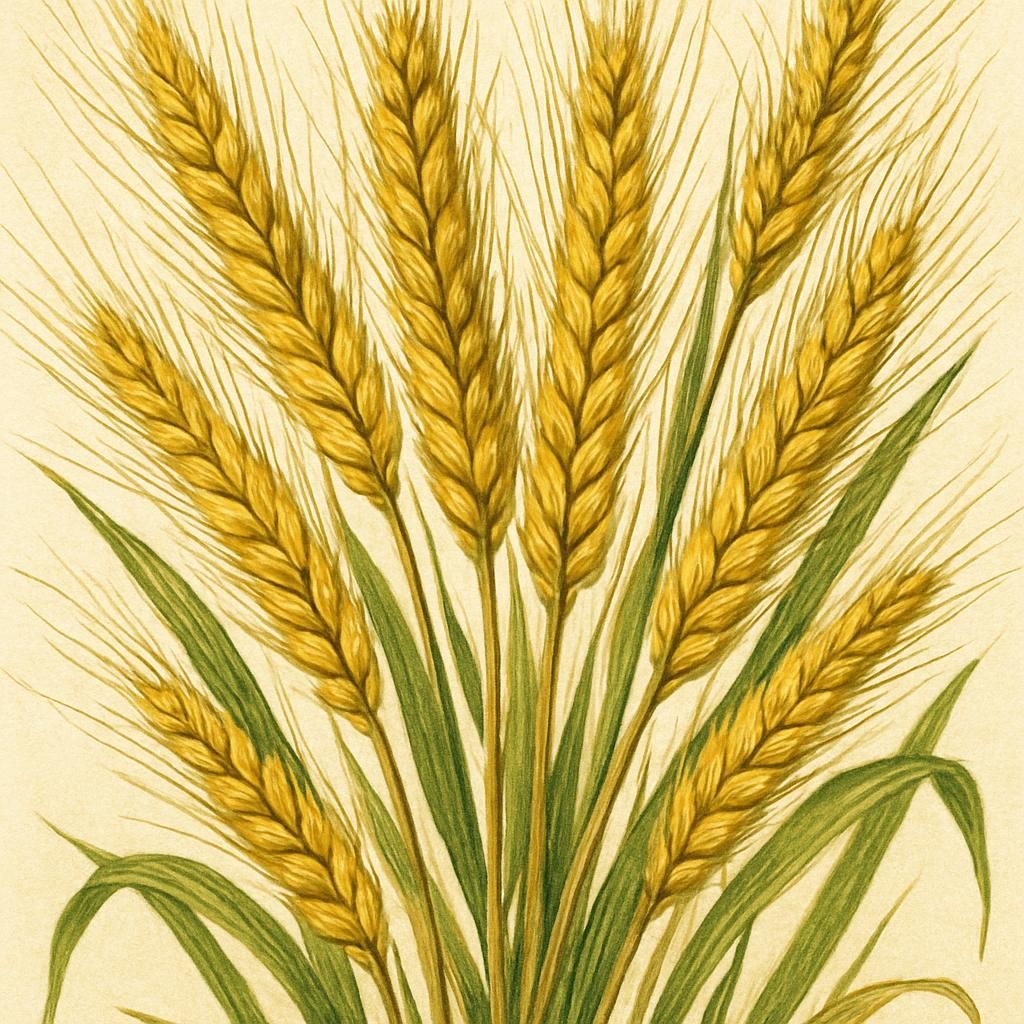
Rye (Aroostook)
Rye (Aroostook) is a hardy cereal grain variety known for its adaptability to colder climates and diverse soil types. It is primarily used as a cover crop, forage, and grain production due to its resilience and growth efficiency.
View Guide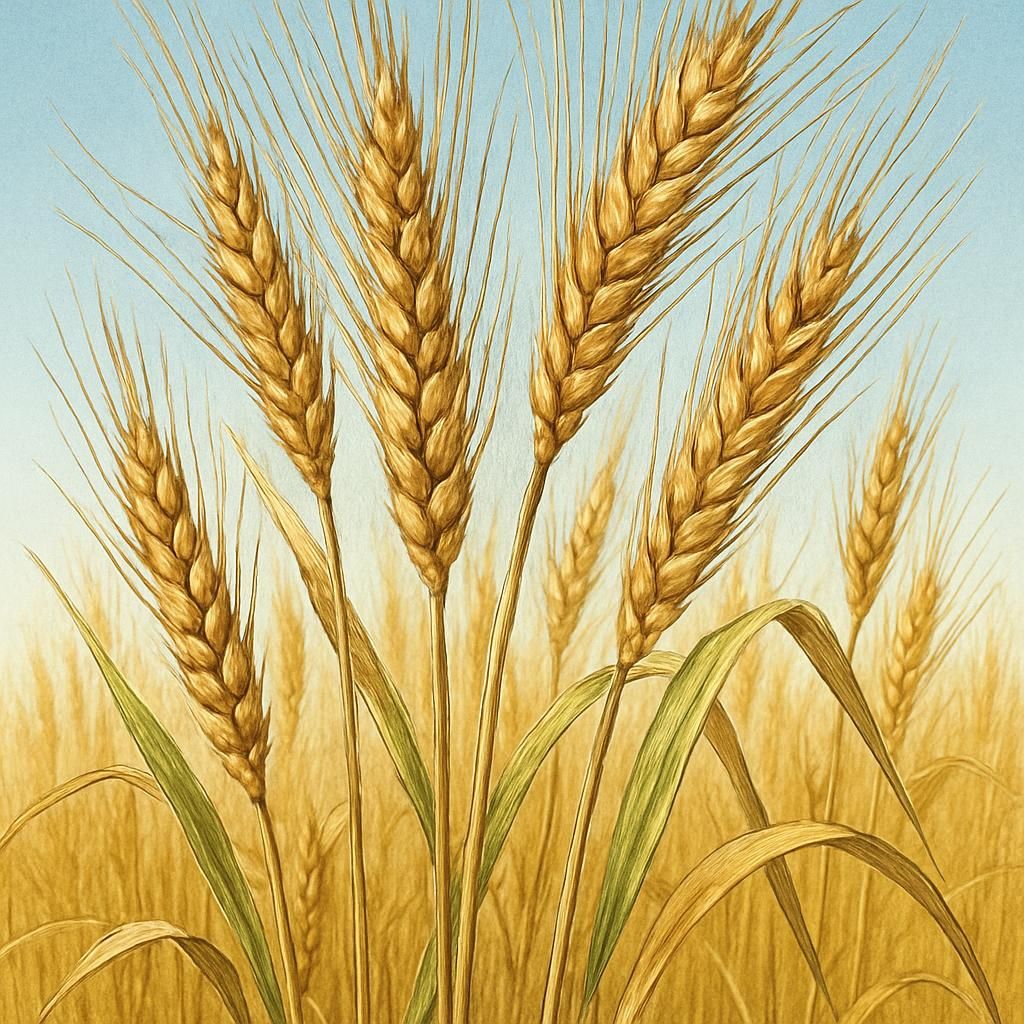
Rye (Dankowskie)
Dankowskie rye is a robust, resilient variety known for its adaptability to low-fertility soils and colder climates. It is primarily cultivated for grain production and is valued for its use in bread-making, brewing, and animal fodder.
View Guide