Encyclopedia
Definitive guides for crops, pests, and agricultural diseases.
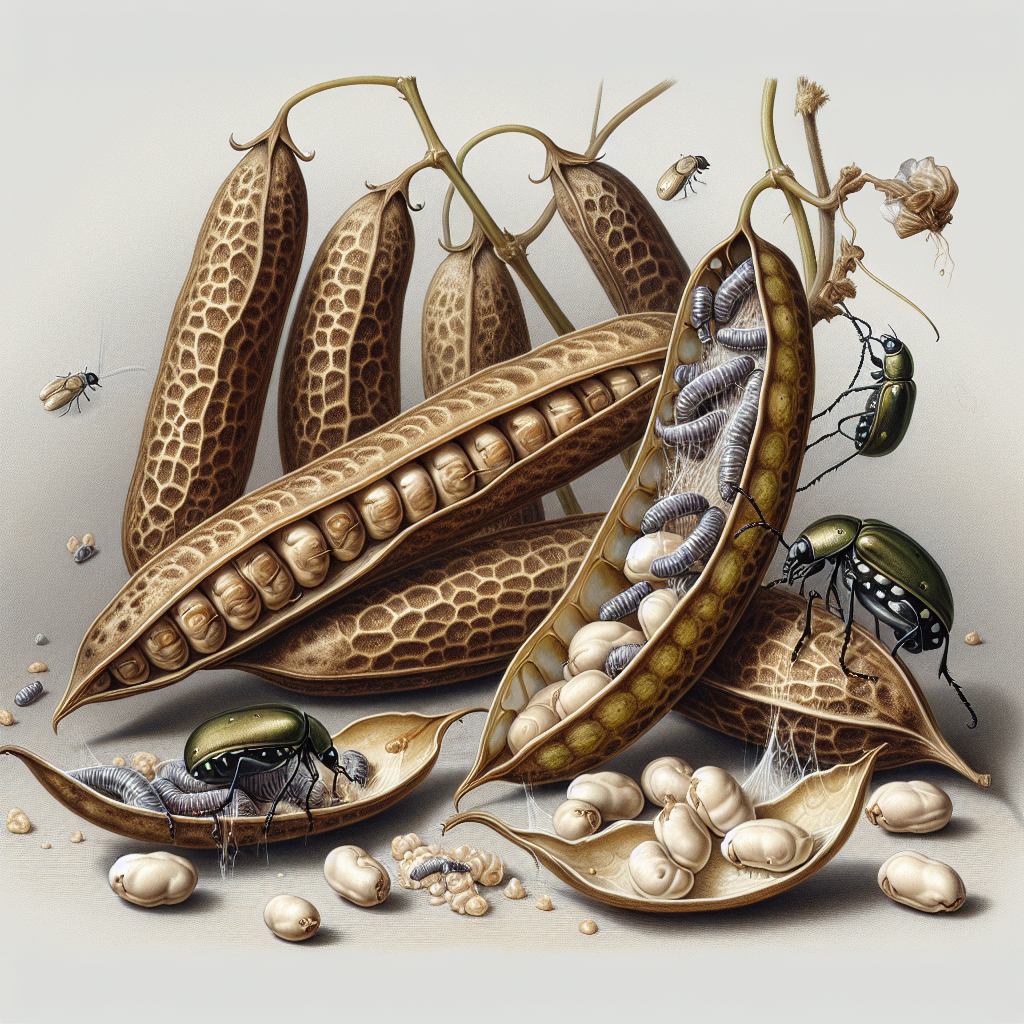
seed-feeding pests
Seed-feeding pests are insects that target seeds of crops, causing significant yield losses by consuming or damaging embryos during development or storage. Common culprits include weevils, bruchids, and seed maggots, affecting legumes, grains, and vegetables. Effective management combines cultural practices, biological controls, and monitoring for sustainable agriculture.
View Profile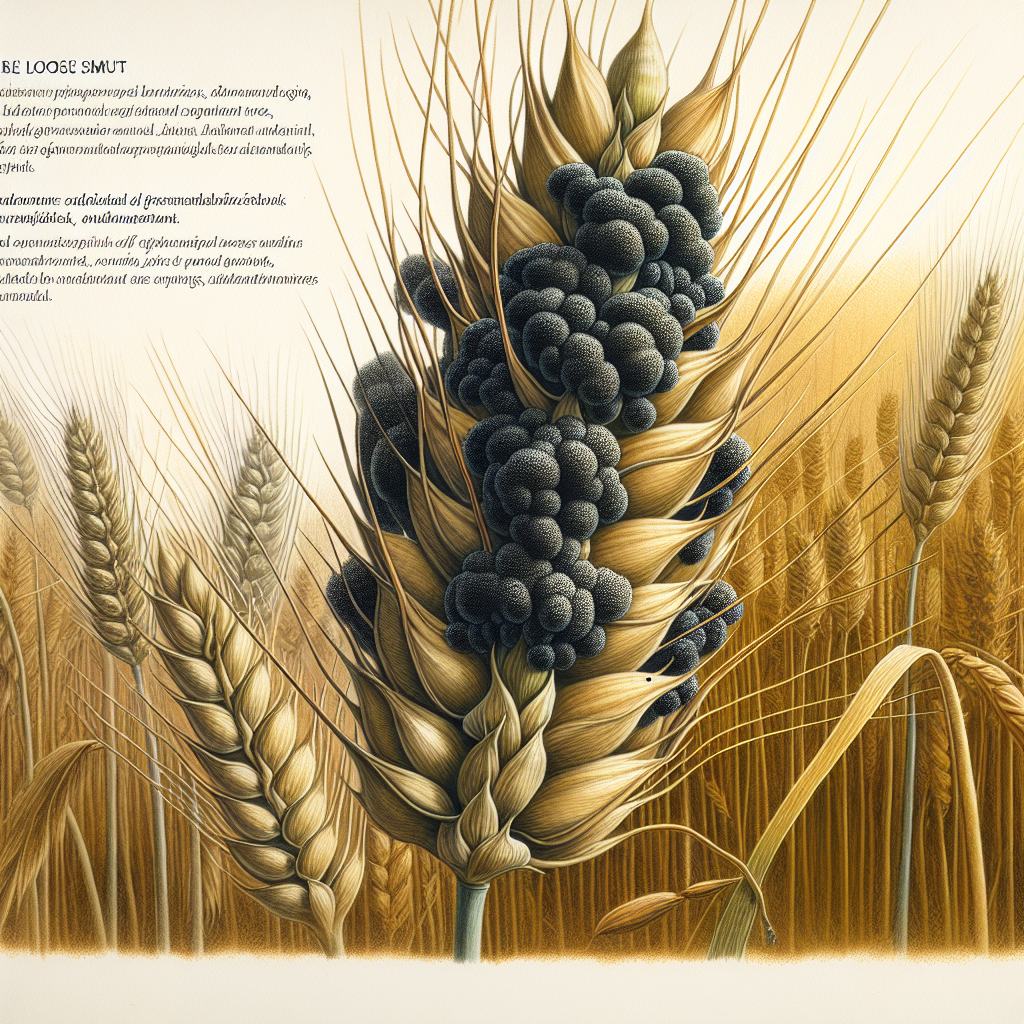
seedborne smuts
Seedborne smuts are fungal diseases transmitted through infected seeds, primarily affecting cereal crops like wheat, barley, and rice by replacing grain with black powdery spore masses. These pathogens cause significant yield losses and can contaminate harvests, making early detection and certified seed use critical for management. Organic control relies on hot water treatment, resistant varieties, and crop rotation to break the disease cycle.
View Profile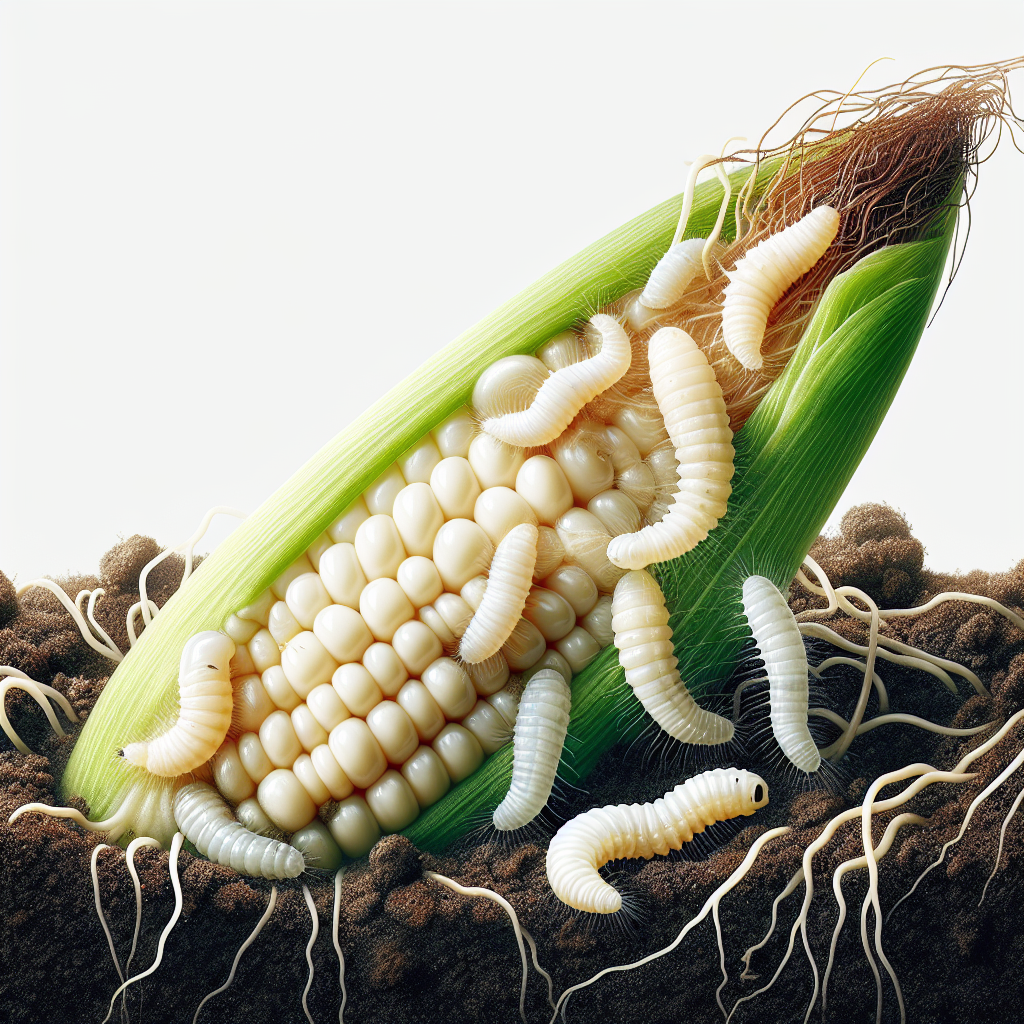
Seedcorn Maggot
The seedcorn maggot is a notorious soil-dwelling pest that targets germinating seeds and young seedlings of corn, beans, and other crops, causing severe stand losses in cool, wet springs. Larvae tunnel into seeds and roots, leading to rotting and plant death. Effective management relies on cultural practices, timing, and organic controls to protect vulnerable early-season plantings.
View Profile
Seedling Blights
Seedling blights are devastating fungal diseases that attack young plants in their most vulnerable stage, causing rapid wilting, discoloration, and death shortly after germination. Primarily triggered by soil-borne pathogens thriving in wet, cool conditions, they lead to significant stand losses in crops. Effective management relies on cultural practices, resistant varieties, and organic treatments to protect emerging seedlings.
View Profile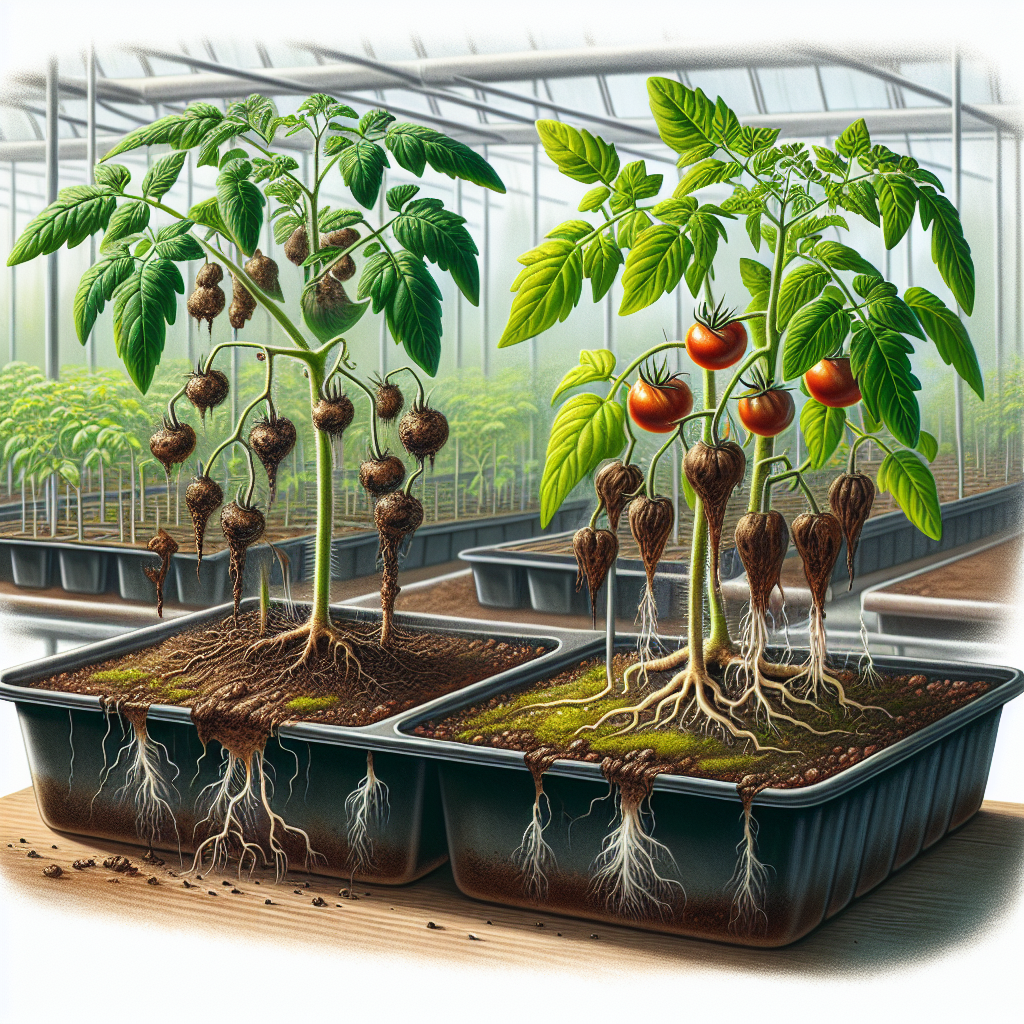
Seedling damping-off
Seedling damping-off is a devastating fungal disease that kills young seedlings shortly after germination, causing stems to rot at soil level and collapse. Caused primarily by water molds like Pythium and fungi such as Rhizoctonia and Fusarium, it thrives in overly wet, poorly aerated soils. Effective management relies on prevention through sanitation, proper sowing practices, and environmental control to ensure healthy crop establishment.
View Profile
Seedling diseases
Seedling diseases encompass a range of fungal and oomycete infections that attack germinating seeds and young plants, causing damping-off, root rot, and seedling blight. These diseases lead to rapid death of seedlings, resulting in poor stands and reduced yields in crops. Effective management relies on cultural practices, resistant varieties, and environmental control to minimize losses.
View Profile
Seedling pests
Seedling pests are a diverse group of soil-dwelling insects that target young plants, causing severe stand loss and reduced yields in early growth stages. Common culprits include cutworms, wireworms, seedcorn maggots, and flea beetles, thriving in moist, organic-rich soils. Effective management combines cultural practices, biological controls, and precise timing to protect vulnerable seedlings.
View Profile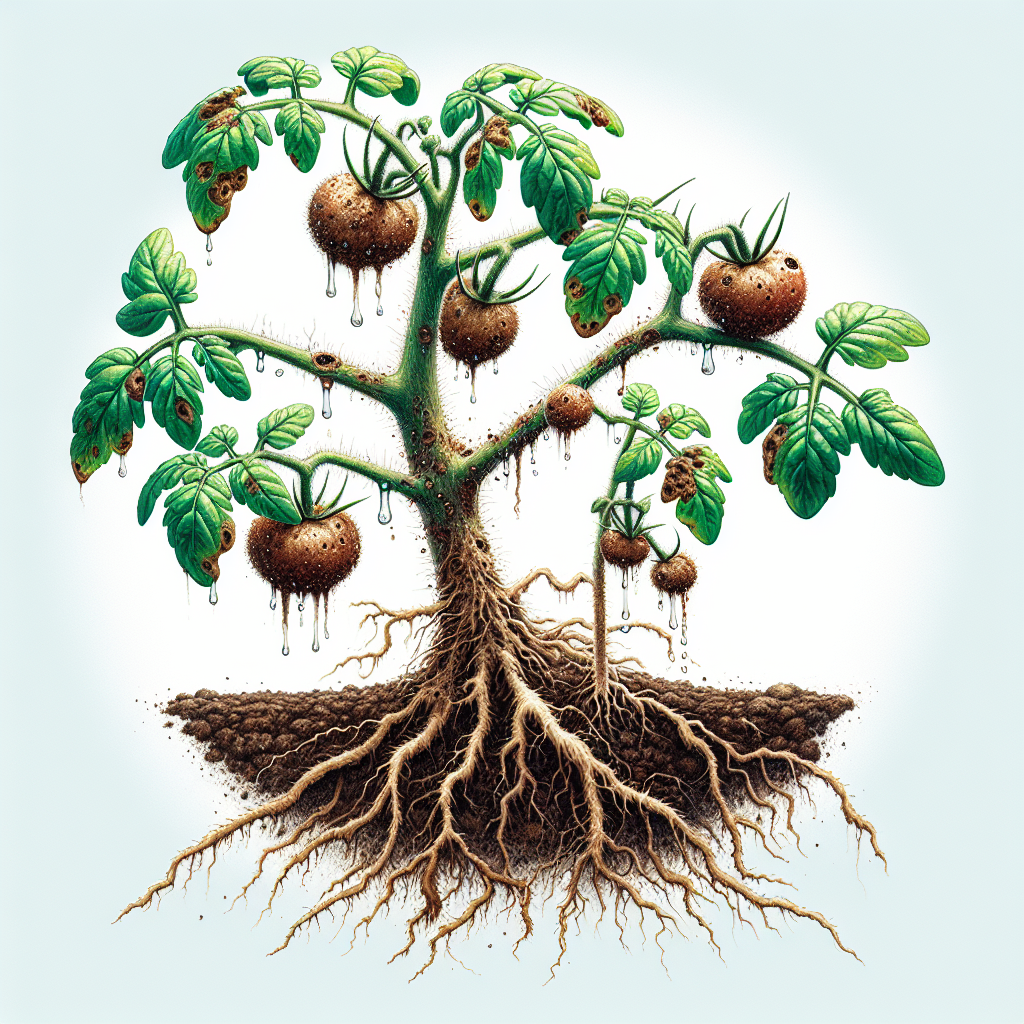
Seedling Rots
Seedling rots are devastating soilborne diseases that cause rapid decay of germinating seeds and young seedlings, leading to poor stands and yield losses. Primarily caused by fungi like Pythium, Rhizoctonia, and Fusarium, they thrive in wet, cool conditions and attack vulnerable hypocotyls and roots. Effective management relies on cultural practices, resistant varieties, and organic biocontrols to protect early growth stages.
View Profile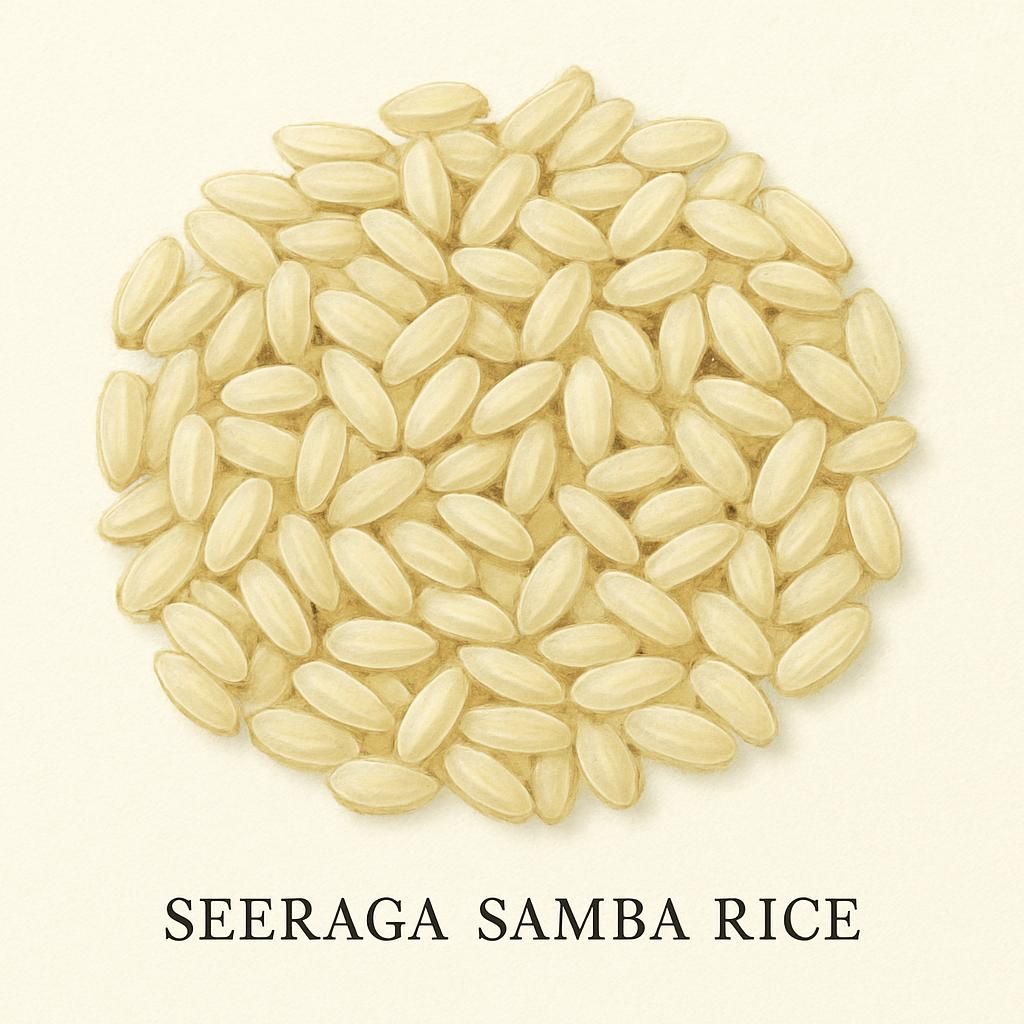
Seeraga Samba Rice
Seeraga Samba Rice is a fragrant, short-grain rice native to Tamil Nadu, India, prized for its aromatic properties and fluffy texture. Ideal for biryanis, this rice variety thrives under specific conditions and requires meticulous care in its farming.
View Guide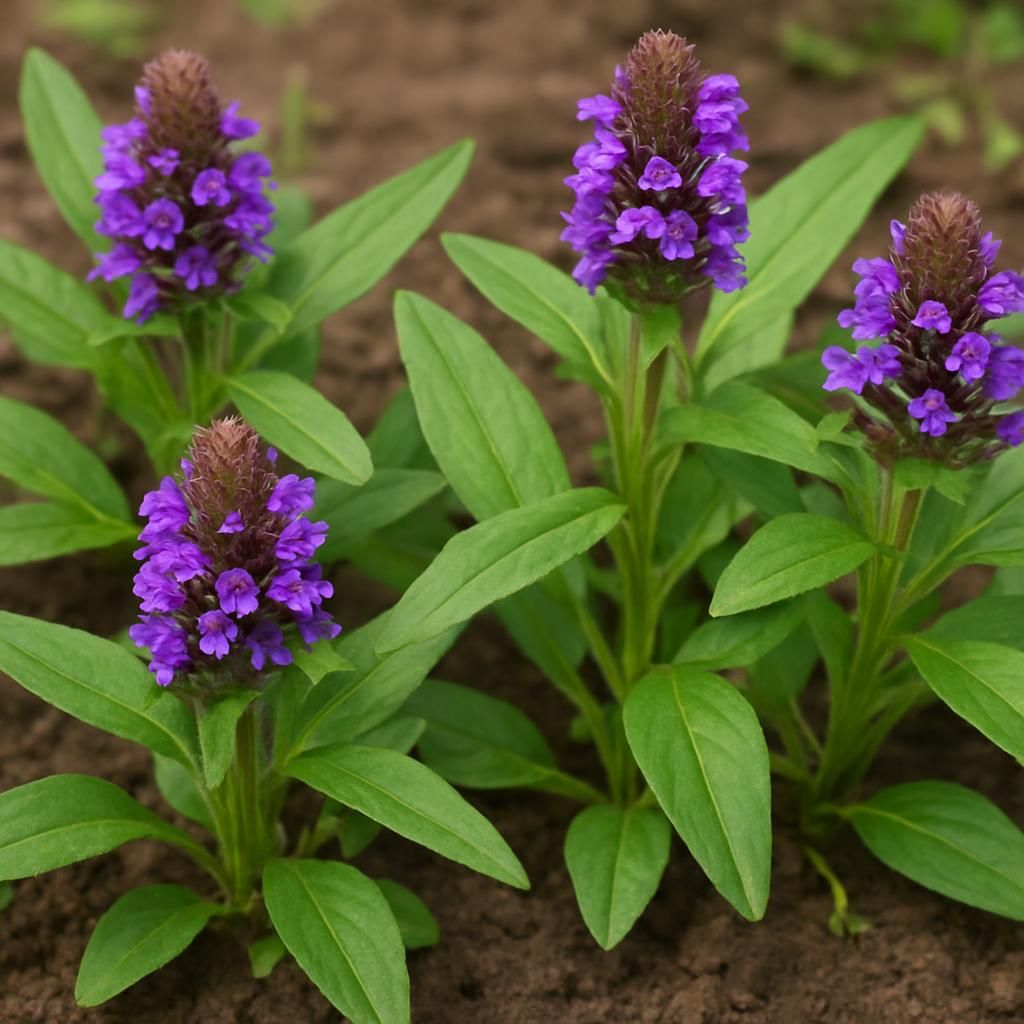
Self-Heal (Prunella vulgaris)
Self-Heal (Prunella vulgaris) is a low-growing perennial herb valued for its medicinal properties and ground-covering habit. It thrives in temperate climates and performs well in managed agroecosystems as both a medicinal crop and living mulch. This guide delivers professional-grade agronomic advice for successful commercial or home-scale production.
View Guide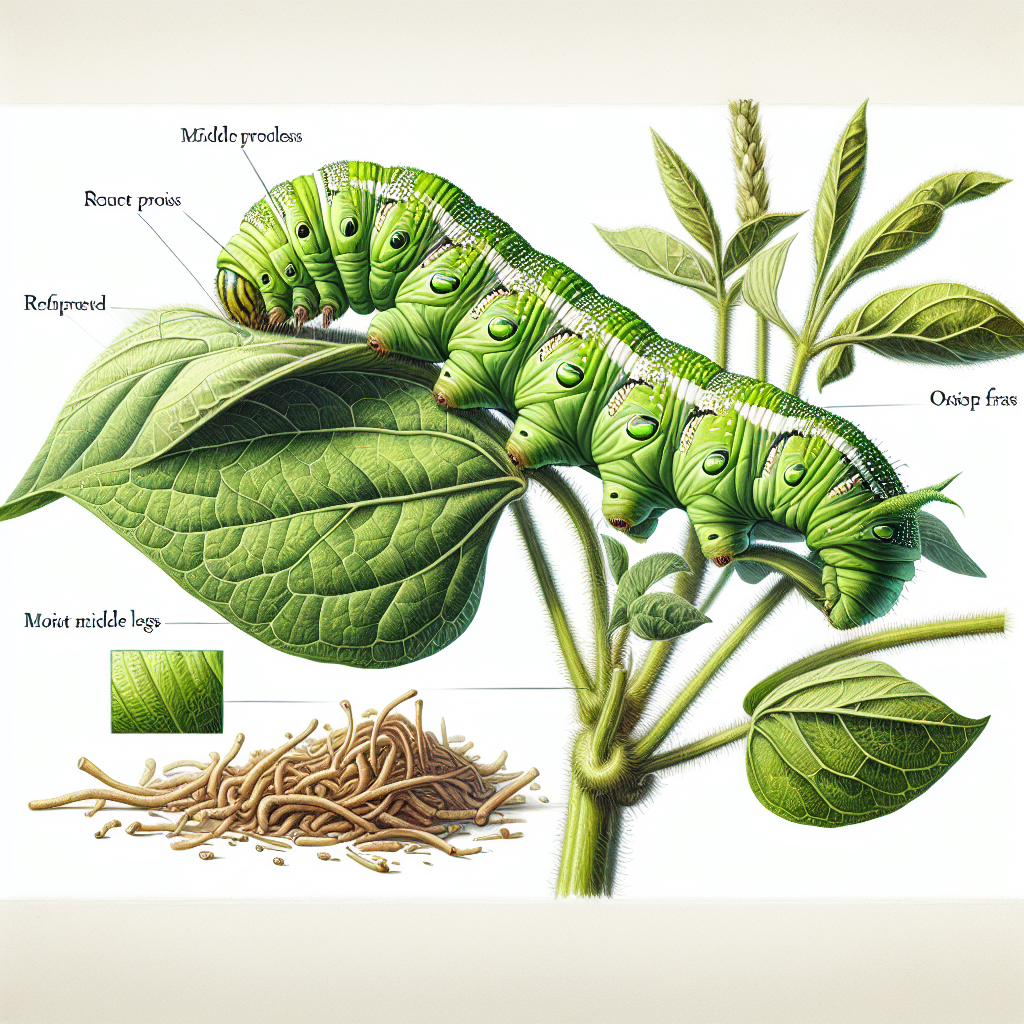
semiloopers
Semiloopers are destructive caterpillar pests notorious for their looping locomotion and defoliation of vegetable crops, particularly soybeans, tomatoes, and cabbage. These larvae cause severe economic losses by skeletonizing leaves and damaging pods or fruits. Effective management combines organic controls like BT sprays, neem oil, and beneficial insects with cultural practices for long-term prevention.
View Profile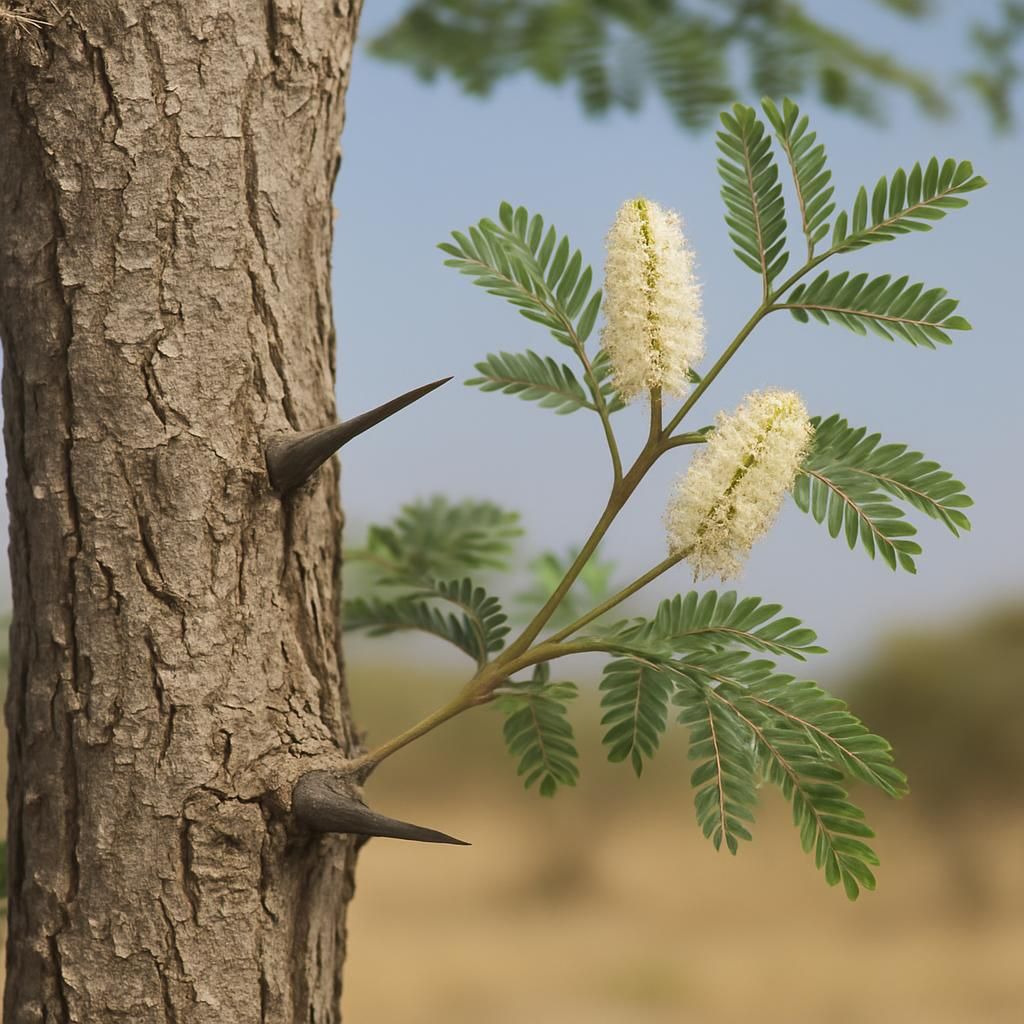
Senegalia senegal
Senegalia senegal is a drought-tolerant leguminous tree native to the Sahel region, prized for its high-quality gum arabic and soil-improving properties in arid agroforestry systems.
View Guide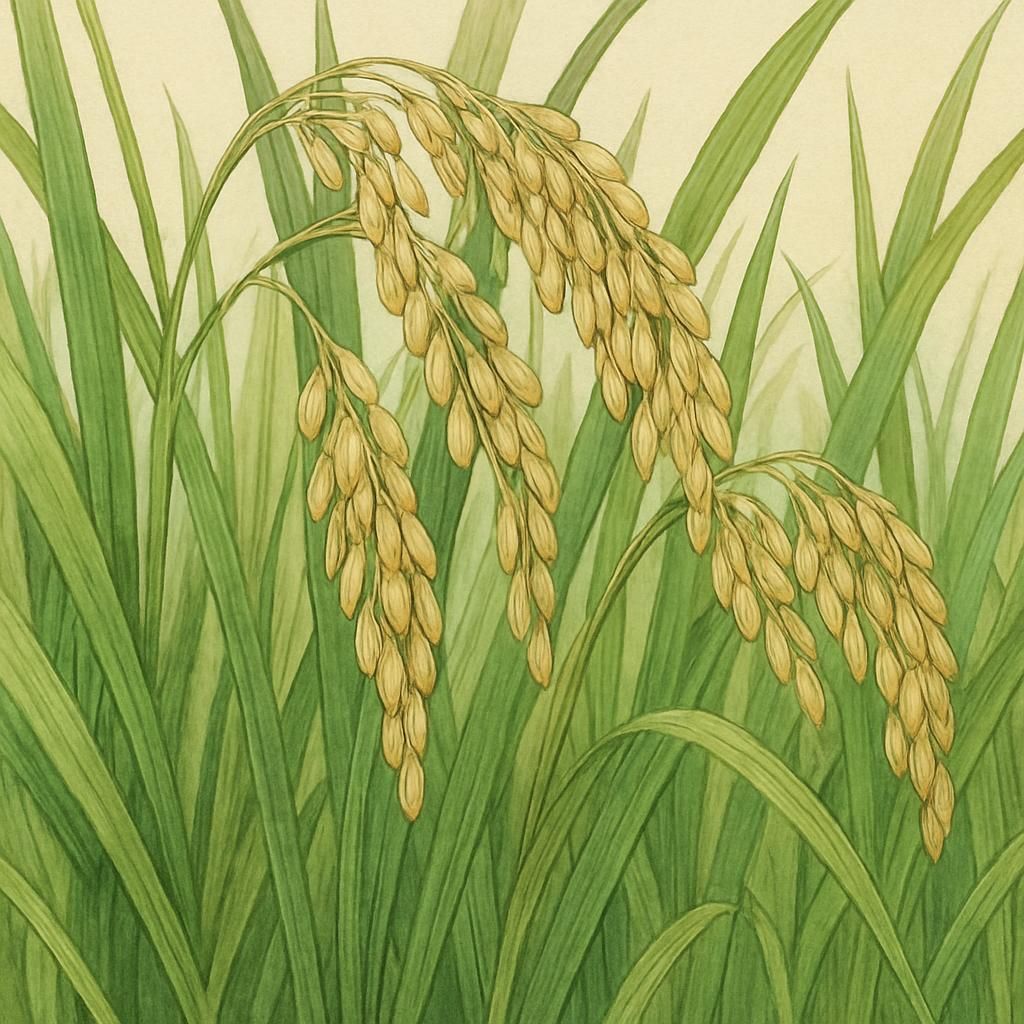
Senia Rice
Senia Rice, a widely cultivated Japonica variety, is renowned for its short, plump grains and exceptional cooking quality, making it ideal for traditional Spanish dishes like paella. Thriving in Mediterranean-like climates, it requires specific soil and water conditions for optimal growth.
View Guide
Septoria
Septoria is a widespread fungal disease causing leaf spots and blights in many crops, leading to reduced photosynthesis and yield losses. It thrives in cool, wet conditions and spreads via splashing rain. Effective management relies on cultural practices, resistant varieties, and timely organic fungicides.
View Profile
Septoria brown spot
Septoria brown spot is a widespread fungal disease primarily affecting soybeans, causing brown lesions on leaves that lead to premature defoliation and reduced yields. Caused by the pathogen Septoria glycines, it thrives in warm, wet conditions and can result in 10-40% yield losses in severe cases. Effective management relies on resistant varieties, cultural practices, and timely fungicide applications.
View Profile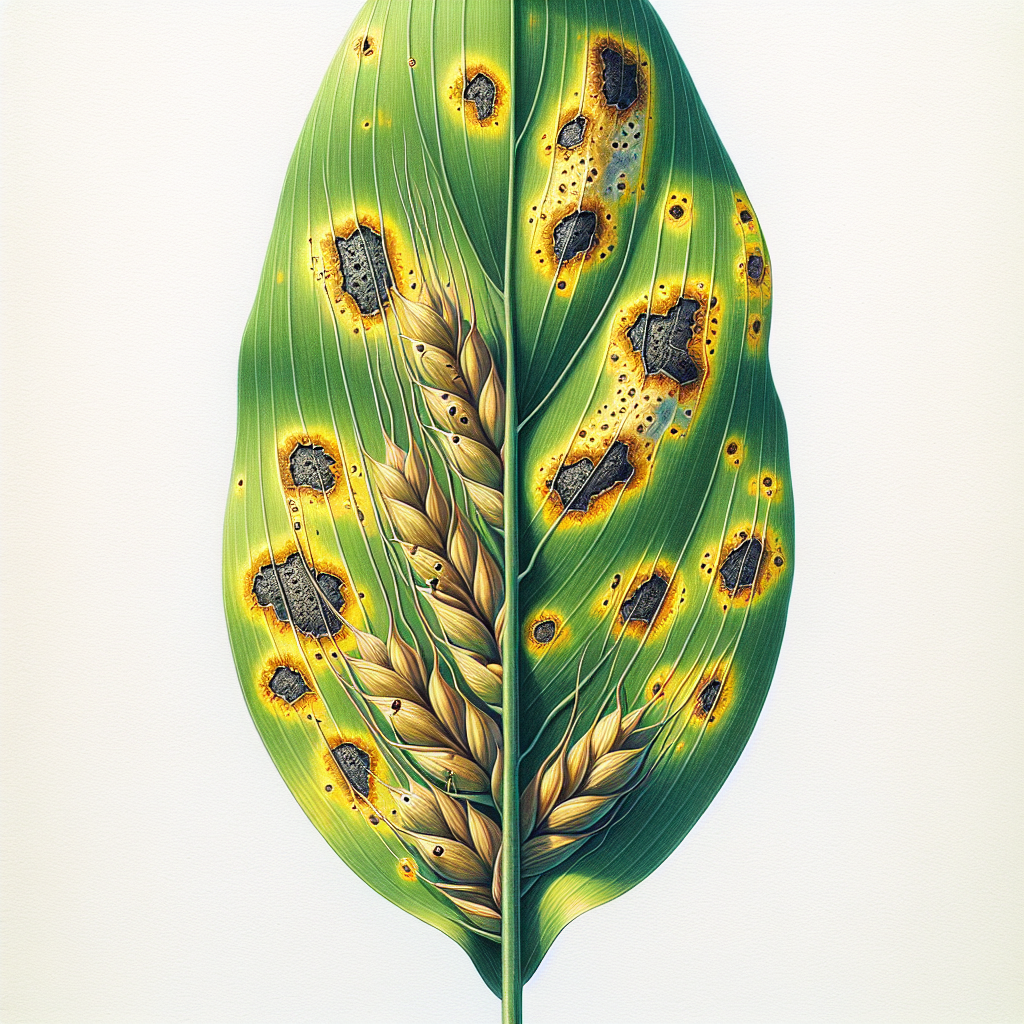
Septoria Leaf Blotch
Septoria Leaf Blotch is a widespread fungal disease primarily affecting cereals like wheat and tomatoes, causing characteristic leaf spots with dark borders and gray centers that reduce photosynthesis and yield. Triggered by prolonged leaf wetness and cool temperatures, it spreads via splashing rain and infected debris. Effective management relies on resistant varieties, cultural practices, and timely organic fungicides for sustainable control.
View Profile
Septoria leaf spot
Septoria leaf spot is a widespread fungal disease caused by Septoria species that primarily affects tomatoes, potatoes, and cereals like wheat, leading to significant defoliation and yield losses. It thrives in cool, wet conditions, producing characteristic leaf spots with dark borders and fruiting bodies. Effective management relies on cultural practices, resistant varieties, and timely organic fungicides.
View Profile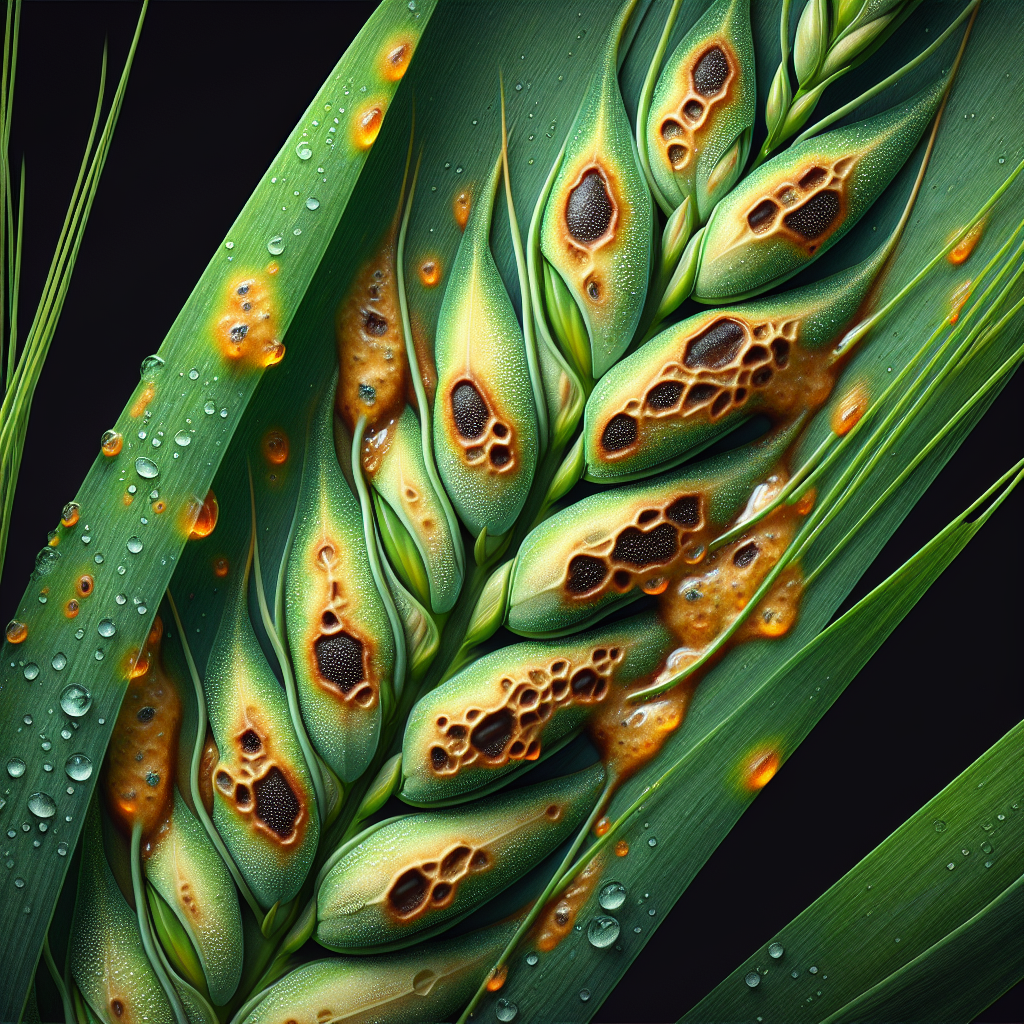
Septoria tritici blotch
Septoria tritici blotch is a devastating foliar disease of wheat caused by the fungus Zymoseptoria tritici, leading to significant yield losses worldwide. It manifests as necrotic leaf spots with distinctive pycnidia, progressing from lower to upper leaves during wet conditions. Effective management combines resistant varieties, cultural practices, and timely fungicide applications.
View Profile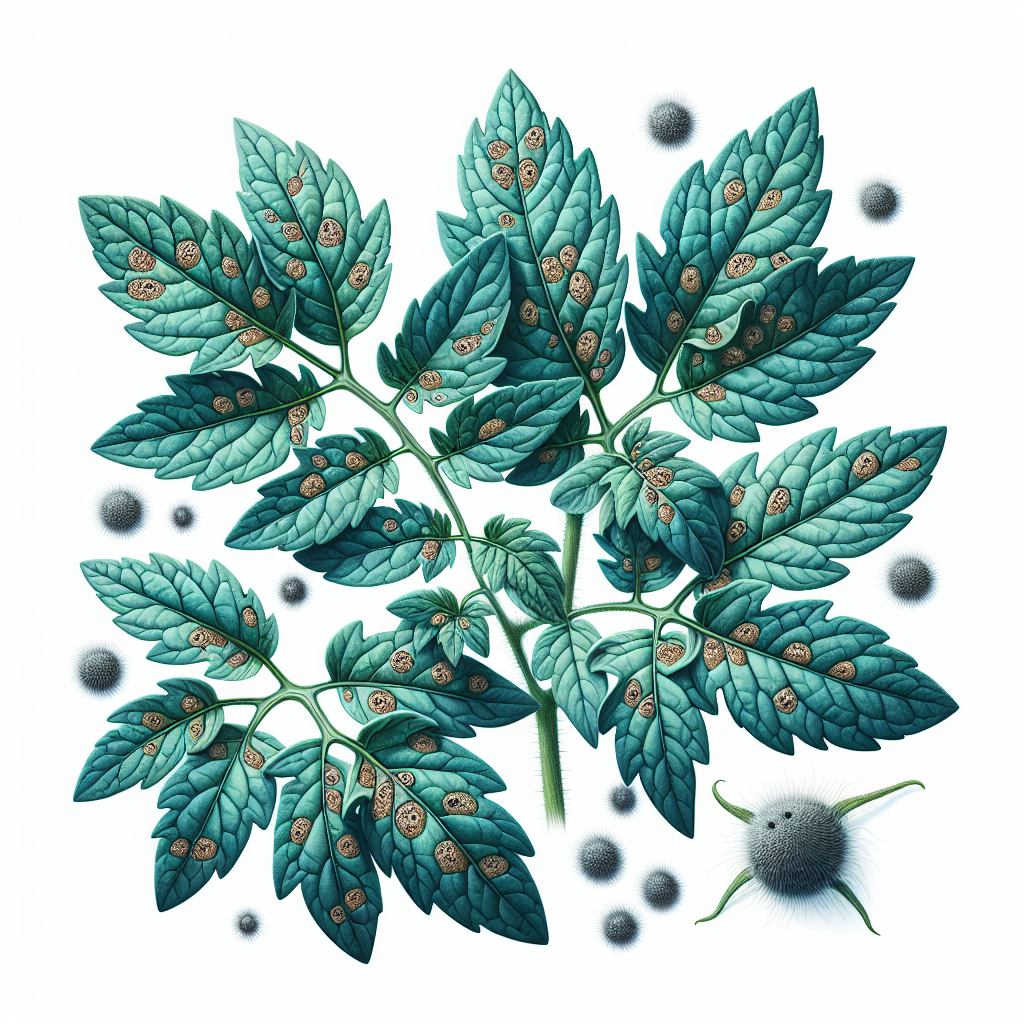
Septoria-type blotches
Septoria-type blotches are fungal leaf diseases characterized by small, dark-spotted lesions that expand into irregular blotches, often with yellow halos, severely impacting photosynthesis and yield in susceptible crops. Commonly confused with other leaf spots like [Alternaria leaf spot](/wiki/alternaria-leaf-spot) or [Cercospora leaf spot](/wiki/cercospora-leaf-spot), they thrive in wet, humid conditions. Effective management relies on cultural practices, resistant varieties, and timely organic fungicides.
View Profile
Septoria-type leaf blotches
Septoria-type leaf blotches are common fungal diseases causing distinctive angular spots on leaves, primarily affecting tomatoes, cereals, and solanaceous crops. These blotches reduce photosynthesis, leading to defoliation and yield losses if unmanaged. Early detection and integrated organic strategies provide effective control.
View Profile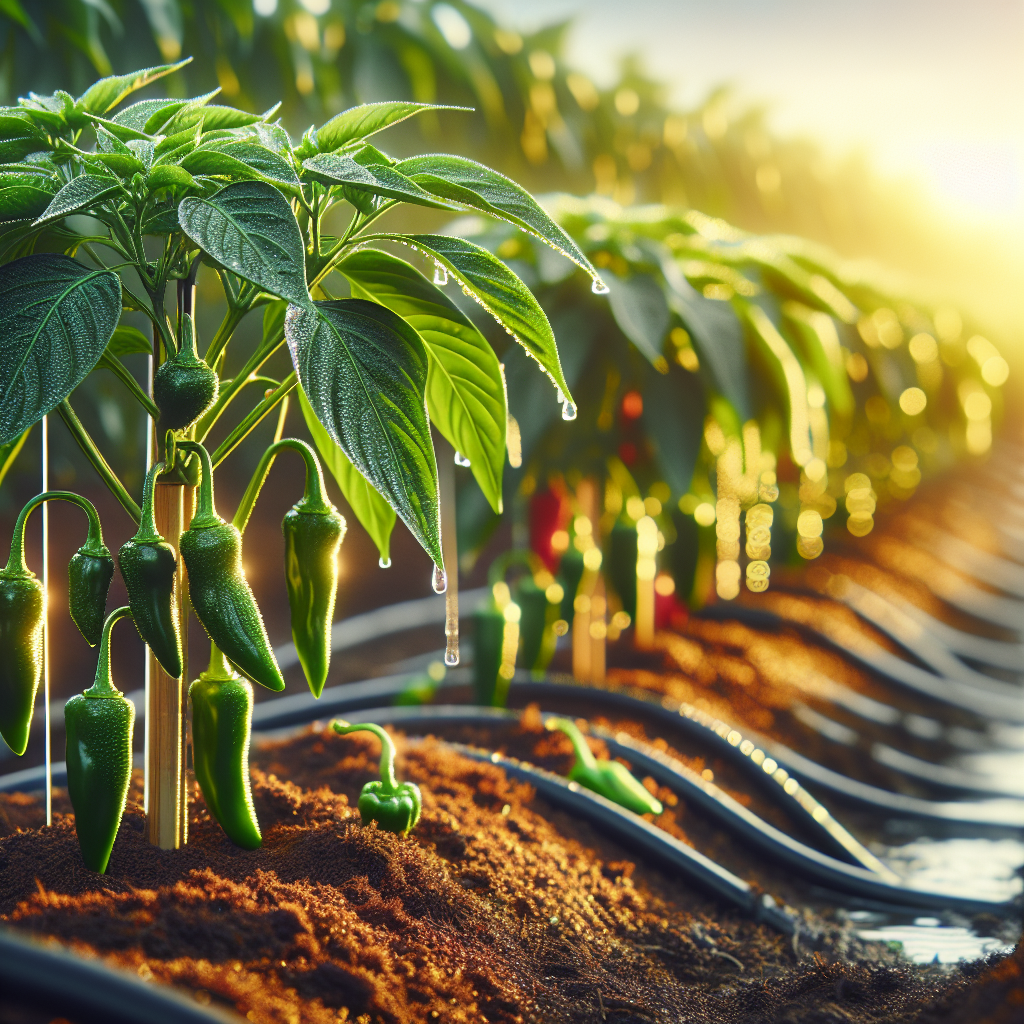
Serrano Pepper
Serrano pepper is a fast-growing, thin-walled hot pepper prized for its bright, grassy flavor and reliable productivity in warm weather. Hotter than jalapeño but typically less extreme than many specialty chilies, it performs best in full sun, fertile well-drained soil, and consistently warm temperatures from transplanting through harvest.
View Guide
Sesame
Sesame is one of the world’s oldest oilseed crops, valued for its drought tolerance, high-quality edible oil, and nutrient-dense seeds. It performs best in warm, frost-free conditions with well-drained soil and careful early-season weed management, but rewards growers with a resilient crop suited to small farms, drylands, and diversified rotations.
View Guide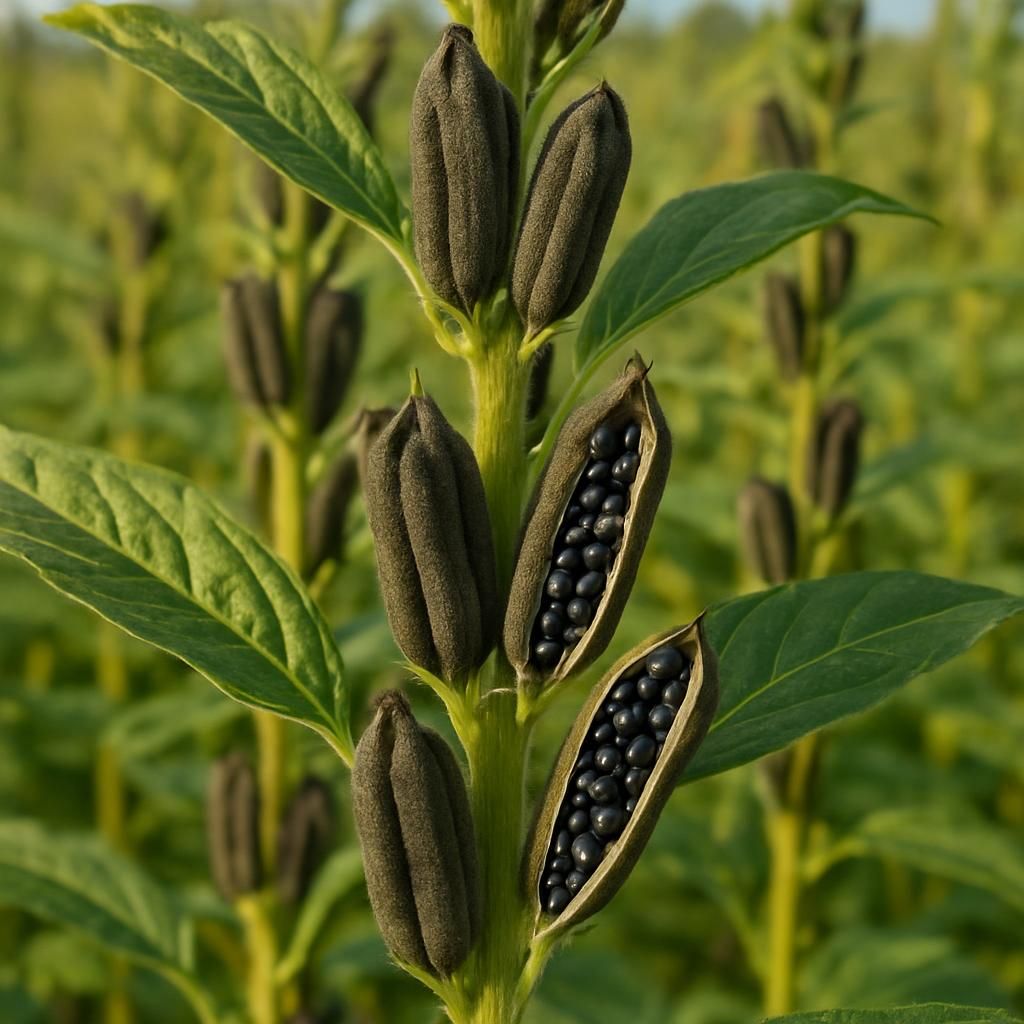
Sesame Seed (Black)
Black sesame is a high-value oilseed crop prized for its dark seeds, rich flavor, and elevated antioxidant content. It thrives in warm climates and well-drained soils, offering farmers both culinary and industrial market opportunities.
View Guide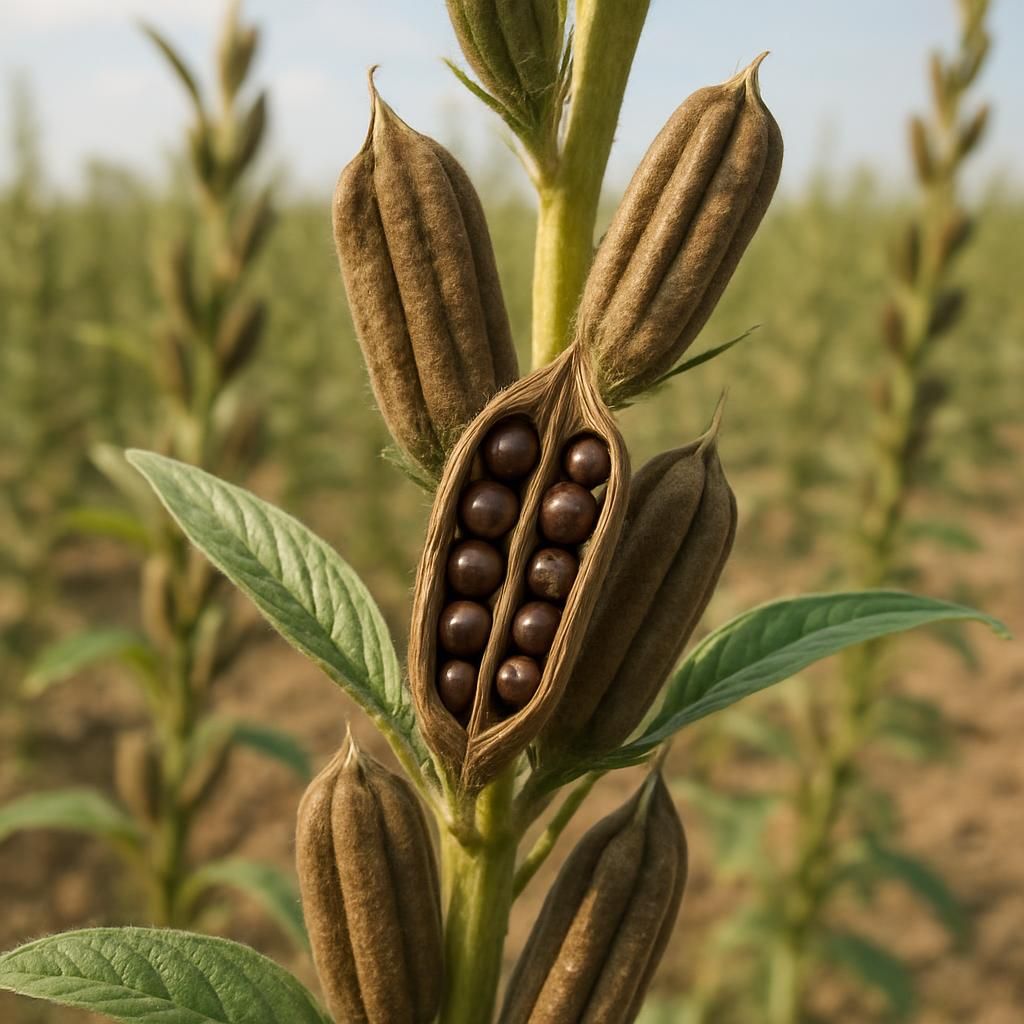
Sesame Seed (Brown)
Brown sesame is a high-value oilseed crop prized for its nutty flavor, rich oil content, and resilience in semi-arid conditions. This definitive guide covers everything from soil preparation and planting to pest management, harvesting, and post-harvest storage for commercial and home growers alike.
View Guide