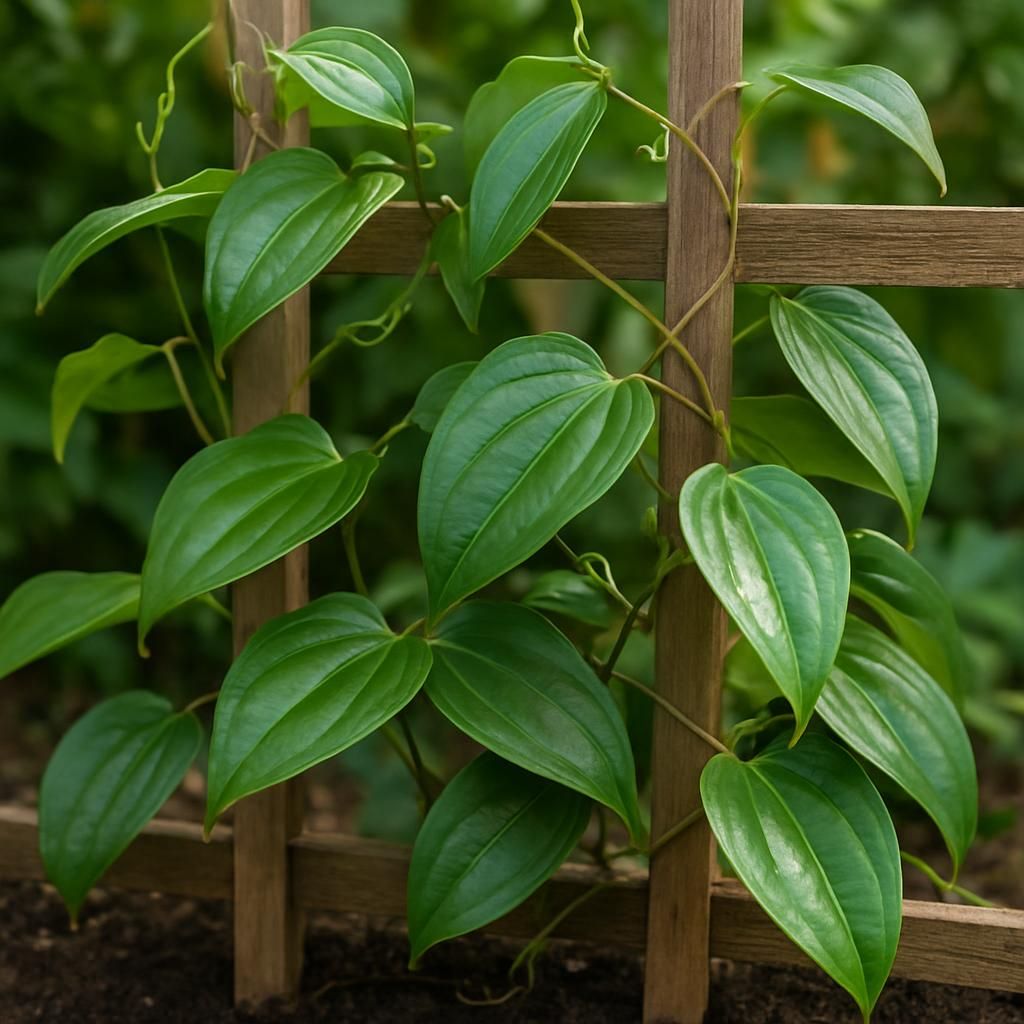
Introduction to Sarsaparilla (Smilax)
Sarsaparilla refers to several species within the genus Smilax, most notably Smilax regelii, Smilax aristolochiifolia, and Smilax ornata. These vigorous, dioecious woody vines are native to tropical and subtropical regions of the Americas and have been harvested for centuries for their saponin-rich rhizomes used in traditional medicine, flavoring, and beverages. Commercial cultivation remains limited, but interest is rising among herbalists, small farms, and permaculture practitioners seeking high-value medicinal crops.
Successful production requires understanding the plant’s climbing habit, long establishment period, and specific soil and climate preferences. With proper site preparation and management, sarsaparilla can produce harvestable rhizomes within three to five years while providing ecosystem services such as erosion control and habitat for beneficial insects.
Botanical Profile of Sarsaparilla (Smilax)
Smilax species are perennial, dioecious lianas with slender, often prickly stems that climb via tendrils. Leaves are alternate, ovate to cordate, with prominent parallel venation and a glossy appearance. Flowers are small, greenish-white, and occur in umbels; only female plants produce the characteristic dark berries. The economically important portion is the underground rhizome and root system, which contains steroidal saponins responsible for the plant’s therapeutic properties.
Growth is relatively slow in the first two seasons as plants establish extensive root systems. Mature vines can reach 3–10 meters in length, requiring robust trellising. Rhizomes spread laterally and can form dense mats if not managed. The plant is long-lived, with productive stands remaining viable for 15–20 years under good cultural conditions.
Soil, pH, and Climate Requirements for Sarsaparilla (Smilax) (MUST INCLUDE A MARKDOWN TABLE OF IDEAL CONDITIONS)
Sarsaparilla thrives in well-drained, fertile soils rich in organic matter. The species tolerates a range of textures but performs best in sandy loam to loam soils with good aeration. Heavy clay soils should be amended with compost and raised beds to prevent waterlogging, which quickly leads to root rot.
| Parameter | Ideal Range | Notes |
|---|---|---|
| Soil pH | 5.5 – 6.8 | Slightly acidic to neutral; avoid alkaline soils |
| Soil Texture | Sandy loam to loam | High organic matter improves structure |
| Drainage | Excellent | Raised beds recommended in heavy soils |
| Temperature Range | 18–32 °C daytime | Frost sensitive below 5 °C |
| Annual Rainfall | 1200–2000 mm | Supplemental irrigation needed in dry periods |
| Relative Humidity | 60–85 % | High humidity supports growth but increases disease risk |
| USDA Hardiness Zones | 9–11 | Can be grown as annual/perennial in zone 8 with winter protection |
Step-by-Step Planting & Propagation
Propagation is achieved primarily through rhizome divisions or stem cuttings. Select healthy, disease-free mother plants and divide rhizomes in early spring before new growth emerges. Each division should contain at least two buds and a portion of root. Alternatively, semi-hardwood cuttings 15–20 cm long taken in late spring root readily under mist with bottom heat.
Site preparation begins six to eight weeks before planting. Clear vegetation, incorporate 5–8 cm of well-rotted compost, and install a sturdy trellis system at least 2 meters tall. Space plants 1.2–1.5 meters apart in rows 2–2.5 meters wide to allow air circulation and equipment access.
Plant rhizome divisions 8–10 cm deep with buds oriented upward. Water thoroughly after planting and apply a 5 cm layer of organic mulch to conserve moisture and suppress weeds. In cooler climates, start plants in containers and transplant after the last frost.
Care & Maintenance regimes for Sarsaparilla (Smilax) (MUST INCLUDE A MARKDOWN TABLE OF WATER, FERTILIZER, AND PRUNING SCHEDULES)
Consistent moisture during establishment is critical. Once vines are established, they become moderately drought tolerant but still benefit from supplemental irrigation during prolonged dry spells. Fertilization should emphasize balanced nutrition with emphasis on potassium and micronutrients to support rhizome development.
| Season | Watering Schedule | Fertilizer Application | Pruning & Training Schedule |
|---|---|---|---|
| Spring | 25–30 mm/week; increase during establishment | Apply 5-5-10 NPK at 200 g/plant; side-dress with compost tea | Remove dead canes; train new shoots to trellis |
| Summer | 20–25 mm/week; monitor for wilting | Foliar kelp extract monthly; avoid excess nitrogen | Tip prune to encourage lateral branching; remove weak stems |
| Autumn | Reduce to 15 mm/week | Apply compost or aged manure at 3–5 kg/plant | Cut back 30 % of oldest growth after harvest |
| Winter | Minimal; protect from waterlogging | No fertilizer unless soil test indicates deficiency | Remove damaged or diseased material; mulch heavily |
Regular scouting for nutrient deficiencies and adjusting the schedule based on leaf tissue analysis will optimize rhizome quality and yield.
Pests, Diseases & Organic Management
Common pests include Aphids, Spider mites, and Scale insects. These can be managed with strong water sprays, insecticidal soaps, and releases of predatory mites or lady beetles. Root-knot nematodes may become problematic in sandy soils; solarization and rotation with Marigold or Sesame help suppress populations.
Diseases such as Root rot, Phytophthora, and Powdery mildew are the primary concerns. Preventative measures include excellent drainage, proper spacing, and removal of infected material. Copper-based fungicides and neem oil provide organic control options when applied at first sign of symptoms.
Harvesting, Curing & Optimal Storage
Rhizomes are typically harvested from three-year-old plants onward, ideally in late autumn or early winter when saponin content peaks. Carefully dig around the base of the vine, removing lateral rhizomes while leaving the central crown to regenerate. Rinse soil gently and trim damaged sections.
Curing involves air-drying rhizomes in a shaded, well-ventilated area at 25–30 °C for 7–10 days until moisture content drops below 12 %. Store in breathable burlap sacks or paper-lined crates in a cool (10–15 °C), dry location with 50–60 % relative humidity. Properly cured and stored rhizomes maintain quality for 18–24 months.
Companion Planting for Sarsaparilla (Smilax)
Sarsaparilla benefits from companions that improve soil structure, attract beneficial insects, or provide light shade. Leguminous cover crops such as Clover or Hairy vetch fix nitrogen and improve tilth. Aromatic herbs including Thyme and Rosemary deter pests while occupying minimal space.
Taller companions like Black Pepper or young Banana plants can provide partial shade in hot climates. Avoid planting near heavy feeders that compete for nutrients. Strategic rotation with Ginger or Turmeric can break pest cycles and improve overall soil health.
For additional insights on building resilient small-farm systems through strategic crop choices, see The Truth About Weather Patterns and Small Farm Resilience.