Encyclopedia
Definitive guides for crops, pests, and agricultural diseases.

Agrobacterium
Agrobacterium is a soil-dwelling bacterium renowned in agriculture for its natural genetic engineering capabilities, enabling precise crop modifications without synthetic chemicals. This guide provides professional cultivation techniques for laboratory propagation and field applications, optimizing its role in sustainable farming. Ideal for biotech-savvy growers seeking to enhance yields through bioengineering.
View Profile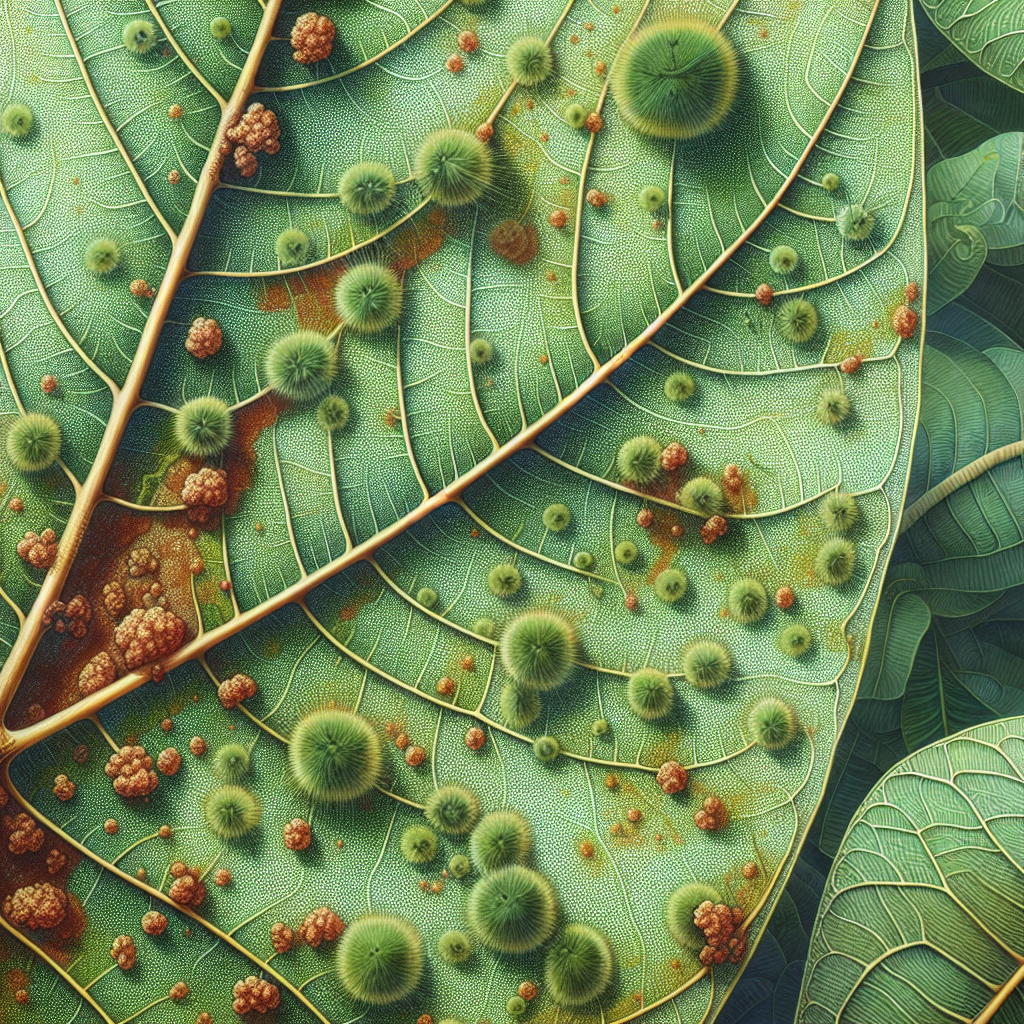
Algal leaf and twig spots
Algal leaf and twig spots, caused by the alga Cephaleuros virescens, manifests as distinctive green, velvety spots on leaves and twigs, primarily in humid tropical and subtropical regions. While rarely lethal, it weakens plants by impairing photosynthesis and predisposing them to secondary infections. Effective management relies on cultural practices and organic treatments to reduce humidity and enhance plant vigor.
View Profile
Algal leaf spot
Algal leaf spot, caused by the parasitic alga Cephaleuros virescens, manifests as distinctive green, velvety spots on leaves, primarily affecting tropical and subtropical crops. While not typically lethal, severe infections reduce photosynthesis, weaken plants, and lower yields. Effective management relies on cultural practices, organic treatments, and environmental control to minimize spread.
View Profile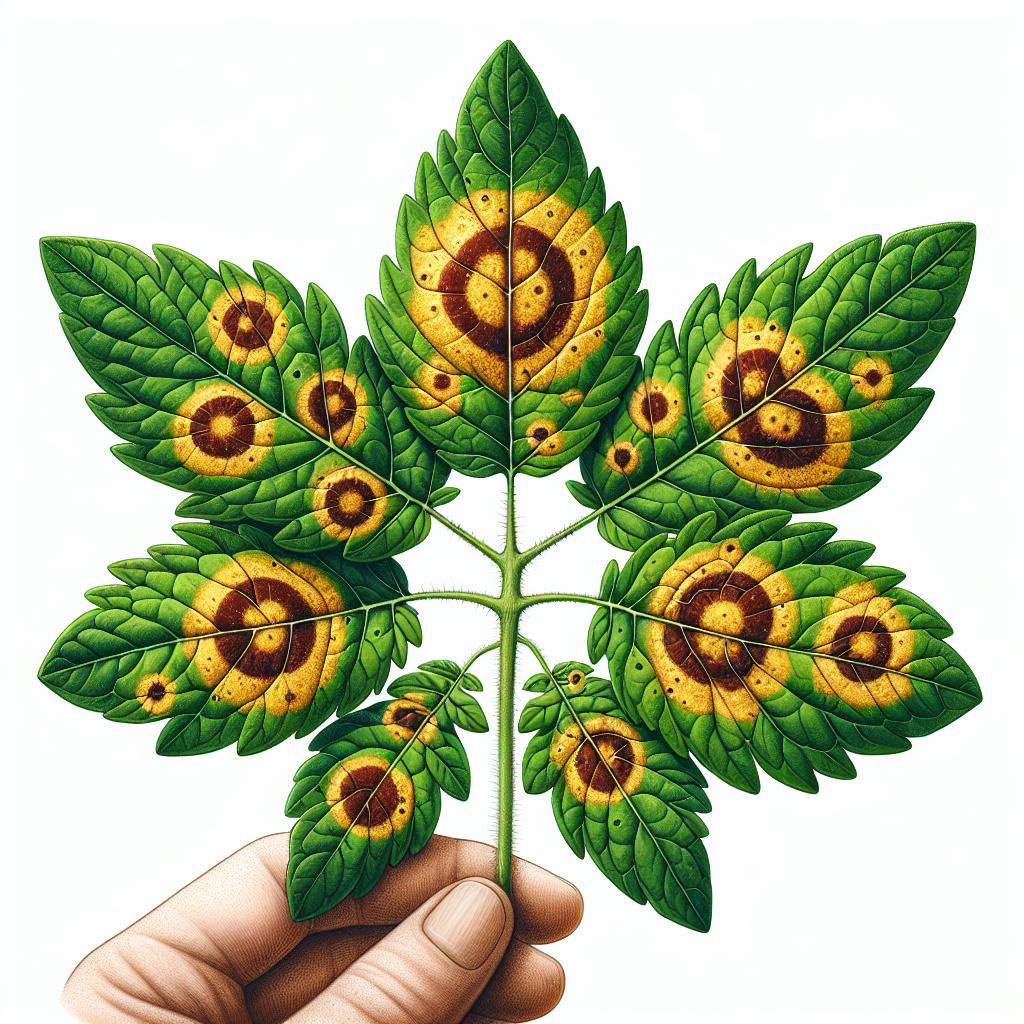
Alternaria
Alternaria is a widespread fungal disease causing leaf spots, blights, and rots in numerous crops, thriving in warm, humid conditions. Early detection through characteristic dark lesions and proper cultural practices can prevent severe yield losses. This guide provides comprehensive diagnostics, organic management strategies, and prevention tips for affected growers.
View Profile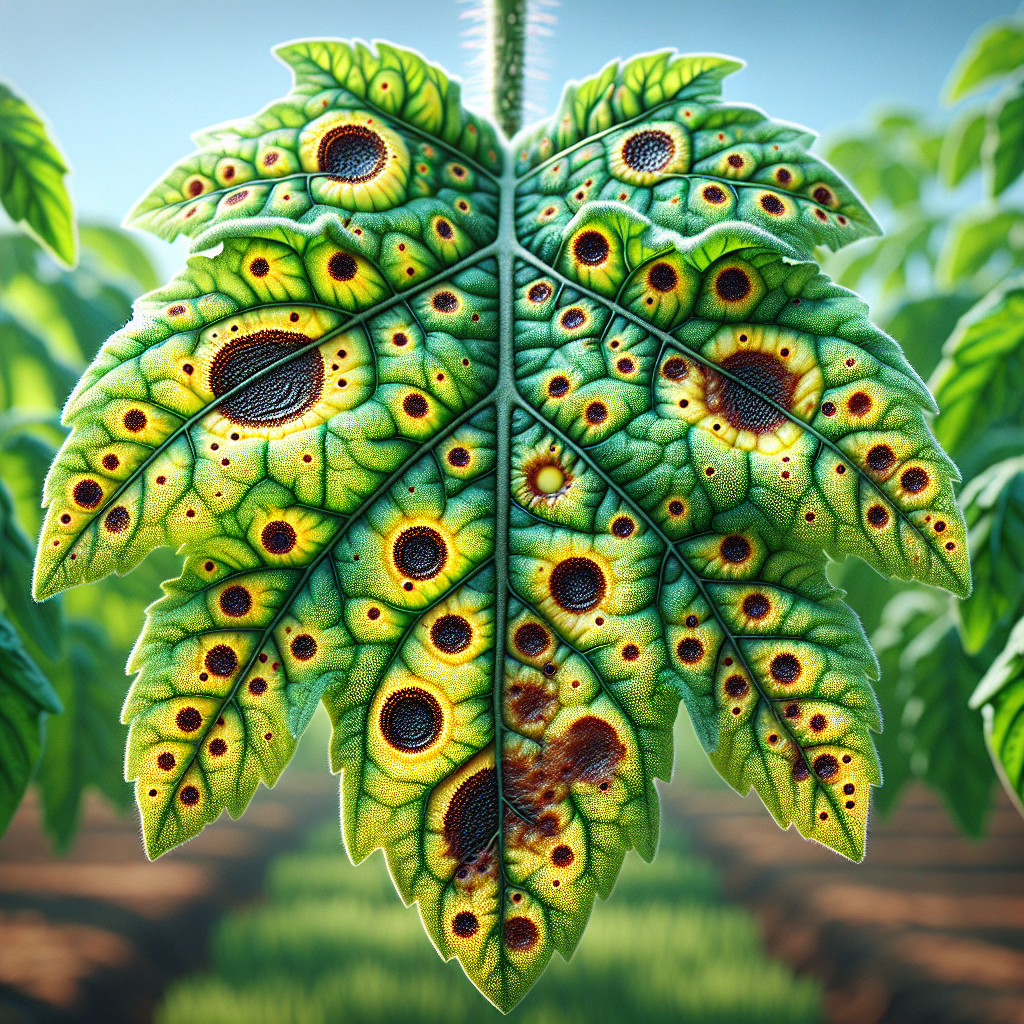
Alternaria Blight
Alternaria Blight is a widespread fungal disease caused by Alternaria species that affects numerous crops, leading to leaf spots, blights, and yield losses. It thrives in warm, humid conditions and spreads via spores, making early detection and cultural management essential. This guide provides comprehensive diagnostics, organic treatments, and prevention strategies for affected crops.
View Profile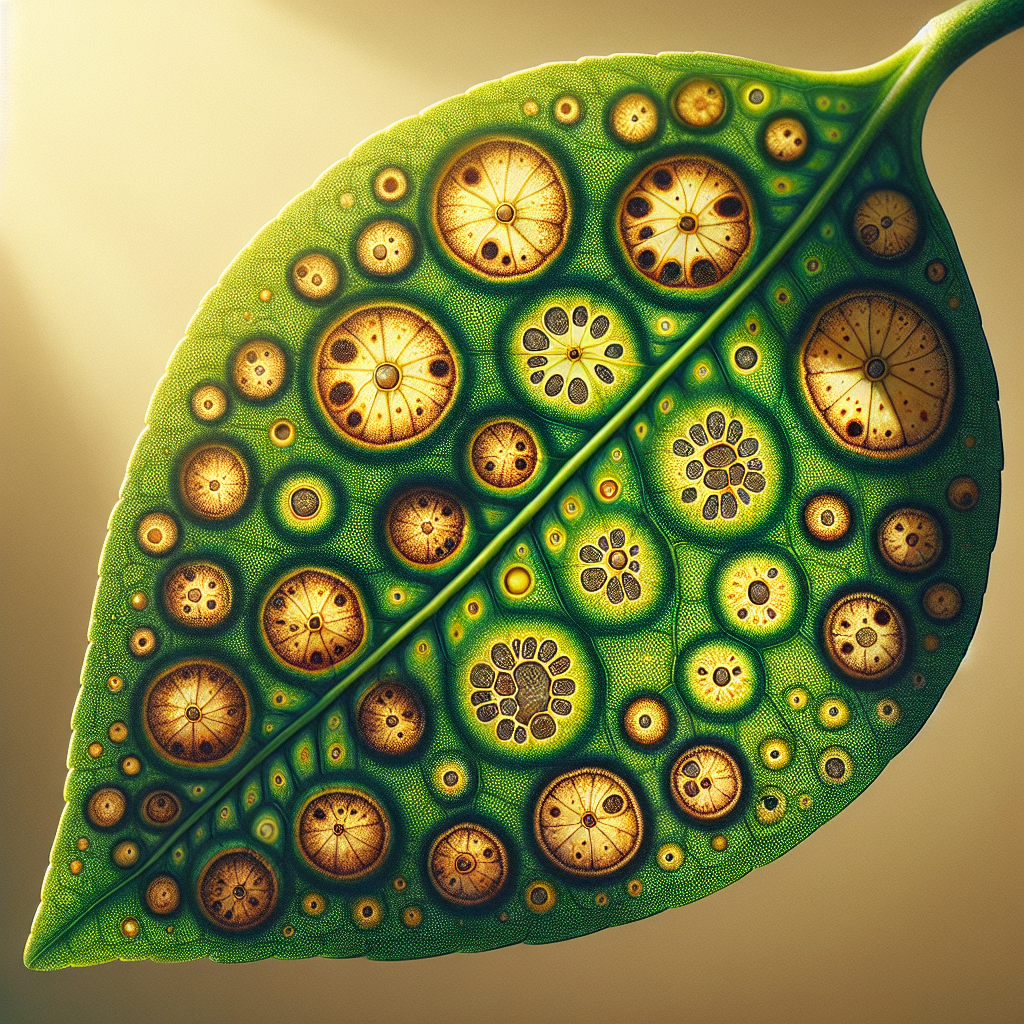
Alternaria Brown Spot
Alternaria brown spot is a fungal pathogen primarily affecting citrus crops, causing characteristic brown lesions on leaves, twigs, and fruit that can severely impact yield and quality. This guide provides professional agricultural strategies for identification, prevention, and integrated management in commercial and small-scale groves. Mastering these techniques ensures healthy citrus production even in high-risk environments.
View Profile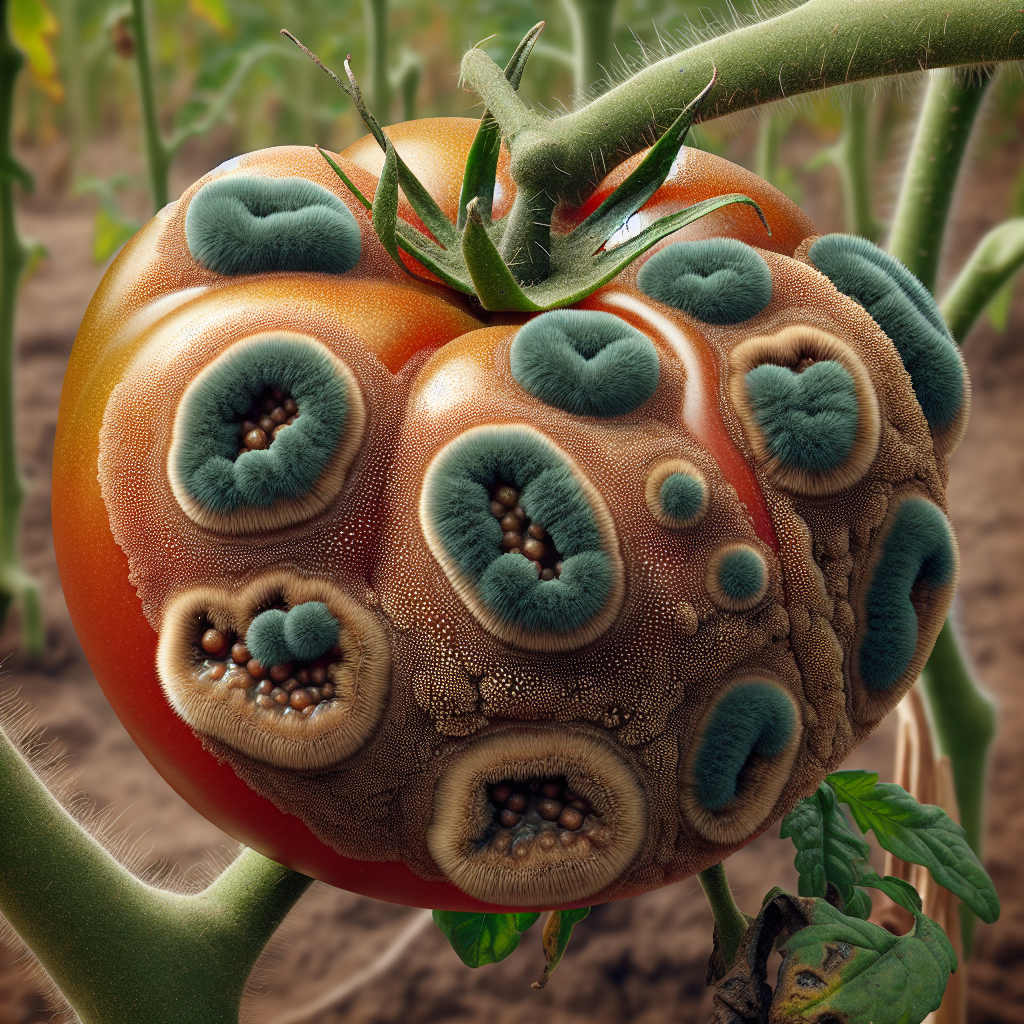
Alternaria fruit rot
Alternaria fruit rot is a destructive fungal disease caused by Alternaria species that targets ripening fruits, leading to significant yield losses in susceptible crops. It manifests as dark, sunken lesions with fuzzy spore masses, thriving in warm, humid conditions. Effective management relies on cultural practices, resistant varieties, and timely organic fungicide applications.
View Profile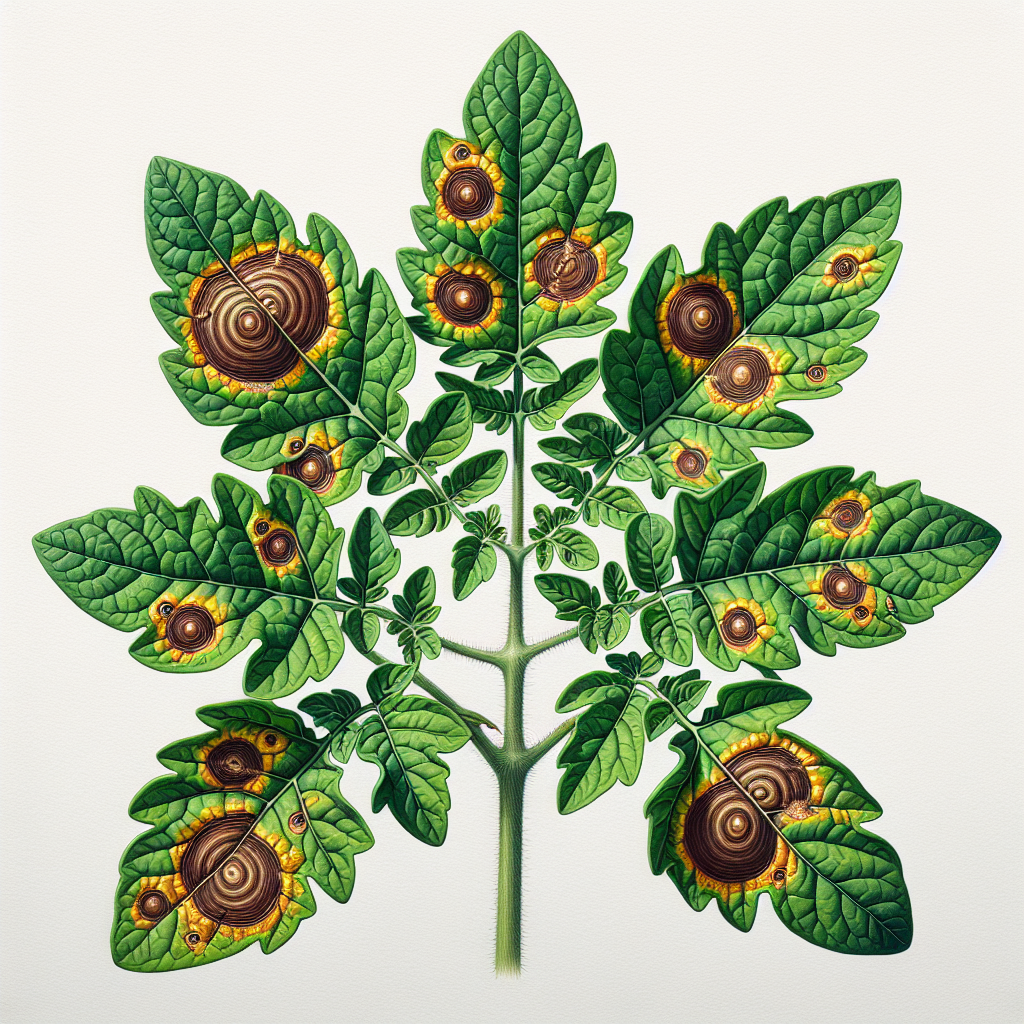
Alternaria late blight
Alternaria late blight is a destructive fungal disease affecting leaves, stems, and fruits of various crops, causing significant yield losses in warm, humid conditions. It is often confused with early blight or [late blight](/wiki/late-blight) but progresses later in the growing season with characteristic concentric lesions. Effective management relies on cultural practices, resistant varieties, and timely organic fungicides.
View Profile
Alternaria leaf blight
Alternaria leaf blight is a widespread fungal disease caused by Alternaria species that attacks leaf tissues, leading to blighting, spotting, and significant yield losses in vegetables, grains, and ornamentals. It thrives in warm, humid conditions and spreads via spores, making early detection and cultural management essential. This guide provides comprehensive diagnostics, organic treatments, and prevention strategies for affected crops.
View Profile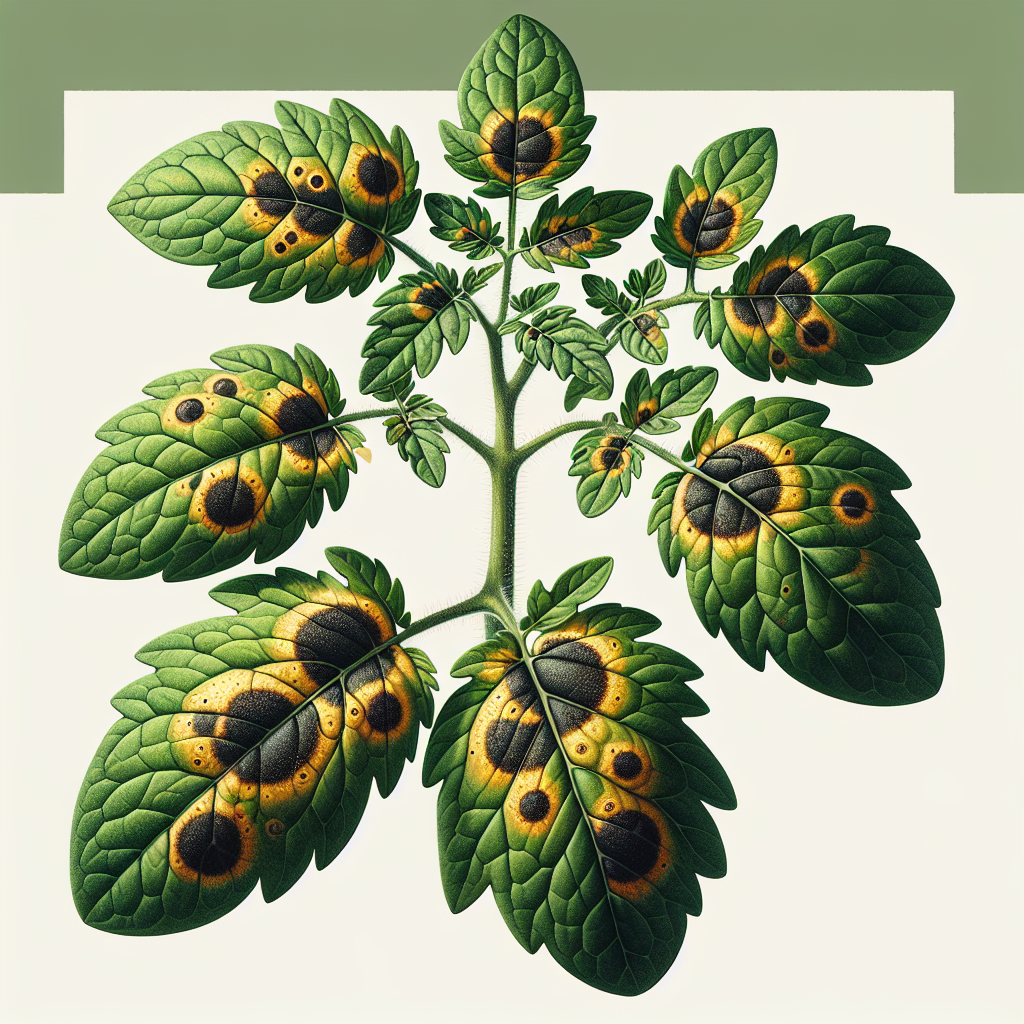
Alternaria leaf disease
Alternaria leaf disease is a widespread fungal infection caused by Alternaria species that manifests as dark spots on leaves, leading to defoliation and reduced crop yields. It thrives in warm, humid conditions and affects a broad range of vegetables, fruits, and field crops. Effective management relies on cultural practices, resistant varieties, and organic fungicides for sustainable control.
View Profile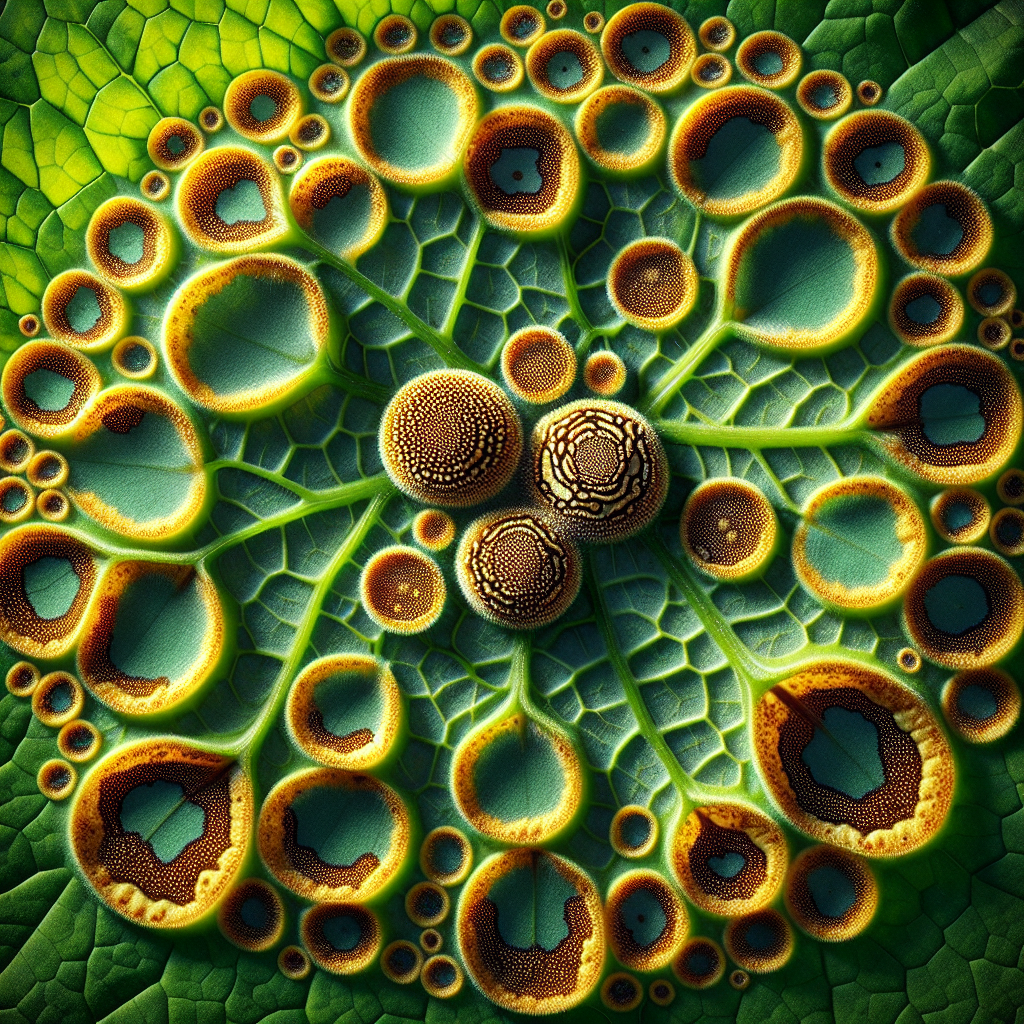
Alternaria leaf spot
Alternaria leaf spot is a widespread fungal disease caused by Alternaria species that affects numerous crops, leading to characteristic dark spots on leaves and potential yield losses. It thrives in warm, humid conditions and spreads via spores, making early detection and cultural management essential for control. This guide provides comprehensive diagnostics, organic treatments, and prevention strategies for affected crops.
View Profile
American gooseberry mildew
American gooseberry mildew is a destructive fungal disease caused by Sphaerotheca mors-uvae that primarily affects gooseberry and currant crops, leading to powdery white growth on leaves, stems, and fruits. It thrives in warm, humid conditions and can severely reduce yields if unmanaged. Effective organic control and prevention strategies focus on cultural practices, resistant varieties, and timely fungicide applications.
View Profile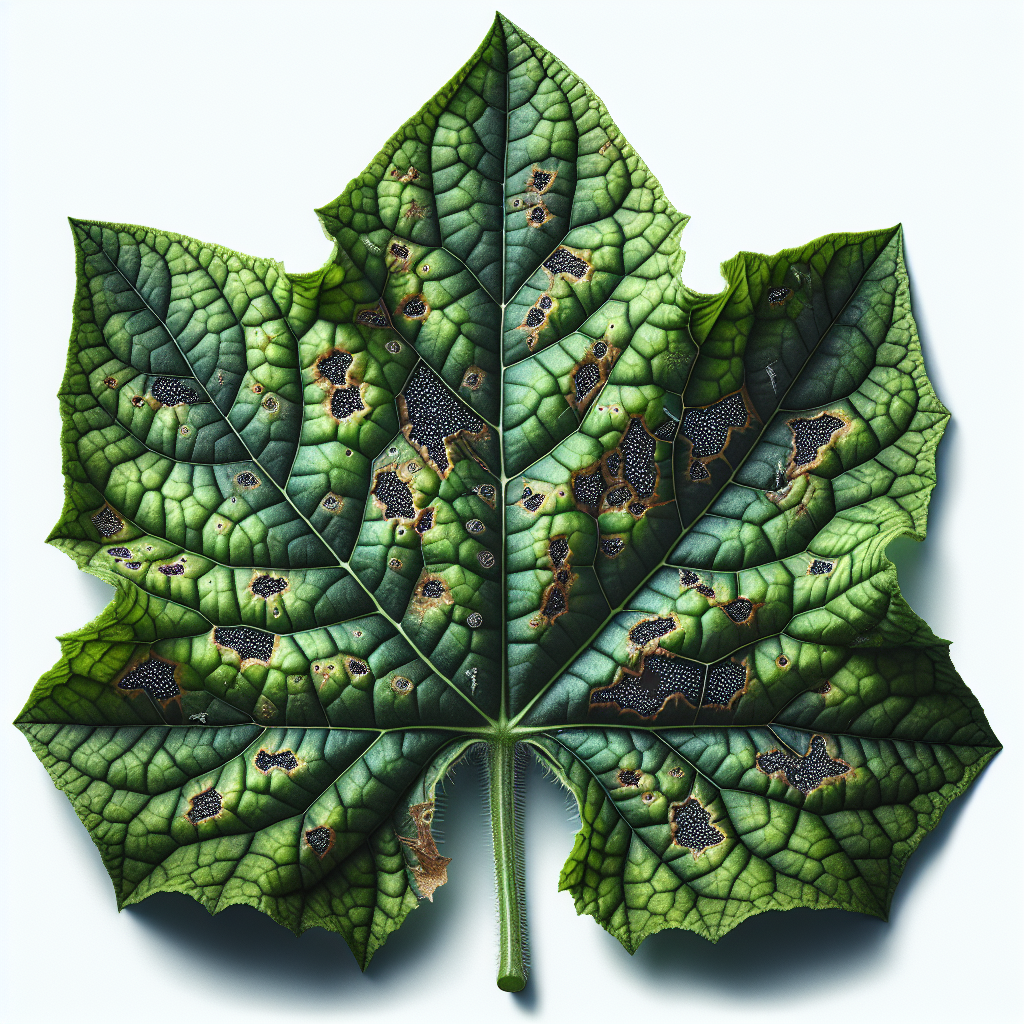
Angular leaf spot
Angular leaf spot is a widespread bacterial disease primarily affecting cucurbits, causing angular necrotic lesions on leaves that restrict plant growth and reduce yields. Prompt identification and management through sanitation and copper-based treatments are essential for control. This guide provides comprehensive diagnostic, organic treatment, and prevention strategies for farmers.
View Profile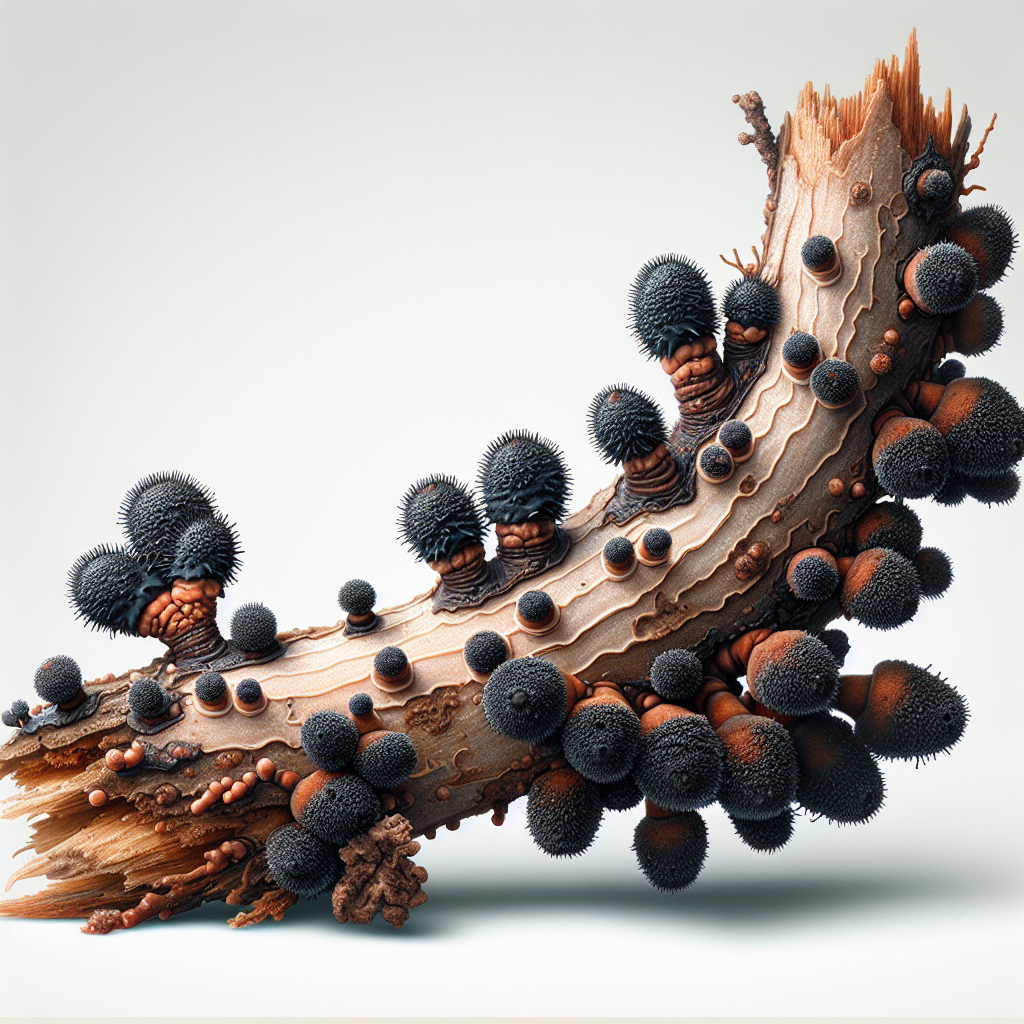
Anisogramma anomala
Anisogramma anomala, commonly known as eastern filbert blight, is a destructive fungal disease primarily affecting hazelnuts and filberts. It causes cankers that girdle branches, leading to dieback and significant yield losses. Effective management relies on cultural practices, resistant varieties, and timely pruning.
View Profile
Anthracnose
Anthracnose is a widespread fungal disease caused by Colletotrichum species, affecting numerous crops by producing dark, sunken lesions on leaves, stems, and fruits. It thrives in warm, humid conditions, leading to significant yield losses if unmanaged. Effective diagnosis, organic treatments, and cultural practices are essential for control.
View Profile
anthracnose fruit rot
Anthracnose fruit rot is a destructive fungal disease caused by Colletotrichum species that primarily affects ripening fruits, leading to sunken lesions, rot, and significant yield losses in tropical and subtropical crops. It thrives in warm, humid conditions and spreads rapidly via rain splash and overhead irrigation. Effective management relies on cultural practices, resistant varieties, and timely organic fungicide applications.
View Profile
Aphanomyces root rot
Aphanomyces root rot is a devastating soilborne oomycete disease primarily affecting legumes like peas, beans, and lentils, causing severe root decay, stunted growth, and significant yield losses. It thrives in cool, wet conditions and persists in soil for years, making prevention critical. This guide provides definitive diagnostic, management, and prevention strategies for farmers.
View Profile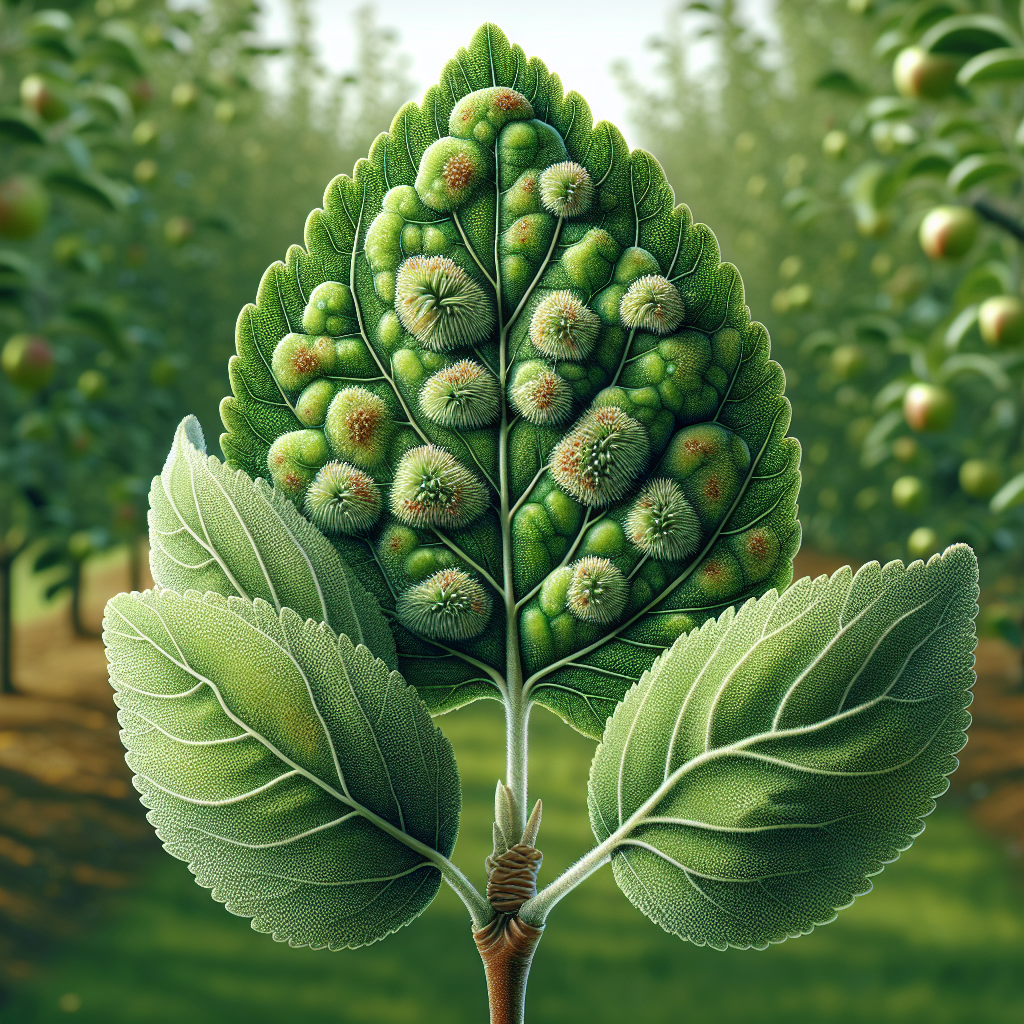
apple scab
Apple scab is a widespread fungal disease caused by Venturia inaequalis that primarily affects apple trees, leading to significant defoliation, fruit deformation, and yield losses. It thrives in cool, wet conditions, making early detection and integrated management essential for apple growers. Effective control combines resistant cultivars, cultural practices, and targeted organic treatments to minimize economic impact.
View Profile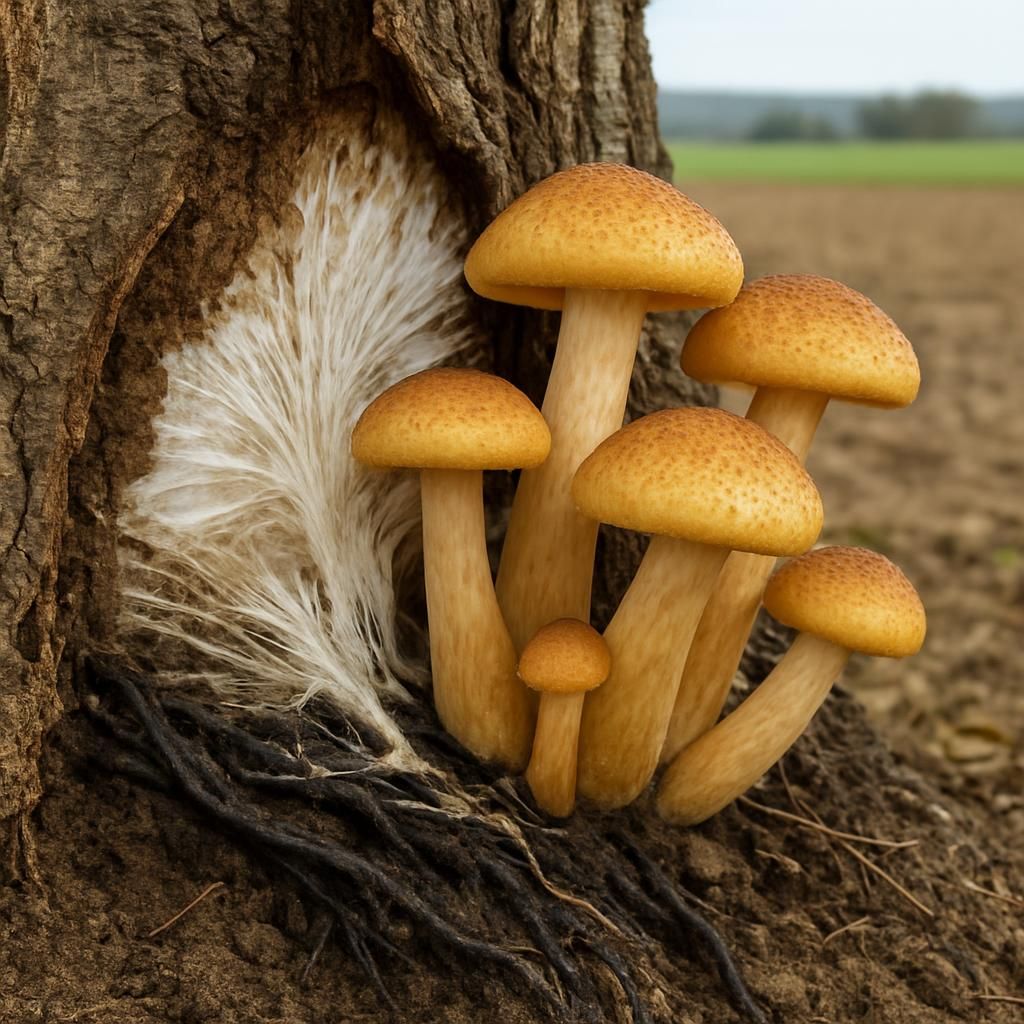
Armillaria mellea
Armillaria mellea is a soil-borne basidiomycete fungus causing Armillaria root rot, a lethal disease that attacks the roots and lower stems of hundreds of woody plant species. It spreads through root-to-root contact and persistent rhizomorphs, leading to gradual decline, wilting, and eventual tree death. Effective management requires early diagnosis, removal of infected material, and long-term cultural practices.
View Profile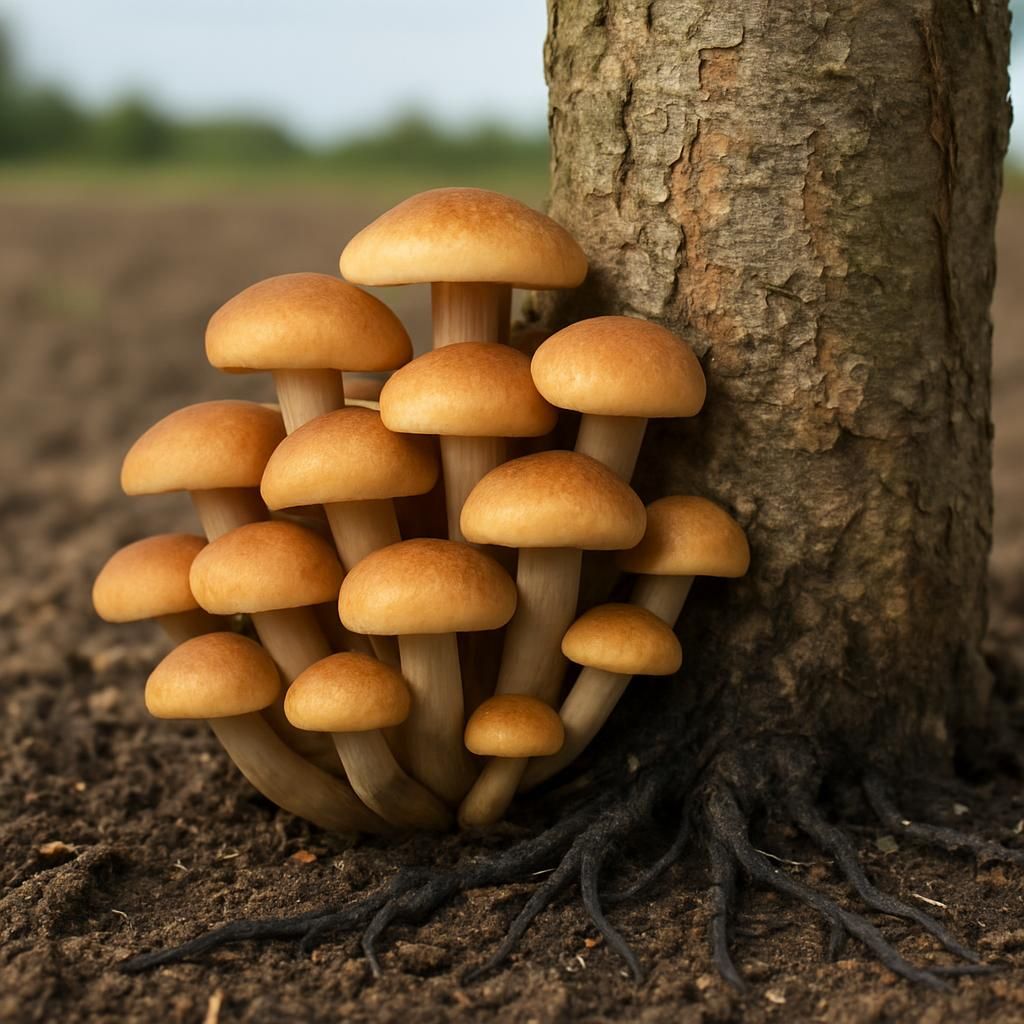
Armillaria root disease
Armillaria root disease is a persistent soil-borne fungal infection caused by several species in the Armillaria genus that attacks the roots and lower trunk of woody plants, leading to gradual decline and death. The pathogen spreads through root-to-root contact and persistent rhizomorphs, making eradication extremely difficult once established. Effective management requires early diagnosis, removal of infected material, and long-term cultural practices.
View Profile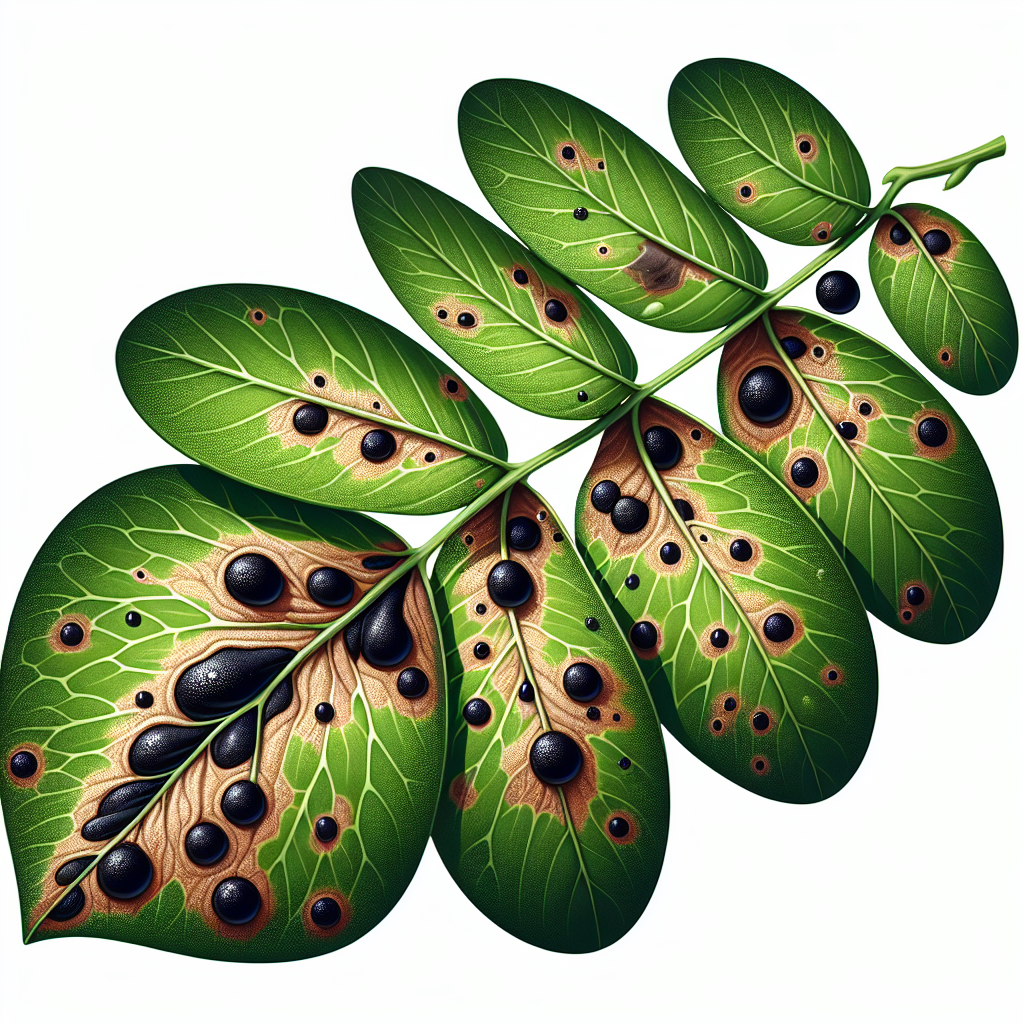
Ascochyta blight
Ascochyta blight is a destructive fungal disease affecting legumes like chickpeas, lentils, and peas, causing leaf spots, stem lesions, and pod infections that lead to significant yield losses. It thrives in cool, wet conditions and spreads via infected seeds and debris. Effective management relies on resistant varieties, sanitation, and timely fungicide applications.
View Profile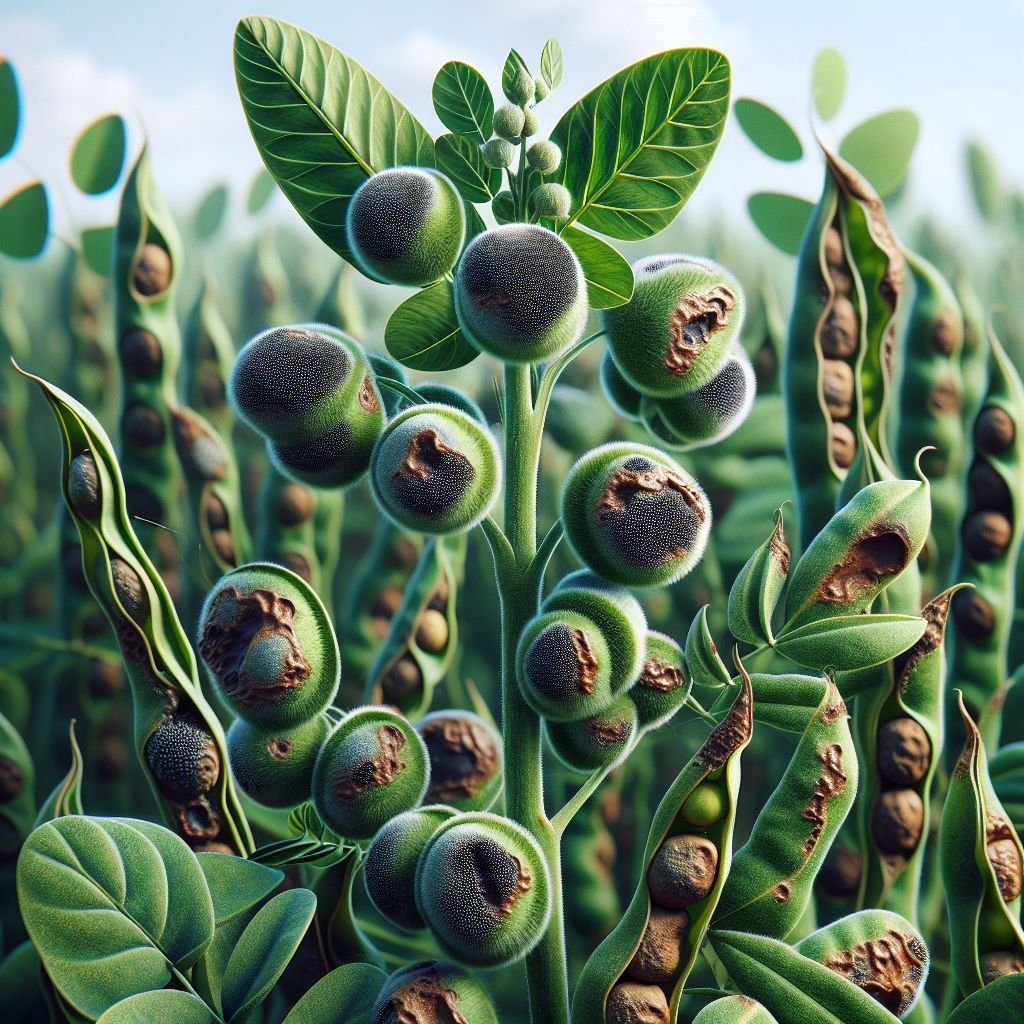
Ascochyta rabiei
Ascochyta rabiei, also known as chickpea ascochyta blight, is a devastating fungal disease primarily affecting chickpeas, causing leaf spots, stem lesions, and pod infections that lead to significant yield losses. This guide provides comprehensive diagnostics, lifecycle insights, organic management strategies, and prevention tactics for farmers battling this pathogen. Early detection and integrated cultural practices are key to minimizing damage in cool, wet conditions.
View Profile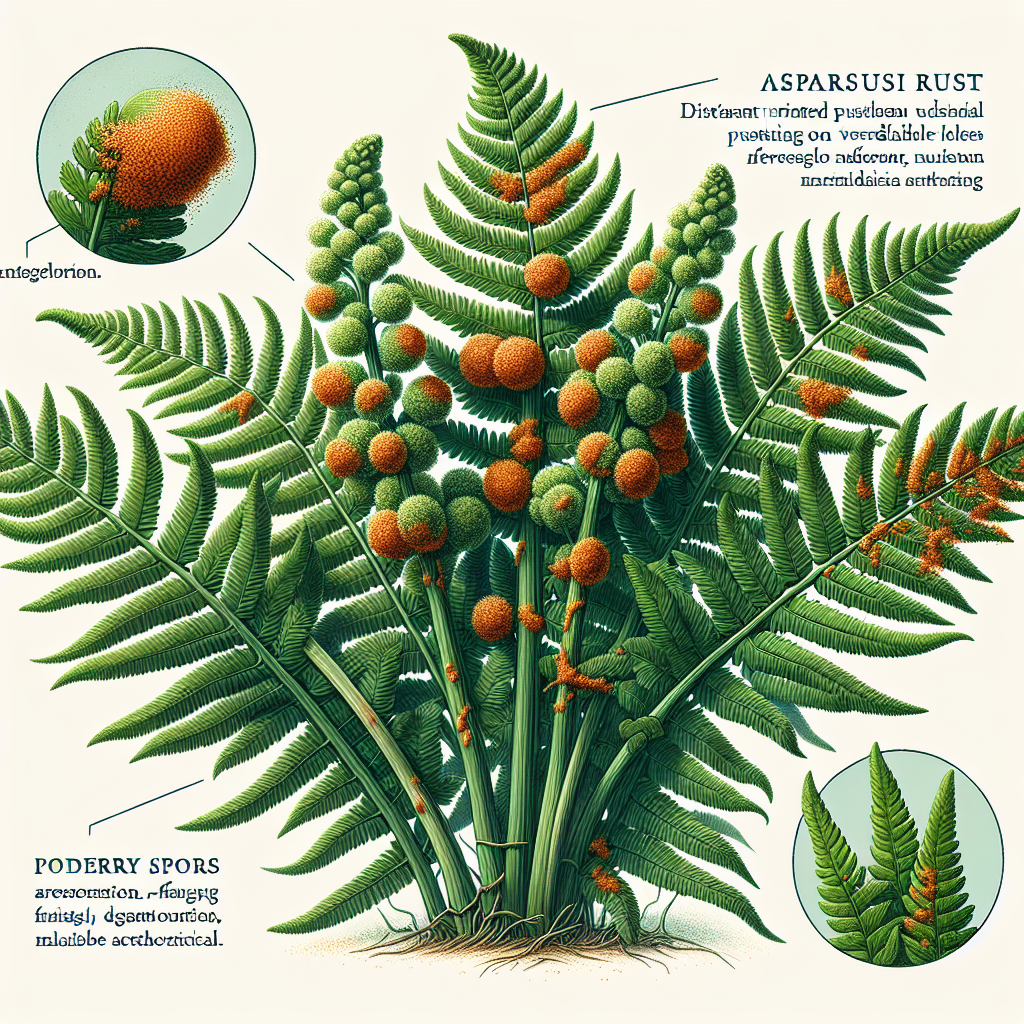
Asparagus rust
Asparagus rust, caused by the fungus Puccinia asparagi, is a destructive disease that attacks asparagus ferns, leading to premature defoliation and weakened crowns. Early detection of orange pustules on foliage is crucial for effective management. This guide provides comprehensive strategies for diagnosis, organic control, and prevention to protect your asparagus crop.
View Profile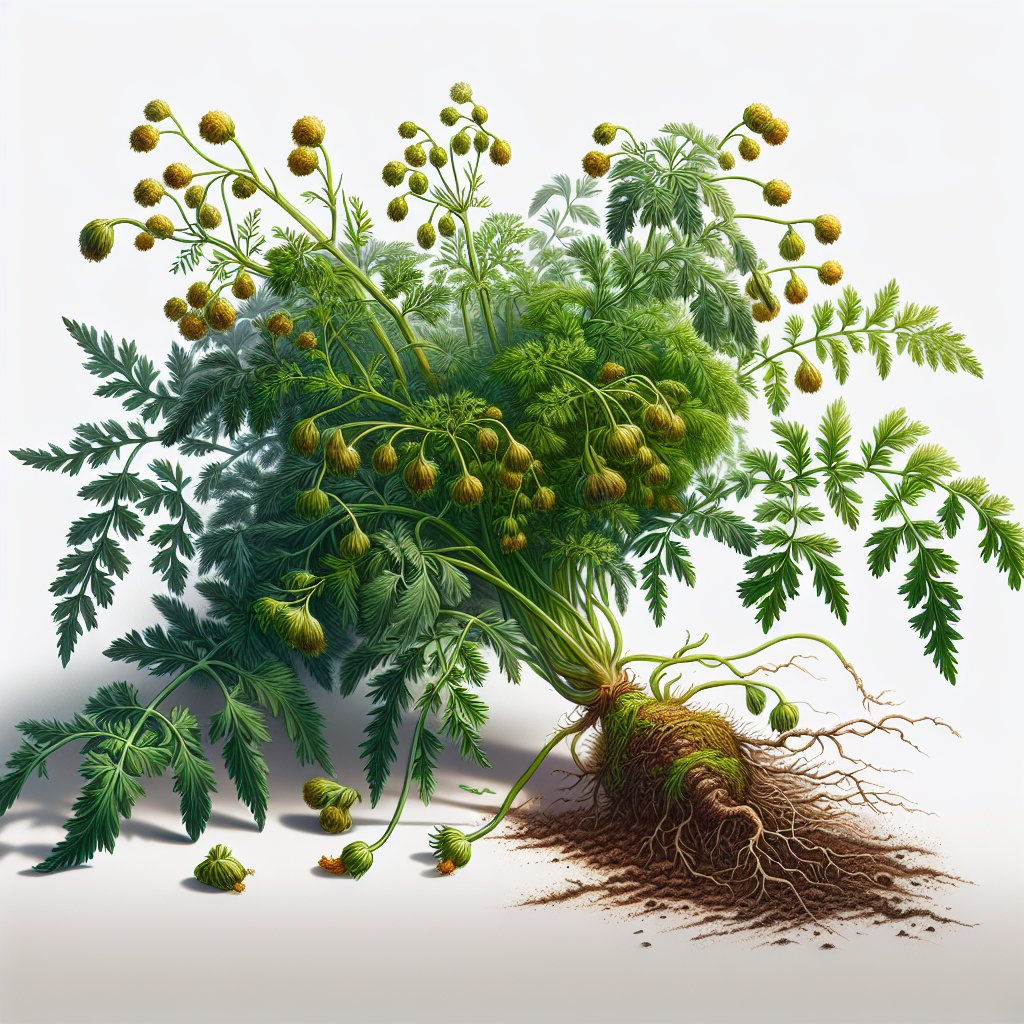
Aster yellows
Aster yellows is a devastating phytoplasma disease spread by leafhoppers, causing witches' broom, phyllody, and stunted growth in over 300 plant species. It disrupts normal plant development, turning flowers into leaf-like structures and reducing yields significantly. Early detection and vector control are key to management in affected crops.
View Profile