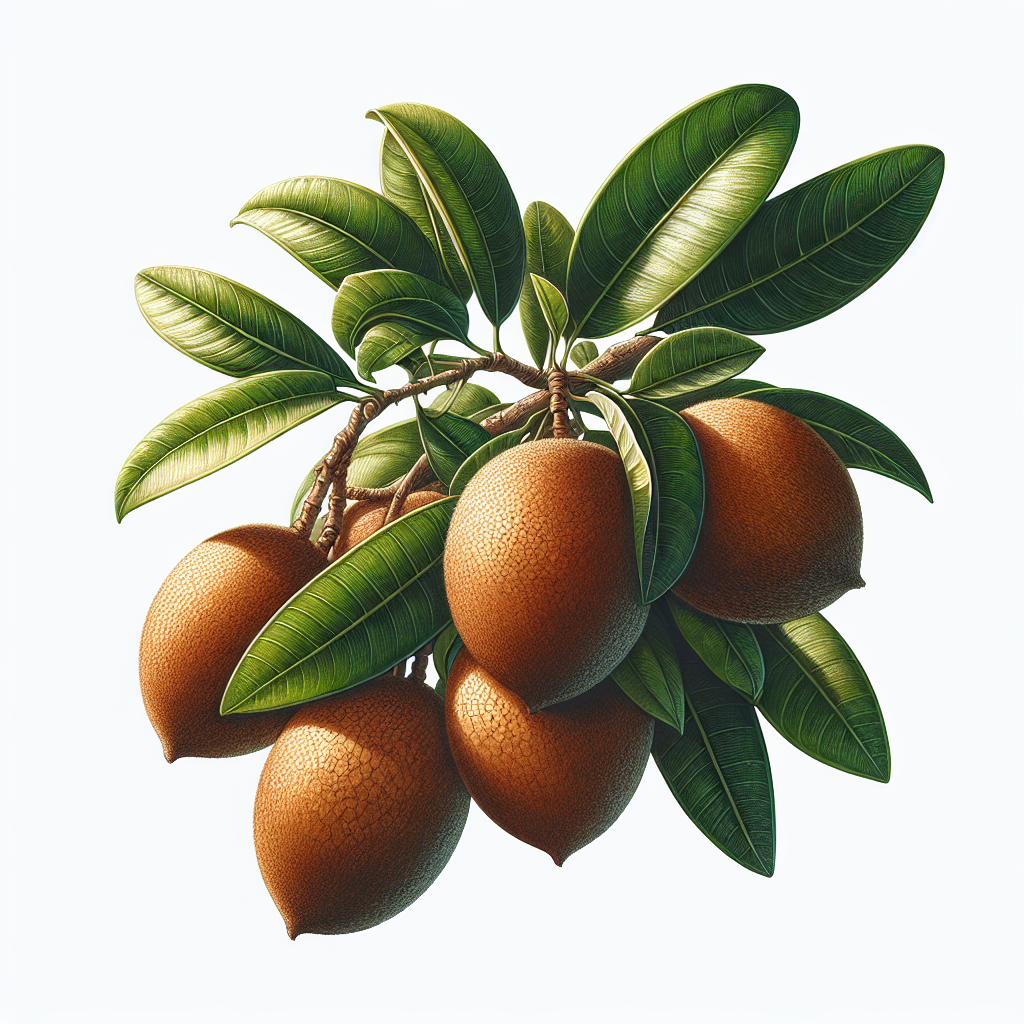
Introduction to Sapodilla (Alano)
Sapodilla (Alano), scientifically Manilkara zapota, is a tropical evergreen tree celebrated for its delicious, caramel-like fruit. Native to Central America and widely cultivated in Mexico, the Caribbean, India, and Southeast Asia, Alano is a premium variety prized for its large size, rich flavor, and resilience. The fruit, often called sapote or naseberry, features soft, sweet flesh with fine-grained texture when ripe, making it a favorite in fresh markets, smoothies, and desserts.
This deep-dive growing guide equips professional growers and enthusiasts with practical, evidence-based advice. Sapodilla trees can live over 100 years, producing 200-500 fruits annually once mature (5-8 years old). They demand minimal care in ideal conditions but require attention to climate, soil drainage, and pests for optimal yields. With proper management, Alano sapodillas yield fruits weighing up to 500g each, fetching premium prices in niche markets. For more on tropical fruit cultivation, check out our Mango (crop) guide.
Botanical Profile of Sapodilla (Alano)
Sapodilla belongs to the Sapotaceae family, characterized by milky latex (chicle) used historically in chewing gum. Alano cultivars are grafted selections known for vigorous growth, reaching 18-30 meters tall with a broad, dense canopy. Leaves are glossy, elliptical (5-10 cm long), spirally arranged. Flowers are small, white, bell-shaped, appearing year-round in clusters.
Fruits are round to oval, 5-10 cm diameter, with rough, brown skin and 4-5 large black seeds embedded in sweet, brownish pulp. Ripening takes 3-5 days off-tree, developing malty, persimmon-like flavor. Trees are dioecious or hermaphroditic, but Alano is typically parthenocarpic, fruiting without pollination. Root system is taproot-dominant with extensive laterals, aiding drought tolerance. Phenology: vegetative growth peaks in rainy seasons; fruit set follows mild dry periods. For insights into heat-tolerant crops during Why Summer Heatwaves Are Silently Killing Small Farm Yields - And 7 Organic Strategies to Fight Back.
Soil, pH, and Climate Requirements for Sapodilla (Alano)
Sapodilla Alano thrives in well-drained, sandy loam or loamy soils rich in organic matter. Avoid heavy clays prone to waterlogging, which causes root rot. Optimal pH is 6.0-7.5; test soil annually and amend with lime for acidity below 6.0 or sulfur for alkalinity above 7.5. Incorporate 5-10 kg compost per planting hole for micronutrients like zinc and boron, critical for fruit set.
Climate: USDA zones 10b-11 (min 28°F/-2°C tolerance). Prefers 75-85°F (24-29°C) averages, with rainfall 1000-2500 mm/year, evenly distributed or supplemented by irrigation. Full sun (8+ hours) essential; wind protection vital for young trees. Humidity 60-80%; extreme dry spells (>3 months) reduce yields by 40%. Mulch with 10-15 cm organic material to retain moisture and suppress weeds. In marginal areas, use raised beds or containers with grafted dwarfs.
Step-by-Step Planting & Propagation
Propagation: Seed propagation is unreliable (high variability); prefer air-layering or grafting onto rootstocks like Cramoya for vigor. Collect ripe fruits, extract clean seeds, sow in 1:1:1 sand-compost-perlite at 25-30°C. Germination: 2-4 weeks; transplant at 15-20 cm height.
Planting: Site prep: Dig 60x60x60 cm holes, fill with topsoil + 20 kg compost + 500g superphosphate. Plant in early rainy season, spacing 8-10 m apart (100-150 trees/ha). Grafted saplings (1-1.5 m tall) establish fastest. Water deeply (50-100 L/tree) weekly first year; stake against wind.
Training: Prune to single trunk, select 4-6 scaffold branches at 60-90 cm height. Thin crowded areas annually. Expect first fruits 3-5 years post-graft. For small farms, interplant with short-term crops like pineapple years 1-3.
Care & Maintenance regimes for Sapodilla (Alano)
Irrigation: Drip systems deliver 20-40 L/tree/week in dry periods; deficit irrigation boosts flavor but risks fruit drop. Monitor soil moisture to 60 cm depth.
Fertilization: Annual schedule: NPK 10-20-20 at 1-2 kg/tree/year 1, increasing to 5-10 kg mature. Foliar sprays (ZnSO4 0.5%, MnSO4 0.3%) post-flowering. Organic: chicken manure 10-20 kg/tree + rock phosphate.
Pruning: Annual light pruning removes deadwood, watersprouts; canopy shaping enhances light penetration. Tip: Prune post-harvest to avoid latex flow.
Weed Control: Mulch + shallow cultivation; cover crops like clover suppress grasses. Monitor growth; trees compete well once canopied.
Pollination: Alano self-fruitful; bees enhance set. Avoid pesticides during bloom.
Pests, Diseases & Organic Management
Pests: Major threats include mealybugs (cluster on twigs; treat with neem oil 2% or soap sprays weekly), scale insects (scrape + hort oil), fruit flies (protein baits + sanitation), and birds (netting). Monitor with sticky traps; introduce ladybugs for aphids.
Diseases: Anthracnose causes fruit rot (copper fungicide pre-monsoon); Phytophthora root rot from poor drainage (improve aeration, use biofungicides like Trichoderma). Leaf spots managed by potassium-rich fertilizers. Cultural: Prune for airflow; remove mummies.
Organic IPM: Companion herbs like thyme, beneficial nematodes for soil pests. Early detection via scouting prevents 80% losses. Learn more in Why 90% of Small Farms Fail at Pest Management - And 8 Organic Fixes That Actually Work.
Harvesting, Curing & Optimal Storage
Harvest when fruits reach full size, skin turns dull brown, and light thumb pressure yields slightly (145-160 days from set). Twist or clip with 2 cm stem; yield peaks Dec-May. Mature trees: 50-100 kg/tree.
Curing: Place in shaded area 3-7 days at 25-30°C for ripening; ethylene from bananas accelerates.
Storage: Ripe fruit: 7-10 days at 13-15°C, 85-90% RH. Unripe: 2-4 weeks at 15°C. Market fresh or process into paste/chutney. Postharvest losses minimized by waxing and ventilated crates.
Companion Planting for Sapodilla (Alano)
Alano's canopy suits understory planting. Beneficial companions: Guava (similar needs, pest deterrence), legumes like pigeon pea for nitrogen, marigold against nematodes. Avoid water-hungry crops like corn. Groundcovers: sweet potato vines suppress weeds. Intercrop pineapples or papaya for shade tolerance and soil protection. Benefits: 20-30% yield boost via pest repulsion and microclimate moderation. Rotate to prevent soil fatigue.