Introduction to Scald
Scald, a devastating foliar disease in agriculture, poses a serious threat to cereal crops, turfgrasses, and select fruit varieties worldwide. Primarily caused by the fungus Rhynchosporium secalis in cool-season grasses like barley, rye, and wheat, scald manifests as distinctive white or tan lesions resembling burns or scalds on leaves, severely impairing photosynthesis and grain fill. In turfgrasses such as perennial ryegrass and fescues, it's often a physiologic disorder triggered by environmental stress rather than a pathogen, leading to rapid patch dieback in lawns and golf courses.
First identified in the early 20th century in Europe, scald has since spread globally, costing grain producers millions annually through reduced yields—up to 20-50% in severe epidemics. In barley, the most susceptible crop, symptoms appear during prolonged wet periods, making it a key concern for Oats and Rye growers too. Beyond cereals, fruit scald affects apples and pears post-harvest due to volatile compounds or cold storage issues, while turf scald mimics drought stress but stems from heat, low humidity, or chemical burn. Early diagnosis is critical, as unchecked scald progresses rapidly, turning vibrant fields into bleached wastelands. This guide equips farmers with professional diagnostic tools, organic management strategies, and prevention tactics to safeguard yields. For small farms optimizing layouts, check this insightful blog on zoning farm chaos into profit zones.
Understanding scald's dual nature—pathogenic in crops and abiotic in turf—allows precise intervention. In cereals, spores splash from infected debris, infecting new leaves in 7-14 days under optimal conditions (10-20°C, high humidity). Turf scald, conversely, arises from microenvironmental mismatches, like over-fertilization with quick-release nitrogen during heatwaves. Global warming exacerbates both, extending moist periods for fungal scald and intensifying drought-like triggers for physiologic types. Proactive scouting, combined with resistant cultivars like modern barley hybrids, forms the cornerstone of integrated management.
Identifying Symptoms & Damage
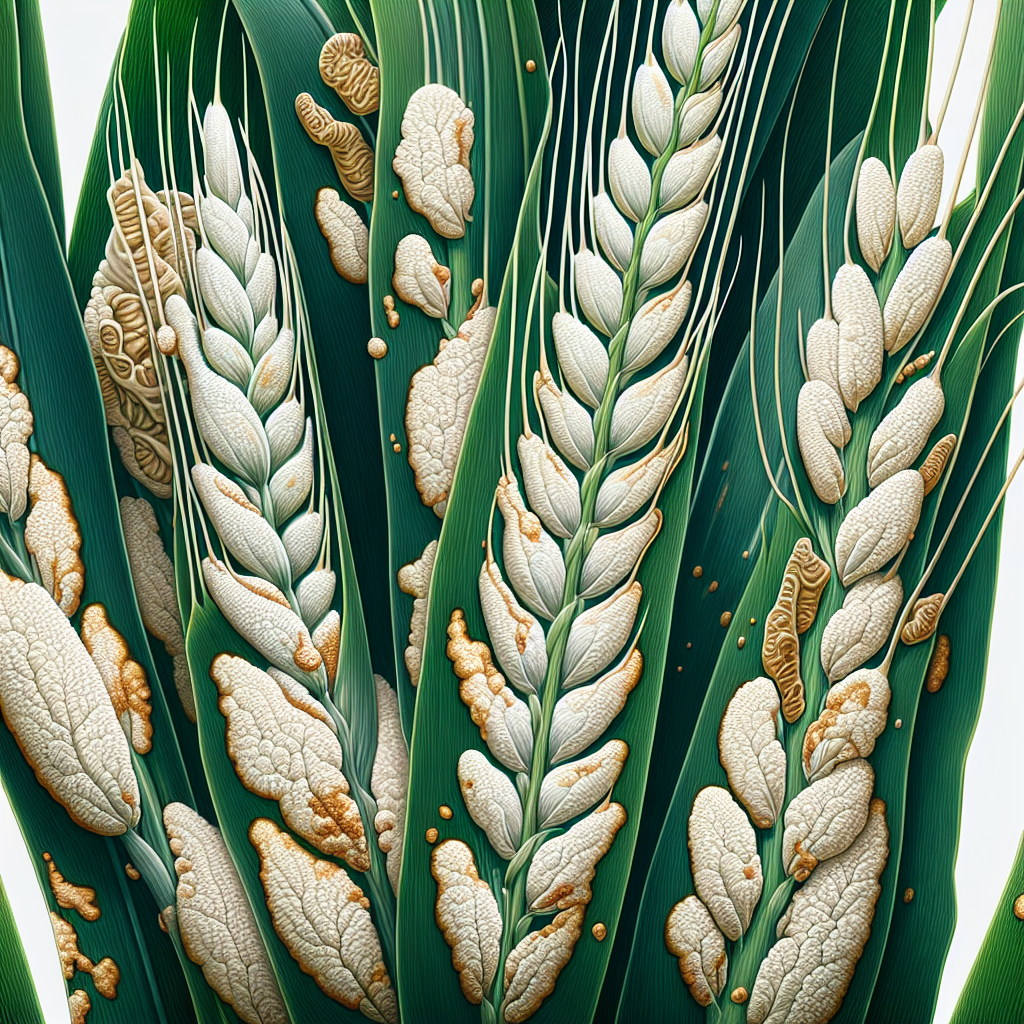
Scald symptoms are unmistakable once established, starting subtly but escalating to catastrophic levels. In cereal crops such as barley and wheat, small, water-soaked spots emerge on lower leaves post-tillering, evolving into elongated, diamond-shaped lesions 1-3 cm long. These bleach to creamy white or tan with brown margins, often chlorotic at edges, mimicking leaf rust but lacking pustules. Under magnification, fungal scald reveals abundant pycnidia—flask-shaped fruiting bodies exuding spores in wet conditions—distinguishing it from abiotic lookalikes like nutrient deficiencies.
Advanced infection girdles leaves, causing 'scalded' appearance with rapid senescence; flag leaves are hit hardest pre-heading, slashing grain weight by 10-30%. Yield drag compounds in dense canopies where humidity festers. Turf scald presents as irregular, straw-colored patches 5-30 cm wide in ryegrass or fescue lawns, with wilted, blighted blades lacking mycelium—confirm via absence of pathogens in lab tests. Damage mimics powdery mildew or damping-off but spreads downhill from irrigation sources.
Fruit scald in apple or pear storage shows bronze-brown bands on skin, unrelated to fungal scald but equally damaging, reducing marketability by 15-25%. Quantify damage via disease severity indices: count lesions per leaf (threshold >5 triggers action) or patch coverage (>10% warrants treatment). Secondary invaders like Alternaria exploit lesions, worsening necrosis. Scouting protocols: Weekly checks from tillering to soft dough stages, using 10x hand lens for pycnidia. Economic thresholds vary—5% severity in barley justifies intervention, per extension services.
Lifecycle and Progression of Scald
The scald pathogen Rhynchosporium secalis overwinters as dormant mycelium or pycnidia on infected residue, seeds, or volunteer plants, surviving harsh winters in semi-dormant states. Spring rains splash spores onto seedlings, germinating in 6-12 hours at 15°C and 95% RH, penetrating stomata or wounds. Incubation spans 5-10 days, yielding chlorotic flecks that expand into lesions by day 14. Lesions sporulate profusely in dew or fog, cycling 3-5 times per season via rain splash (up to 1m vertically) or wind-driven spread.
Peak progression aligns with jointing to booting, when dense foliage traps moisture; a single cycle can infect 50% of canopy in 2 weeks. Inoculum builds from 10^4 to 10^6 spores/cm² per lesion, polycyclic epidemics overwhelming susceptible varieties. Turf physiologic scald lacks a lifecycle, triggered acutely by >30°C days with <50% RH, compounded by ethylene from over-fertilized thatch. Progression: Day 1 wilt, Day 3 bleach, Week 2 full necrosis if unstressed. Monitor via weather models predicting infection periods (IPP >20 hours high risk).
Environmental Triggers & Risk Factors
Cool, moist microclimates are scald's playground: Optimal 10-20°C with leaf wetness >12 hours accelerates epidemics. High nitrogen pushes lush growth, thickening canopies for humidity pockets; minimum tillage leaves residue inoculum. Susceptible varieties like older barleys amplify risk, while continuous cereals sans rotation foster buildup. Irrigation overhead mimics rain splash, hiking infection 3x. In turf, hot days (>32°C), low humidity, sandy soils, and salt stress precipitate physiologic scald, worsened by traffic or thatch >1 cm.
Regional hotspots include Pacific Northwest grains and UK barley belts, where autumn-sown crops overwinter inoculum. Climate shifts prolong wet springs, boosting incidence 20-40%. Risk assessment: Use disease forecasting apps tracking leaf wetness hours; scores >75 signal alert.
Organic Control & Treatment Plans
Organic scald management emphasizes cultural, biological, and OMRI-listed fungicides. Cultural: Rotate with non-hosts like corn or legumes (2-3 years); destroy residue via deep plowing or flaming. Sow resistant varieties (e.g., 'Power' barley) at optimal density (300-350 seeds/m²) for airflow. Apply compost teas with Trichoderma spp. at tillering to antagonize R. secalis.
Biologicals: Bacillus subtilis (Serenade) or Streptomyces (Actinovate) sprays every 10-14 days from first symptoms, achieving 60-80% suppression. Potassium bicarbonate (MilStop) disrupts fungal cell walls in organic programs.
Treatment Protocol:
- Scout weekly; treat at 5% severity.
- Tank-mix biofungicide + silicon (e.g., Regalia) at 14-day intervals, 3x max.
- Prune turf thatch; aerate for drainage.
- Post-harvest: Seed treatments with Clonostachys rosea. Integrate with Leaf spot diseases management for synergy. Success rates hit 70% with timely apps, per organic trials.
For misidentification pitfalls, see Why Misidentifying Plants Costs Small Farms Thousands.
Preventing Scald in the Future
Long-term prevention hinges on IPM: Plant certified, scald-free seed; select multi-resistant cultivars via varietal trials. Enhance airflow via wider rows, avoid excess N (>120 kg/ha). Cover crops like mustard biofumigate residue. Monitor via sticky traps and weather stations; apply preventative biofungicides pre-rain. Soil health bolsters resilience—maintain pH 6.0-7.0, balanced macros. For turf: Irrigate deeply AM, mow high (6-8 cm), avoid summer fert. Annual audits reduce incidence 80%. Read Soil Health Mastery for foundational tips.
Crops Most Affected by Scald
Scald ravages cool-season cereals foremost: Barley (70% global incidence), rye, wheat, and oats suffer 10-40% losses. Turfgrasses like perennial ryegrass and tall fescue in lawns/golf courses face physiologic scald outbreaks. Minor hits on quinoa and wild grasses. Fruit scald plagues stored apples, pears. Regional data: Australia barley yields drop 25%; US turf patches cost $millions in rehab.