Encyclopedia
Definitive guides for crops, pests, and agricultural diseases.
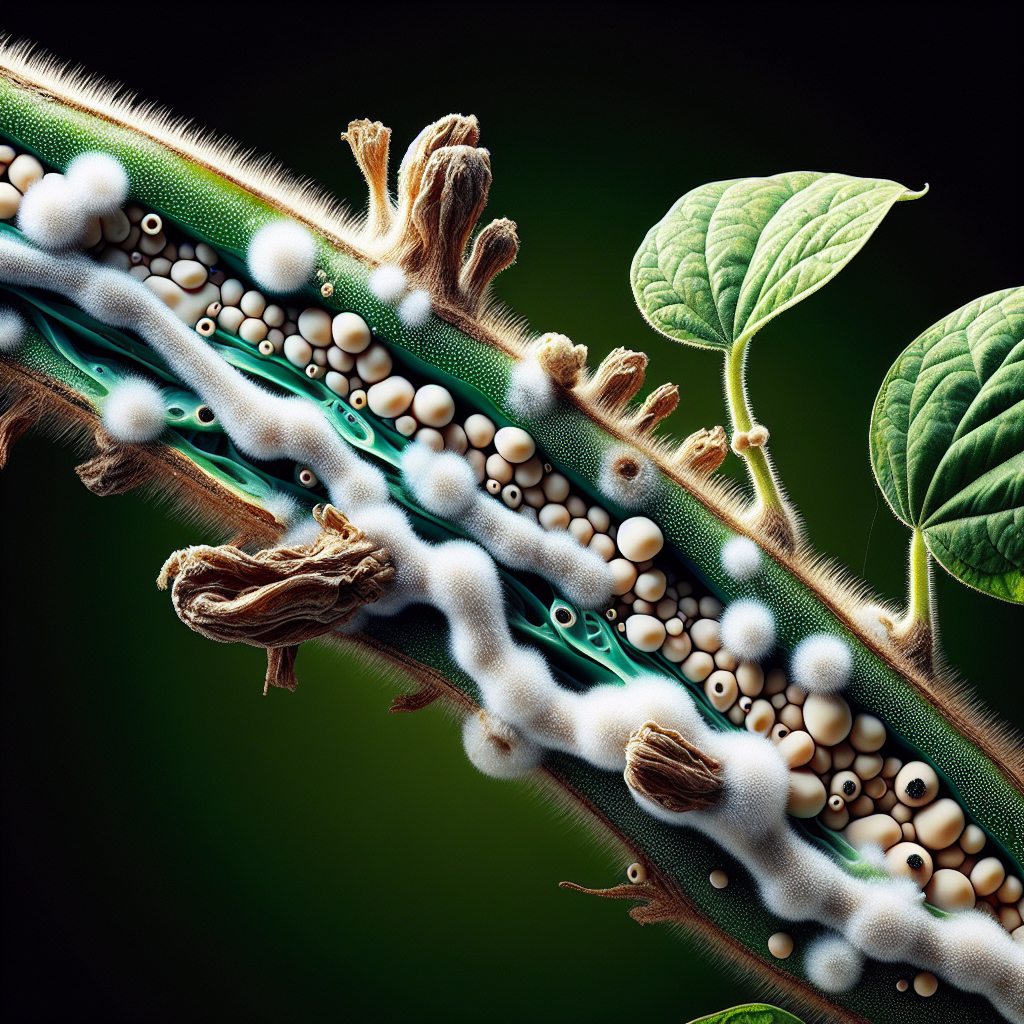
Sclerotinia stem rot
Sclerotinia stem rot, caused by the fungus Sclerotinia sclerotiorum, devastates broadleaf crops by rotting stems, leading to wilting and yield losses up to 100% in severe cases. This guide covers symptom identification, lifecycle, environmental risks, organic management, and prevention strategies for farmers. Early detection and cultural practices are key to minimizing damage in affected fields.
View Profile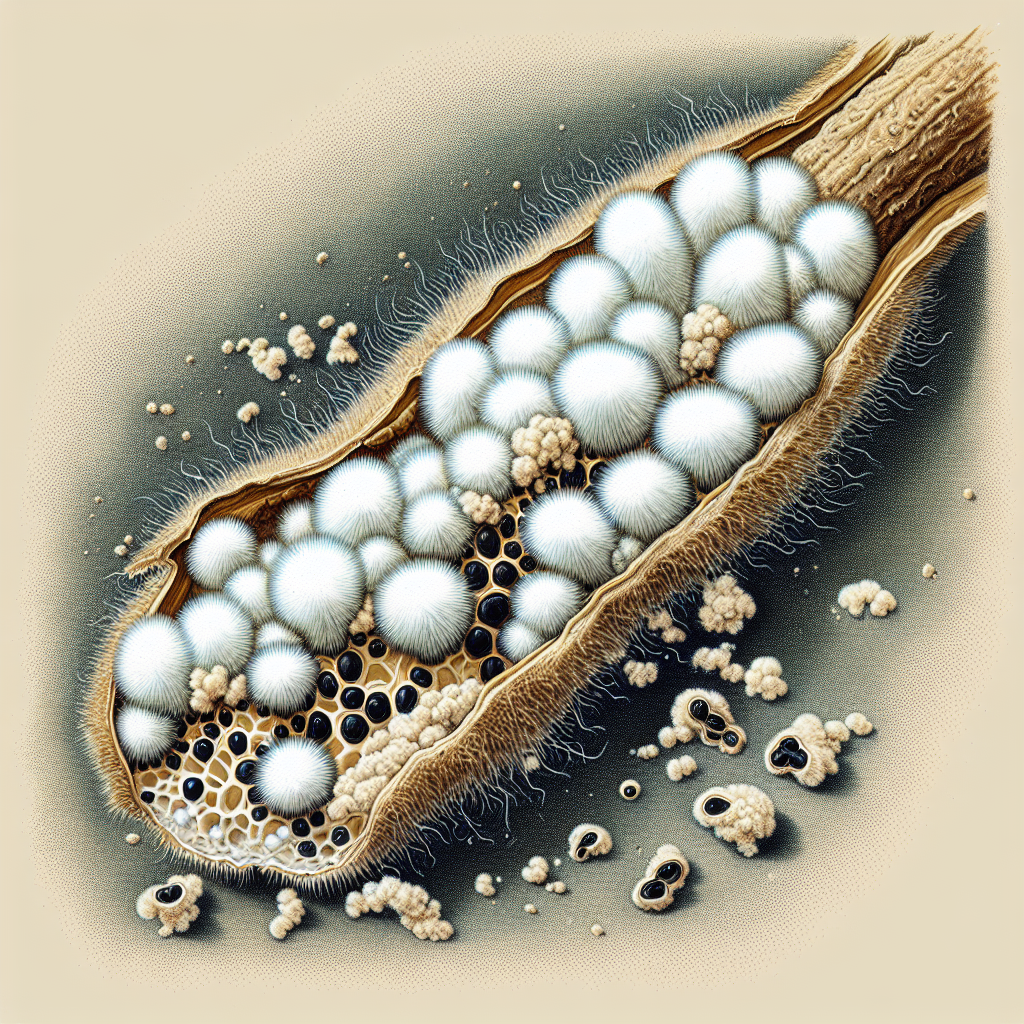
Sclerotinia white mold
Sclerotinia white mold is a devastating fungal disease caused by Sclerotinia sclerotiorum, affecting over 400 plant species worldwide, particularly legumes and vegetables. It produces hard black sclerotia and fluffy white mycelium, leading to wilting, stem rot, and significant yield losses in cool, moist conditions. Effective management relies on cultural practices, resistant varieties, and organic biocontrols to break the disease cycle.
View Profile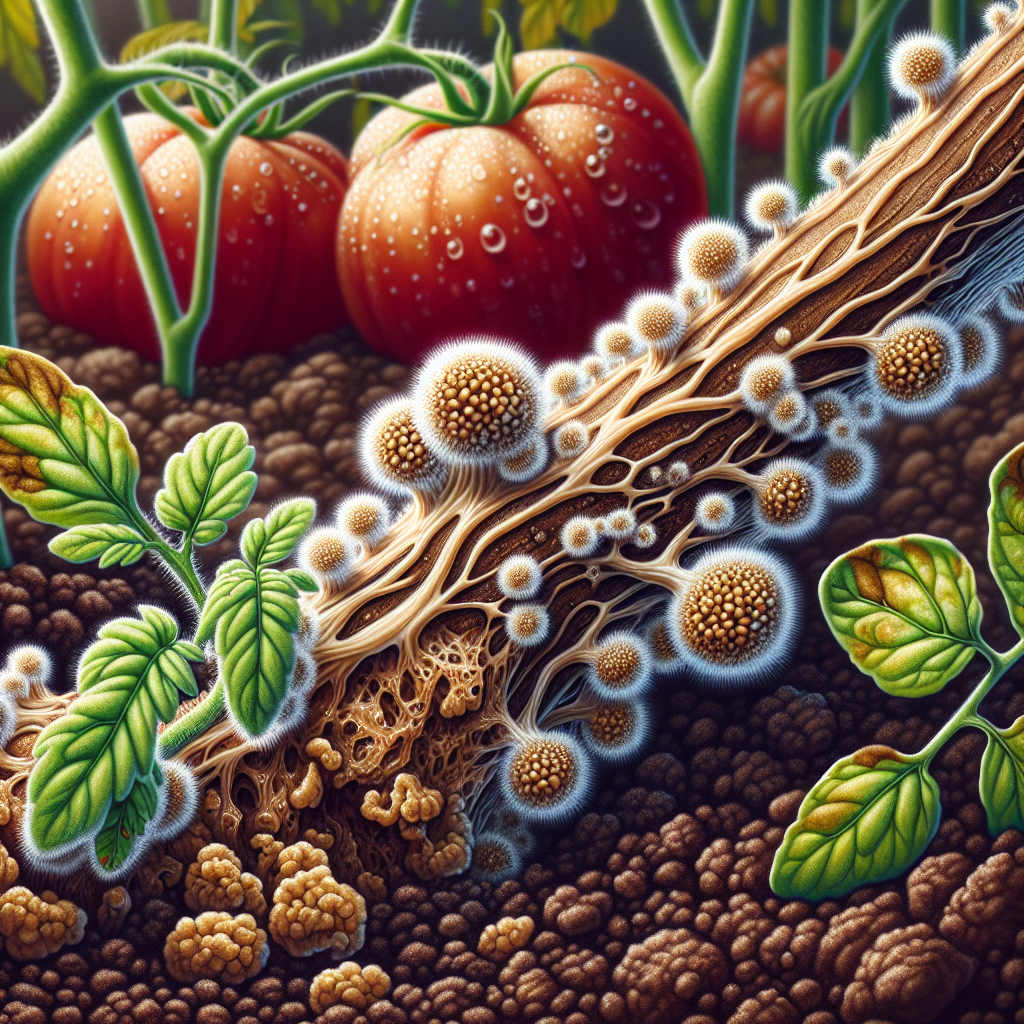
Sclerotium rolfsii
Sclerotium rolfsii is a highly destructive soilborne fungal pathogen causing southern blight, root rot, and wilt in over 500 plant species worldwide. Recognizable by mustard seed-like sclerotia and white mycelial growth at the soil line, it thrives in warm, moist conditions. Effective management relies on cultural practices, organic biocontrols, and strict prevention to minimize crop losses.
View Profile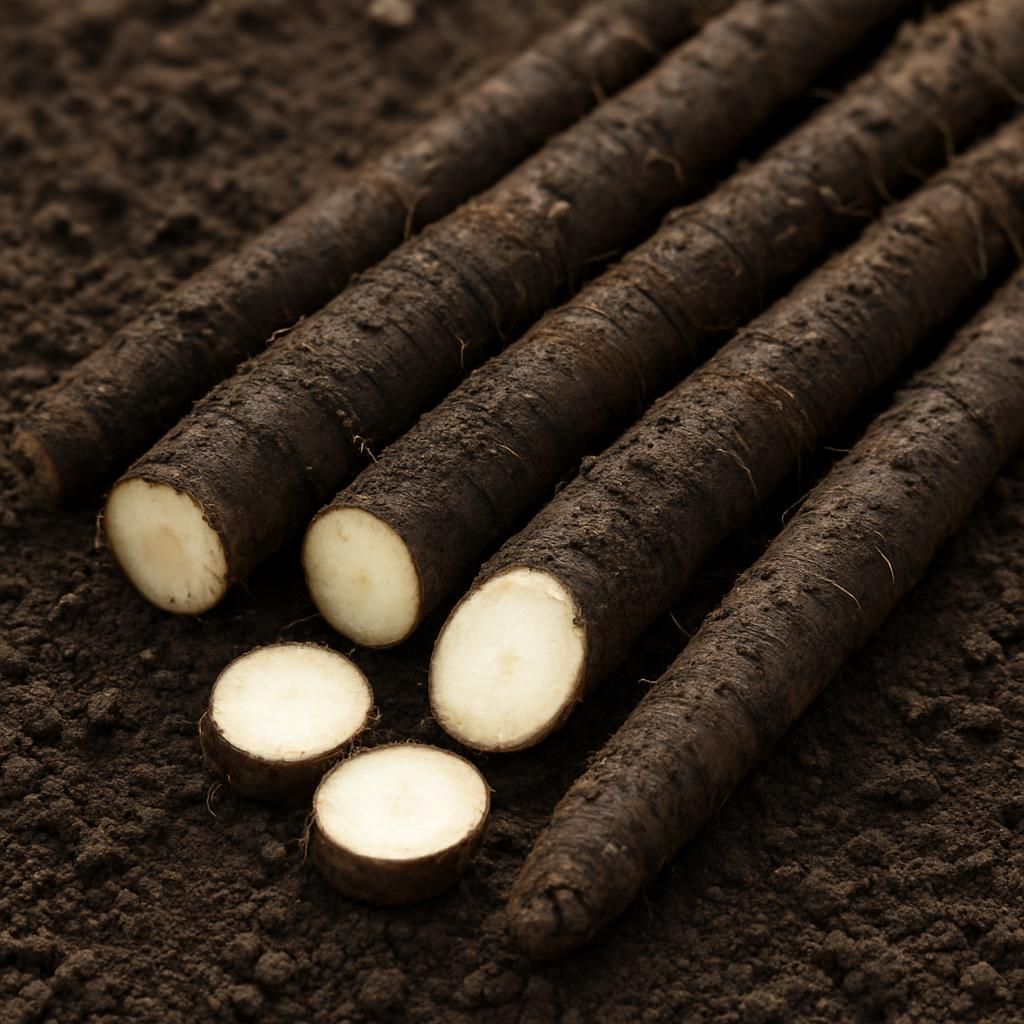
Scorzonera (Black Salsify)
Scorzonera, commonly known as black salsify, is a hardy, cool-season root vegetable prized for its long, dark taproots and delicate oyster-like flavor. This underutilized crop offers exceptional storage qualities and nutritional benefits including high levels of inulin and potassium. Its cultivation requires attention to soil depth and weed control but rewards growers with a reliable, gourmet harvest.
View Guide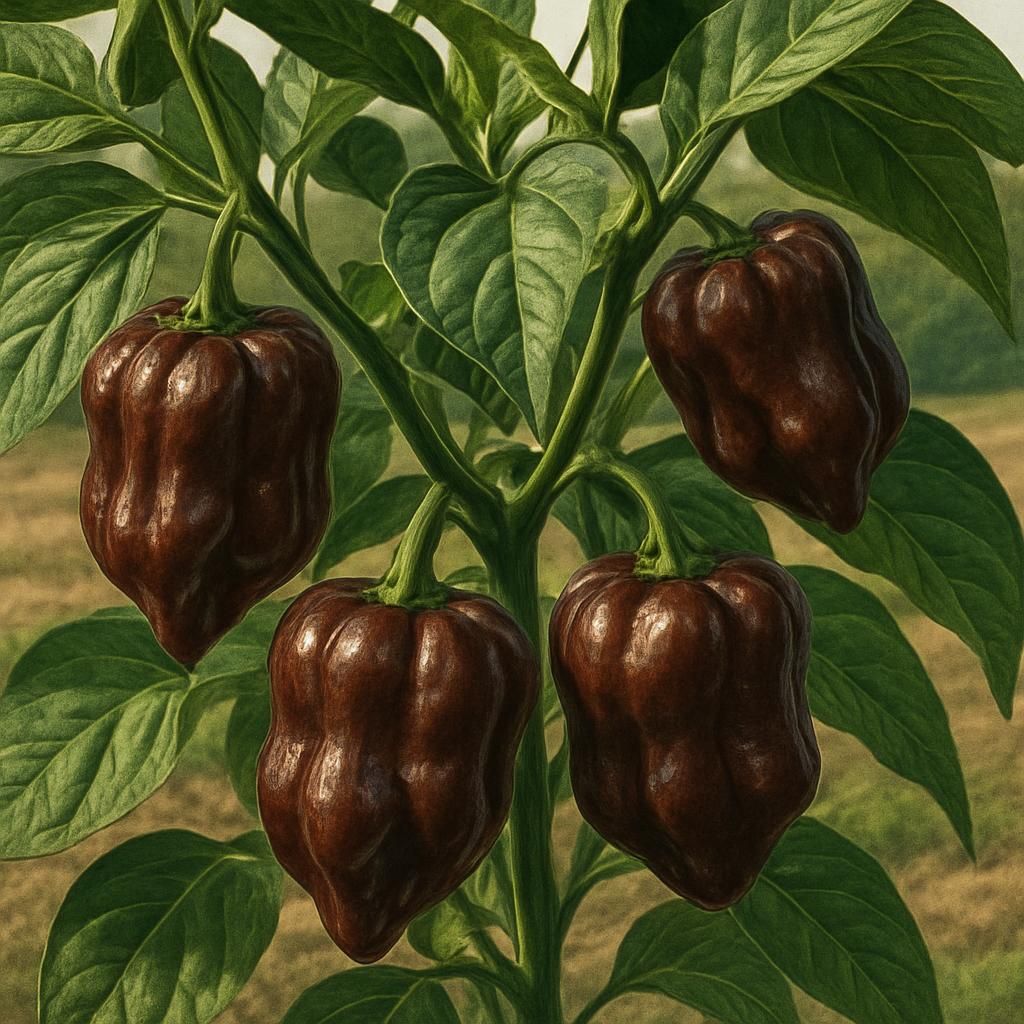
Scotch Bonnet Chocolate
Scotch Bonnet Chocolate is a rare, heat-loving Caribbean chili pepper prized for its rich chocolate-brown pods, fruity aroma, and intense heat reaching 300,000–450,000 Scoville units. This definitive guide covers soil, climate, propagation, care schedules, organic pest control, harvesting, and companion planting for professional-grade results.
View Guide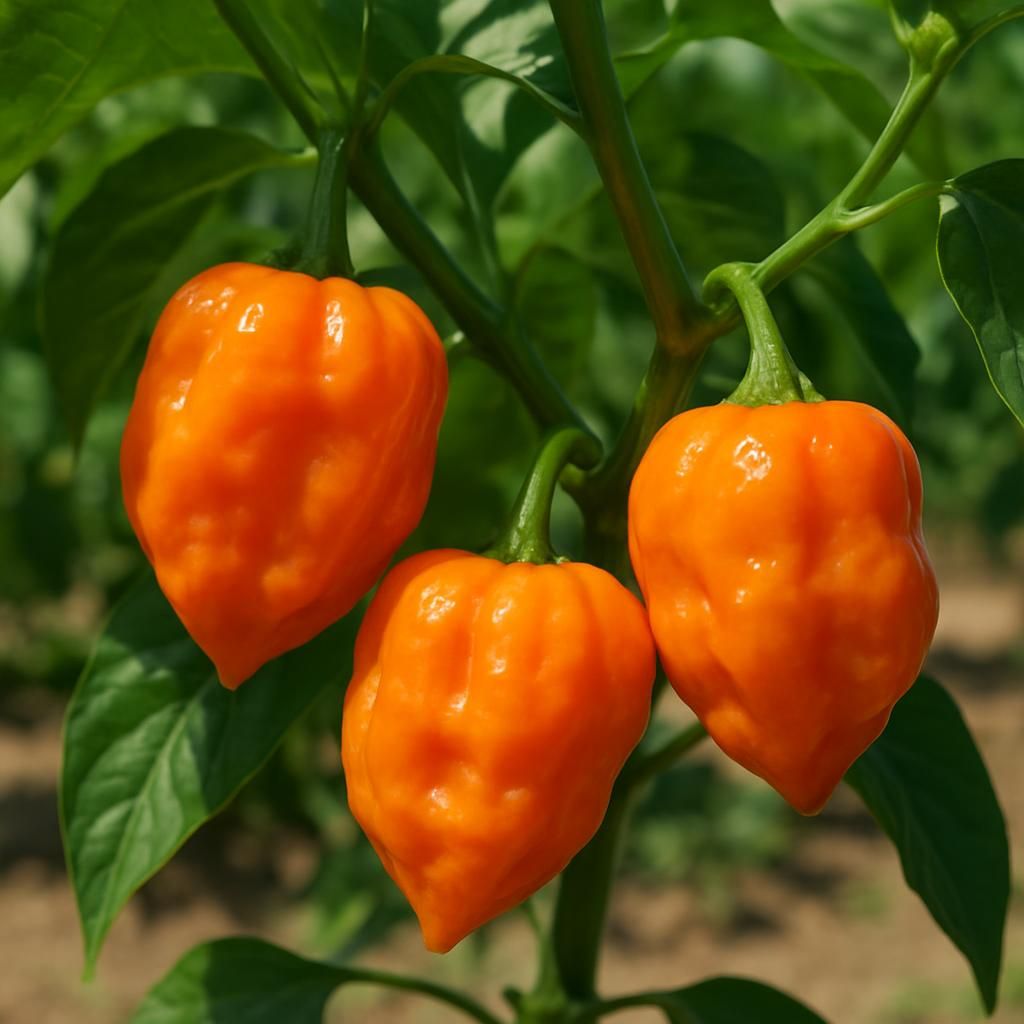
Scotch Bonnet Freeport Orange
Scotch Bonnet Freeport Orange is a rare, high-heat Caribbean chili pepper cultivar prized for its vibrant orange color, fruity aroma, and intense capsaicin content. This guide delivers professional-grade, field-tested growing instructions covering soil science, propagation, integrated pest management, and post-harvest handling for commercial and serious home growers.
View Guide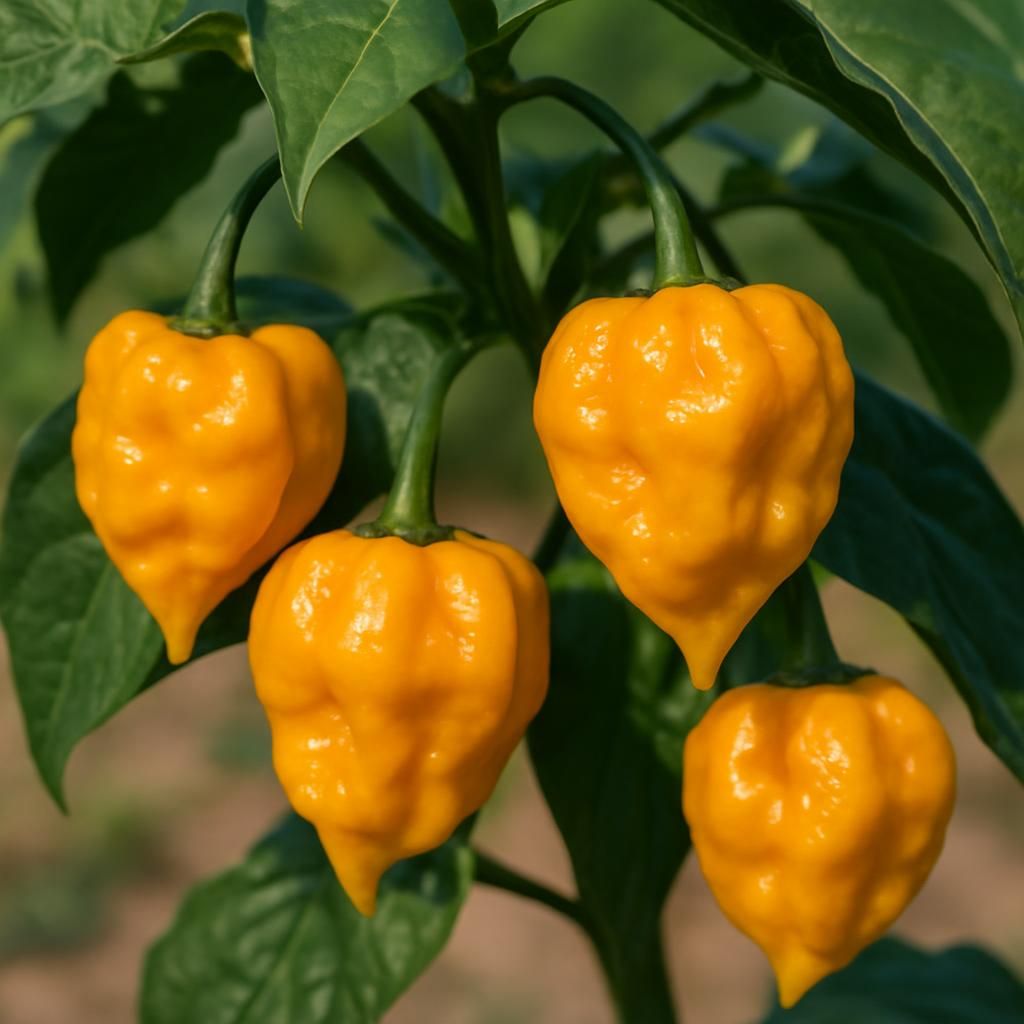
Scotch Bonnet Papa Joe's
Scotch Bonnet Papa Joe's is a distinctive heirloom variety of the Scotch bonnet pepper known for its intense fruity heat, vibrant color, and excellent culinary versatility. This guide delivers professional-grade, practical advice for successfully growing, maintaining, and harvesting this premium chili pepper.
View Guide
Scotch Bonnet Pepper
Scotch Bonnet pepper is a classic Caribbean hot pepper prized for its intense heat, fruity aroma, and distinctive bonnet-shaped fruits. Although often compared with habanero, it has its own flavor profile, growth habit, and cultural importance, and it performs best in warm, humid, frost-free conditions with highly managed fertility and moisture.
View Guide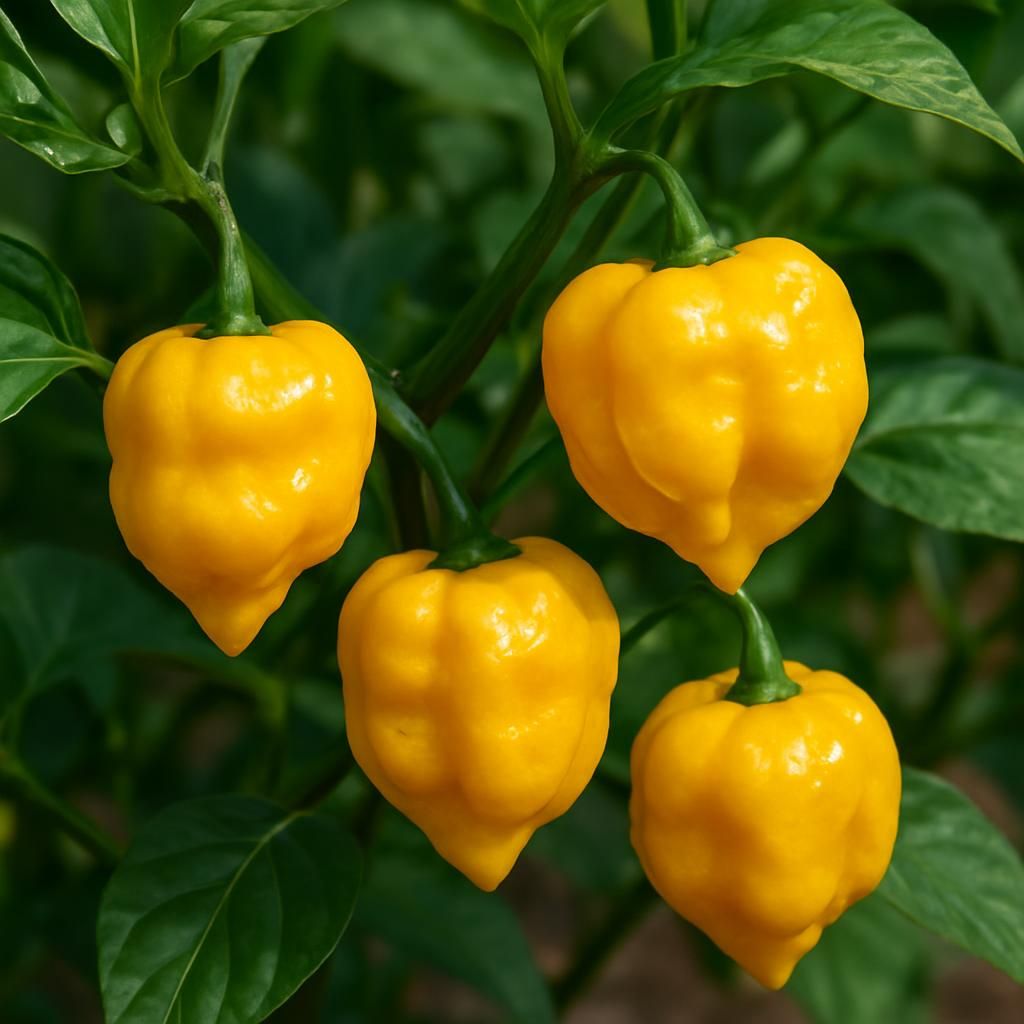
Scotch Bonnet Yellow
Scotch Bonnet Yellow is a high-heat Caribbean chili pepper prized for its fruity flavor and 100,000–350,000 Scoville heat units. This definitive guide covers botanical details, optimal soil and climate conditions, planting, care schedules, organic pest control, harvesting, and companion planting strategies.
View Guide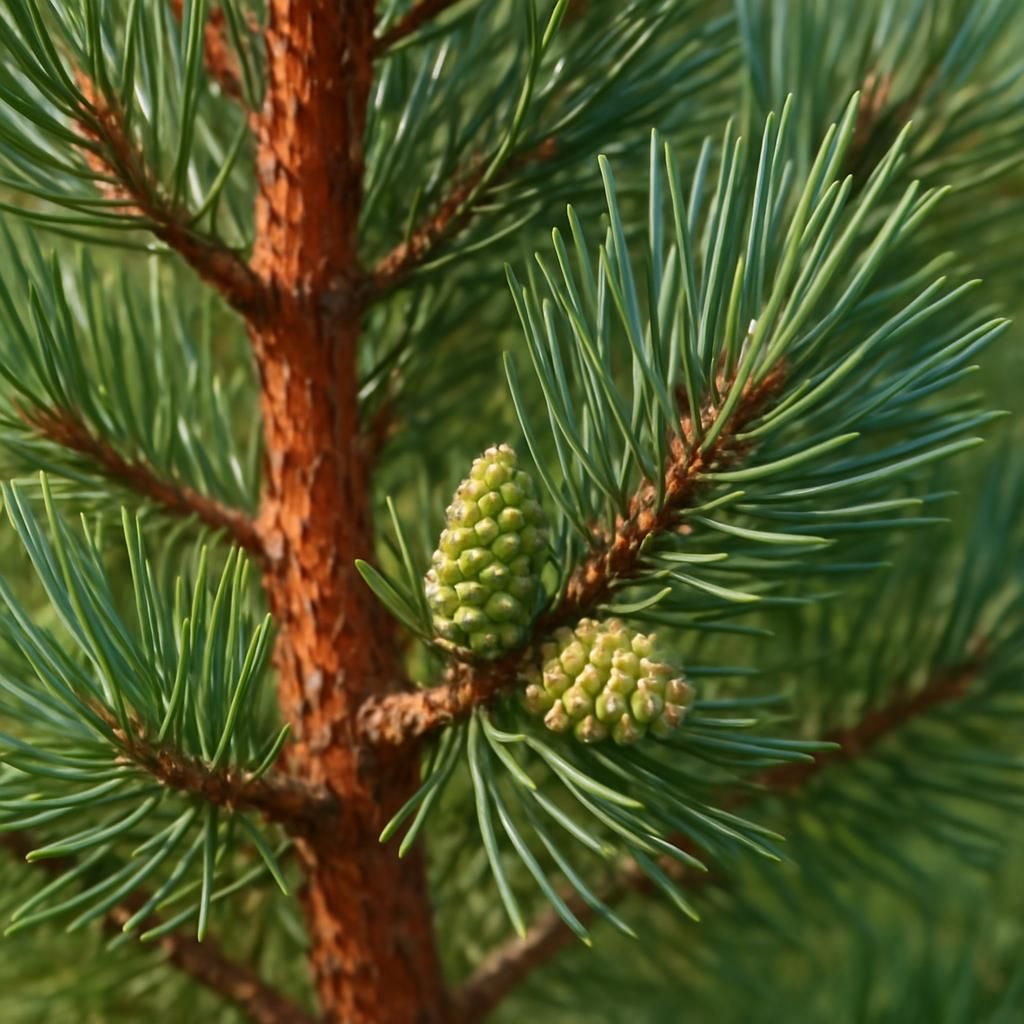
Scots Pine
Scots Pine is a resilient evergreen conifer valued for timber, resin, and ornamental use across temperate zones. This comprehensive guide covers soil preparation, planting techniques, care schedules, pest management, and companion strategies for successful cultivation.
View Guide
Scurf
Scurf is a fungal disease primarily affecting potato tubers, caused by soilborne pathogens like Rhizoctonia solani, resulting in dark, crusty lesions that reduce marketability and storage life. It spreads through infected soil, seed tubers, and plant debris, thriving in cool, moist conditions. Effective management relies on cultural practices, resistant varieties, and organic fungicides for sustainable control.
View Profile
Scutellonema bradys
Scutellonema bradys, known as the sting nematode, is a microscopic parasitic worm that infests root systems of yams and sweet potatoes, causing top rot and significant yield losses in tropical agriculture. This guide provides comprehensive diagnostics, lifecycle details, organic management strategies, and prevention tactics for farmers battling this persistent soil pest. Effective control relies on integrated cultural practices, biofumigation, and resistant varieties to safeguard tuber crops.
View Profile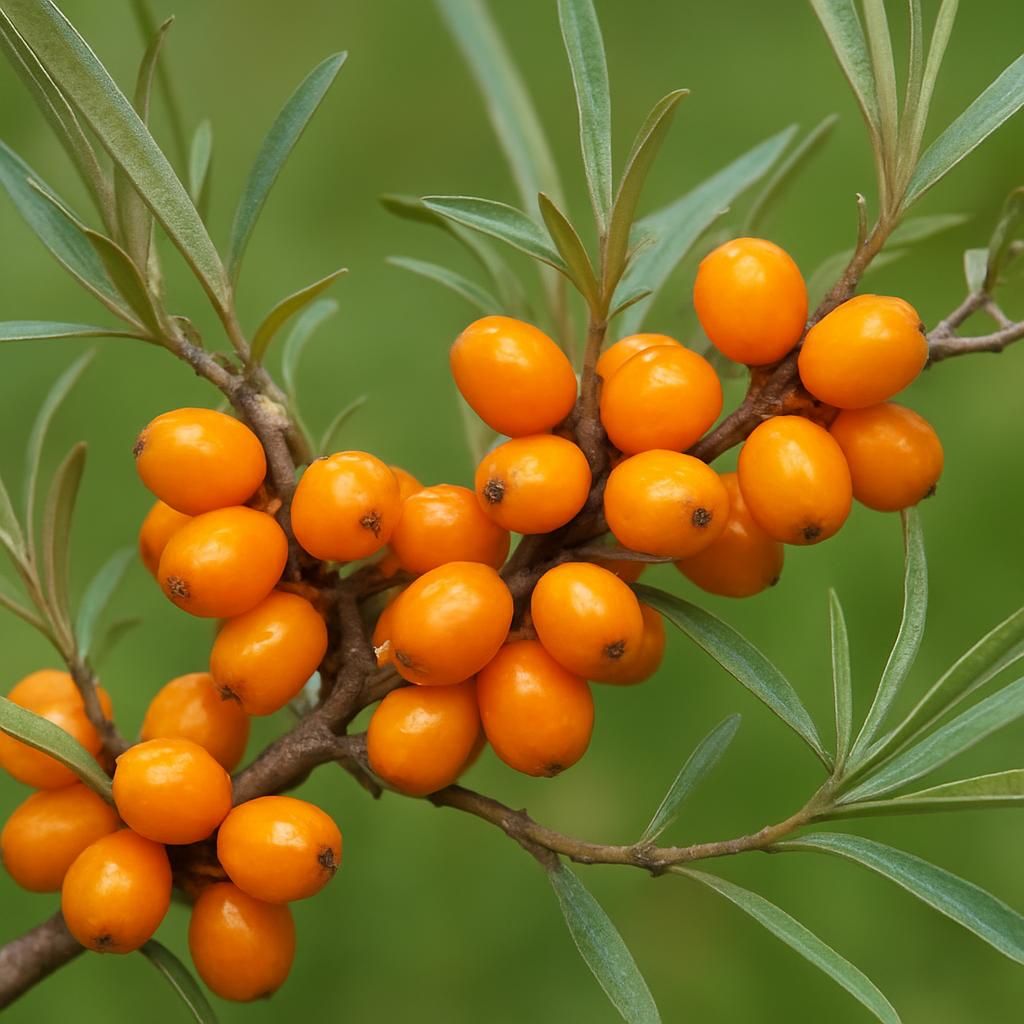
Sea Buckthorn
Sea buckthorn is a hardy, nitrogen-fixing deciduous shrub prized for its nutrient-dense berries and exceptional tolerance of poor soils and extreme climates. This comprehensive guide covers botanical characteristics, ideal growing conditions, propagation, care schedules, organic pest management, harvesting techniques, and companion planting strategies for commercial and home growers alike.
View Guide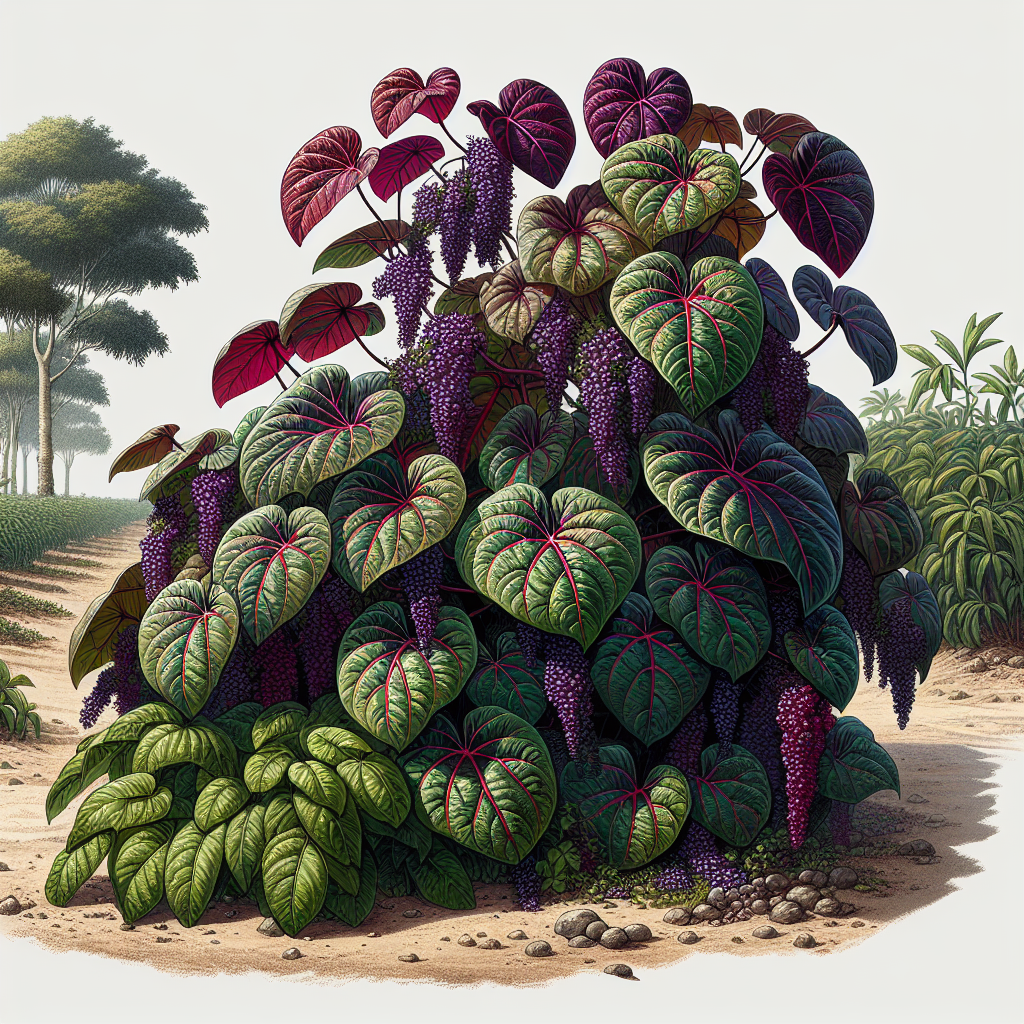
Sea Grape
Sea grape (Coccoloba uvifera) is an invasive coastal shrub notorious for overtaking agricultural lands in tropical regions, smothering crops with its aggressive growth and dense canopy. This guide provides definitive diagnostics, lifecycle insights, organic management strategies, and prevention tactics for farmers battling sea grape infestations. Protect your yields with proven, professional-grade agricultural techniques tailored for small farms.
View Guide
Sea Grape (Coccoloba uvifera)
Sea Grape (Coccoloba uvifera) is a resilient coastal shrub or small tree prized for its salty-sweet purple fruits, salt tolerance, and ornamental value. Native to tropical shorelines, it thrives in sandy soils and harsh marine environments, making it ideal for beachside gardens and erosion control. This guide provides expert cultivation techniques for optimal yields and health.
View Guide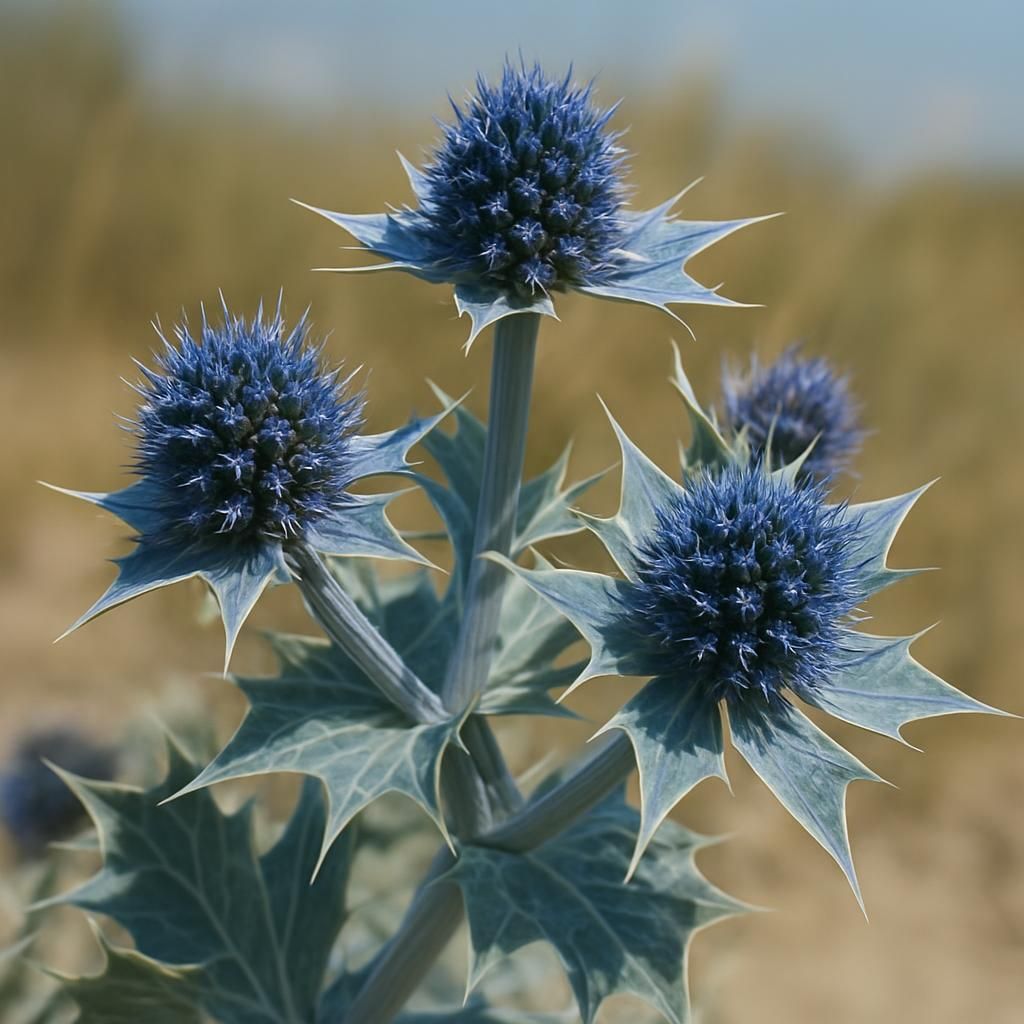
Sea Holly (Eryngium maritimum)
Sea Holly is a striking perennial prized for its metallic blue flower heads and exceptional drought tolerance, making it ideal for coastal and sandy-soil gardens. This definitive guide covers every stage from soil preparation to harvest and storage.
View Guide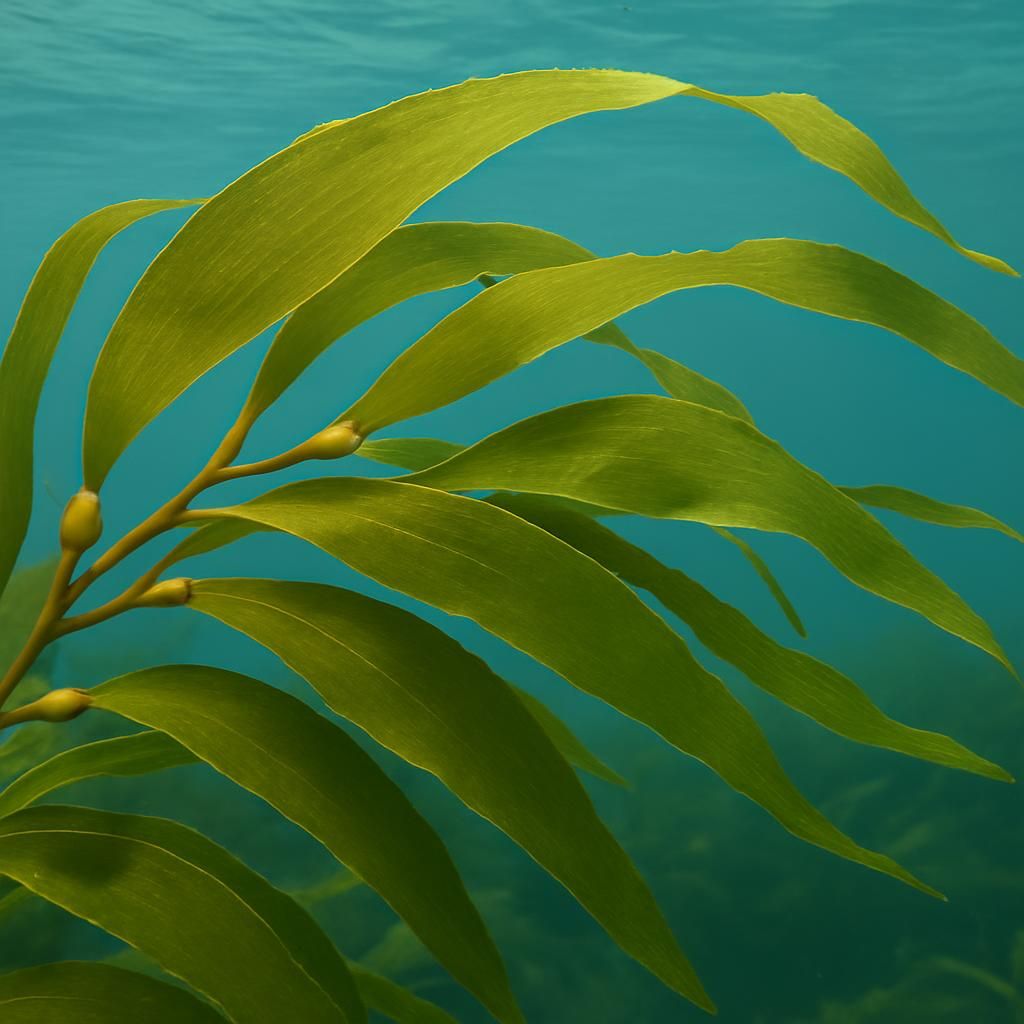
seaweed
Seaweed cultivation, or mariculture, involves the controlled growth of marine macroalgae in coastal or offshore environments for food, feed, fertilizers, and bioproducts. This professional guide covers botanical characteristics, site selection, propagation, maintenance, pest management, harvesting, and companion strategies for high-yield, sustainable seaweed production.
View Guide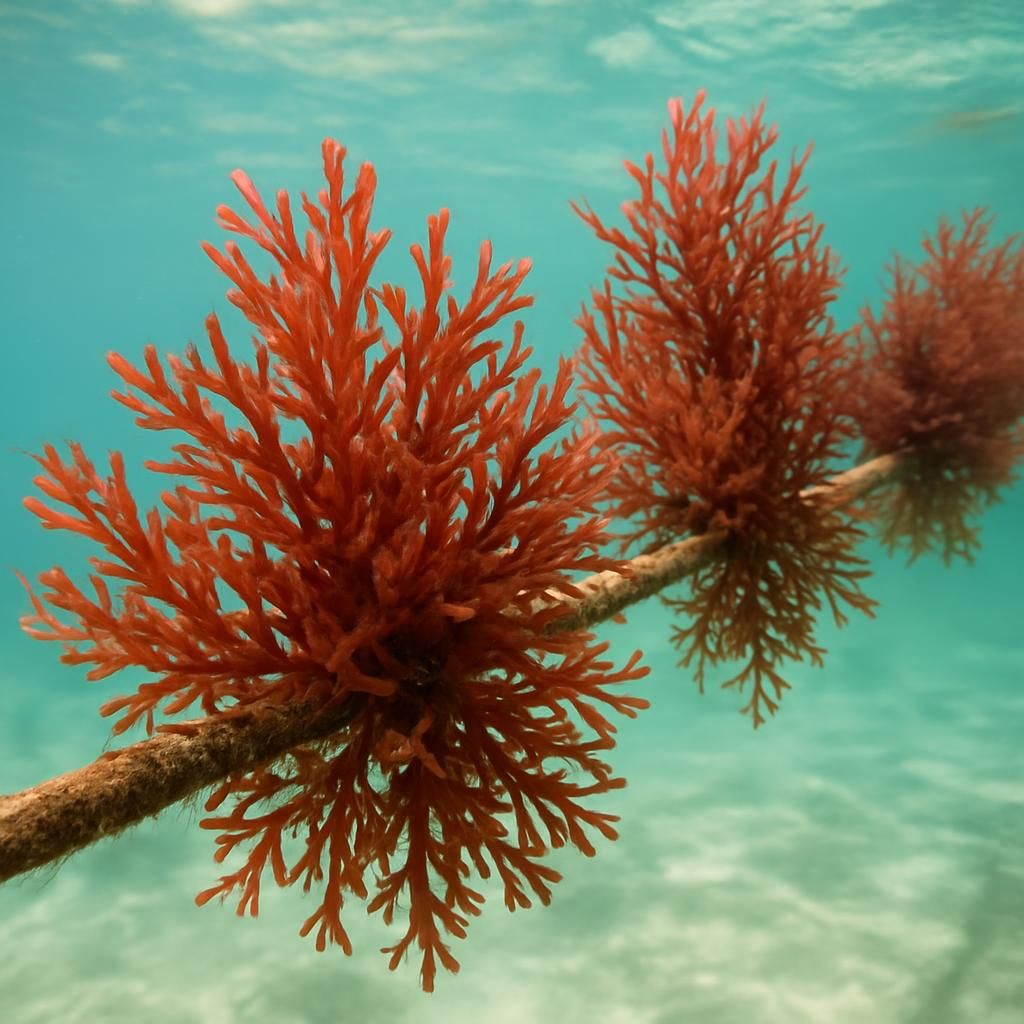
Seaweed Farming
Seaweed farming is an aquatic cultivation system producing high-value macroalgae for food, hydrocolloids, and bioremediation. It offers rapid growth cycles, low input requirements, and strong climate resilience compared to terrestrial crops.
View Guide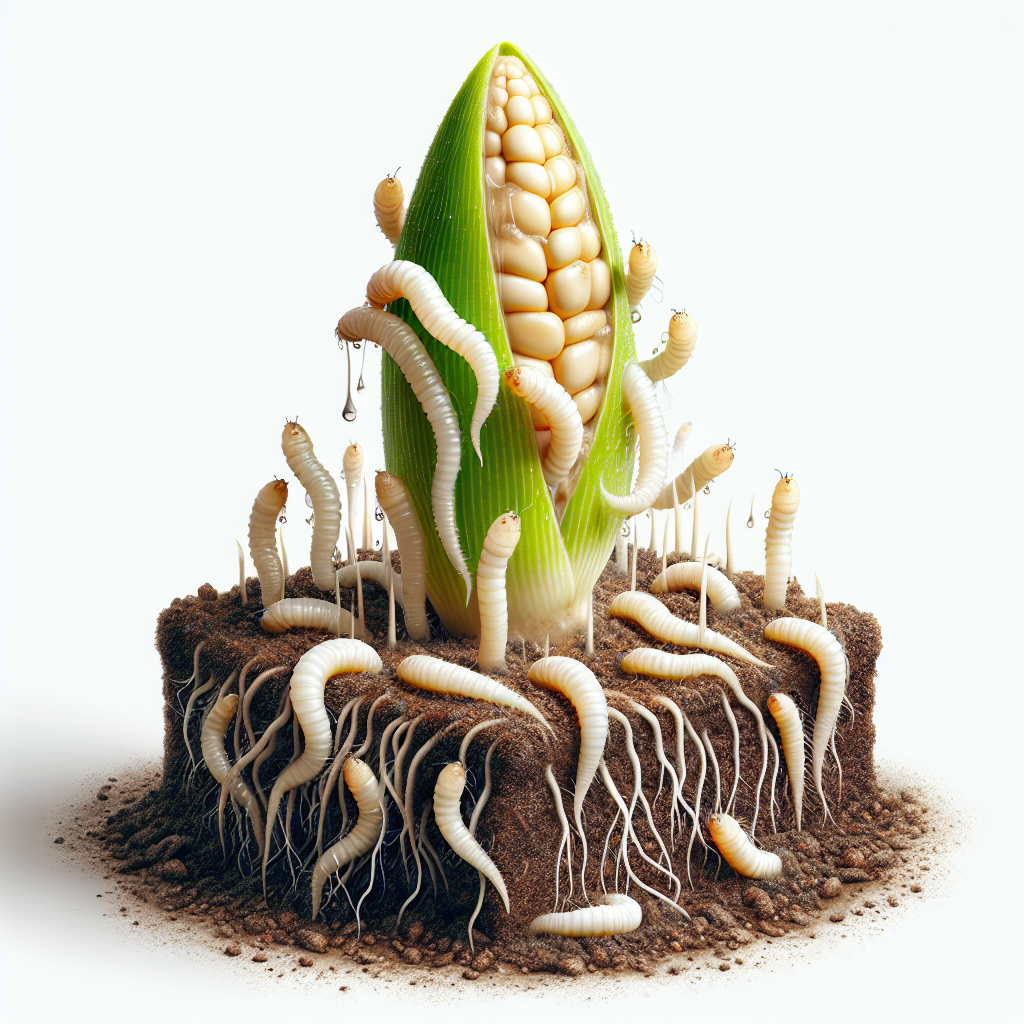
seed corn maggots
Seed corn maggots are small, white fly larvae that attack germinating seeds and young seedlings, causing severe stand loss in cool, wet soils. Primarily affecting corn, beans, and other vegetables, they thrive in decaying organic matter and early-season plantings. Effective management relies on cultural practices, resistant varieties, and timely planting to minimize damage.
View Profile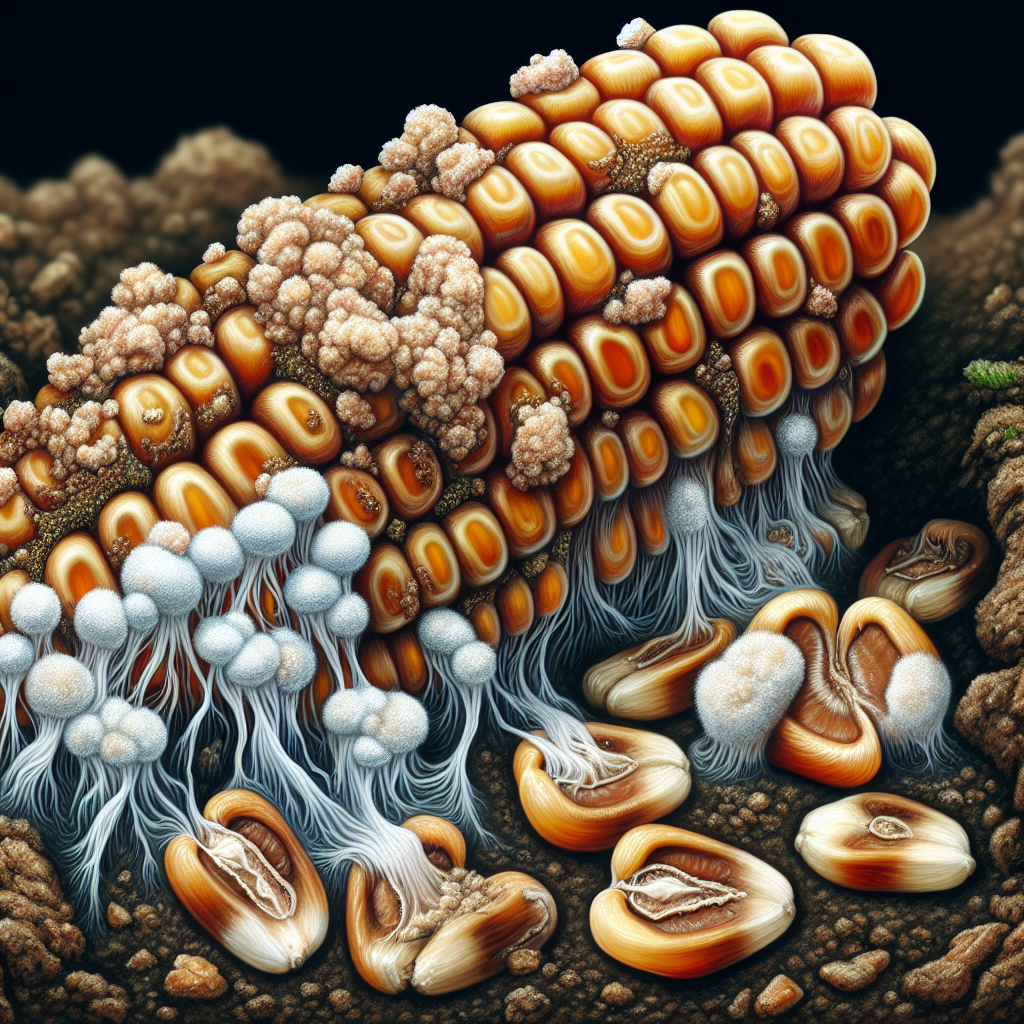
Seed rot
Seed rot is a devastating pre-emergence fungal disease that causes seeds to decay in soil, preventing germination and leading to poor stand establishment. Primarily driven by soilborne pathogens like Pythium, Fusarium, and Rhizoctonia, it thrives in cool, wet conditions and can wipe out entire plantings. Effective management relies on high-quality seed, optimal planting conditions, and cultural practices to minimize moisture excess.
View Profile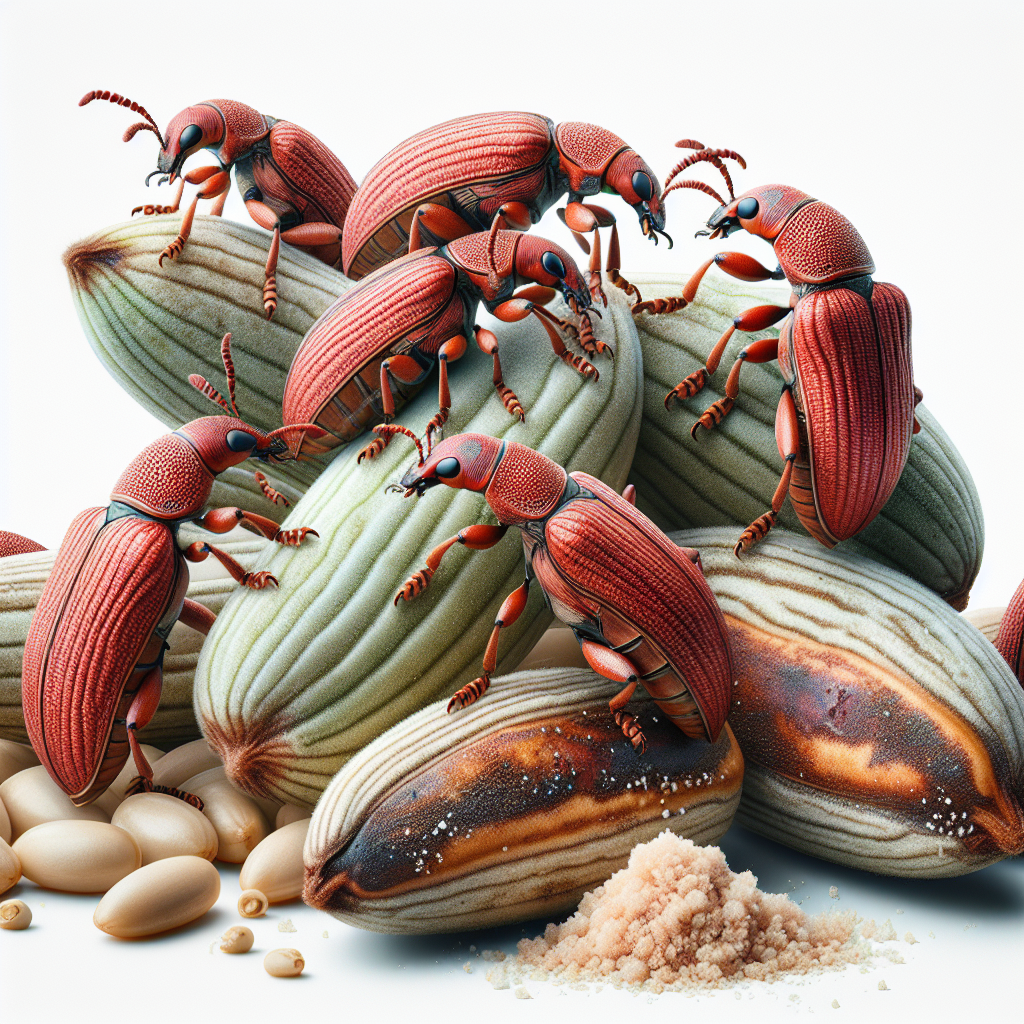
Seed Weevils
Seed weevils are destructive beetles that infest and destroy seeds of legumes and grains, leading to significant yield losses in storage and fields. This guide provides comprehensive diagnostics, lifecycle insights, organic management strategies, and prevention tips for affected crops. Protect your harvest with proven agricultural practices tailored for farmers and growers.
View Profile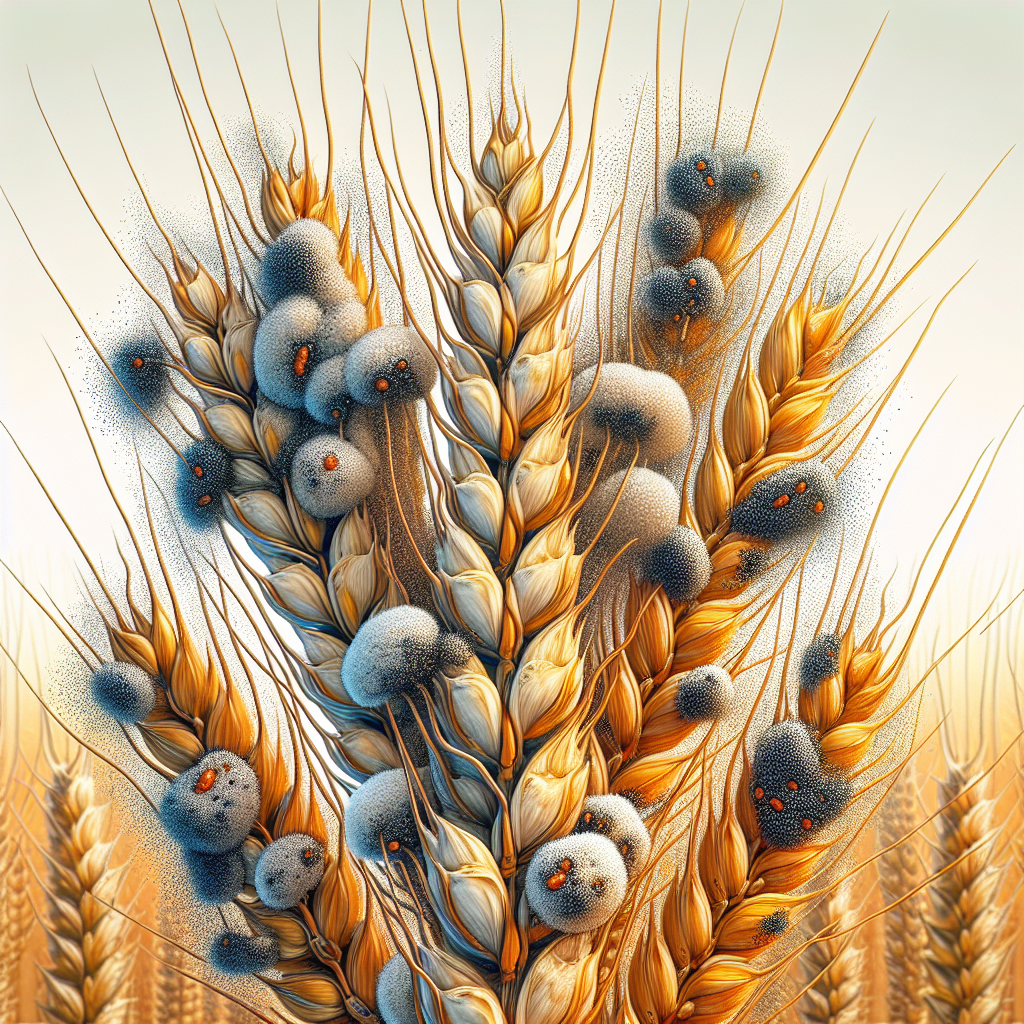
Seed-borne smuts
Seed-borne smuts are fungal diseases transmitted through infected seeds, causing significant yield losses in cereal and grass crops by replacing grain with black powdery spore masses. Early detection through seedling symptoms and seed treatment is crucial for management. This guide provides comprehensive diagnostic, organic control, and prevention strategies for affected crops.
View Profile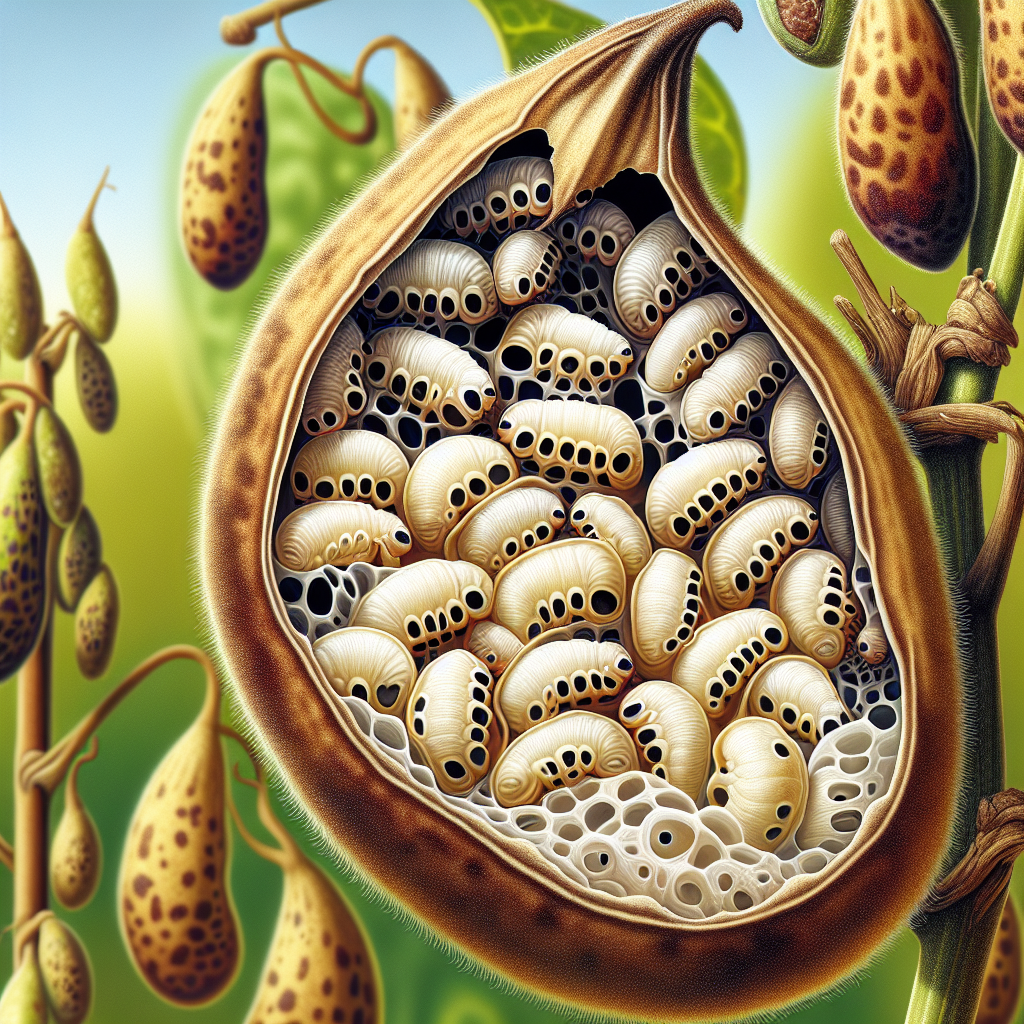
Seed-eating insects
Seed-eating insects are a diverse group of beetles and moths that infest and destroy seeds of legumes, grains, and vegetables, causing significant yield losses in agriculture. These pests target developing pods, grains, and stored seeds, leading to hollowed-out seeds and reduced germination rates. Effective management combines cultural practices, biological controls, and vigilant monitoring for sustainable crop protection.
View Profile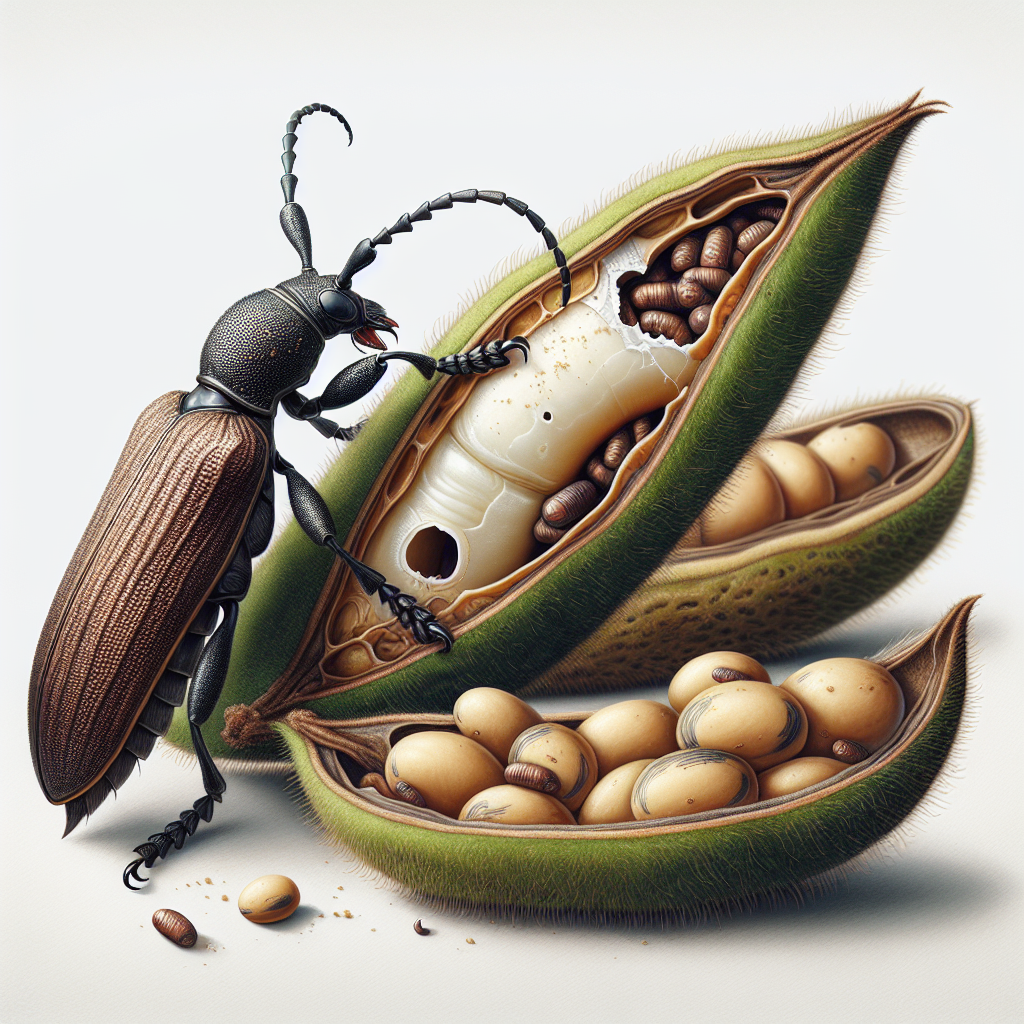
Seed-feeding beetles
Seed-feeding beetles, primarily from the Bruchidae family, are destructive pests that target developing seeds in legumes and grains, causing significant yield losses. These small beetles lay eggs on pods or seeds, with larvae burrowing inside to feed and destroy the seed contents. Effective management combines cultural practices, biological controls, and vigilant monitoring for sustainable agriculture.
View Profile