Encyclopedia
Definitive guides for crops, pests, and agricultural diseases.
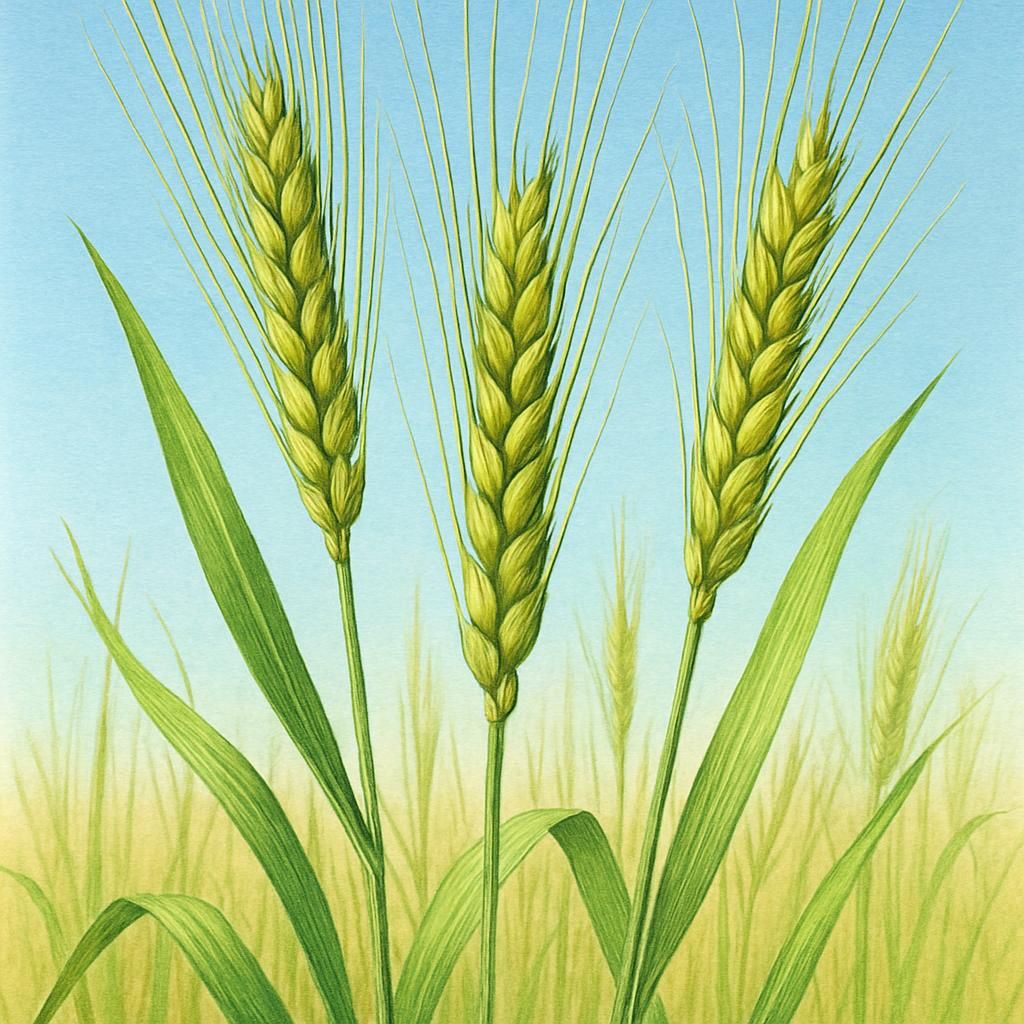
Rye (Gazelle)
Rye (Gazelle) is a robust, winter-hardy cereal grain known for its adaptability in a variety of climates. Its impressive resilience makes it a popular choice for cover cropping, forage, and grain production.
View Guide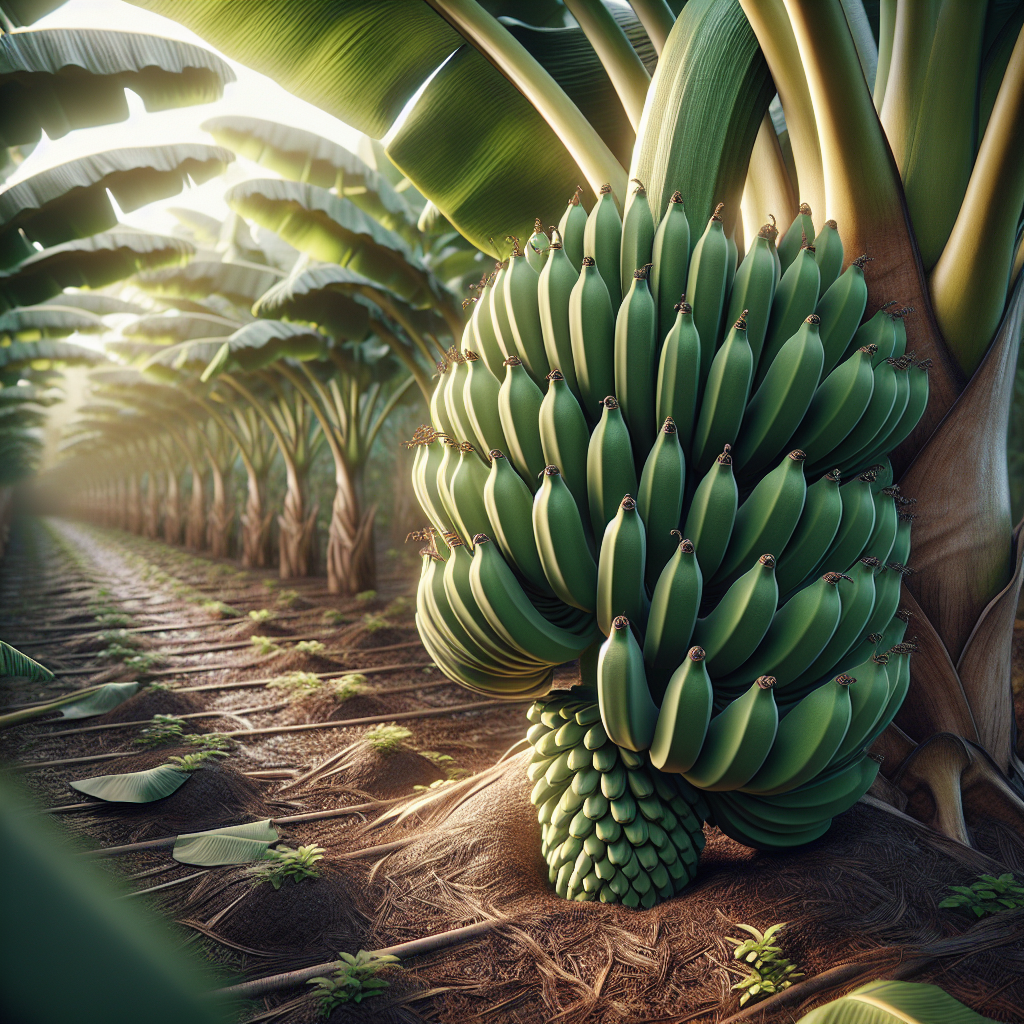
Saba Banana
Saba banana is a large, cooking-type banana widely grown in the Philippines and across humid tropical regions for its heavy bunches, strong wind tolerance, and versatile fruit. Unlike dessert bananas, it is typically harvested mature-green for frying, boiling, or processing, though fully ripe fruits can also be eaten fresh when soft and aromatic.
View Guide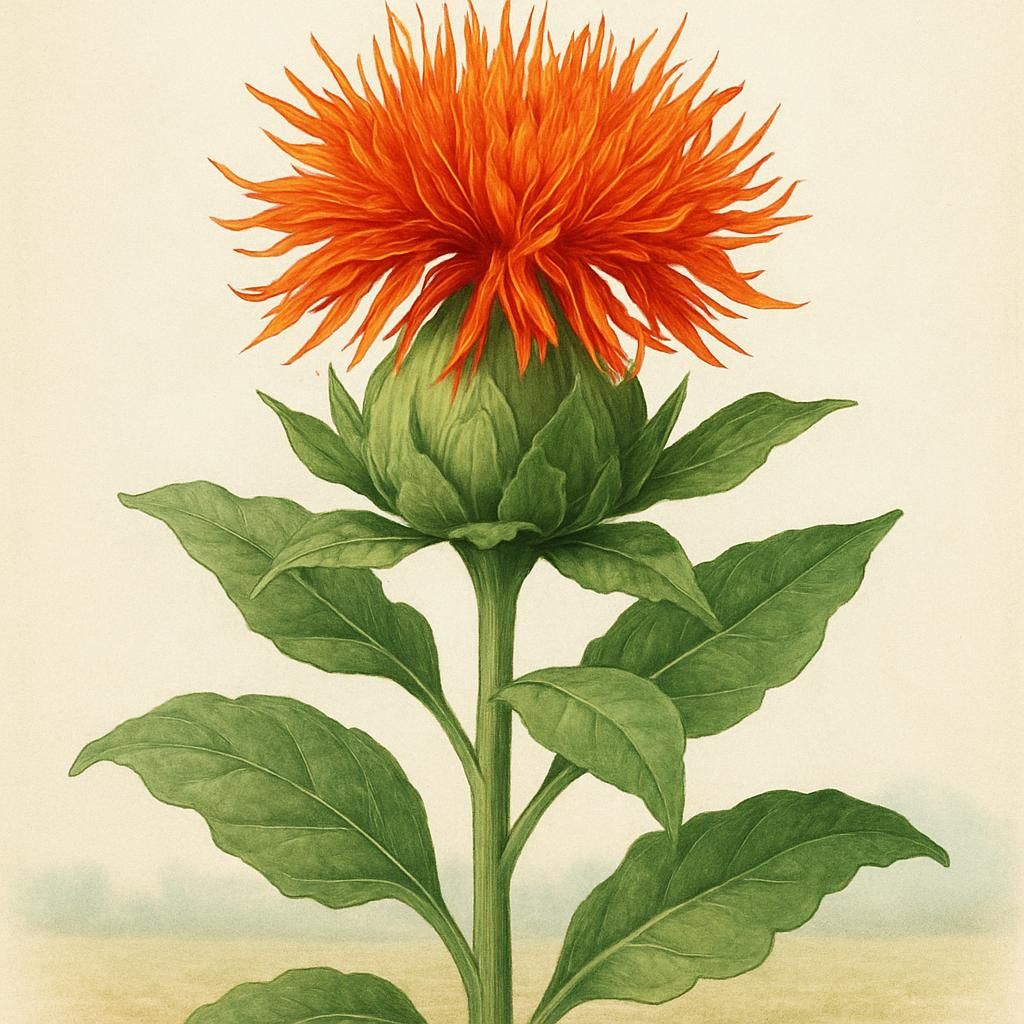
Safflower Petals
Safflower petals are the vibrant florets of Carthamus tinctorius, an ancient oilseed crop grown worldwide for natural dyes, culinary coloring, and medicinal uses. The plant produces drought-tolerant, thistle-like heads that yield bright yellow-to-red petals rich in antioxidants. This guide covers every stage from soil preparation through harvest and storage for reliable commercial or home production.
View Guide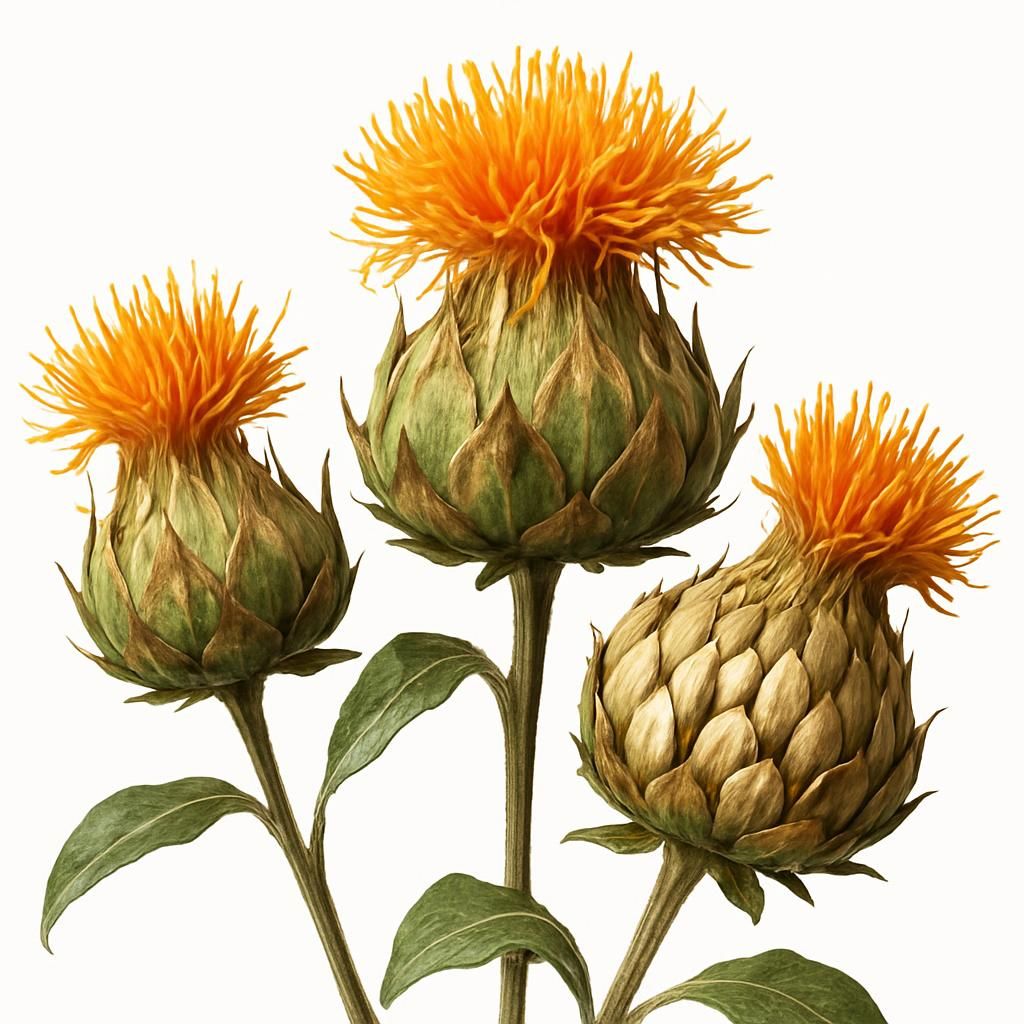
Safflower Seed
Safflower is a resilient, drought-tolerant oilseed crop prized for its high-quality edible oil, birdseed, and industrial applications. This deep-dive guide covers every stage of cultivation from soil preparation through post-harvest storage to help growers maximize yield and oil content.
View Guide
Saffron Crocus
Saffron crocus is a sterile, autumn-flowering geophyte cultivated for its vivid red stigmas, the world’s most valuable spice by weight. Successful production depends on sharply drained soil, dry summer dormancy, precise harvest timing, and careful corm management to maintain vigor and yield over multiple seasons.
View Guide
Safou (African Pear)
Safou, also known as African Pear or Bush Mango, is a nutrient-rich fruit tree native to West and Central Africa, prized for its creamy, buttery pulp that's enjoyed roasted, boiled, or raw. This comprehensive growing guide covers everything from propagation to harvest, making it ideal for tropical farmers seeking high-value, resilient crops. With proper care, Safou trees yield abundantly for decades, providing both food security and income opportunities.
View Guide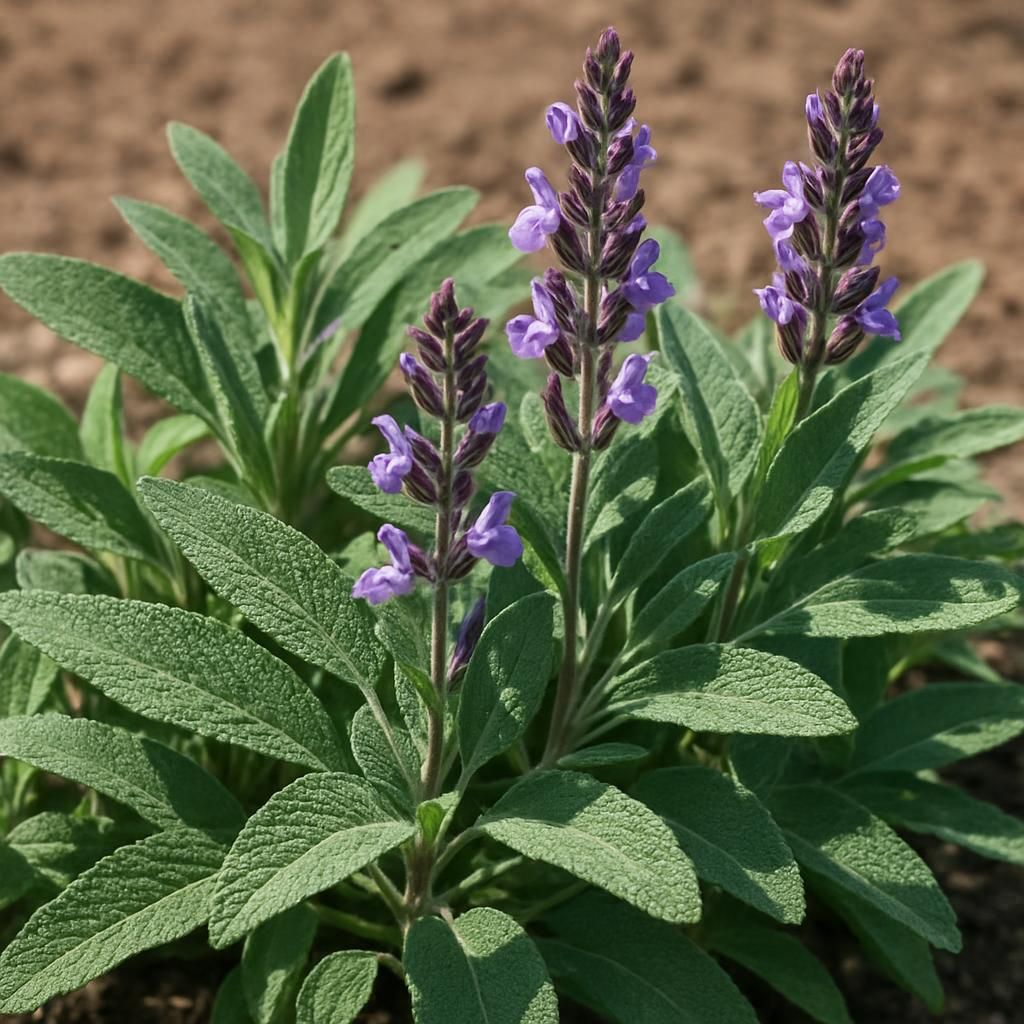
Sage
Sage is a hardy, aromatic perennial herb valued for culinary, medicinal, and ornamental uses. It thrives in well-drained soils and full sun, making it an excellent choice for both home gardens and commercial herb production.
View Guide
Saguaro
The saguaro is a monumental columnar cactus native to the Sonoran Desert, prized for its iconic stature, ecological value, and long-term cultivation potential in arid landscapes. This definitive guide covers every aspect of successful saguaro production from soil science to harvest.
View Guide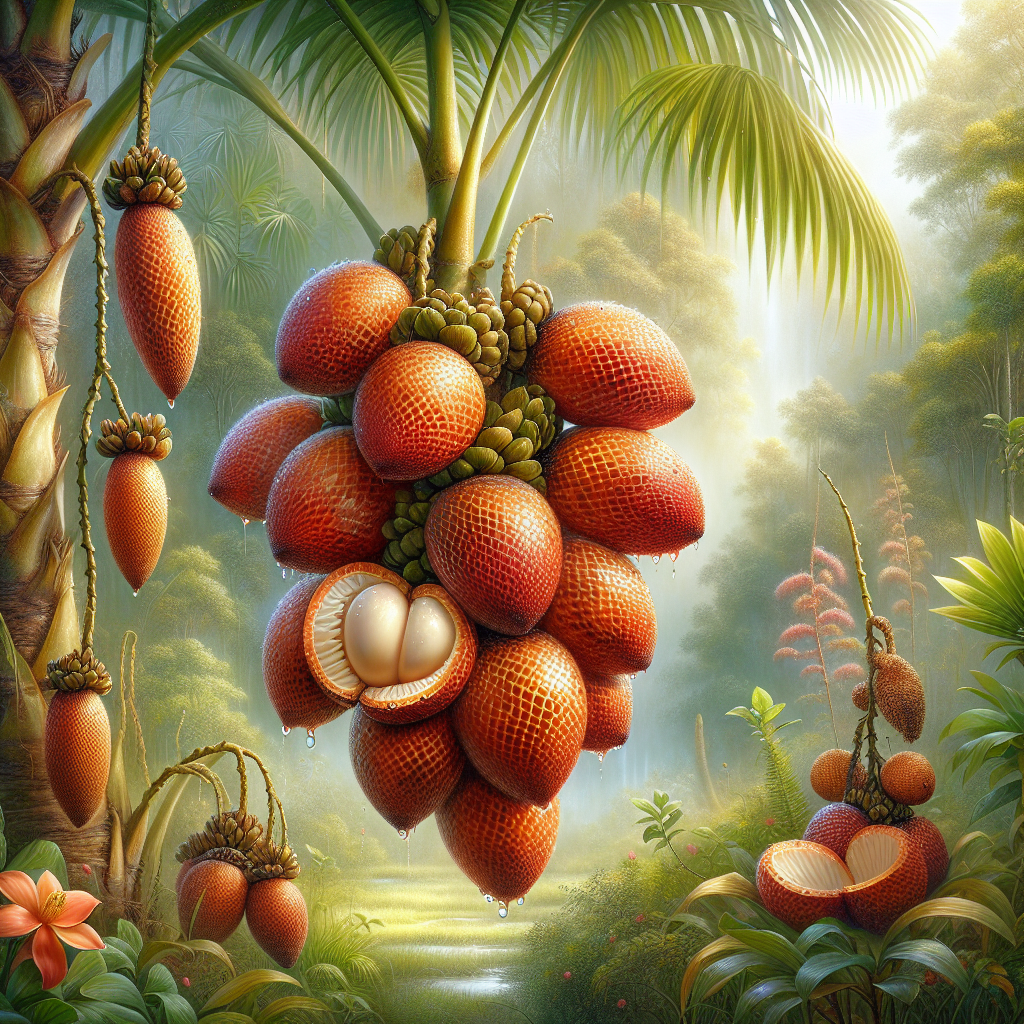
Salak Bali
Salak Bali, known as snake fruit, is a premium Indonesian palm producing scaly, aromatic fruits with sweet-tart flavor, prized in tropical agriculture. This deep-dive guide covers cultivation from soil prep to harvest, ideal for small farms seeking high-value crops. Achieve optimal yields with expert care regimes tailored to its spiny, clumping growth habit.
View Guide
Salak Pondoh (Snake Fruit)
Salak Pondoh, also known as Snake Fruit, is a premium Indonesian palm producing small, scaly fruits with sweet-tart flavor and crunchy texture. Renowned for its superior taste and high yields, this variety thrives in tropical lowlands with proper soil management and pest control. This guide provides expert cultivation techniques for optimal production.
View Guide
salal
Salal (Gaultheria shallon) is an aggressive evergreen shrub native to the Pacific Northwest that invades agricultural fields, orchards, and forest edges, outcompeting crops for light, water, and nutrients. This definitive guide provides farmers with diagnostic tools, lifecycle insights, organic management strategies, and prevention tactics to reclaim land from salal infestations. Learn practical steps to identify, control, and prevent salal in berry farms, orchards, and vegetable plots.
View Guide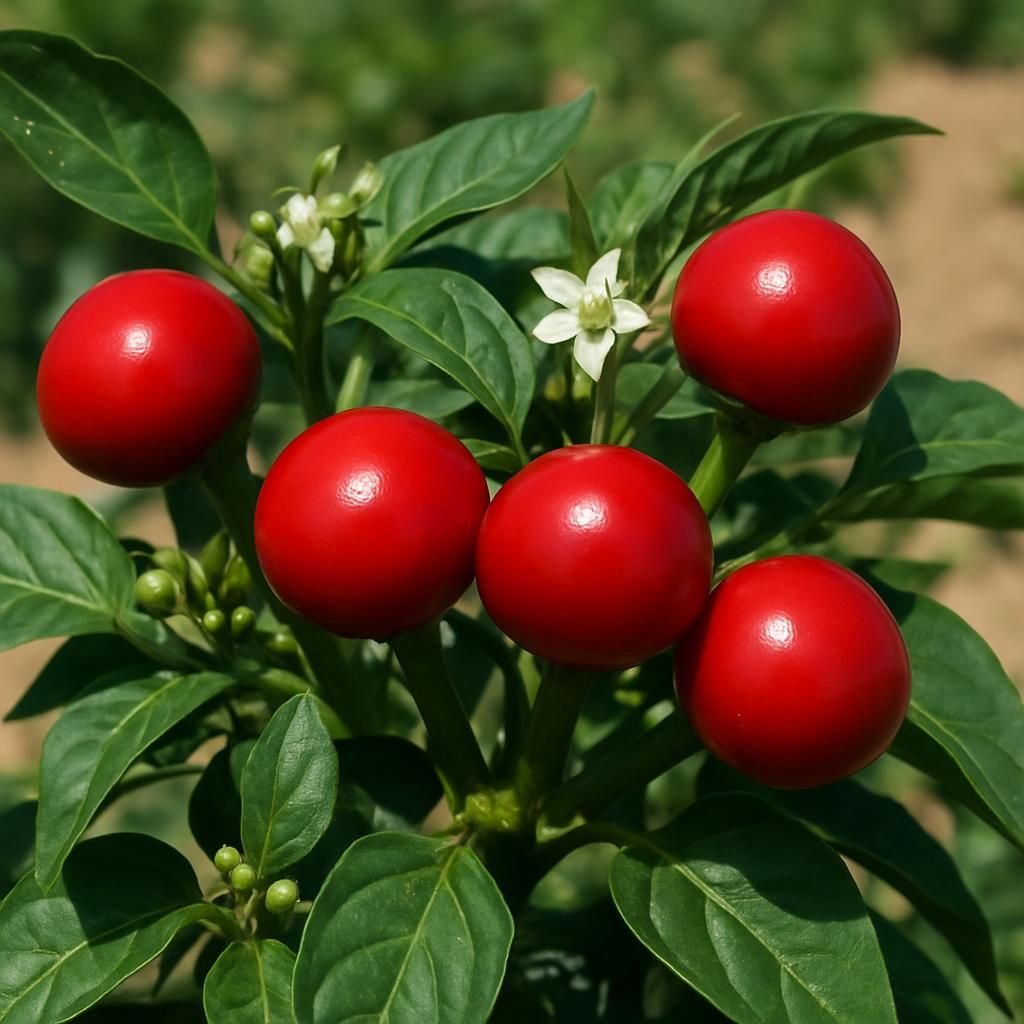
Salem Gundu Chili
Salem Gundu Chili is a premium round, thick-fleshed chili variety from Tamil Nadu, India, prized for its intense heat, deep red color, and robust flavor profile. This definitive growing guide covers soil preparation, climate needs, planting methods, organic pest control, harvesting, and companion planting strategies for commercial and home growers.
View Guide
Salmonella
Salmonella is a bacterial pathogen that contaminates fresh produce through fecal matter, irrigation water, and poor hygiene, posing severe risks to leafy greens, tomatoes, and sprouts in agricultural settings. This guide provides diagnostic signs of contamination, lifecycle insights, and organic management strategies to safeguard crops and prevent foodborne outbreaks. Farmers can implement sanitation protocols and biological controls to minimize Salmonella persistence in soil and on plant surfaces.
View Profile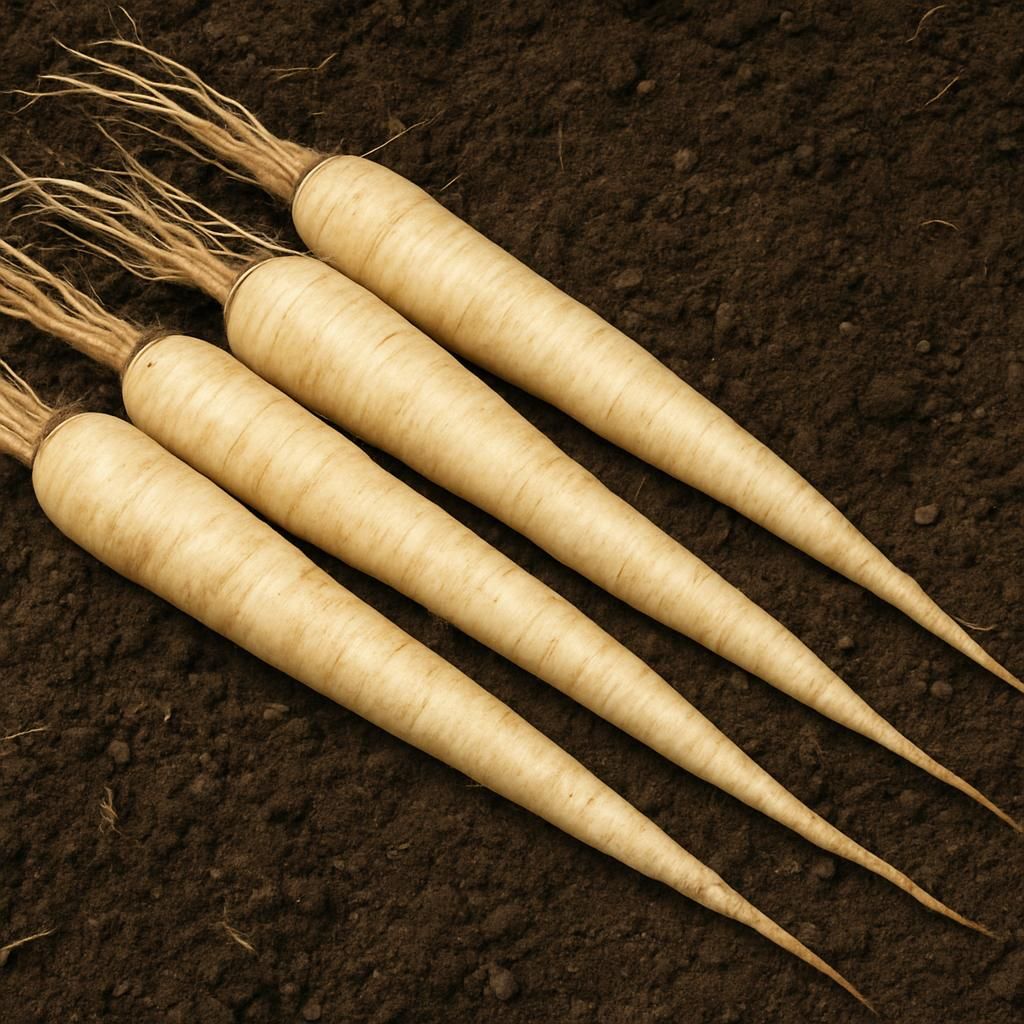
Salsify (Mammoth Sandwich Island)
Mammoth Sandwich Island salsify is a hardy biennial root vegetable prized for its long, oyster-flavored taproots and edible foliage. This cool-season crop thrives in deep, loose soils and offers reliable yields for home gardeners and market growers seeking an underutilized specialty vegetable. Its subtle flavor and versatility make it an excellent addition to winter root vegetable rotations.
View Guide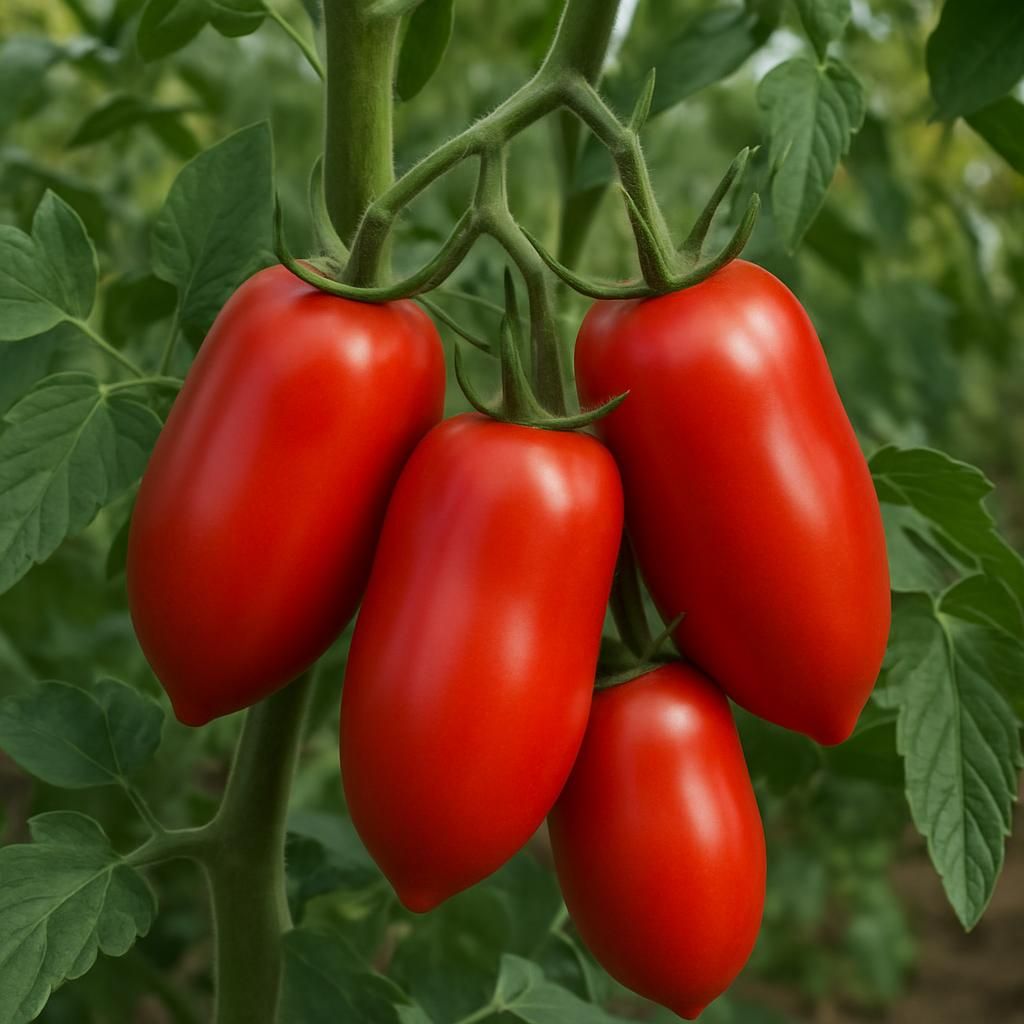
San Marzano II Tomato
San Marzano II Tomato is an improved indeterminate plum variety prized for its elongated fruits, thick flesh, low seed count, and exceptional flavor when cooked into sauces. It offers higher yields, better disease resistance, and more uniform fruit than the original San Marzano. Professional growers value its reliable performance in both field and protected culture.
View Guide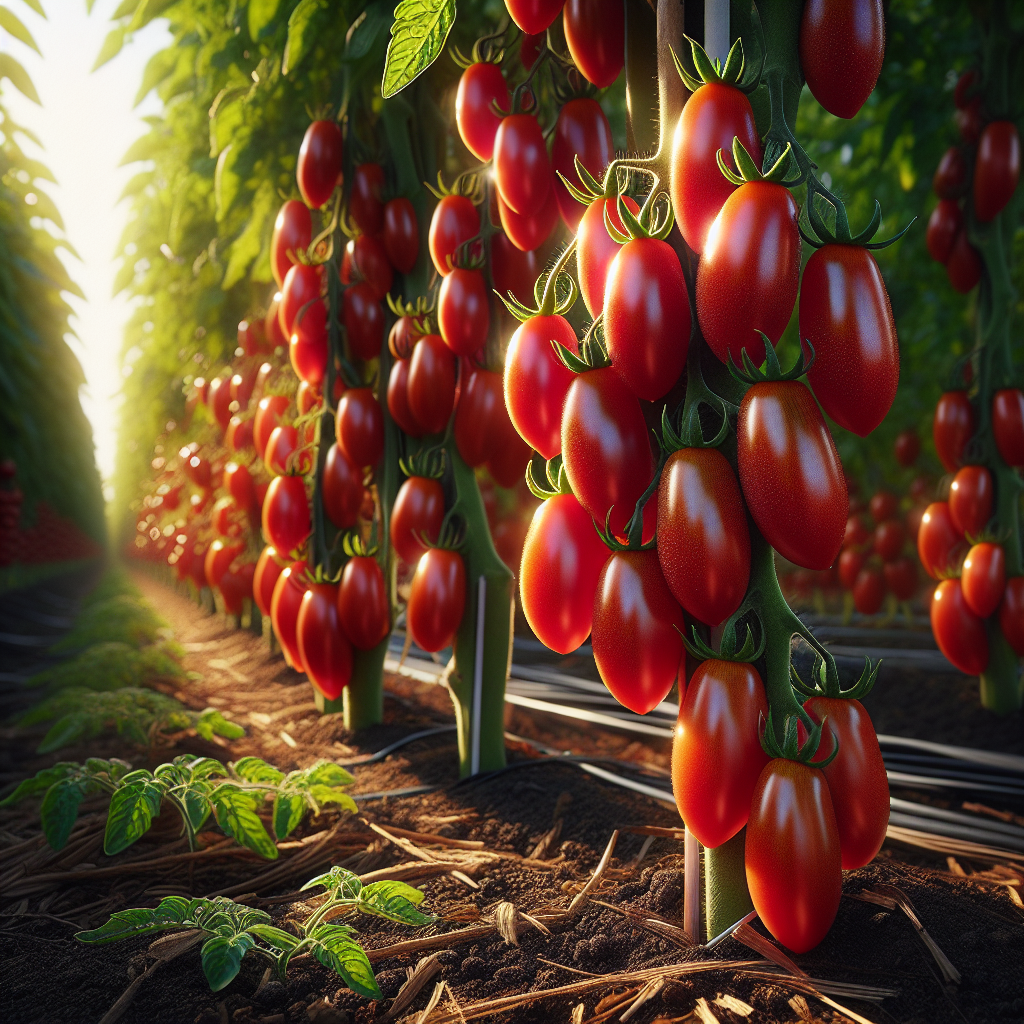
San Marzano Tomato
San Marzano tomato is a classic Italian plum-type paste tomato prized for its dense flesh, low seed count, balanced acidity, and exceptional sauce quality. It is an indeterminate cultivar that rewards careful staking, even irrigation, and strong disease prevention with heavy yields of elongated fruits ideal for canning, roasting, and fresh cooking.
View Guide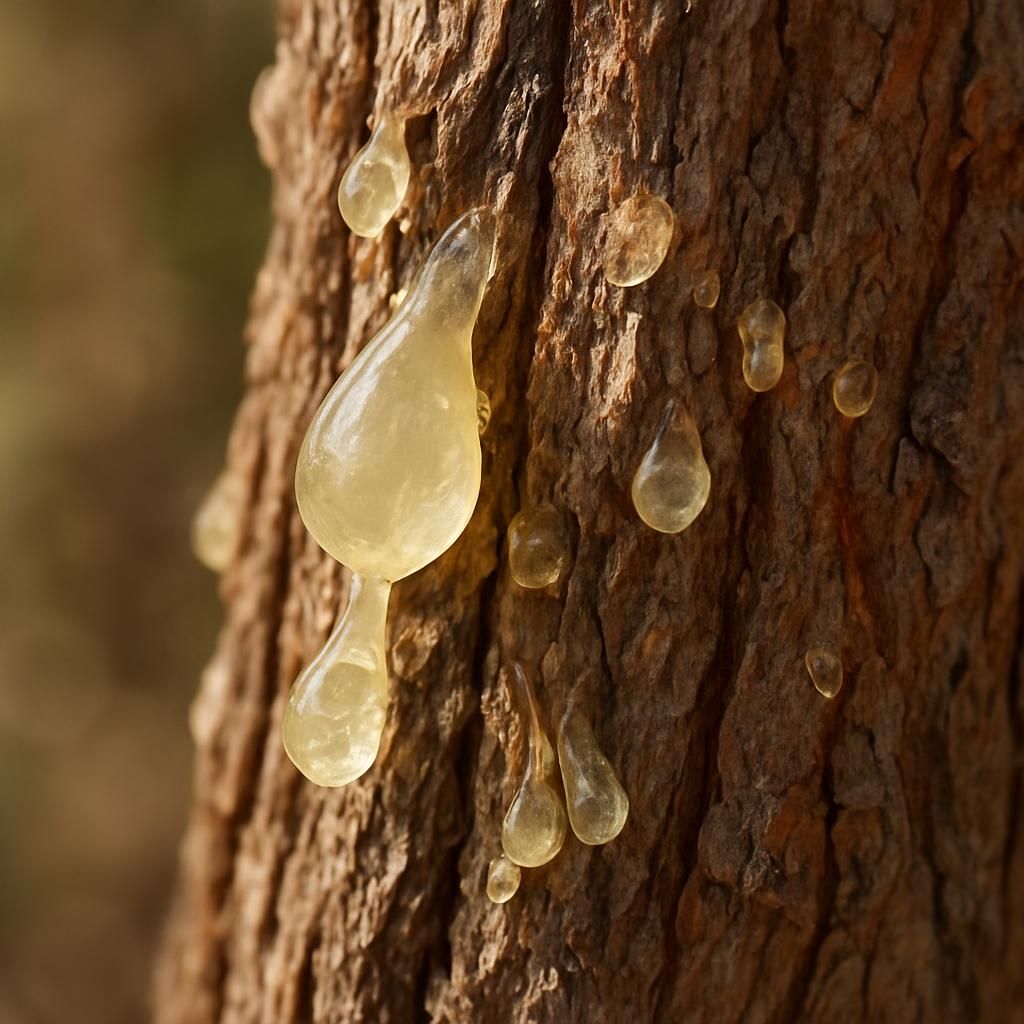
Sandarac Resin
Sandarac resin is a premium, aromatic oleoresin harvested from the North African conifer Tetraclinis articulata, valued for its use in high-end varnishes, incense, and traditional medicine. This slow-growing evergreen produces a hard, pale-yellow resin prized by artisans and perfumers. Commercial cultivation is limited to arid Mediterranean climates where the tree can thrive for centuries.
View Guide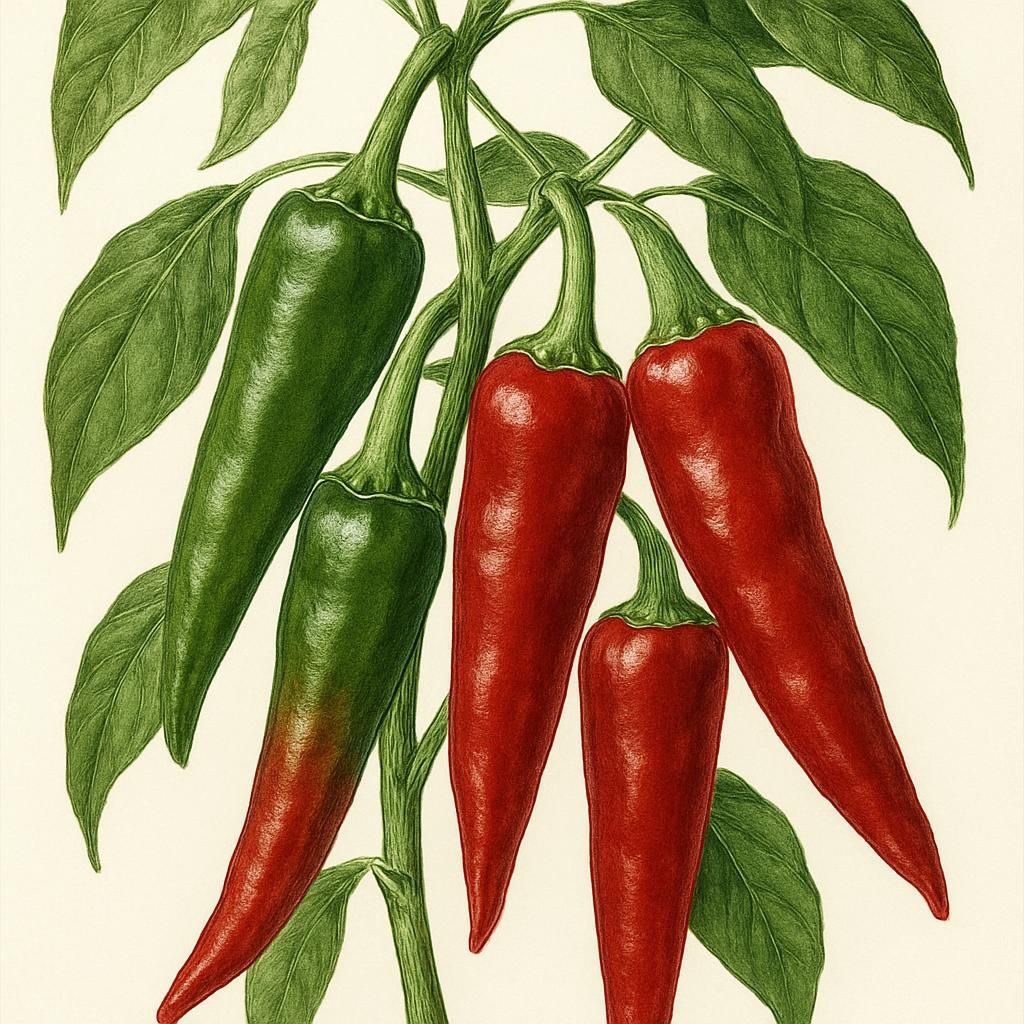
Sandia Chili
Sandia Chili, a variety of Capsicum annuum, is a popular medium-hot chili pepper widely cultivated for its vibrant flavor and versatile culinary uses. Originating from New Mexico, it thrives in warm climates and is celebrated for its role in Southwestern cuisine.
View Guide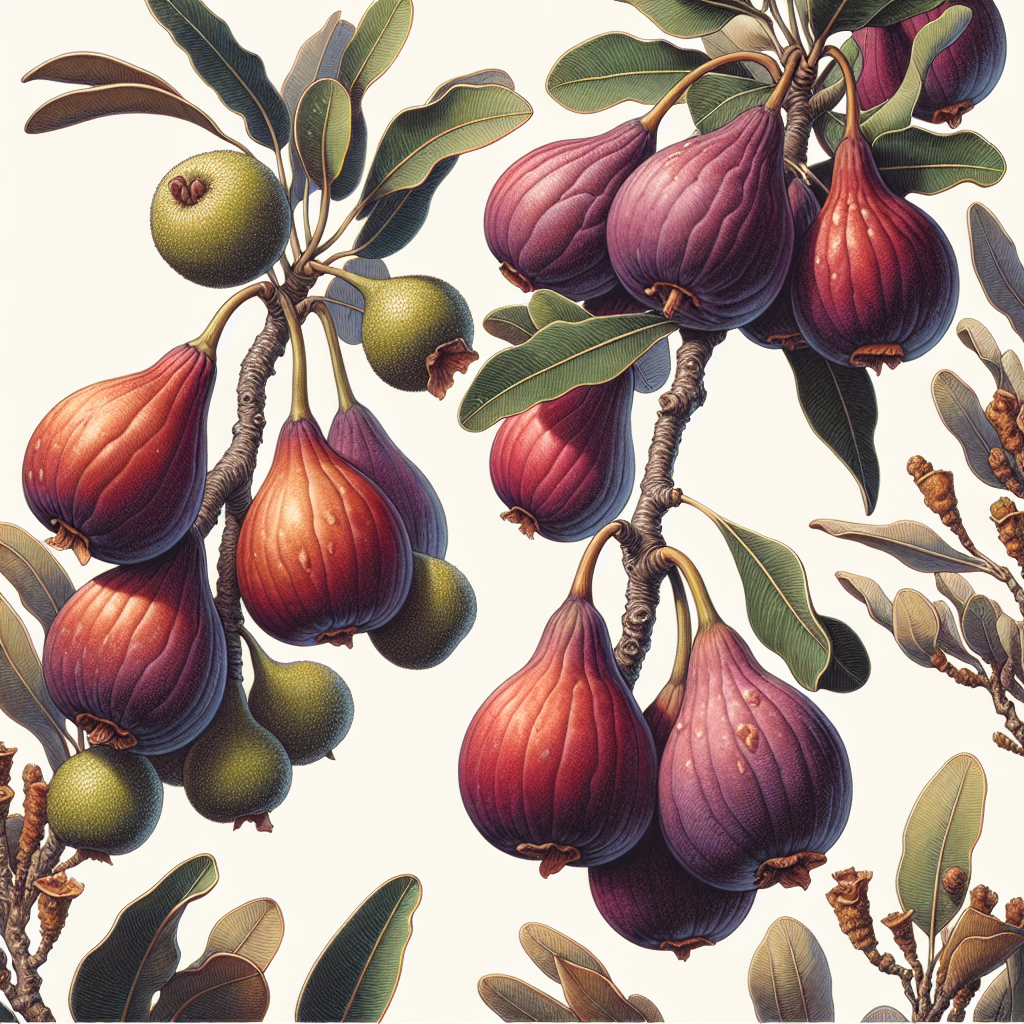
Sandpaper Fig (Ficus opposita)
The Sandpaper Fig (Ficus opposita) is a rugged Australian native shrub prized for its rough, sandpaper-like leaves used in traditional crafting and its edible, sweet figs. Thriving in arid, subtropical conditions, it offers low-maintenance growth for home gardeners and small farms seeking drought-tolerant edibles. This guide provides expert cultivation techniques from propagation to harvest.
View Guide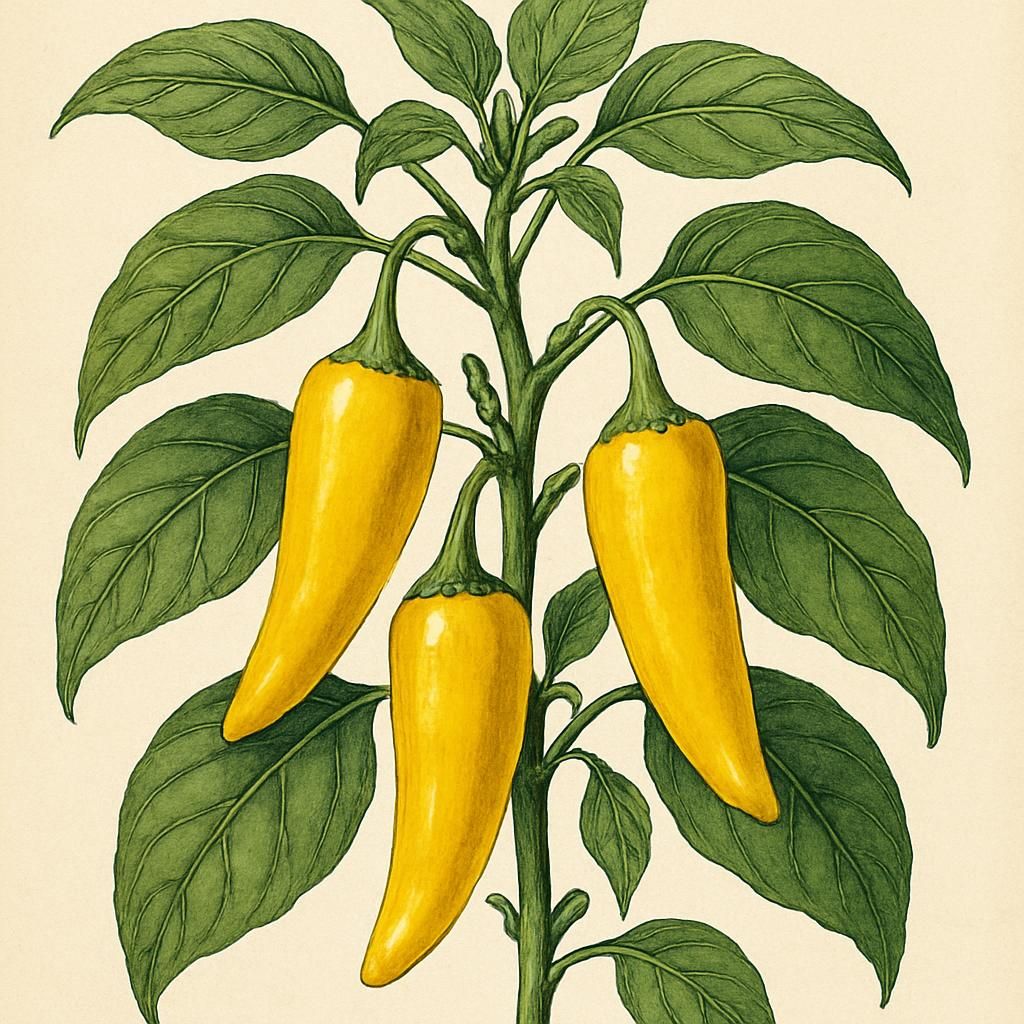
Santa Fe Grande
Santa Fe Grande peppers are mild, cone-shaped chili peppers that are popular for their bright color and crisp flavor. These peppers are easy to grow, making them an excellent choice for home gardeners and small-scale farmers due to their adaptability to different environments and minimal pest issues.
View Guide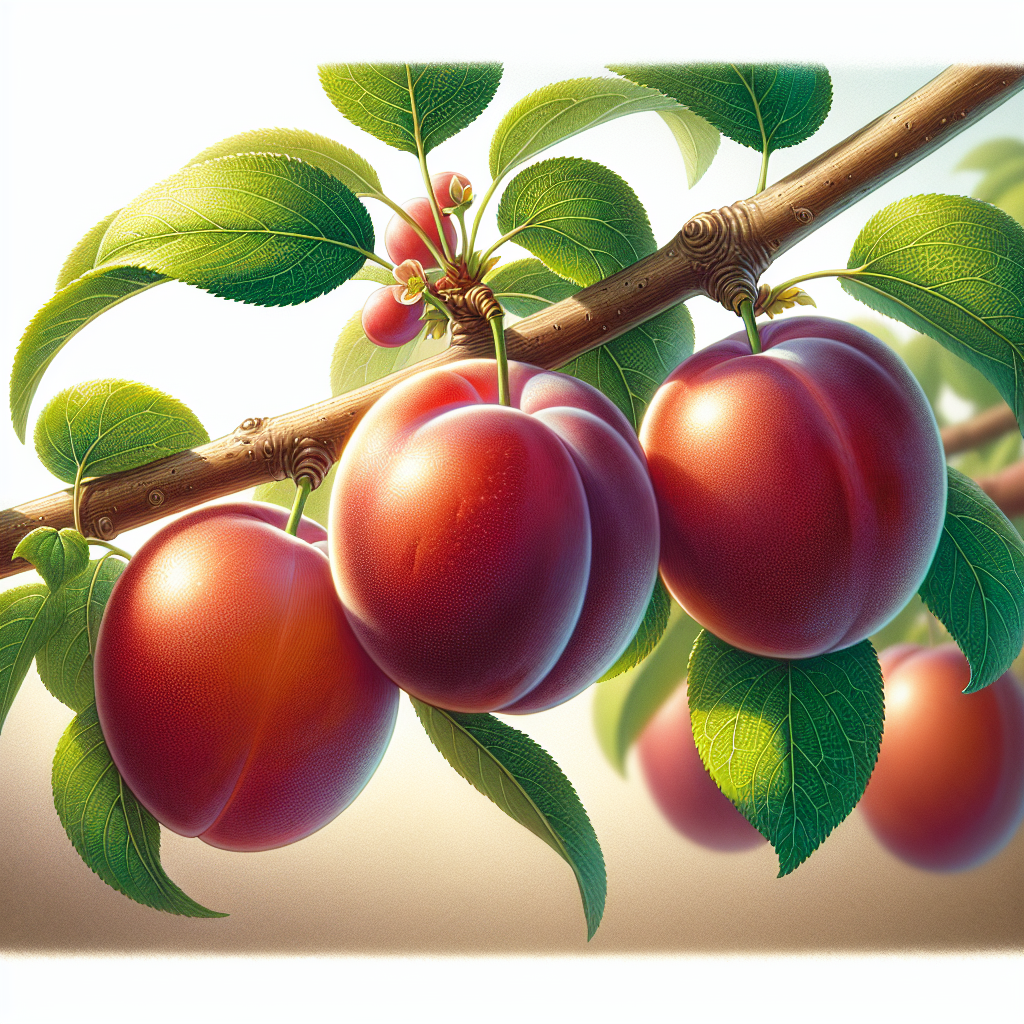
Santa Rosa Plum
Santa Rosa Plum is a classic Japanese-type plum cultivar prized for its sweet-tart flavor, reddish-purple skin, amber to blood-red flesh, and reliable productivity in many temperate fruit-growing regions. Developed by famed plant breeder Luther Burbank, it remains one of the most widely planted fresh-eating plums because of its excellent quality, ornamental spring bloom, and relative adaptability.
View Guide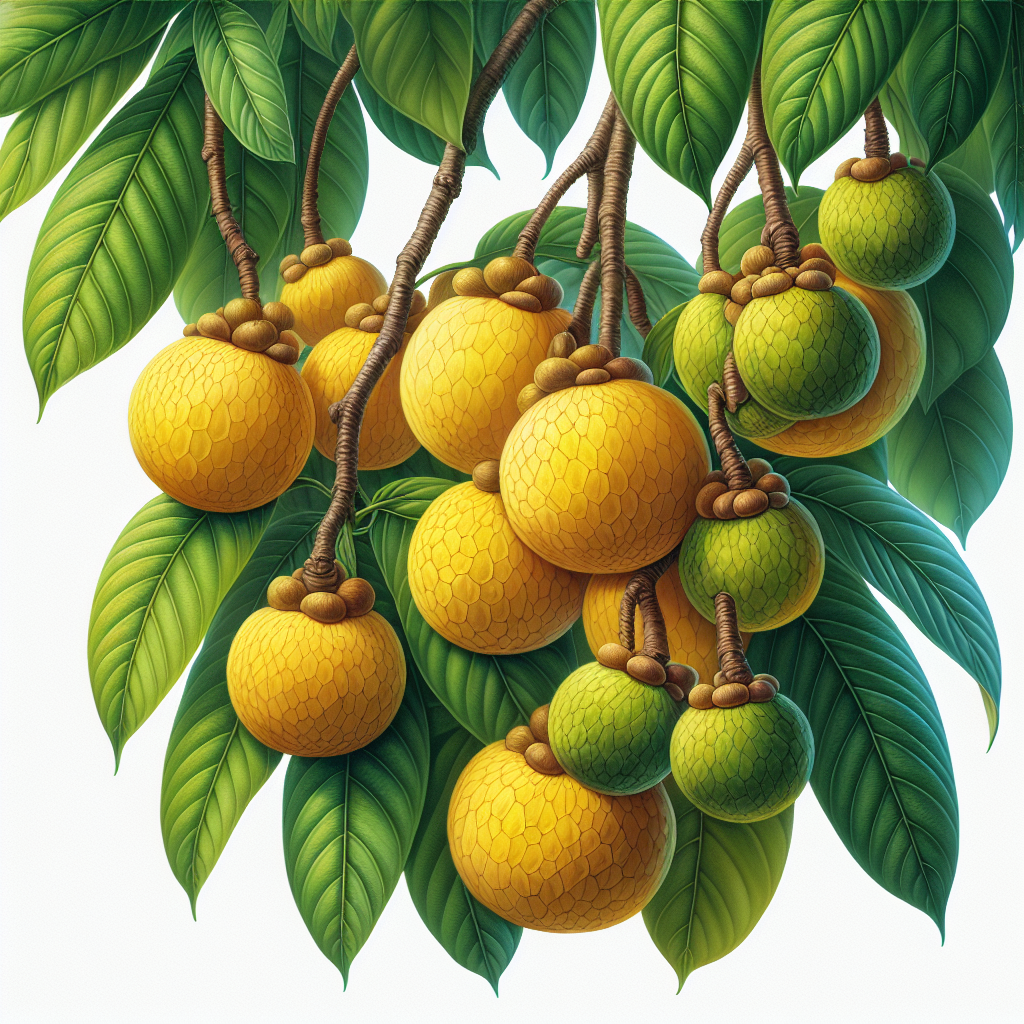
Santol (Bangkok)
Santol (Bangkok) is a premium Thai cultivar of the tropical Sandoricum koetjape tree, prized for its large, sweet-sour fruits with creamy white pulp and edible rind. This guide provides expert cultivation techniques for optimal yields in home orchards or small farms, emphasizing Bangkok's adapted strain for superior flavor and disease resistance. Ideal for humid subtropical climates, it offers high-value fruit production with proper care.
View Guide
sap beetles
Sap beetles are small, scavenging pests that infest ripening fruits, vegetables, and fermenting plant materials, causing direct feeding damage and contamination. They thrive in warm, humid conditions and can rapidly multiply in overripe crops. Effective management combines sanitation, traps, and organic controls to protect yields.
View Profile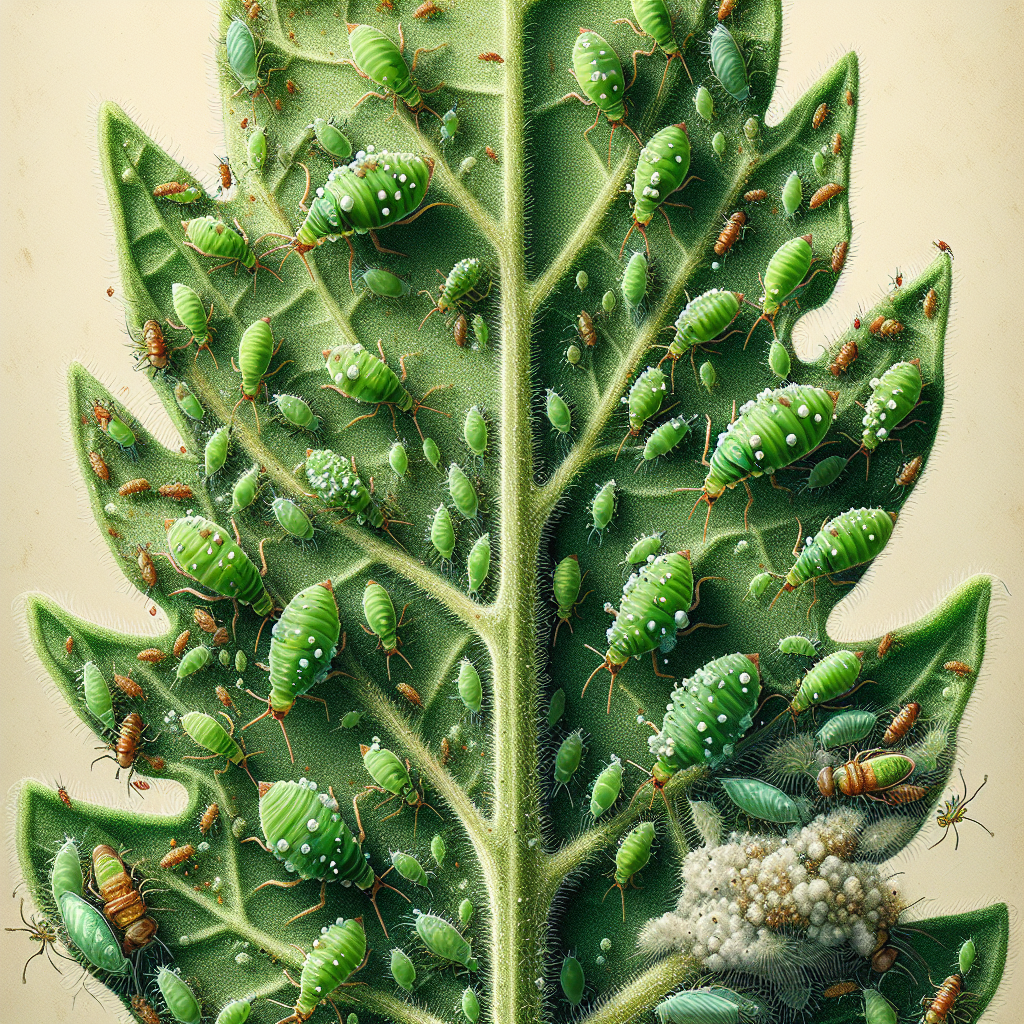
Sap feeders
Sap feeders are a diverse group of piercing-sucking pests including aphids, whiteflies, leafhoppers, and scales that extract plant sap, weakening crops and transmitting diseases. They cause curled leaves, stunted growth, sticky honeydew, and sooty mold, leading to significant yield losses in orchards, vegetables, and field crops. Effective management combines monitoring, organic controls like beneficial insects, and cultural practices for sustainable prevention.
View Profile