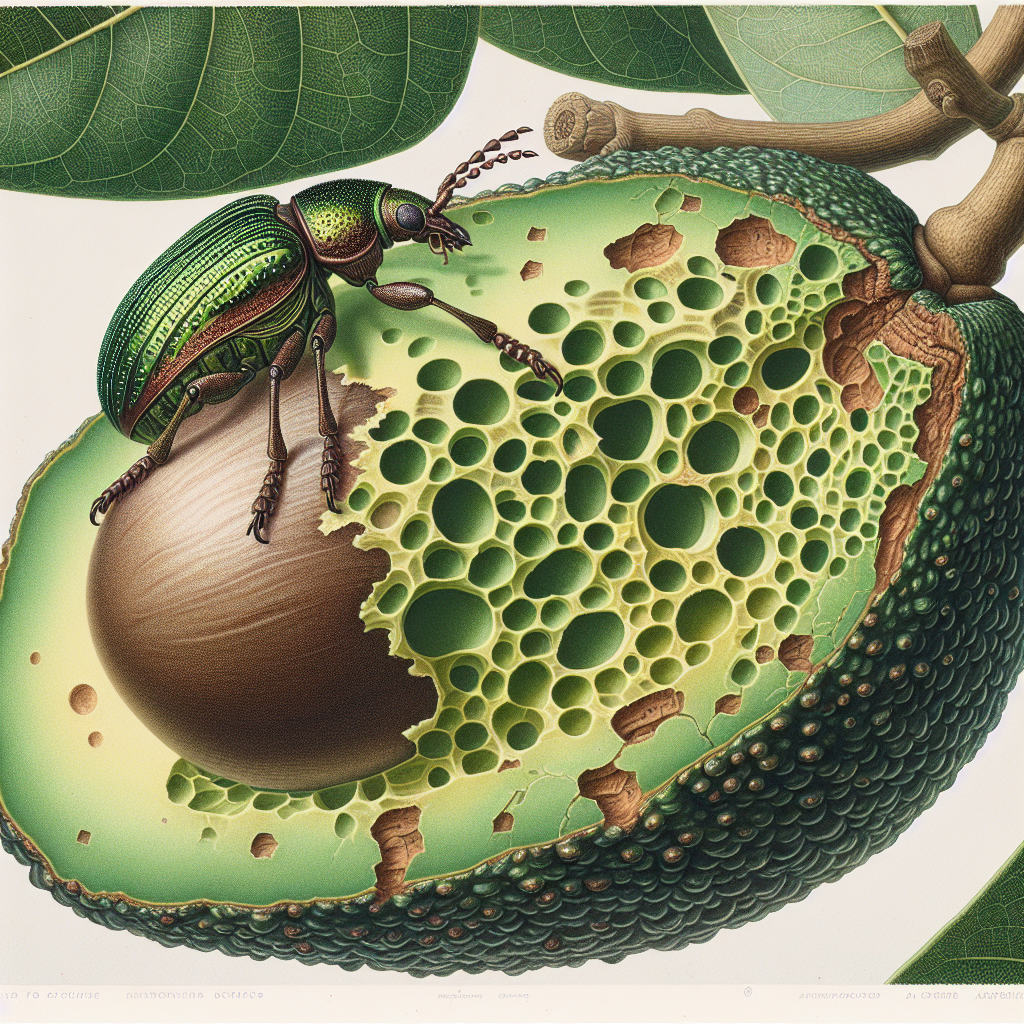
Introduction to Scarring beetles
Scarring beetles, often referred to as fruit scarring beetles or leaf chafers, represent a diverse group of beetles in the Scarabaeidae family, particularly genera like Anomala, Popillia, and related species. These pests are infamous in agriculture for their feeding habits that leave distinctive scarring on fruits, leaves, and stems, compromising both aesthetic appeal and structural integrity of crops. Unlike borers that tunnel inside plant tissues, scarring beetles rasp and chew the epidermis, creating pitted, scarred surfaces that make produce unmarketable.
Farmers worldwide encounter these beetles in orchards, vineyards, and vegetable fields, where they can cause up to 50% crop loss in severe infestations. Their metallic or iridescent bodies, typically 5-15 mm long, make them identifiable during peak activity from late spring to early fall. Understanding their biology is crucial for timely intervention, as adult beetles are highly mobile and females lay eggs in soil near host plants, perpetuating multi-year outbreaks.
This definitive guide equips growers with professional-grade diagnostics, lifecycle knowledge, and organic management plans to minimize damage. By integrating cultural, biological, and targeted organic treatments, you can protect high-value crops and sustain yields. For more on general beetle pests, see Beetles.
Identifying Symptoms & Damage
Recognizing scarring beetle damage early is key to preventing widespread infestation. Adult beetles feed voraciously on tender leaves, flowers, and developing fruits, leaving characteristic irregular scars. Look for:
- Leaf Damage: Skeletonized leaves with veins intact but mesophyll tissue rasped away, appearing as lace-like patterns. Edges may show notched bites.
- Fruit Scarring: Pitted, etched, or russeted spots on fruit skins, often starting as small feeding punctures that expand into rough, corky scars. On stone fruits like peach, scars radiate from feeding sites.
- Stem and Flower Injury: Girdling on young shoots and chewed petals, leading to deformed blossoms and reduced pollination.
Larvae, known as white grubs, dwell in soil and feed on roots, causing wilting, stunted growth, and patchy stands. Differentiate from Japanese beetles by smaller size and less metallic sheen; from flea beetles by larger body and absence of jumping behavior.
Inspect plants at dawn or dusk when beetles are sluggish. Use sticky traps or shake foliage over white sheets to confirm presence. Secondary signs include frass (beetle droppings) resembling fine sawdust and sooty mold on honeydew-excreting infested plants. Economic thresholds vary: 1-2 beetles per plant in orchards warrants action.
Lifecycle and Progression of Scarring beetles
Scarring beetles undergo complete metamorphosis: egg, larva, pupa, adult. Lifecycle spans 1-3 years depending on species and climate.
- Eggs: Laid in clusters (10-50) in moist soil near roots, June-August. Tiny, white, hatch in 1-2 weeks.
- Larvae (Grubs): C-shaped, white-bodied with brown heads, 5-30 mm long. Feed on roots for 8-10 months, peaking damage in fall. Migrate deeper in winter.
- Pupa: Soil chamber, 2-4 weeks in spring.
- Adults: Emerge May-July, live 4-6 weeks, feed aggressively, mate, and oviposit.
Peak damage coincides with adult emergence, synchronized with crop flowering/fruit set. Multiple generations possible in tropics. Monitor soil temperatures >15°C (59°F) for grub activity. For insights on related fruit pests, check Fruit-scarring insects.
Environmental Triggers & Risk Factors
Scarring beetles thrive in warm, humid conditions with loose, organic-rich soils ideal for grub development. Key triggers:
- Temperature: Adults active >20°C (68°F); grubs develop >12°C (54°F).
- Soil Moisture: High rainfall or irrigation promotes egg hatching and larval survival.
- Crop Density: Monocultures like mango orchards amplify outbreaks.
- Weed Hosts: Presence of grasses or clover harbors grubs.
Risk factors include reduced tillage (preserves pupae), excessive nitrogen (tender growth attracts feeding), and proximity to wild hosts. Drought-stressed plants suffer more as beetles target succulent tissues. Integrate cover crops to disrupt habitats. Learn more about farm optimization in Why Timing Kills Small Farm Profits - And How AI Task Scheduling Saves Your Harvests.
Organic Control & Treatment Plans
Organic management emphasizes integrated pest management (IPM) with cultural, biological, and low-toxicity sprays.
Cultural Controls:
- Rotate crops; avoid host plants for 2-3 years.
- Tillage in fall exposes grubs to predators.
- Mulch with straw to deter egg-laying.
Biological Controls:
- Release parasitic nematodes (Heterorhabditis bacteriophora) targeting grubs (apply evenings, 10^9 IJs/acre).
- Encourage birds, ground beetles, and Milky Spore bacterium (Paenibacillus popilliae).
Organic Treatments:
- Neem Oil: 2-5 ml/L, weekly sprays disrupt feeding/mating.
- Pyrethrins + PBO: Contact spray at dusk (0.1-0.2% solution).
- Kaolin Clay: Barrier film repels adults (30-50 g/L).
- Trap Crops: Plant nasturtium borders to lure beetles.
Monitoring & Thresholds: Pheromone traps (10/acre), treat at 5-10 beetles/trap/day. Scout weekly. Combine with row covers on young plants. For spring strategies, see Spring Pest Patrol: Organic AI Strategies to Shield Your Crops from Common Invaders.
Preventing Scarring beetles in the Future
Long-term prevention builds resilient agroecosystems:
- Soil Health: Aerate, add compost to reduce grub-friendly conditions. Test for nematodes.
- Plant Resistance: Choose varieties like thick-skinned Hass Avocado.
- Sanitation: Remove fallen fruit/debris; destroy volunteer plants.
- Biodiversity: Interplant repellents like garlic (garlic) or thyme.
- Timing: Delay planting until after peak emergence.
Annual IPM audits track populations. Use degree-day models (base 10°C) to predict flights. Companion planting reduces risks—pair with marigold for nematode suppression.
Crops Most Affected by Scarring beetles
Scarring beetles plague fruits and vegetables:
- Fruits: Avocado, mango, peach, apple, grapes—scars render 70% unmarketable.
- Vegetables: Tomato, eggplant, squash, potato—root/grub damage stunts.
- Others: Corn, soybeans, ornamentals.
Tropical crops like dragon fruit suffer most in humid zones. Protect high-value Hass Avocado with vigilant scouting.