Introduction to Sapodilla (Makok)
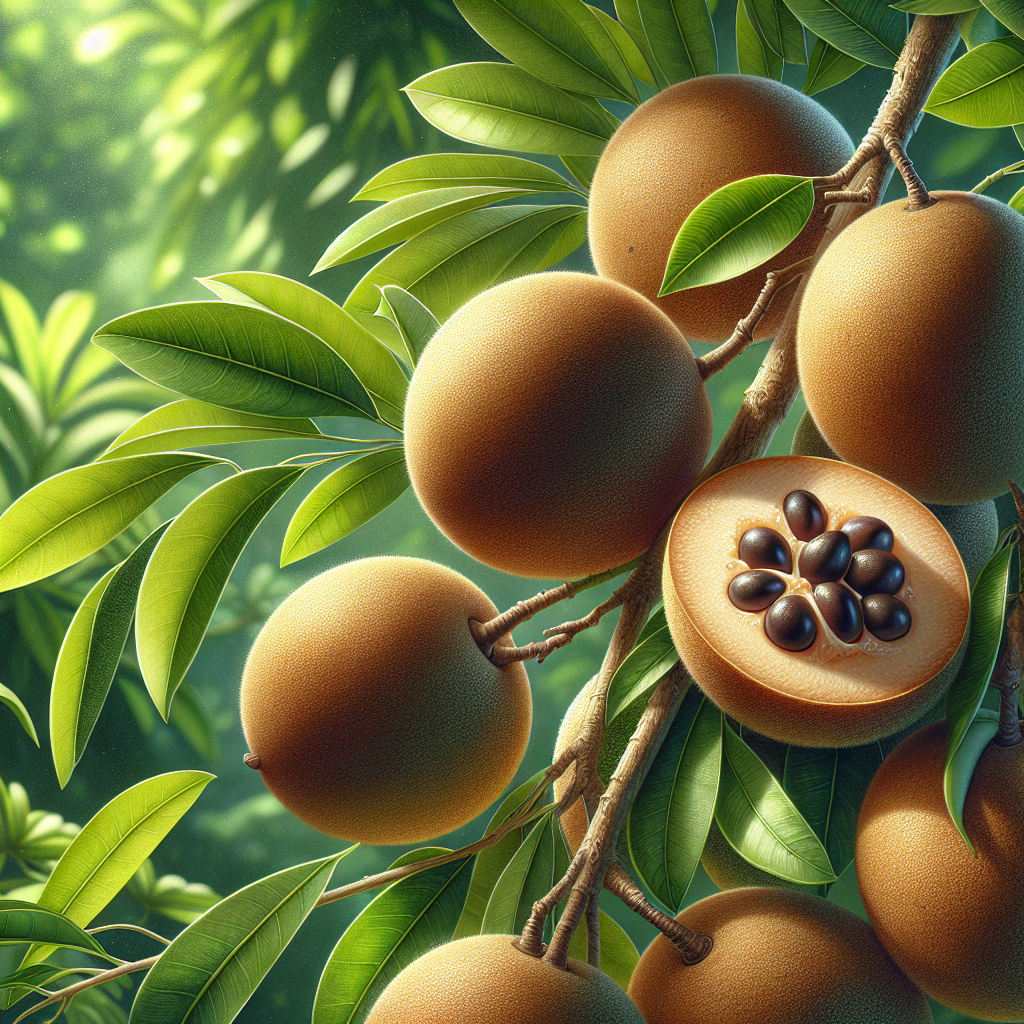
Sapodilla (Manilkara zapota), commonly called Makok in Thailand and chico in other regions, is an evergreen tropical tree native to Central America and the Caribbean but widely cultivated across Southeast Asia, India, and Florida. The fruit, known as sapote or naseberry, features a unique brown skin enclosing sweet, caramel-like flesh with 4-12 black seeds. Makok fruits are harvested when latex production ceases, offering a chewy texture similar to pear or overripe persimmon, packed with fructose, sucrose, vitamins A and C, and antioxidants.
This hardy tree thrives in tropical climates, producing 200-600 fruits per mature specimen annually after 5-7 years. Farmers value Sapodilla for its low maintenance, drought tolerance once established, and market demand in fresh produce, juices, and chicle gum extraction from latex. In Thailand, Makok is a staple in local markets, with peak seasons from November to March. Successful cultivation requires understanding its slow growth, wind-pollination, and susceptibility to overwatering. This guide provides professional-grade advice for small-scale growers aiming for high yields. Mango (crop) shares similar tropical needs, making mixed orchards viable.
Botanical Profile of Sapodilla (Makok)
Sapodilla belongs to the Sapotaceae family, characterized by milky latex (chicle) in all parts. Mature trees reach 18-30 meters tall with a broad, dense canopy of 10-20 meters diameter, featuring elliptic-oblong leaves (5-10 cm long) glossy green above and brown-felted below. New growth emerges bronze-red, turning deep green. Flowers are small (5-10 mm), white to greenish, solitary or clustered in leaf axils, pollinated primarily by wind and nocturnal insects like moths.
Fruits are globose to ellipsoid, 5-10 cm diameter, ripening from green-brown to earthy brown with a thin, leathery skin. Flesh is sweet (Brix 15-25°), beige to reddish-brown, with 3-12 large, shiny black seeds containing hooks that can injure the throat if swallowed. Varieties include 'Pineras' (Philippines), 'Makok Thong' (Thailand), and 'Tasty' (Florida), selected for size, flavor, and seedlessness. Trees are dioecious or hermaphroditic, but most cultivars are parthenocarpic or self-fertile. Root system is deep taproot with lateral fibrous roots, aiding drought resistance. Lifespan exceeds 100 years, with peak productivity at 20-40 years.
Soil, pH, and Climate Requirements for Sapodilla (Makok)
Sapodilla demands well-drained, sandy loam or loamy soils rich in organic matter, avoiding heavy clays prone to waterlogging. Optimal pH is 6.0-7.5; test soil and amend with lime if below 5.5 or sulfur if above 8.0. Incorporate 10-20 kg compost per planting hole for microbial activity. Trees tolerate poor fertility but respond to balanced NPK (10-10-10) at 1-2 kg/tree/year post-establishment.
Climatic sweet spot: USDA zones 10b-11, temperatures 24-32°C daytime, minima above 5°C (young trees frost-sensitive). Annual rainfall 1000-2500 mm, evenly distributed; supplement with drip irrigation during dry spells (<600 mm). Full sun (6-8 hours) essential; humidity 60-85% ideal. Windbreaks protect from salt-laden gales in coastal areas. Avoid elevations above 600m or areas with prolonged dry seasons exceeding 6 months. For heatwave resilience, see Why Summer Heatwaves Are Silently Killing Small Farm Yields - And 7 Organic Strategies to Fight Back. Salinity tolerance up to 2000 ppm suits brackish groundwater regions.
Step-by-Step Planting & Propagation
Propagation: Seed propagation is common (80% success), but grafted trees (veneer or cleft) fruit earlier (3-4 years vs. 7). Select fresh, mature seeds, wash off pulp, dry 1-2 days. Sow in 15-20 cm pots with 1:1:1 sand-soil-compost at 1 cm depth, 25-30°C germination in 2-4 weeks. Thin to strongest seedling. For grafting, use 1-2 year rootstocks like 'Prolific' onto scions of elite varieties.
Site Preparation: Space trees 10-12 m apart (82-100 trees/ha) in rows 12 m wide for machinery. Dig 60x60x60 cm pits, fill with topsoil + 20 kg FYM + 500g superphosphate + 200g muriate of potash. Plant during rainy season (May-July in tropics).
Planting Steps: 1. Water root ball pre-planting. 2. Place graft union 10-15 cm above soil. 3. Backfill, tamp firmly, stake if windy. 4. Mulch 10 cm thick with leaves/straw to 1 m radius. 5. Irrigate 50-100 L/tree weekly until established (6 months). Prune low branches for trunk clearance.
Care & Maintenance regimes for Sapodilla (Makok)
Irrigation: Drip irrigate young trees 40-60 L/week, mature 100-200 L biweekly. Withhold during flowering to enhance fruit set.
Fertilization: Year 1: 200g NPK monthly. Mature: 1-2 kg NPK split 3x/year (post-harvest, pre-flower, fruit swell). Foliar micronutrients (Zn, Fe, B) quarterly. Organic: 20-50 kg compost/tree annually.
Pruning: Annually remove deadwood, watersprouts, crowded branches for light penetration. Train to central leader, thin canopy to 30-50% light interception. Tip girdling boosts fruit size.
Weed Control: Mulch suppresses; slash intercrops. Avoid herbicides near trunk.
Monitor growth: 50-100 cm/year initially. Intercrop with legumes or guava (crop) years 1-4.
Pests, Diseases & Organic Management
Pests: Mealybugs (mealybugs) cluster on twigs/fruit; spray neem oil 0.5% + insecticidal soap weekly. Scale insects (scale insects) controlled by horticultural oil. Fruit flies (fruit flies) trapped with methyl eugenol. Aphids and mites via ladybugs release. Termites (termites) repelled by neem cake in soil.
Diseases: Anthracnose causes fruit rot; copper fungicide pre-monsoon. Phytophthora root rot from poor drainage; improve soil, use biofungicides like Trichoderma. Powdery mildew treated with potassium bicarbonate. Black pod rot organic management: remove infected fruits, apply Bordeaux mixture.
Integrated strategy: Beneficial insects, crop rotation, resistant rootstocks. Scout weekly; thresholds: 5% canopy infestation. Learn more in Why 90% of Small Farms Fail at Pest Management - And 8 Organic Fixes That Actually Work.
Harvesting, Curing & Optimal Storage
Harvest when fruit thumb-test yields slightly (milk stage ends, 150-200 days from set). Mature Makok: 100-400g, specific gravity >1.0 (sink in water). Clip with 2-3 cm peduncle using secateurs; yield 50-150 kg/tree at 10 years.
Curing: Place in shaded, ventilated area 7-14 days at 25-30°C, 85% RH for latex conversion to sugars, skin browning. Avoid stacking to prevent pressure spots.
Storage: Fresh: 13-15°C, 85-90% RH, 2-3 weeks (chilling injury below 12°C). Ripen at 20-25°C. Market whole or process into pulp (freezer-stable 6 months). Postharvest losses minimized by calcium chloride dips.
Companion Planting for Sapodilla (Makok)
Pair with nitrogen-fixers like pigeon pea or gliricidia for soil enrichment. Marigold and thyme deter nematodes/root pests. Understory: ginger, turmeric for shade tolerance and revenue. Avoid water-hungry corn or legumes competing for deep water. Windbreaks of coconut protect young trees. Benefits: Pest suppression, microclimate moderation, diversified income. See Why Companion Planting Feels Like Guesswork for Small Farms - And How AI Makes It Foolproof.