Encyclopedia
Definitive guides for crops, pests, and agricultural diseases.
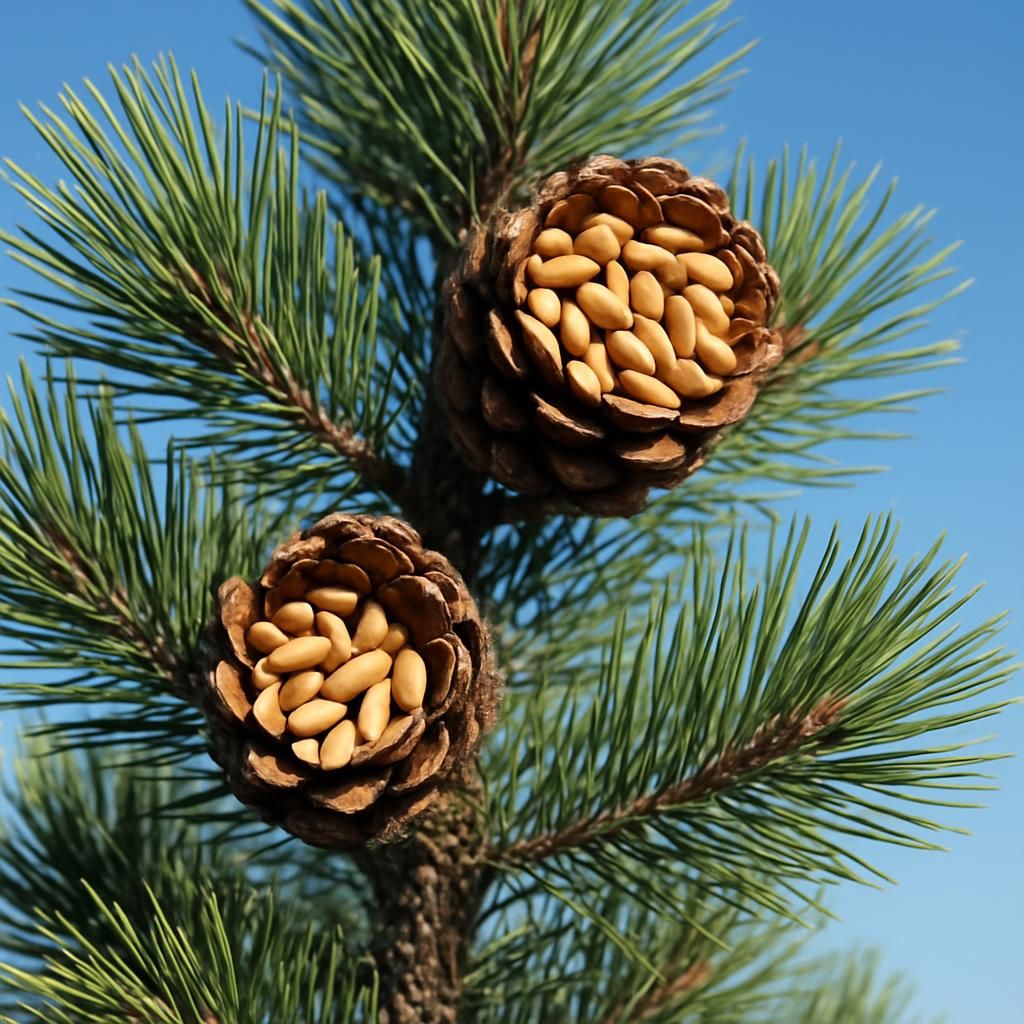
Pine Nut (Pinus gerardiana - Chilgoza)
Pinus gerardiana, commonly known as Chilgoza pine, produces edible pine nuts prized for their rich flavor and nutritional value. This high-altitude conifer is native to the western Himalayas and requires specialized long-term cultivation practices. The guide covers every stage from soil preparation to harvest and storage for professional growers.
View Guide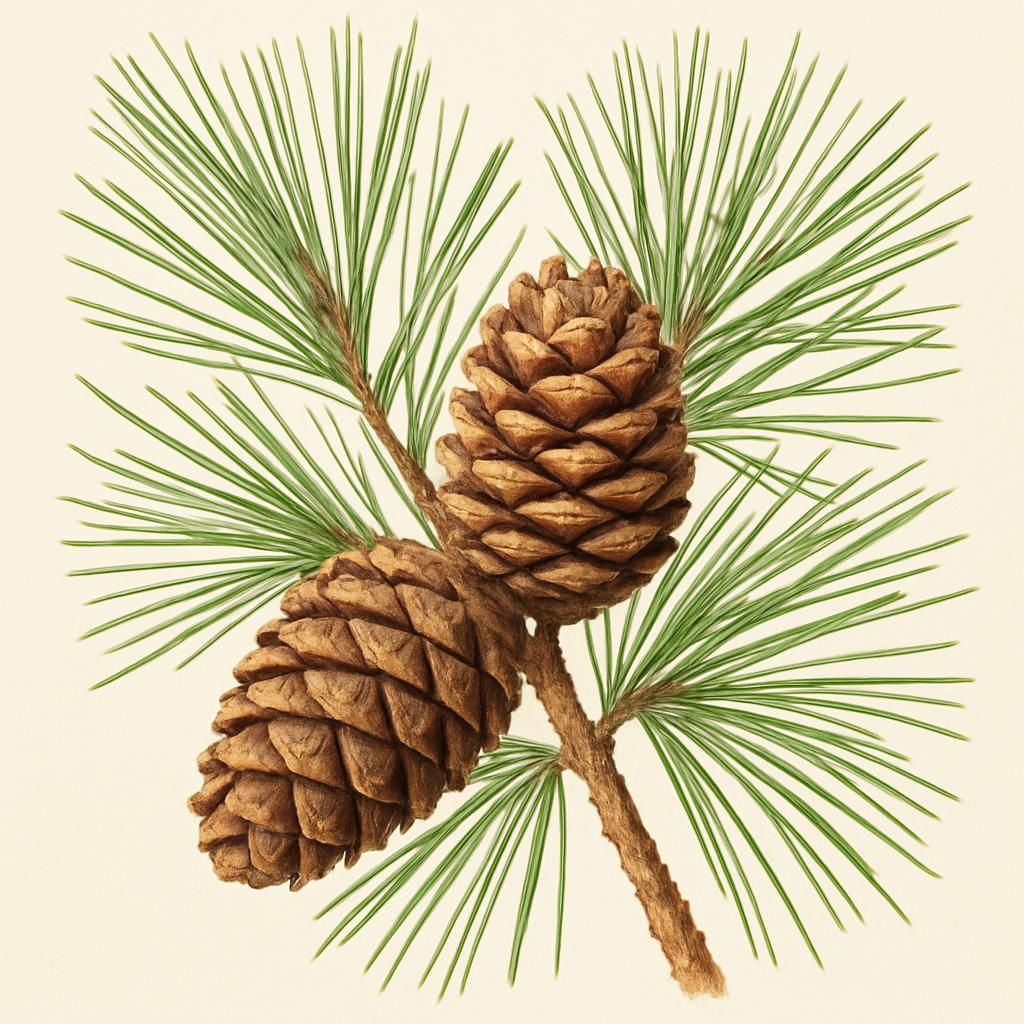
Pine Nut (Pinus koraiensis - Korean)
Korean pine (Pinus koraiensis) is a long-lived conifer grown for its large, edible seeds known as pine nuts. This definitive guide covers soil, climate, propagation, care, pests, harvest, and companion strategies for commercial and home-scale production.
View Guide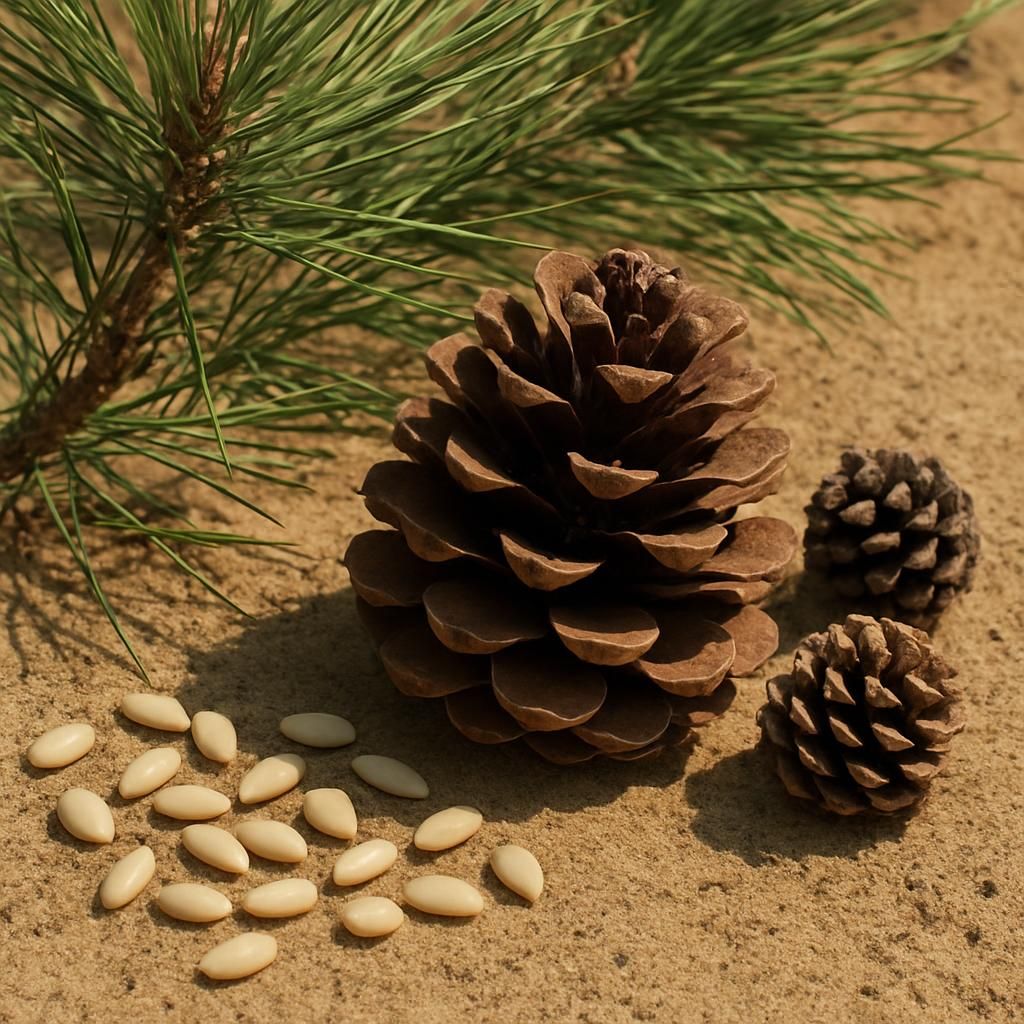
Pine Nut (Pinus pinea - Italian Stone)
Pinus pinea, commonly known as the Italian stone pine, is a Mediterranean evergreen conifer prized for its large, edible seeds known as pine nuts. This long-lived tree requires patience but offers decades of high-value harvests once established in suitable climates.
View Guide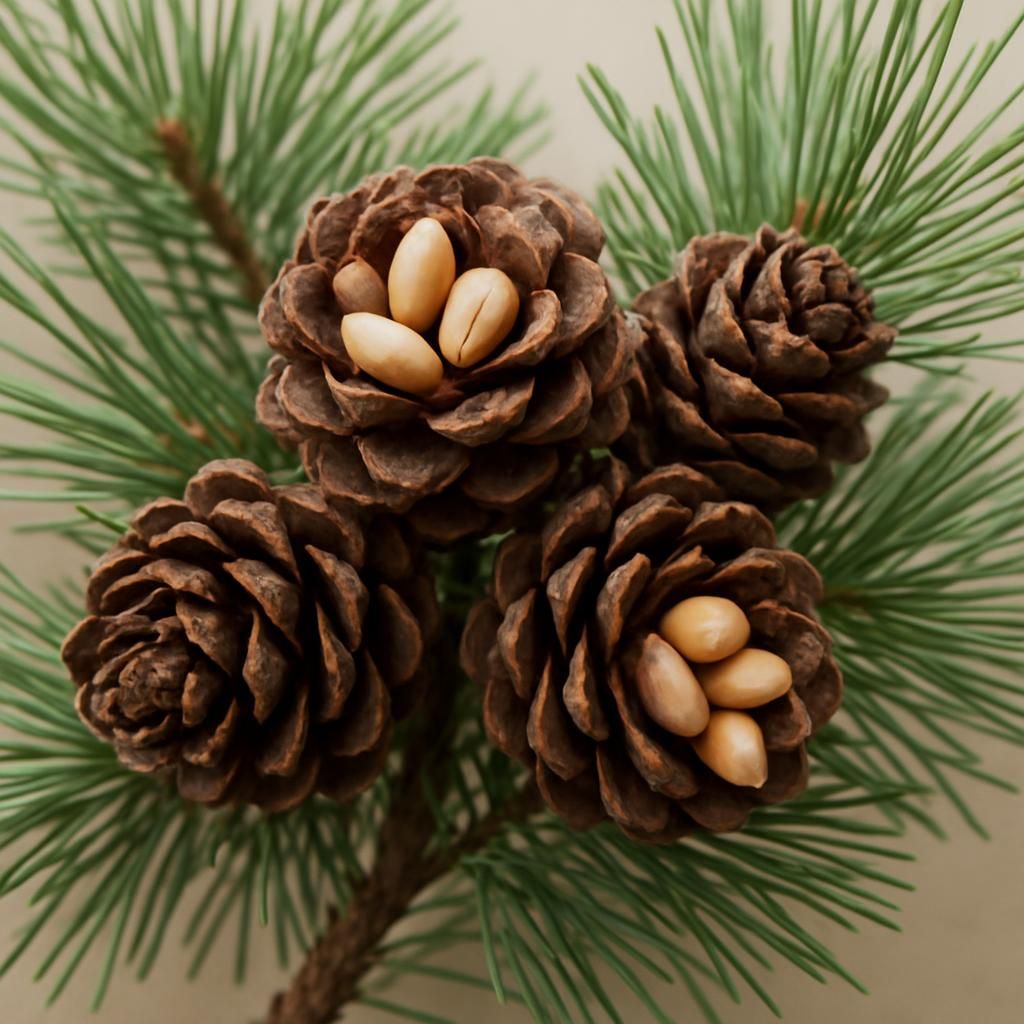
Pine Nut (Pinus sibirica - Siberian)
Siberian pine (Pinus sibirica) is a long-lived conifer prized for its edible kernels, known as pine nuts. This definitive guide covers soil, climate, propagation, care, pest management, harvesting, and companion planting for commercial and home growers.
View Guide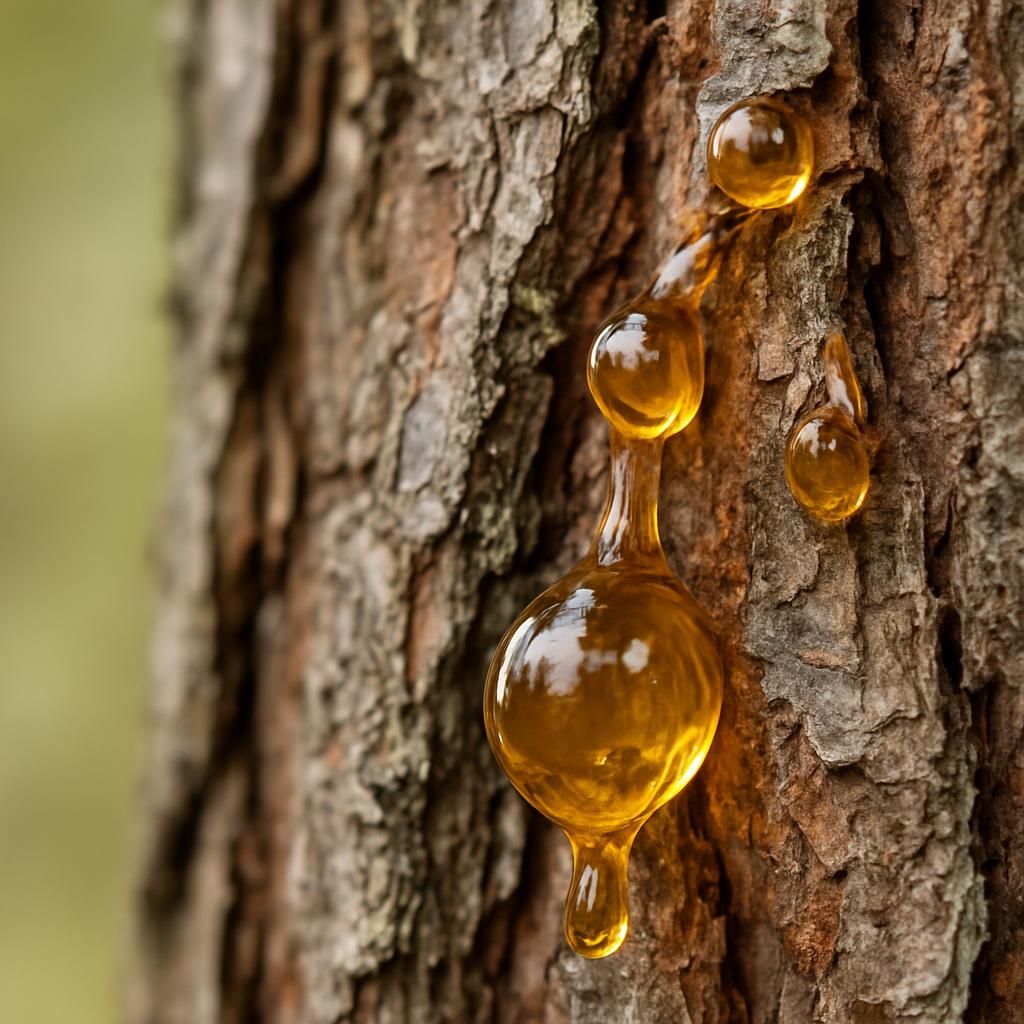
Pine Resin
Pine resin is the viscous oleoresin exuded by various Pinus species, valued for its antimicrobial, adhesive, and aromatic properties in traditional and industrial applications. This guide covers cultivation, propagation, care, and harvesting of resin-producing pine species for sustainable resin production.
View Guide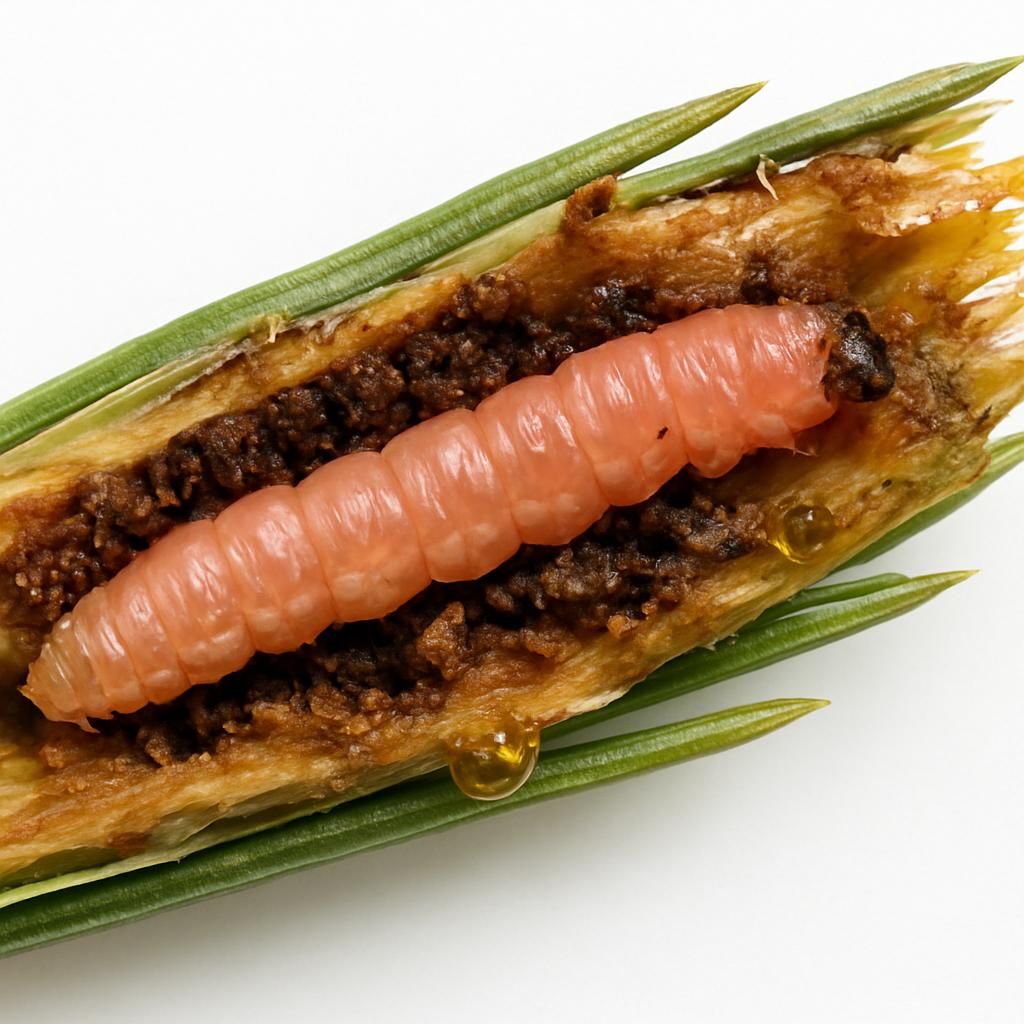
pine tip moth
Pine tip moths are key lepidopteran pests of young pine plantations that damage terminal and lateral shoots, causing stunted growth and deformed leaders. Early detection through symptom scouting and timely targeted interventions are essential for protecting timber value and tree form. Integrated management combines cultural, biological, and selective chemical options.
View Profile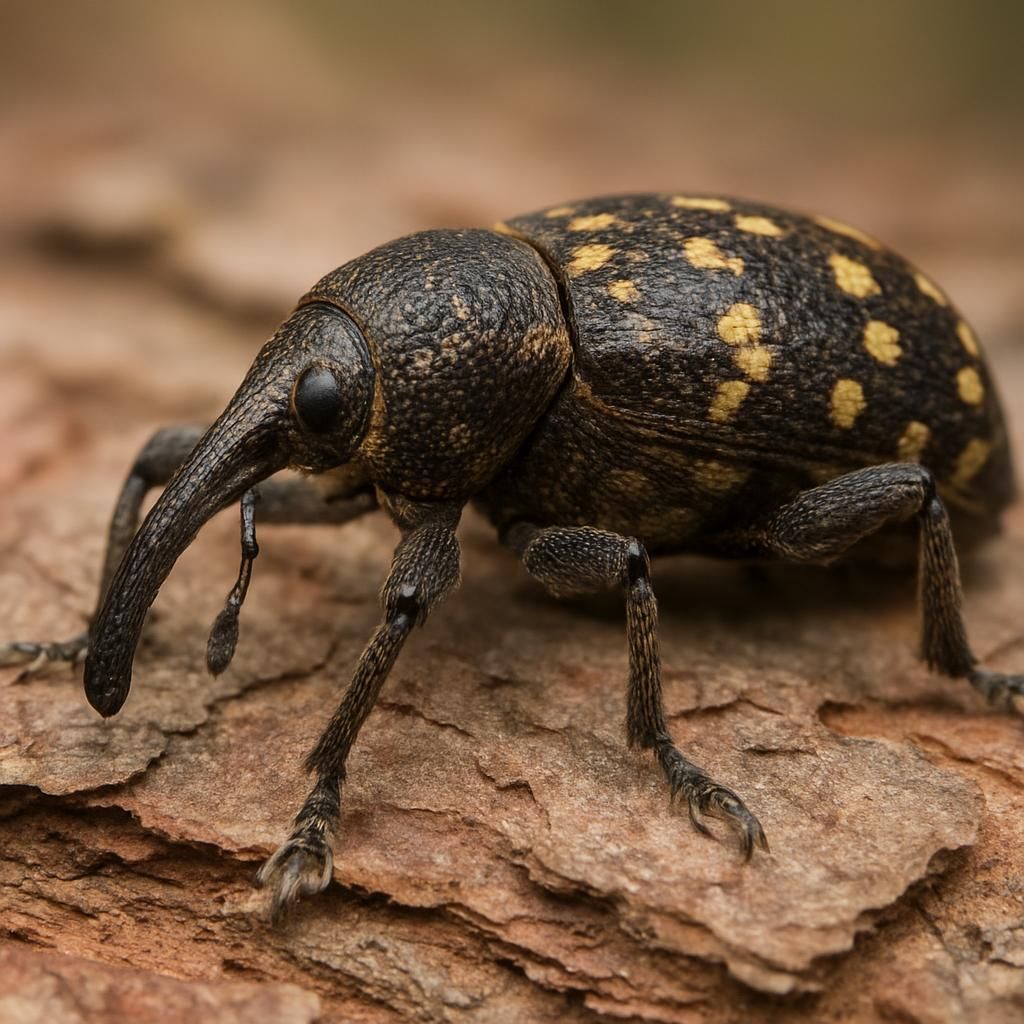
Pine weevils
Pine weevils are destructive bark beetles that primarily attack coniferous seedlings and young trees, causing significant economic losses in forestry and Christmas tree plantations. Their larvae feed on roots and the inner bark, leading to girdling, wilting, and plant death. Effective management requires integrated strategies combining cultural, biological, and targeted chemical controls.
View Profile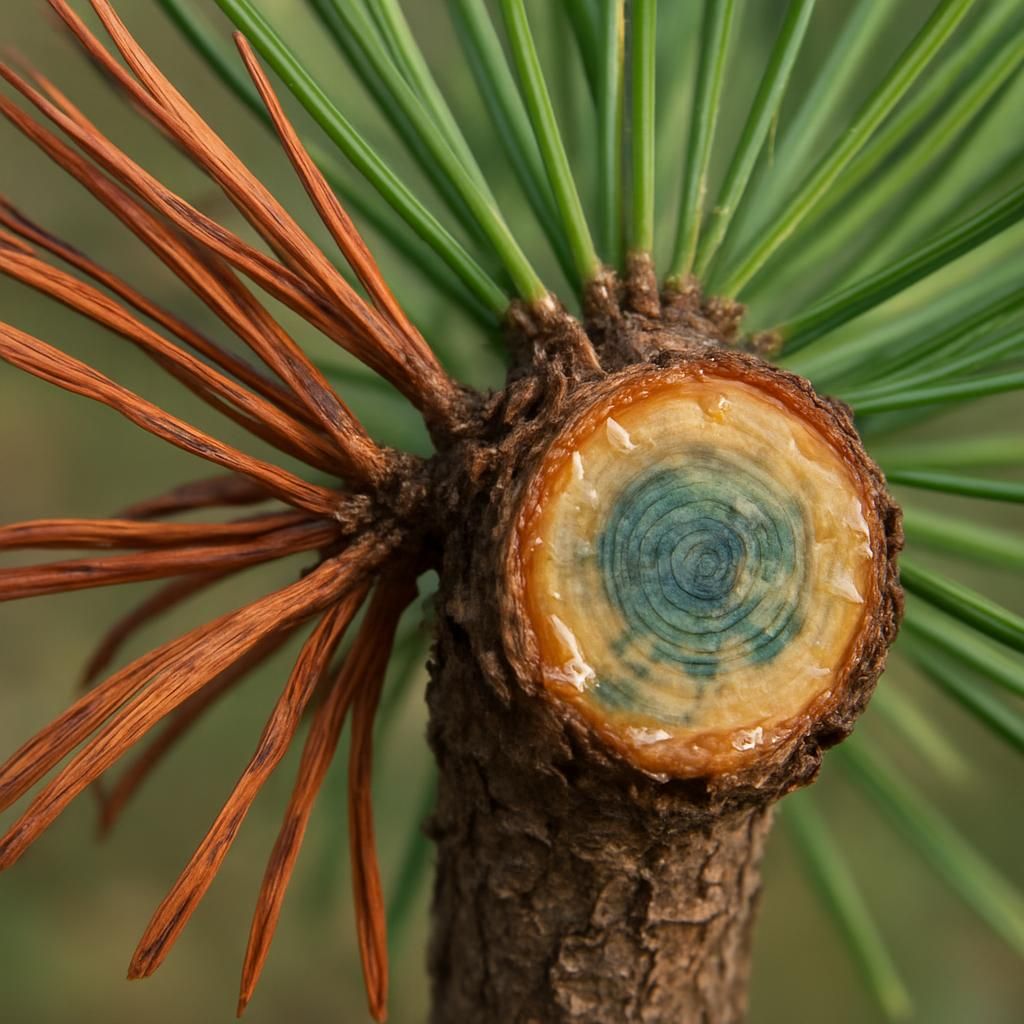
Pine wilt
Pine wilt is a lethal vascular disease of pines caused by the pine wood nematode Bursaphelenchus xylophilus, transmitted primarily by pine sawyer beetles. It leads to rapid wilting, needle discoloration, and tree death within weeks to months. Early detection and integrated management are critical to limit spread in susceptible pine stands.
View Profile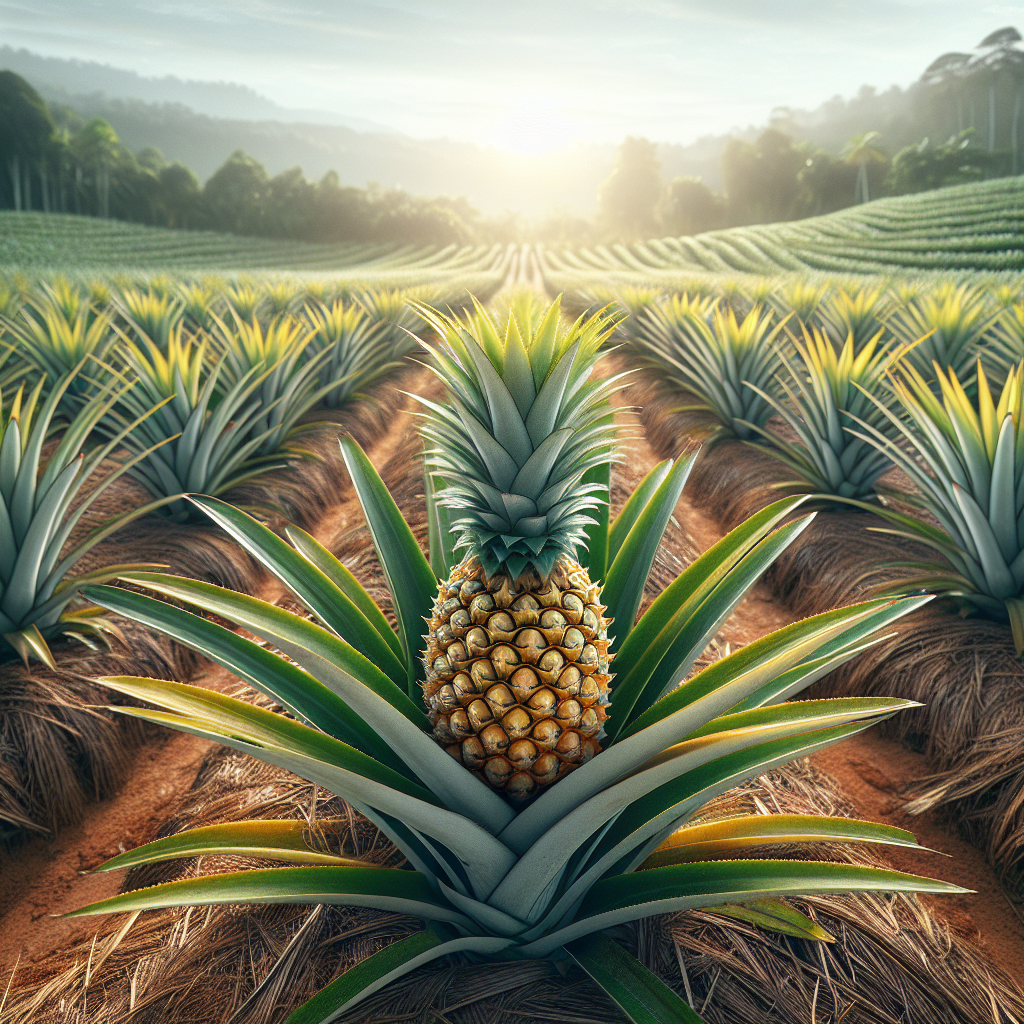
Pineapple
Pineapple is a tropical bromeliad fruit crop prized for its sweet-acid balance, strong market demand, and ability to produce on marginal soils when drainage is excellent. Although the plant is relatively hardy once established, professional-quality yields depend on careful management of planting material, soil aeration, fertility balance, moisture control, and synchronized flowering.
View Guide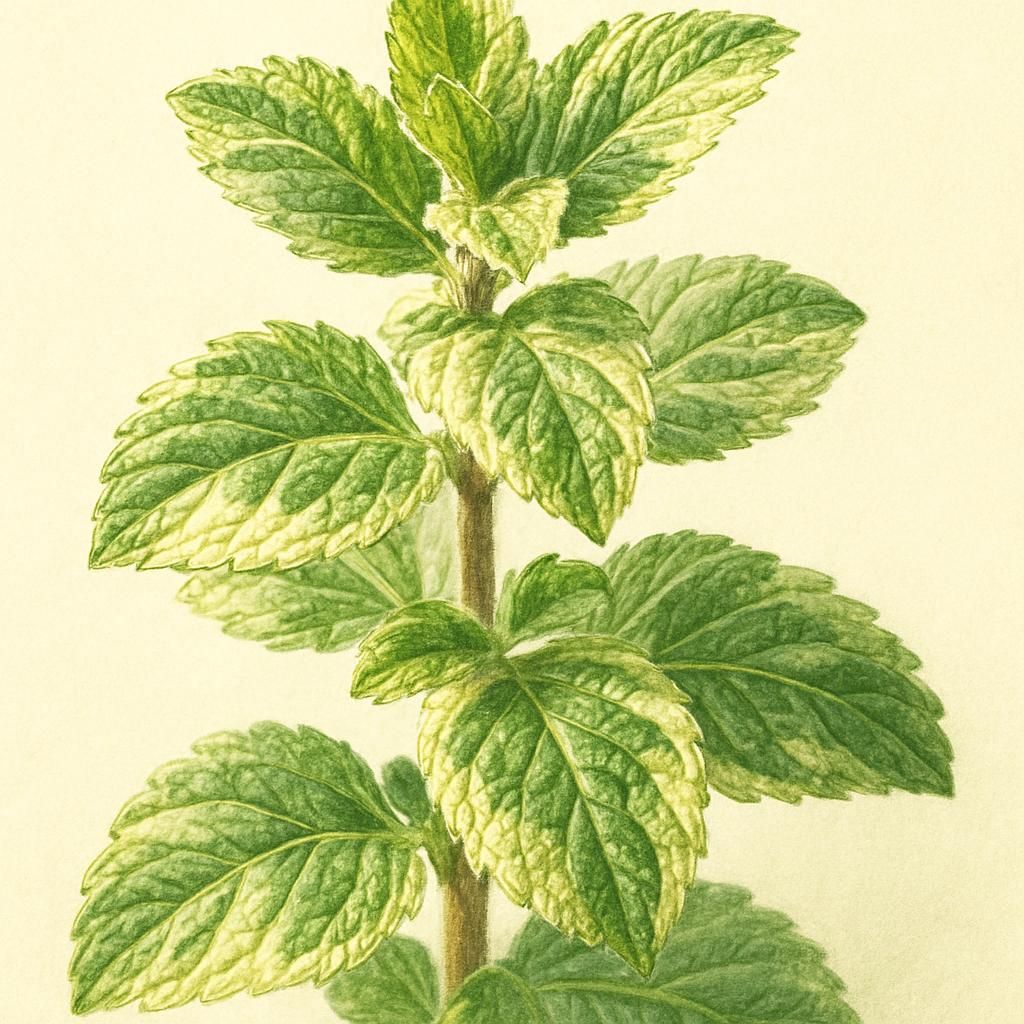
Pineapple Mint
Pineapple mint, a variant of apple mint, is known for its pineapple-flavored leaves and decorative, variegated appearance. It's a versatile herb that thrives in gardens or containers, perfect for culinary use or ornamental gardening.
View Guide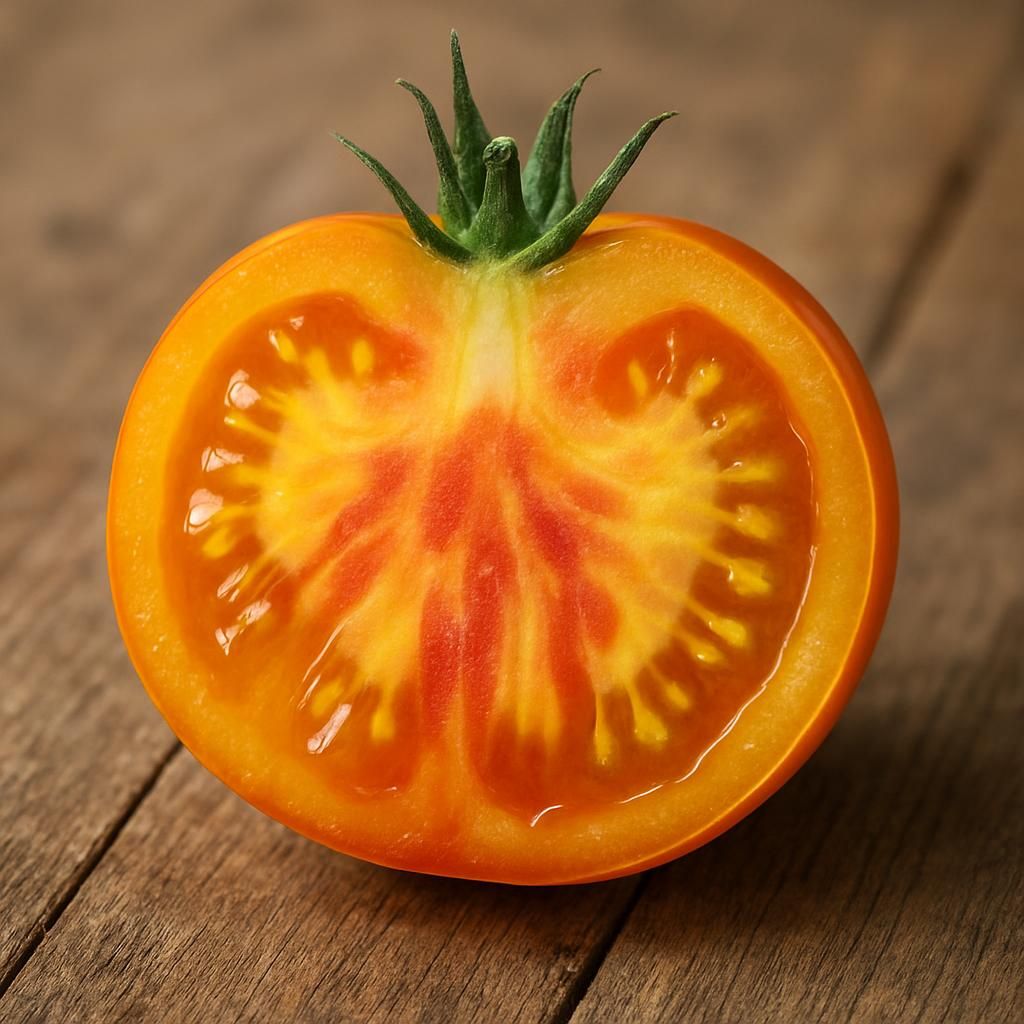
Pineapple Tomato
Pineapple Tomato is a rare, bicolored heirloom beefsteak variety prized for its massive size, striking yellow-and-red marbled flesh, and complex tropical flavor. This indeterminate tomato produces high yields under warm conditions and requires attentive cultural practices to reach full potential.
View Guide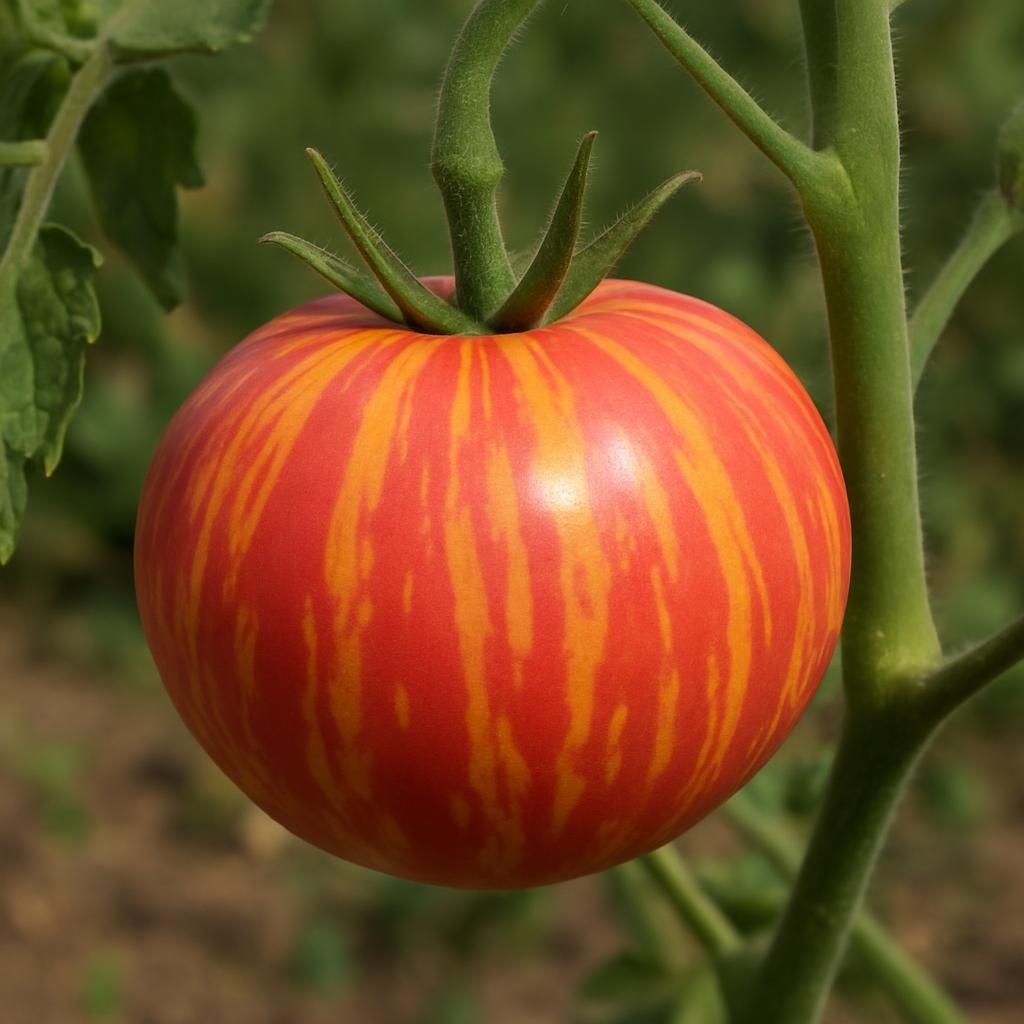
Pink Berkeley Tie-Dye Tomato
Pink Berkeley Tie-Dye Tomato is an open-pollinated, indeterminate beefsteak-type heirloom prized for its striking pink-and-yellow striped fruit and rich, complex flavor. It offers excellent yields in warm climates and performs well in both garden beds and containers with proper support.
View Guide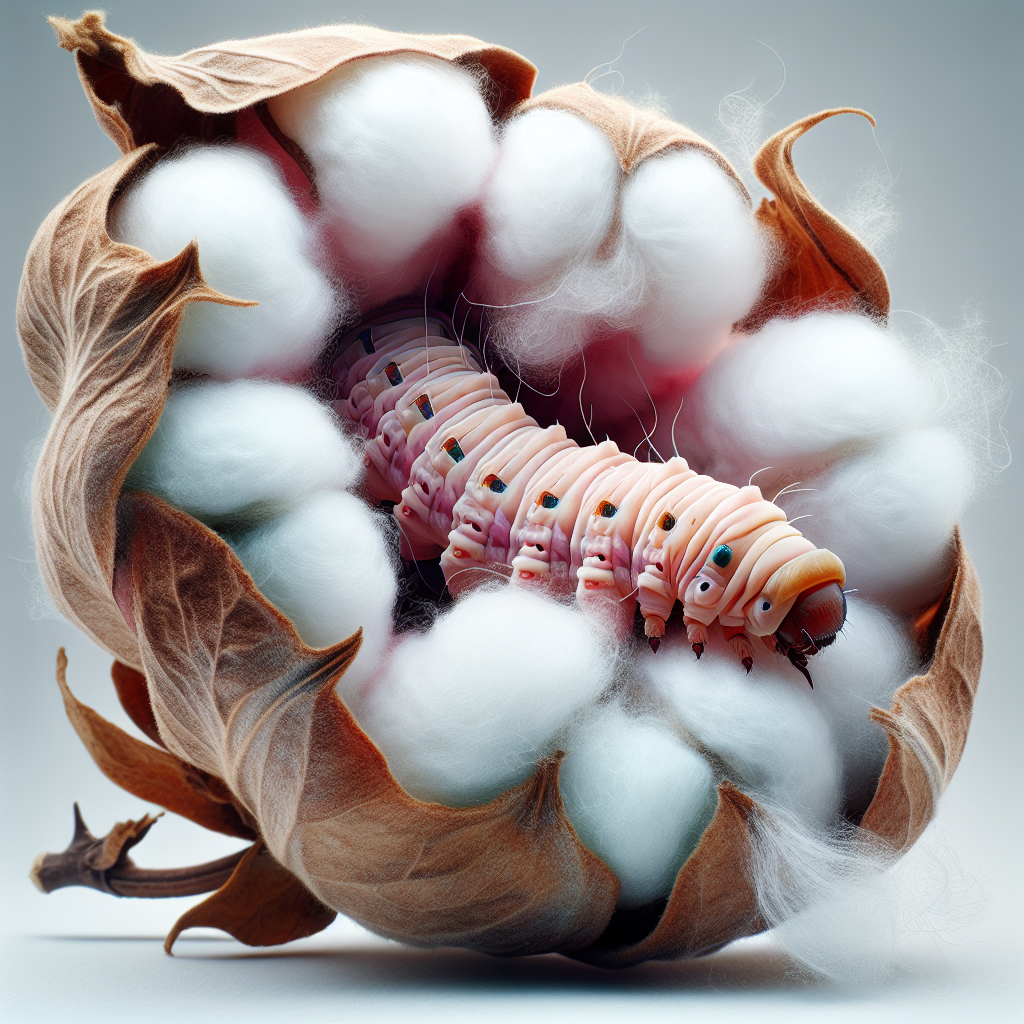
Pink bollworm
The pink bollworm is a devastating lepidopteran pest primarily targeting cotton crops, boring into bolls and causing significant yield losses worldwide. Effective identification of its symptoms, lifecycle understanding, and integrated management strategies are crucial for cotton growers to minimize damage. This guide provides comprehensive diagnostic, organic control, and prevention advice tailored for agricultural professionals.
View Profile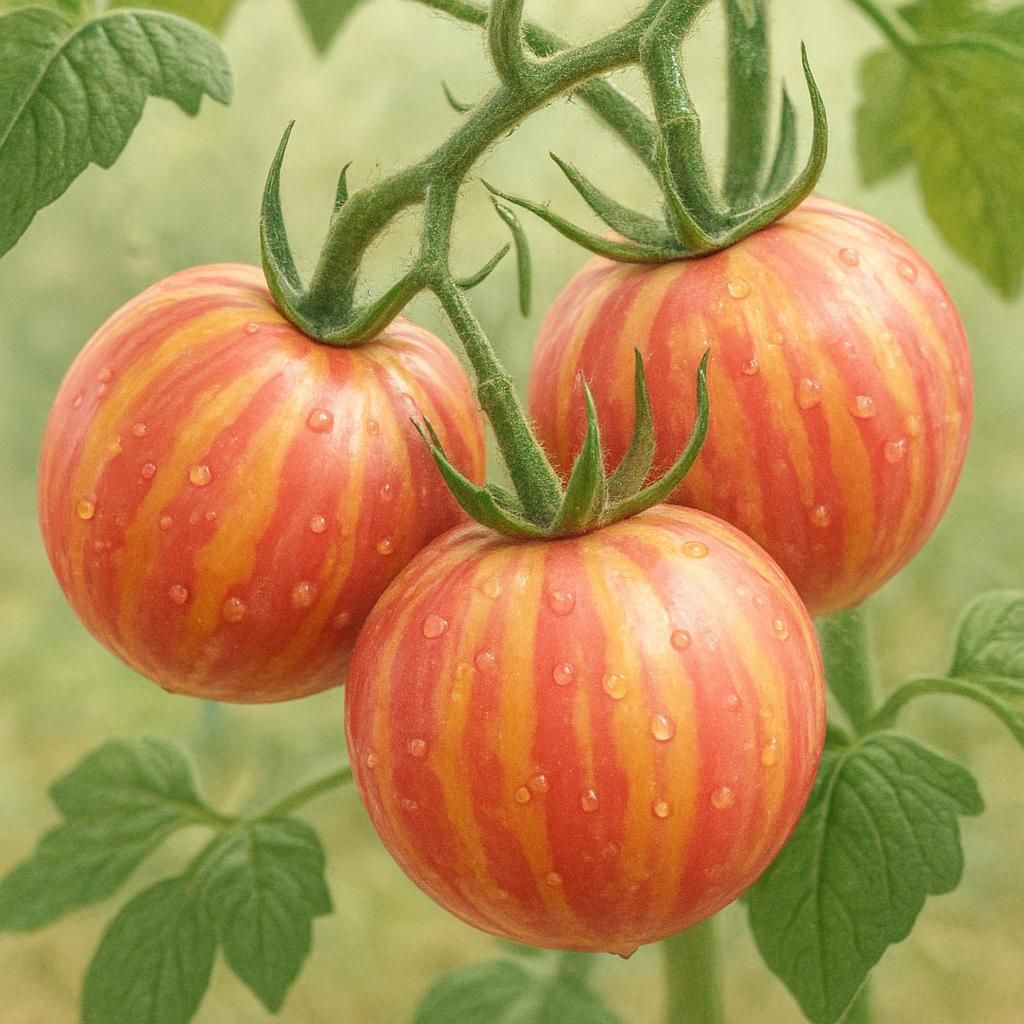
Pink Bumble Bee Tomato
Pink Bumble Bee Tomato is a striking cherry-type heirloom variety known for its elongated, pink-and-yellow striped fruits with sweet, juicy flavor. It offers high productivity, disease resistance, and excellent market appeal for both home gardeners and small-scale commercial growers.
View Guide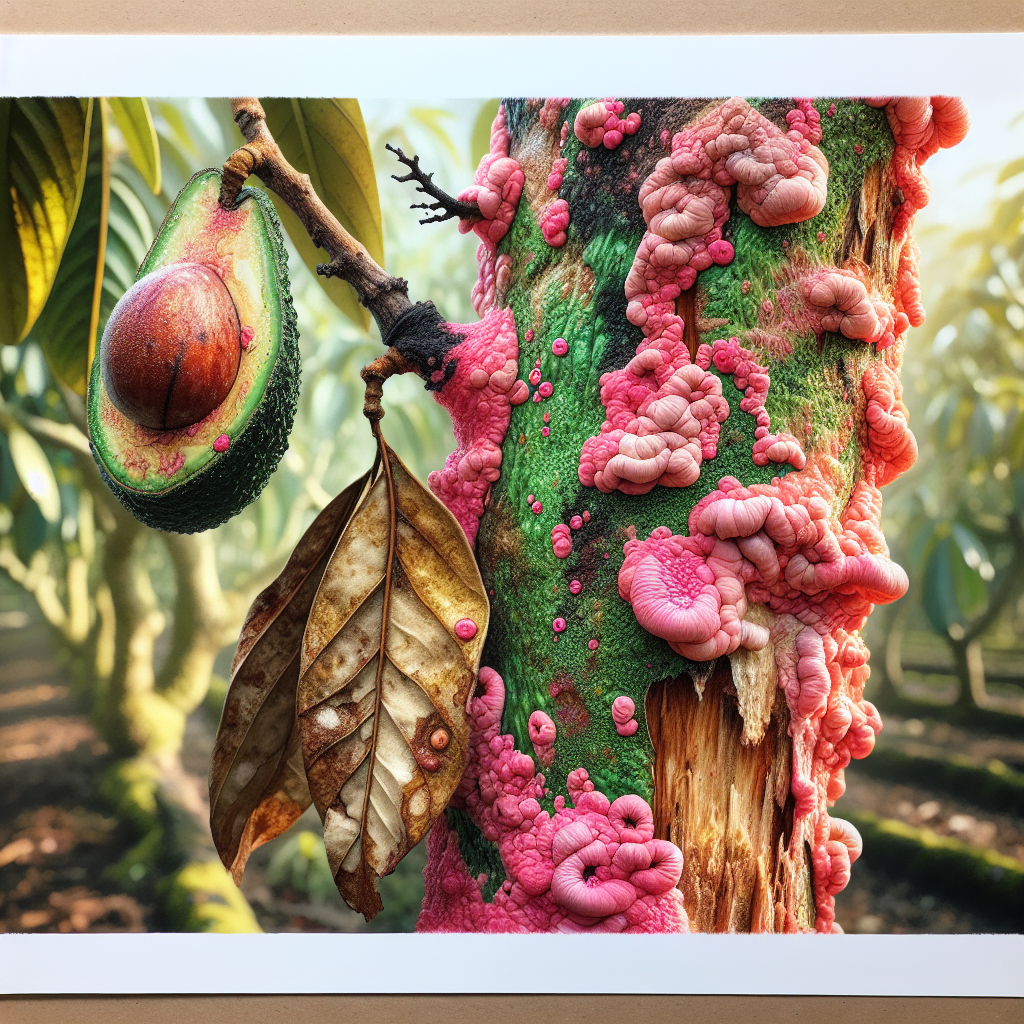
Pink Disease
Pink Disease is a destructive fungal disorder primarily affecting tropical and subtropical trees, characterized by pink spore masses on bark that lead to branch dieback and tree decline. Caused by the fungus Erythricium salmonicolor, it spreads via airborne spores and thrives in humid conditions, posing significant threats to crops like avocado, mango, and citrus. Effective management relies on cultural practices, organic fungicides, and vigilant pruning to prevent widespread damage.
View Profile
Pink Lady Apple
Pink Lady Apple, the trademarked market name for the cultivar 'Cripps Pink,' is a late-season dessert apple prized for its bright blush, dense crisp flesh, and balanced sweet-tart flavor. It is a high-heat, long-season variety that demands more from climate and management than many apples, but rewards skilled growers with excellent storage life, strong market appeal, and distinctive eating quality.
View Guide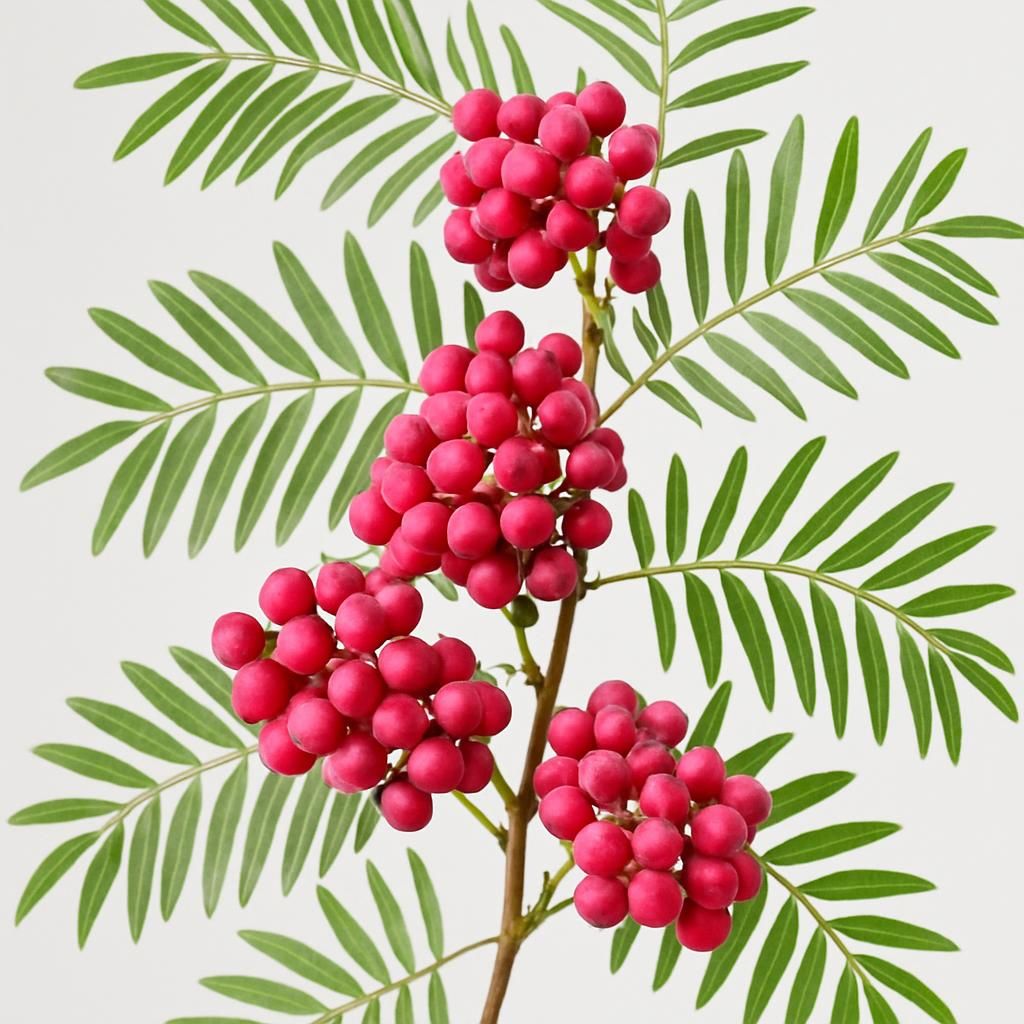
Pink Pepper (Schinus molle)
Schinus molle, commonly known as pink pepper or Peruvian pepper tree, is a drought-tolerant evergreen that produces aromatic pink berries used as a peppercorn substitute. This fast-growing tree thrives in Mediterranean and arid climates and is valued for both culinary and ornamental uses. Proper site selection, irrigation management, and pruning are essential for high-quality berry production and tree health.
View Guide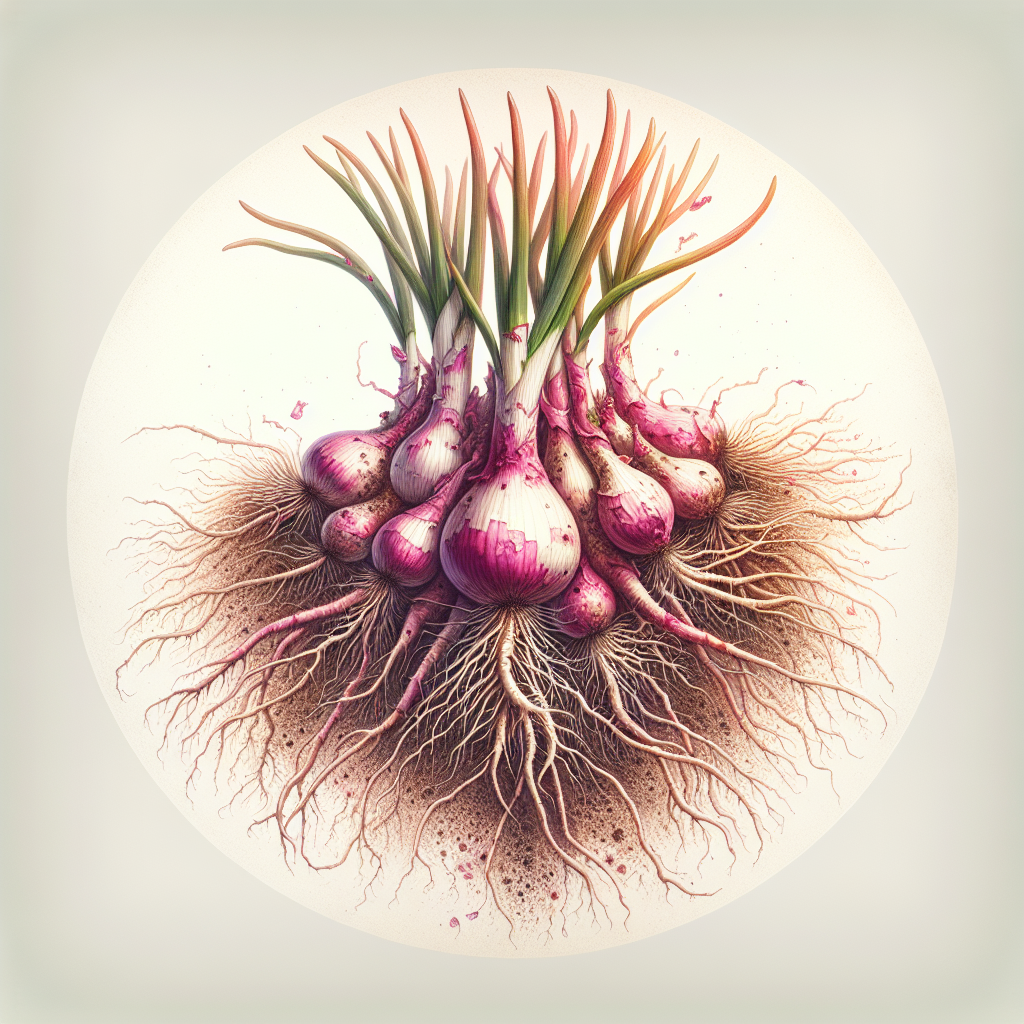
Pink root
Pink root is a destructive soilborne fungal disease primarily affecting onions and related crops, caused by the pathogen Phymatotrichopsis omnivora, leading to pink discoloration of roots and severe yield losses. Early detection through root inspection is crucial, with management relying on resistant varieties, crop rotation, and soil health improvements. This guide provides comprehensive diagnostic, organic control, and prevention strategies for farmers.
View Profile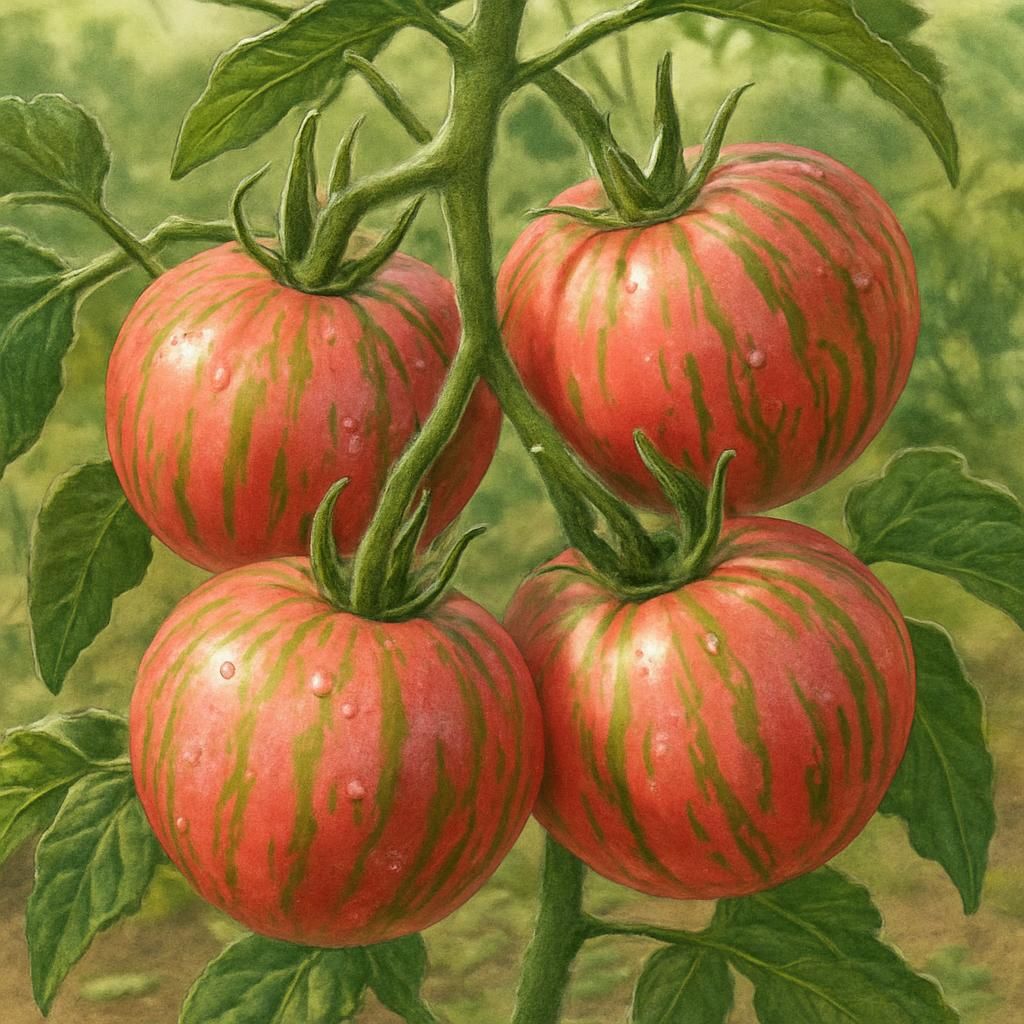
Pink Tiger Tomato
Pink Tiger Tomato is a striking heirloom cherry-type variety known for its elongated, striped fruits that transition from green to deep pink with bold tiger-like stripes. It delivers exceptional flavor and productivity in home and market gardens. This guide covers every stage from soil preparation through harvest with professional agricultural detail.
View Guide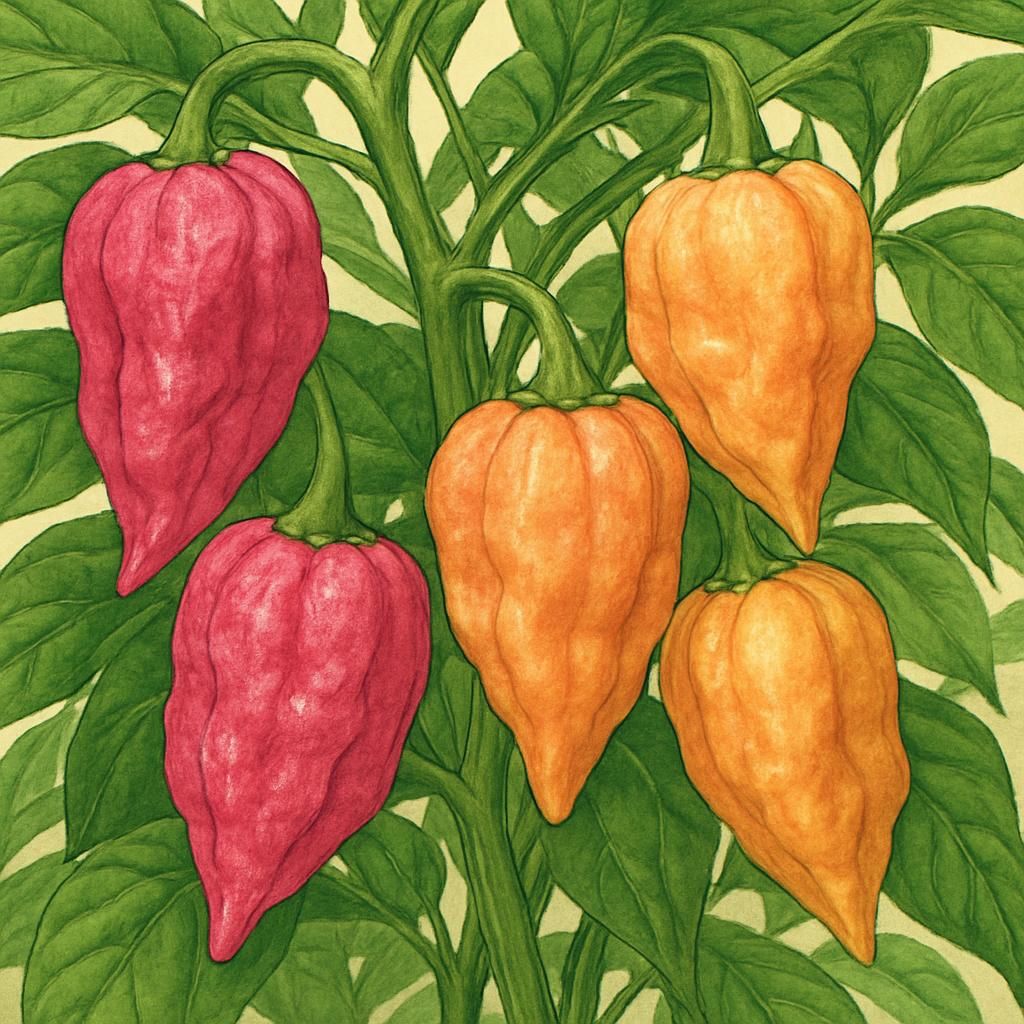
Pink Tiger x Peach Ghost
The Pink Tiger x Peach Ghost pepper is a fiery hybrid known for its vibrant coloration and intense heat. Ideal for pepper enthusiasts seeking an adventurous growing experience, this variety thrives in warm climates and well-draining soil.
View Guide
Pinot Noir Grapes
Pinot Noir is one of the world’s most revered wine grapes, prized for its thin skins, early ripening habit, and ability to express site conditions with unusual clarity. It is also one of the most demanding grape varieties to grow well, requiring precise climate matching, disciplined canopy management, and vigilant disease control to produce balanced, high-quality fruit.
View Guide
Pinto Bean
Pinto bean is a warm-season dry bean prized for its mottled seed coat, reliable yield, and excellent storage quality. It performs best in well-drained soils, moderate fertility, and frost-free conditions, and it rewards careful moisture management with higher pod set, cleaner seed, and better disease control.
View Guide
Pistachio
Pistachio is a long-lived, drought-tolerant nut tree prized for its rich kernels, high market value, and exceptional adaptation to hot, dry climates with cold winters. Successful production depends on matching the crop to the right environment, managing salinity and irrigation carefully, and understanding its dioecious flowering habit, alternate bearing tendency, and slow juvenile establishment.
View Guide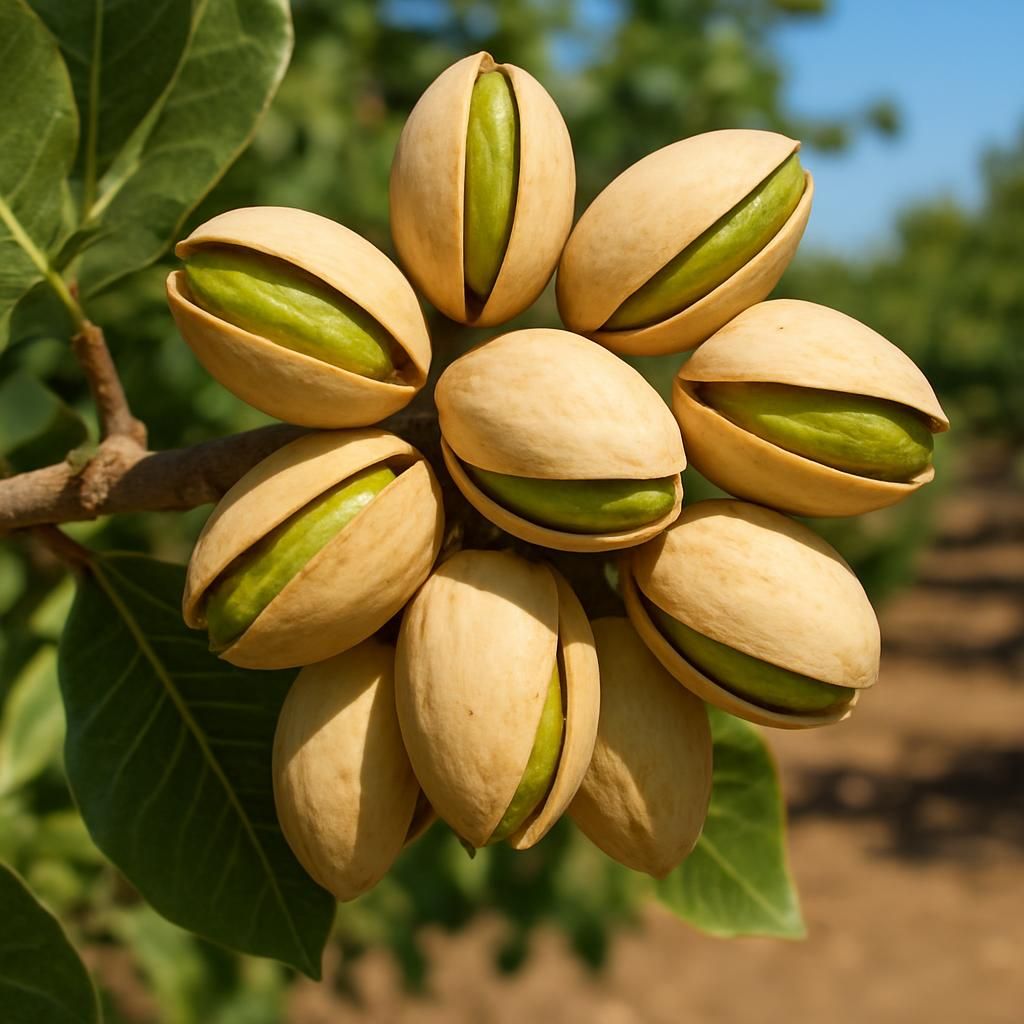
Pistachio (Golden Hills)
Golden Hills is a high-yielding, early-maturing female pistachio cultivar prized for its large kernels, bright green color, and excellent split rates. It requires a male pollinizer such as [Pistachio (Peters)](/wiki/pistachio-peters) and performs best in hot, arid climates with well-drained soils.
View Guide