Encyclopedia
Definitive guides for crops, pests, and agricultural diseases.
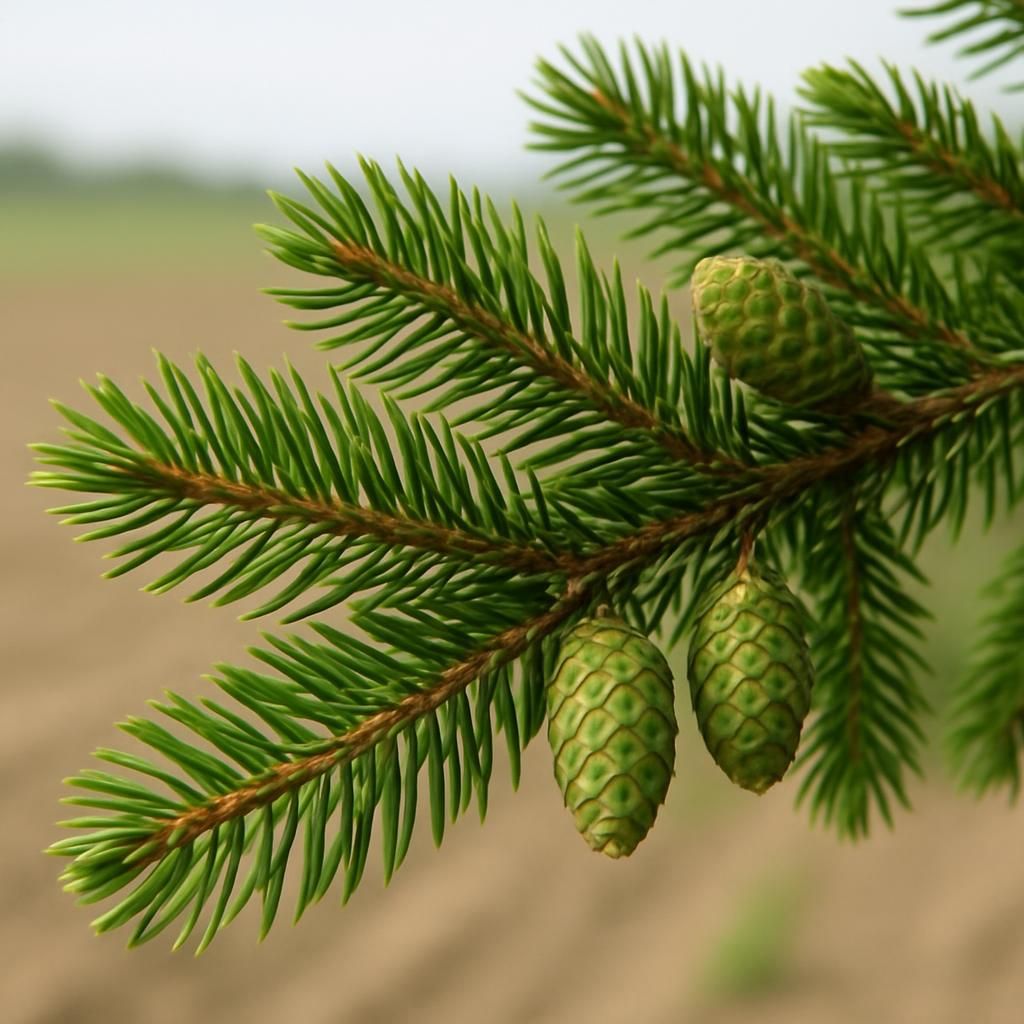
Picea
Picea, commonly known as spruce, encompasses over 35 evergreen conifer species widely cultivated for timber, ornamental landscaping, and Christmas tree production. These long-lived trees require cool climates, well-drained acidic soils, and consistent moisture to thrive. Professional growers value spruces for their straight trunks, dense foliage, and resilience in managed forest systems.
View Guide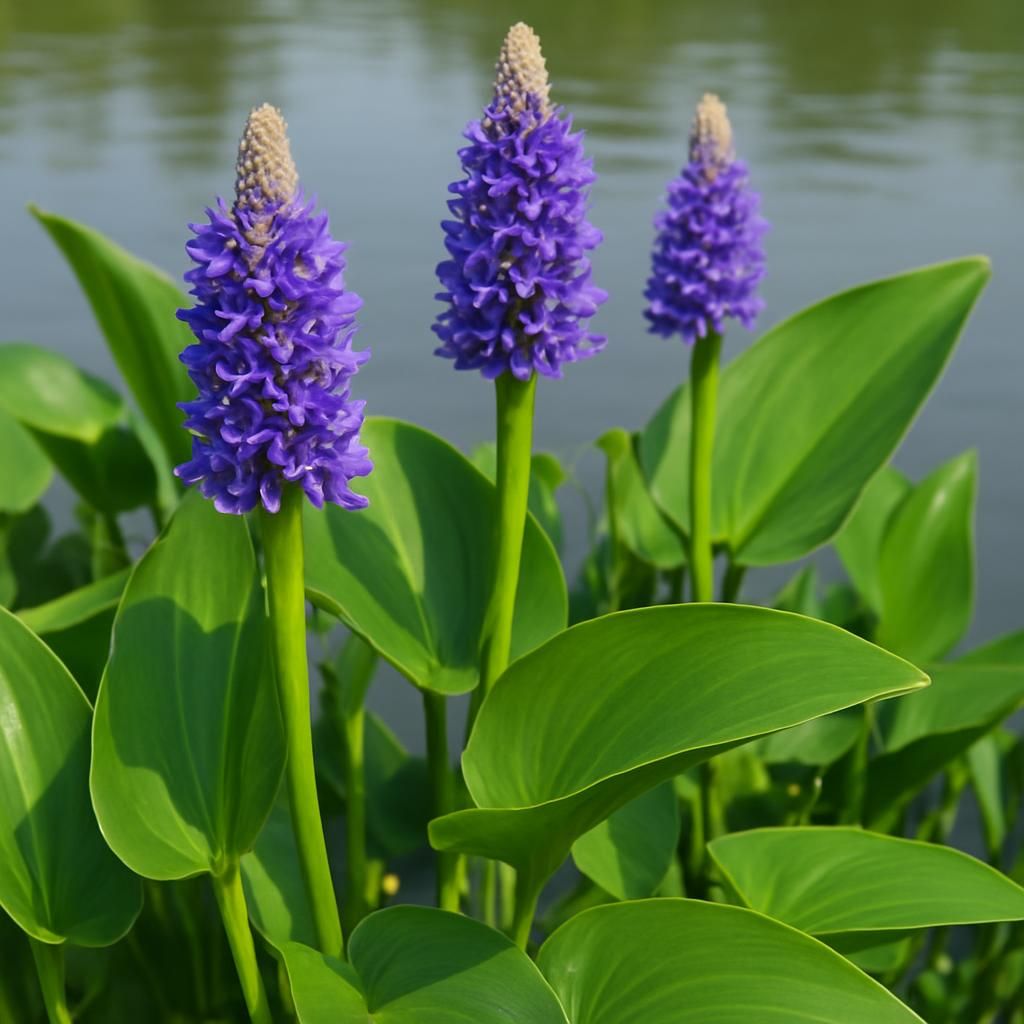
Pickerelweed
Pickerelweed is a native North American aquatic perennial valued for its striking violet-blue flower spikes and ability to thrive in saturated soils and shallow water. It serves as both an ornamental and ecological crop, providing habitat for pollinators and wildlife while stabilizing shorelines. This guide covers every stage from site selection and propagation through harvest and storage.
View Guide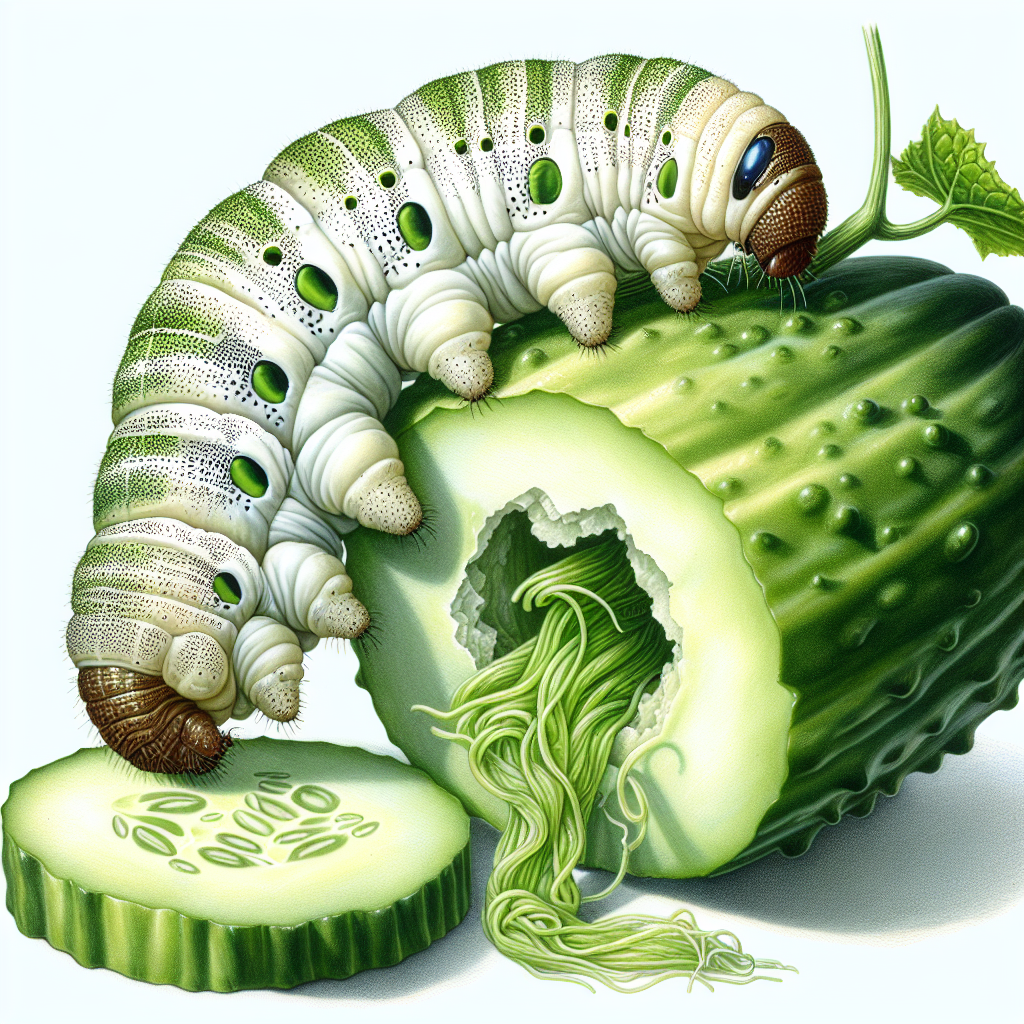
pickleworms
Pickleworms are the destructive larvae of the pickleworm moth, notorious for boring into fruits and buds of cucurbit crops like cucumbers, squash, and melons. This guide provides comprehensive diagnostics, lifecycle insights, organic management strategies, and prevention tactics to safeguard your harvest. Learn to identify early damage and implement effective controls for healthier yields.
View Profile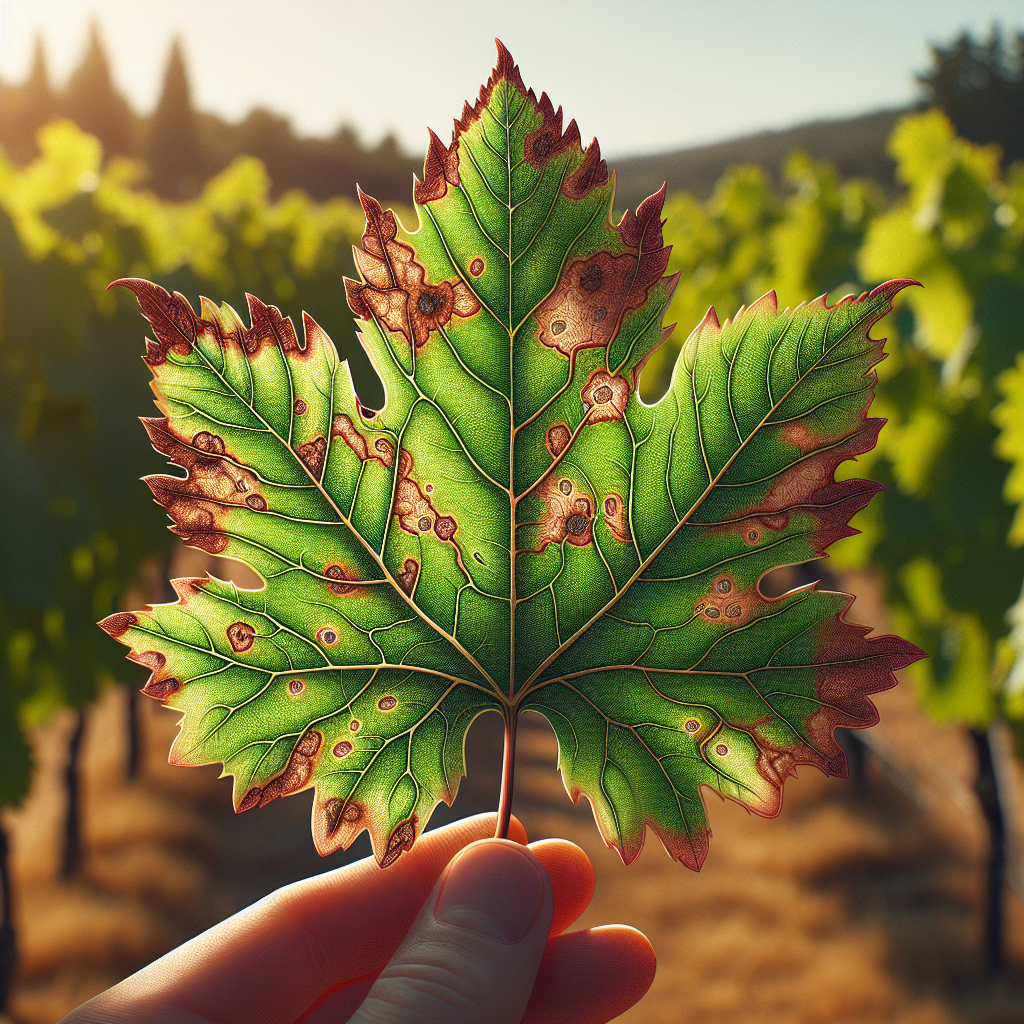
Pierce's disease
Pierce's disease is a devastating bacterial infection caused by Xylella fastidiosa, primarily affecting grapevines through transmission by sharpshooter insects. It clogs the plant's xylem vessels, leading to wilting, leaf scorch, and eventual vine death. Effective management relies on vector control, resistant varieties, and sanitation practices.
View Profile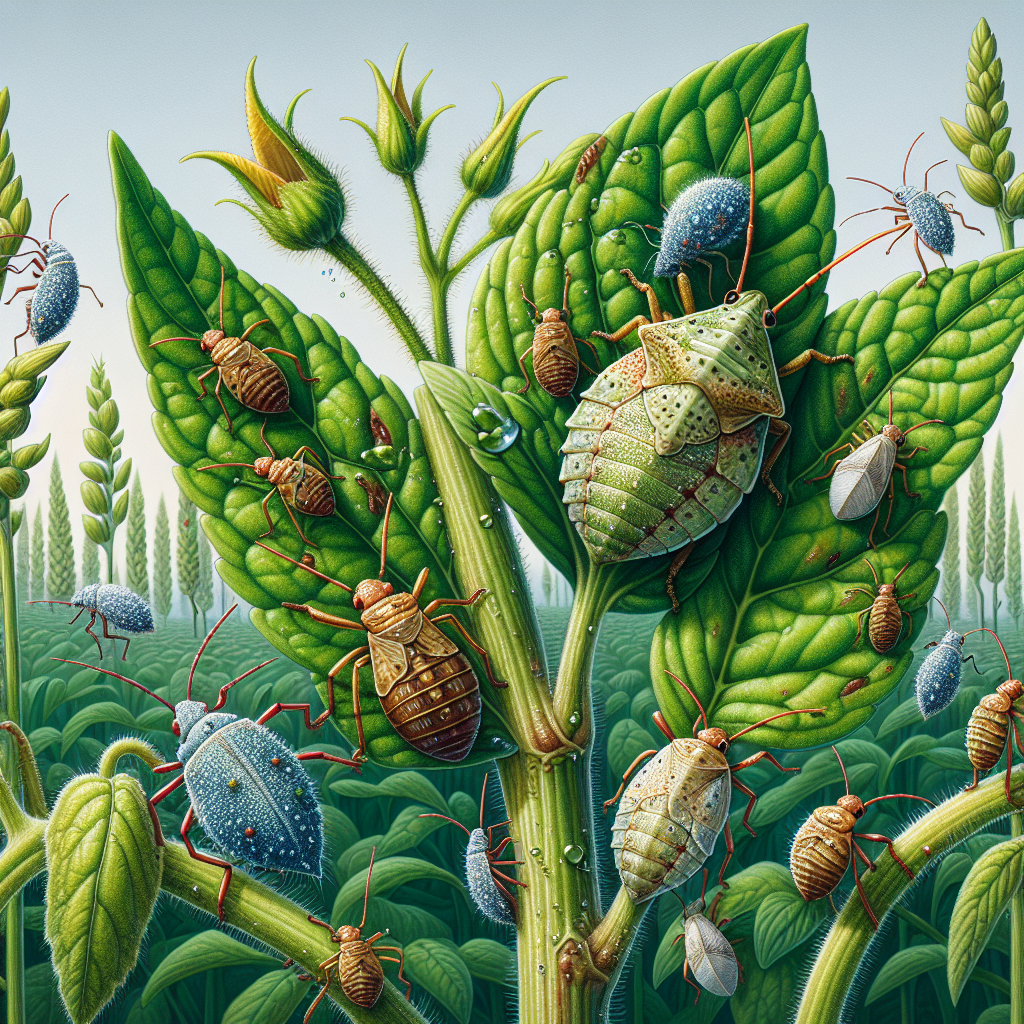
piercing-sucking bugs
Piercing-sucking bugs are a diverse group of insects that damage crops by penetrating plant tissues with specialized mouthparts to extract sap, leading to wilting, stunted growth, and disease transmission. Common examples include aphids, whiteflies, leafhoppers, stink bugs, and plant bugs. Effective management combines cultural practices, biological controls, and organic treatments for sustainable agriculture.
View Profile
Pigeon pea
Pigeon pea is a deep-rooted tropical to subtropical legume valued for its edible dry peas, green peas, fodder, fuelwood, and exceptional drought resilience. It is one of the most versatile smallholder crops in the world, capable of producing on marginal soils while also improving fertility through biological nitrogen fixation and abundant leaf litter.
View Guide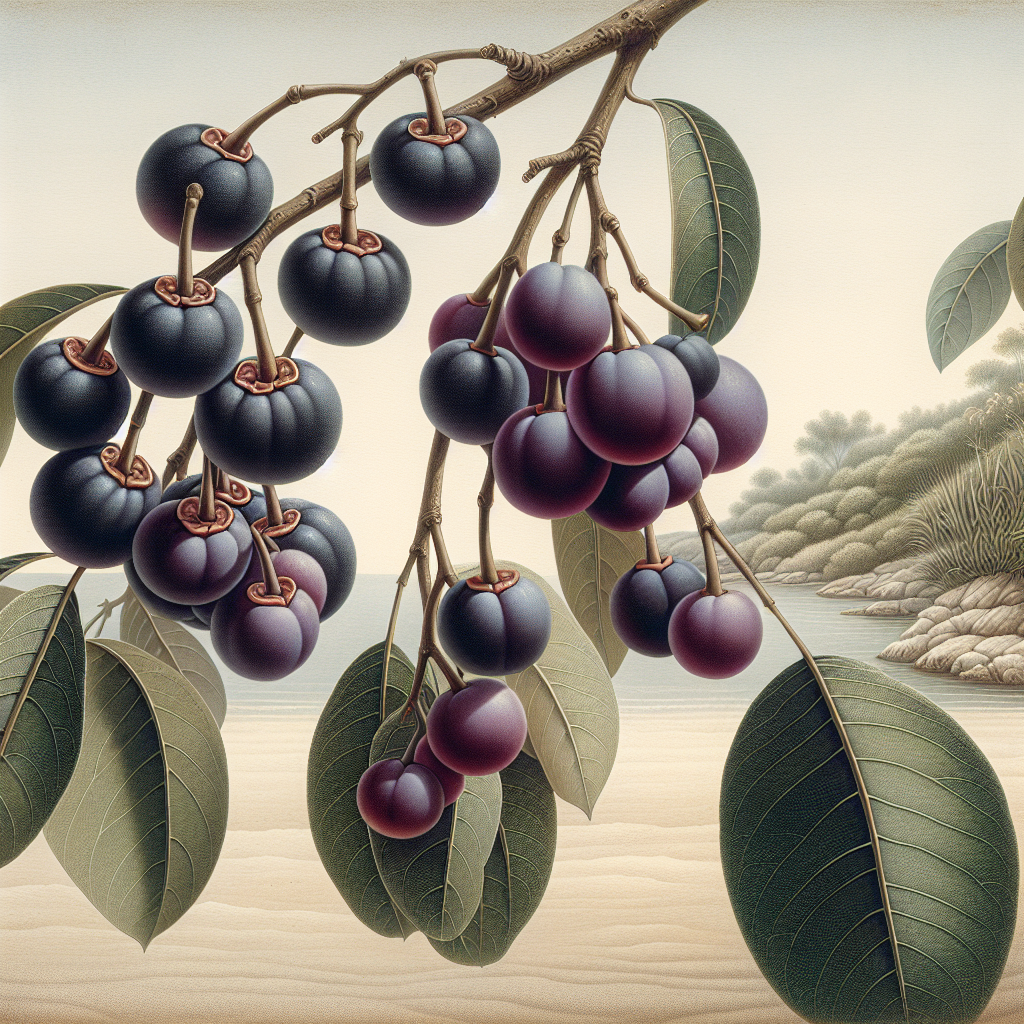
Pigeon Plum (Coccoloba diversifolia)
Pigeon Plum (Coccoloba diversifolia) is a resilient tropical evergreen shrub or small tree prized for its edible purple fruits, drought tolerance, and coastal adaptability. Native to the Caribbean and southern Florida, it thrives in sandy soils and offers year-round harvests with minimal care. This guide provides expert cultivation techniques for optimal yields in home gardens and small farms.
View Guide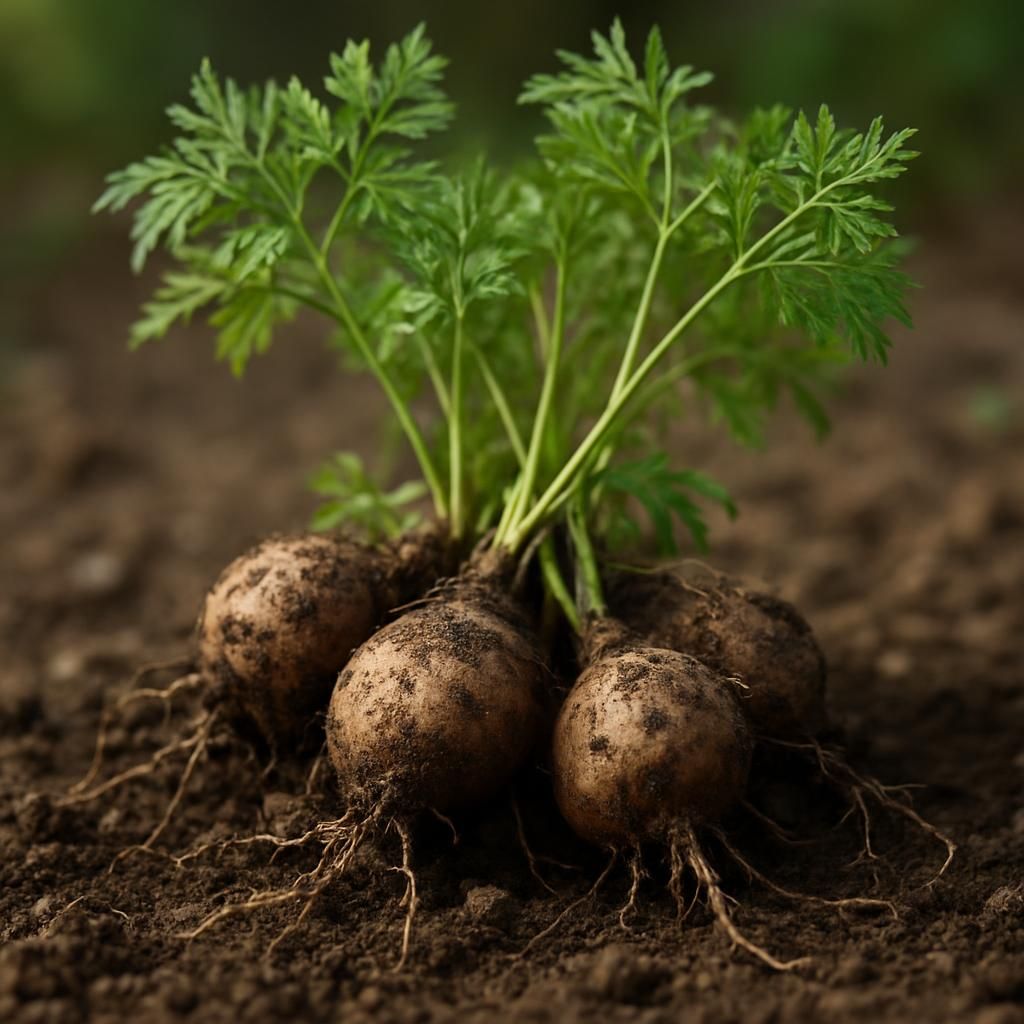
Pignut (Conopodium majus)
Pignut is a native European perennial in the Apiaceae family grown for its small, nutty-flavored edible tubers. It thrives in semi-shaded woodland edges and requires well-drained, slightly acidic soils with consistent moisture.
View Guide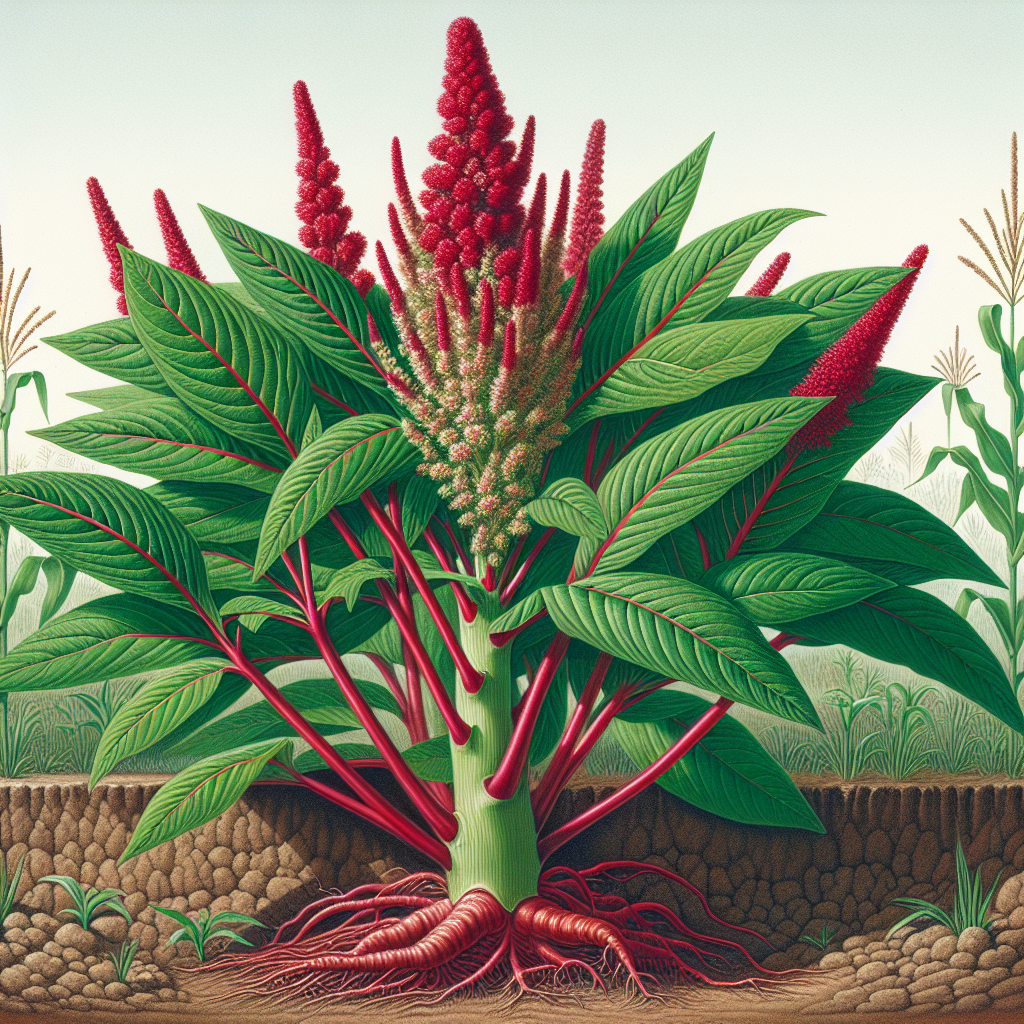
pigweed
Pigweed is a highly competitive annual broadleaf weed that rapidly invades agricultural fields, orchards, and gardens, outcompeting crops for light, water, and nutrients. Known for its fast growth, prolific seed production, and increasing glyphosate resistance, it poses significant challenges to modern farming. This guide provides comprehensive diagnostics, lifecycle insights, organic management strategies, and prevention tactics for effective control.
View Guide
Pilea
Pilea peperomioides, commonly known as the Chinese money plant, is a compact, fast-growing herbaceous perennial prized for its round, coin-shaped leaves and ease of care. This guide covers professional-grade propagation, soil management, watering schedules, and organic pest control for optimal indoor and greenhouse production.
View Guide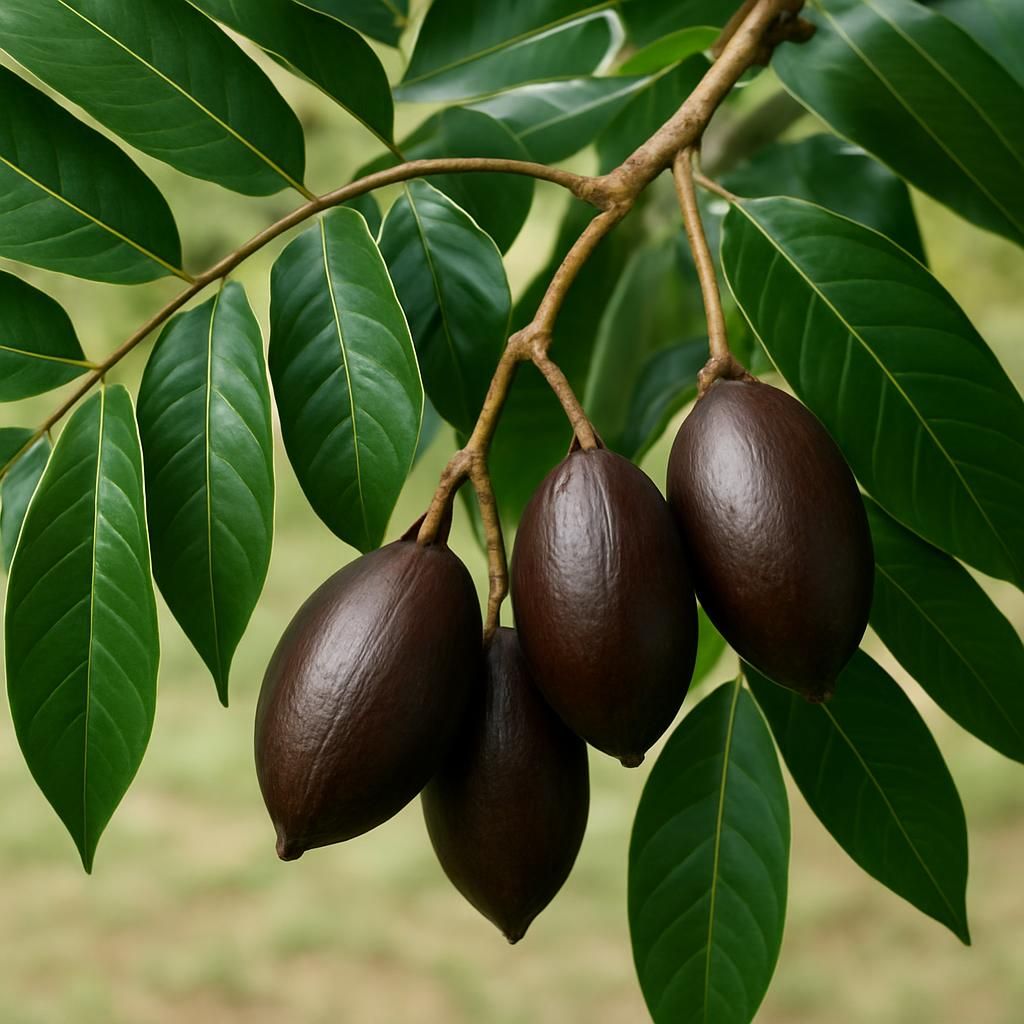
Pili Nut (Canarium ovatum)
Pili Nut (Canarium ovatum) is a high-value tropical nut tree native to the Philippines, prized for its rich, buttery kernels and exceptional oil content. This long-lived evergreen produces nuts for decades once established, making it a sustainable choice for commercial and home orchards in warm climates.
View Guide
Pima Cotton
Pima cotton is a premium extra-long staple cotton prized for its exceptional fiber length, strength, and softness. It requires a long, warm growing season, careful irrigation management, and disciplined pest control to achieve top lint quality and yield. Compared with shorter-staple cotton types, Pima is more demanding but highly rewarding under arid to semi-arid production systems.
View Guide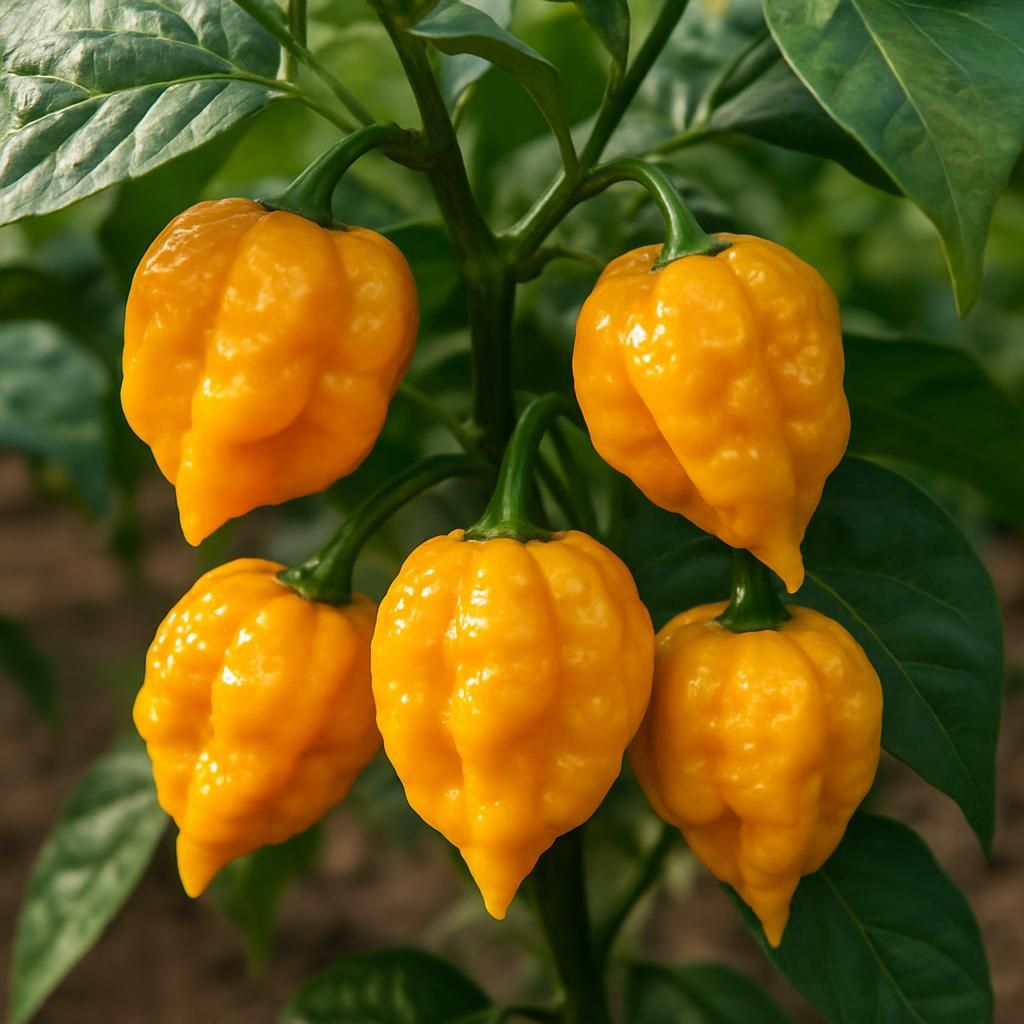
Pimenta Bodinha
Pimenta Bodinha is a rare Brazilian Capsicum chinense cultivar prized for its intense fruity heat and complex aroma. This definitive guide covers every stage of cultivation from seed to storage with professional agronomic detail.
View Guide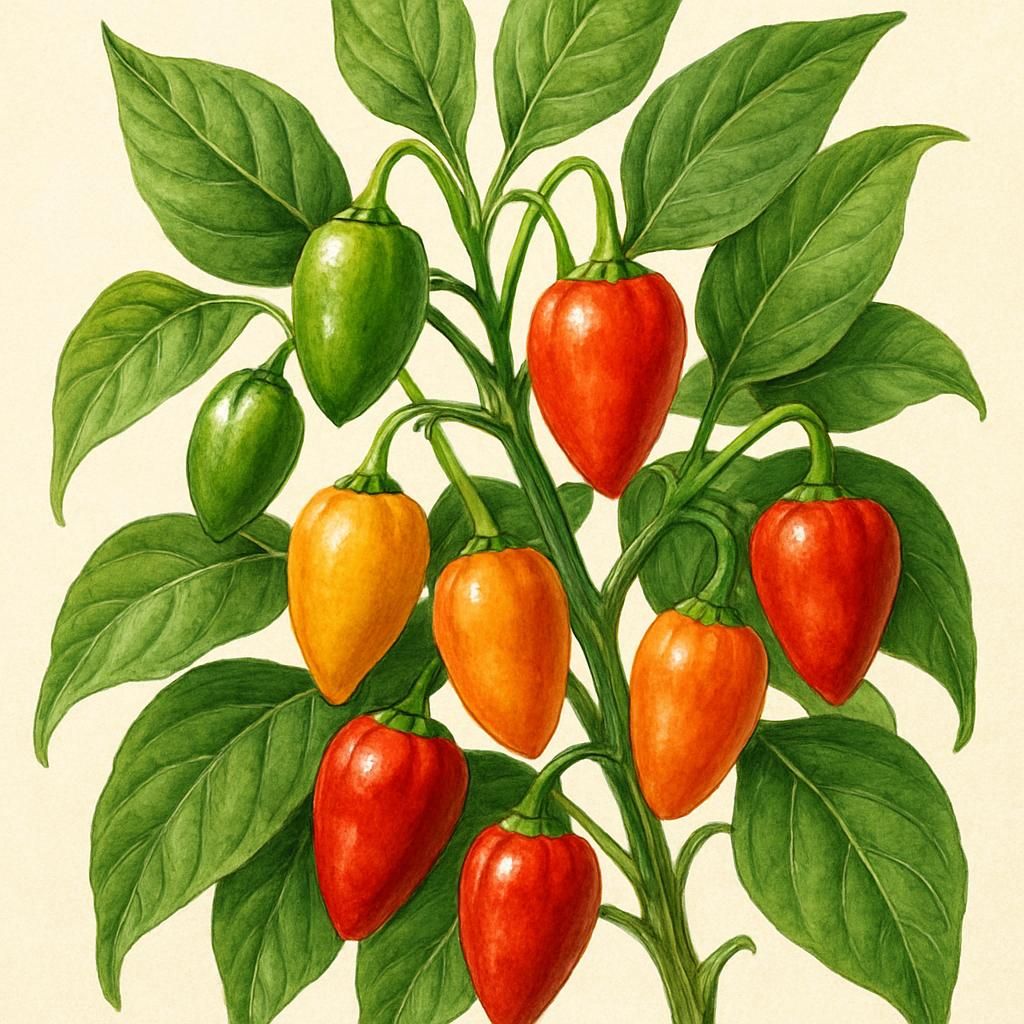
Pimenta Comari
Pimenta Comari, a member of the Capsicum chinense species, is a vibrant chili pepper known for its poignant flavor and moderate heat. This tropical plant thrives in warm, well-drained soils and requires careful attention to watering and pest management.
View Guide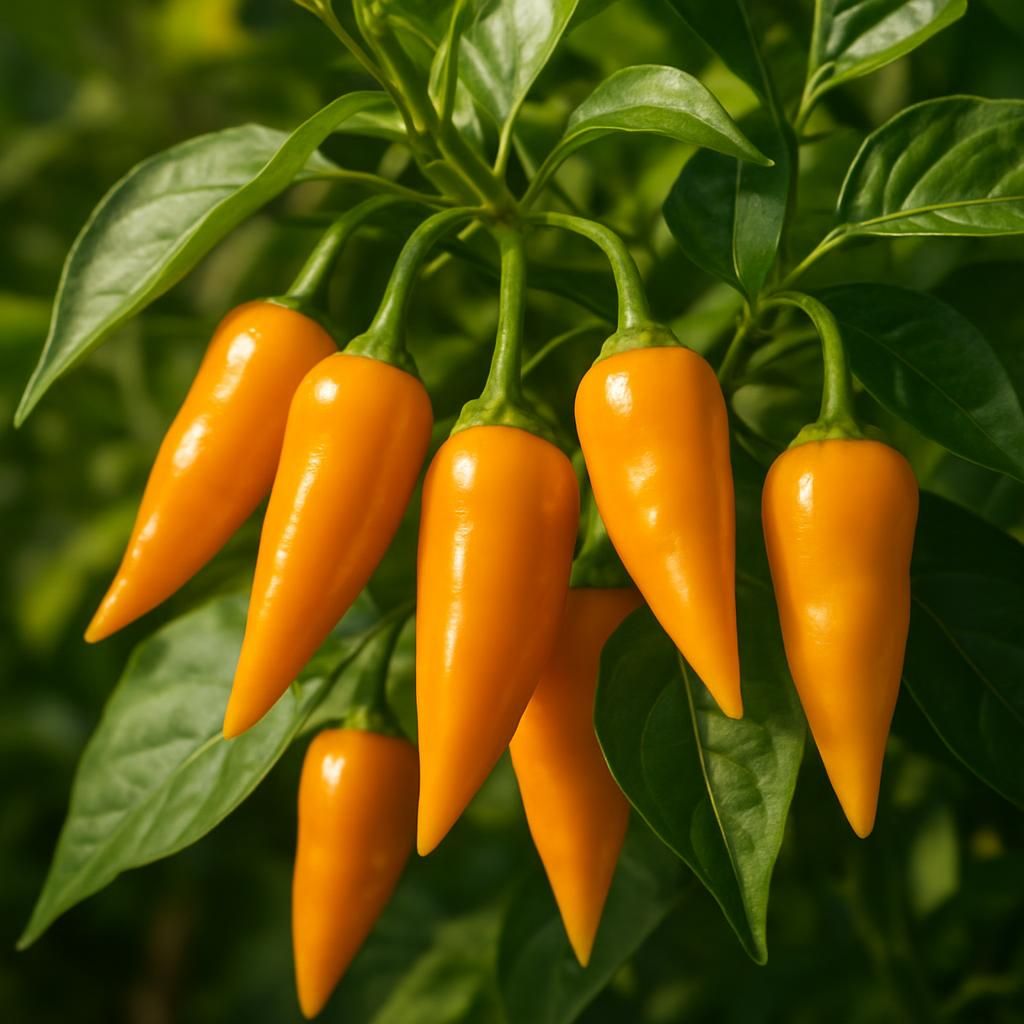
Pimenta de Cheiro
Pimenta de Cheiro is a fragrant Brazilian chili pepper prized for its intense aroma and mild-to-medium heat. This comprehensive guide covers its botanical profile, ideal growing conditions, propagation, care schedules, organic pest management, harvesting techniques, and companion planting strategies for optimal yields.
View Guide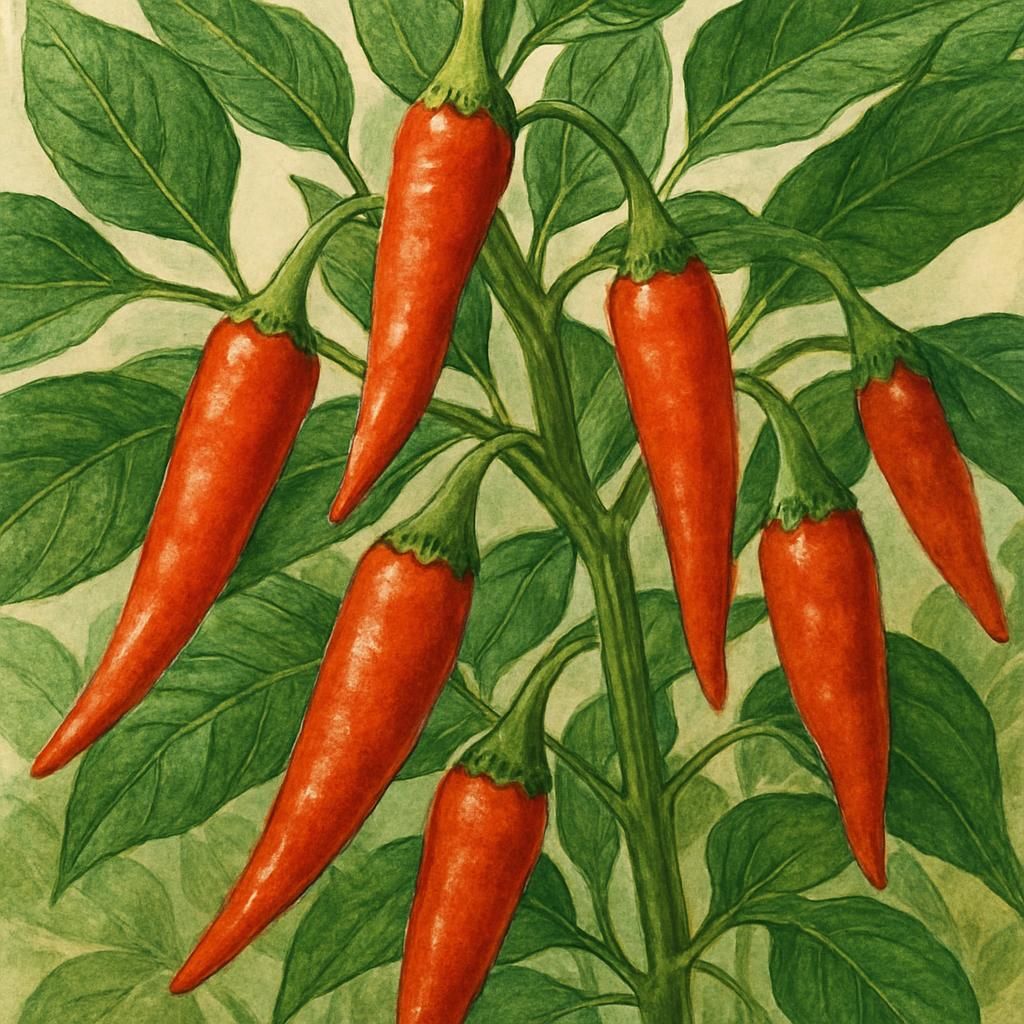
Pimenta Malagueta
Pimenta Malagueta is a popular chili pepper native to Brazil and Portugal, known for its fiery heat. It thrives in warm climates and well-drained soils, making it a favored choice among chili enthusiasts.
View Guide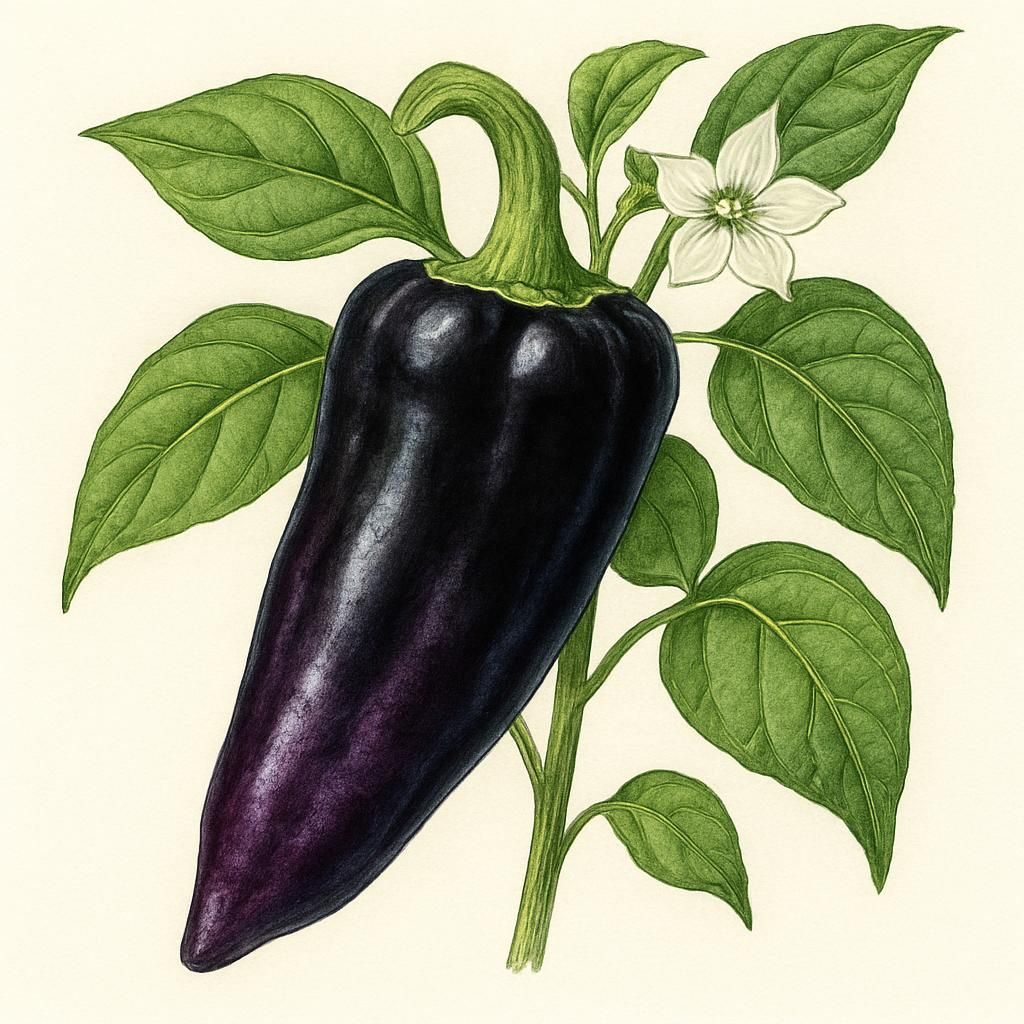
Pimento de Neide
Pimento de Neide is a unique variety of Capsicum known for its distinctive black and purple hues. This pepper is not only beautiful but also has a complex, smoky flavor with a moderate heat level, perfect for culinary uses.
View Guide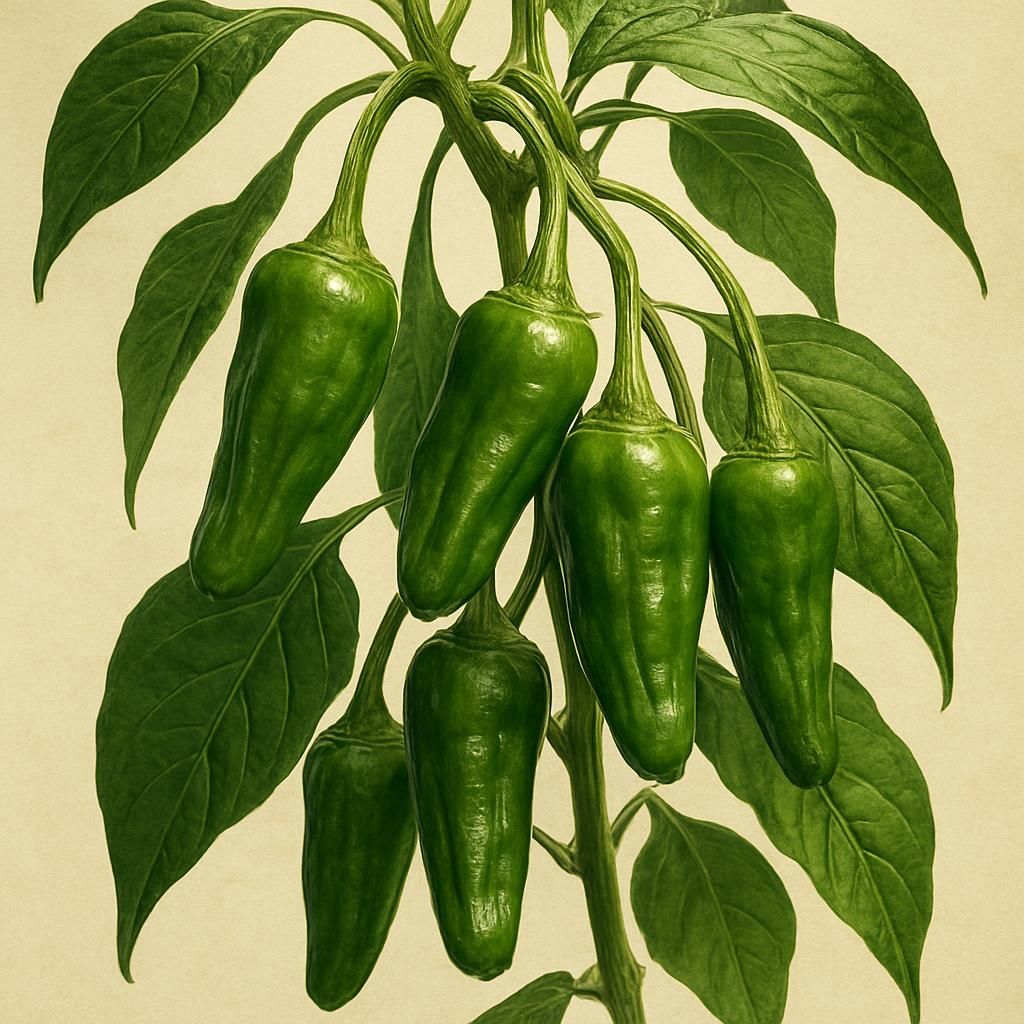
Pimento de Padron
Pimento de Padron peppers are small, flavorful peppers native to Galicia, Spain. They offer a unique taste experience as some are mild while others pack significant heat, making them a popular choice in tapas dishes. Easily grown in a variety of climates, they are suited for both beginner and experienced gardeners.
View Guide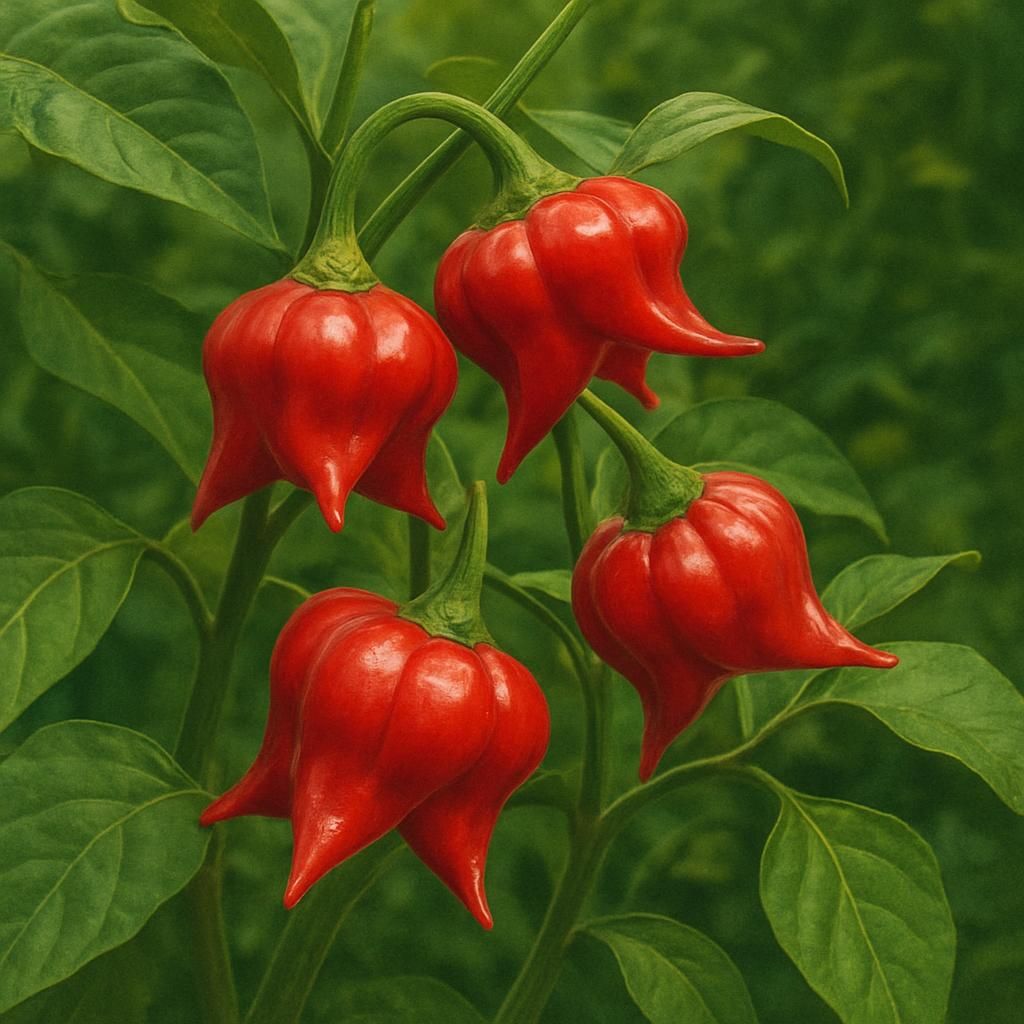
Pimento do Bico
Pimento do Bico, also known as Bishop's Crown, is a mild, fruity pepper native to the Caribbean. It's gaining popularity for its unique shape and flavor in both culinary and ornamental gardening.
View Guide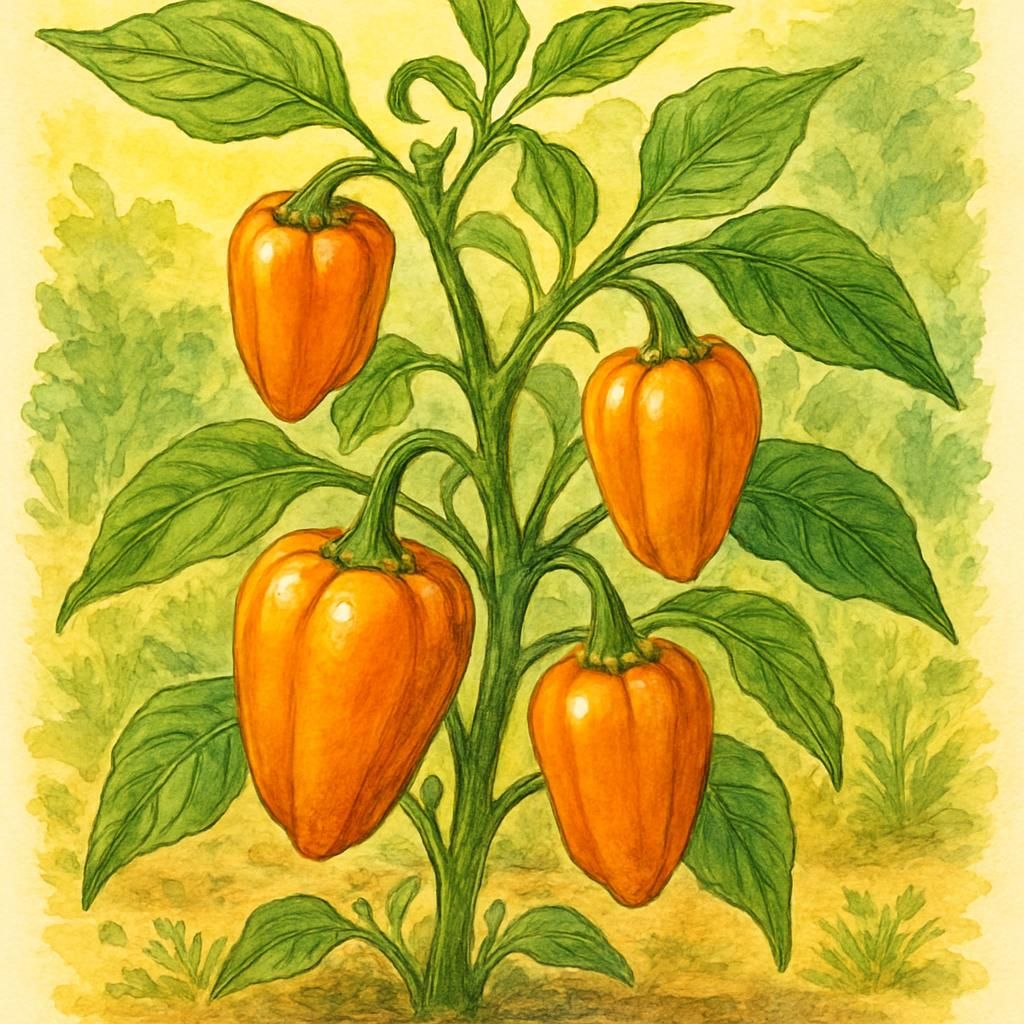
Pimento Laranja
Pimento Laranja is a sweet pepper variety known for its vibrant orange color and mild flavor. It thrives in warm climates and well-drained soils, making it a popular choice for home gardens and commercial agriculture.
View Guide
Pindo Palm (Butia odorata)
The Pindo Palm (Butia odorata) is a hardy, subtropical palm renowned for its sweet, pineapple-like fruits and striking feather-like fronds. Thriving in USDA zones 8-11, it offers ornamental beauty and edible yields for home gardeners and small farms. This guide provides expert cultivation techniques for optimal growth and harvest.
View Guide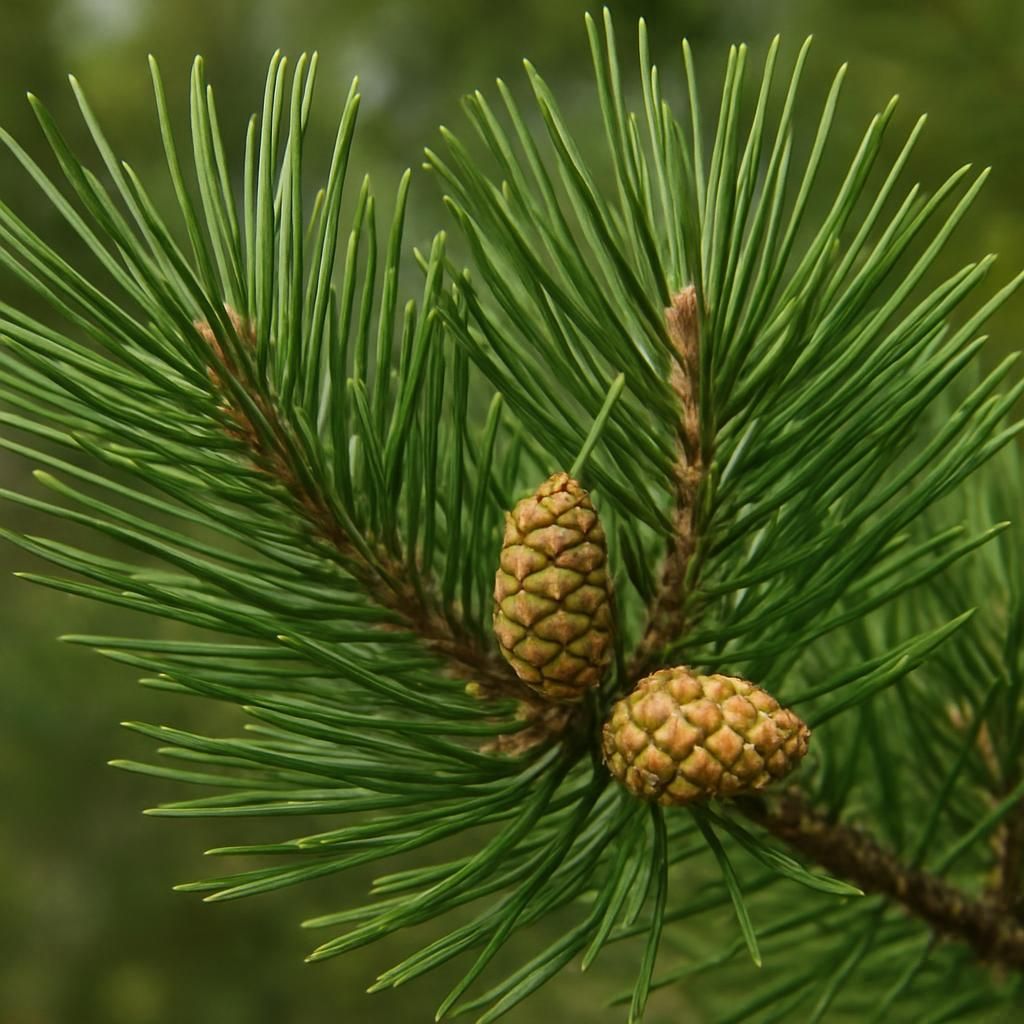
Pine
Pine encompasses over 100 species of evergreen conifers valued worldwide for timber, resin, nuts, and ornamental use. These long-lived trees thrive in well-drained, acidic soils across temperate and boreal climates. Commercial and small-scale growers benefit from understanding site selection, propagation, and integrated management to achieve sustainable yields.
View Guide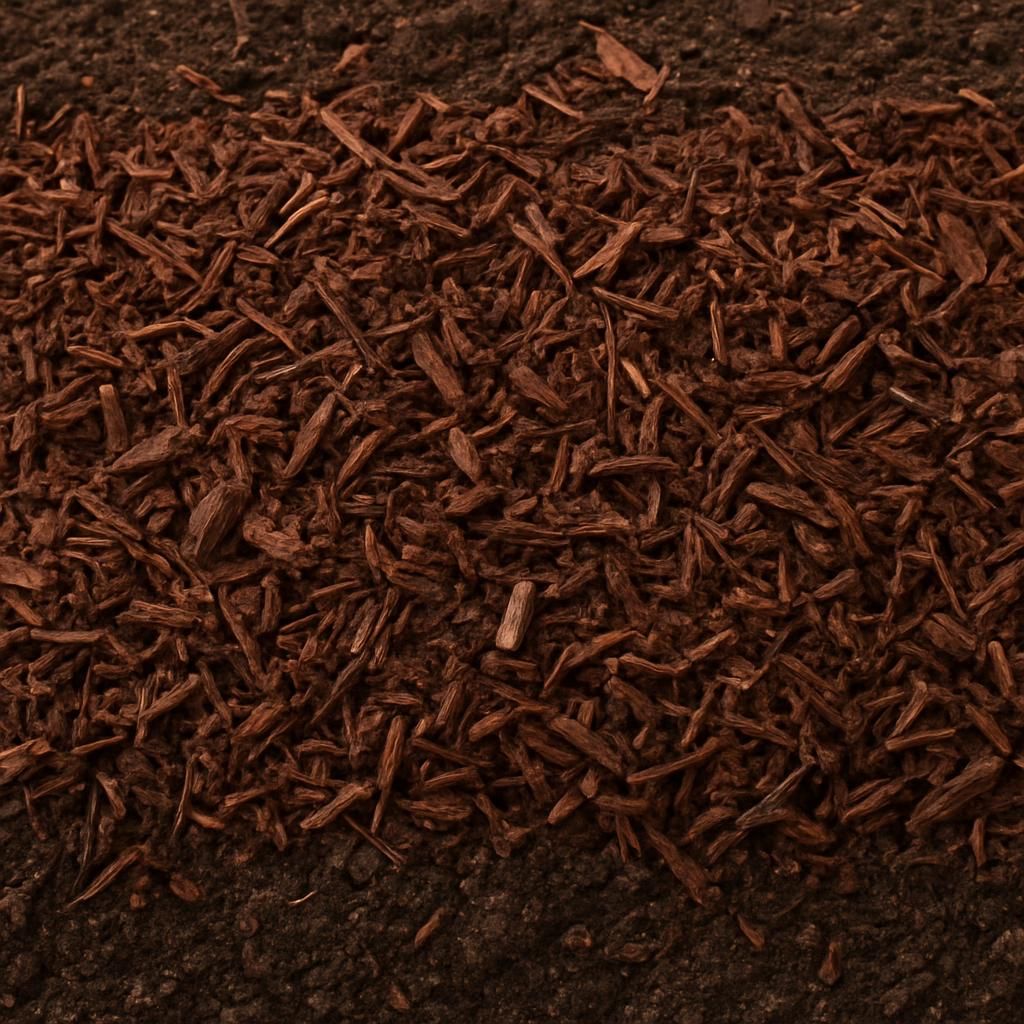
pine fines
Pine fines are finely screened pine bark particles widely used as a premium soil amendment and mulch in agriculture and horticulture. They improve soil structure, drainage, and acidity while suppressing weeds and moderating soil temperature. Proper sourcing, application rates, and pH monitoring are essential for optimal crop performance.
View Profile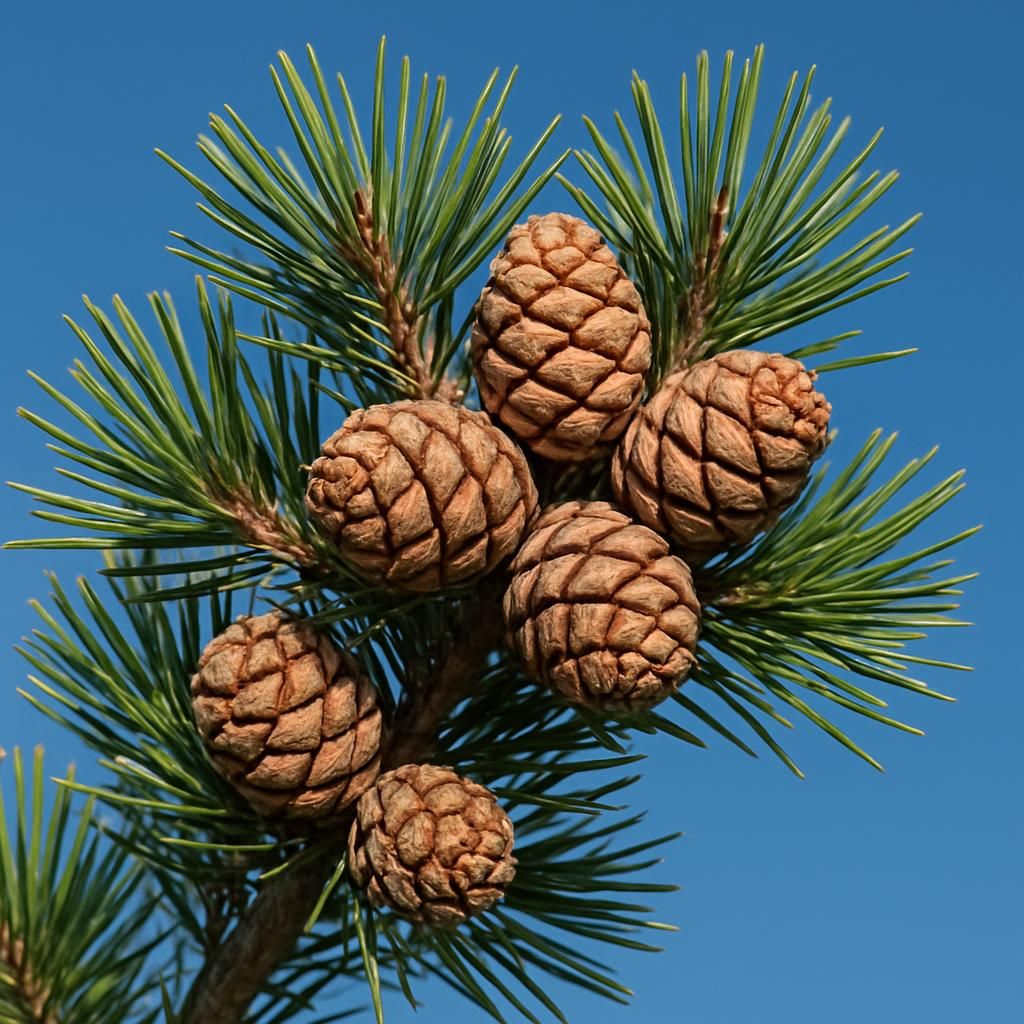
Pine Nut (Pinus edulis - Colorado)
Pinus edulis, commonly known as the Colorado pinyon or two-needle pinyon, is a slow-growing evergreen conifer native to the southwestern United States that produces highly valued edible pine nuts. This guide covers all aspects of commercial and home-scale cultivation from site selection through long-term orchard management and harvest.
View Guide