Encyclopedia
Definitive guides for crops, pests, and agricultural diseases.
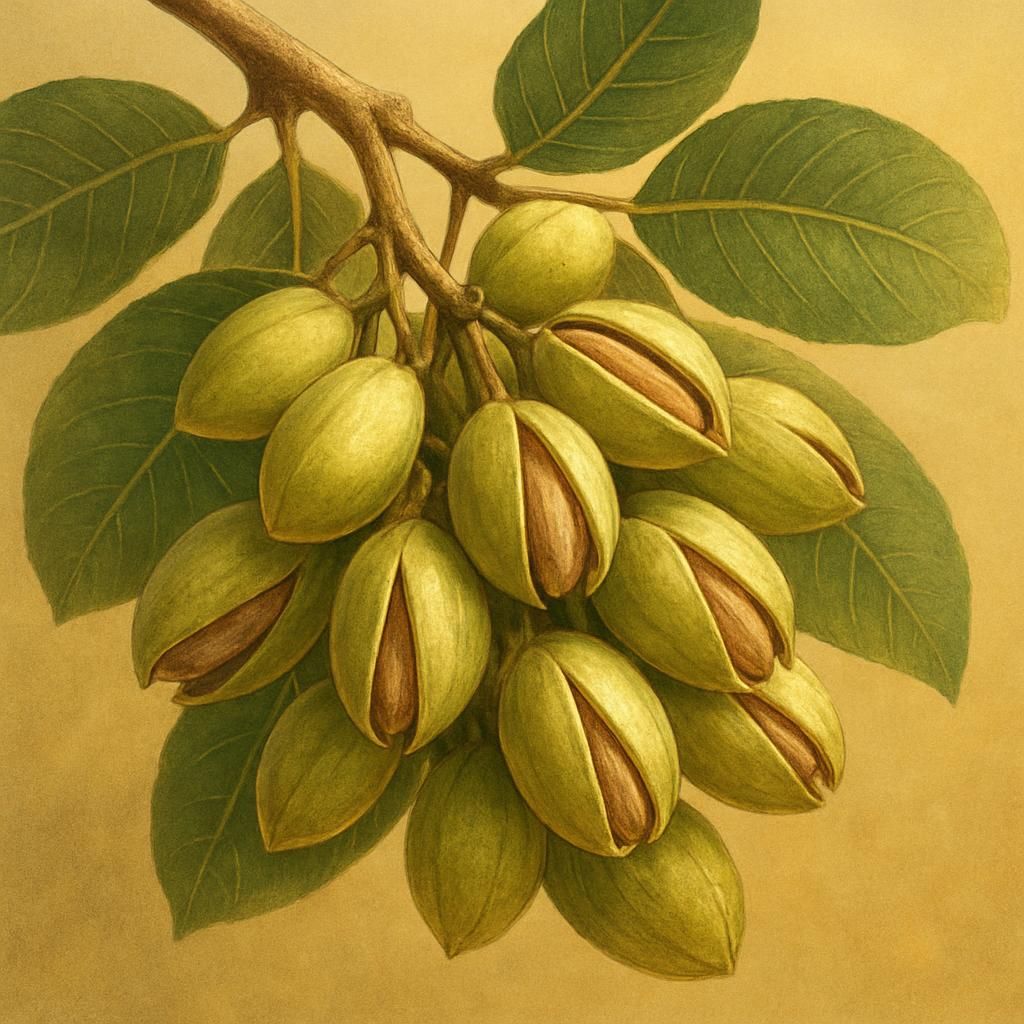
Pistachio (Kerman)
Kerman pistachio is the leading female cultivar worldwide, prized for large, high-quality nuts and reliable yields when paired with Peters males. This comprehensive guide covers every stage of commercial and home-scale production from soil preparation through post-harvest handling.
View Guide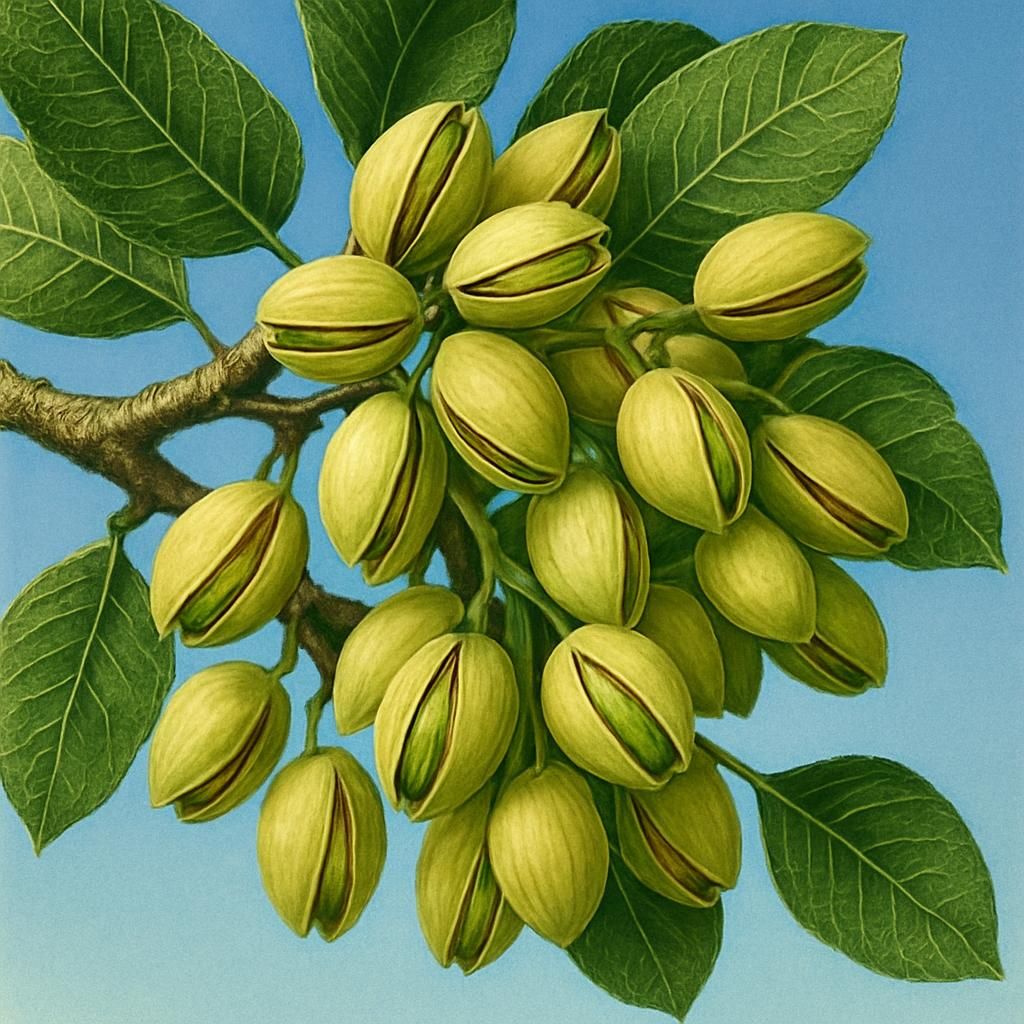
Pistachio (Lost Hills)
Lost Hills is a high-yielding female pistachio cultivar prized for its large kernels, early maturity, and excellent split percentage. This guide covers complete commercial and home-scale production from soil prep through long-term orchard management.
View Guide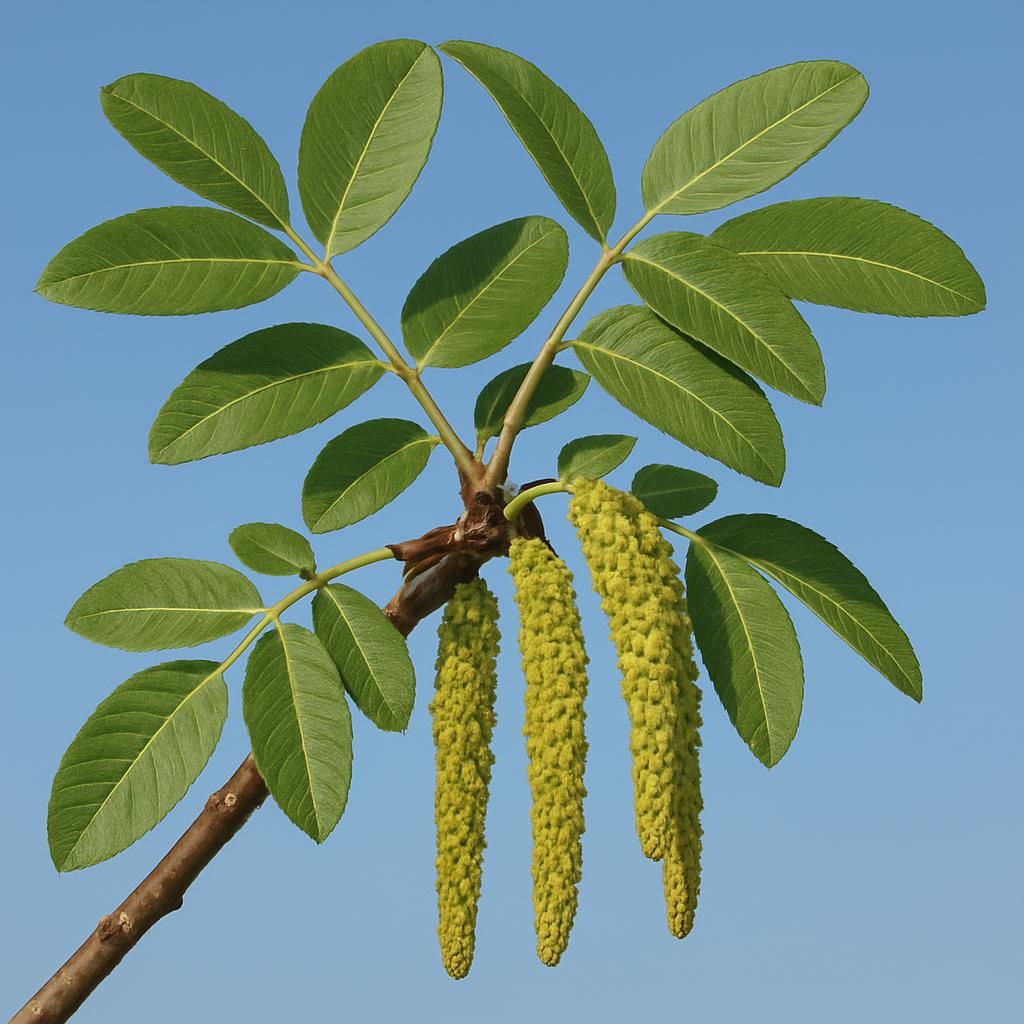
Pistachio (Peters - Pollinator)
Peters is the leading male pollinator cultivar for female pistachio varieties such as Kerman, ensuring reliable nut set through wind-borne pollen. This guide covers every aspect of commercial and home-scale production of Pistachio (Peters - Pollinator) from site selection through long-term orchard management.
View Guide
Pistachio (Peters)
Pistachio (Peters) is the standard male pollinizer cultivar used in commercial pistachio orchards, especially alongside female cultivars such as Kerman. It is grown not for nut production, but for its heavy, well-timed pollen shed, orchard compatibility, and essential role in securing high nut set under hot, dry growing conditions.
View Guide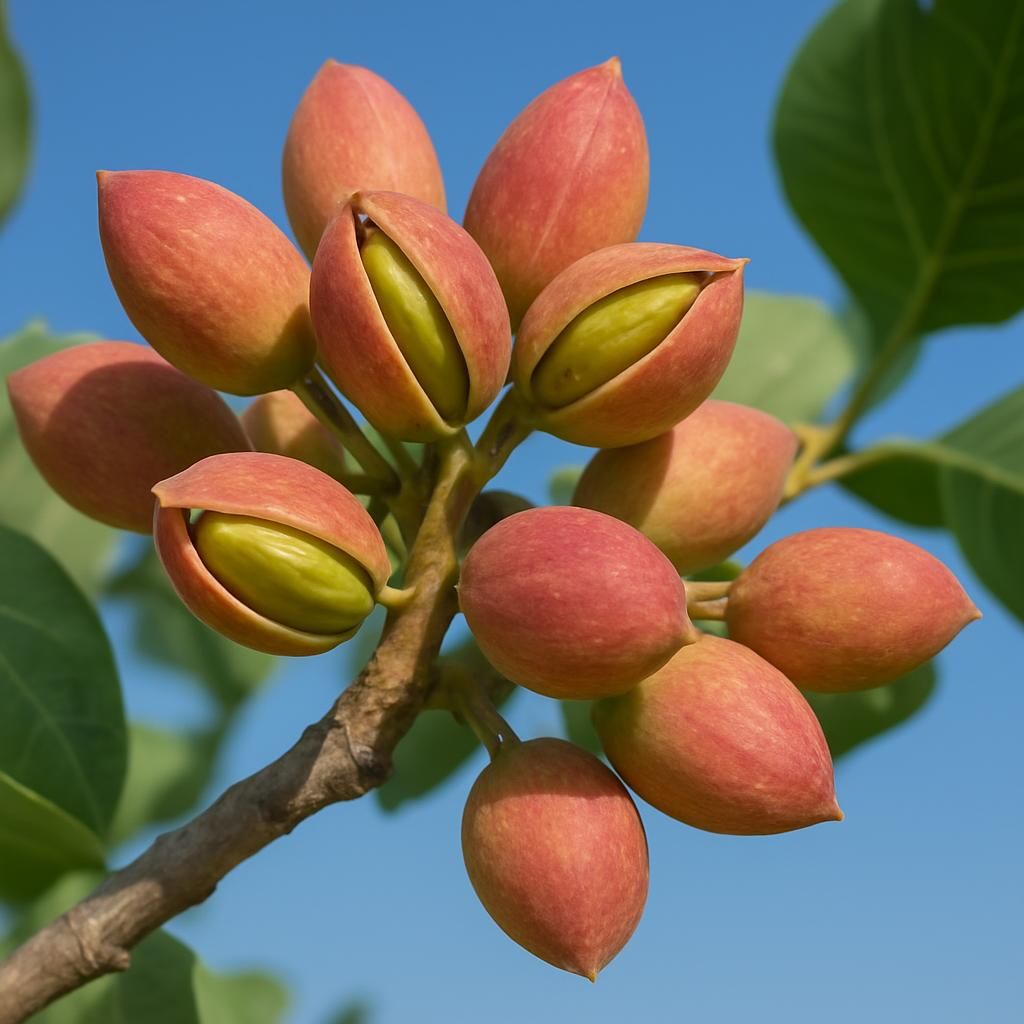
Pistachio (Sirora)
Pistachio (Sirora) is a high-yielding, early-maturing cultivar prized for its vigorous growth, reliable production, and adaptability to arid climates. This guide provides professional-grade advice on soil, climate, planting, care, pest management, and harvesting for commercial and home growers. Readers will gain practical strategies to maximize orchard longevity and nut quality.
View Guide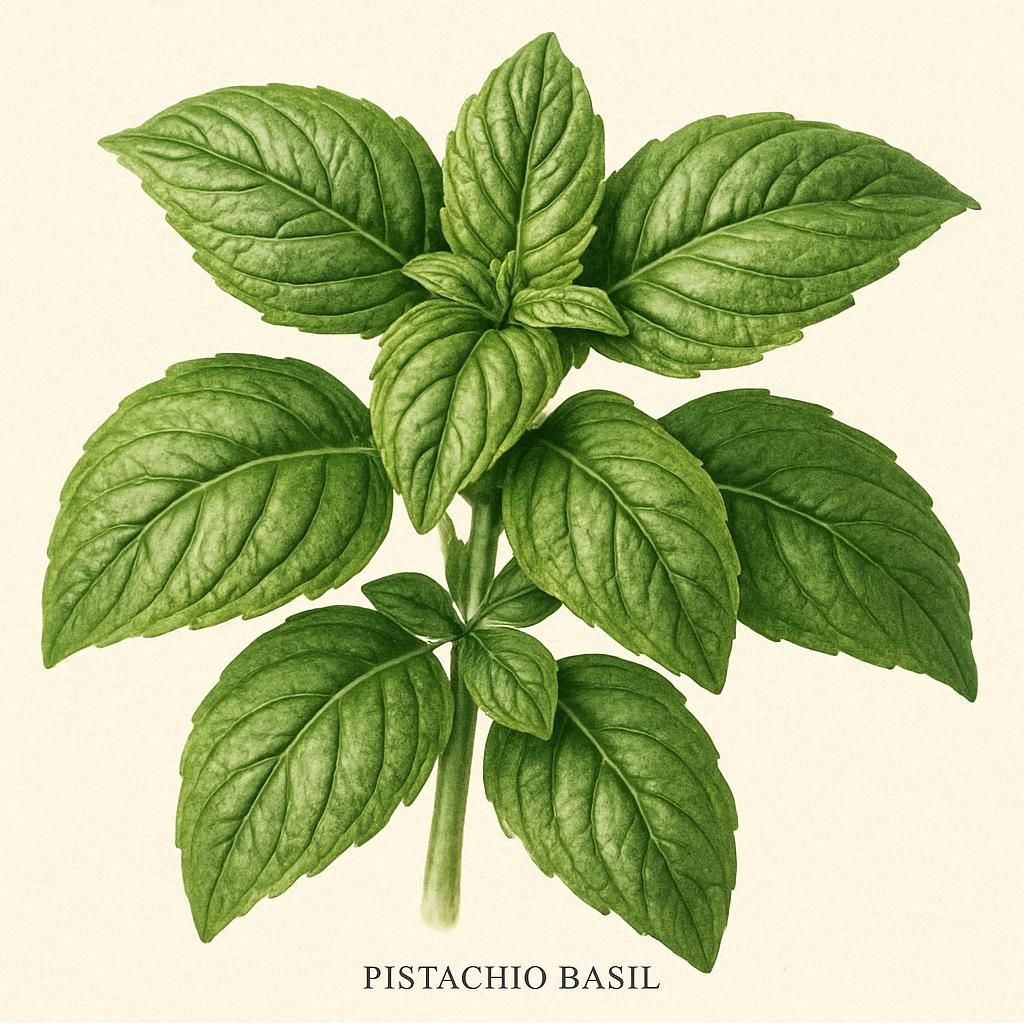
Pistachio Basil
Pistachio Basil is an aromatic herb known for its nutty flavor, resembling pistachios. Ideal for culinary use and easy to grow, it thrives in well-draining soil and sunny environments.
View Guide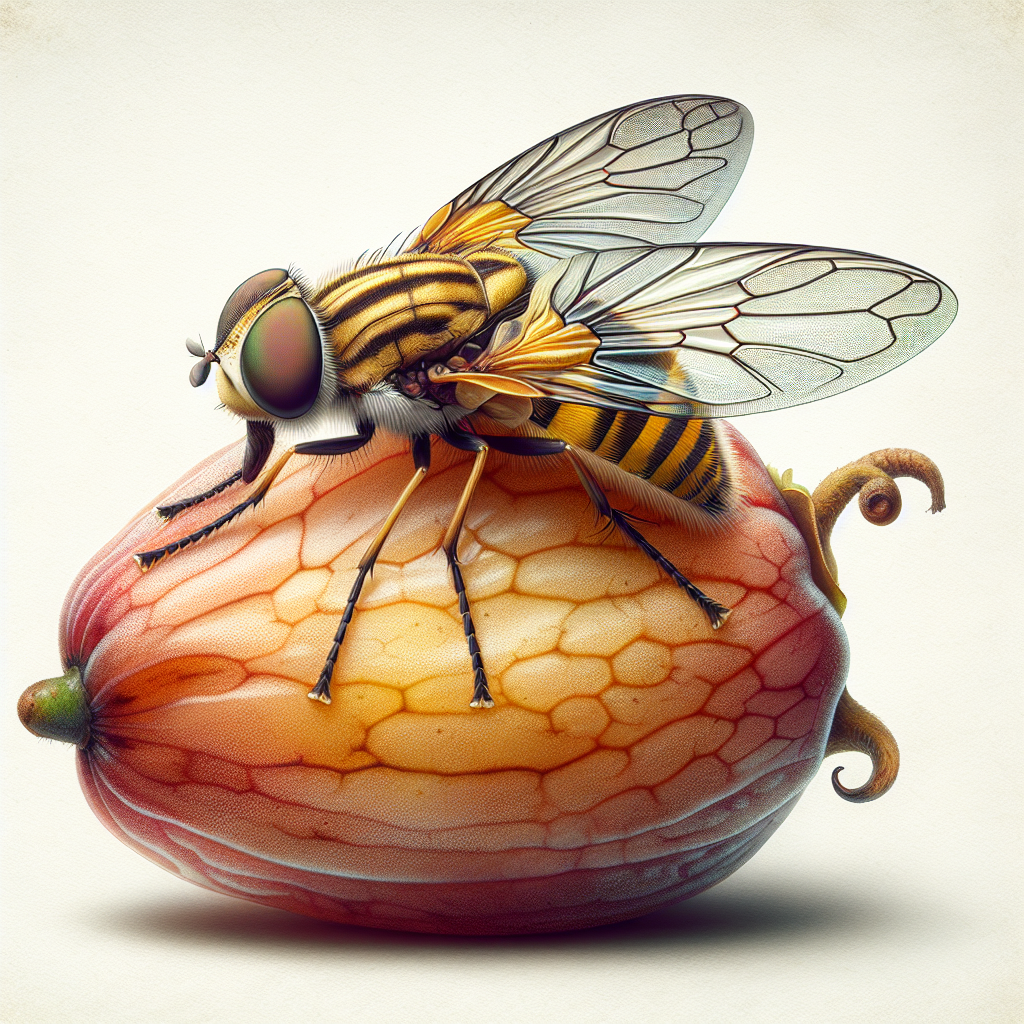
Pitanga Fruit Fly
The pitanga fruit fly (Anastrepha pitanga) is a tropical pest notorious for infesting pitanga fruits and related crops like guava and mango, causing premature fruit drop and larval damage. Effective management relies on early detection, sanitation, and organic traps to prevent economic losses in small farms. This guide provides diagnostic symptoms, lifecycle details, and proven organic strategies for control.
View Profile
Pitangatuba (Eugenia selloi)
Pitangatuba (Eugenia selloi) is a rare Brazilian cherry-like fruit tree prized for its sweet-tart, aromatic berries and ornamental glossy foliage. Thriving in subtropical climates, it produces abundant crops of vibrant orange-red fruits ideal for fresh eating, juices, and preserves. This comprehensive guide covers cultivation from propagation to harvest for optimal yields.
View Guide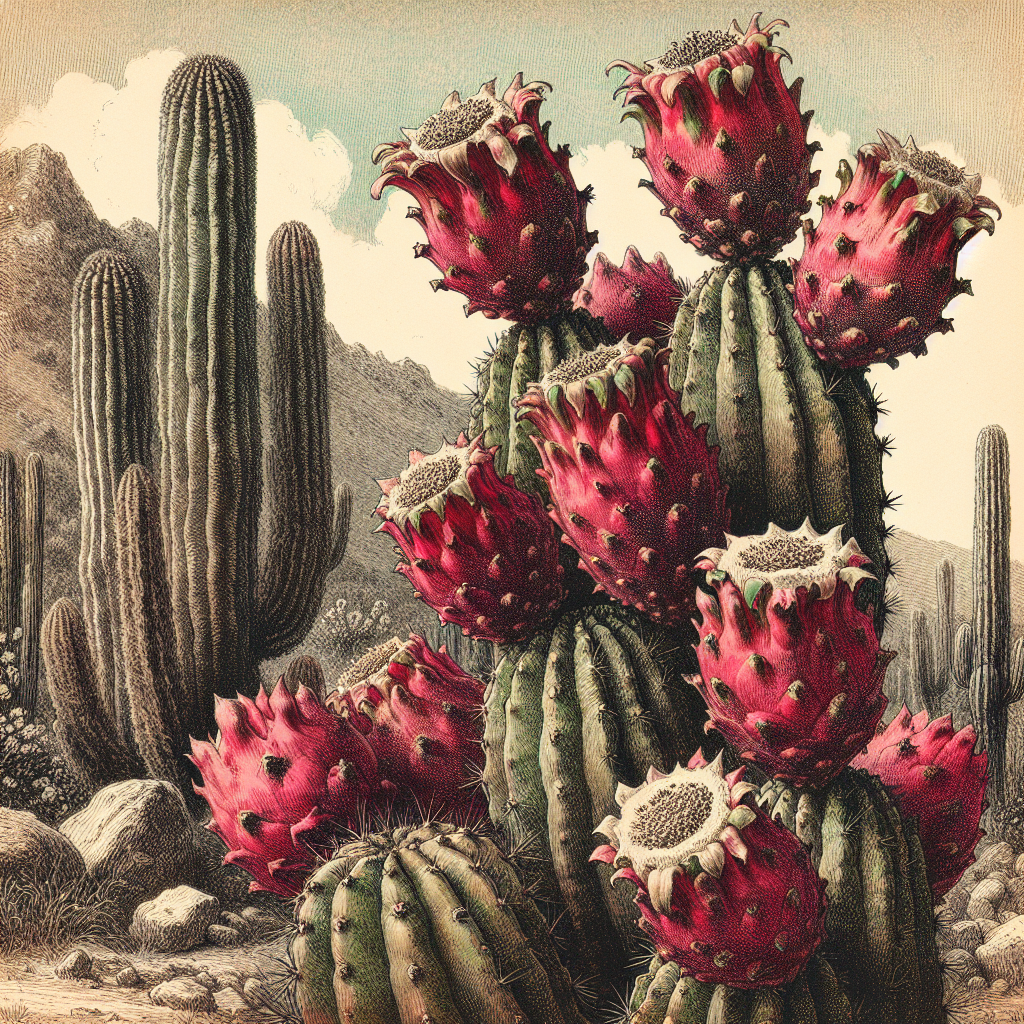
Pitaya (Stenocereus thurberi)
Pitaya (Stenocereus thurberi), also known as organ pipe cactus fruit, is a drought-tolerant columnar cactus producing sweet, seedy fruits prized in arid agriculture. This comprehensive guide covers cultivation from propagation to harvest, emphasizing its resilience in hot, dry climates. Ideal for sustainable farming in desert regions, it offers high yields with minimal water needs.
View Guide
Pitomba (Eugenia luschnathiana)
Pitomba, or Eugenia luschnathiana, is a tropical evergreen tree prized for its vibrant orange-yellow fruits with a unique sweet-tart flavor reminiscent of mango and apricot. Native to Brazil's Atlantic Forest, it thrives in humid subtropical climates and offers high ornamental value alongside edible yields. This guide provides expert cultivation techniques for optimal growth, pest management, and bountiful harvests.
View Guide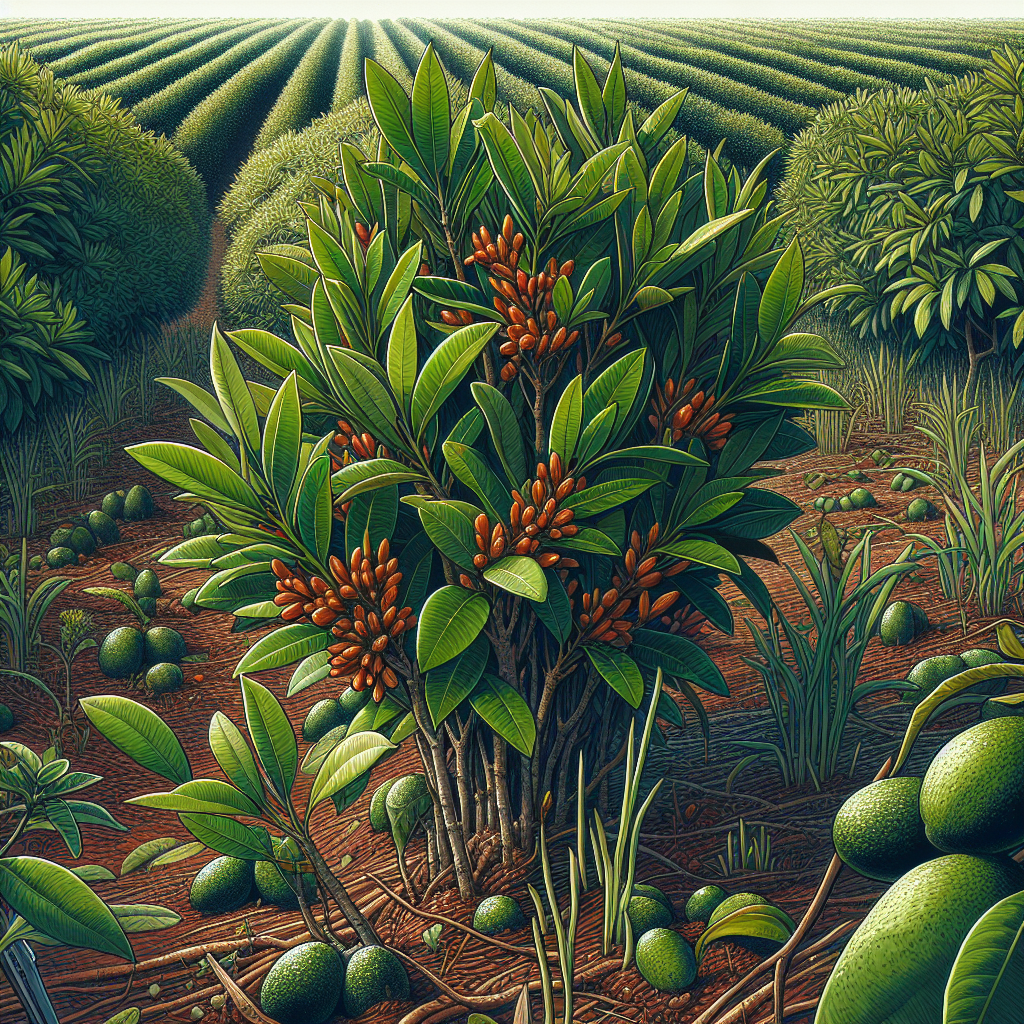
Pittosporum
Pittosporum, commonly known as Pittosporum, is an invasive woody shrub pest that aggressively invades agricultural fields, outcompeting crops for resources and reducing yields. This guide provides definitive diagnostic symptoms, lifecycle details, organic management strategies, and prevention tactics tailored for small farms and orchards. Effective control requires early identification and integrated organic approaches to protect high-value crops.
View Guide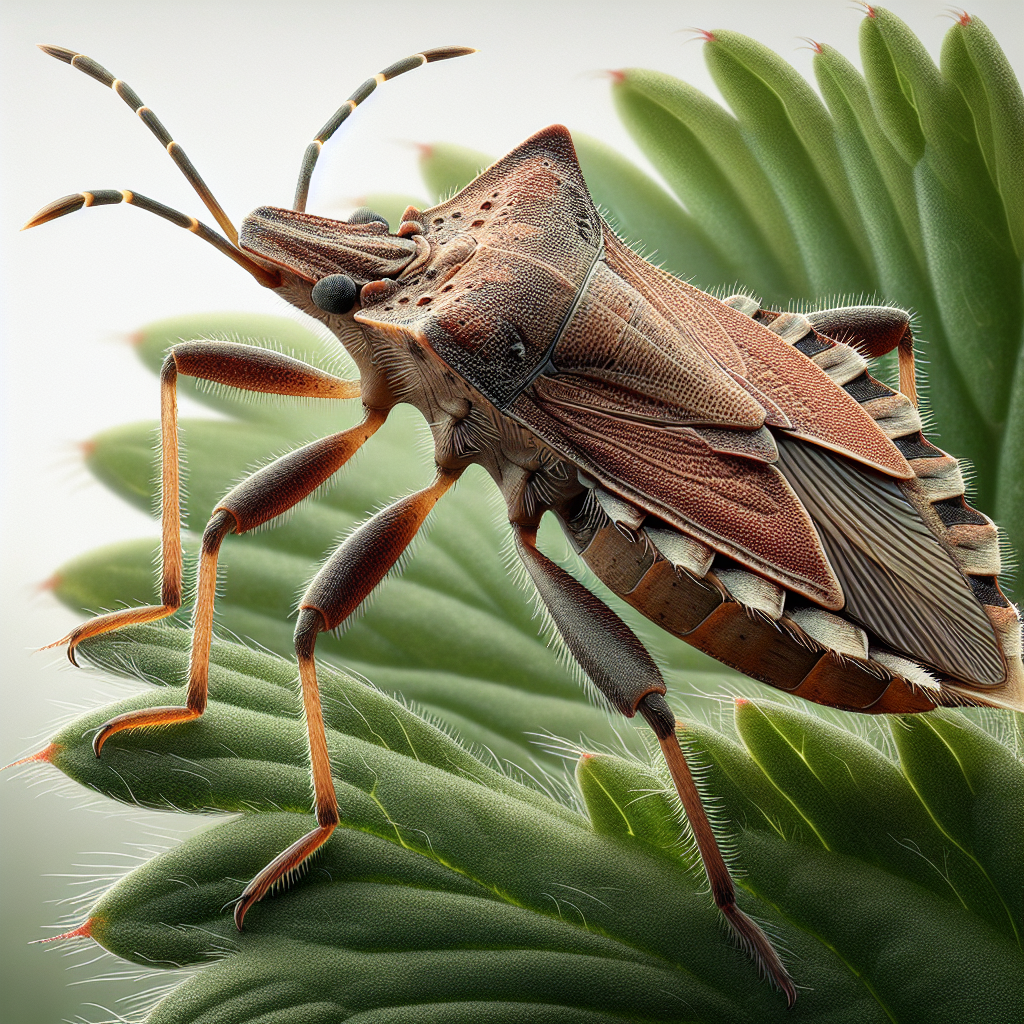
Plant bugs
Plant bugs, also known as mirids or lygus bugs, are piercing-sucking pests that damage a wide range of crops by injecting toxins and feeding on plant sap, causing distorted growth, leaf yellowing, and reduced yields. These small insects thrive in warm conditions and can rapidly multiply, making early detection and integrated management essential for agricultural success. Effective organic controls include beneficial insects, traps, and cultural practices to minimize infestations.
View Profile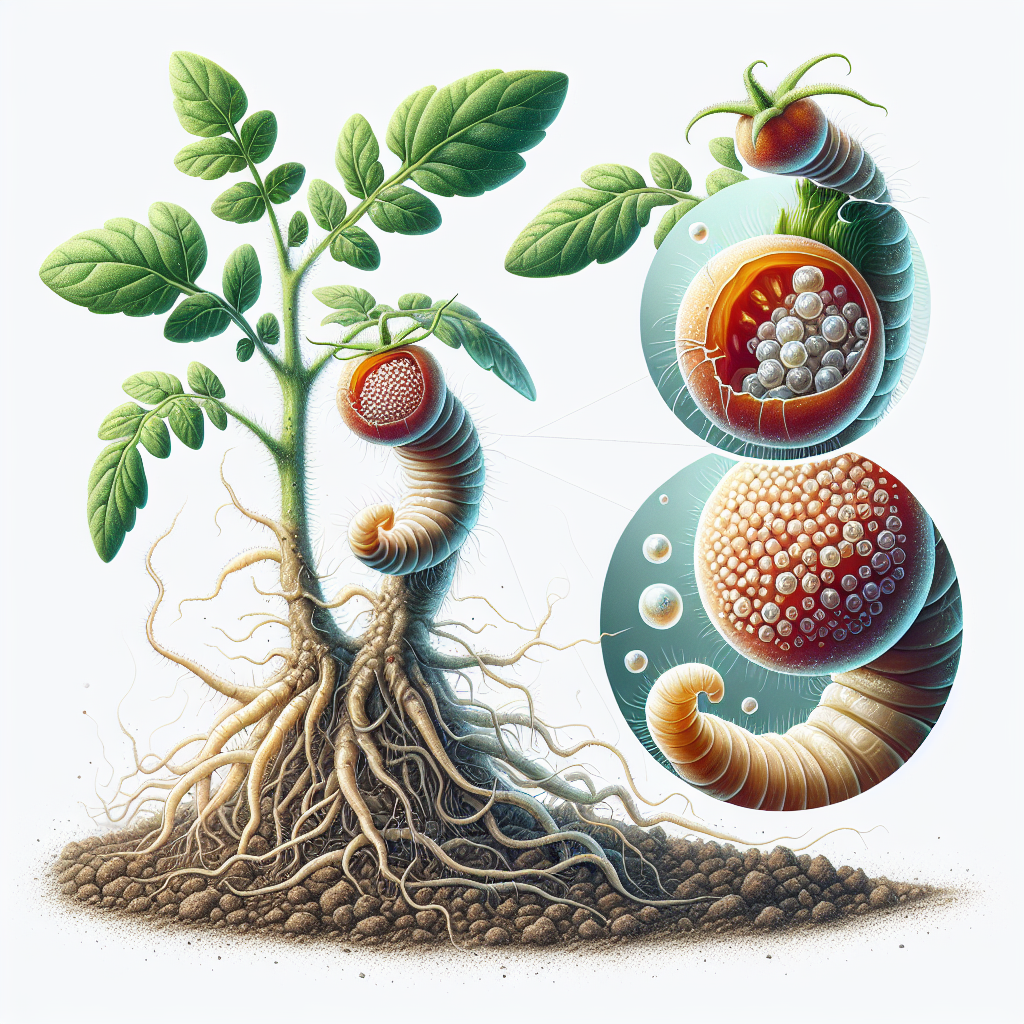
Plant-parasitic nematodes
Plant-parasitic nematodes are microscopic roundworms that attack plant roots, causing stunted growth, yield losses, and susceptibility to other diseases. This guide provides definitive diagnostics, lifecycle insights, organic management strategies, and prevention tactics for farmers and gardeners. Effective control relies on integrated cultural, biological, and resistant variety approaches.
View Profile
Plantain (Horn)
Horn plantain is a large-fruited cooking plantain valued across tropical regions for its elongated fingers, starchy texture, and excellent boiling, frying, and roasting quality. It is a vigorous but nutrient-hungry crop that rewards careful water management, rich organic soils, and disciplined sanitation with heavy bunches and reliable ratoon production.
View Guide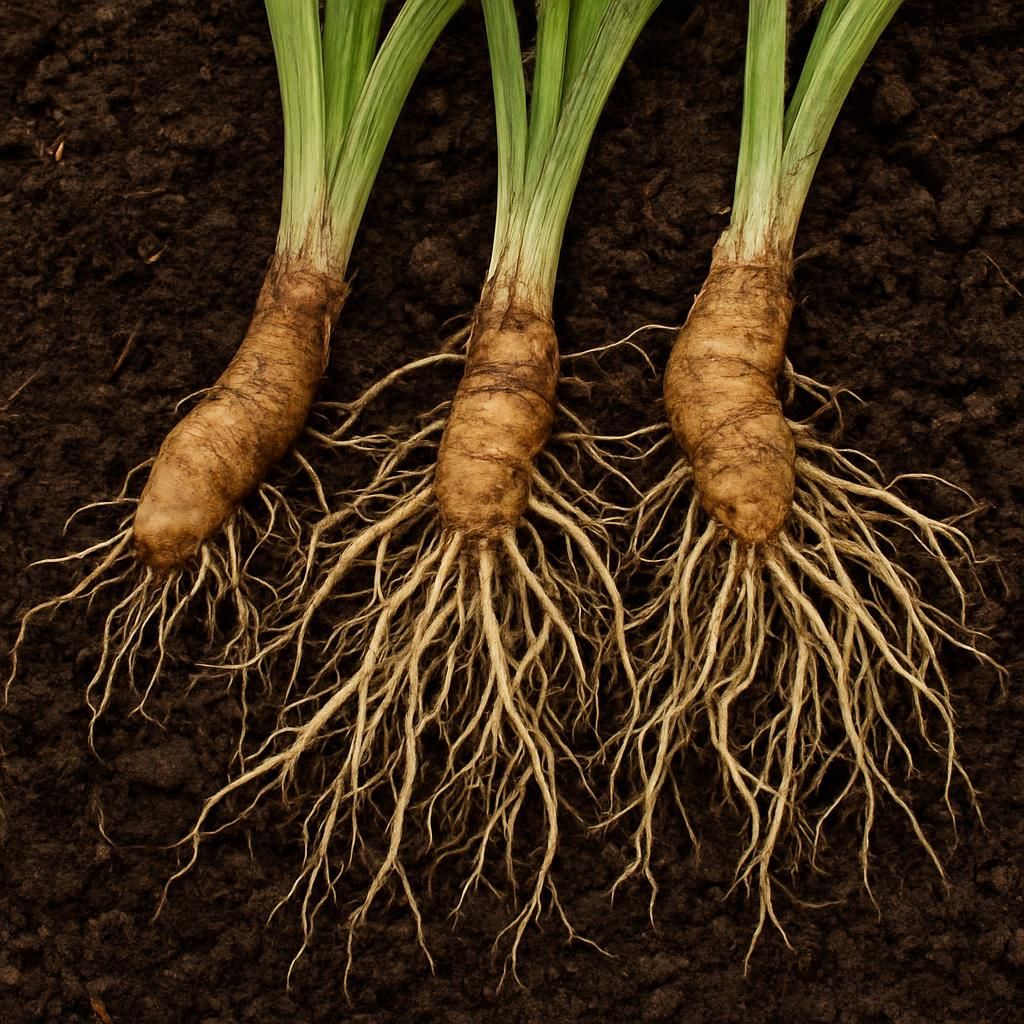
Plantain Root
Plantain Root refers to the vigorous underground rhizome and root system of plantain (Musa paradisiaca), a staple starchy crop grown for its fruit and corm. This guide delivers professional-grade, field-tested advice on soil preparation, planting, irrigation, fertility, pest management, and harvesting for commercial and small-farm success.
View Guide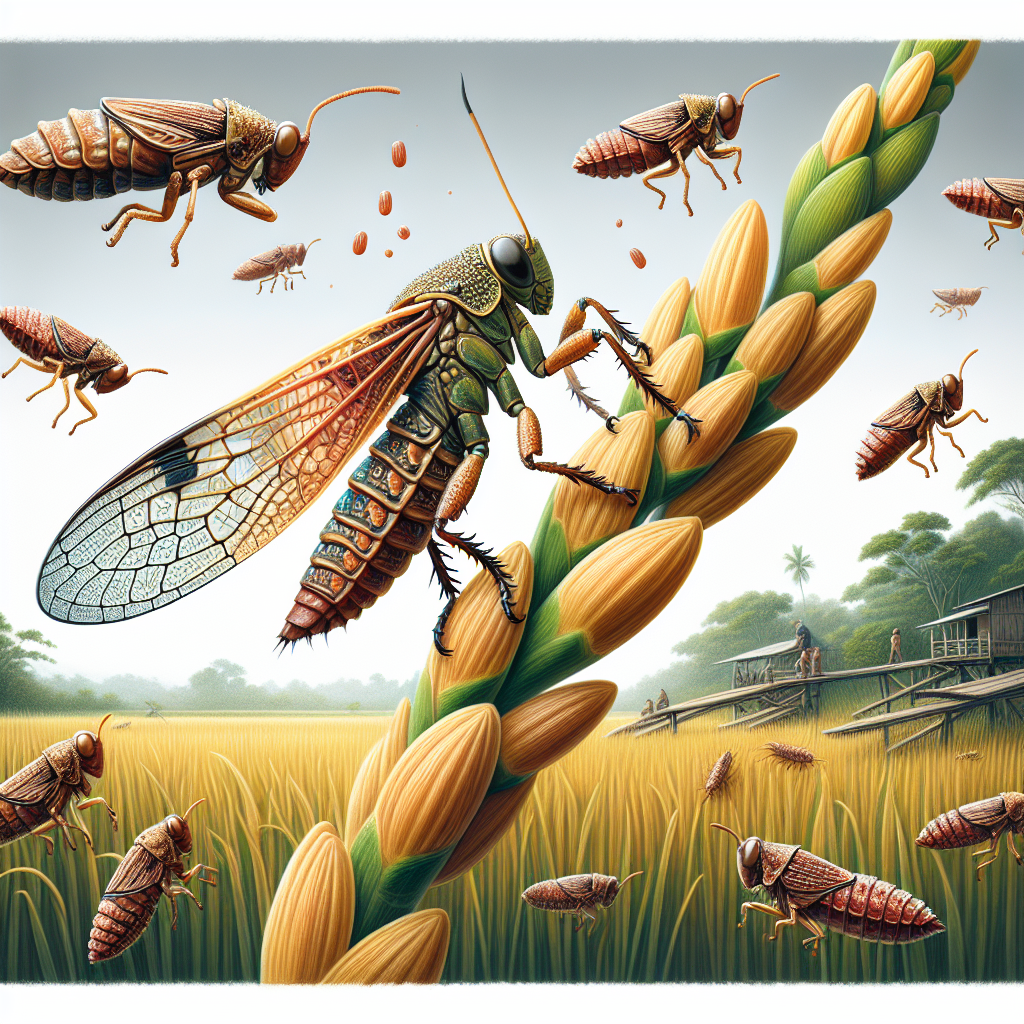
Planthoppers
Planthoppers are small, sap-sucking insects that damage crops by direct feeding and transmitting viral diseases, leading to stunted growth and yield losses. Common in rice, sugarcane, and other grasses, they thrive in warm, humid conditions. Effective management combines cultural practices, biological controls, and vigilant monitoring for sustainable agriculture.
View Profile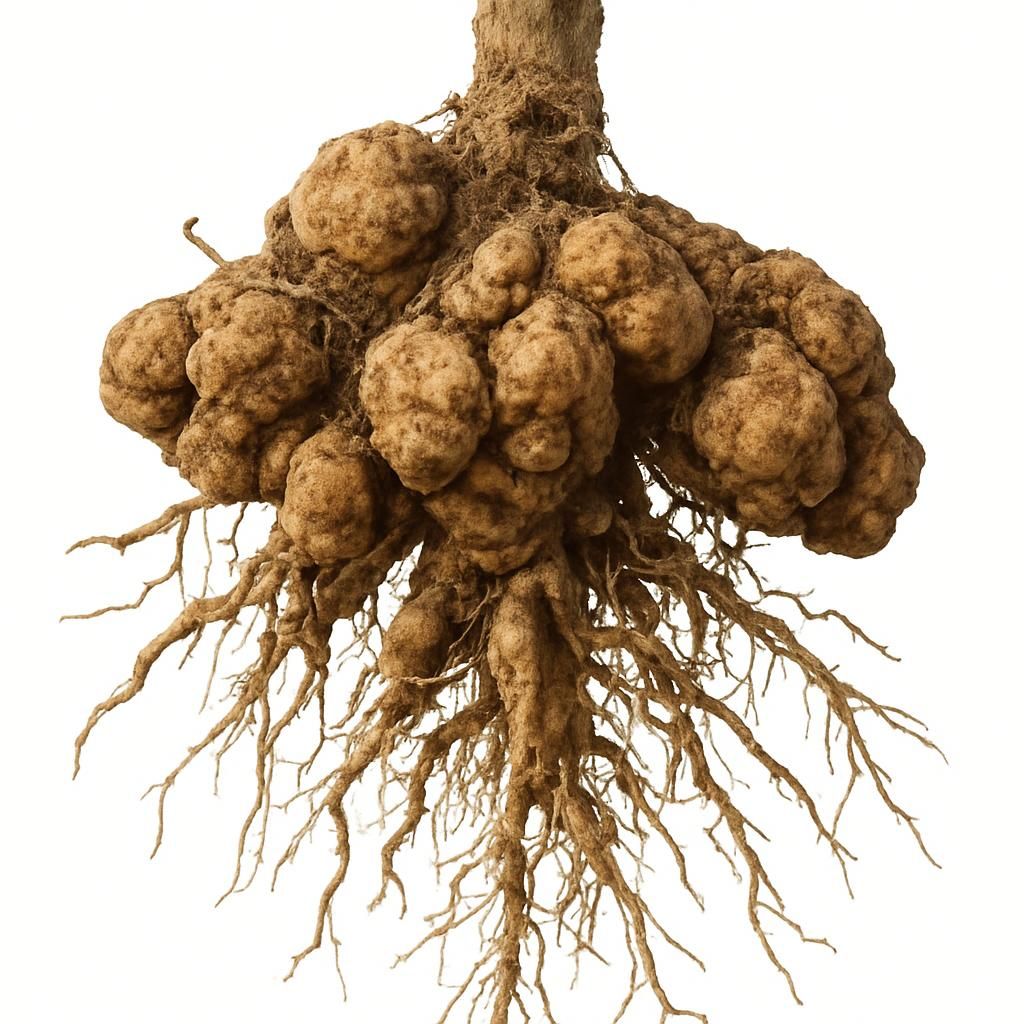
Plasmodiophora brassicae
Plasmodiophora brassicae is a soil-borne protist that causes clubroot, a devastating disease in brassica crops worldwide. It survives as durable resting spores in soil for decades and triggers massive root galls that impair water and nutrient uptake. Effective management combines long-term cultural practices with targeted organic amendments.
View Profile
PLRV
Potato Leafroll Virus (PLRV) is a persistent aphid-transmitted virus that causes severe yield losses in potatoes and related crops by inducing leaf rolling, stunting, and reduced tuber quality. Primarily spread by aphids like the green peach aphid, it poses a major threat to solanaceous crops worldwide. Effective management relies on certified seed, aphid control, and resistant varieties.
View Profile
Plum
Plum is a versatile temperate fruit tree valued for fresh eating, drying, preserves, and high-value market sales. Successful plum production depends on matching cultivar type to climate, managing bloom-time frost risk, maintaining balanced soil moisture, and pruning for light penetration and disease control.
View Guide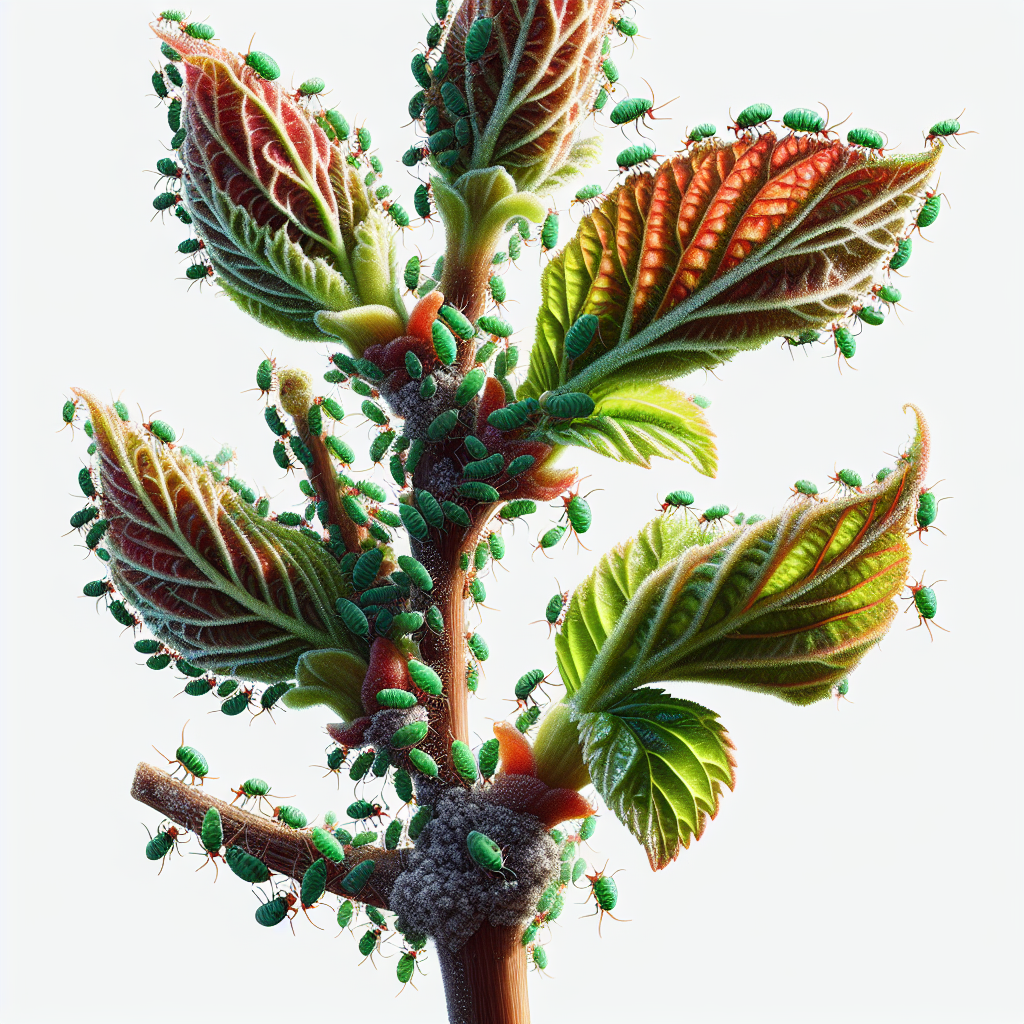
plum aphids
Plum aphids are small sap-sucking insects that target plum trees and related stone fruits, causing curled leaves, stunted growth, and sooty mold. These pests thrive in cool spring weather and can rapidly multiply, leading to significant yield losses if unmanaged. Effective organic controls include beneficial insects, horticultural oils, and cultural practices for long-term prevention.
View Profile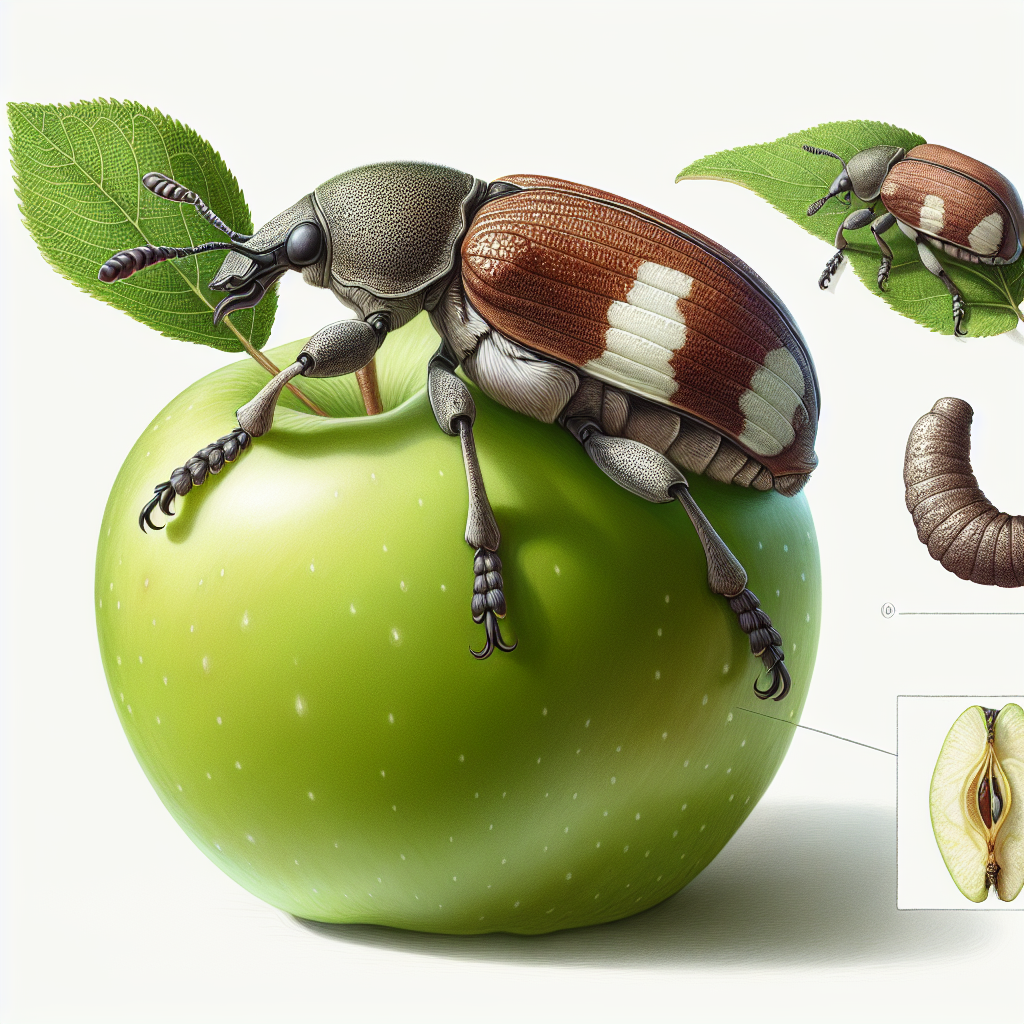
plum curculio
The plum curculio is a notorious snout beetle that infests stone fruits and apples across North America, causing severe damage through feeding punctures and egg-laying scars. Effective management requires understanding its lifecycle, early detection of crescent-shaped injuries, and integrated organic strategies like kaolin clay and border sprays. This guide provides diagnostic tools, organic treatments, and prevention tactics to protect your orchard yields.
View Profile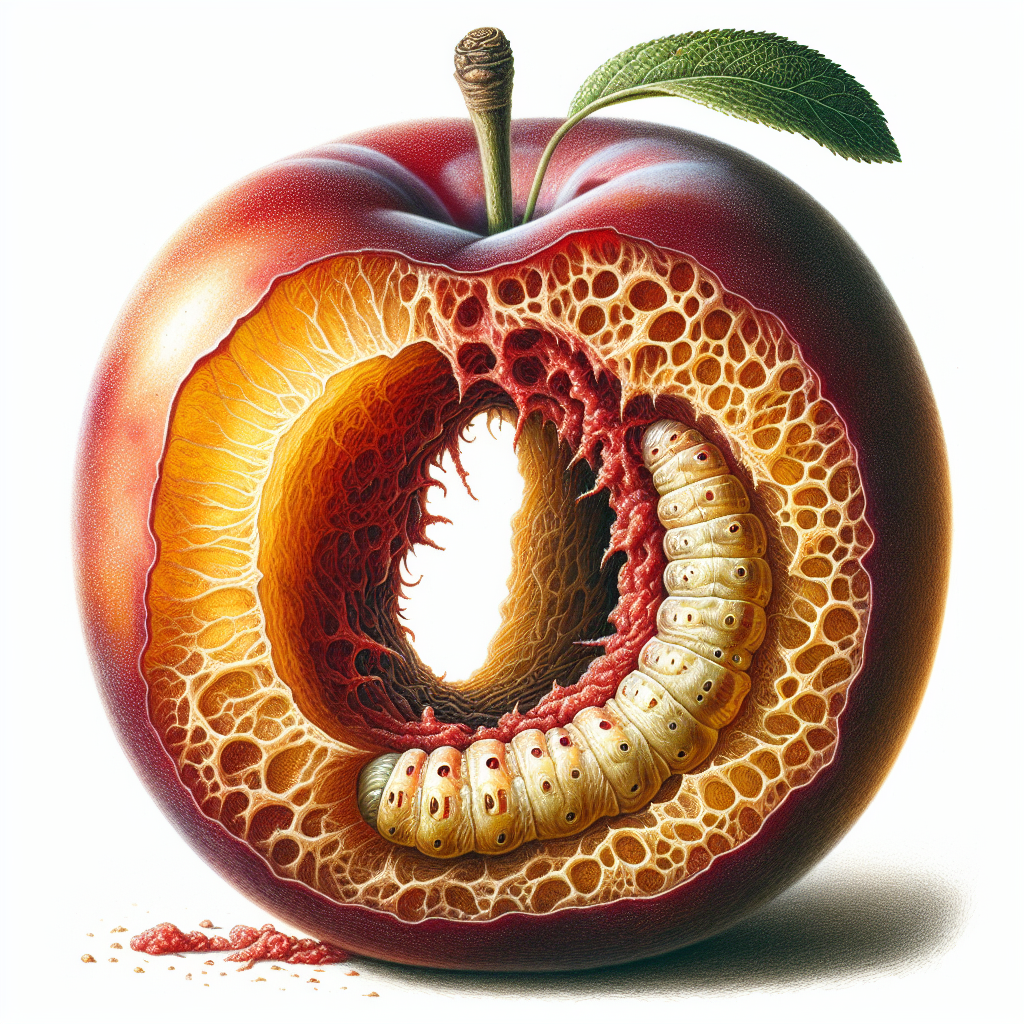
plum moth
The plum moth (Cydia funebrana) is a destructive pest targeting stone fruit trees, particularly plums, where its larvae bore into fruits causing extensive damage and rendering them unmarketable. This guide provides comprehensive diagnostics, lifecycle insights, organic management strategies, and prevention tactics for growers. Effective control hinges on early detection and integrated organic practices to protect yields.
View Profile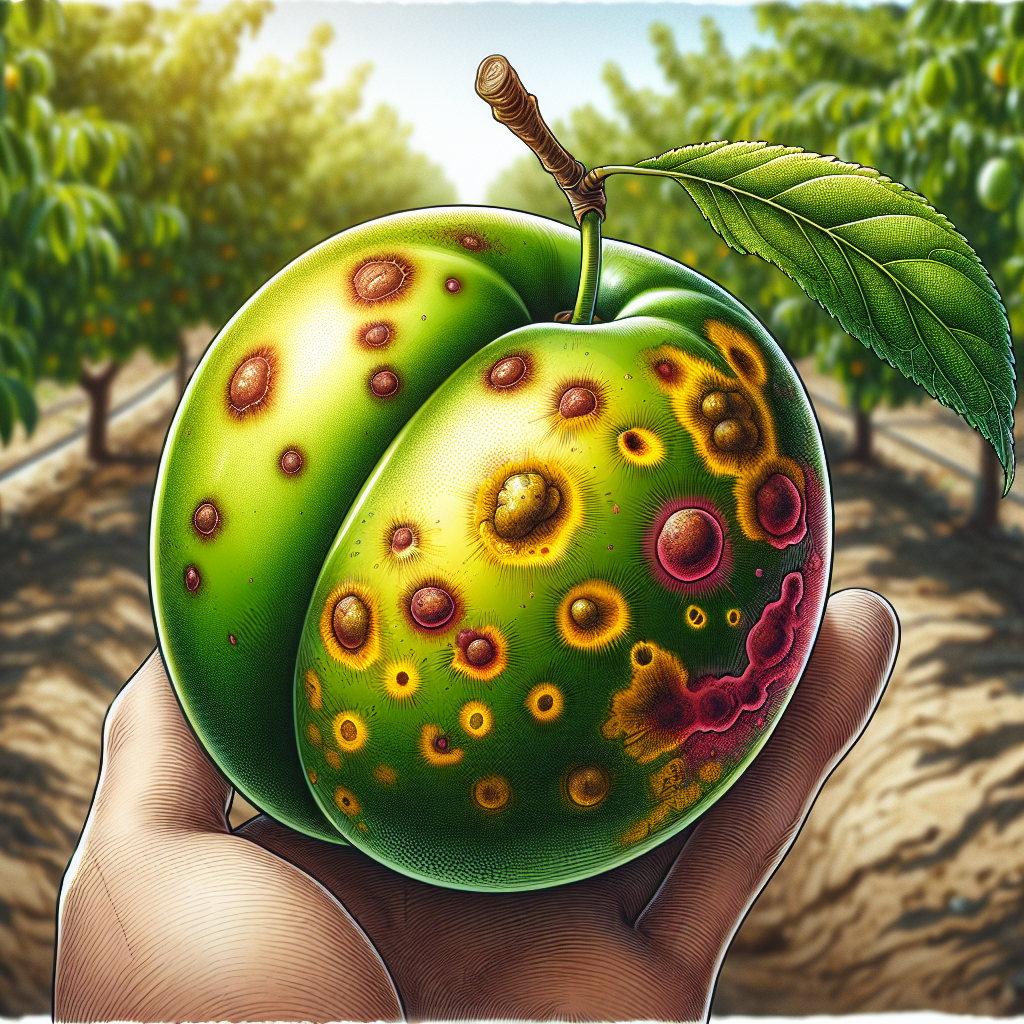
plum pox virus
Plum pox virus (PPV), also known as sharka disease, is a devastating potyvirus that infects stone fruit trees, causing severe fruit deformation, yield losses up to 100%, and rendering produce unmarketable. Transmitted primarily by aphids in a non-persistent manner, it spreads rapidly in orchards without proper management. This guide provides comprehensive diagnostics, organic controls, and prevention strategies for growers facing this quarantine threat.
View Profile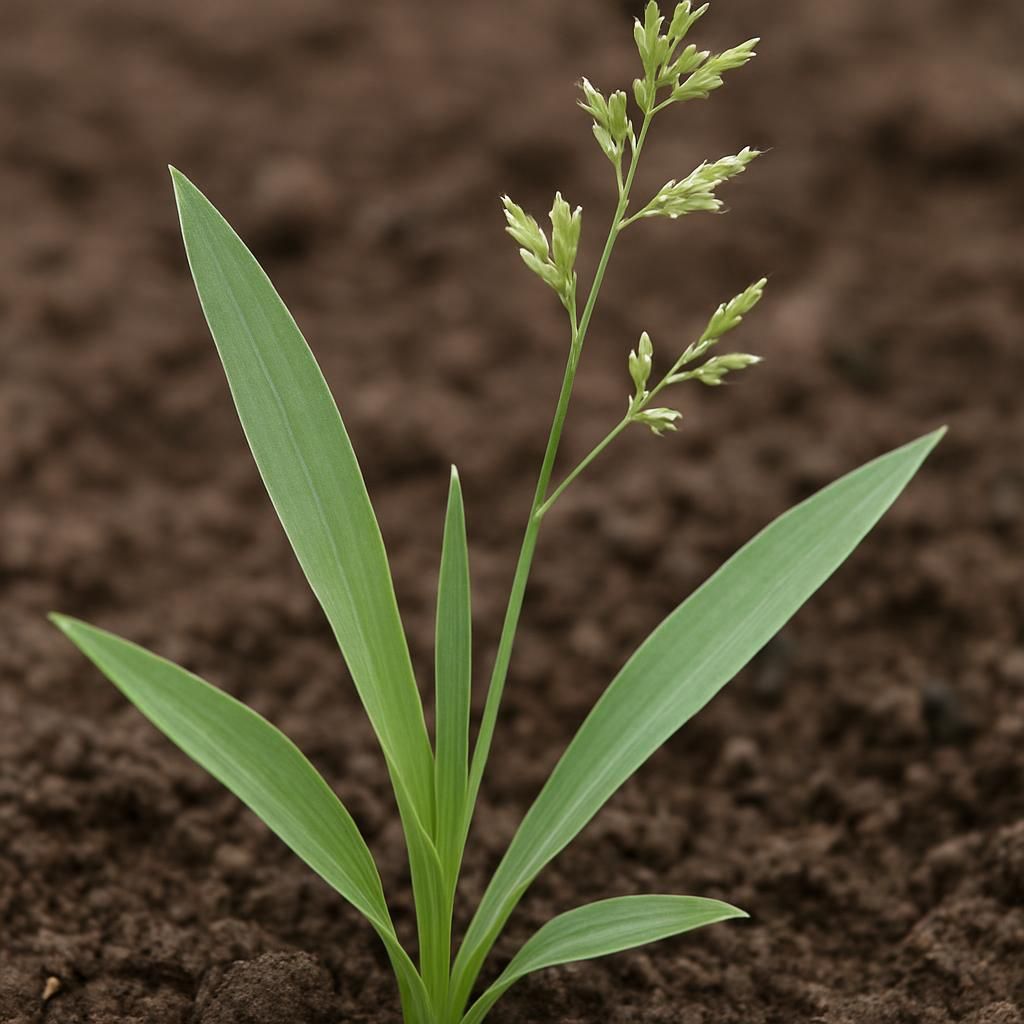
Poa annua
Poa annua, commonly known as annual bluegrass, is a cool-season annual grass weed that aggressively invades turf, pastures, and agricultural fields. It competes directly with crops for water, nutrients, and light, reducing yields and quality in affected areas. Effective management combines cultural, mechanical, and targeted chemical controls with long-term prevention strategies.
View Profile