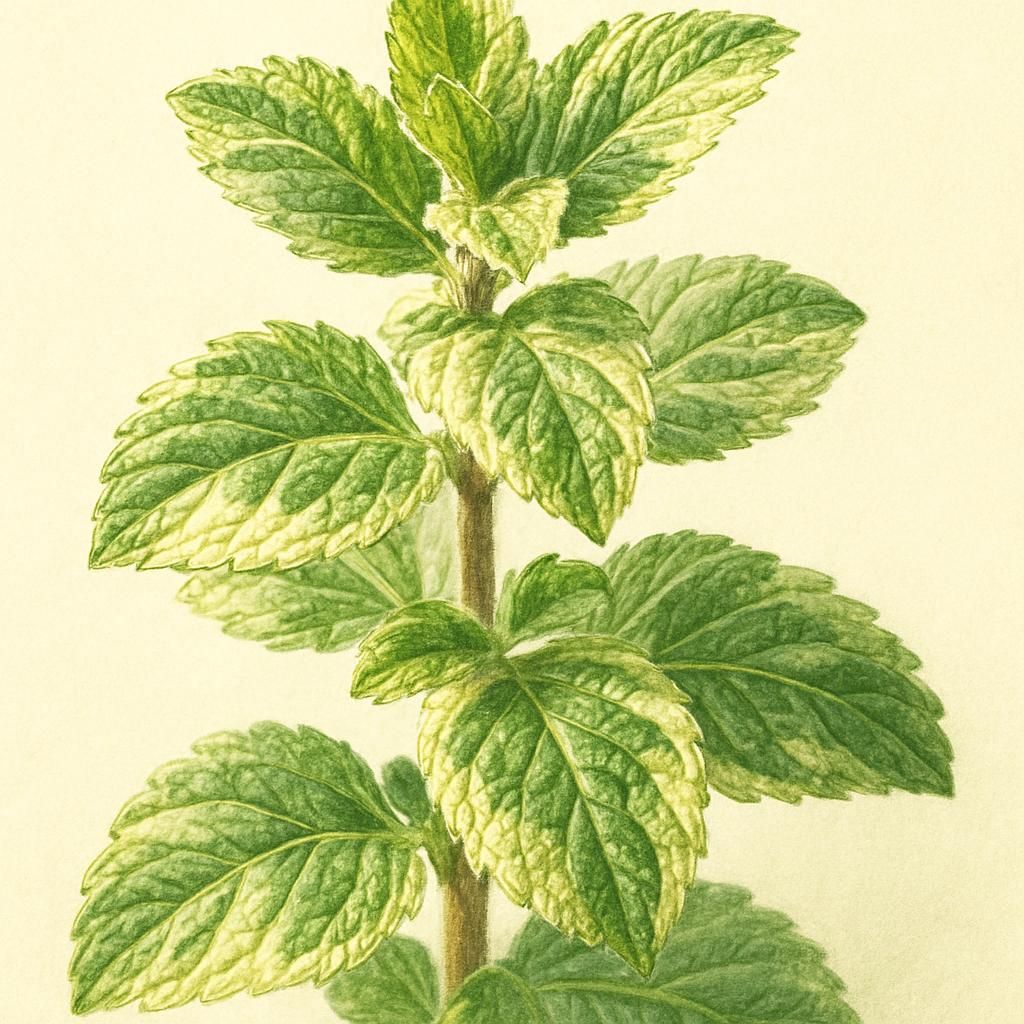
Introduction to Pineapple Mint
Pineapple mint is a delightful addition to any garden, both for its ornamental beauty and its culinary versatility. Its leaves, with a gentle pineapple scent and flavor, are perfect for cocktails, desserts, and teas. Unlike other mints, pineapple mint offers not just functionality but also vibrant aesthetic appeal with its variegated foliage.
Botanical Profile of Pineapple Mint
Pineapple mint, scientifically known as Mentha suaveolens 'Variegata', belongs to the Lamiaceae family, which includes a variety of aromatic herbs. It is a perennial herb that can reach an average height of 30-60 cm and spreads rapidly due to its rhizomes.
Soil, pH, and Climate Requirements for Pineapple Mint
Pineapple mint adapts to diverse growing conditions but thrives in certain environments:
| Condition | Ideal Range |
|---|---|
| Soil Type | Well-drained loamy |
| Soil pH | 6.0 to 7.5 |
| Climate | Temperate to warm |
| Sunlight | Partial to full sun |
| Temperature range | 60-80°F (15-27°C) |
Step-by-Step Planting & Propagation
- Site Selection: Choose a location with partial to full sunlight. Ensure good air circulation to prevent fungal diseases.
- Soil Preparation: Amend soil with organic matter. Ensure it is well-drained to avoid waterlogged roots.
- Propagation: Pineapple mint can be propagated through cuttings. Snip a healthy stem, remove the lower leaves, and plant it in moist soil.
- Planting: Space plants about 12-18 inches apart to allow for ample growth.
- Watering: Water immediately after planting and keep the soil consistently moist.
Care & Maintenance Regimes for Pineapple Mint
Pineapple mint is a low-maintenance plant, yet it benefits from regular attention.
| Maintenance Task | Schedule/Instructions |
|---|---|
| Watering | Keep soil moist; don't let it dry out fully |
| Fertilizing | Use a balanced fertilizer once per month |
| Pruning | Prune regularly to prevent leggy growth |
Pests, Diseases & Organic Management
Pineapple mint is relatively resilient but can occasionally fall prey to pests such as Aphids and Spider Mites. Control pests by rinsing leaves with water or using insecticidal soap. To mitigate fungal diseases like powdery mildew, ensure proper spacing and avoid overhead watering.
For organic prevention, neem oil and companion planting with pest-repellent crops can be effective. Crop rotation is also beneficial; explore "Crop Rotation Realities: 6 Organic Patterns That Deliver for Small Farms" for more insights.
Harvesting, Curing & Optimal Storage
- Harvesting: Harvest leaves regularly to encourage bushy growth. Perform harvest early in the morning for the best flavor.
- Curing: Dry leaves in a cool, dark place or use a dehydrator.
- Storage: Store dried leaves in airtight containers away from direct sunlight.
Companion Planting for Pineapple Mint
Pineapple mint makes an exceptional companion plant as its strong aroma deters pests from neighboring plants. Consider planting it alongside Cabbage, Tomato, or Lychee to enhance pest control naturally.
For comprehensive companion planting strategies, refer to "Summer Companion Planting: 10 Organic Pairings to Boost Small Farm Resilience" for a deeper dive into effective plant pairings.