Encyclopedia
Definitive guides for crops, pests, and agricultural diseases.

Phylloxera
Phylloxera is a microscopic sap-sucking insect that devastates grapevines by feeding on roots, causing galls and disrupting nutrient uptake. Native to North America, it nearly destroyed European viticulture in the 19th century but can be managed through resistant rootstocks and vigilant monitoring. This guide provides diagnostic symptoms, lifecycle details, organic controls, and prevention strategies for growers.
View Profile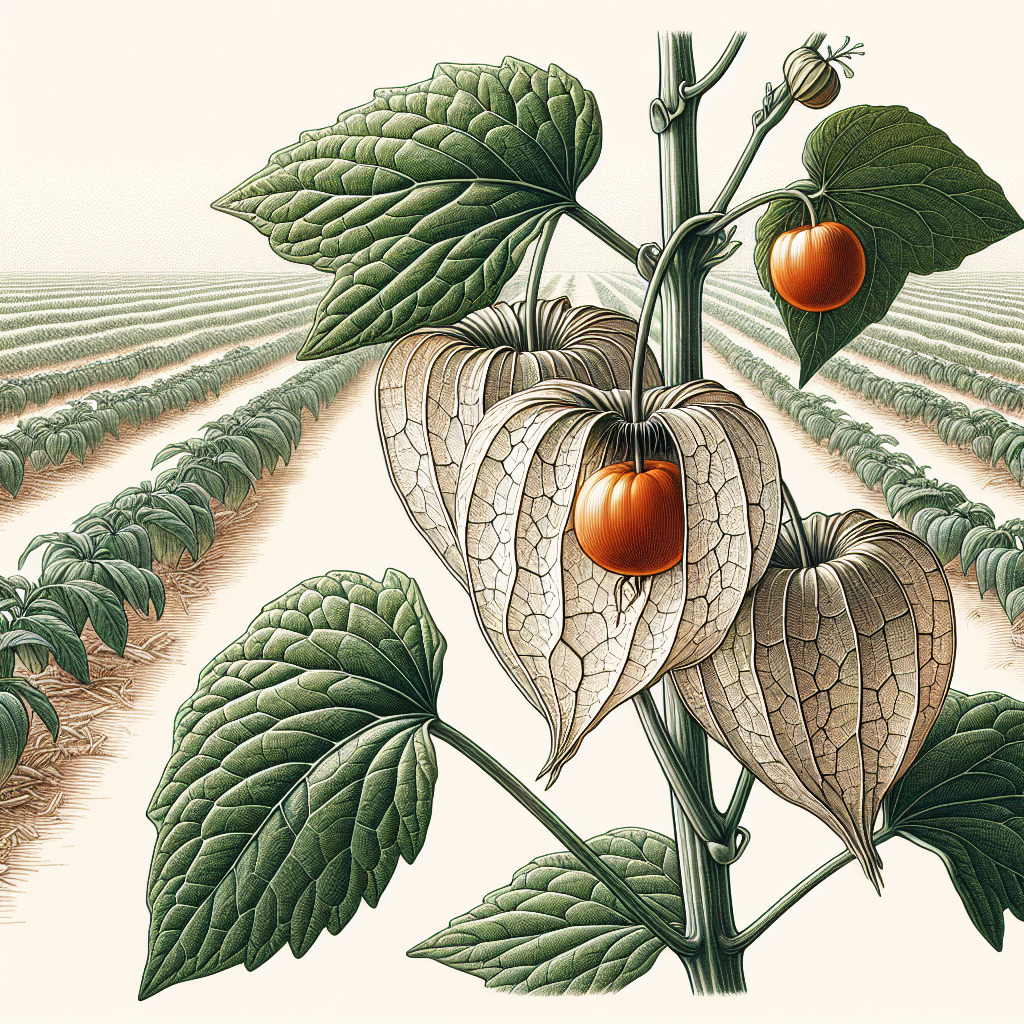
Physalis Weed
Physalis, commonly known as groundcherry or cape gooseberry, is a highly invasive annual or short-lived perennial weed that aggressively competes with crops for resources in warm-season agriculture. Its sprawling growth, persistent seed production, and allelopathic effects make it a formidable pest in vegetable and grain fields. This guide provides definitive diagnostic, lifecycle, and organic management strategies to control physalis infestations effectively.
View Profile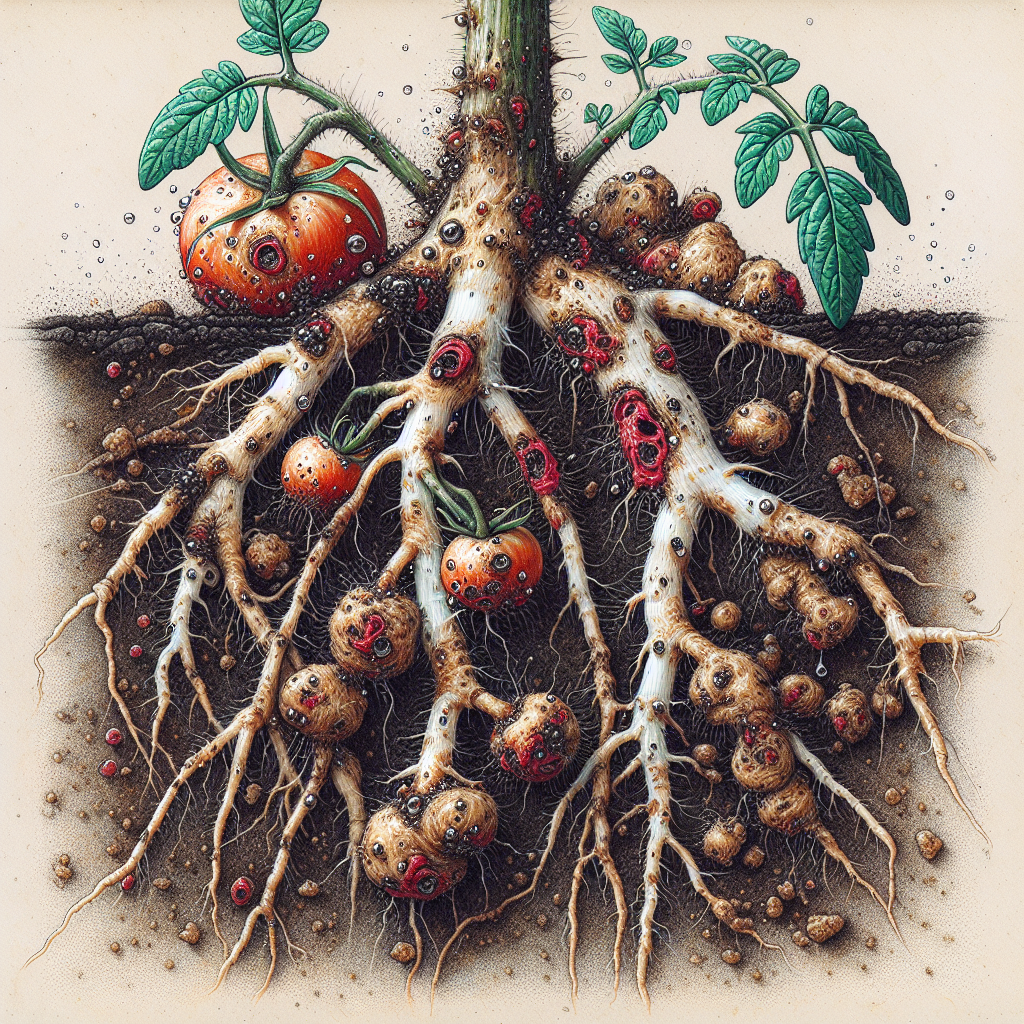
Phytophthora
Phytophthora is a destructive genus of oomycetes causing root rot, crown rot, and blight in numerous crops worldwide. Thriving in wet conditions, it leads to wilting, discoloration, and plant death, often mimicking other soil-borne diseases. Effective management relies on prevention, cultural practices, and targeted organic treatments.
View Profile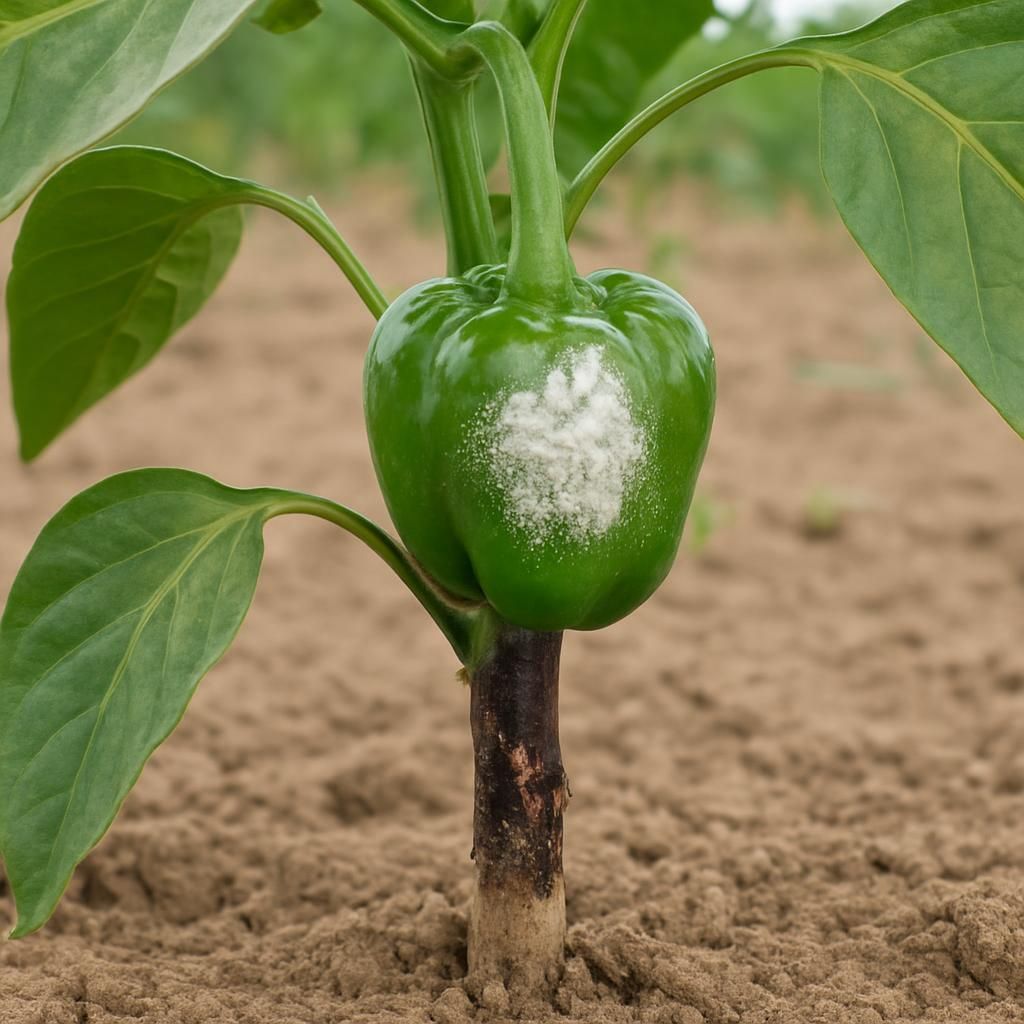
Phytophthora blight
Phytophthora blight is a devastating fungal-like disease caused by water mold pathogens in the Phytophthora genus, leading to rapid foliar, stem, root, and fruit infections in numerous crops. It thrives in warm, wet conditions, causing dark lesions, wilting, and plant collapse. Effective management relies on cultural practices, resistant varieties, and targeted organic treatments to minimize losses.
View Profile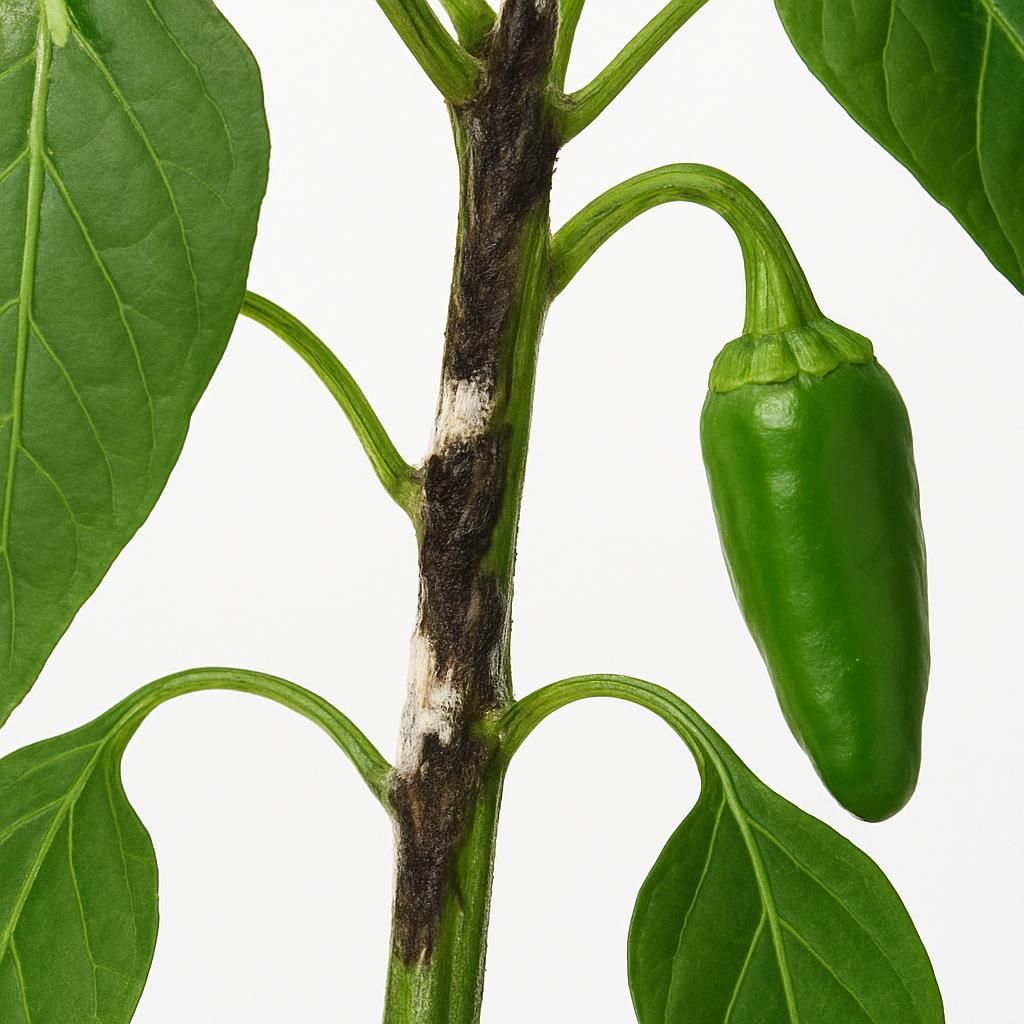
Phytophthora blight (disease)
Phytophthora blight is a destructive oomycete disease that causes rapid wilting, stem lesions, and fruit rot in solanaceous and cucurbit crops. It spreads through soil, water, and infected plant material, thriving in warm, wet conditions and leading to significant yield losses if unmanaged.
View Profile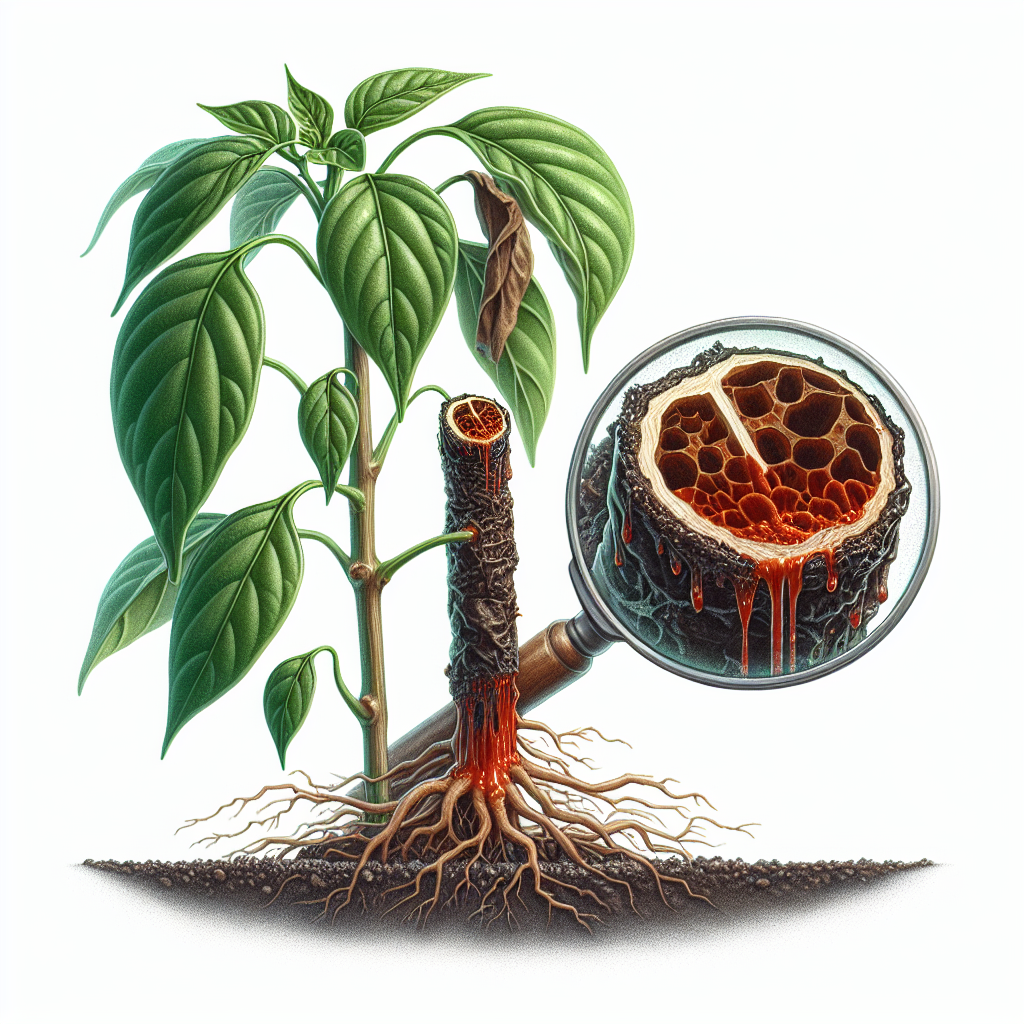
Phytophthora capsici
Phytophthora capsici is a highly destructive oomycete pathogen causing root rot, crown rot, and fruit rot in peppers, tomatoes, cucurbits, and other crops. It thrives in warm, wet soils, leading to rapid plant wilting and yield losses up to 100% in susceptible varieties. Effective management relies on cultural practices, resistant cultivars, and organic biocontrols.
View Profile
Phytophthora cinnamomi
Phytophthora cinnamomi is a highly destructive soilborne oomycete pathogen causing root rot, crown rot, and stem cankers in a wide range of crops and plants worldwide. It thrives in warm, wet soils, leading to rapid plant decline and significant agricultural losses. Effective management relies on prevention, cultural practices, and organic treatments to limit spread and enhance plant resilience.
View Profile
Phytophthora cinnamomi root rot
Phytophthora cinnamomi root rot is a devastating soilborne oomycete pathogen causing widespread decline in crops worldwide, particularly in warm, wet conditions. It attacks roots, leading to rot, wilting, and plant death, with no cure once established. Effective management relies on prevention, cultural practices, and resistant varieties.
View Profile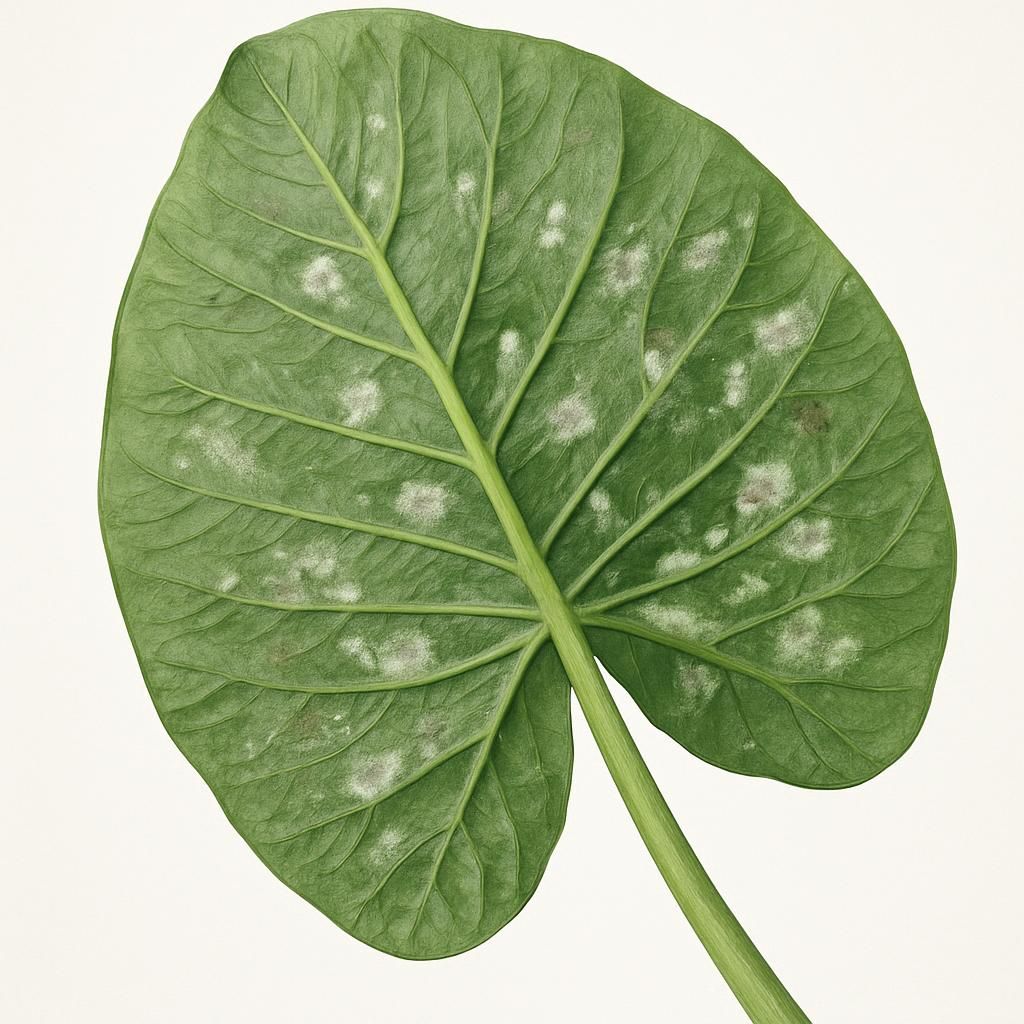
Phytophthora colocasiae
Phytophthora colocasiae is an oomycete pathogen that causes severe leaf blight and corm rot primarily in taro (Colocasia esculenta), leading to rapid defoliation and yield losses of 50-100% in humid tropics. The disease spreads through water-borne zoospores and survives in soil and infected planting material. Effective management combines cultural practices, resistant varieties, and targeted organic treatments.
View Profile
Phytophthora crown and fruit rot
Phytophthora crown and fruit rot is a devastating soilborne disease caused by Phytophthora oomycetes, leading to rapid wilting, crown lesions, and fruit decay in susceptible crops. It thrives in wet, warm conditions, often resulting in complete plant loss if unmanaged. Effective control relies on cultural practices, resistant varieties, and targeted organic treatments.
View Profile
Phytophthora crown and root rot
Phytophthora crown and root rot is a devastating soilborne disease caused by oomycete pathogens that thrive in wet conditions, leading to rapid decline and death of infected plants. It affects the crown and roots, causing wilting, root decay, and dark lesions, often mistaken for other root rots. Effective management relies on prevention through improved drainage, resistant varieties, and sanitation.
View Profile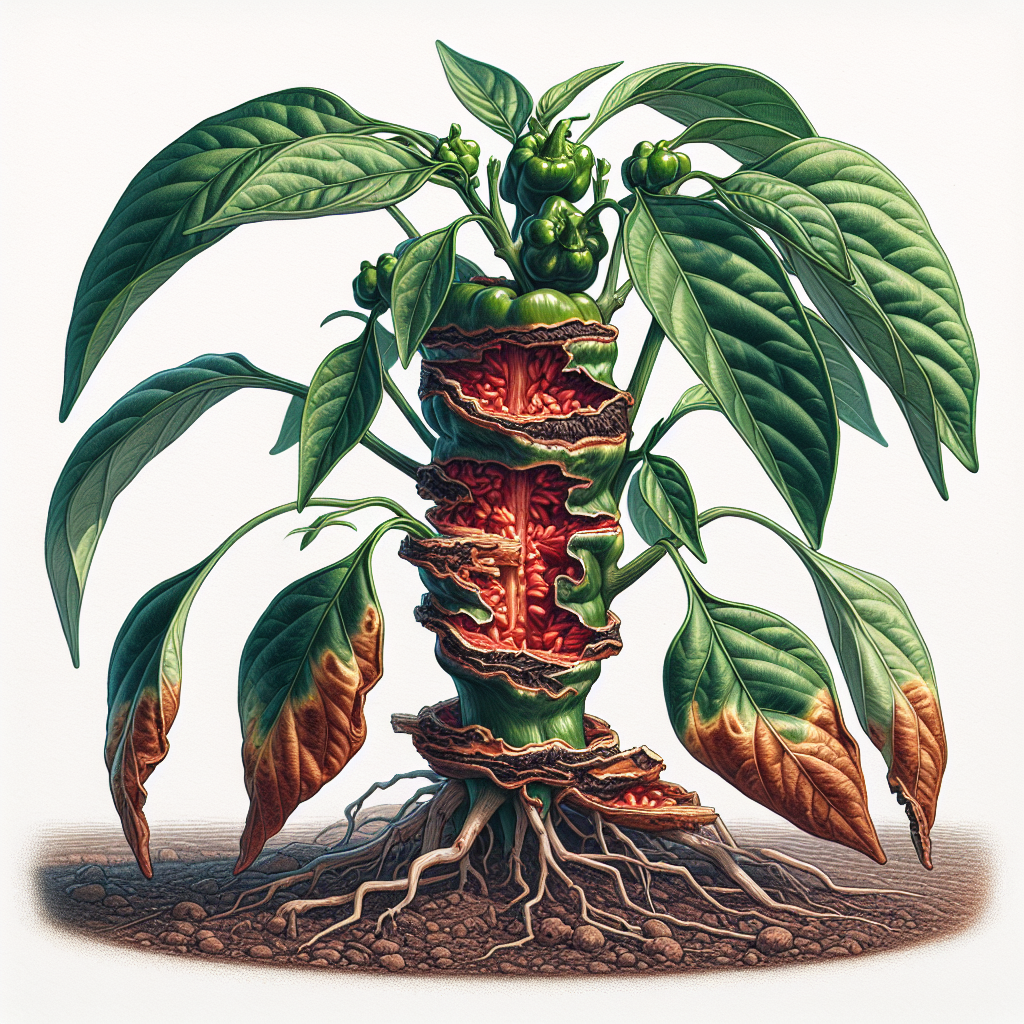
Phytophthora crown or fruit rot
Phytophthora crown or fruit rot is a devastating soilborne disease caused by Phytophthora species that attacks plant crowns, roots, and fruits, leading to rapid wilting and crop failure in warm, wet conditions. This guide provides definitive diagnostic criteria, symptom identification, lifecycle details, and proven organic management strategies for affected crops. Farmers can prevent outbreaks through cultural practices, resistant varieties, and soil health optimization.
View Profile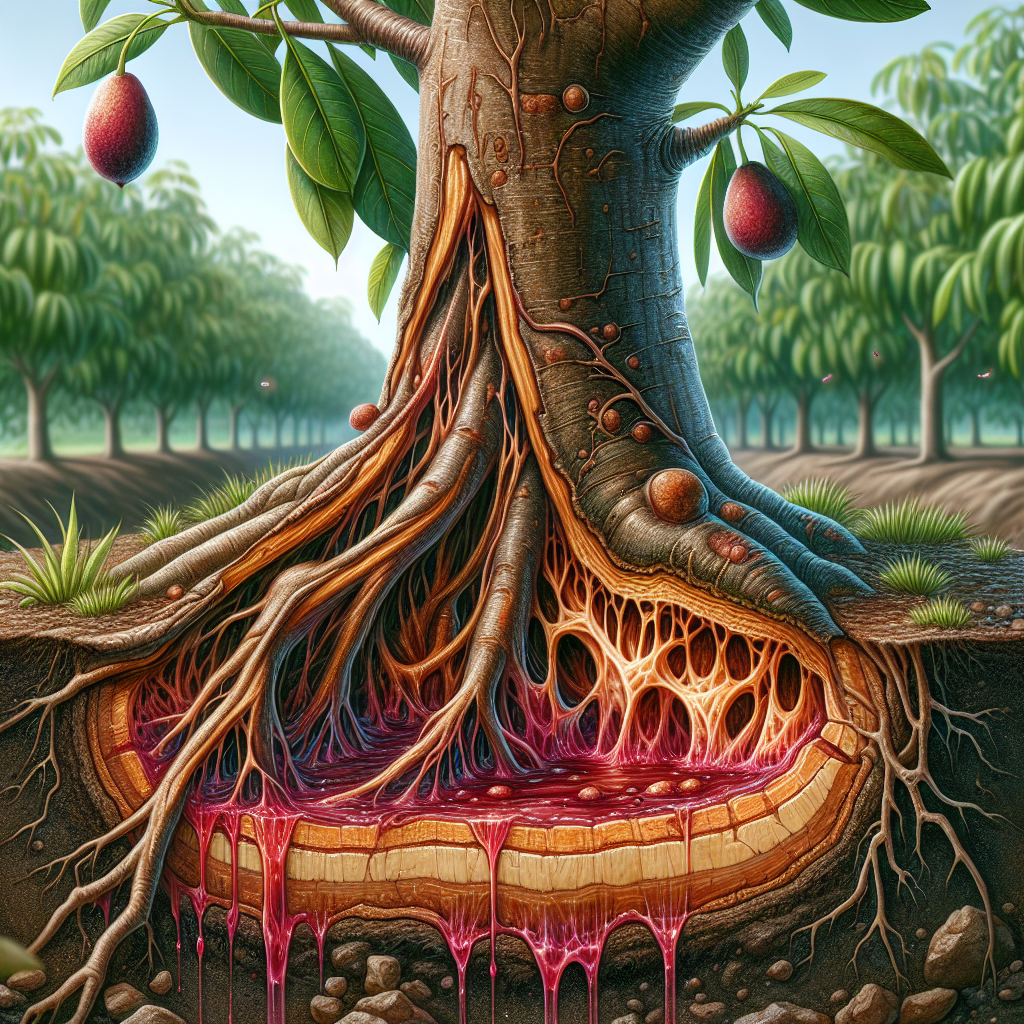
Phytophthora crown rot
Phytophthora crown rot is a devastating soilborne fungal-like disease caused by Phytophthora species that attacks the crown and roots of plants, leading to girdling and plant death. It thrives in wet, poorly drained soils and affects a wide range of crops, particularly woody perennials and fruit trees. Early detection through wilting and cankers, combined with cultural practices and organic treatments, is essential for management.
View Profile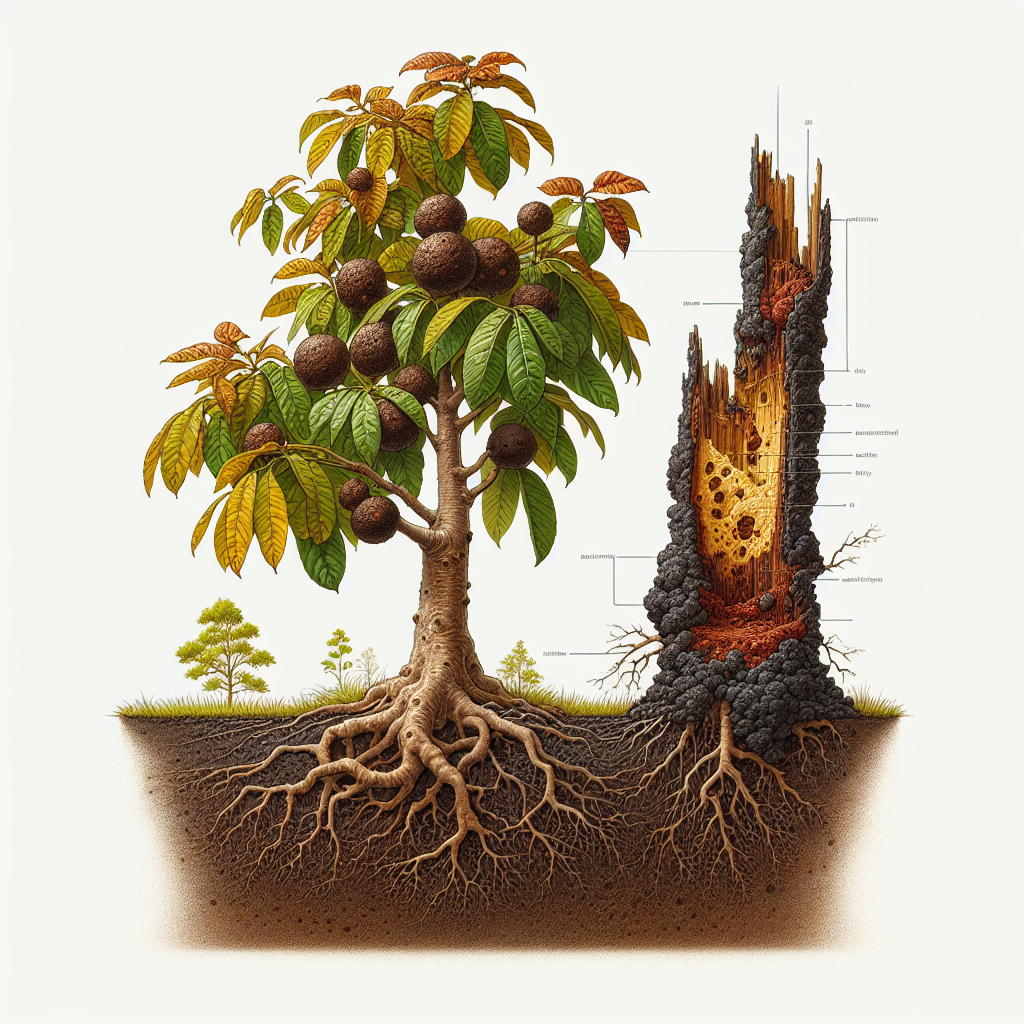
Phytophthora crown/root rots
Phytophthora crown/root rots are devastating soilborne diseases caused by oomycete pathogens that thrive in wet conditions, leading to girdling of crowns and roots, plant wilting, and rapid death. Affecting a wide range of crops, these rots are challenging to control once established but can be managed through cultural practices, resistant varieties, and organic treatments. Early diagnosis and prevention are key to minimizing losses in agriculture.
View Profile
Phytophthora foot rot
Phytophthora foot rot is a destructive soilborne fungal-like disease that attacks the base of trunks and roots of perennial crops, causing girdling lesions, wilting, and plant death. Caused by water mold pathogens thriving in wet conditions, it spreads via contaminated soil, water, and tools. Effective management relies on cultural practices, resistant varieties, and phosphonate treatments for long-term control.
View Profile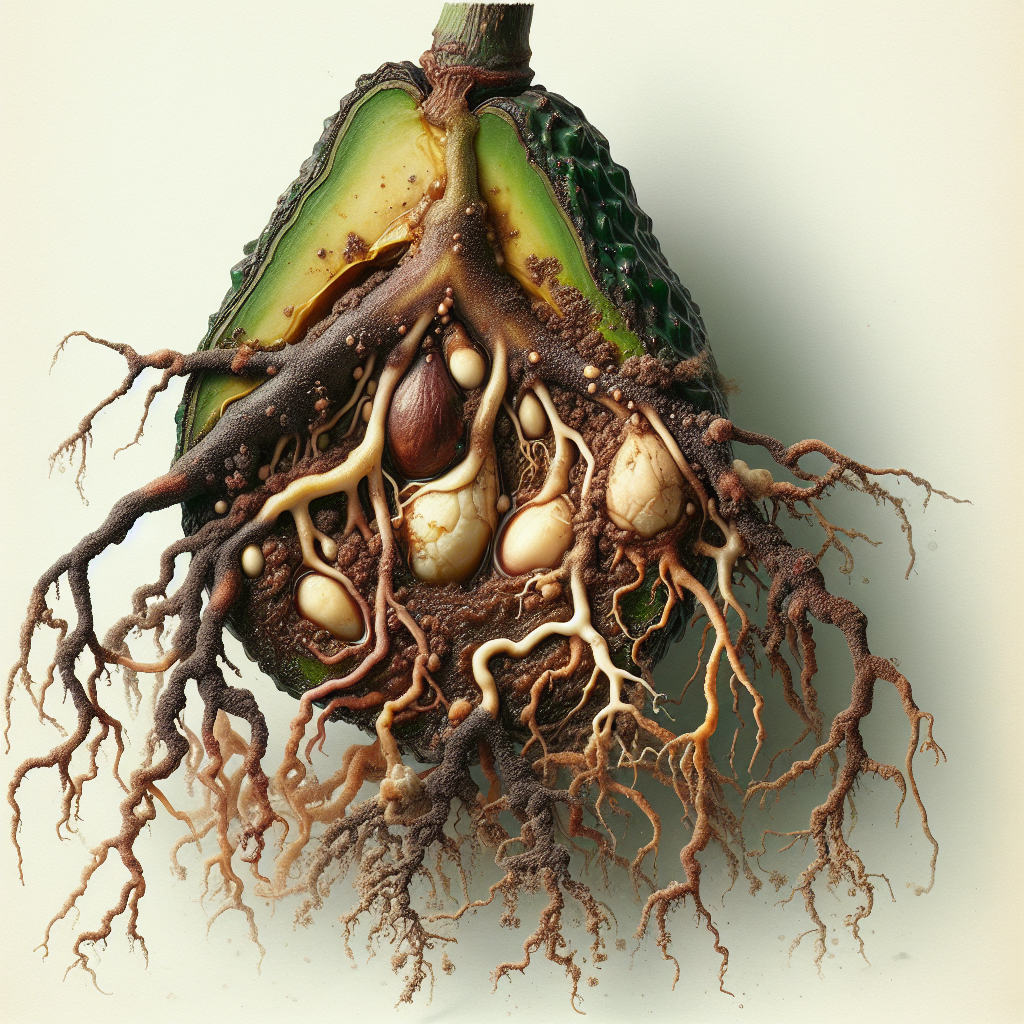
Phytophthora palmivora
Phytophthora palmivora is a highly destructive oomycete pathogen causing root rot, crown rot, and fruit rot in numerous tropical and subtropical crops. This soil-borne disease thrives in wet conditions, leading to rapid plant decline and significant yield losses. Effective management relies on cultural practices, resistant varieties, and organic treatments to prevent outbreaks.
View Profile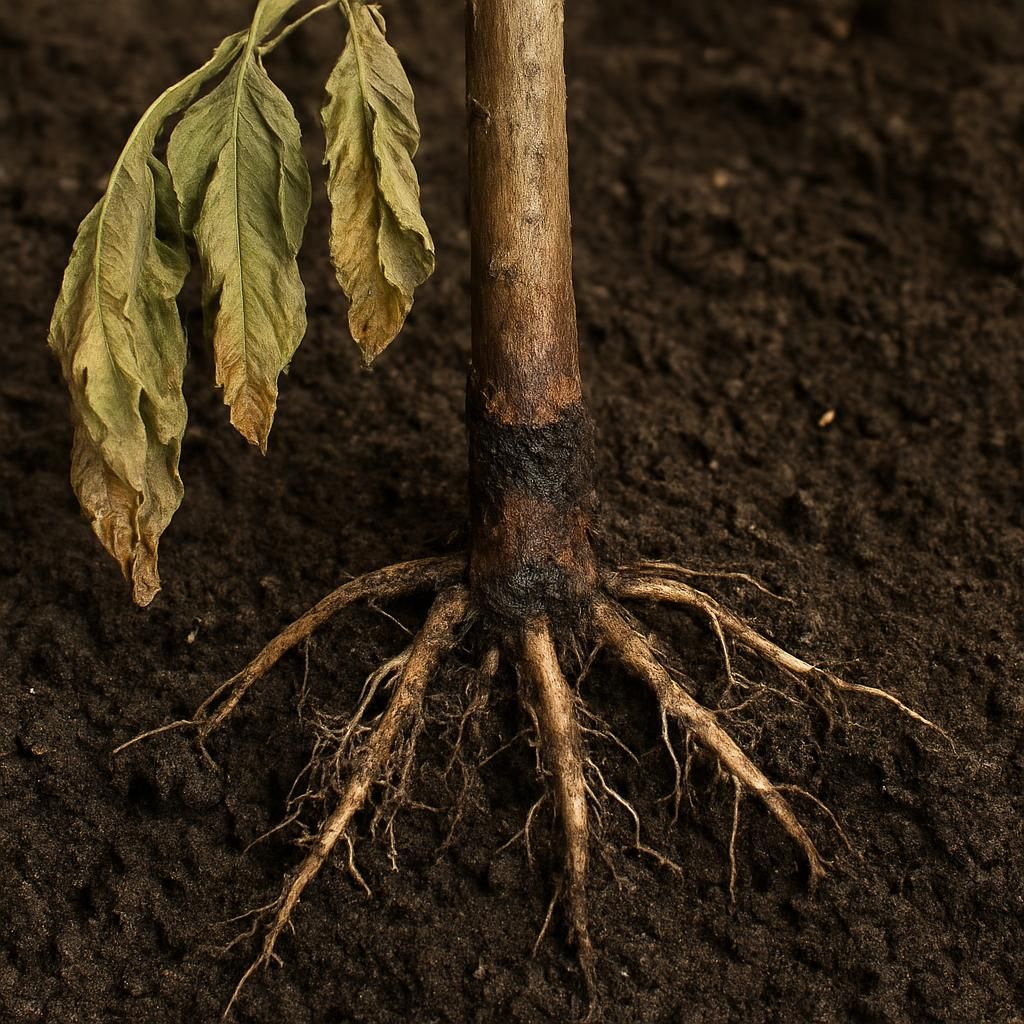
Phytophthora root and collar rot
Phytophthora root and collar rot is a devastating soilborne disease caused by oomycete pathogens that attack plant roots and lower stems, leading to wilting, decline, and plant death. It thrives in wet, poorly drained soils and affects a wide range of crops, making early diagnosis and cultural management essential for control. Organic strategies focus on soil health, drainage improvement, and resistant varieties to prevent outbreaks.
View Profile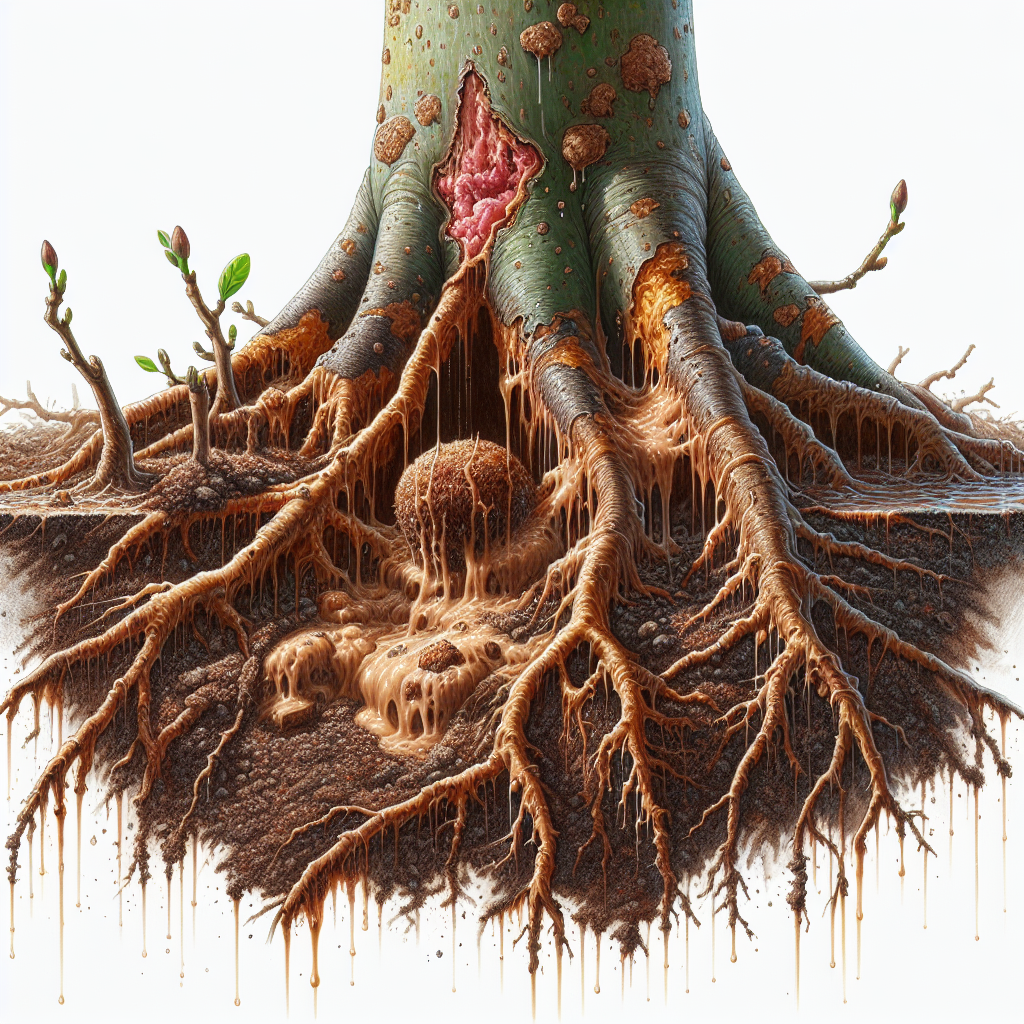
Phytophthora root and crown rot
Phytophthora root and crown rot is a devastating soilborne disease caused by oomycete pathogens that thrive in wet conditions, leading to root decay, crown lesions, and plant death. It affects a wide range of crops, particularly those in poorly drained soils, causing stunted growth, wilting, and rapid decline. Effective management relies on cultural practices, resistant varieties, and sanitation to prevent spread.
View Profile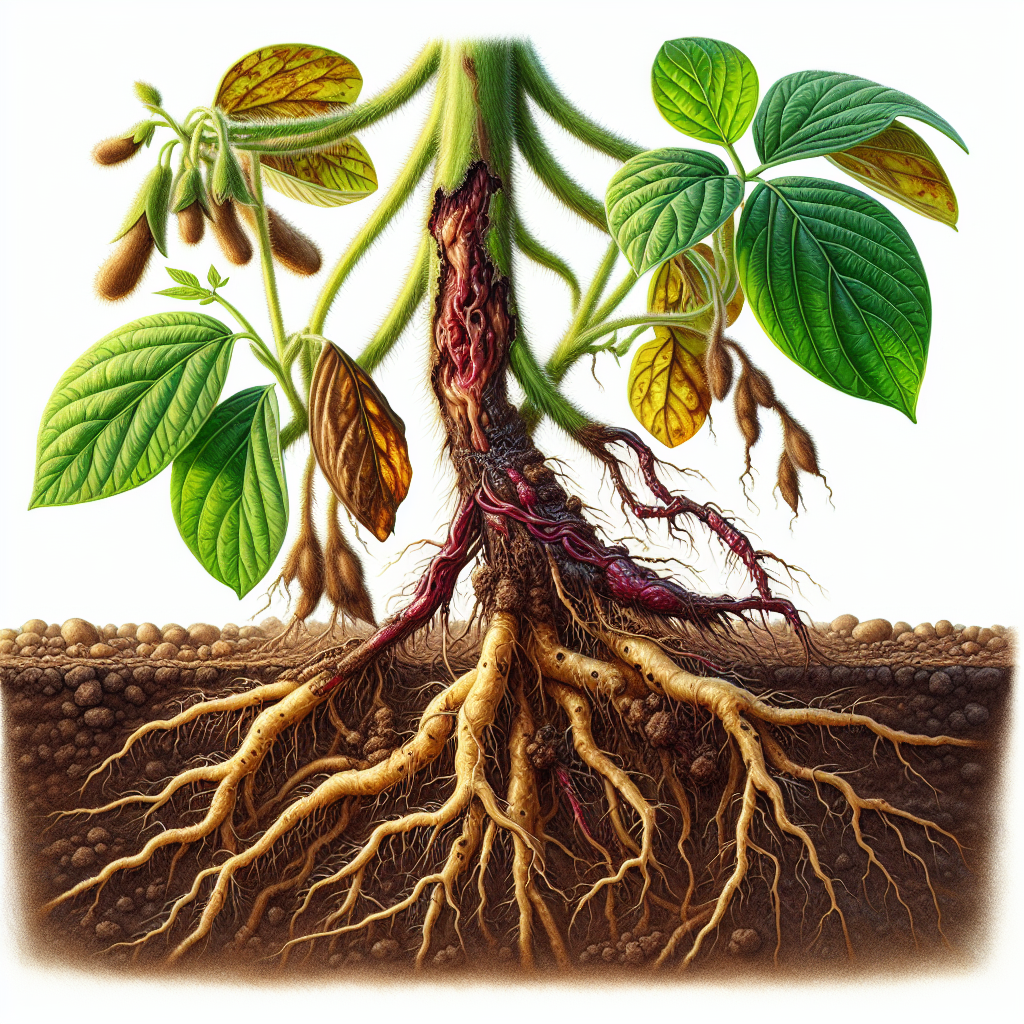
Phytophthora root and stem rot
Phytophthora root and stem rot is a devastating soilborne disease caused by oomycete pathogens that thrive in wet conditions, leading to root decay, stem lesions, and rapid plant death. Affecting numerous crops worldwide, it spreads via infested soil, water, and infected plant material, making prevention through cultural practices essential. Early diagnosis and integrated management can minimize losses in susceptible crops like soybeans and tomatoes.
View Profile
Phytophthora root rot
Phytophthora root rot is a devastating soilborne disease caused by oomycete pathogens that thrive in wet conditions, leading to root decay, wilting, and plant death. Affecting a wide range of crops, it spreads via water and infected soil, making prevention through drainage and resistant varieties essential. This guide provides diagnostic symptoms, lifecycle details, organic management strategies, and prevention tips for farmers.
View Profile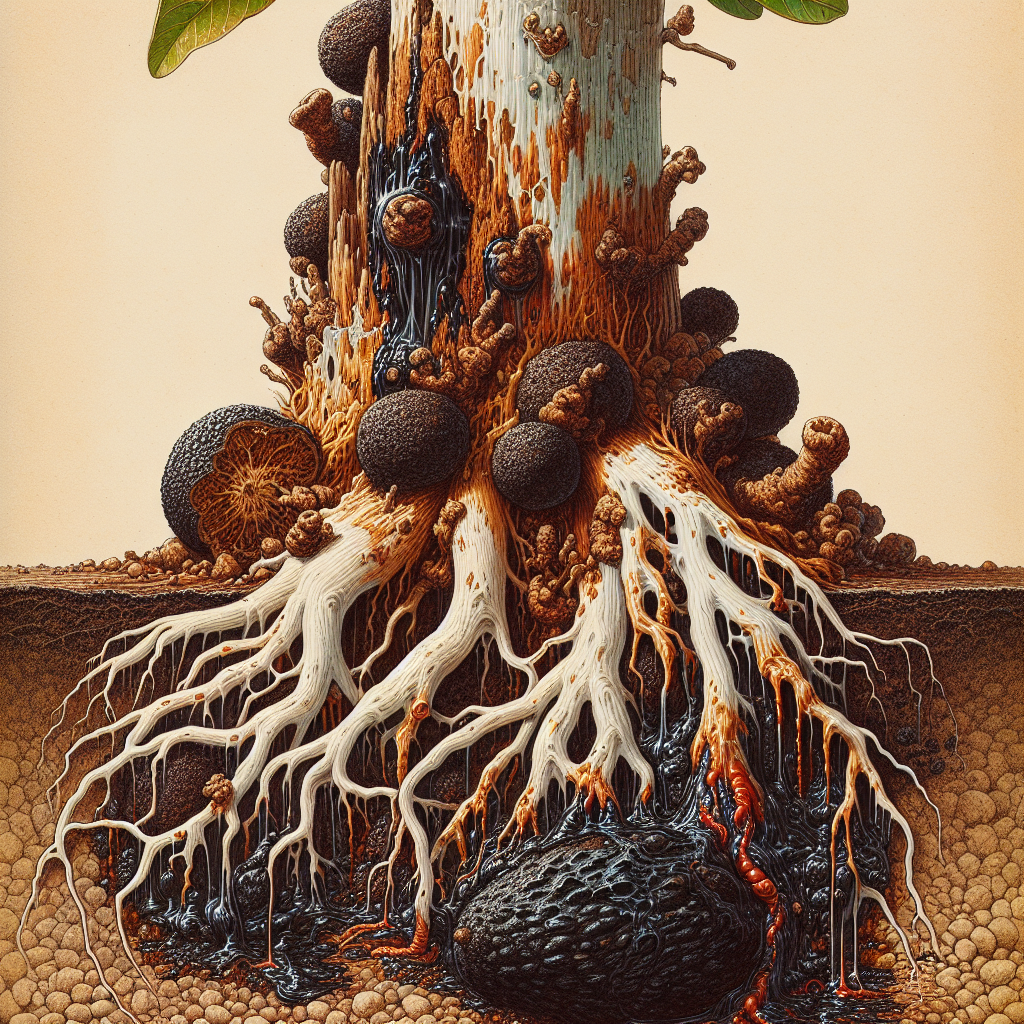
Phytophthora root/crown rot
Phytophthora root/crown rot is a devastating soilborne disease caused by oomycete pathogens that attack plant roots and lower stems, leading to wilting, decline, and plant death. It thrives in wet, poorly drained soils and affects a wide range of crops, making early diagnosis and cultural management essential for control. This guide provides professional diagnostic tips, organic treatments, and prevention strategies for farmers.
View Profile
Phytophthora rot
Phytophthora rot is a devastating oomycete disease affecting roots, crowns, stems, and fruits of numerous crops, thriving in wet, poorly drained soils. Caused by various Phytophthora species, it leads to rapid plant decline, wilting, and death. Effective management relies on prevention, cultural practices, and targeted organic treatments.
View Profile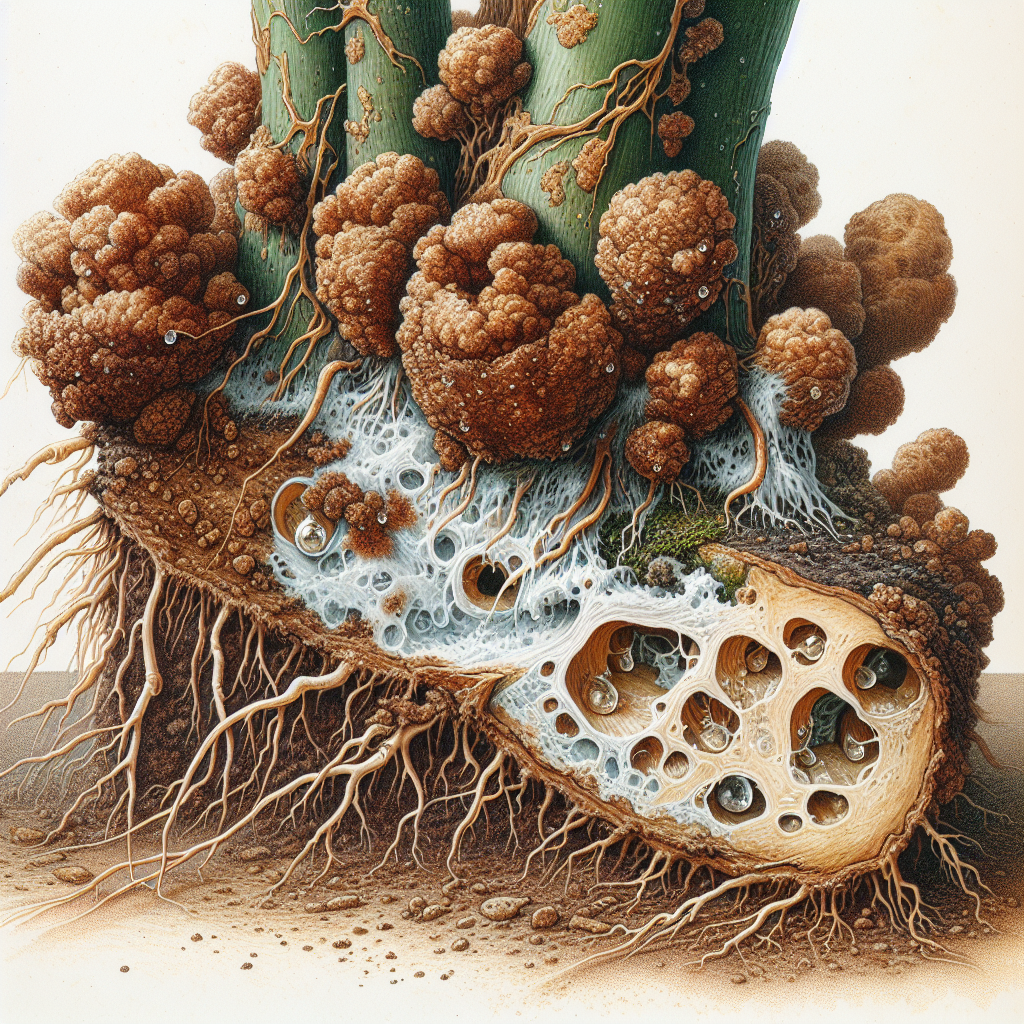
Phytophthora species
Phytophthora species are highly destructive oomycete pathogens causing root rot, crown rot, and blight in a wide range of crops, thriving in wet soils and leading to rapid plant decline. This guide provides definitive diagnostic symptoms, lifecycle details, organic management strategies, and prevention tactics for farmers facing these soilborne threats. Effective control hinges on cultural practices, resistant varieties, and environmental management to minimize losses.
View Profile
Phytophthora spp.
Phytophthora spp. are highly destructive oomycete pathogens causing root rot, crown rot, and blight in numerous crops worldwide, thriving in wet conditions and leading to rapid plant decline. This guide provides definitive diagnostic symptoms, lifecycle details, organic management strategies, and prevention tactics for farmers. Early detection and cultural practices are key to minimizing devastating losses in susceptible crops like potatoes and avocados.
View Profile