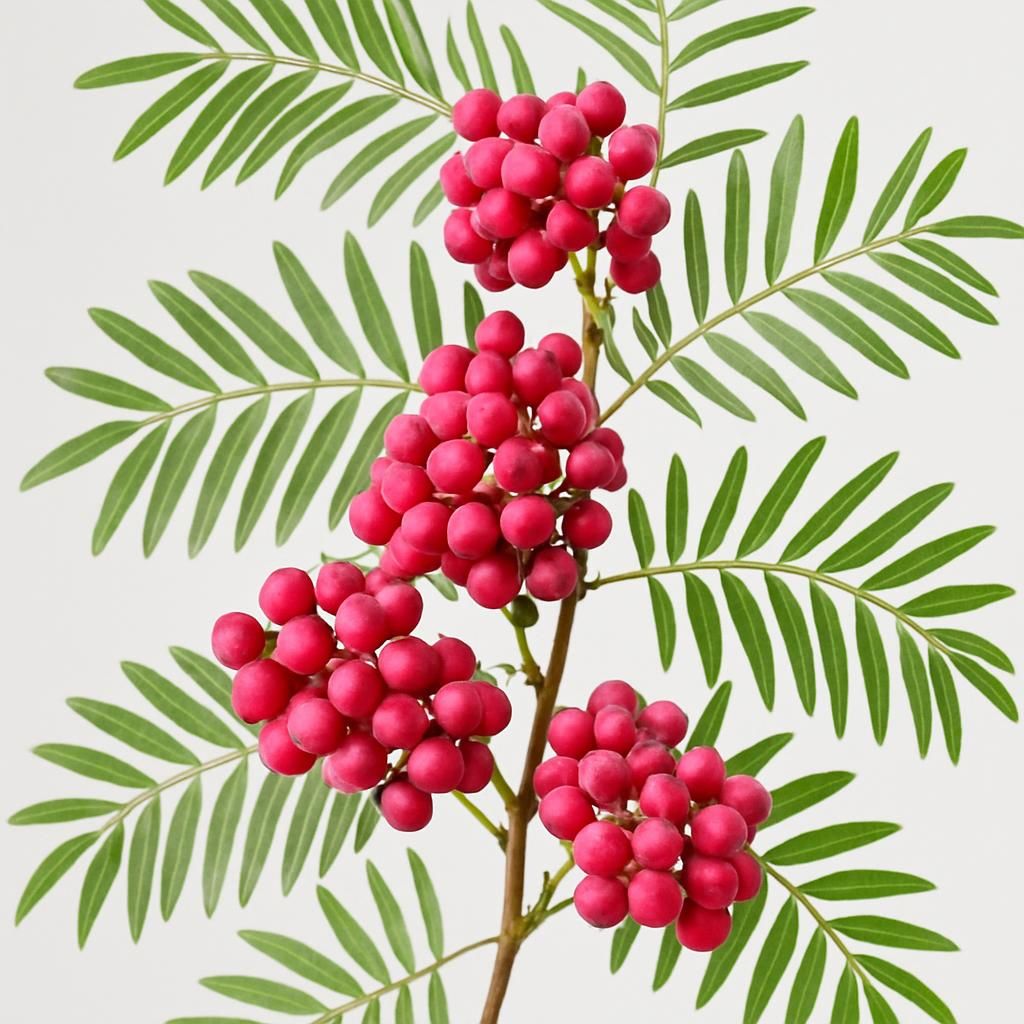
Introduction to Pink Pepper (Schinus molle)
Schinus molle is a resilient evergreen tree native to the Andes of Peru and now widely cultivated in Mediterranean, arid, and subtropical regions. The tree is prized for its clusters of small pink berries that serve as a mild, fruity alternative to black pepper. Beyond culinary applications, the species offers valuable shade, erosion control on slopes, and drought tolerance once established.
Professional growers appreciate its rapid growth rate and ability to produce harvestable berries within three to five years. The tree’s adaptability to poor soils and low water availability makes it suitable for marginal lands where other spice crops struggle. However, careful attention to spacing, pruning, and pest management is required to maintain productivity and prevent invasive tendencies in sensitive ecosystems.
Botanical Profile of Pink Pepper (Schinus molle)
Schinus molle belongs to the Anacardiaceae family, the same family as cashew and pistachio. Mature trees reach 10–15 meters in height with a broad, weeping canopy and pinnate leaves that release a distinctive resinous aroma when crushed. The small, dioecious flowers appear in spring, with female trees producing the characteristic pink drupes that ripen in late summer to autumn.
Each berry contains a single seed and is covered by a thin, papery pericarp. The essential oils responsible for the peppery flavor include α-pinene, limonene, and myrcene. Unlike true pepper (Piper nigrum), the berries of Schinus molle are less pungent and contain no piperine, making them suitable for individuals sensitive to black pepper heat.
Soil, pH, and Climate Requirements for Pink Pepper (Schinus molle)
| Parameter | Ideal Range | Notes |
|---|---|---|
| Soil Type | Sandy loam to loam, well-drained | Tolerates poor soils but not waterlogging |
| Soil pH | 6.0 – 8.0 | Slightly acidic to mildly alkaline |
| Temperature Range | 15–35 °C daytime | Frost sensitive below –5 °C |
| Annual Rainfall | 300–800 mm | Supplemental irrigation in dry periods |
| Sun Exposure | Full sun (minimum 6 hours) | Partial shade reduces berry yield |
| USDA Hardiness Zones | 8b–11 | Protect young trees in zone 8a |
The tree performs best on slopes with good air drainage to reduce humidity-related disease pressure. Heavy clay soils should be amended with coarse sand and organic matter to improve percolation.
Step-by-Step Planting & Propagation
- Site Preparation: Select a location with full sun and excellent drainage. Dig planting holes twice the width of the root ball and equal in depth.
- Soil Amendment: Incorporate 20–30% well-aged compost into native soil if organic matter is below 2%. Avoid high-nitrogen amendments that promote vegetative growth at the expense of flowering.
- Propagation from Seed: Soak cleaned seeds in warm water for 24 hours, then sow 1 cm deep in sterile seed mix. Germination occurs in 14–30 days at 20–25 °C.
- Vegetative Propagation: Take 15 cm semi-hardwood cuttings in late spring; treat with 0.3% IBA rooting hormone and maintain high humidity until rooted (6–8 weeks).
- Transplanting: Move seedlings or rooted cuttings to permanent positions when they reach 30–40 cm. Space trees 6–8 meters apart in rows 8–10 meters wide.
- Initial Irrigation: Water deeply at planting and maintain consistent moisture for the first 12 months without allowing water to pool around the trunk.
Care & Maintenance regimes for Pink Pepper (Schinus molle)
| Season | Watering Schedule | Fertilizer Application | Pruning Schedule |
|---|---|---|---|
| Spring | 20–30 L per tree weekly if no rain | Apply 200 g balanced NPK (10-10-10) per tree | Remove deadwood and shape canopy |
| Summer | 15–25 L every 10–14 days; reduce in heat | Side-dress with 100 g potassium sulfate | Light tip pruning after berry harvest |
| Autumn | Reduce to 10–15 L monthly | Apply 150 g composted manure | Structural pruning to open center |
| Winter | Minimal; only if soil is dry | None unless deficiency symptoms appear | Remove suckers and crossing branches |
Mulch with 8–10 cm of organic material in a 1-meter radius, keeping mulch 10 cm from the trunk to prevent collar rot. Monitor leaf color monthly; pale foliage indicates possible micronutrient deficiency, particularly iron on alkaline soils.
Pests, Diseases & Organic Management
Common insect pests include Aphids, Scale insects, and Spider mites. Early detection through weekly scouting allows timely intervention with horticultural oil or insecticidal soap. Mealybugs may colonize branch crotches; prune affected wood and apply neem oil at 0.5% concentration.
Fungal issues such as Phytophthora root rot and Root rot occur primarily in poorly drained soils. Improve drainage and avoid over-irrigation. Powdery mildew can appear during humid springs; sulfur-based organic fungicides provide effective control when applied at the first sign of white mycelium.
Harvesting, Curing & Optimal Storage
Berries reach optimal flavor when they turn bright pink and begin to shrivel slightly on the tree. Harvest entire clusters by hand or with pruning shears, taking care not to damage the peduncle. Spread clusters in a single layer on screens in a shaded, well-ventilated area for 5–7 days until moisture content drops below 12%.
Store cured berries in airtight glass containers away from light and heat. Properly dried pink pepper retains aroma for up to 18 months. For longer storage, vacuum-seal and freeze at –18 °C.
Companion Planting for Pink Pepper (Schinus molle)
Pink pepper trees integrate well with drought-tolerant companions such as Rosemary, Thyme, and Lavender. These aromatic herbs improve biodiversity and may deter certain insect pests. Leguminous ground covers like Clover can be sown in alleyways to fix nitrogen and reduce soil erosion between tree rows.
Avoid planting moisture-loving crops such as Rice or Banana in close proximity, as their irrigation requirements conflict with the dry-farming preference of Schinus molle. Strategic placement near Nasturtium can provide additional aphid suppression through trap-cropping effects.