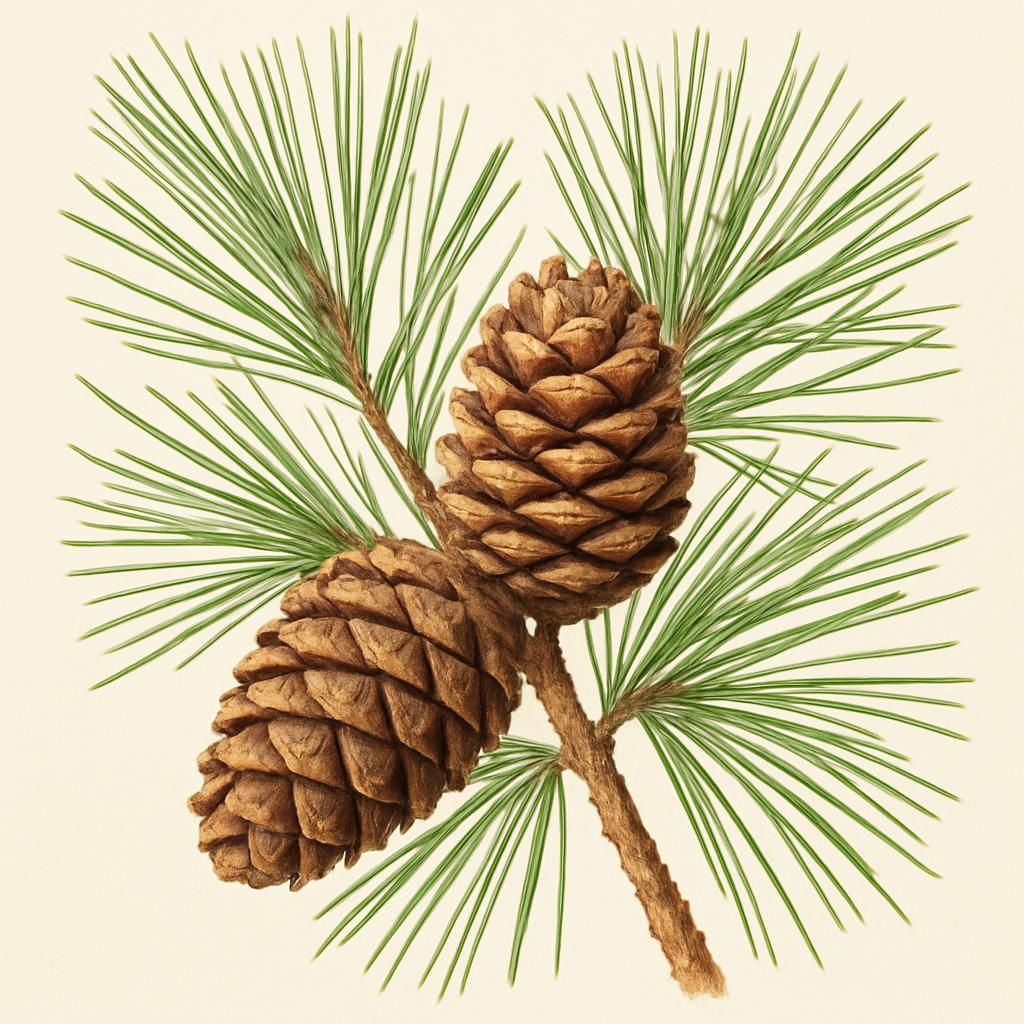
Introduction to Pine Nut (Pinus koraiensis - Korean)
Korean pine, scientifically known as Pinus koraiensis, is one of the most important nut-producing conifers in temperate regions. Its large, creamy seeds are prized worldwide for culinary uses ranging from pesto to traditional desserts. Unlike faster-maturing nut trees such as Almond or Pecan, Korean pine requires patience but rewards growers with decades of production once established.
Commercial interest in Pinus koraiensis has grown because the nuts command premium prices and the trees also provide valuable timber and resin. Home gardeners appreciate the species for its ornamental value, wildlife habitat, and long-term food security. Successful cultivation demands attention to site selection, soil preparation, and multi-year maintenance schedules.
This guide delivers professional-grade, practical advice for establishing and managing Korean pine plantations or backyard orchards. Every section emphasizes sustainable practices, integrated pest management, and realistic yield expectations.
Botanical Profile of Pine Nut (Pinus koraiensis - Korean)
Pinus koraiensis is an evergreen conifer belonging to the Pinaceae family. Mature trees reach 30–50 meters in height with a straight trunk and broad, pyramidal crown. Needles grow in fascicles of five, each 7–12 cm long, and persist for three to four years.
Female cones are ovoid, 8–17 cm long, and take two growing seasons to mature. Each cone contains 80–150 large, wingless seeds. The edible kernel is rich in fats, protein, and vitamin E. Male cones are smaller, yellowish, and produce abundant wind-borne pollen in spring.
The species is native to the mountains of Korea, northeastern China, and far-eastern Russia. It is cold-hardy to USDA zone 3 and tolerates a wide range of soil textures provided drainage is excellent. Growth is relatively slow during the first decade, then accelerates once the root system is established.
Soil, pH, and Climate Requirements for Pine Nut (Pinus koraiensis - Korean)
Korean pine thrives in well-drained, fertile soils with moderate fertility. Heavy clay or waterlogged sites must be avoided or improved with raised beds and drainage tiles. The tree prefers slightly acidic to neutral conditions but tolerates mildly alkaline soils.
Temperature requirements are cool winters and warm summers. Annual precipitation of 600–1200 mm supports good growth; supplemental irrigation is beneficial during prolonged dry spells, especially for young trees. Full sun exposure maximizes cone production.
| Parameter | Ideal Range | Notes |
|---|---|---|
| Soil Type | Sandy loam to loam | Good structure and aeration |
| Soil pH | 5.5 – 7.0 | Tolerates 5.0 – 7.5 |
| Drainage | Excellent | Raised beds or tiles on heavy soils |
| USDA Hardiness | Zones 3 – 7 | Protect young trees from late spring frost |
| Temperature Range | -40 °C to 30 °C | Requires 800–1200 chilling hours |
| Annual Rainfall | 600 – 1200 mm | Supplemental water in first 5 years |
| Sunlight | Full sun (6+ hours) | Partial shade reduces cone set |
| Elevation | 200 – 1500 m | Higher elevations improve nut quality |
Step-by-Step Planting & Propagation
Korean pine is almost exclusively propagated from seed because grafting success is low. Collect ripe cones in autumn when scales begin to open. Extract seeds, remove wings, and stratify for 90–120 days at 2–5 °C to break dormancy.
Sow stratified seeds in early spring in well-prepared nursery beds or deep containers. Use a sterile, well-drained medium of 50 % pine bark and 50 % perlite. Maintain temperatures of 15–20 °C and keep medium moist but never waterlogged. Germination occurs in 3–6 weeks.
Transplant seedlings at 1–2 years old into permanent sites spaced 6–8 m apart in rows 8–10 m wide. Dig planting holes twice the root-ball diameter and backfill with native soil amended with aged compost. Stake young trees and install tree guards against rodent damage. Mulch the root zone with 10–15 cm of wood chips, keeping mulch 10 cm away from the trunk.
Care & Maintenance regimes for Pine Nut (Pinus koraiensis - Korean)
Young trees require consistent moisture during the first five years. Established trees are moderately drought tolerant but benefit from deep watering during cone development. Fertilizer applications should be modest; excess nitrogen promotes vegetative growth at the expense of cones.
Pruning focuses on removing dead or crossing branches and maintaining a single leader. Perform structural pruning in late winter before bud break. Cone-bearing branches should never be removed unless diseased.
| Season | Watering Schedule | Fertilizer Application | Pruning Activity |
|---|---|---|---|
| Spring | 20–30 L/week for trees <5 yr | 10-10-10 NPK at 50 g/m² canopy area | Remove deadwood and shape leader |
| Summer | Deep soak every 10–14 days | Side-dress compost or aged manure | Light thinning of interior branches |
| Autumn | Reduce to encourage hardening | Optional potassium-rich fertilizer | None unless storm damage occurs |
| Winter | None unless soil is dry | None | Dormant structural pruning |
Pests, Diseases & Organic Management
Korean pine faces fewer pest pressures than many fruit trees, but several insects and pathogens require monitoring. Aphids and Spider mites can colonize needles during hot, dry periods. Scale insects occasionally infest branches.
Fungal diseases include needle cast (Lophodermium spp.) and Root rot caused by Phytophthora in poorly drained soils. Squirrels and birds may damage ripening cones. Integrated management begins with site selection and cultural practices.
Organic controls include horticultural oil sprays for scale and mites, and neem-based products for aphids. Improve airflow through proper spacing and remove infected needles in autumn. Beneficial nematodes can suppress soil-dwelling pests. Regular scouting allows early intervention before populations reach damaging levels.
Harvesting, Curing & Optimal Storage
Korean pine begins producing cones at 15–20 years of age under good conditions. Cones ripen in September–October; collect them when scales start to open but before seeds fall. Wear gloves to avoid resin.
Spread cones in a single layer in a warm, dry, well-ventilated area for 2–4 weeks until scales fully open. Shake or flail to release seeds, then separate debris using screens and air. Dry seeds to 8–10 % moisture content.
Store unshelled nuts in cool, dry conditions (0–5 °C, <60 % RH) for up to two years. Shelled kernels are best vacuum-packed and frozen at –18 °C to preserve oils and flavor. Label batches with harvest date for inventory rotation.
Companion Planting for Pine Nut (Pinus koraiensis - Korean)
Korean pine pairs well with deep-rooted legumes such as Clover or Hairy vetch that fix nitrogen and improve soil structure. Understory planting of shade-tolerant herbs like Thyme or Yarrow can suppress weeds and attract beneficial insects.
Avoid planting shallow-rooted vegetables or heavy feeders directly under the canopy once trees mature. Interplanting with Nasturtium provides aphid-trapping sacrificial plants. Windbreaks of other conifers can protect young pine stands from desiccation.
Successful companion strategies emphasize biodiversity, soil health, and reduced competition for water and nutrients during the critical establishment phase.