Encyclopedia
Definitive guides for crops, pests, and agricultural diseases.
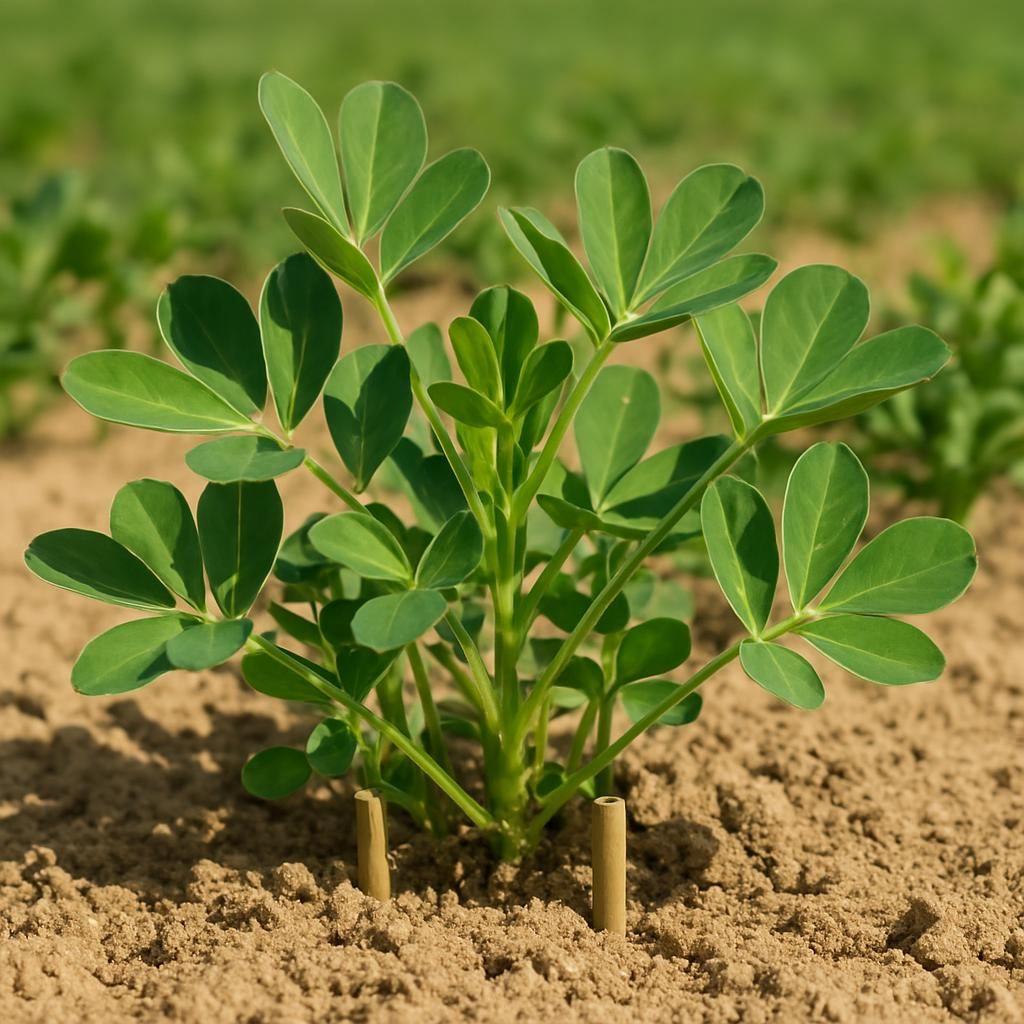
Peanut (Spanish)
Spanish peanuts are compact, early-maturing varieties prized for their high oil content and sweet flavor. This definitive guide covers every stage from soil preparation through curing and storage to deliver professional-grade yields.
View Guide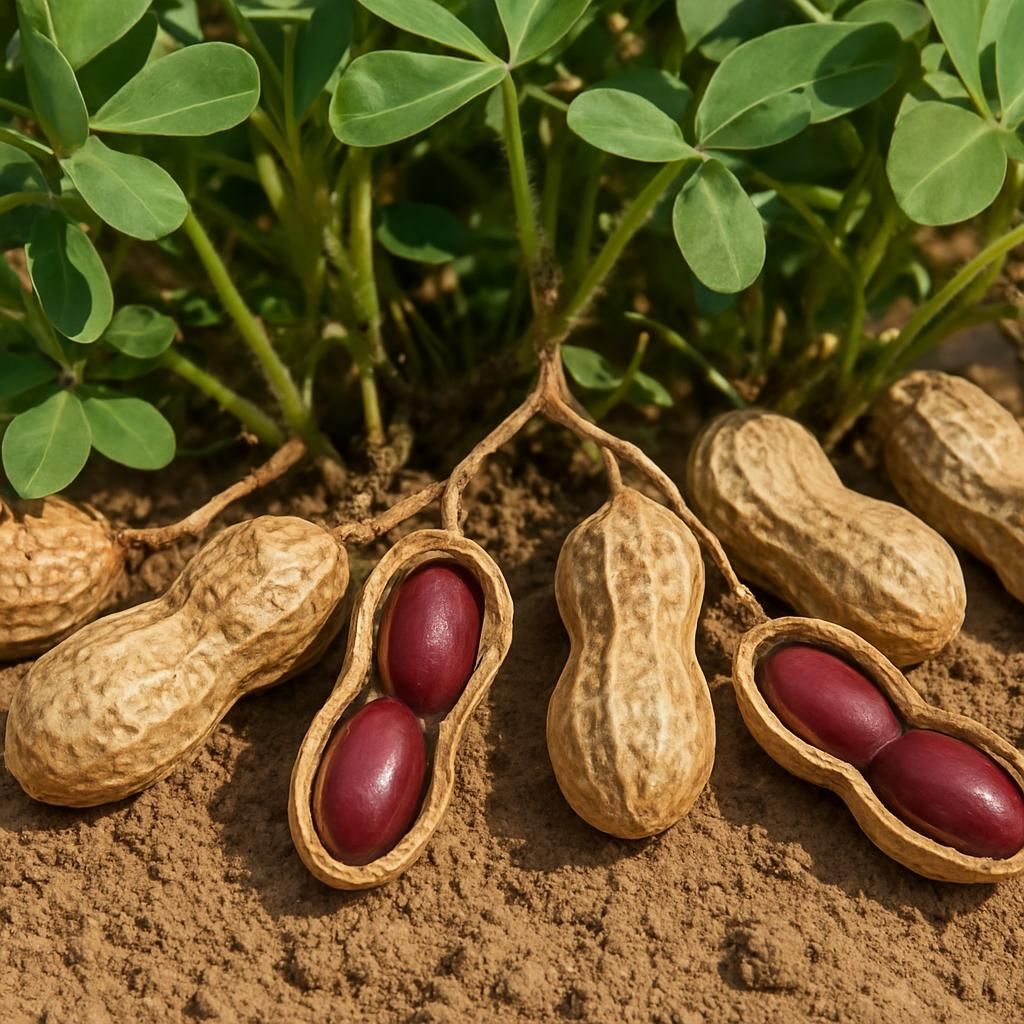
Peanut (Tennessee Red)
Tennessee Red is a classic Virginia-type peanut prized for its deep red seed coats, large kernels, and rich flavor. This guide delivers comprehensive, research-backed instructions for soil prep, planting, irrigation, fertility, pest management, harvesting, curing, and storage to help growers achieve consistent commercial-grade yields.
View Guide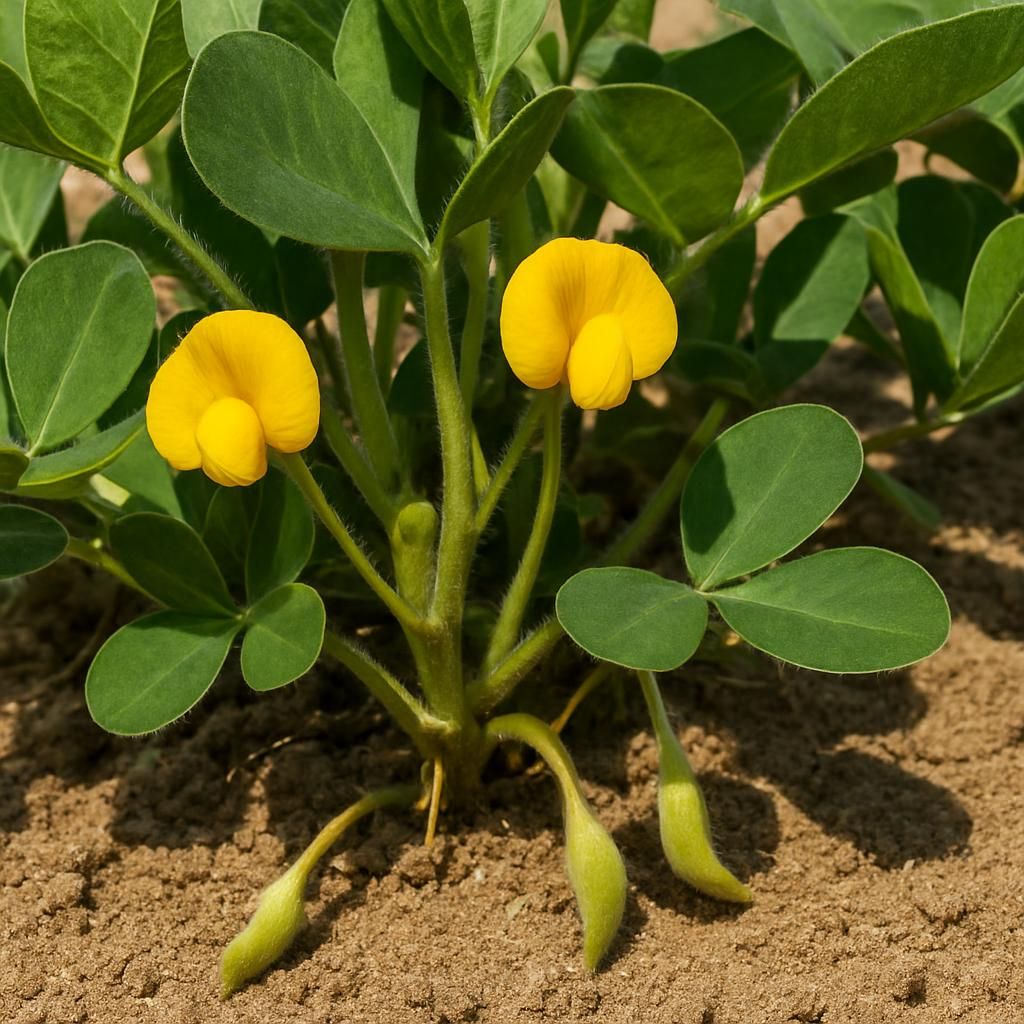
Peanut (Valencia)
Valencia peanuts are a fast-maturing, multi-kernel variety prized for their sweet flavor and high oil content. This guide covers soil preparation, planting schedules, organic pest control, and curing techniques for reliable commercial and home yields.
View Guide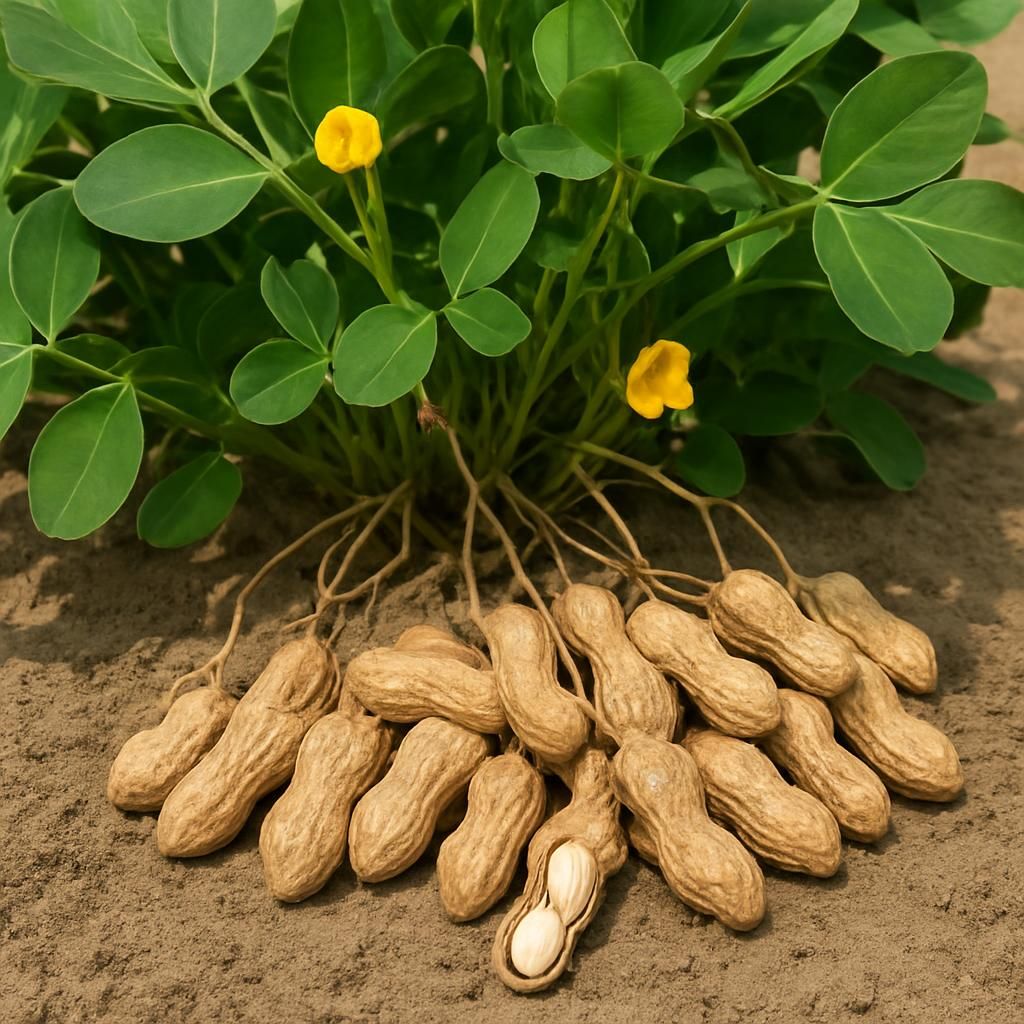
Peanut (Virginia Jumbo)
Virginia Jumbo peanuts are a large-podded, high-yielding runner-type variety prized for their bold flavor and extra-large kernels. This guide delivers professional-grade, field-tested advice for successful commercial and home-scale production.
View Guide
Peanuts
Peanuts are a warm-season legume grown for their nutrient-dense underground pods, combining the nitrogen-fixing benefits of pulses with the management needs of a root and pod crop. Successful peanut production depends on loose, well-drained soil, steady moisture during flowering and pegging, and careful harvest timing to maximize kernel fill, flavor, and storage life.
View Guide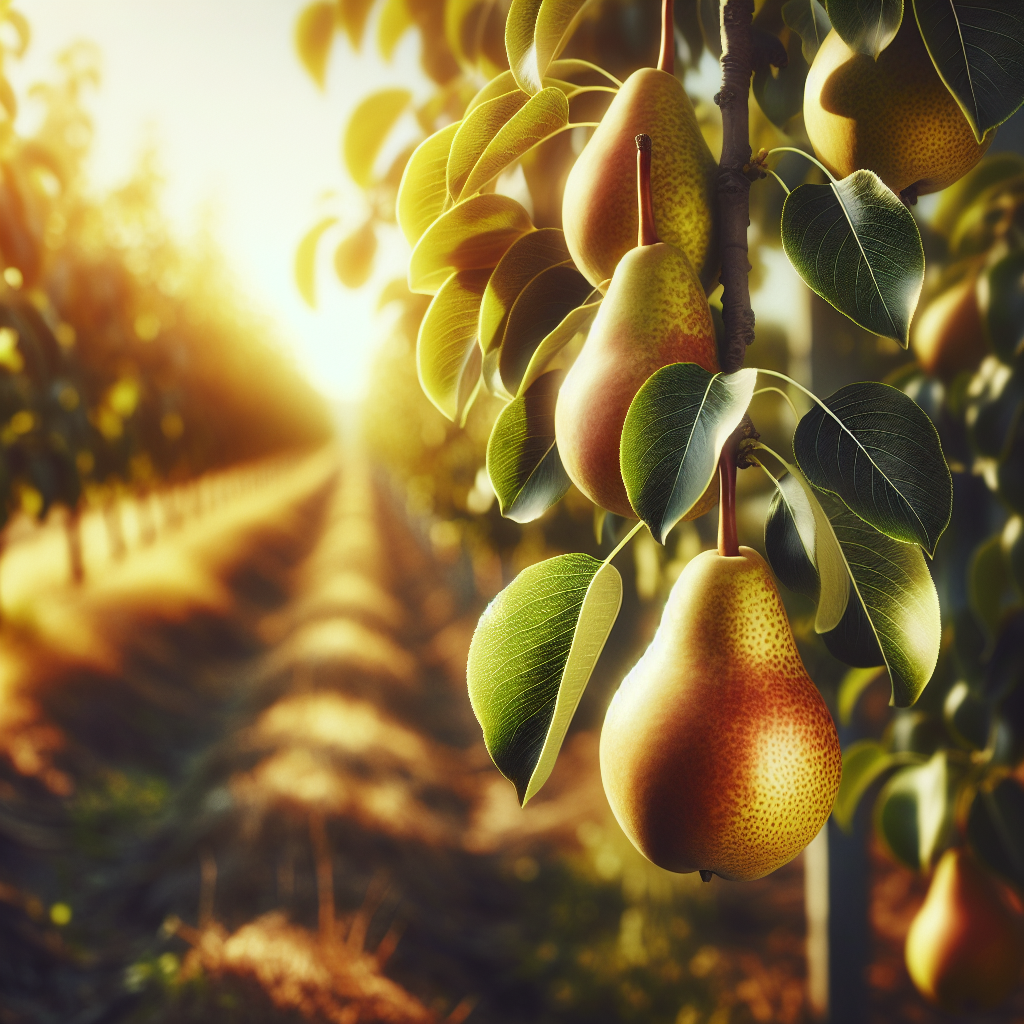
Pear
Pear is a long-lived temperate fruit tree valued for its aromatic, buttery fruit, broad adaptability, and reliable production when matched to the right chill hours and pollination partners. Successful pear growing depends on careful site selection, disciplined pruning, balanced nutrition, and proactive disease management, especially for fire blight and scab.
View Guide
pear psylla
Pear psylla (Cacopsylla pyricola) is a pervasive sap-feeding pest that severely impacts pear orchards by causing honeydew excretion, sooty mold, and premature leaf drop. Effective management requires vigilant monitoring, organic treatments like insecticidal soaps, and cultural practices to disrupt its multivoltine lifecycle. This guide provides comprehensive diagnostics, organic controls, and prevention strategies for sustainable pear production.
View Profile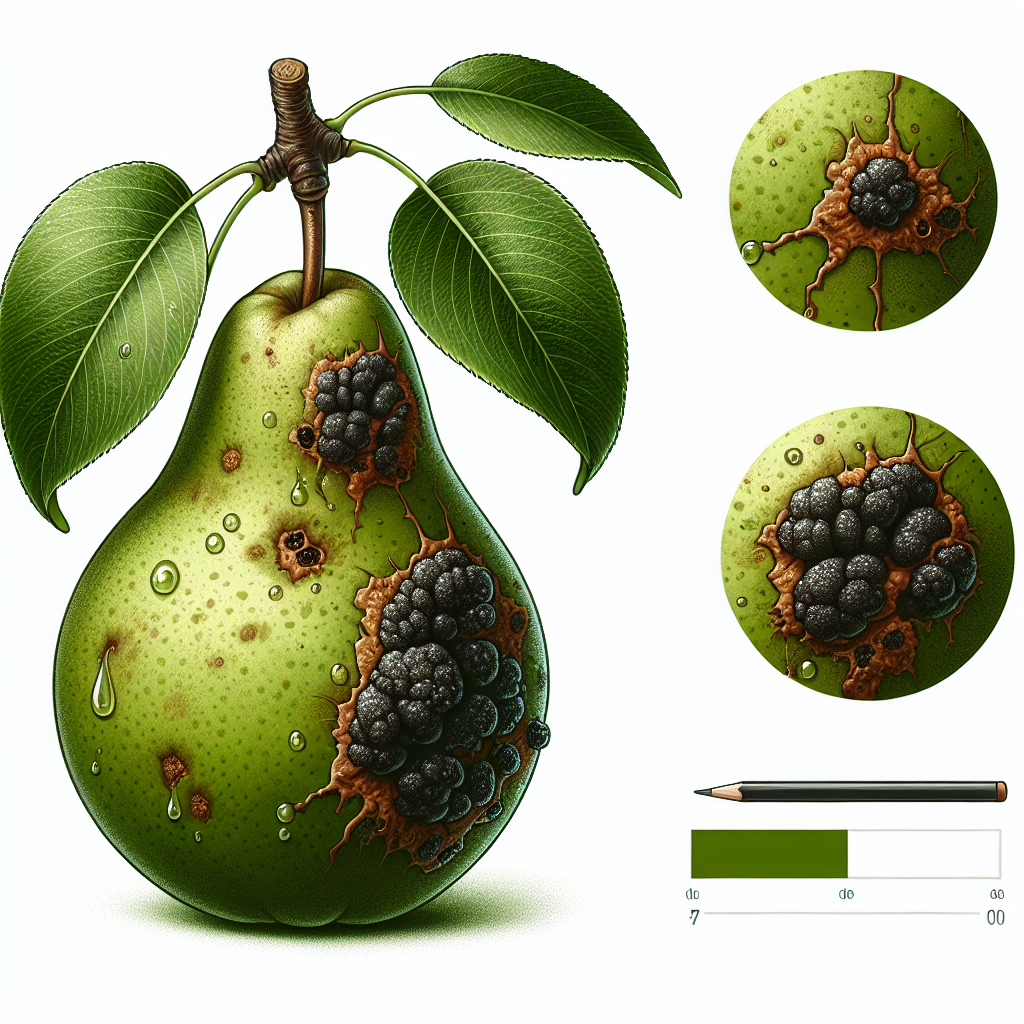
pear scab
Pear scab, caused by the fungus Venturia pirina, is a widespread disease affecting pear trees, leading to scab-like lesions on leaves, fruits, and twigs that reduce yield and quality. It thrives in cool, wet conditions and can be managed through resistant varieties, cultural practices, and organic fungicides. Early detection and prevention are key to protecting [Pear](/wiki/pear) crops from significant losses.
View Profile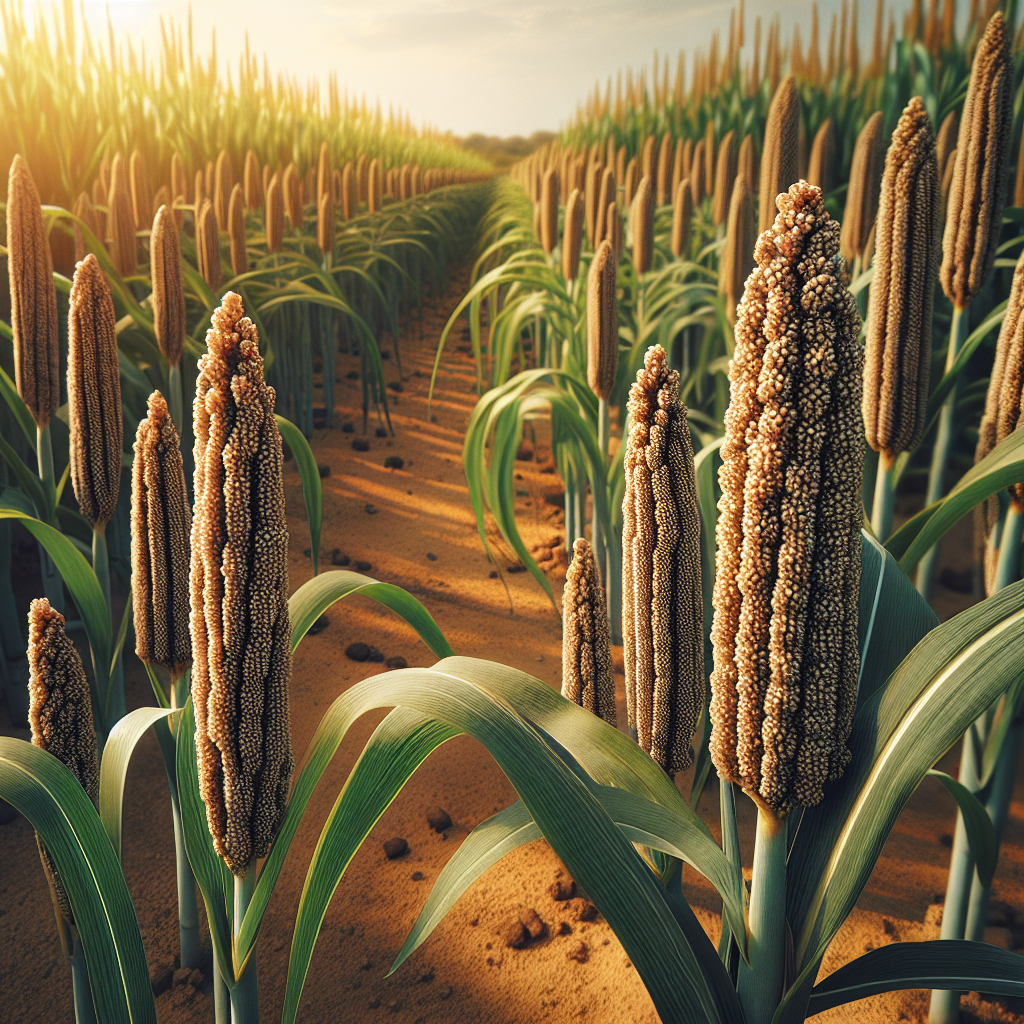
Pearl Millet
Pearl millet is one of the world’s most heat- and drought-tolerant cereal crops, prized for dependable grain and fodder production where rainfall is low and soils are poor. It grows rapidly in hot weather, performs well in sandy to moderately fertile soils, and is a cornerstone crop across arid and semi-arid regions of Africa and South Asia.
View Guide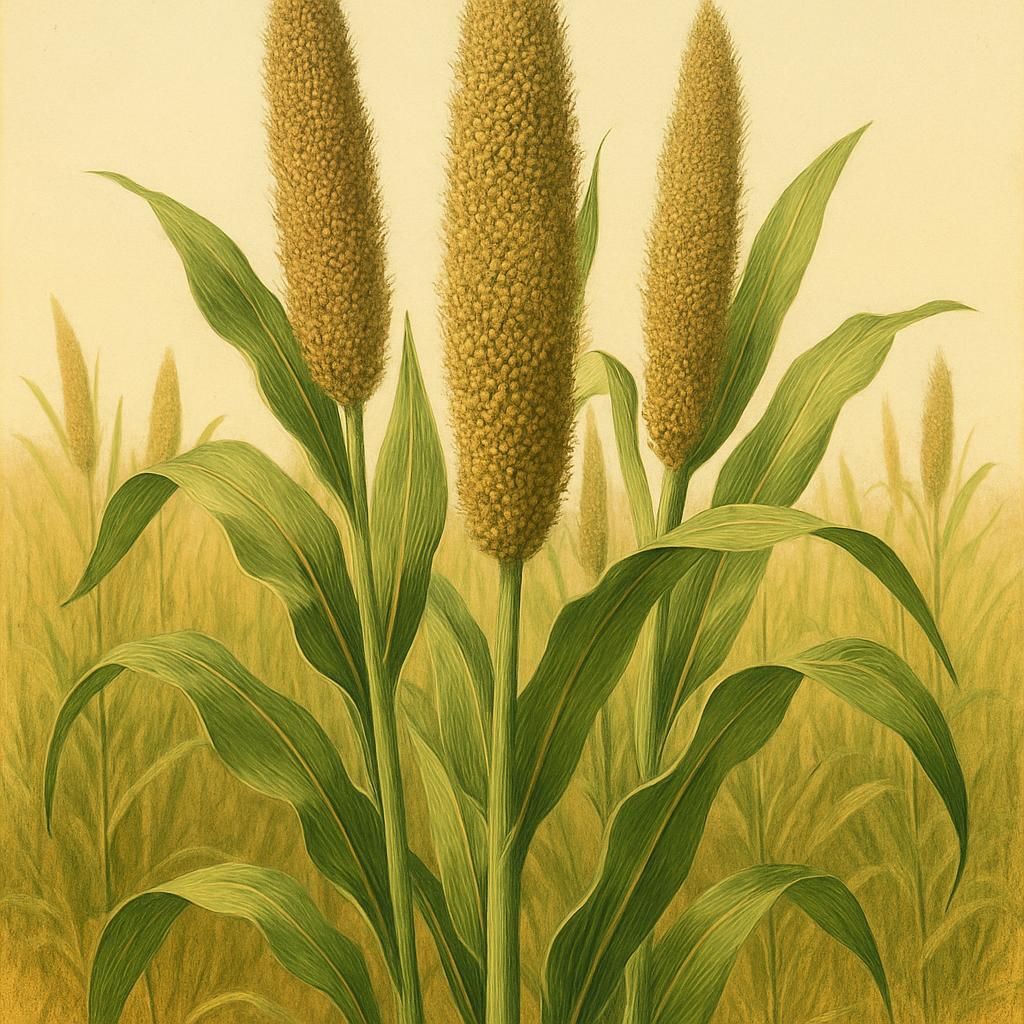
Pearl Millet (Bajra - ICTP 8203)
Pearl Millet, also known as Bajra, is a staple grain in arid regions due to its drought resilience. The variety ICTP 8203 is high-yielding, early maturing, and ideal for dryland agriculture.
View Guide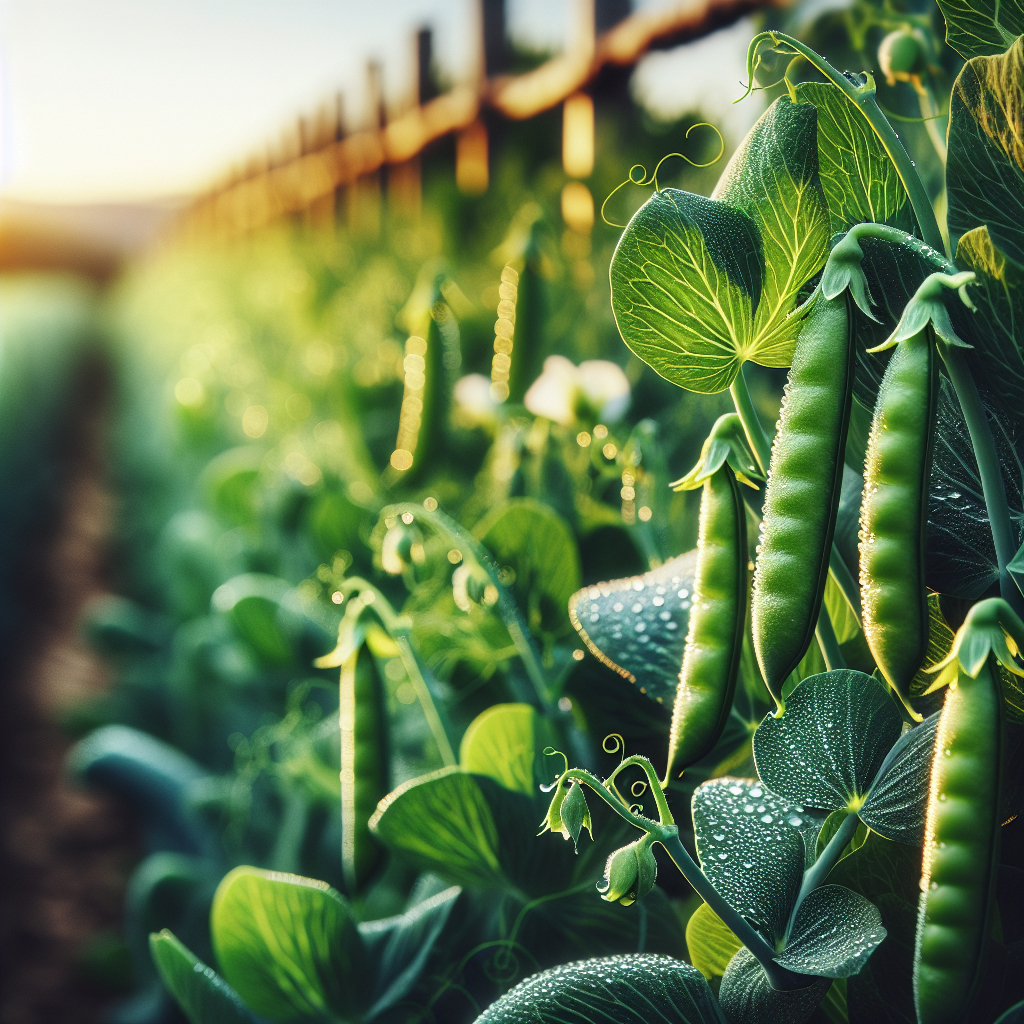
Peas
Peas are one of the most dependable cool-season legume crops, valued for their sweet pods, tender shoots, and nitrogen-fixing ability. With the right sowing window, well-drained fertile soil, and careful moisture management, peas can deliver high-quality yields in home gardens, market gardens, and field-scale systems.
View Guide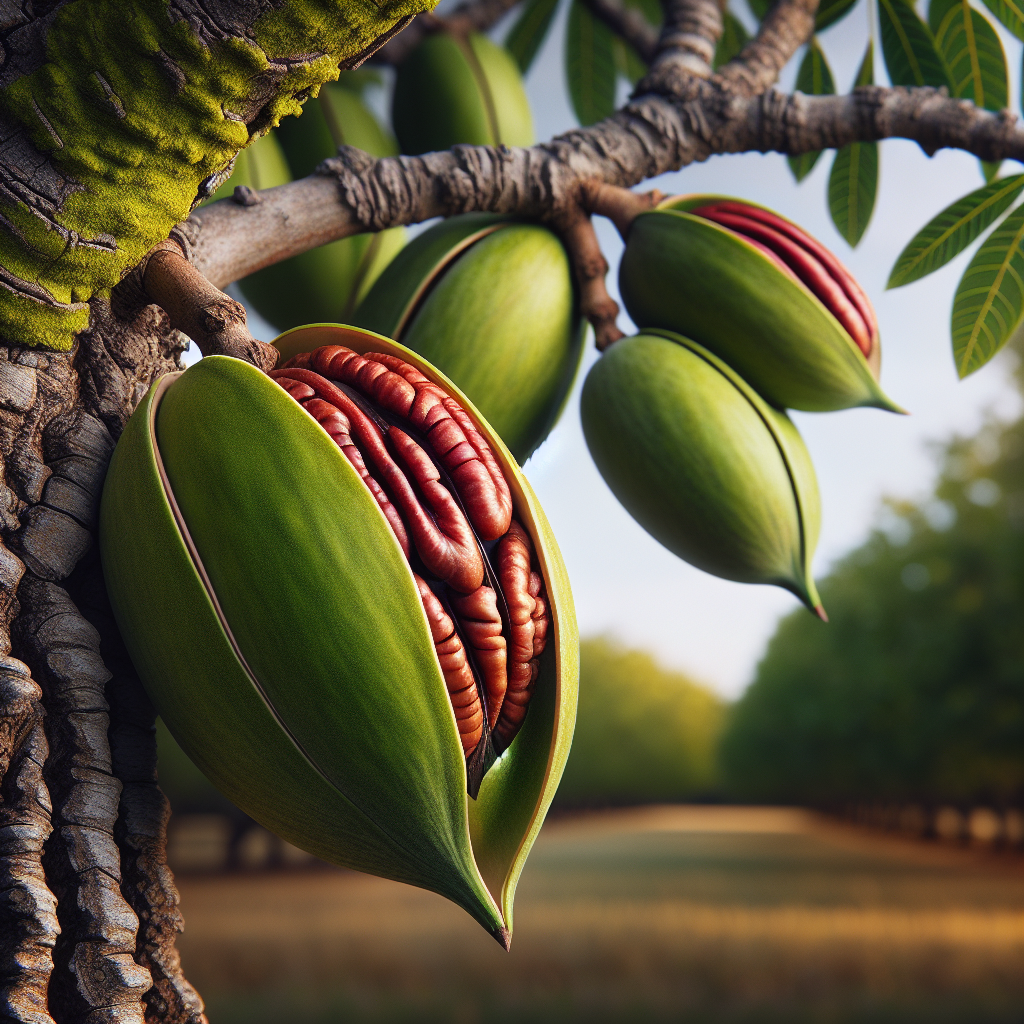
Pecan
Pecan is a long-lived deciduous nut tree native to North America and prized for its rich, buttery kernels and valuable timber. It is a high-investment orchard crop that rewards careful site selection, pollination planning, irrigation management, and disease control with decades of productive harvests.
View Guide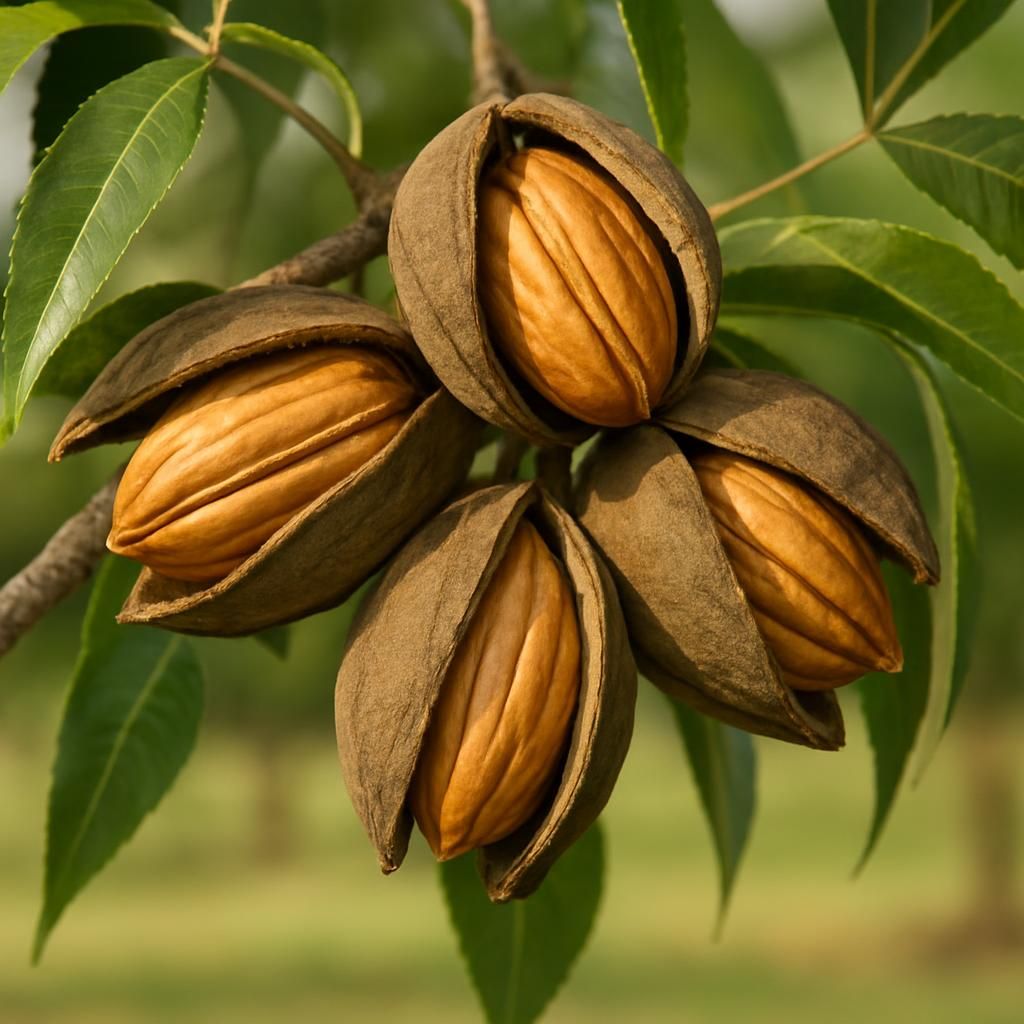
Pecan (Caddo)
Caddo is a high-yielding, early-maturing pecan cultivar prized for its medium-sized, thin-shelled nuts and strong scab resistance. It performs well in the southeastern and south-central United States and offers growers reliable production with moderate management inputs. This guide covers every stage from site selection through harvest and storage.
View Guide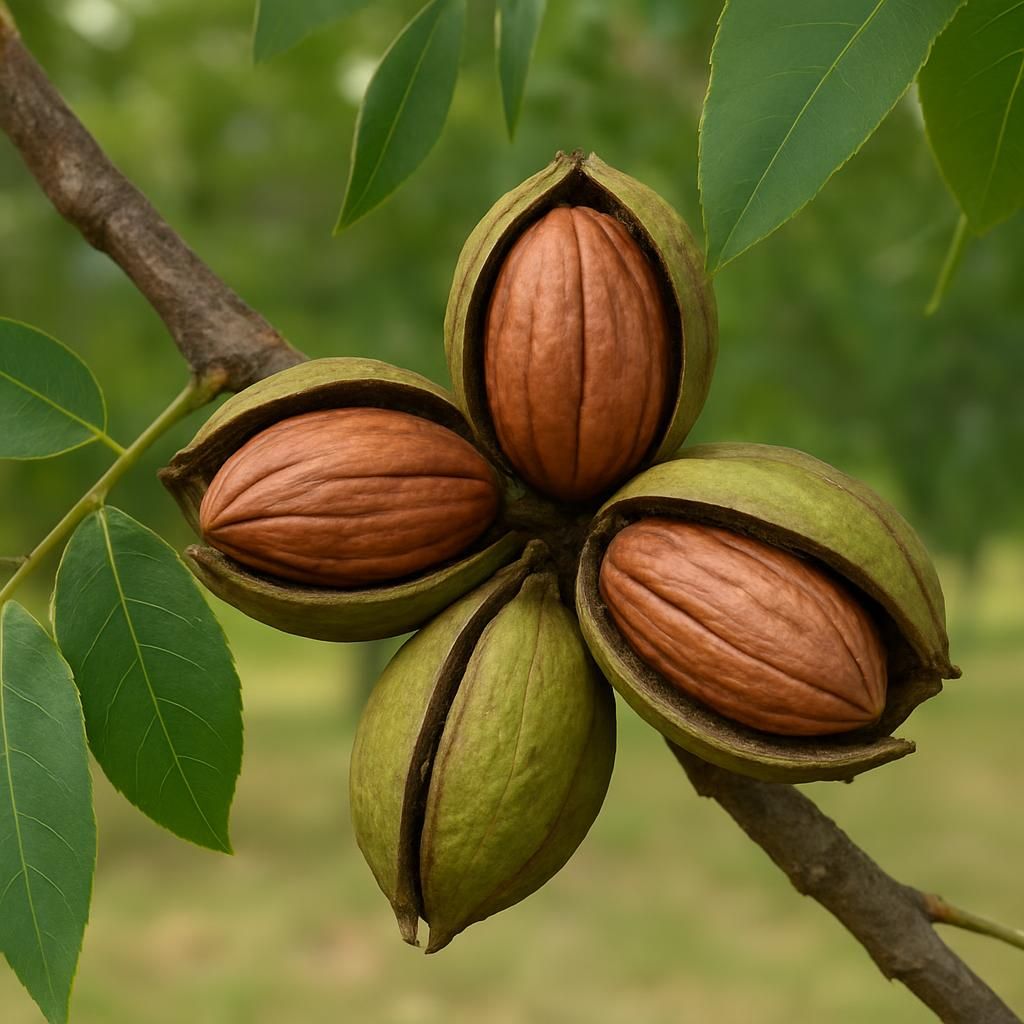
Pecan (Cape Fear)
Cape Fear is a high-yielding, scab-resistant pecan cultivar prized for its large nuts and reliable performance across the southeastern United States. This guide delivers professional-grade, practical advice on soil, climate, planting, care, pest management, harvest, and companion strategies for commercial and home growers.
View Guide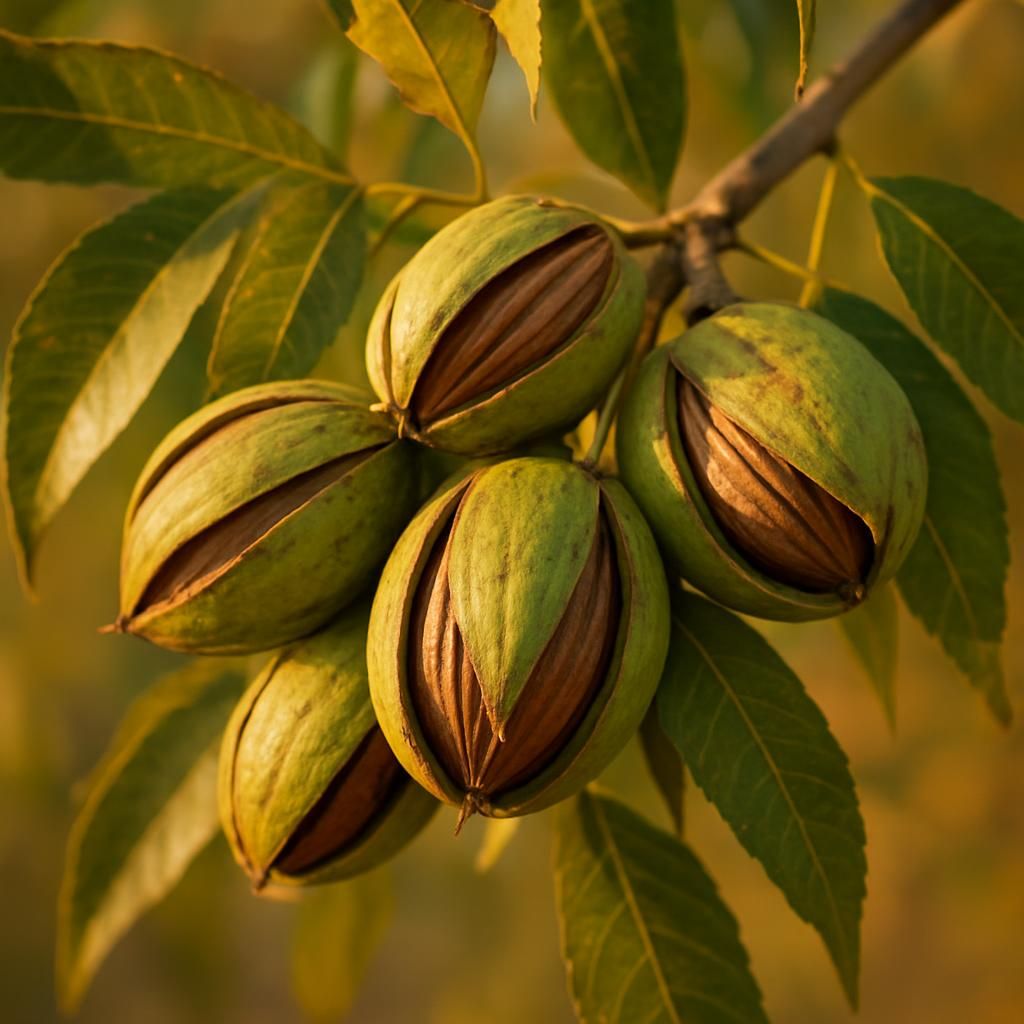
Pecan (Desirable)
Desirable is a high-yielding, scab-resistant pecan cultivar prized by commercial growers and home orchardists for its large nuts and consistent production. This guide delivers professional-grade, region-specific advice on soil, climate, planting, irrigation, nutrition, pest management, and post-harvest handling to maximize yields and nut quality.
View Guide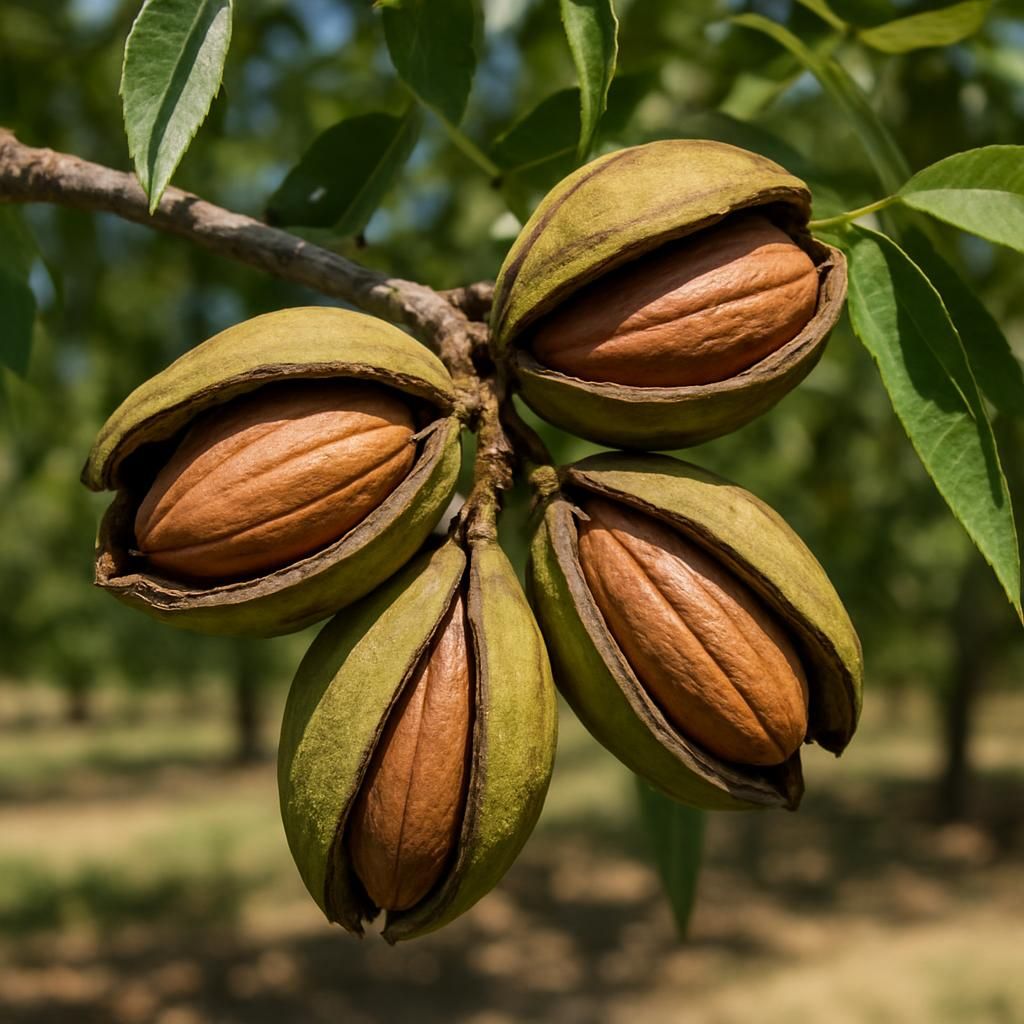
Pecan (Elliott)
Elliott is a compact, early-maturing pecan cultivar prized for its thin shells, high kernel percentage, and reliable production in the southeastern United States. It delivers excellent flavor and cracking ease, making it a top choice for both commercial orchards and home growers seeking consistent yields with moderate management.
View Guide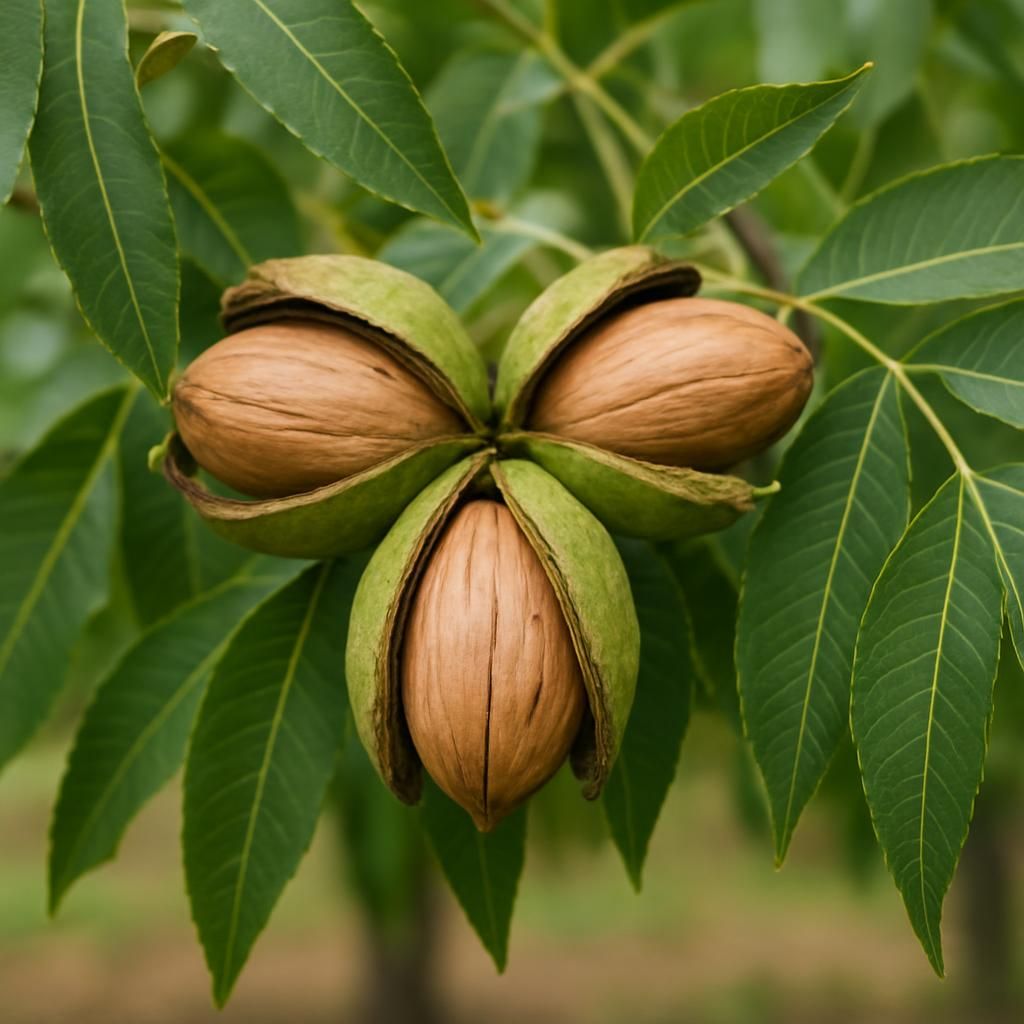
Pecan (Kiowa)
Kiowa is a high-yielding, scab-resistant pecan cultivar prized for its large kernels and reliable production in warm climates. This guide delivers professional-grade advice on soil, planting, irrigation, nutrition, pest control, and harvest for commercial and home growers alike.
View Guide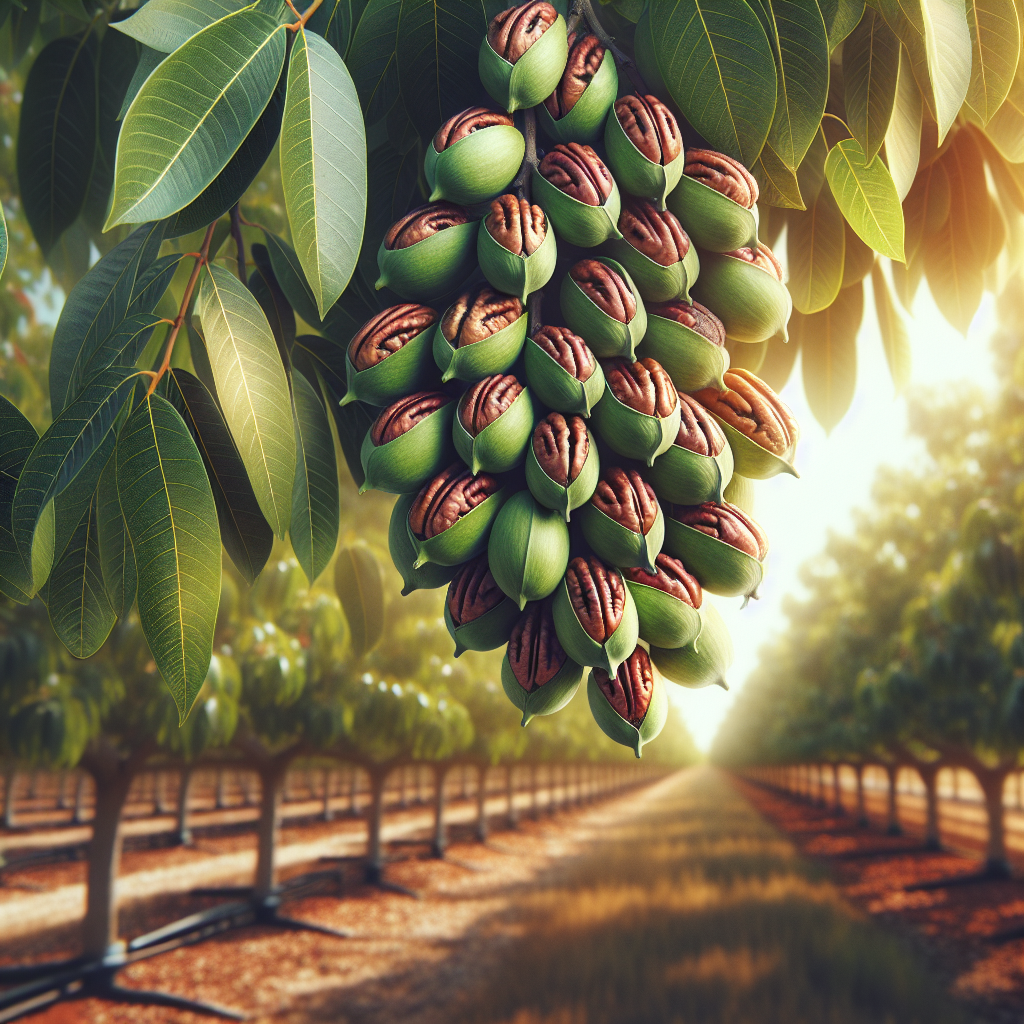
Pecan (Pawnee)
Pecan 'Pawnee' is a widely planted early-maturing cultivar valued for large nuts, attractive kernel color, precocity, and reliable productivity in well-managed orchards. It is especially important in commercial systems where an early harvest window, strong market appeal, and adaptation to warm temperate pecan-growing regions make it a profitable choice.
View Guide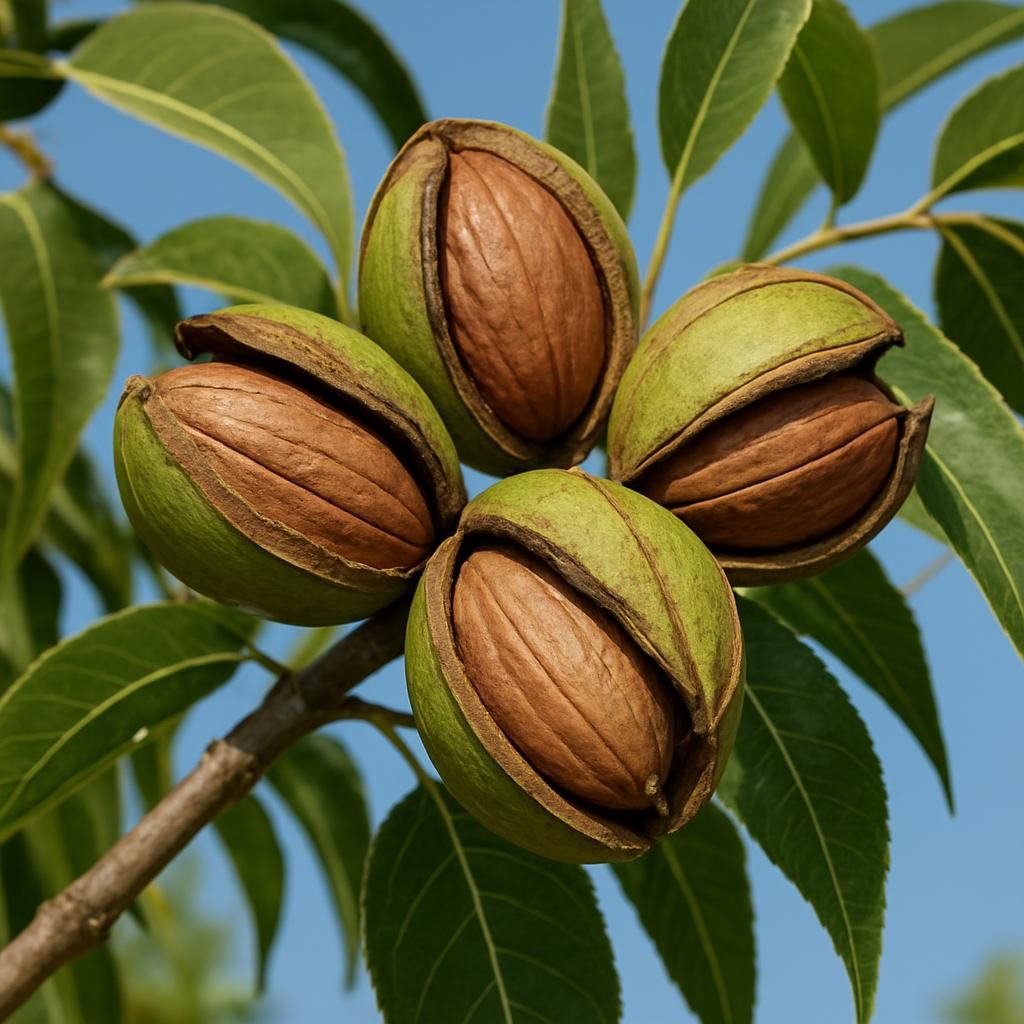
Pecan (Stuart)
The Stuart pecan is a leading commercial cultivar prized for its large nuts, strong tree vigor, and reliable production across the southeastern United States. This definitive growing guide covers climate and soil needs, planting techniques, fertilization, irrigation, pest and disease management, harvesting, and companion planting strategies for long-term orchard success.
View Guide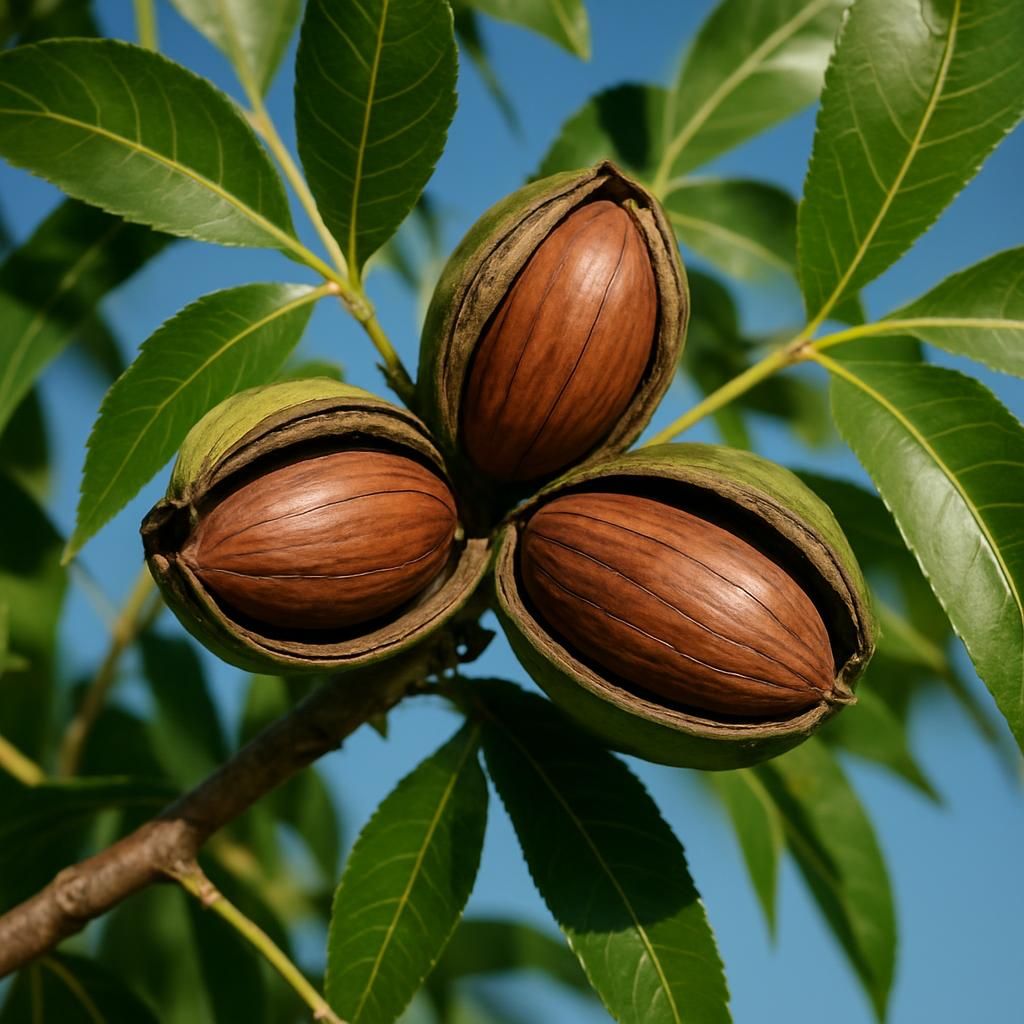
Pecan (Sumner)
The Sumner pecan is a high-yielding, scab-resistant cultivar prized by commercial and home growers for its large nuts and reliable performance in the southeastern United States. It combines vigorous growth with excellent kernel quality, making it a top choice for both orchard expansion and backyard plantings. With proper management, Sumner trees deliver consistent harvests and strong market value.
View Guide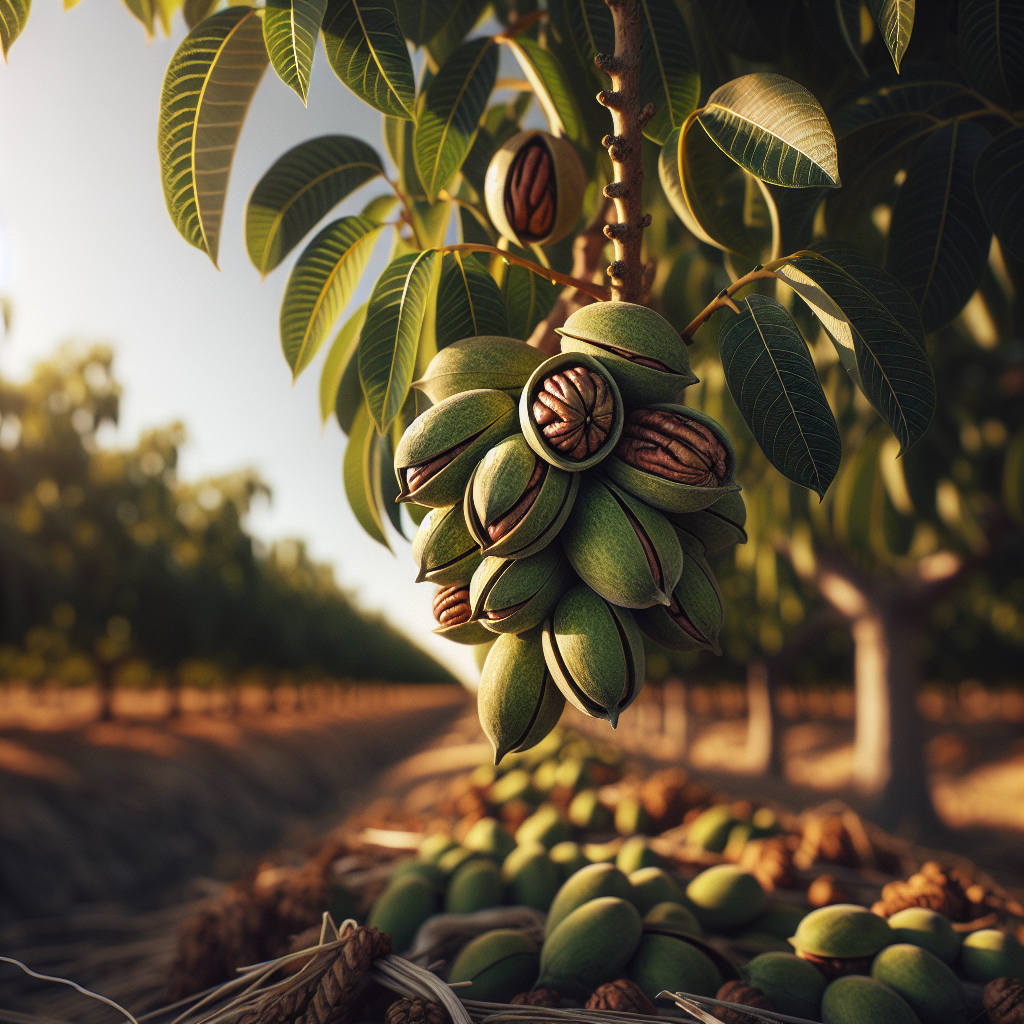
Pecan (Western Schley)
Pecan 'Western Schley' is a classic paper-shell pecan cultivar valued in arid and semi-arid production regions for its excellent kernel quality, high shelling percentage, and attractive nut appearance. It performs best under long, hot growing seasons with dependable irrigation, careful zinc nutrition, and strong disease and pollination management.
View Guide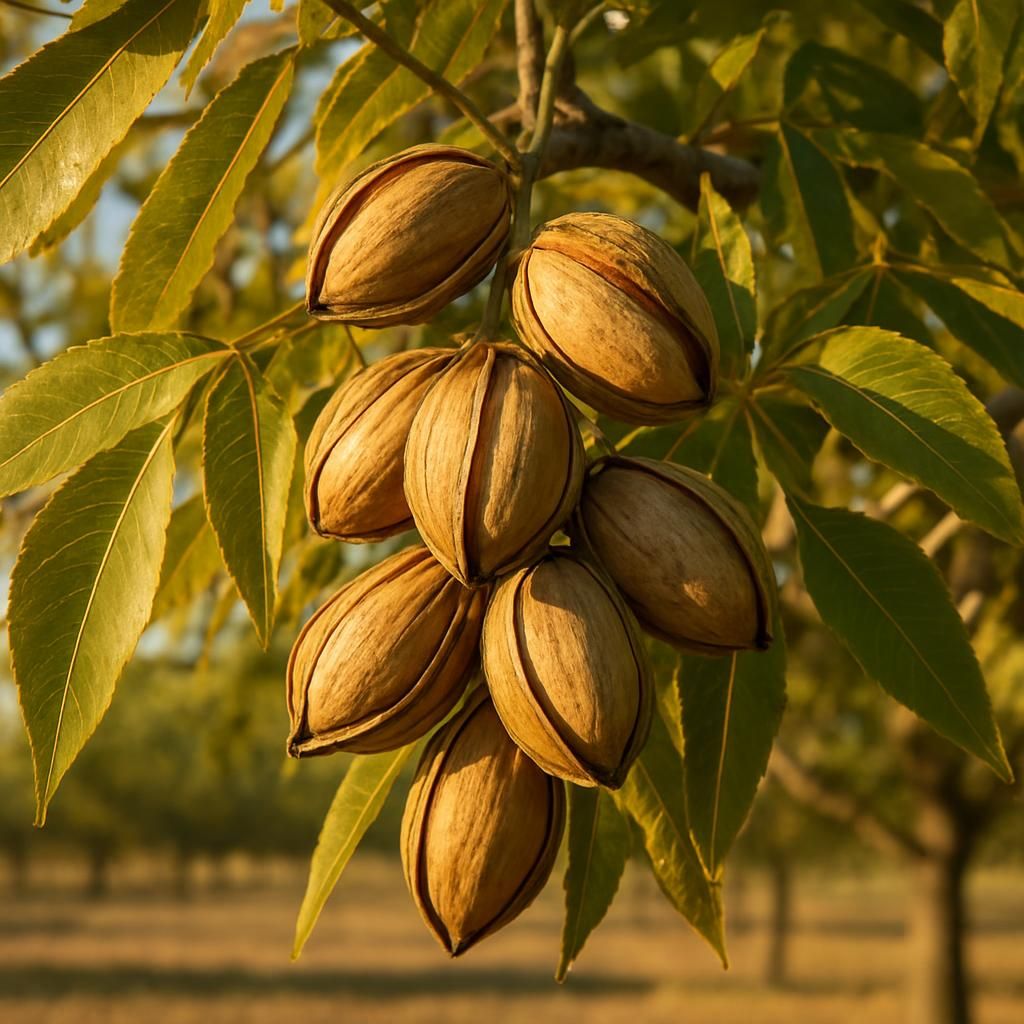
Pecan (Wichita)
The Wichita pecan is a high-yielding, scab-resistant cultivar prized for its large nuts and consistent performance in commercial orchards. It requires long, hot summers and deep, well-drained soils to reach full production potential. Proper irrigation, fertilization, and integrated pest management are essential for maximizing nut quality and tree longevity.
View Guide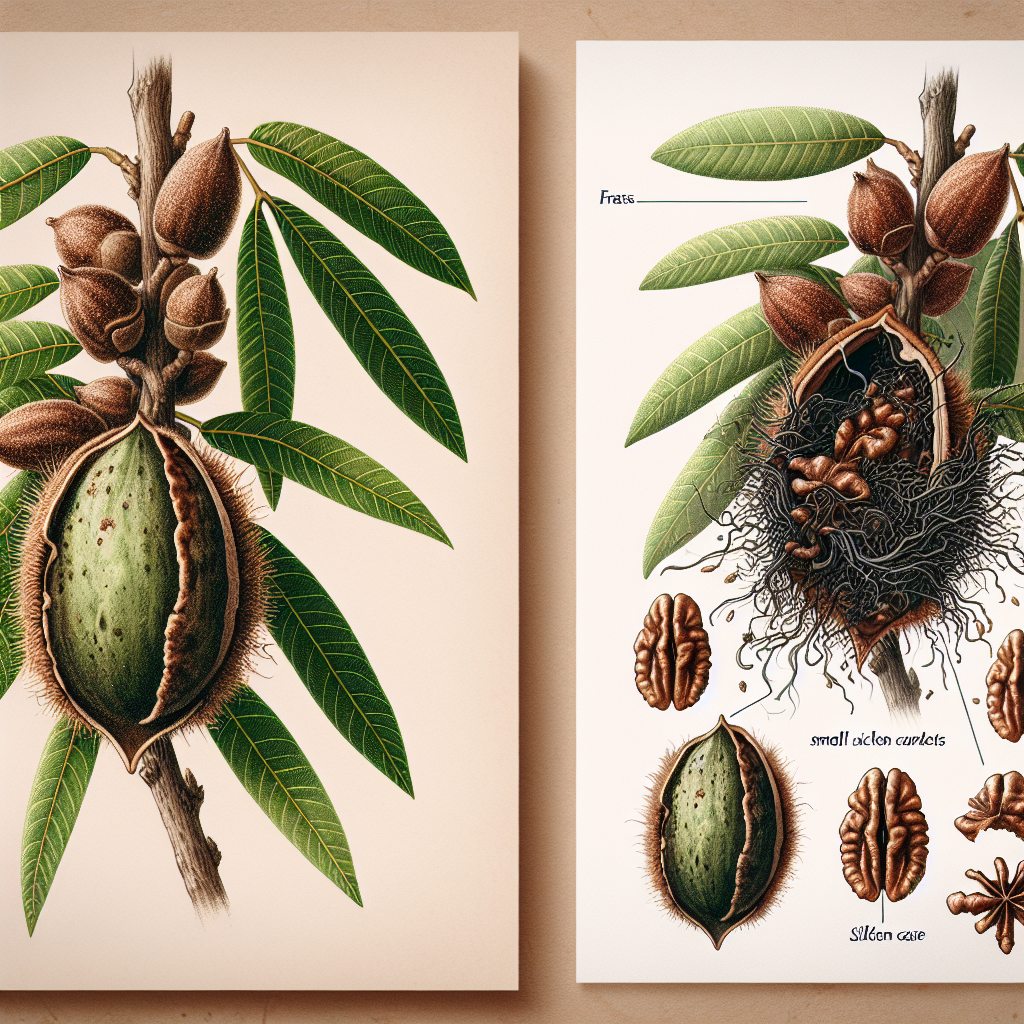
pecan nut casebearer
The pecan nut casebearer is a destructive moth pest targeting developing pecan nuts, causing significant crop losses in orchards across the southern U.S. Larvae bore into nuts, feeding on the kernel and leading to premature nut drop. Effective management relies on monitoring, timely organic sprays, and cultural practices to disrupt its lifecycle.
View Profile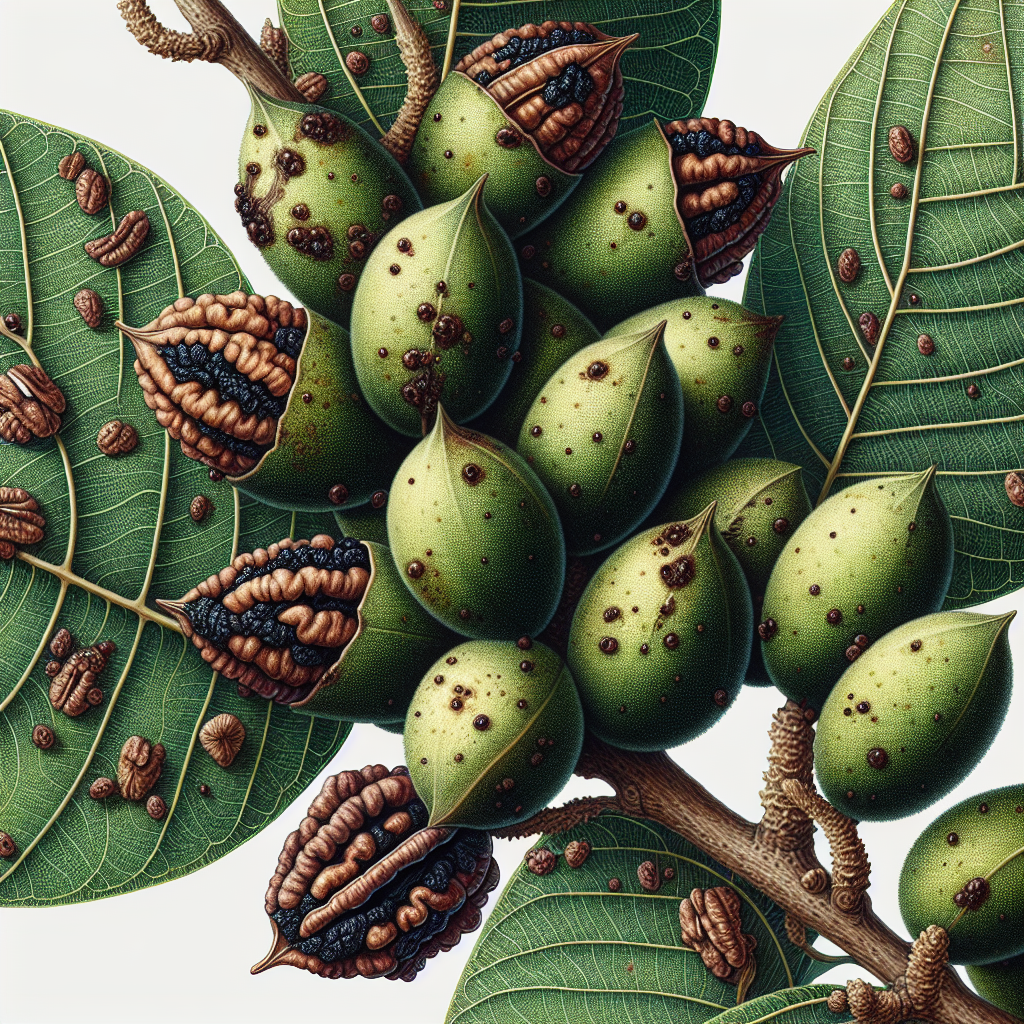
pecan scab
Pecan scab is a devastating fungal disease caused by Cladosporium caryigenum that primarily affects pecan nuts and leaves, leading to significant yield losses in humid regions. Early identification of olive-green to black lesions is crucial for effective management. This guide provides comprehensive diagnostic symptoms, lifecycle details, organic treatments, and prevention strategies for pecan growers.
View Profile