Encyclopedia
Definitive guides for crops, pests, and agricultural diseases.
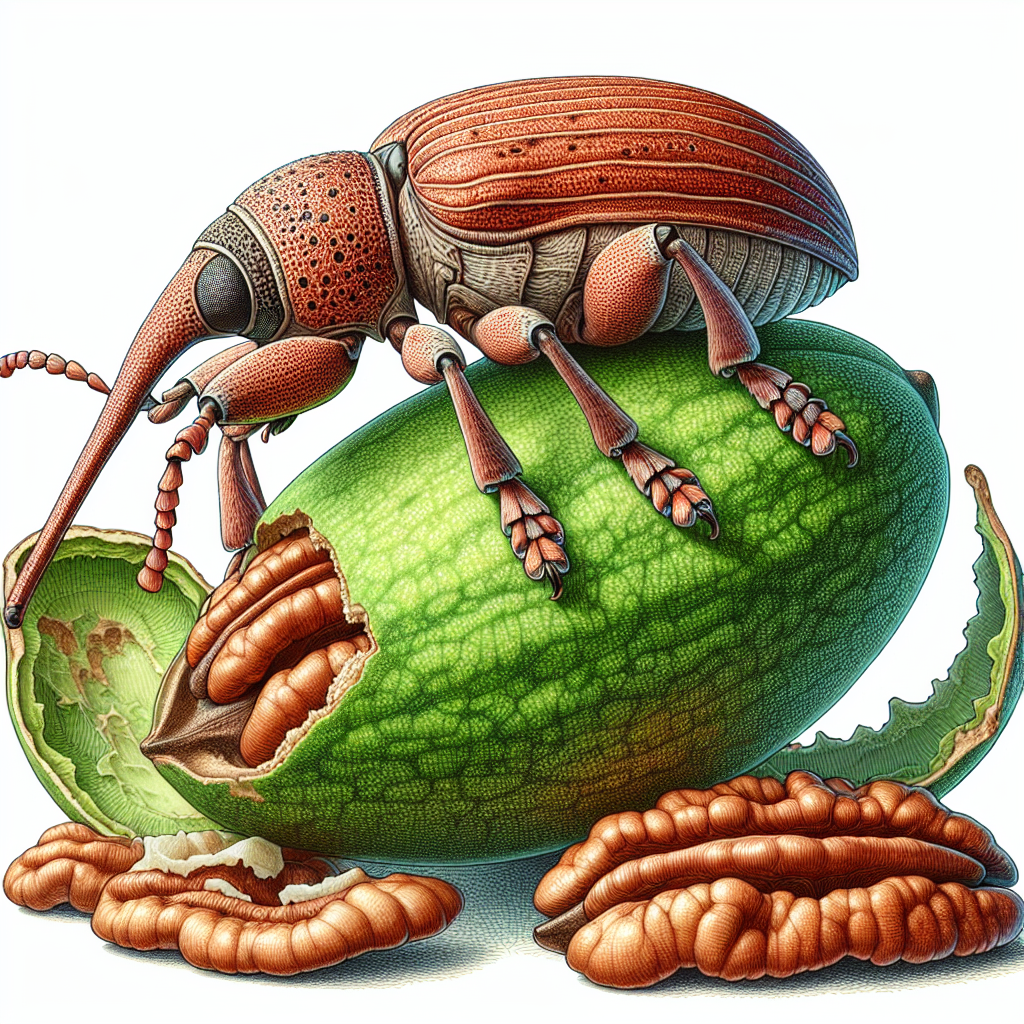
Pecan Weevil
The pecan weevil (Curculio caryae) is a major pest of pecan orchards, causing significant nut damage through larval feeding inside developing kernels. Adult weevils emerge in late summer, lay eggs in nuts, and larvae feed and drop to the soil for pupation. Effective management combines monitoring, sanitation, and targeted organic controls to protect yields.
View Profile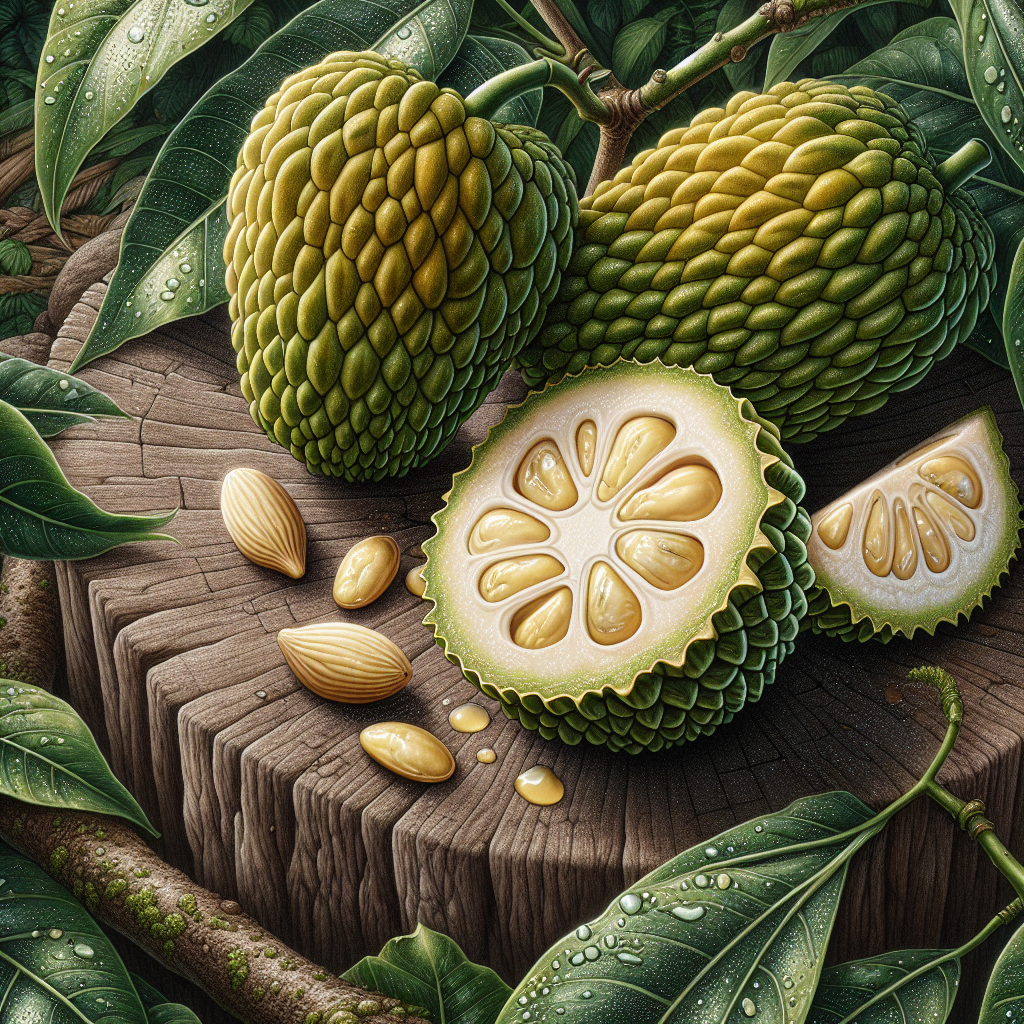
Pedalai (Artocarpus sericicarpus)
Pedalai (Artocarpus sericicarpus) is a rare tropical fruit tree native to Southeast Asia, prized for its large, sweet-sour fruits with creamy flesh and nutty seeds. This comprehensive guide covers everything from propagation to harvesting, helping growers cultivate this underutilized Moraceae family member in suitable climates. Ideal for agroforestry systems, pedalai offers both nutritional value and ecological benefits.
View Guide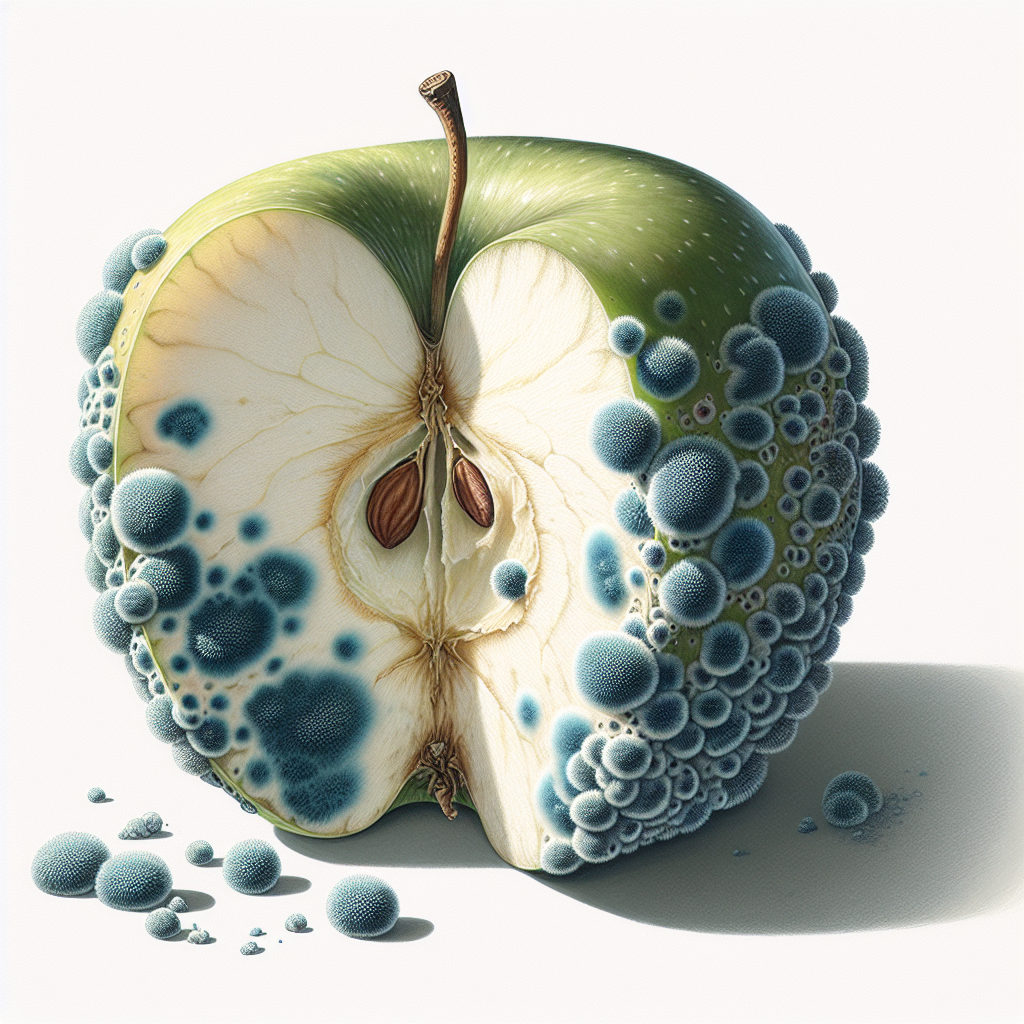
Penicillium
Penicillium is a ubiquitous fungal genus causing post-harvest blue mold rot in fruits and vegetables, leading to significant crop losses in storage. It thrives in high-humidity environments, producing fuzzy blue-green spores that render produce unsellable. Effective management relies on sanitation, proper storage, and organic fungicides for prevention and control.
View Profile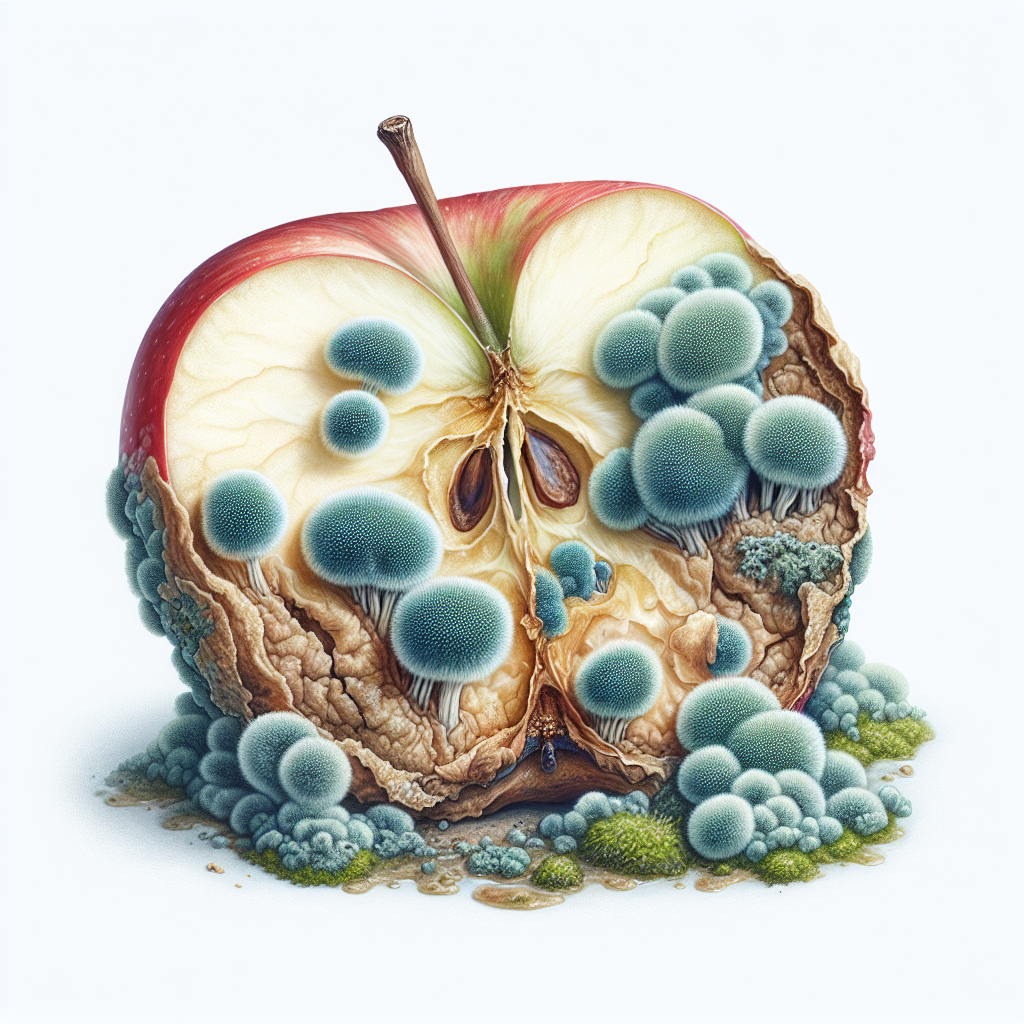
Penicillium decay
Penicillium decay is a widespread post-harvest fungal disease caused by Penicillium species, leading to rapid spoilage of fruits and vegetables with characteristic blue-green mold. It thrives in warm, humid conditions during storage, causing significant economic losses for growers. Effective management relies on sanitation, proper storage, and organic fungicides to minimize outbreaks.
View Profile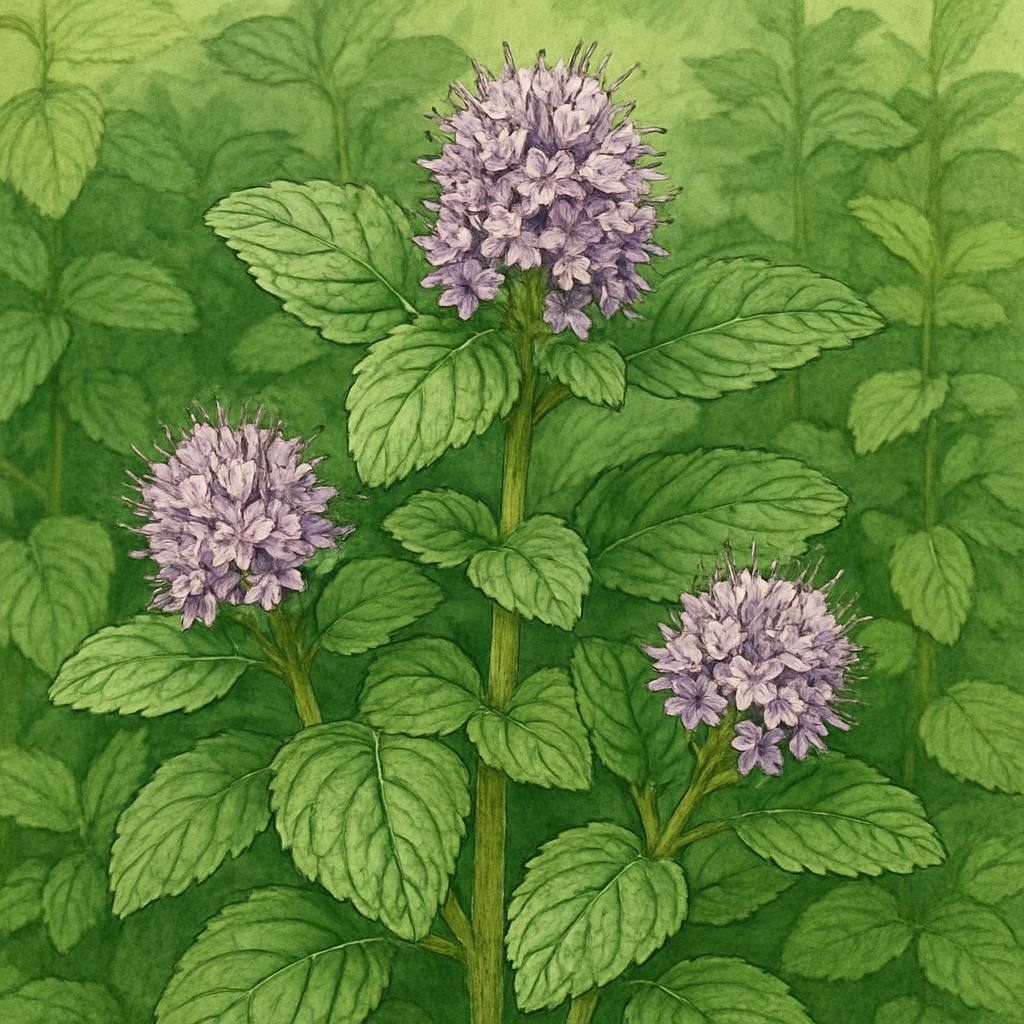
Pennyroyal (English)
Pennyroyal (English) is a small perennial herb known for its aromatic leaves and natural pest deterrent properties. It's commonly grown in gardens for its culinary and medicinal uses.
View Guide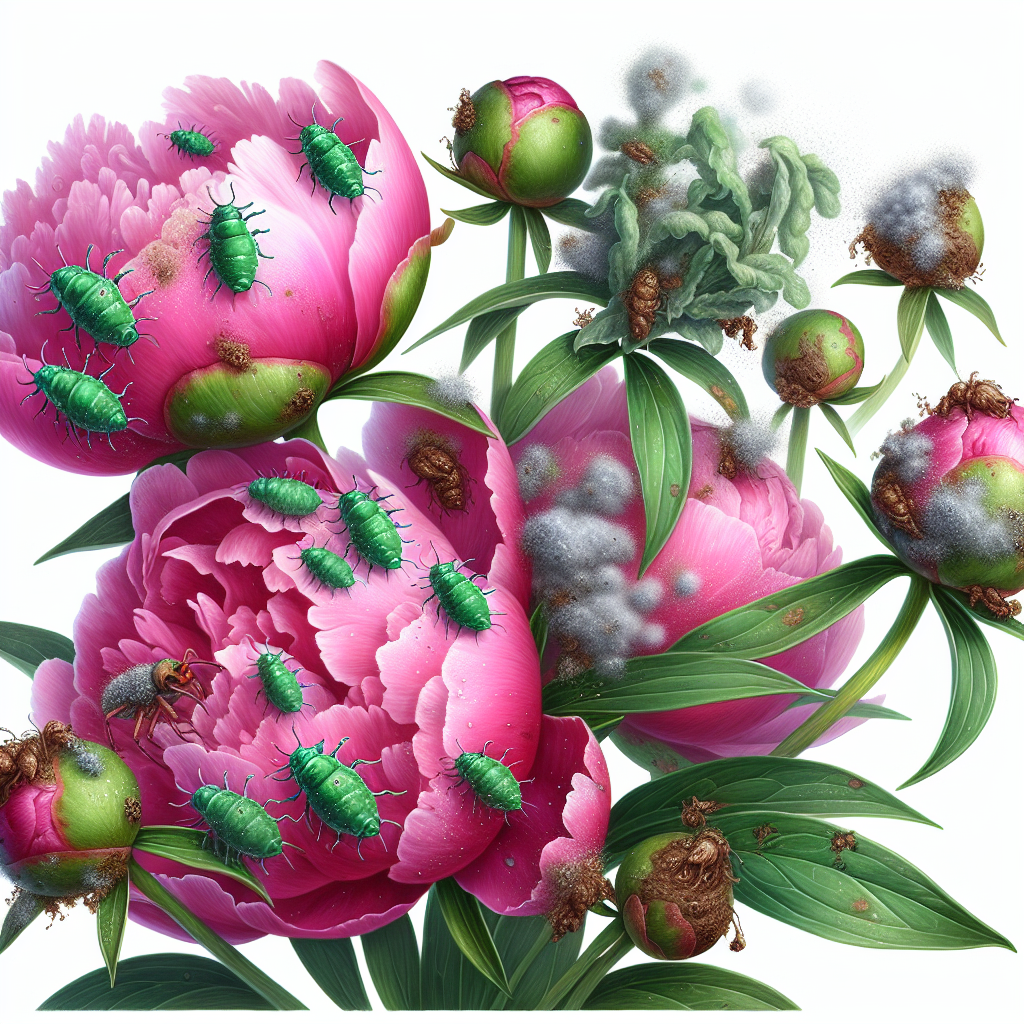
peonies
Peonies are robust perennial flowers often plagued by pests and diseases that can devastate buds, leaves, and roots. This guide provides definitive diagnostics for common symptoms like wilting stems and black spots, alongside organic management strategies to protect your garden. Learn lifecycle insights, prevention tactics, and why they disproportionately affect ornamental crops.
View Guide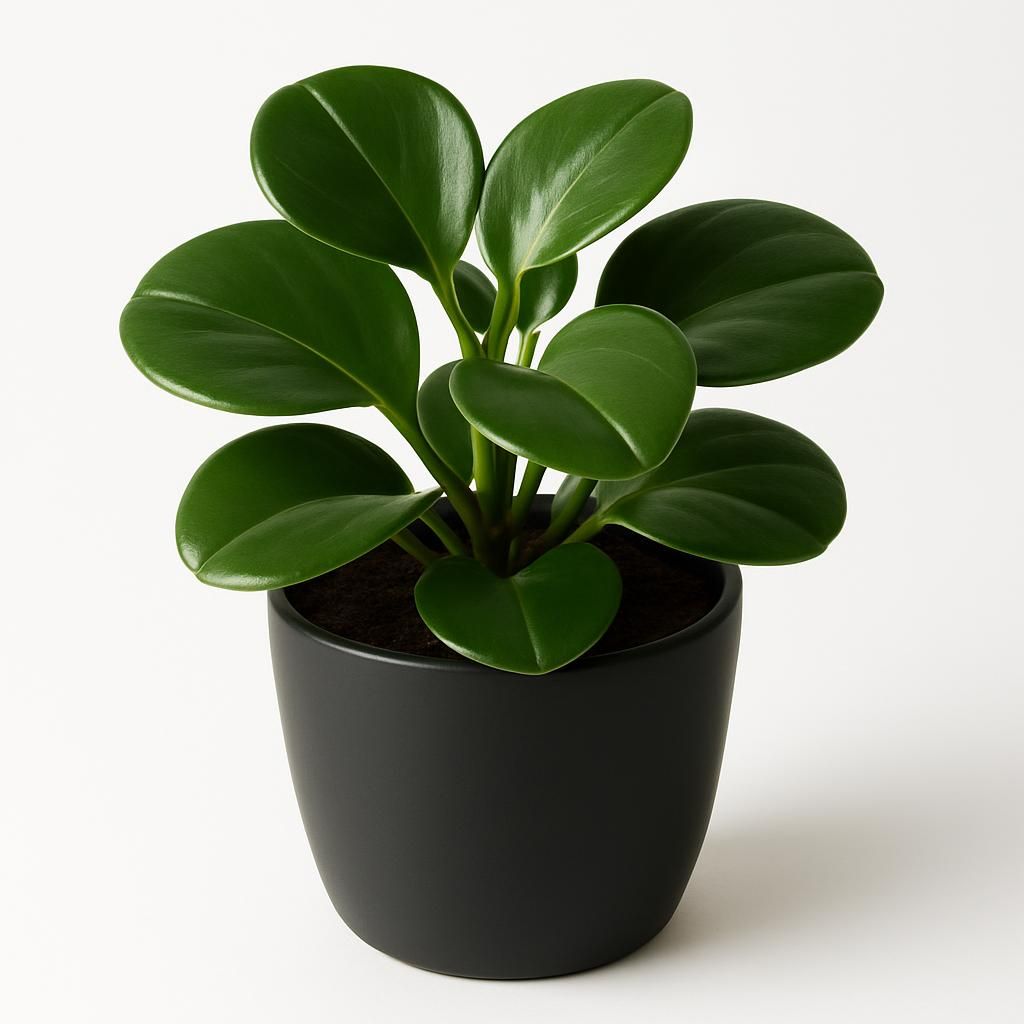
Peperomia
Peperomia is a diverse genus of tropical herbaceous perennials prized as compact houseplants and specialty greenhouse crops. These plants thrive in bright indirect light with well-aerated, slightly acidic substrates and moderate humidity, making them suitable for indoor vertical farming and small-scale controlled environments. Their ornamental foliage and low-maintenance growth cycle deliver consistent returns for specialty growers focused on foliage production.
View Guide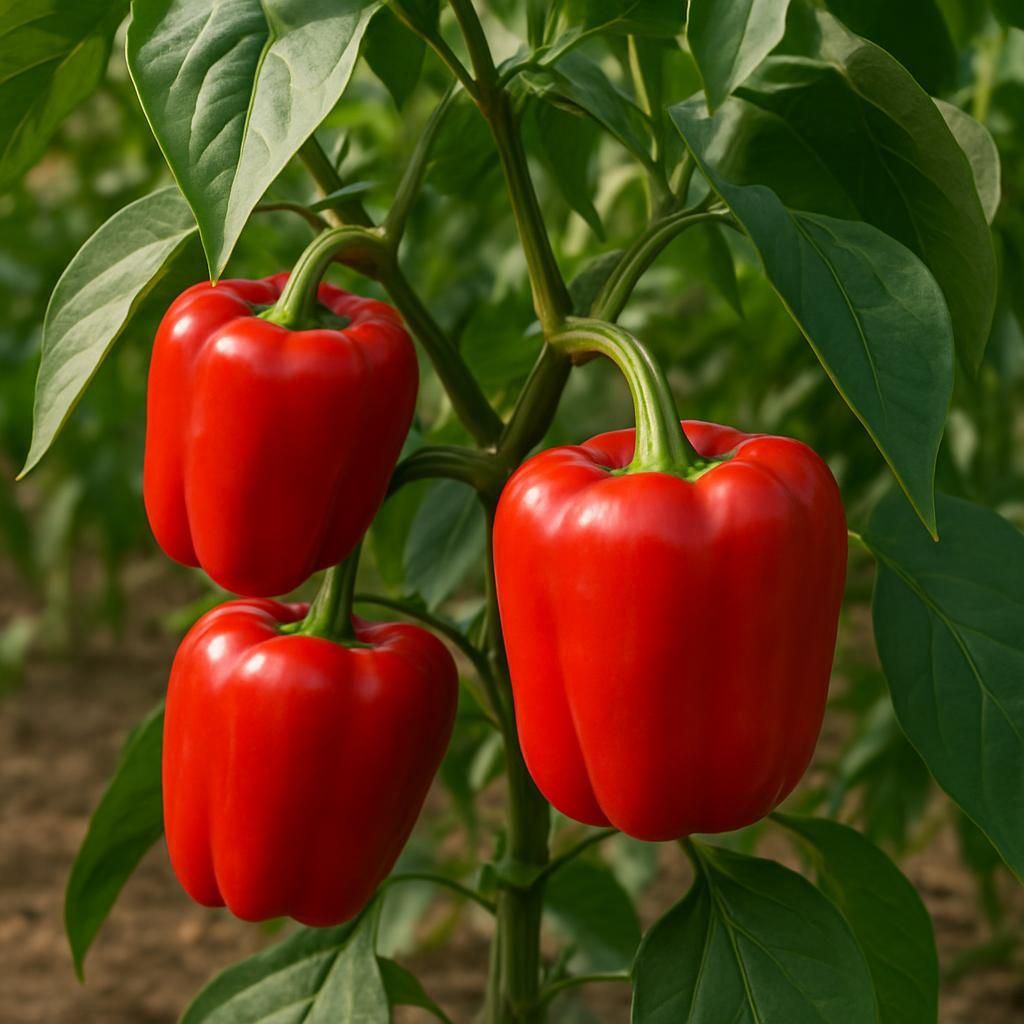
Pepper
Pepper is a warm-season vegetable prized for its vibrant colors, diverse flavors, and culinary versatility. This definitive growing guide covers soil preparation, planting, care, pest management, and harvesting for optimal yields.
View Guide
Pepper maggots
Pepper maggots are the destructive larvae of the pepper maggot fly (Zonosemata vittigera), a pest that infests peppers and related crops by boring into fruits and stems. They cause significant yield losses through internal feeding damage, leading to fruit drop and rot. Effective management combines early detection, organic controls, and cultural practices for long-term prevention.
View Profile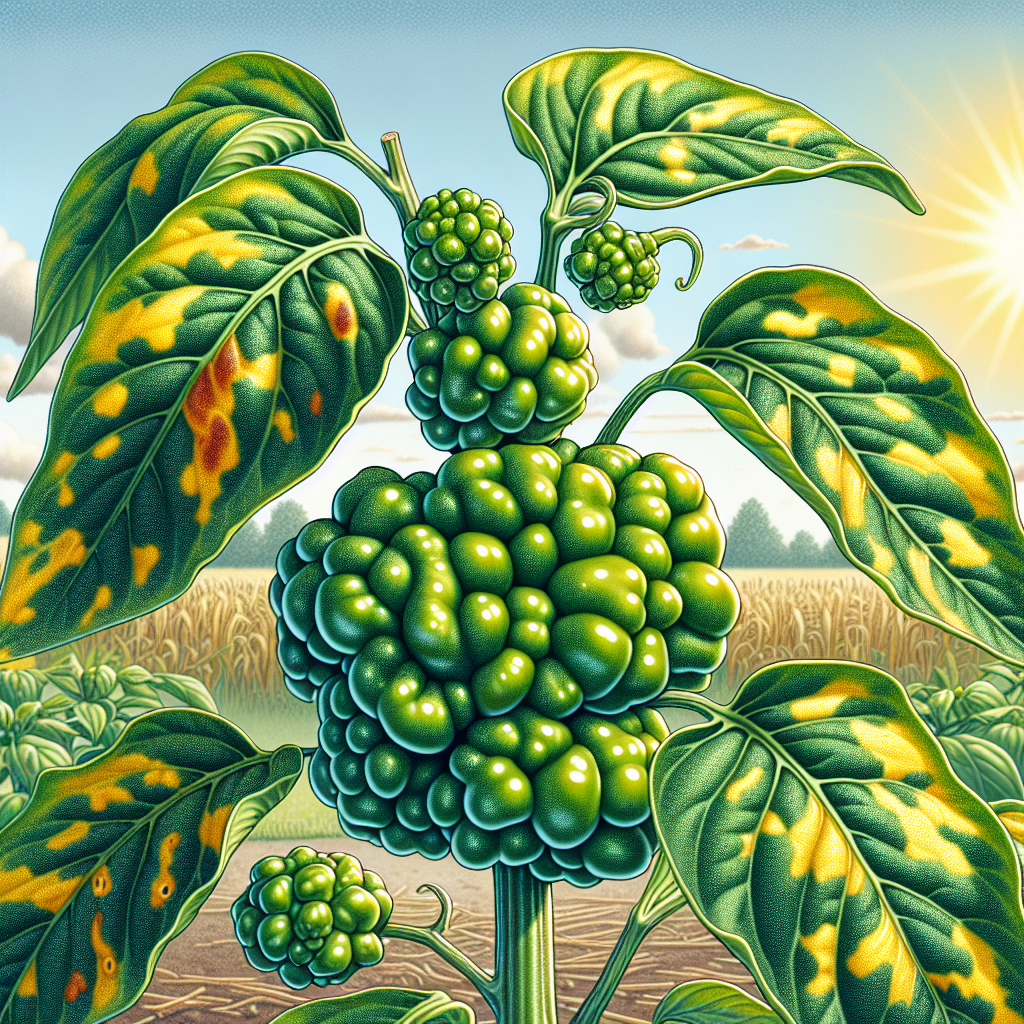
Pepper mottle
Pepper mottle virus (PeMoV) is a potyvirus that causes significant yield losses in pepper crops through mottled leaves, stunted growth, and deformed fruits. Transmitted primarily by aphids in a non-persistent manner, it thrives in warm conditions and can devastate bell peppers, chili peppers, and related solanaceous crops. Effective management relies on resistant varieties, vector control, and cultural practices to prevent outbreaks.
View Profile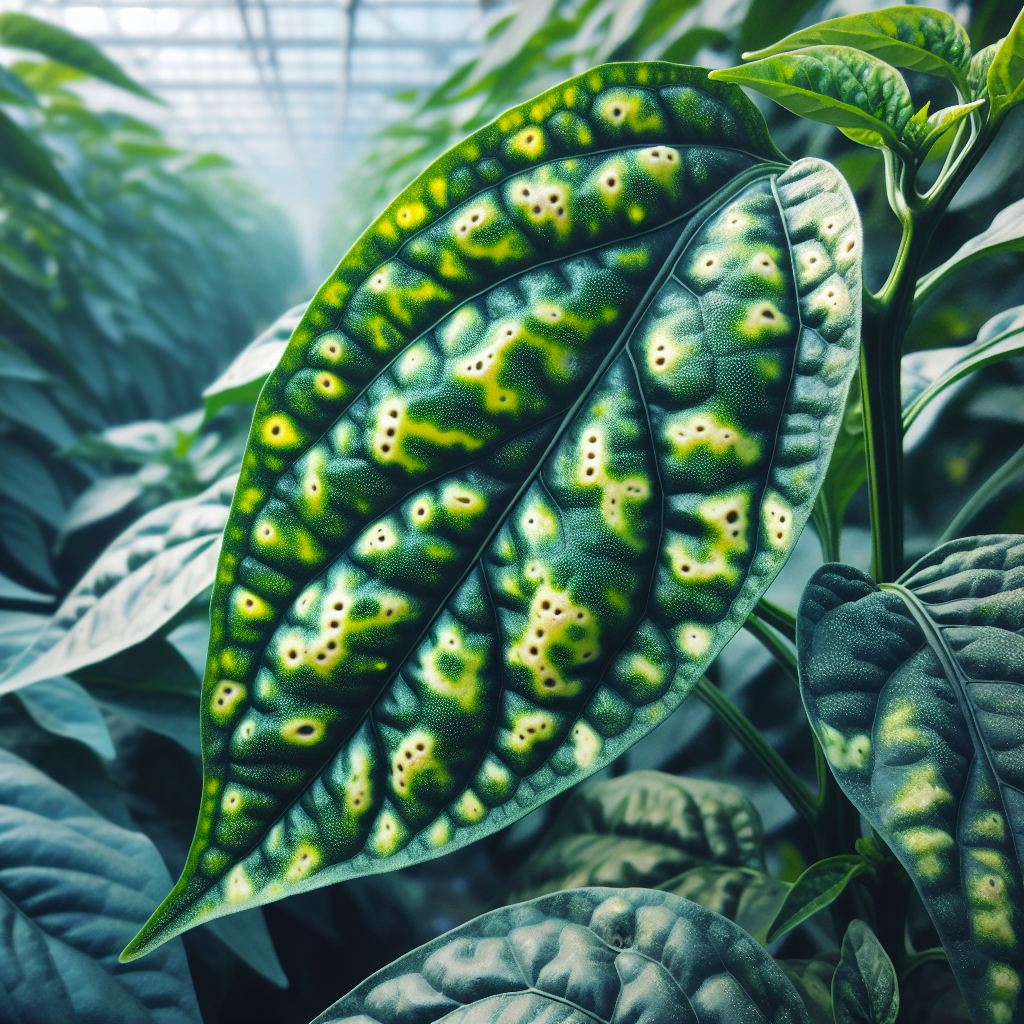
Pepper mottle virus
Pepper mottle virus (PeMoV) is a potyvirus that infects peppers and tomatoes, causing mottled leaves, stunted growth, and reduced yields. Transmitted primarily by aphids in a non-persistent manner, it poses significant challenges to solanaceous crop production. Effective management relies on resistant varieties, vector control, and strict sanitation practices.
View Profile
Pepper viruses
Pepper viruses encompass a group of viral pathogens that devastate pepper crops worldwide, causing mosaic patterns, stunting, and yield losses up to 100%. Transmitted primarily by aphids, whiteflies, and mechanical means, these viruses lack curative treatments, making prevention essential. This guide provides diagnostic, management, and prevention strategies for sustainable pepper production.
View Profile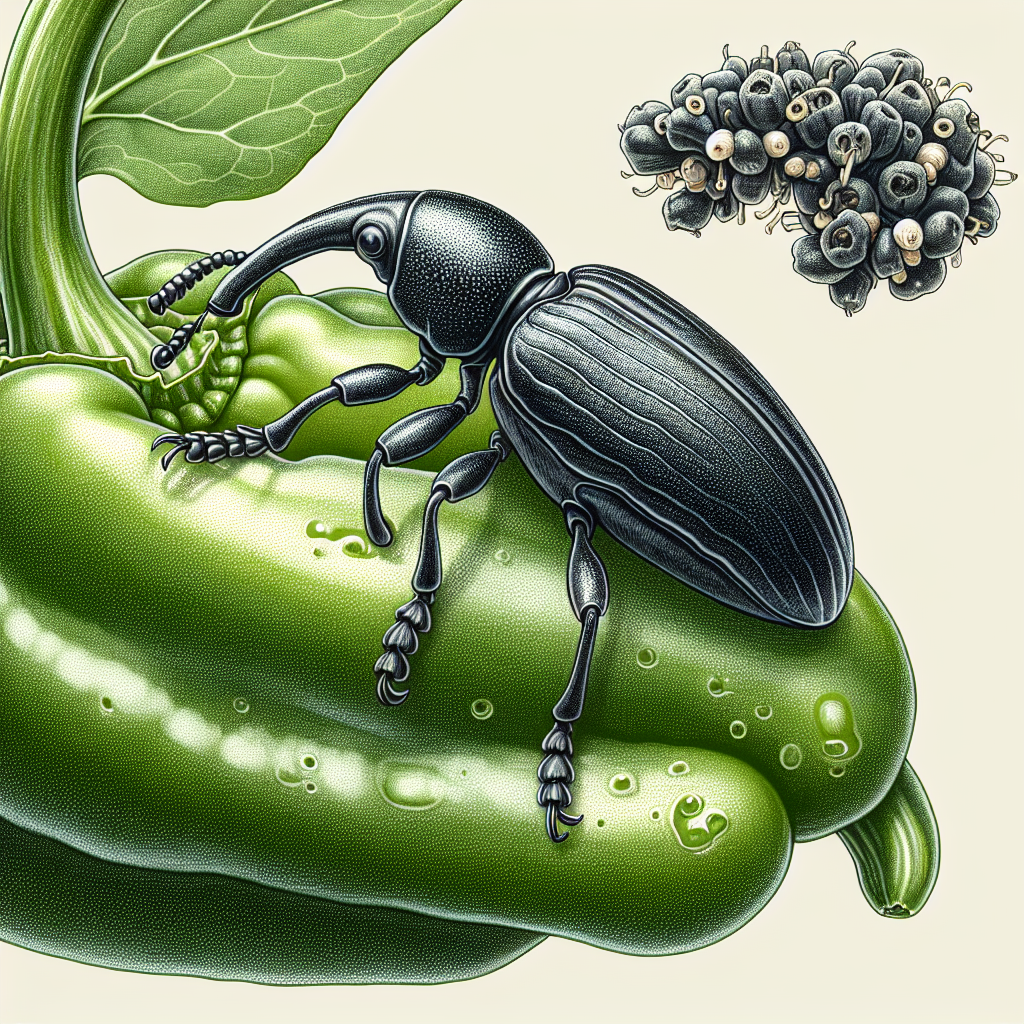
Pepper weevil
The pepper weevil is a devastating pest targeting peppers and related crops, causing significant yield losses through larval feeding inside fruits and stems. Native to Mexico and Central America, it has spread to the southern U.S., where it infests bell peppers, jalapeños, and other Capsicum species. Effective management combines cultural practices, organic controls, and vigilant monitoring to protect harvests.
View Profile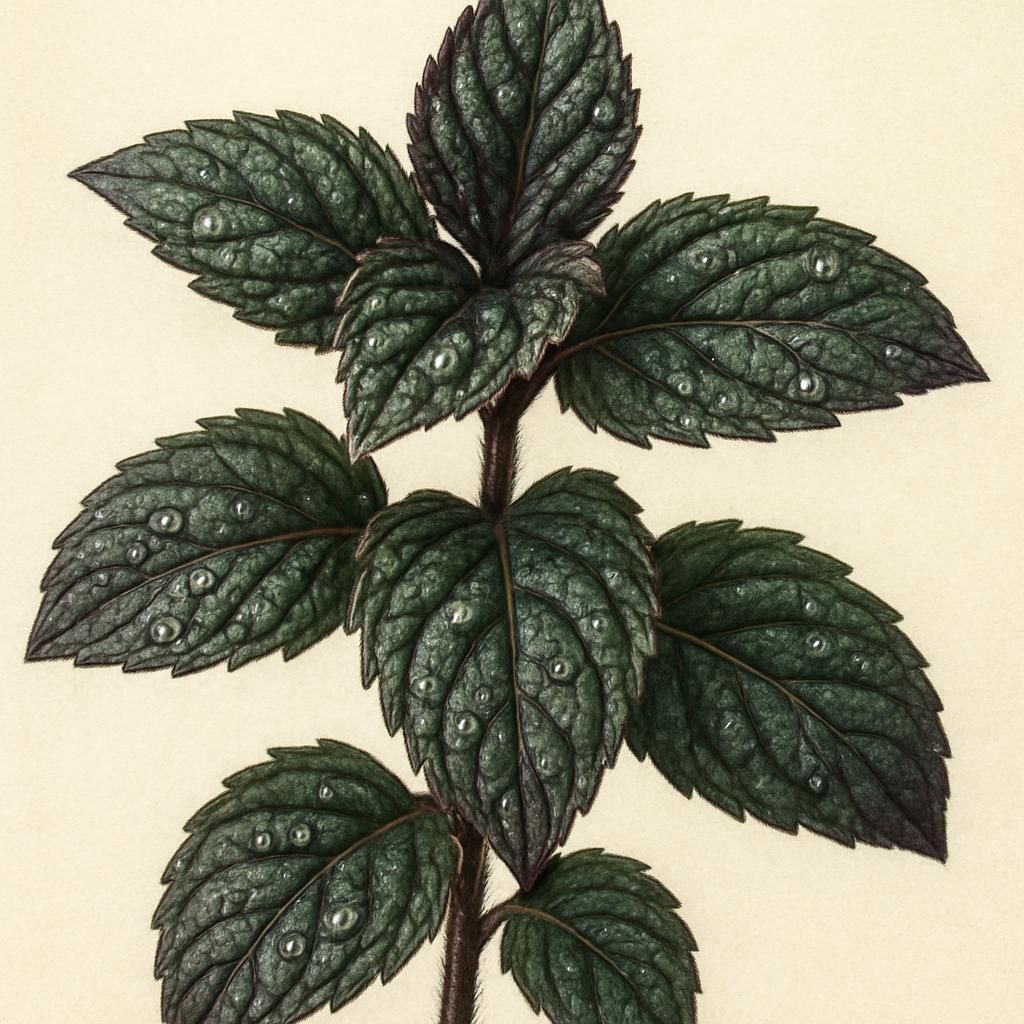
Peppermint (Black)
Black Peppermint, a hybrid cultivar of peppermint, is highly valued for its aromatic leaves and essential oils, making it a popular choice for culinary, medicinal, and commercial uses.
View Guide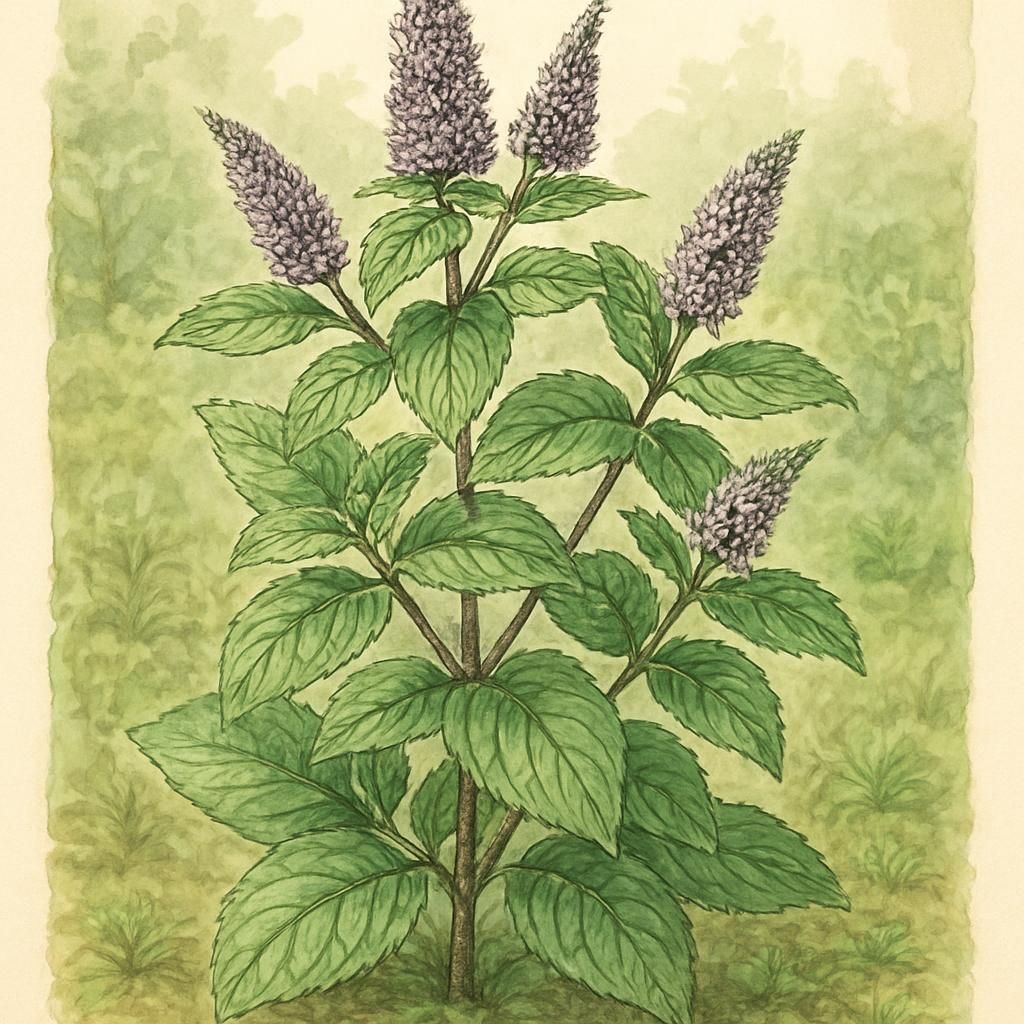
Peppermint (Mitcham)
Peppermint (Mitcham) is a highly aromatic perennial herb praised for its robust flavor and essential oil. It's commonly cultivated for culinary and medicinal uses due to its high menthol content.
View Guide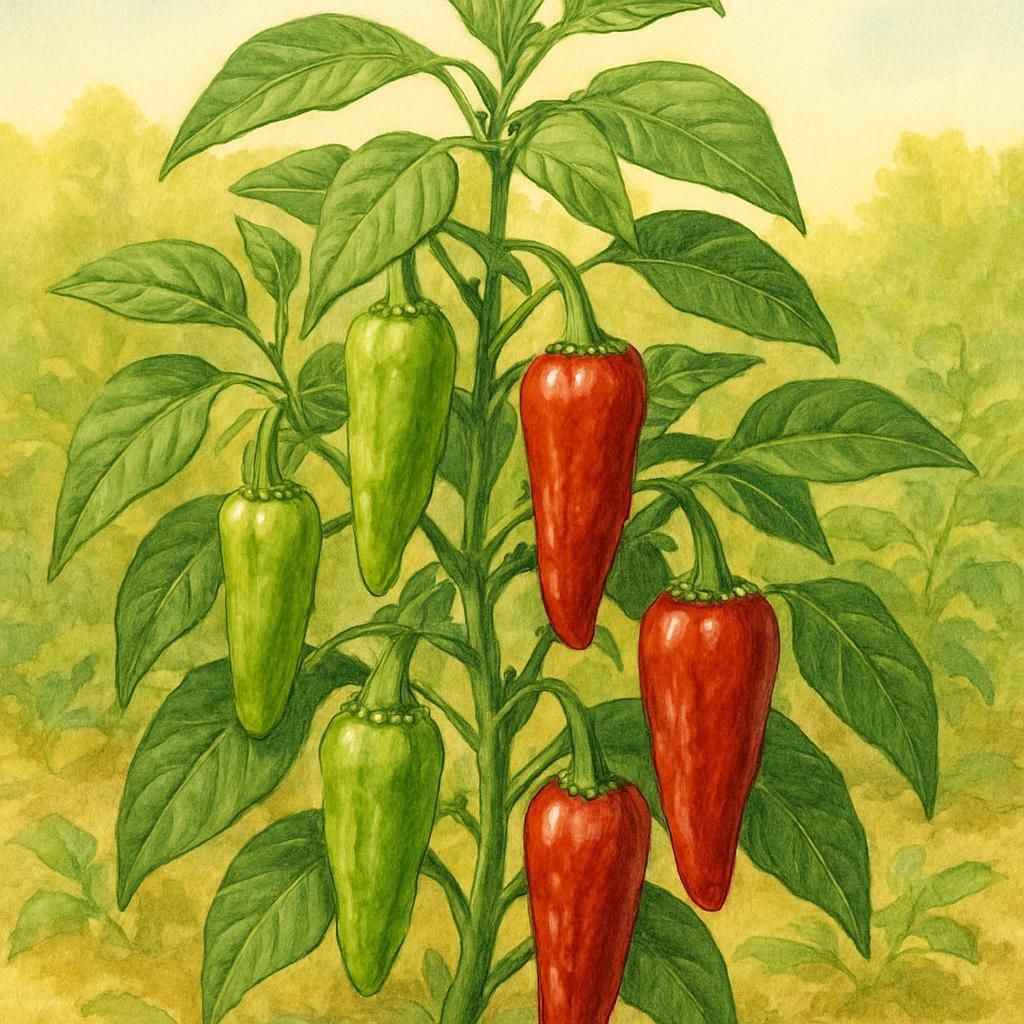
Pepperoncini (Greek)
Pepperoncini, a variety of Capsicum annuum, is a popular pickling pepper known for its mild heat and vibrant flavor. Originating in Greece, this pepper is a staple in Mediterranean cuisine and can easily be grown in a home garden with the right conditions.
View Guide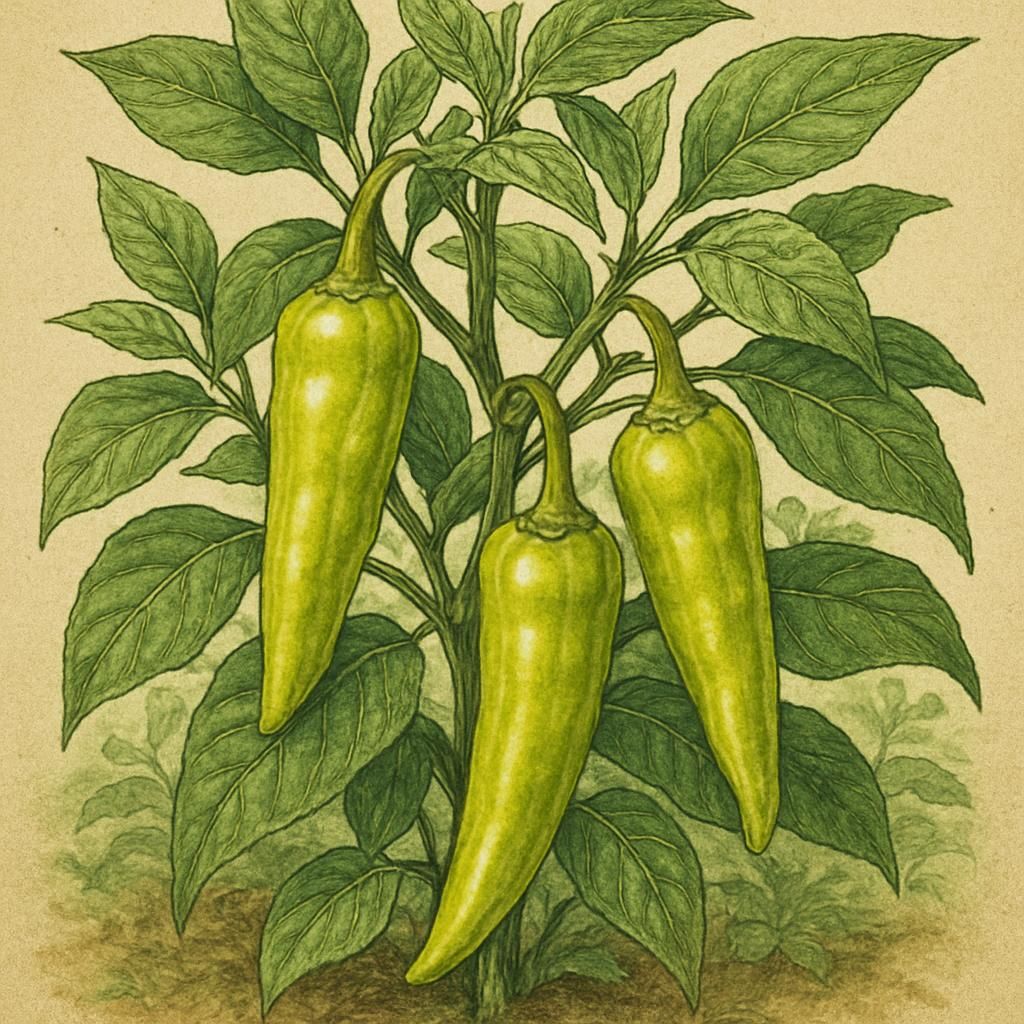
Pepperoncini (Italian)
Pepperoncini, often referred to as Italian peppers, are a variety of hot chili peppers known for their tangy flavor and mild heat. They are a popular choice for pickling and are widely used in Mediterranean cuisine.
View Guide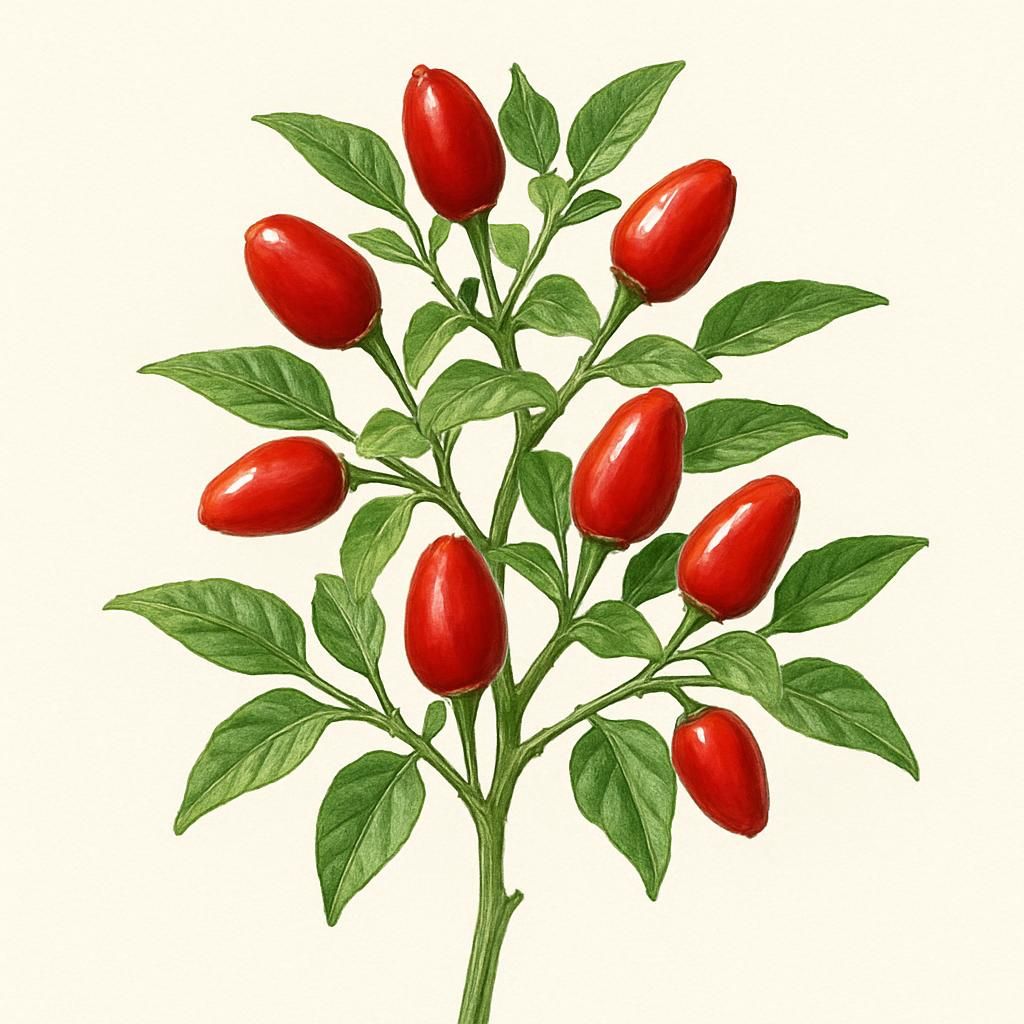
Pequin Pepper
Pequin pepper is a tiny, extremely hot wild chile prized for its smoky-sweet flavor and rapid growth. This comprehensive guide covers every stage from seed to harvest with professional-grade agronomic detail.
View Guide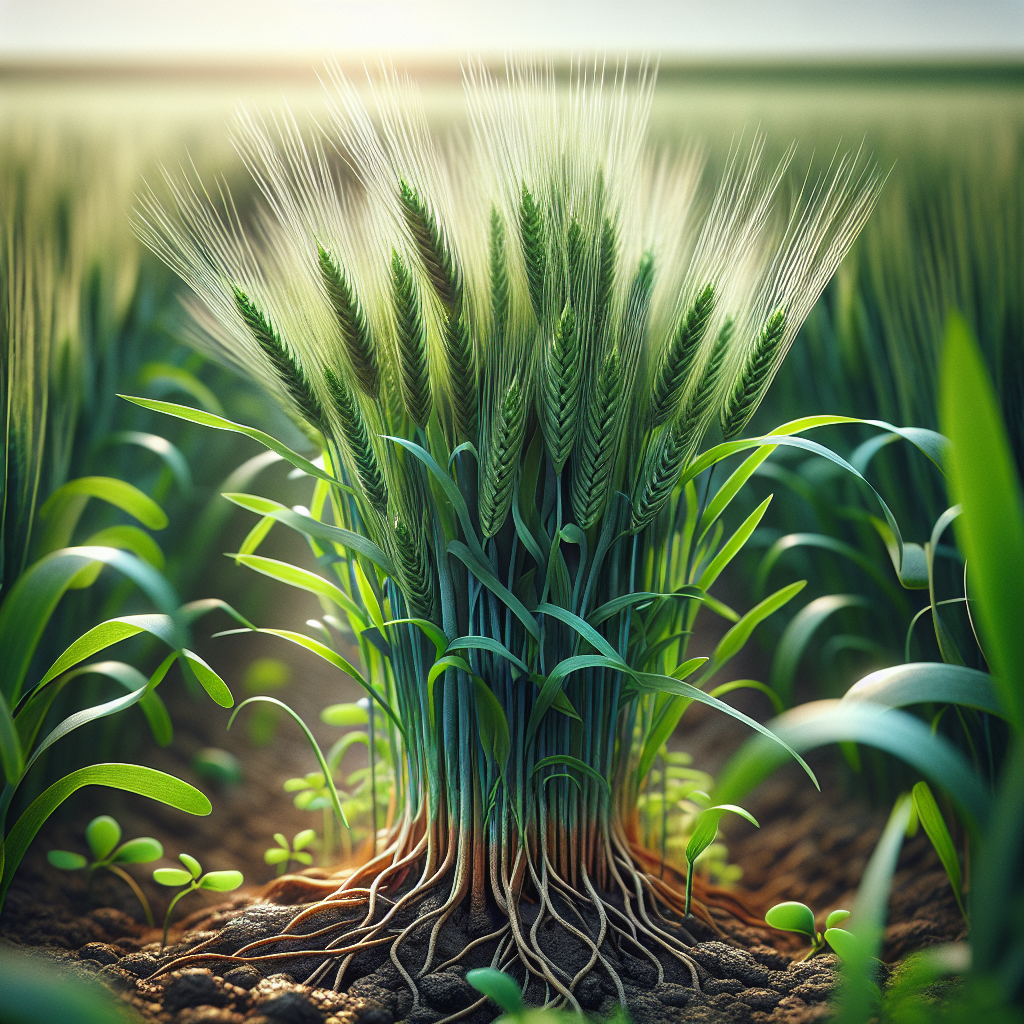
Perennial Rye
Perennial rye is a cool-season bunchgrass valued for fast establishment, dense turf, high forage quality, and excellent traffic tolerance. It performs best in temperate climates with fertile, well-drained soils and consistent moisture, making it a top choice for pastures, lawns, sports fields, and erosion control.
View Guide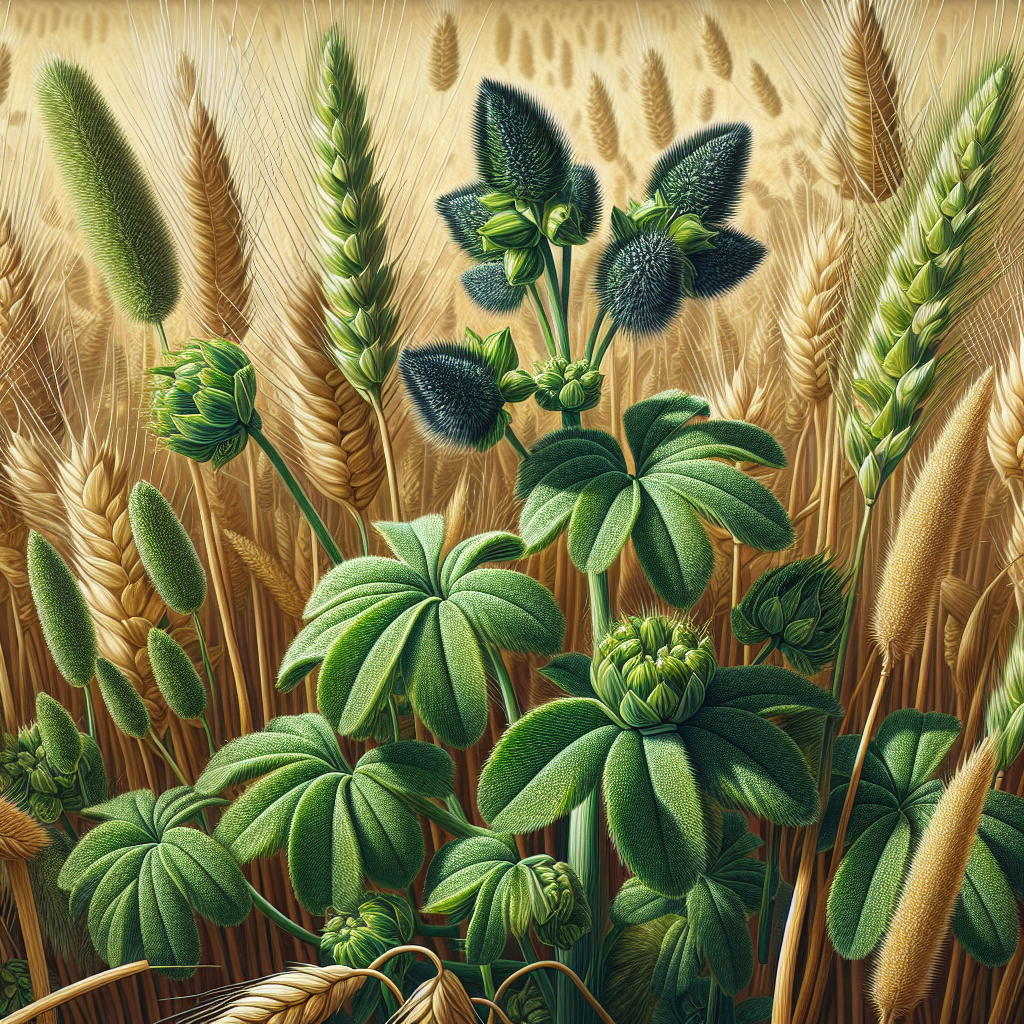
perennial ryegrass
Perennial ryegrass (Lolium perenne) is a highly competitive cool-season grass weed that aggressively invades agricultural fields, turf, and pastures, reducing yields and complicating crop management. This guide provides definitive diagnostic symptoms, lifecycle details, organic control strategies, and prevention tactics for farmers battling this persistent invader. Learn practical, professional-grade methods to identify, manage, and prevent perennial ryegrass infestations effectively.
View Guide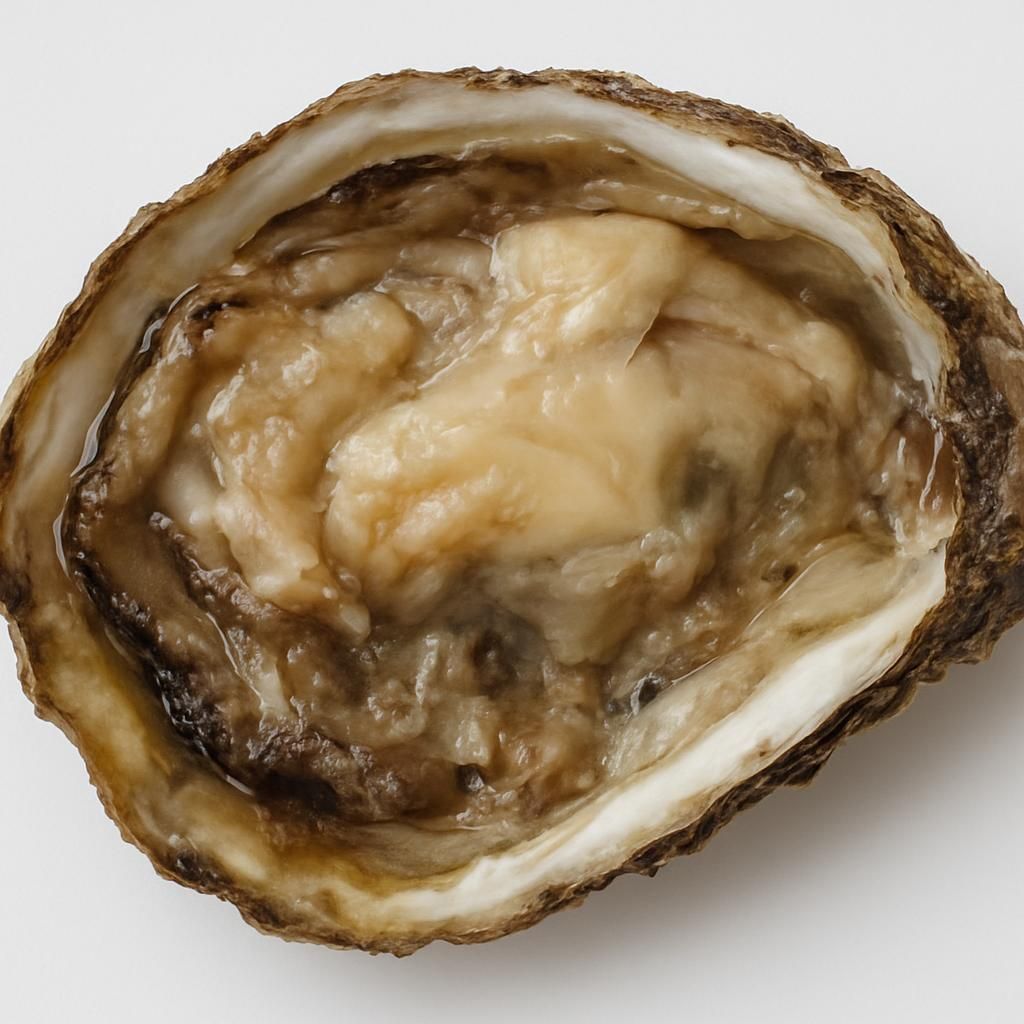
Perkinsus marinus
Perkinsus marinus is a protozoan parasite primarily affecting marine bivalves, notably oysters, causing significant economic losses in aquaculture. It leads to tissue degradation and mortality through a complex life cycle involving multiple stages. Effective management requires integrated environmental control and biosecurity measures.
View Profile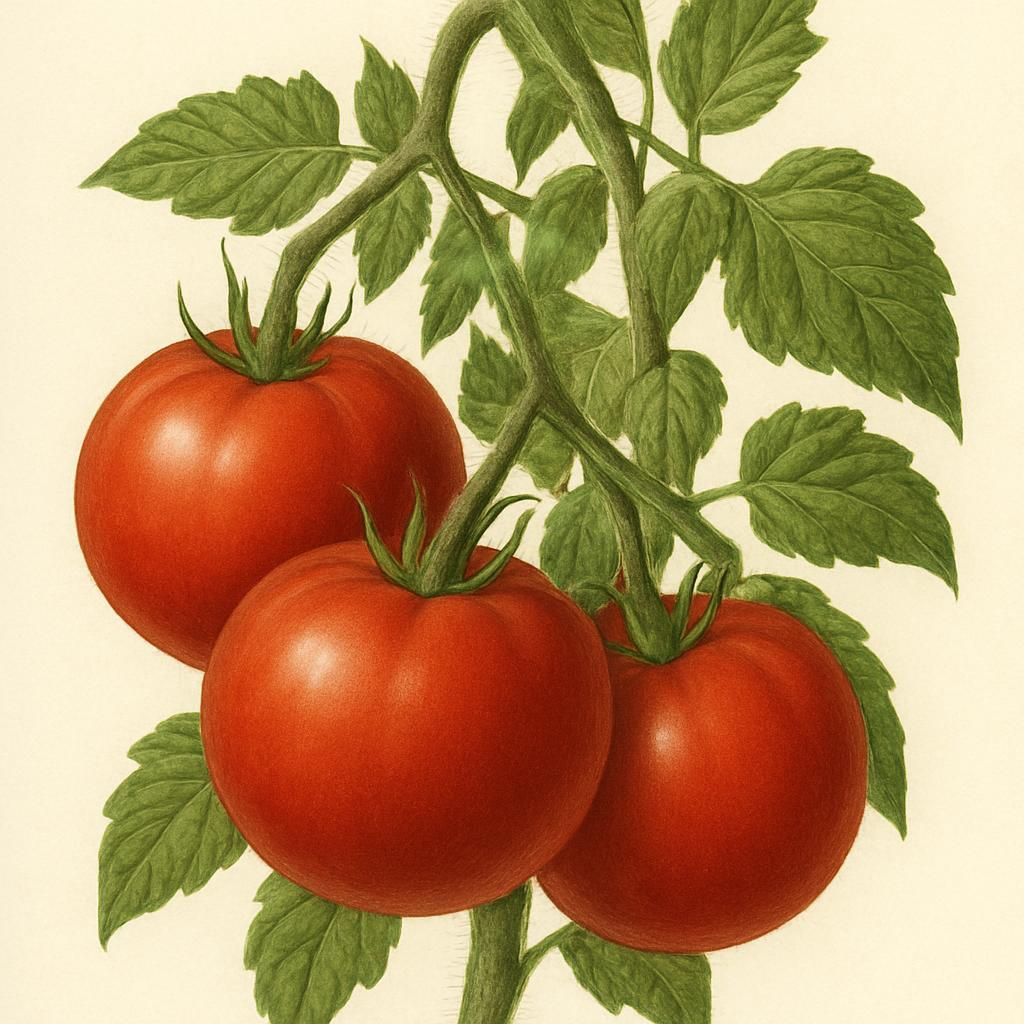
Peron Sprayless Tomato
Peron Sprayless Tomato is a disease-resistant, indeterminate heirloom-type variety prized for its thick, crack-resistant skins and high yields without the need for chemical sprays. It thrives in warm climates and offers excellent flavor for fresh eating and processing.
View Guide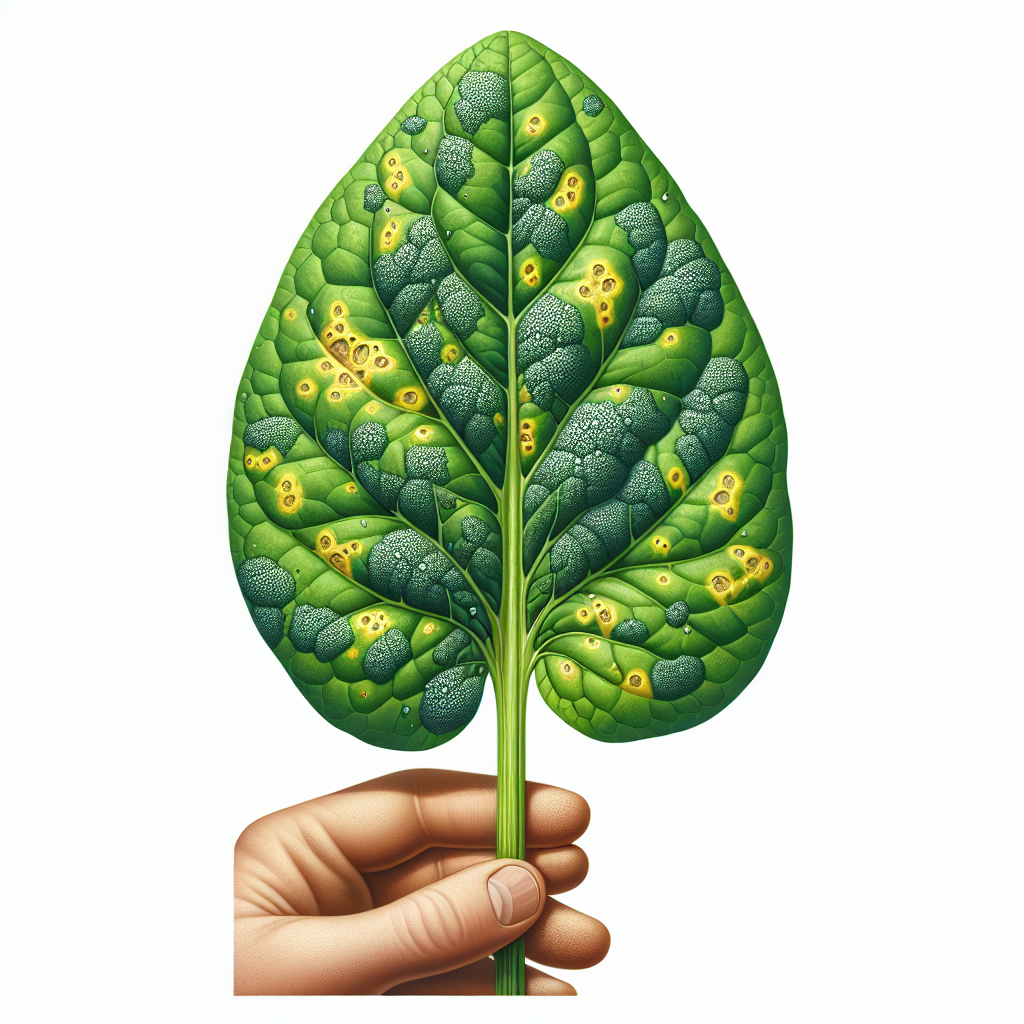
Peronospora variabilis
Peronospora variabilis is an obligate parasitic oomycete causing downy mildew on various crops, characterized by angular leaf lesions and grayish sporulation on the underside of leaves. This disease thrives in cool, humid conditions, leading to significant yield losses if unmanaged. Effective organic control relies on cultural practices, resistant varieties, and timely fungicide applications.
View Profile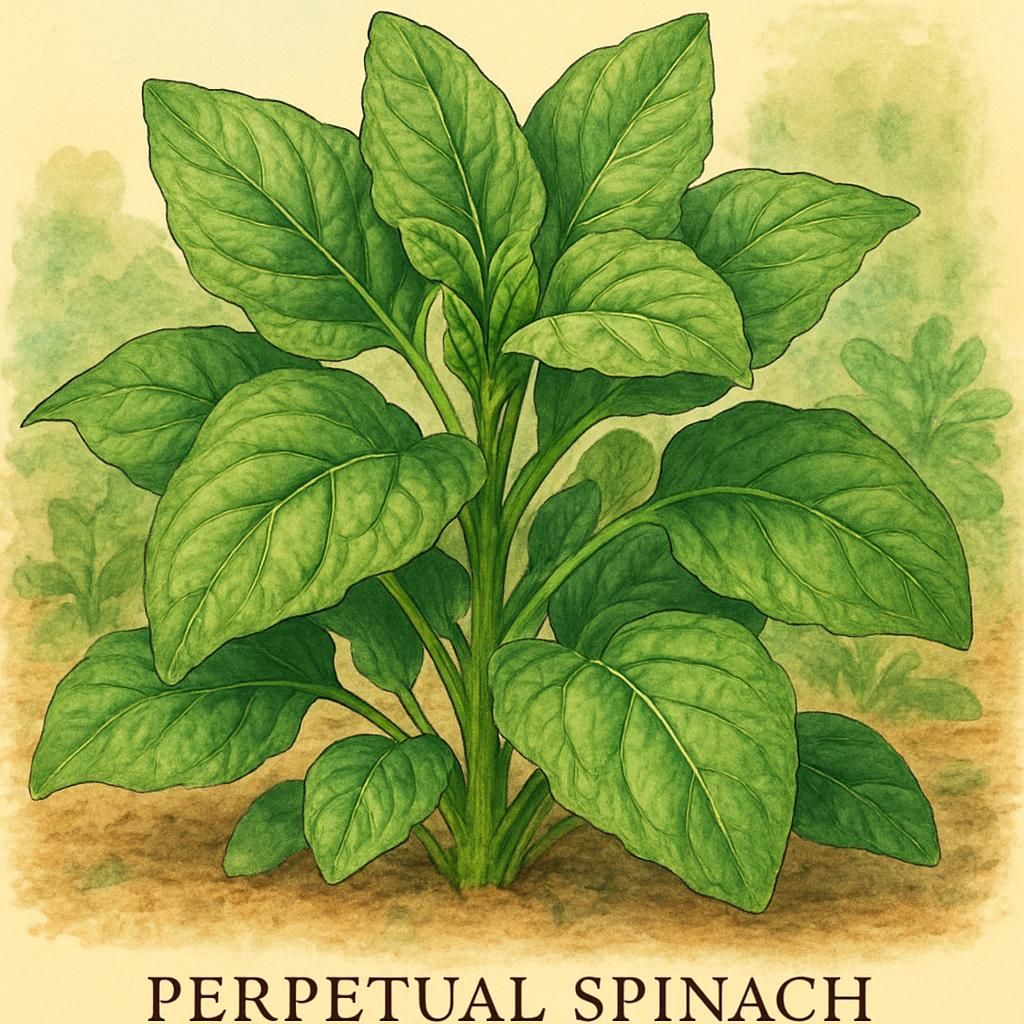
Perpetual Spinach (Chard)
Perpetual Spinach, a type of chard, is ideal for continuous harvests due to its hardy nature and fast growth, making it a staple for home gardeners and small farms.
View Guide