Encyclopedia
Definitive guides for crops, pests, and agricultural diseases.
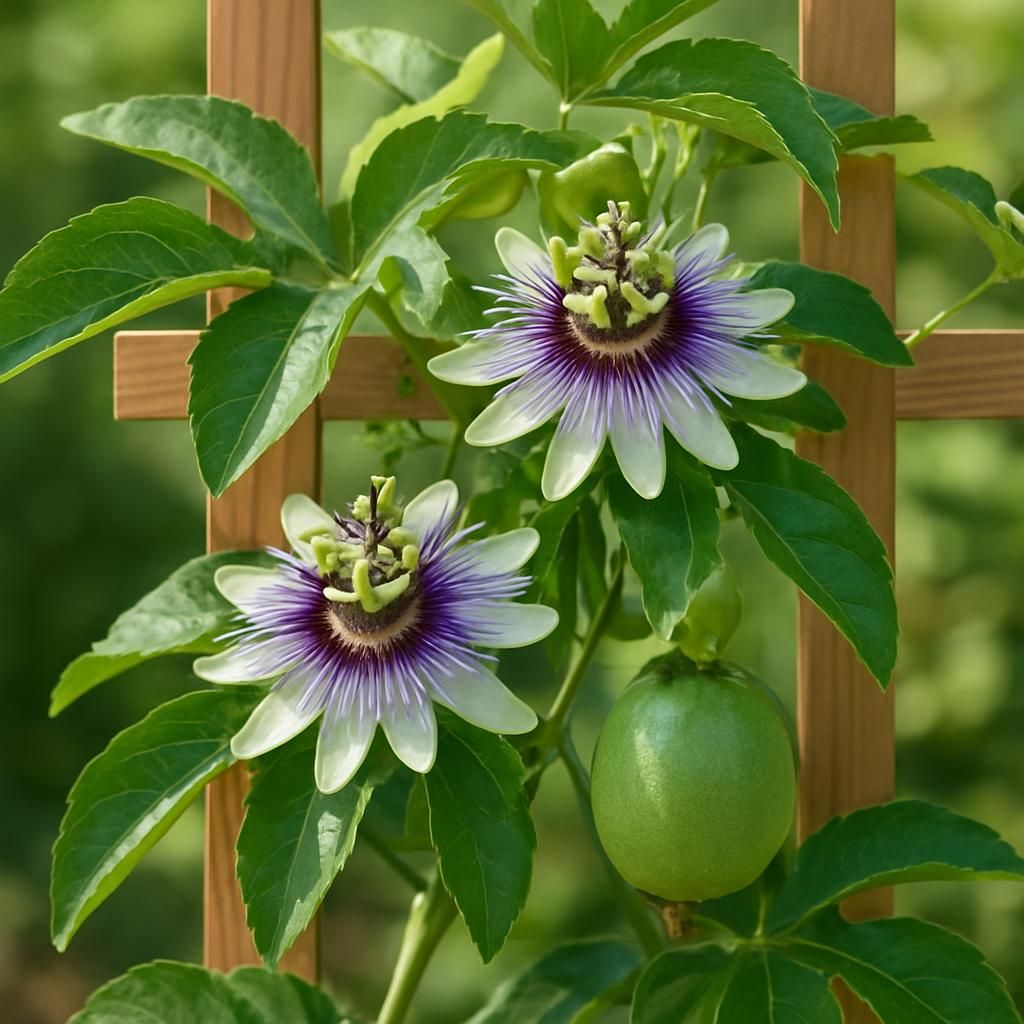
Passionflower
Passionflower is a vigorous perennial vine prized for its exotic flowers and aromatic, tangy fruit. This guide delivers professional-grade cultivation advice covering soil, climate, propagation, care schedules, organic pest management, and post-harvest handling for reliable yields.
View Guide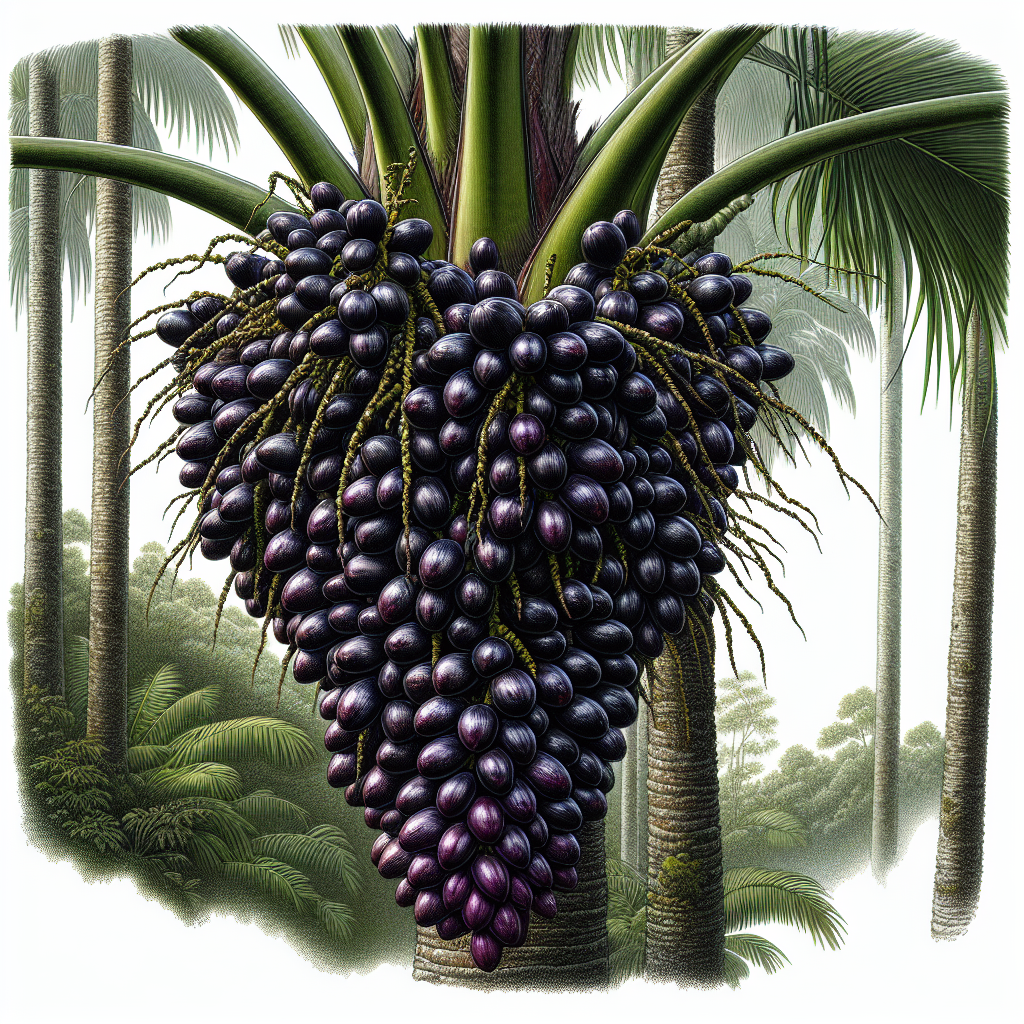
Pataua (Oenocarpus bataua)
Pataua (Oenocarpus bataua) is a majestic Amazonian palm renowned for its nutrient-dense oil-rich fruits, heart of palm, and versatile wood. This comprehensive guide provides professional agricultural insights on cultivation, from tropical soil preparation to sustainable harvesting techniques. Ideal for agroforestry systems, Pataua offers high yields in humid lowland environments with proper management.
View Guide
Pattypan Squash (Scallop)
Pattypan squash, also called scallop squash, is a warm-season summer squash prized for its flattened, flying-saucer-shaped fruits, tender texture, and rapid productivity. It is easy to grow in fertile, warm soil, but top performance depends on consistent moisture, strong pollination, disciplined harvest timing, and careful pest management typical of cucurbit crops.
View Guide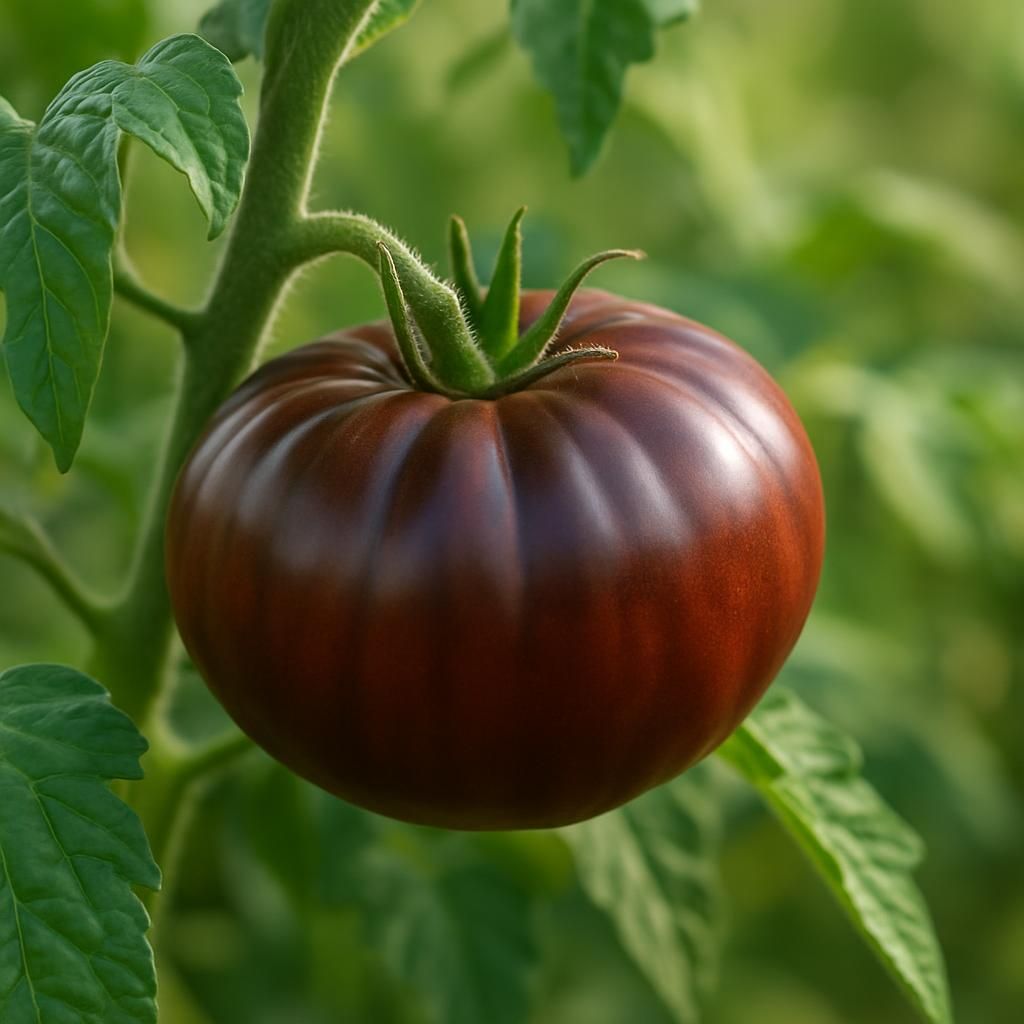
Paul Robeson Tomato
Paul Robeson is a rare, indeterminate heirloom beefsteak tomato prized for its deep mahogany-red to purple-black coloration, exceptional sweetness, and smoky flavor. Originating from Russia, it offers large, meaty fruits that excel in both fresh eating and culinary applications. This guide provides comprehensive, professional-grade cultivation advice for home gardeners and small-scale growers seeking to maximize yield and flavor.
View Guide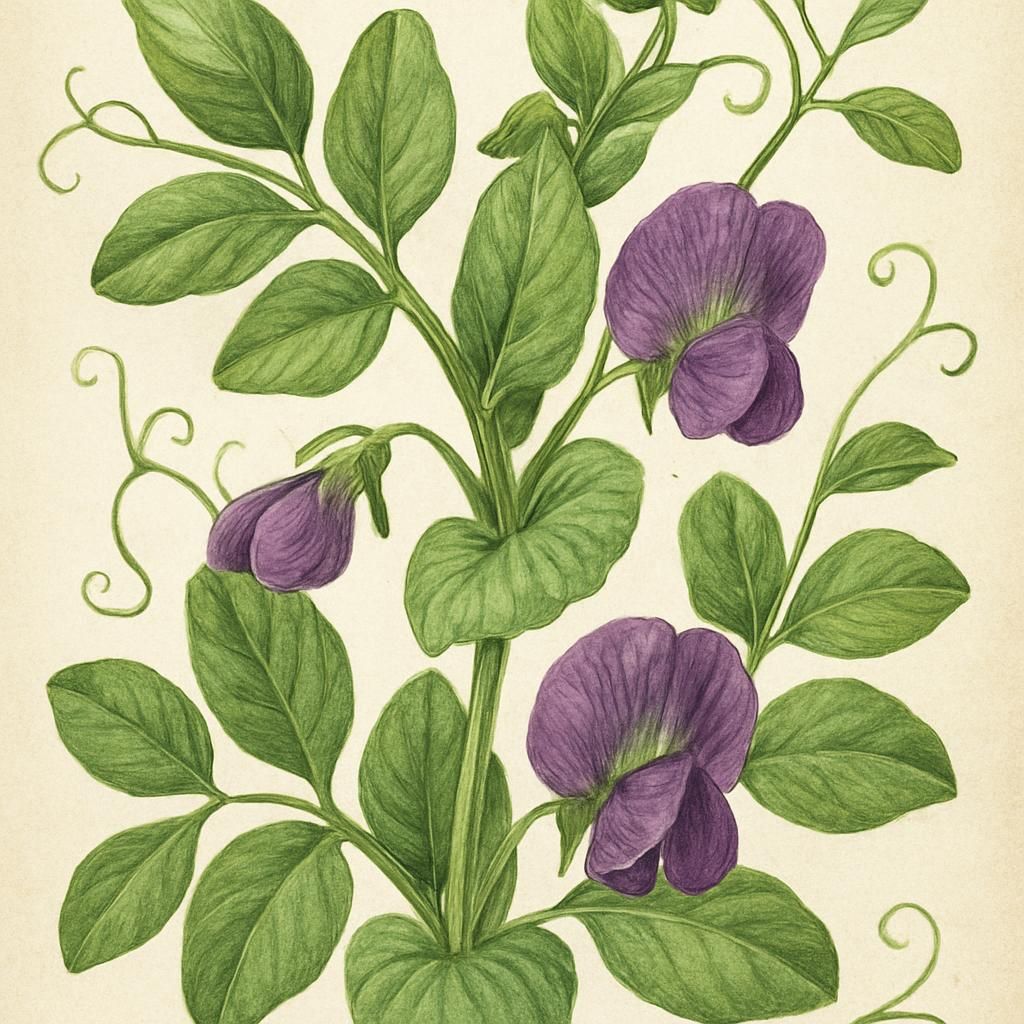
Pea (Austrian Winter)
The Austrian Winter Pea is a hardy cover crop and forage plant valued for its nitrogen-fixing capabilities and adaptability to cold climates. It thrives in various soil types, offering benefits to both soil health and livestock feed.
View Guide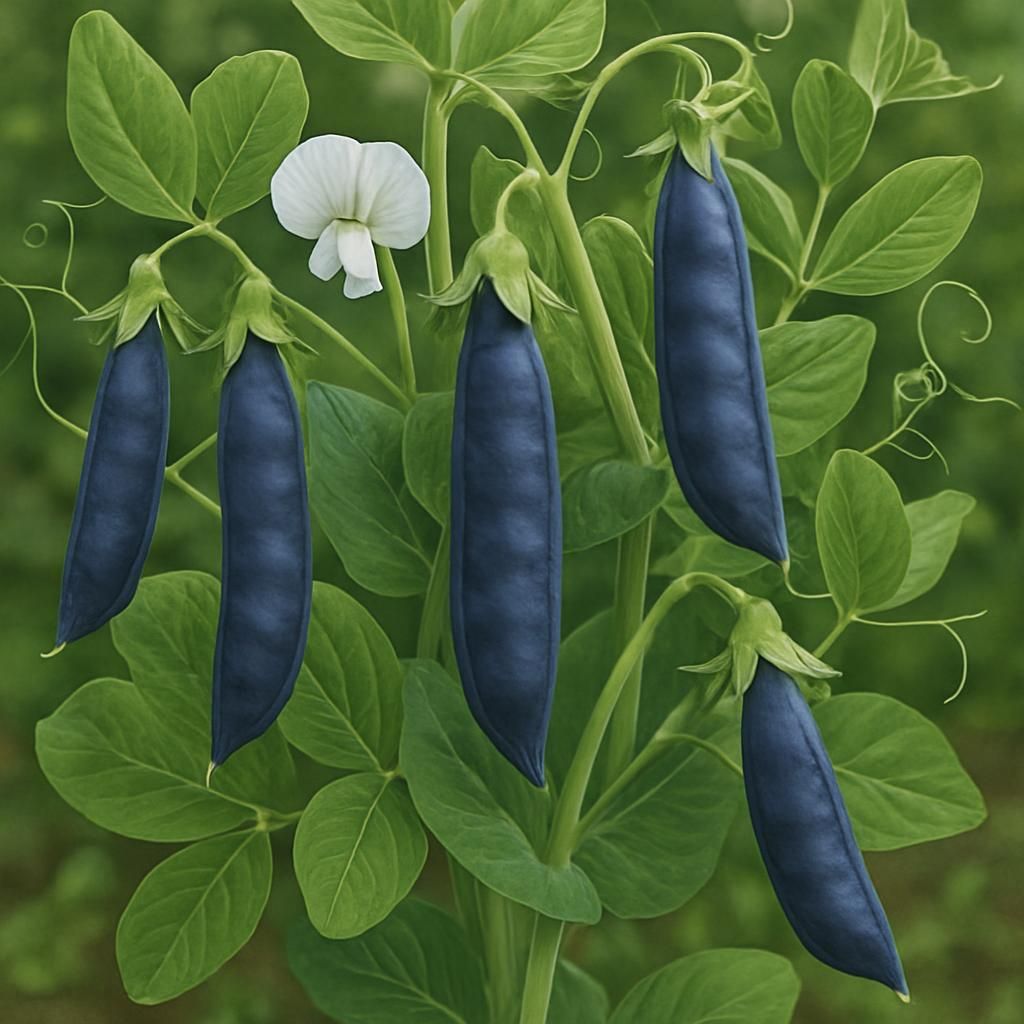
Pea (Blue Podded Desiree)
The Blue Podded Desiree is a unique pea variety known for its striking blue-purple pods, offering both ornamental and culinary value. Historically recognized for its vibrant color, it thrives in cooler climates and provides a delightful addition to any home garden or sustainable farming setup.
View Guide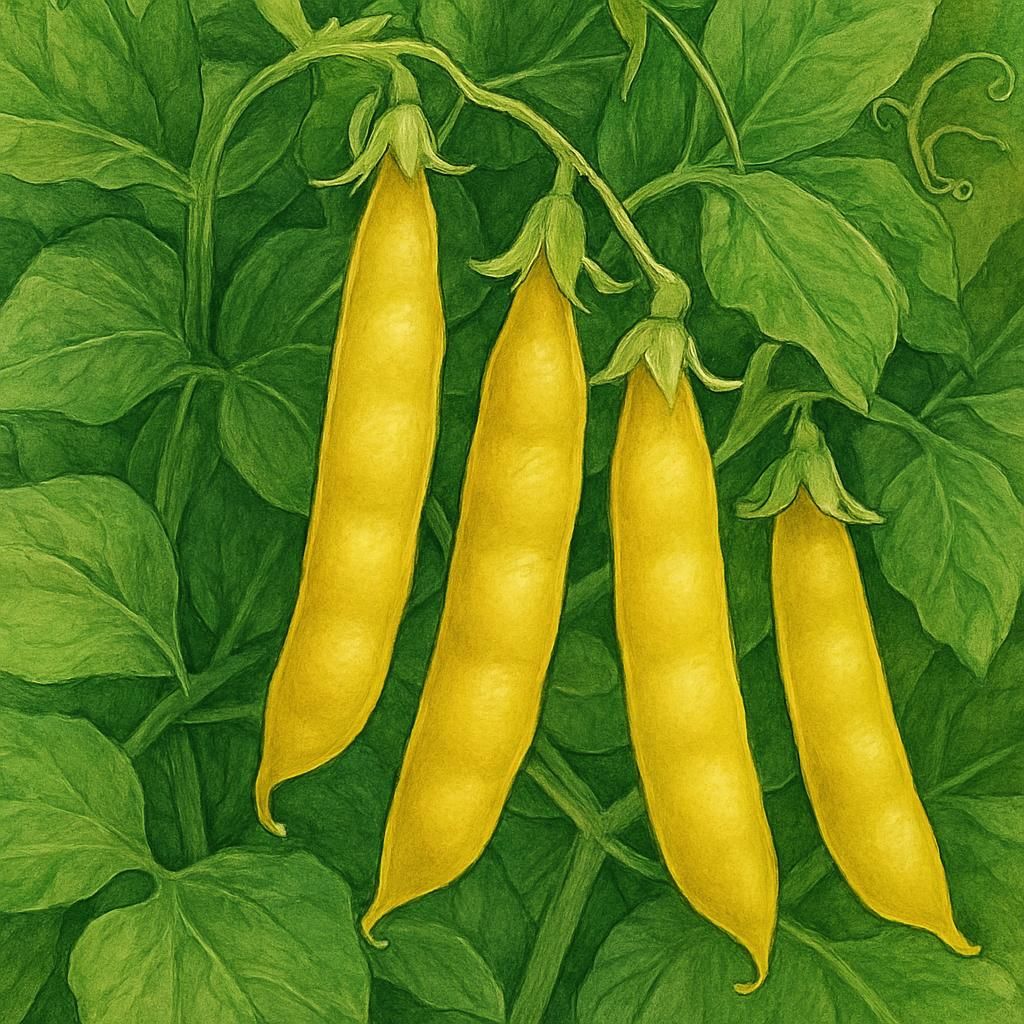
Pea (Golden Sweet Snow)
The Golden Sweet Snow pea is a striking yellow variety known for its tender pods and sweet flavor. Suitable for both small gardens and larger agricultural operations, it thrives in cool seasons, making it a favorite among gardeners and farmers looking to capitalize on early spring or fall planting.
View Guide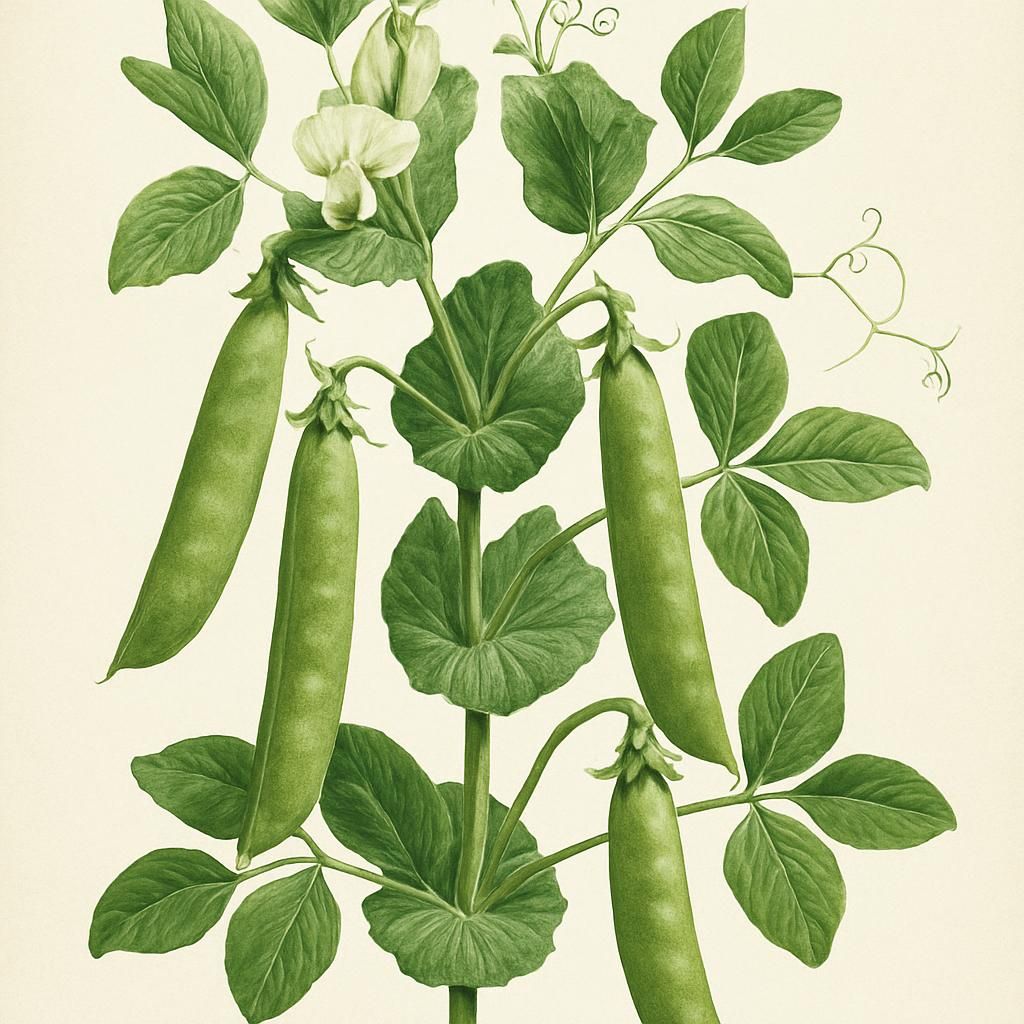
Pea (Shelling - Green Arrow)
The Green Arrow pea is a shelling type noted for consistent yields and disease resistance. Ideal for cooler climates, it produces long pods filled with plump, sweet peas.
View Guide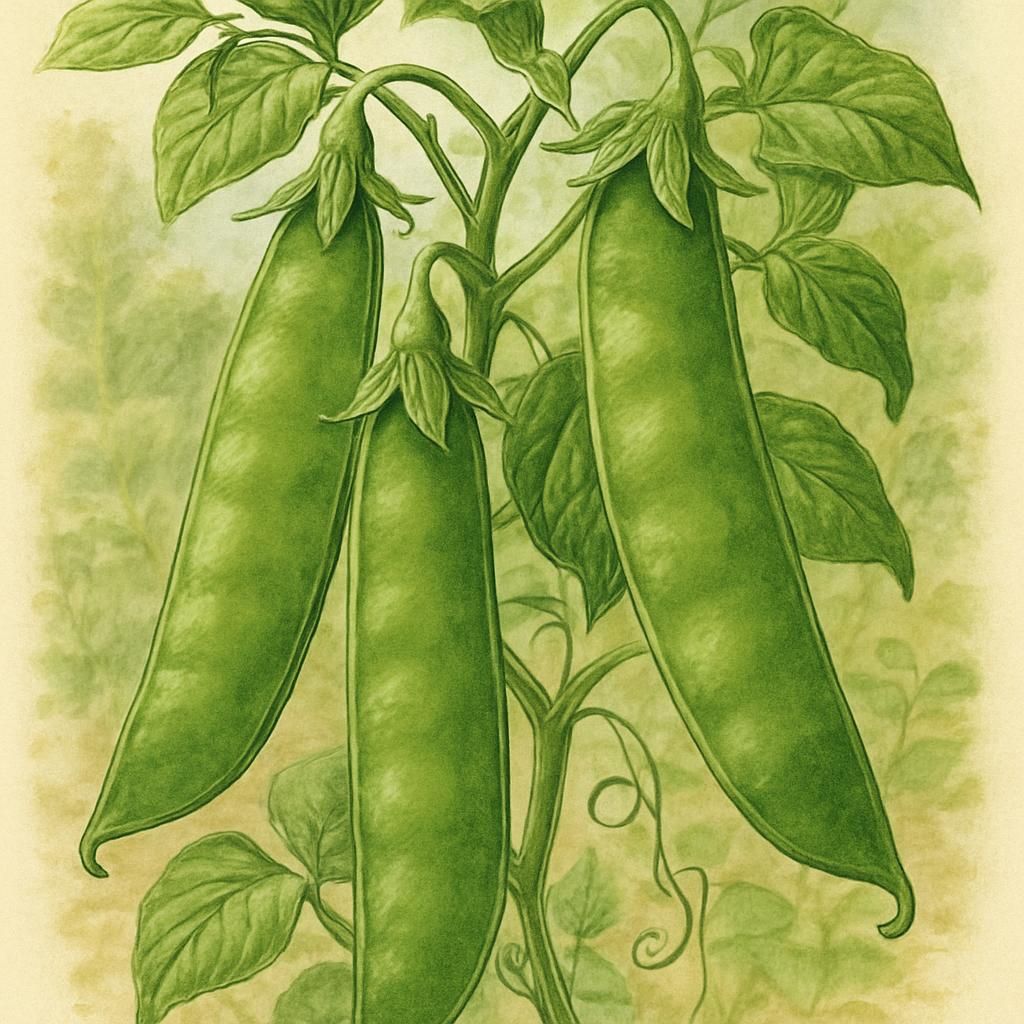
Pea (Snow Pea - Oregon Giant)
The 'Oregon Giant' snow pea is a robust, productive variety known for its large, tender pods. Ideal for cooler climates, this pea offers sweet, crisp peas that are perfect for stir-frying or enjoying fresh.
View Guide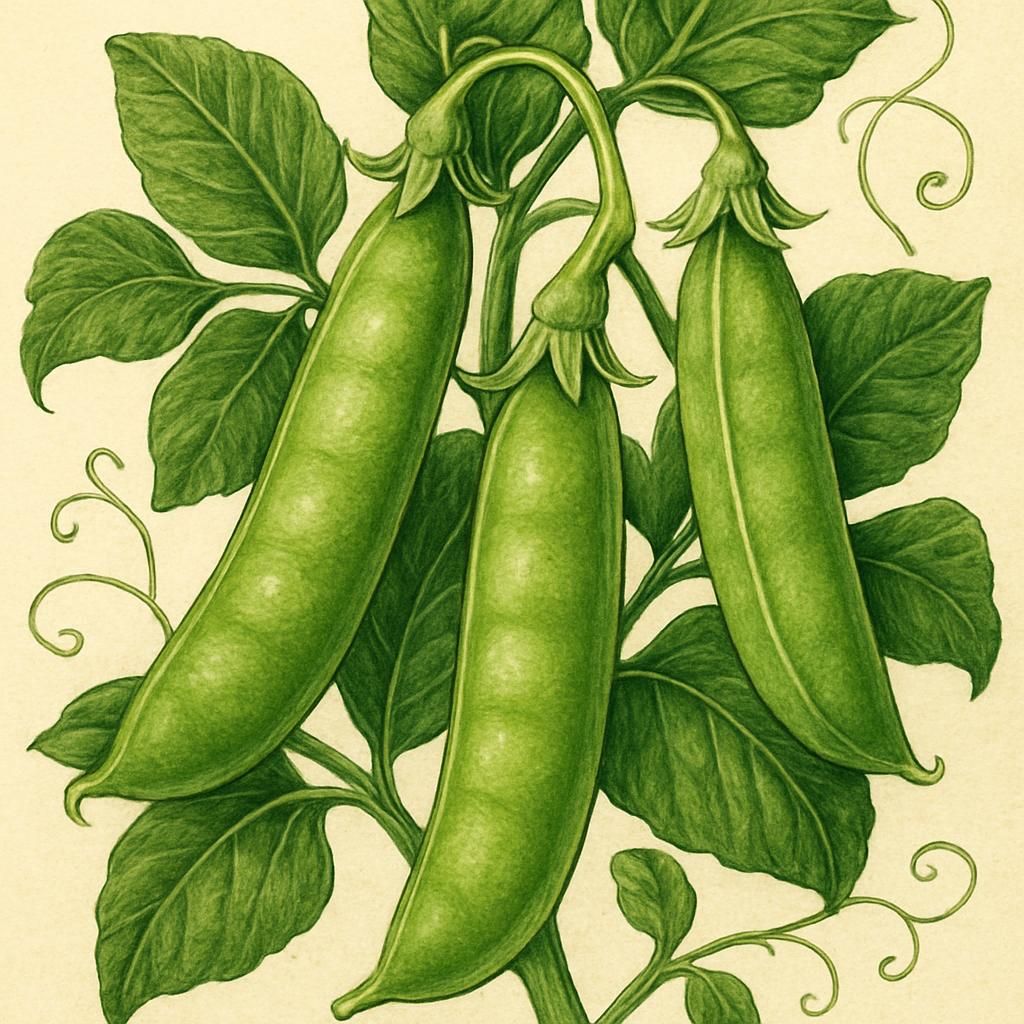
Pea (Sugar Snap - Cascadia)
Sugar Snap Pea 'Cascadia' is a popular, easy-to-grow variety known for its sweet, crisp pods. Highly productive and resistant to powdery mildew, 'Cascadia' is favored for both home and commercial gardens.
View Guide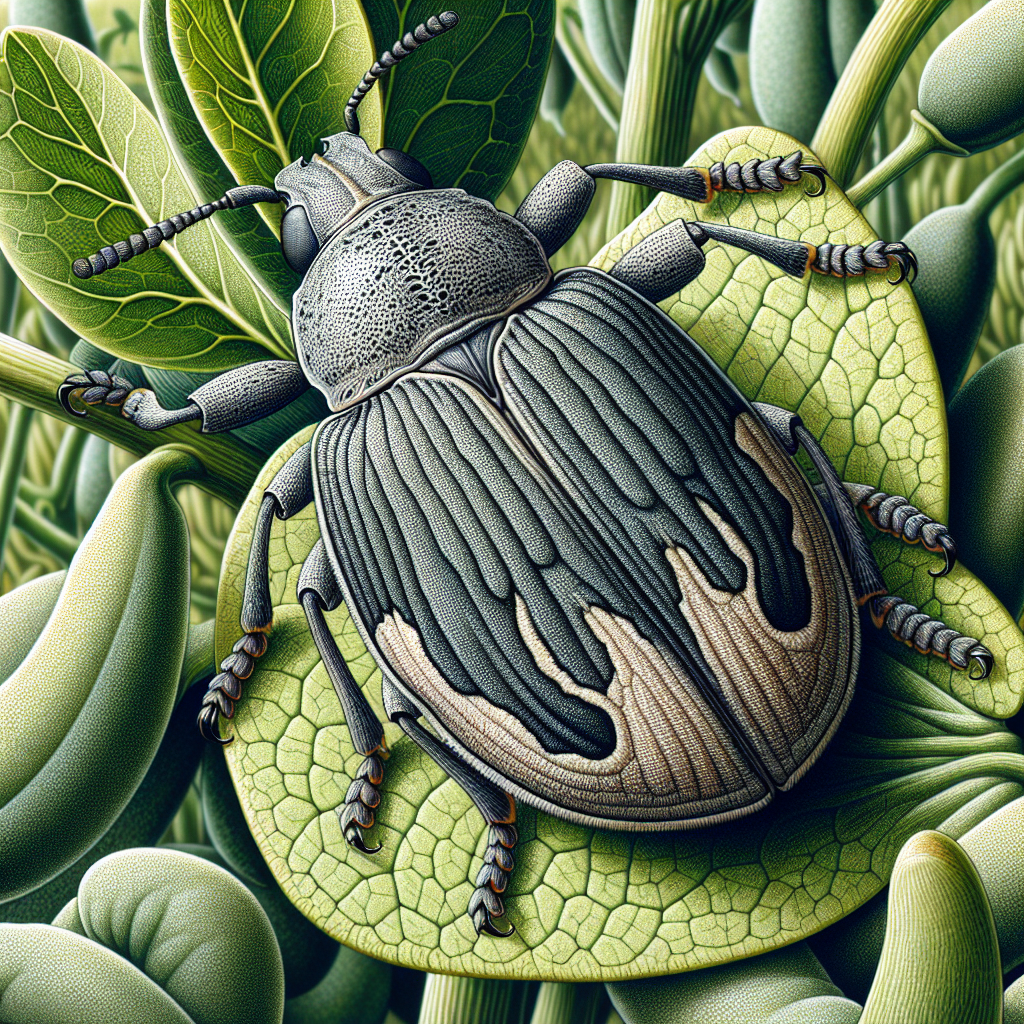
Pea and bean weevil
The pea and bean weevil (Sitona lineatus) is a widespread pest targeting legumes like peas and beans, causing significant damage through larval root feeding and adult leaf notching. Effective management combines cultural practices, biological controls, and vigilant monitoring to minimize crop losses. This guide provides comprehensive diagnostics, lifecycle insights, and organic strategies for sustainable control.
View Profile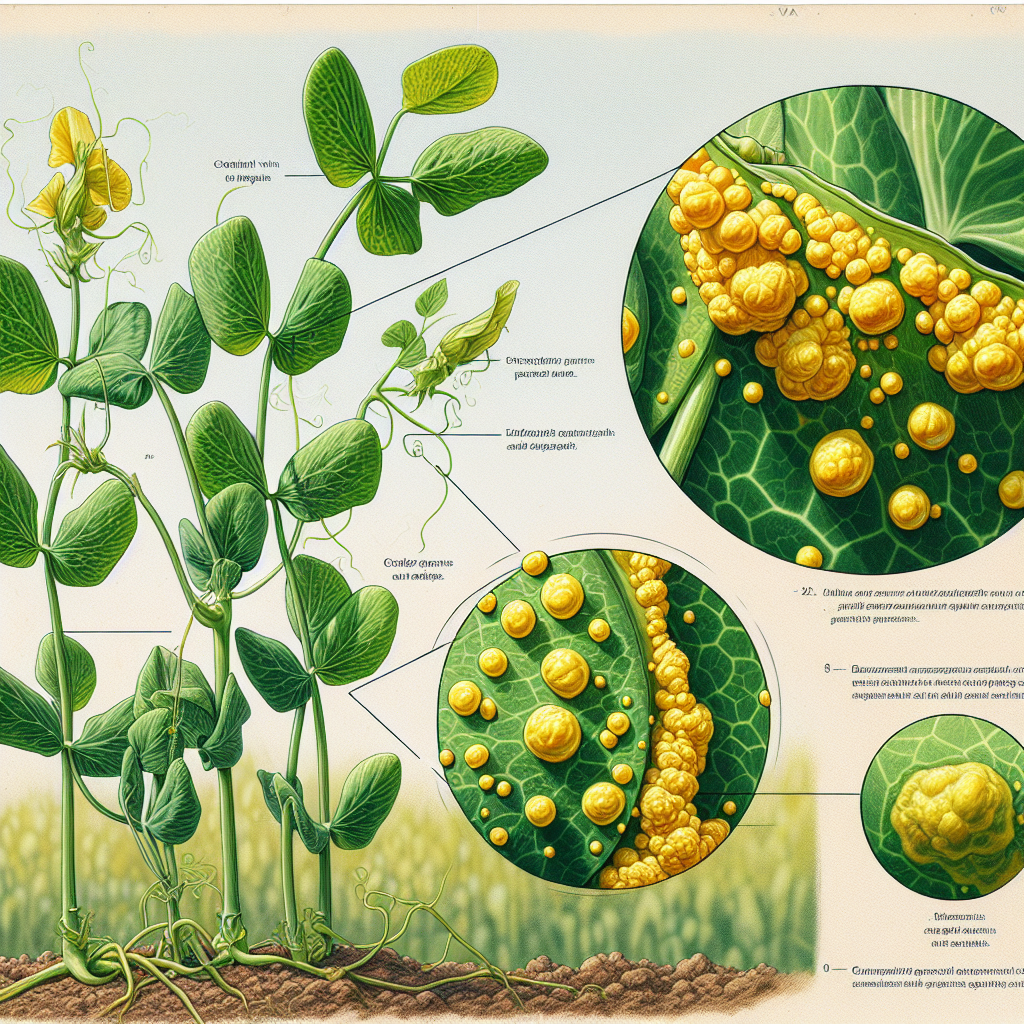
Pea enation mosaic
Pea enation mosaic is a viral disease primarily affecting pea crops, transmitted by aphids, causing leaf distortion, enations, and significant yield losses. It involves a complex of two viruses: pea enation mosaic virus-1 (PEMV-1) and pea enation mosaic virus-2 (PEMV-2). Effective management relies on aphid control, resistant varieties, and cultural practices to prevent outbreaks.
View Profile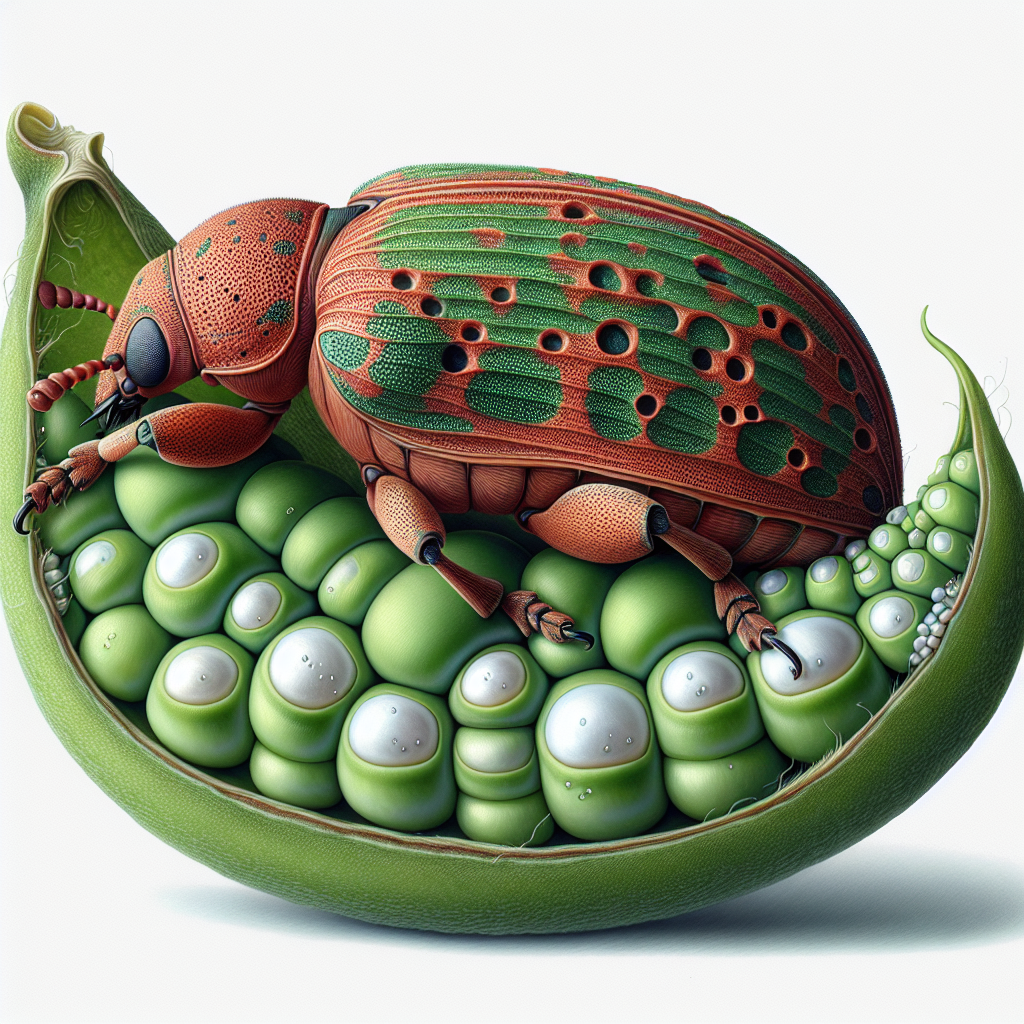
Pea weevils
Pea weevils (Bruchus pisorum) are destructive seed beetles that infest pea crops, causing significant yield losses through larval feeding inside developing seeds. This guide provides comprehensive diagnostics, lifecycle insights, organic management strategies, and prevention tactics for farmers battling this persistent pest. Protect your pea harvests with proven, practical agricultural advice tailored for field and garden growers.
View Profile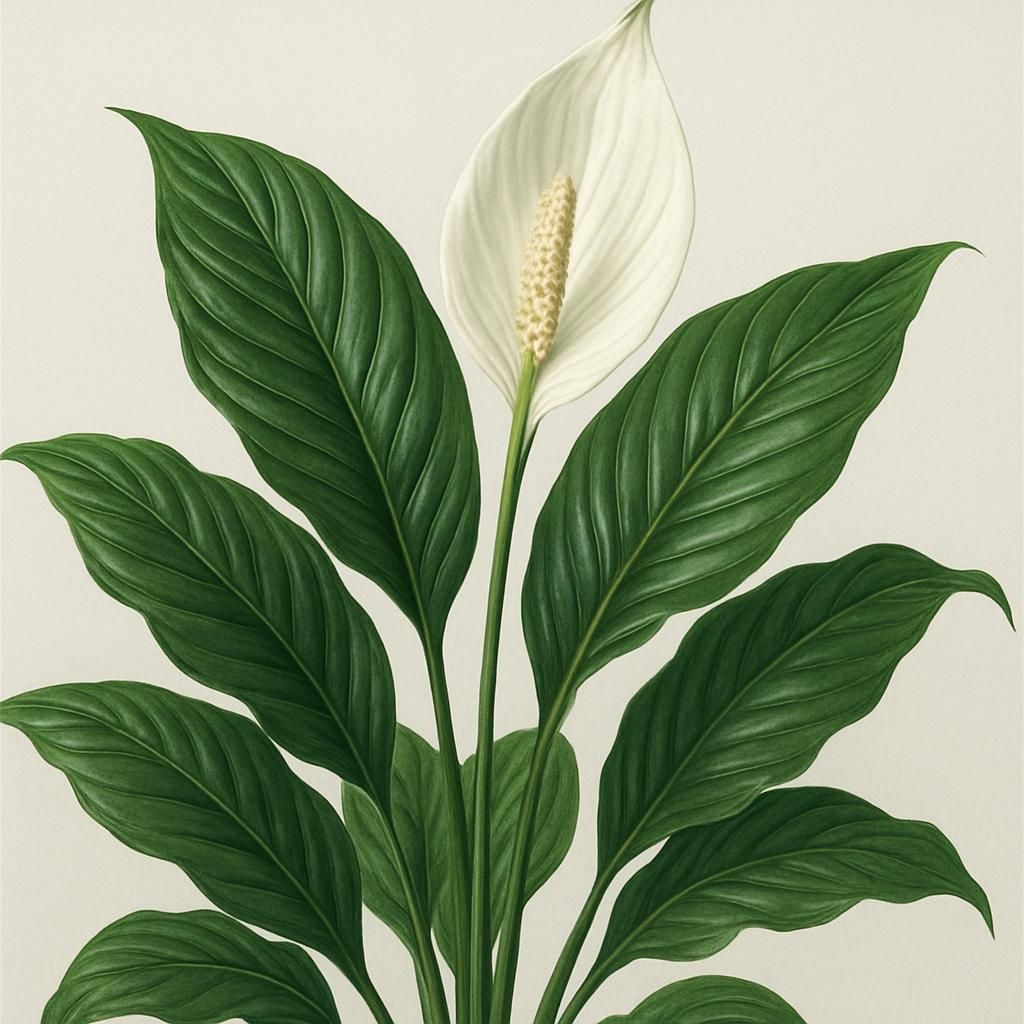
peace lily
The peace lily is a popular tropical aroid valued for its elegant white spathes and air-purifying foliage. It thrives in low to moderate light and requires consistently moist, well-draining soil. This guide delivers professional-grade cultural practices for successful indoor and greenhouse cultivation.
View Guide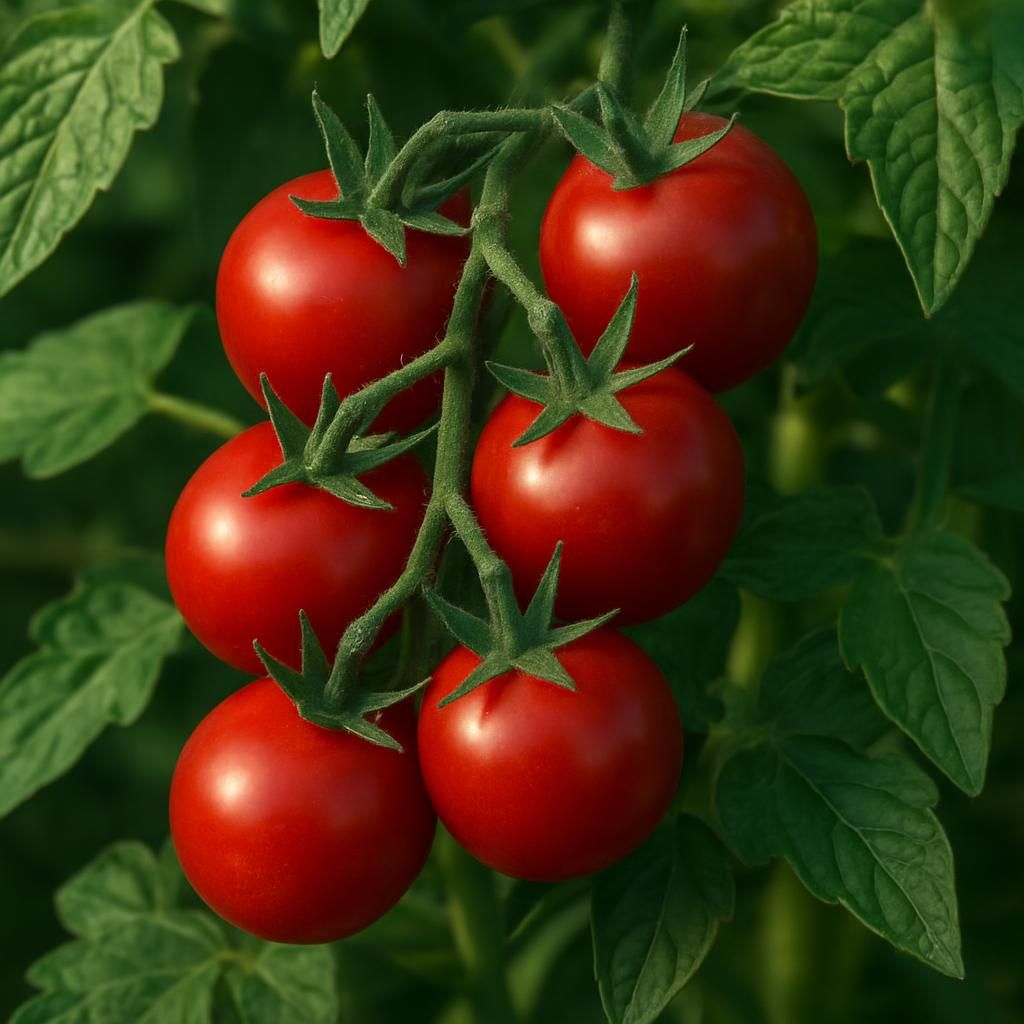
Peacevine Cherry Tomato
Peacevine Cherry Tomato is a vigorous, indeterminate heirloom variety prized for its high yields of sweet, crack-resistant fruits and exceptional disease tolerance. This compact-growing cherry tomato is ideal for both home gardeners and small-scale commercial producers seeking reliable production with minimal inputs.
View Guide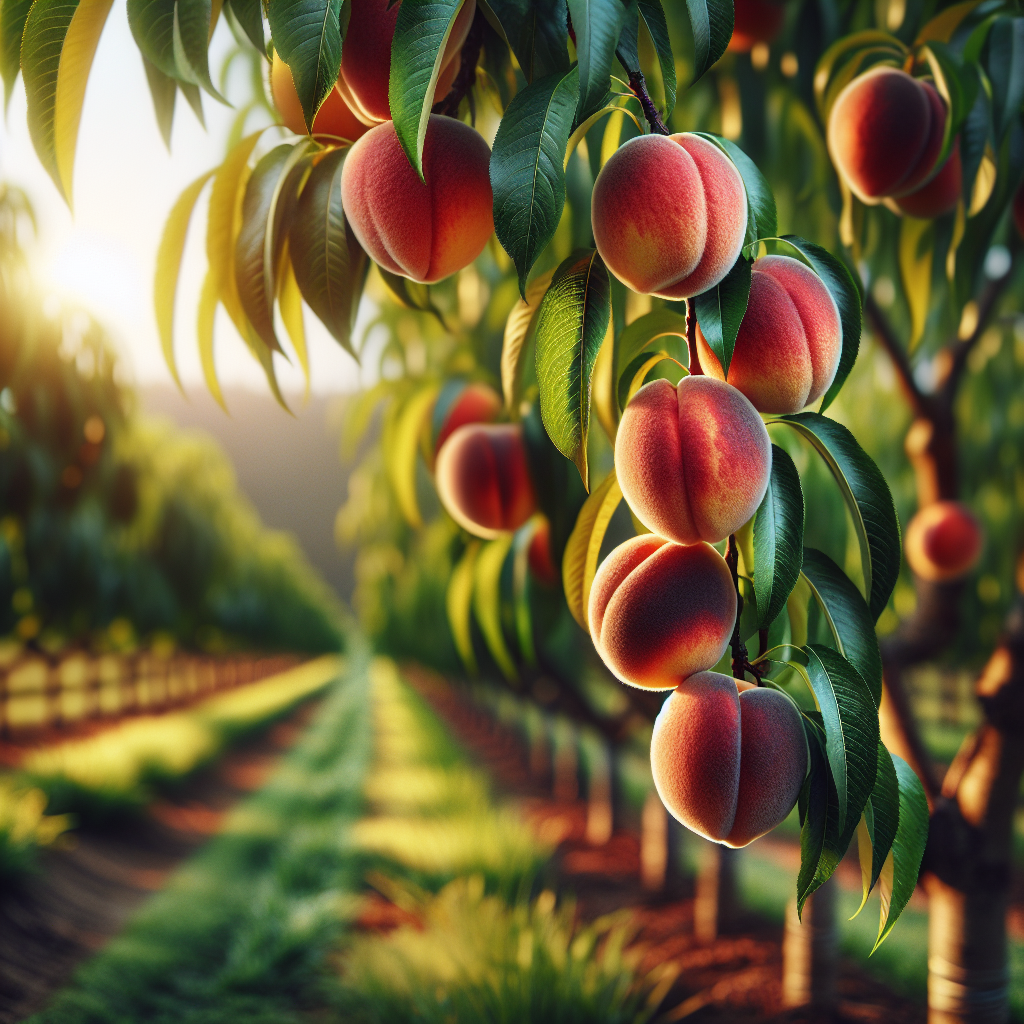
Peach
Peach is a deciduous stone fruit tree prized for its fragrant spring blossoms and juicy, sweet fruit. Although often considered a backyard favorite, consistently high-quality peach production requires close attention to chill hours, pruning, thinning, irrigation, and disease prevention. With the right site and cultivar selection, peach can be one of the most rewarding temperate fruit crops for home growers and professional orchards alike.
View Guide
Peach leaf curl
Peach leaf curl is a widespread fungal disease caused by Taphrina deformans that severely impacts peach and nectarine trees, causing distorted, curled leaves with reddish blisters. It primarily infects in cool, wet spring conditions and can lead to significant defoliation and reduced fruit yields if unmanaged. Effective prevention through fungicide timing and cultural practices is key to long-term control.
View Profile
Peach Palm (Pejibaye)
Peach Palm, also known as Pejibaye, is a tropical palm tree cultivated for its nutritious fruit and heart of palm. Native to Central and South America, it thrives in warm, humid climates and offers a sustainable crop option for small-scale farmers. This guide covers everything from planting to pest management for successful cultivation.
View Guide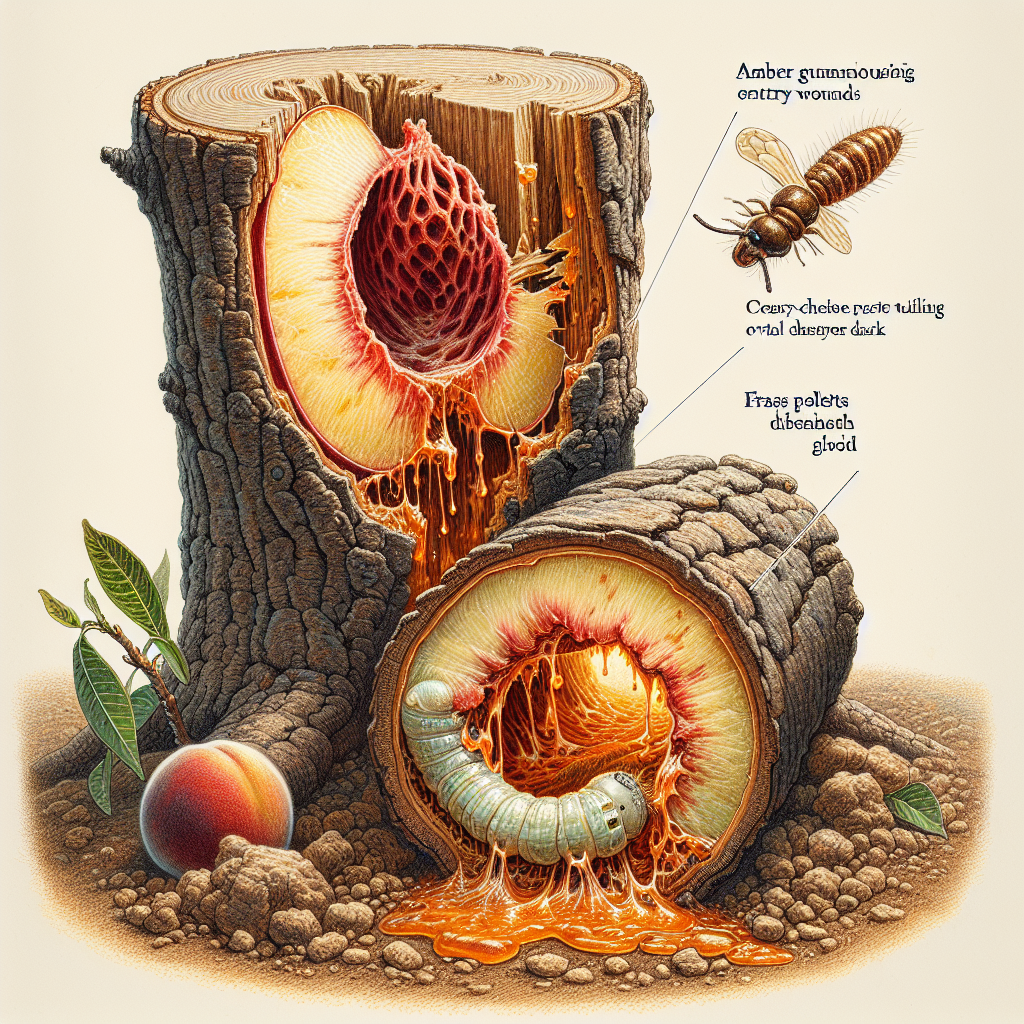
Peach tree borer
The peach tree borer is a destructive pest targeting stone fruit trees, with larvae boring into the trunk and roots, causing sap leakage, girdling, and tree death. Effective management relies on early detection, organic treatments like beneficial nematodes, and preventive cultural practices. This guide provides comprehensive diagnostics, lifecycle insights, and organic control strategies for sustainable peach orchard health.
View Profile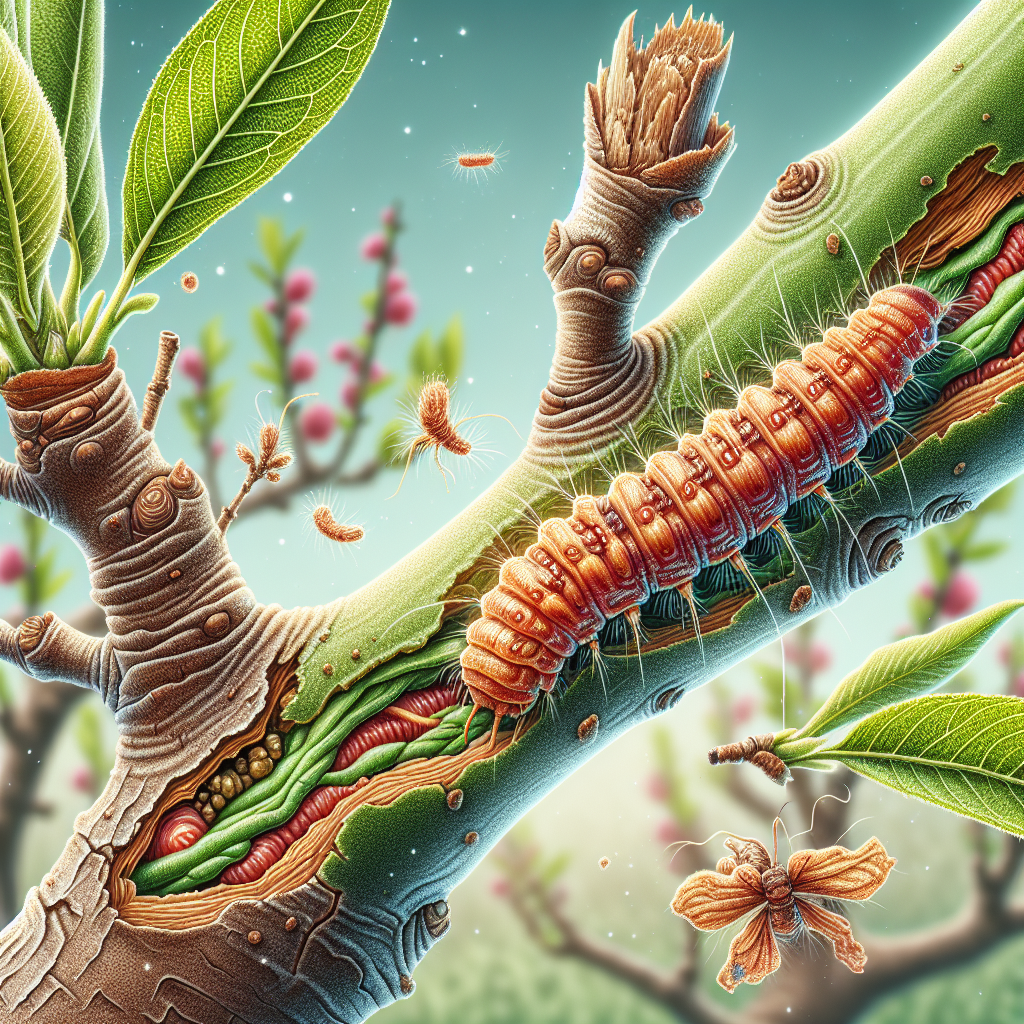
Peach twig borer
The peach twig borer (Anarsia lineatella) is a destructive pest targeting peach, apricot, and almond trees, with larvae boring into twigs, shoots, and fruits, causing significant economic losses. Effective management combines cultural practices, organic treatments, and precise timing based on its lifecycle. This guide provides diagnostic symptoms, lifecycle details, and proven organic control strategies for sustainable orchard protection.
View Profile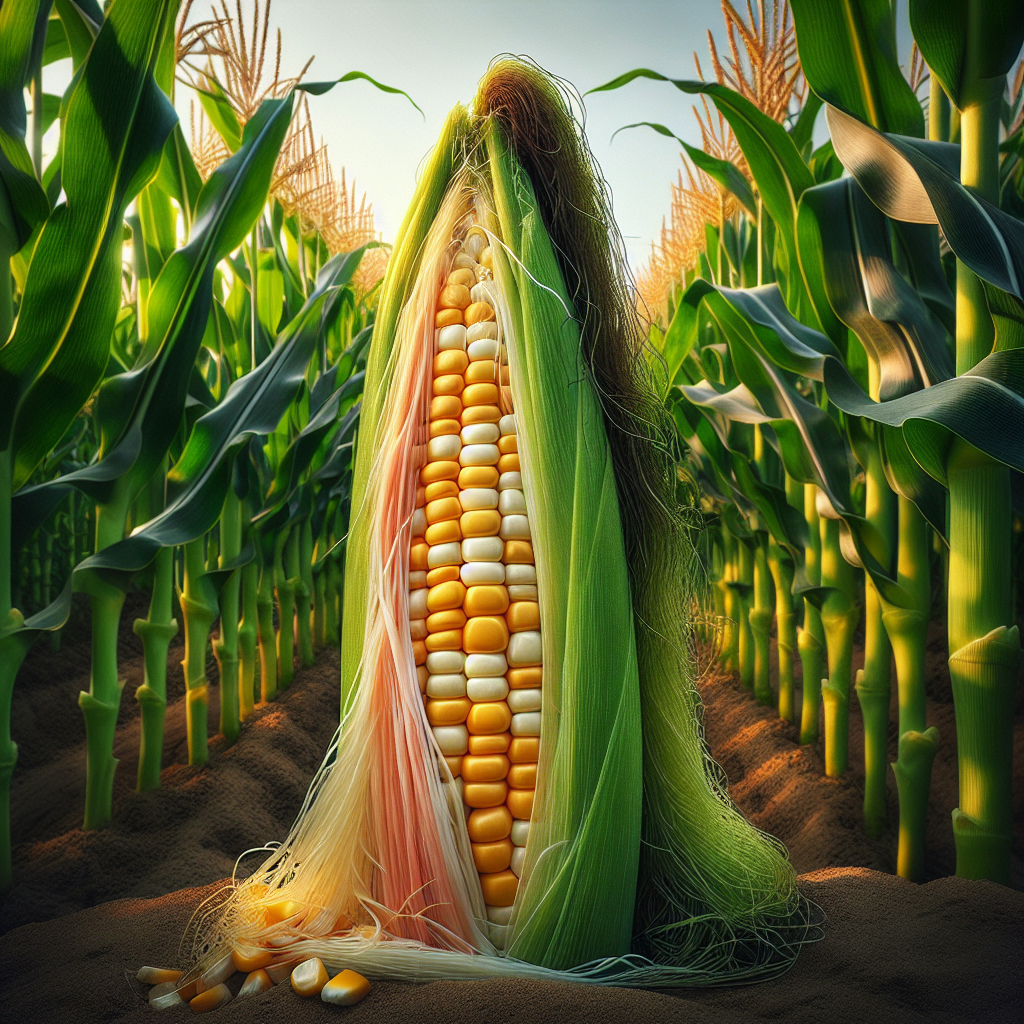
Peaches and Cream Sweet Corn
Peaches and Cream Sweet Corn is a popular bicolor sweet corn cultivar prized for its mix of creamy white and golden yellow kernels, tender texture, and balanced sugary flavor. It performs best in warm, frost-free conditions with fertile, well-drained soil, and rewards careful timing, even moisture, and prompt harvest with exceptional eating quality.
View Guide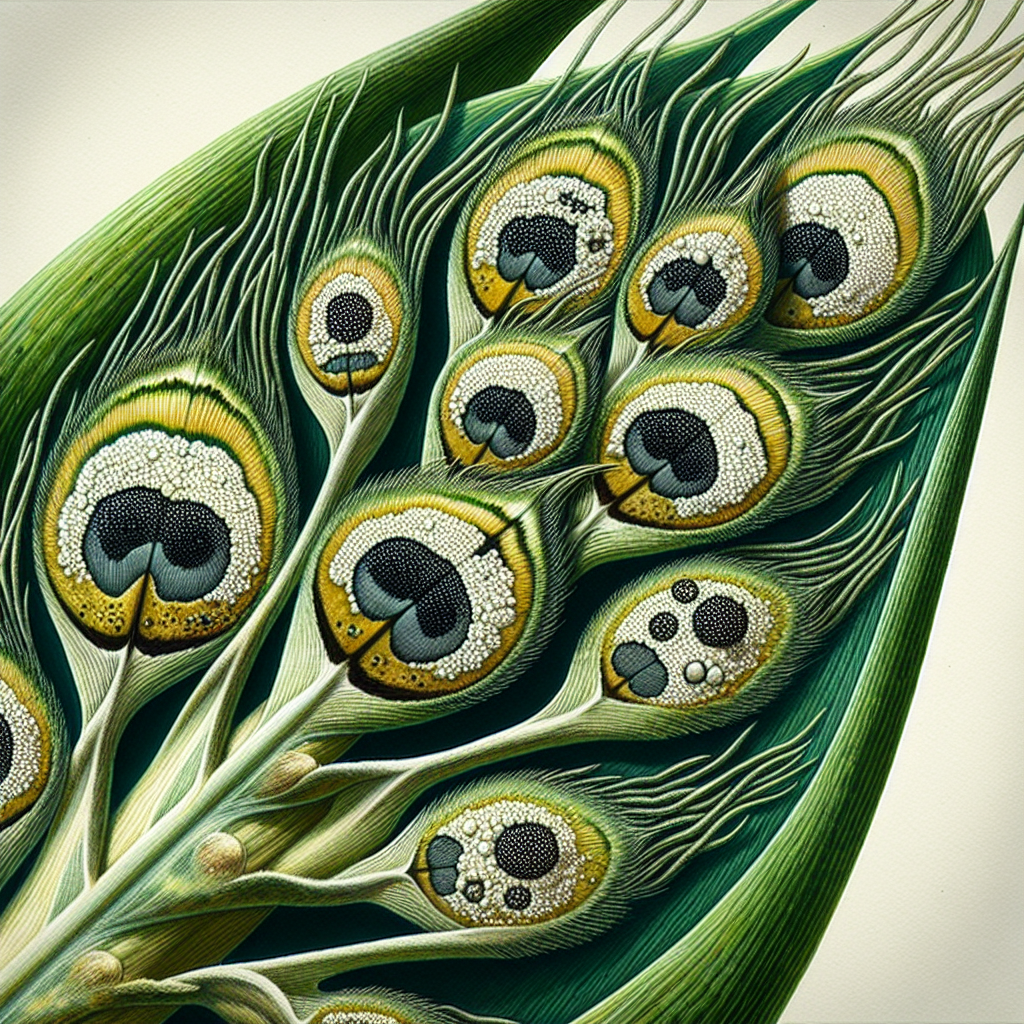
Peacock spot
Peacock spot, caused by the fungus Stagonospora nodorum, is a widespread foliar disease primarily affecting wheat and barley, leading to significant yield losses through leaf spotting and glume blotch. Recognizable by its distinctive eye-like spots with black centers and yellow margins resembling peacock feathers, it thrives in cool, wet conditions. Effective management combines resistant varieties, cultural practices, and timely fungicide applications.
View Profile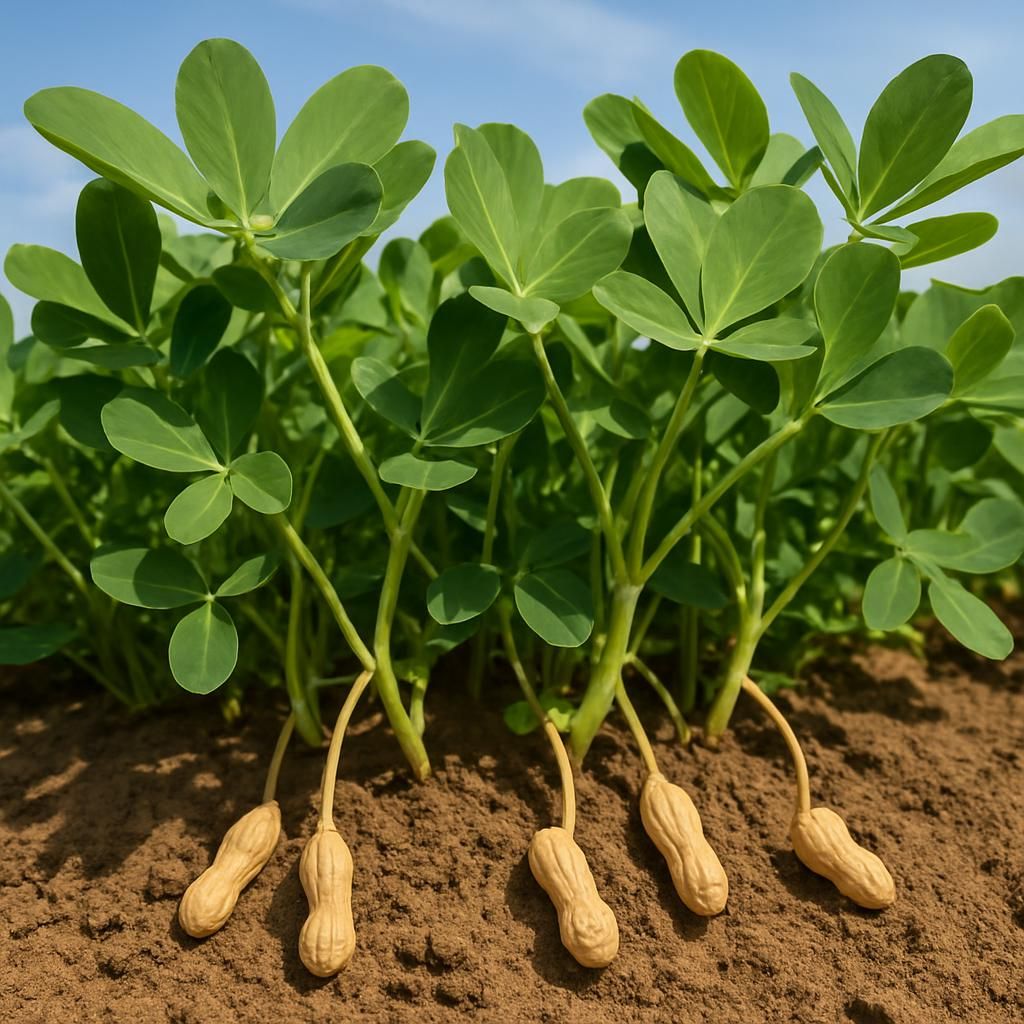
Peanut (Runner)
Runner-type peanuts are the most widely grown variety in the United States, valued for their uniform pod size, high oil content, and excellent roasting quality. This comprehensive guide covers every stage of cultivation from soil preparation through harvest and storage.
View Guide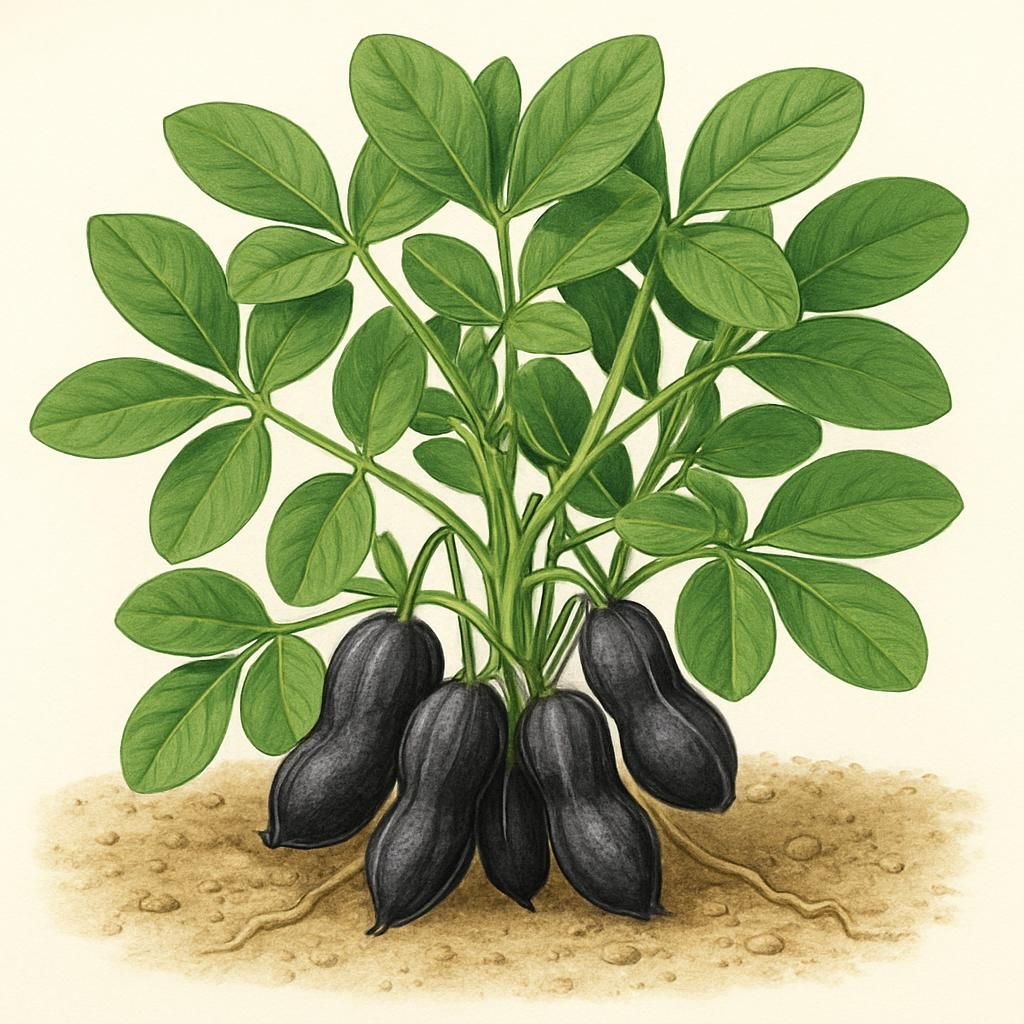
Peanut (Schronce’s Deep Black)
Schronce’s Deep Black is a rare heirloom peanut cultivar prized for its deep-purple to nearly black seed coats, rich nutty flavor, and high antioxidant content. This guide delivers professional-grade, field-tested advice for soil preparation, planting schedules, organic pest management, and post-harvest curing to help growers achieve reliable, high-quality yields.
View Guide