Encyclopedia
Definitive guides for crops, pests, and agricultural diseases.
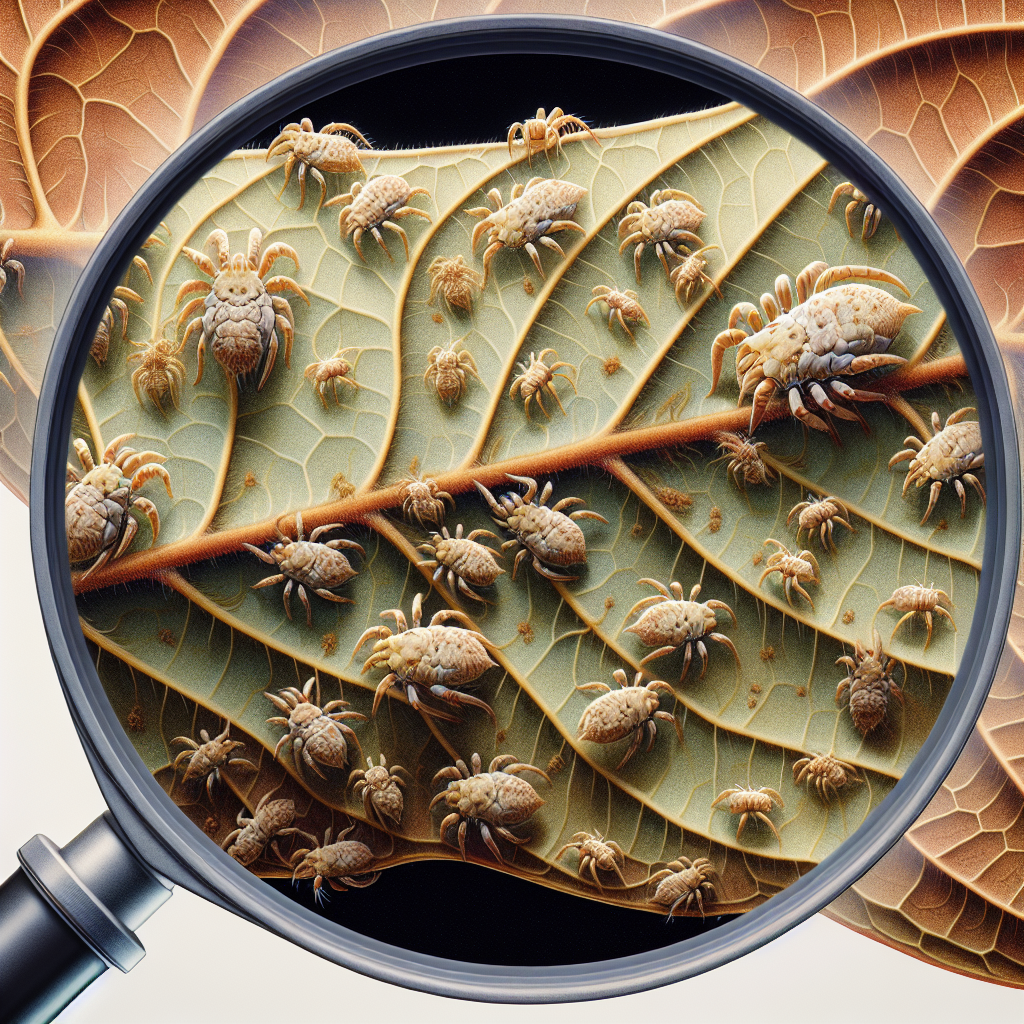
Persea mite
The Persea mite (Oligonychus perseae) is a microscopic pest that targets avocado leaves, causing bronzing and defoliation that severely impacts tree health and fruit yield. Native to Central America, it has become a major threat in California avocado groves since the 1990s. Effective management relies on early detection, organic treatments like sulfur, and cultural practices to minimize outbreaks.
View Profile
Persian Cucumber
Persian cucumbers are a slender, burpless variety prized for their crisp texture, mild flavor, and thin, edible skins. Originating from Armenia and popularized in Middle Eastern cuisine, they thrive in warm climates and produce high yields with minimal bitterness. This guide provides expert techniques for optimal growth, from soil prep to harvest.
View Guide
Persian Lime
Persian lime is the dominant commercial lime in many subtropical and tropical production regions, valued for its nearly seedless fruit, strong acidity, vigorous growth, and high market reliability. This guide covers the agronomy, orchard management, pest control, harvesting, and postharvest handling needed to grow healthy, productive trees at professional and small-farm scale.
View Guide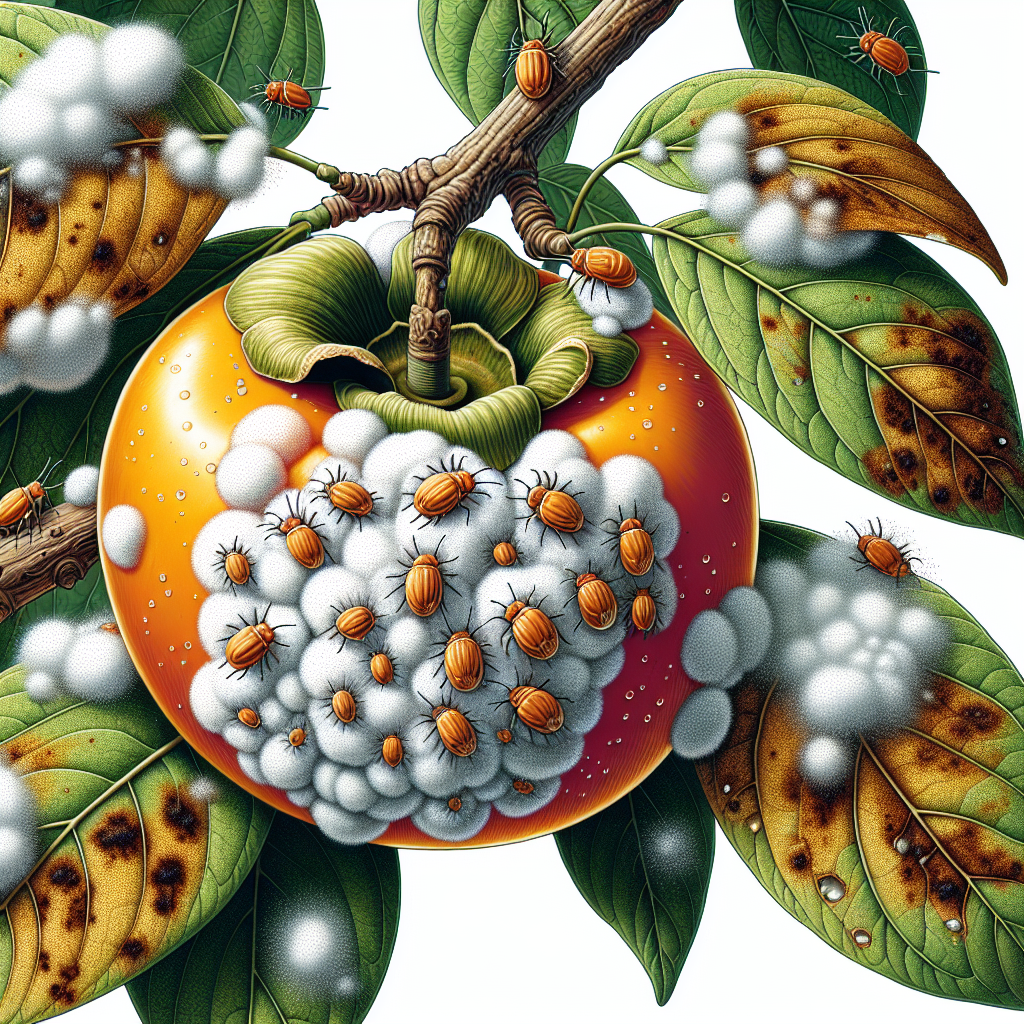
persimmon
Persimmon mealybugs are sap-sucking pests that infest persimmon trees, causing leaf yellowing, fruit drop, and sooty mold growth. This guide provides comprehensive diagnostics, lifecycle details, organic management strategies, and prevention tips for growers. Effective control combines cultural practices, biological agents, and monitoring to protect yields.
View Guide
Persimmon (Chocolate)
The Chocolate Persimmon is a rare, astringent variety of Japanese persimmon renowned for its unique chocolate-brown flesh and rich, caramel-like flavor when fully ripened. This guide provides expert cultivation techniques, from soil preparation to harvest, ensuring high yields of this premium fruit. Ideal for home orchards and small farms seeking exotic, high-value crops.
View Guide
Persimmon (Coffee Cake)
Persimmon (Coffee Cake) is a premium astringent persimmon cultivar celebrated for its rich, coffee-cake-like flavor profile with hints of cinnamon and caramel when fully ripened. This guide provides expert cultivation techniques for optimal yields, from soil preparation to post-harvest curing. Ideal for small farms and orchards seeking high-value fruit crops.
View Guide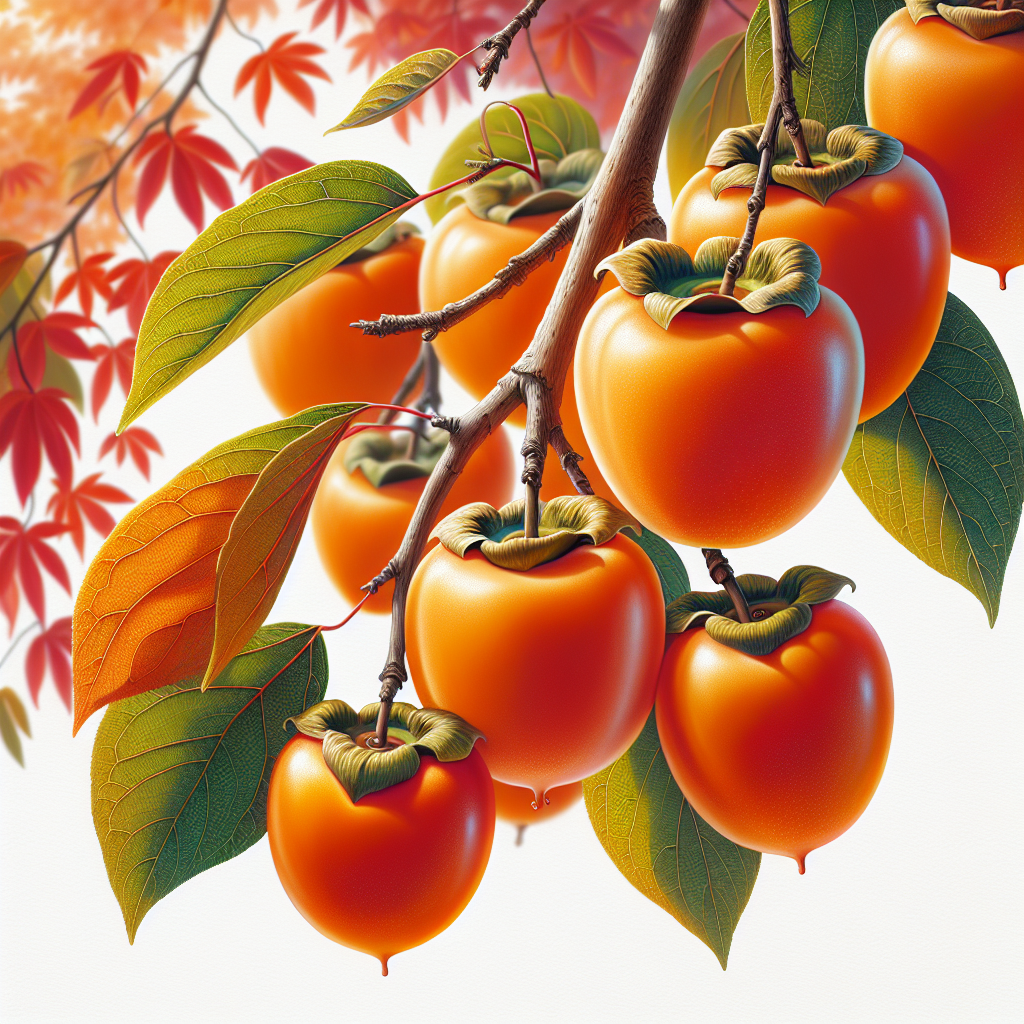
Persimmon (Fuyu Jiro)
Fuyu Jiro persimmon is a non-astringent Japanese variety prized for its crisp, sweet, tomato-shaped fruit that can be eaten firm right off the tree. This comprehensive guide covers everything from soil preparation and propagation to pest management and harvesting for optimal yields. Ideal for home orchards and small farms in temperate to subtropical climates.
View Guide
Persimmon (Fuyu)
Fuyu persimmon is a non-astringent Asian persimmon prized for its crisp texture, sweet flavor, and ability to be eaten while still firm. Compared with astringent persimmons, it is generally more forgiving for home orchards and small farms, but it still rewards careful management of soil drainage, canopy structure, and harvest timing.
View Guide
Persimmon (Hachiya)
Persimmon 'Hachiya' is a classic astringent Asian persimmon prized for its large, acorn-shaped fruit that becomes exceptionally rich, honeyed, and custard-soft when fully ripe. It is a productive deciduous fruit tree for warm-temperate regions, but success depends on careful site selection, disciplined irrigation during establishment, and harvesting only when the fruit has fully lost its astringency.
View Guide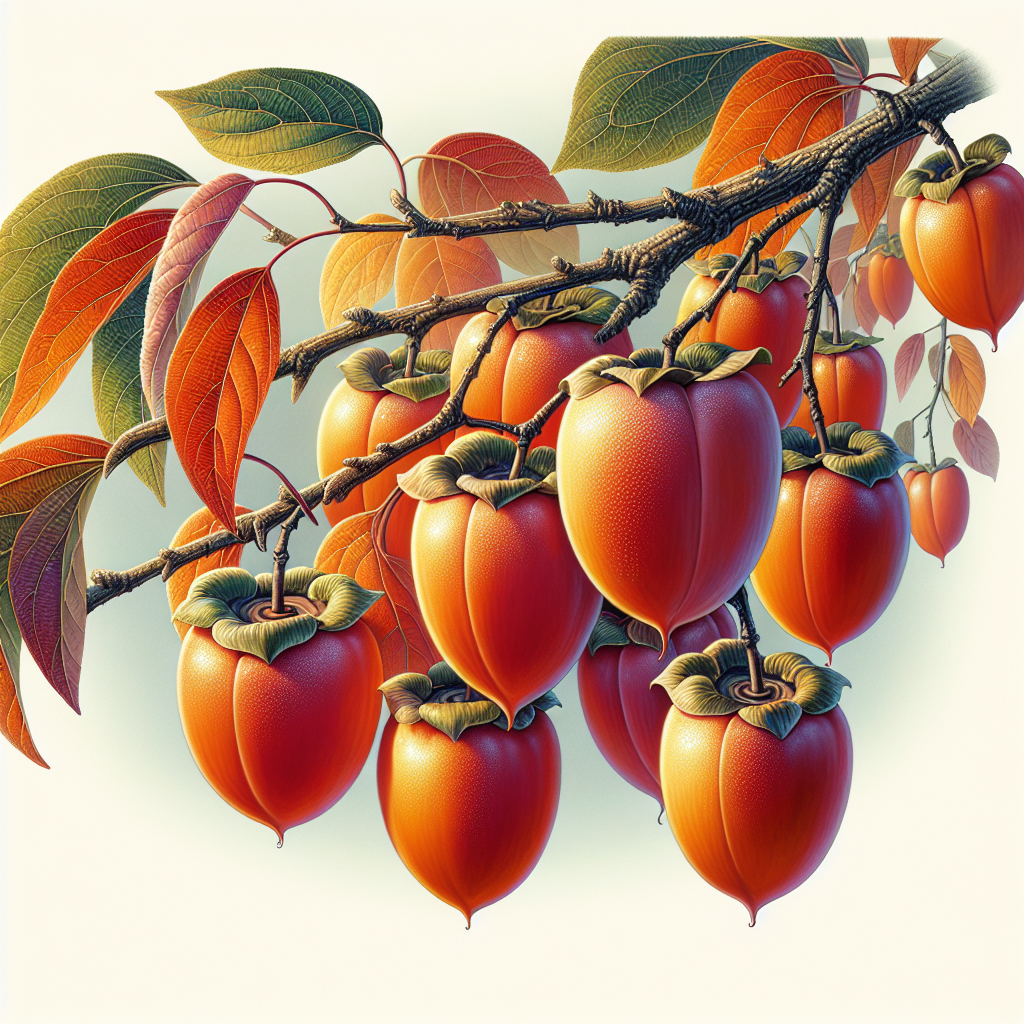
Persimmon (Saijo)
Persimmon (Saijo) is a premium Japanese astringent persimmon variety renowned for its exceptionally sweet, honey-like flavor and superior cold hardiness. This non-astringent cultivar produces large, elongated orange fruits that ripen beautifully without the bitter tannins typical of many persimmons. Ideal for home orchards and small farms in temperate climates, Saijo offers reliable yields and stunning fall foliage.
View Guide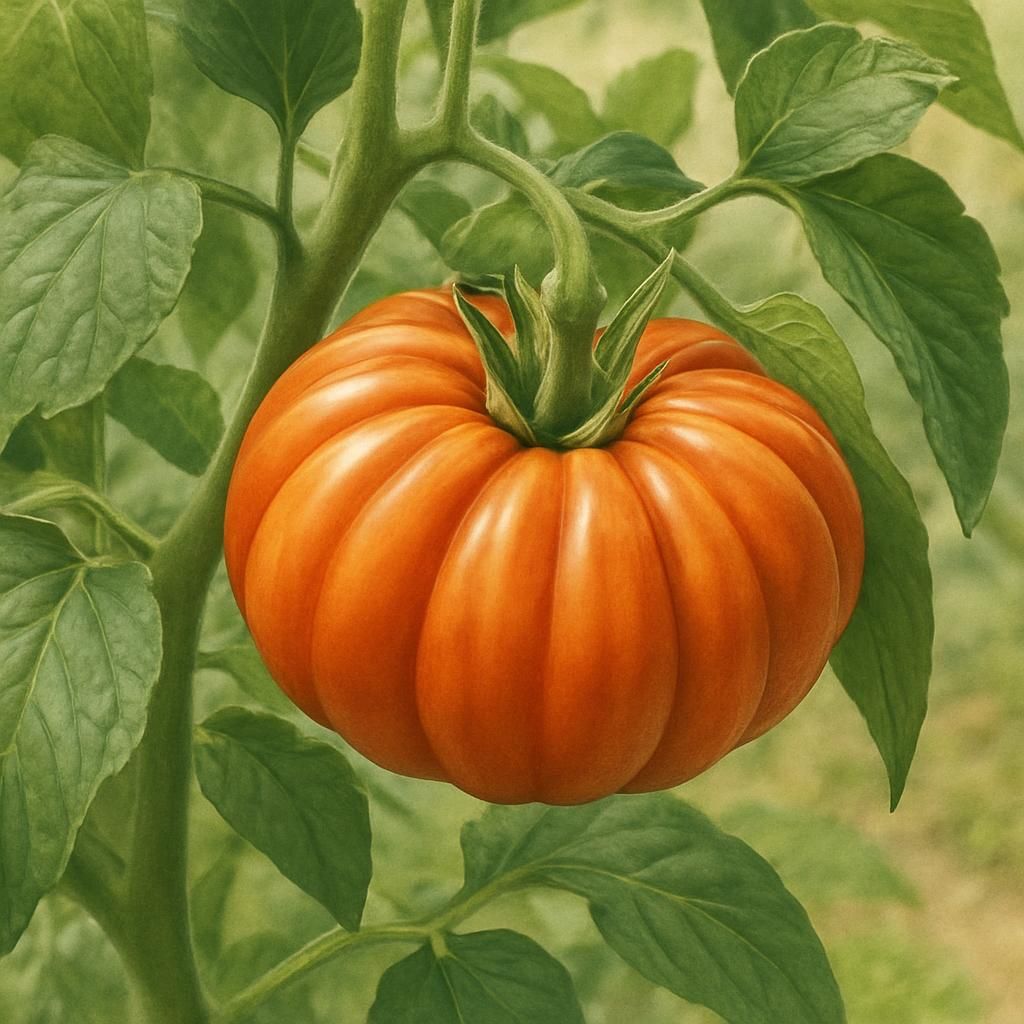
Persimmon Tomato (Heirloom)
Persimmon Tomato (Heirloom) is a rare, beefsteak-type heirloom prized for its large, deep-orange, ribbed fruits that offer exceptional sweetness and low acidity. This indeterminate variety requires attentive care through a long growing season to reach full flavor potential. The guide delivers professional-grade advice on soil, planting, maintenance, organic pest management, harvesting, and companion planting.
View Guide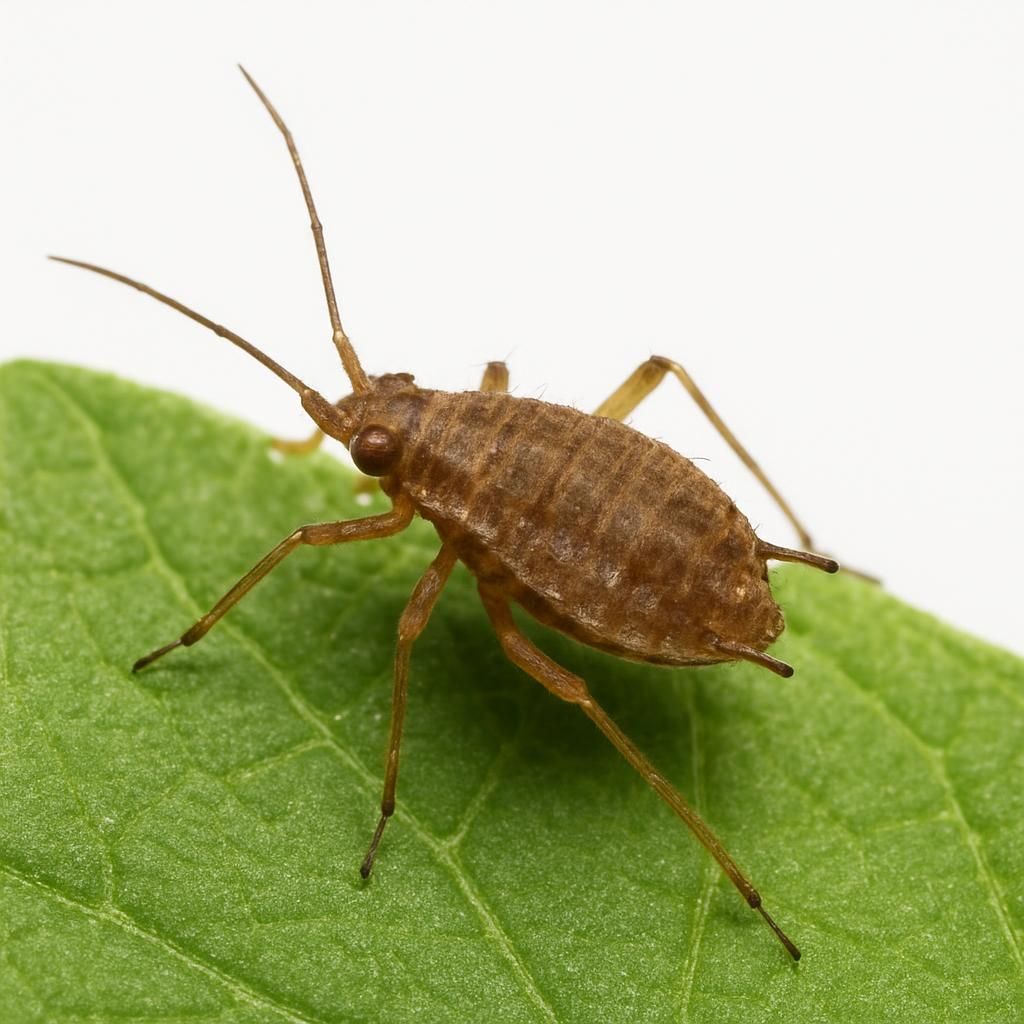
pest
A broad-spectrum agricultural pest affecting multiple crops through direct feeding, sap extraction, and disease transmission. Early identification and integrated management are essential to minimize yield loss and maintain plant health.
View Profile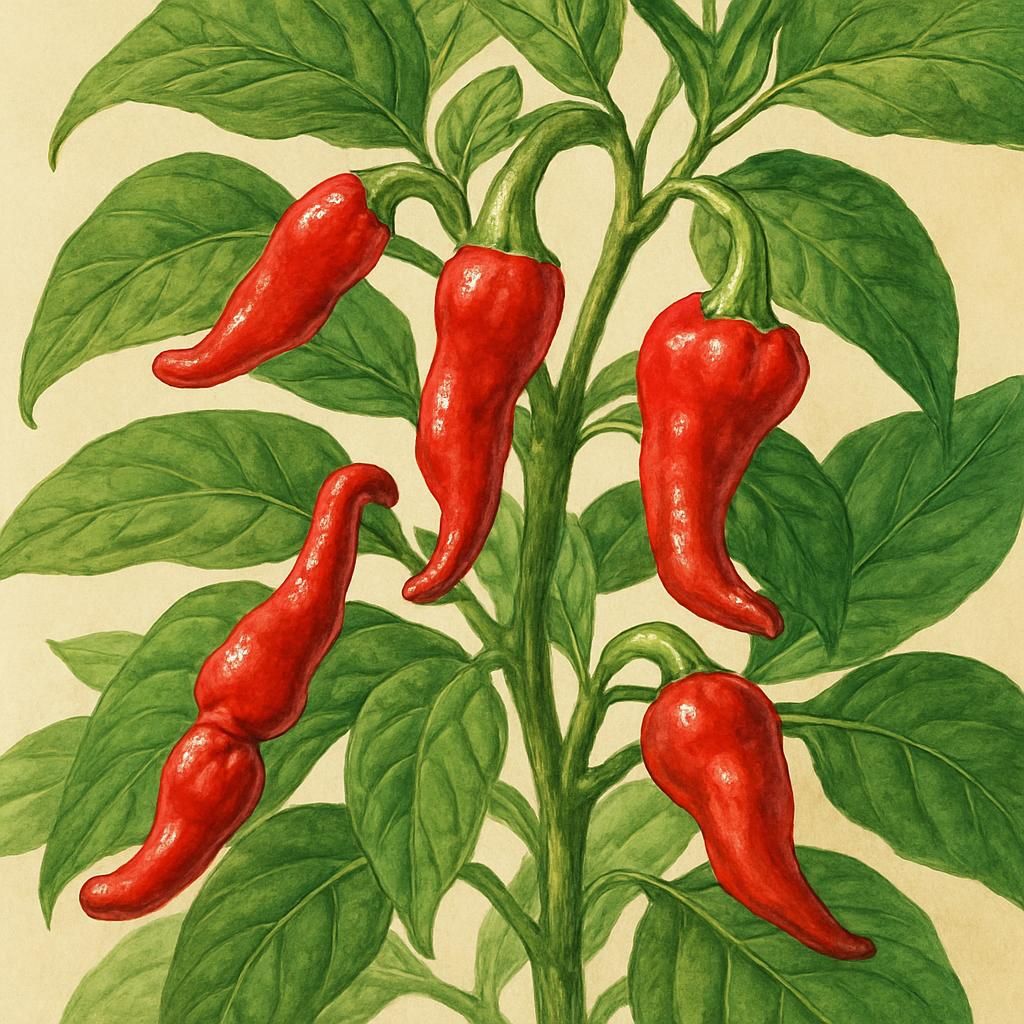
Peter Pepper (Red)
The Peter Pepper, known for its distinctive shape and vibrant red color, is a unique heirloom chili pepper. Despite its novelty appearance, it offers mild to moderate heat, making it a versatile addition to gardens and kitchens.
View Guide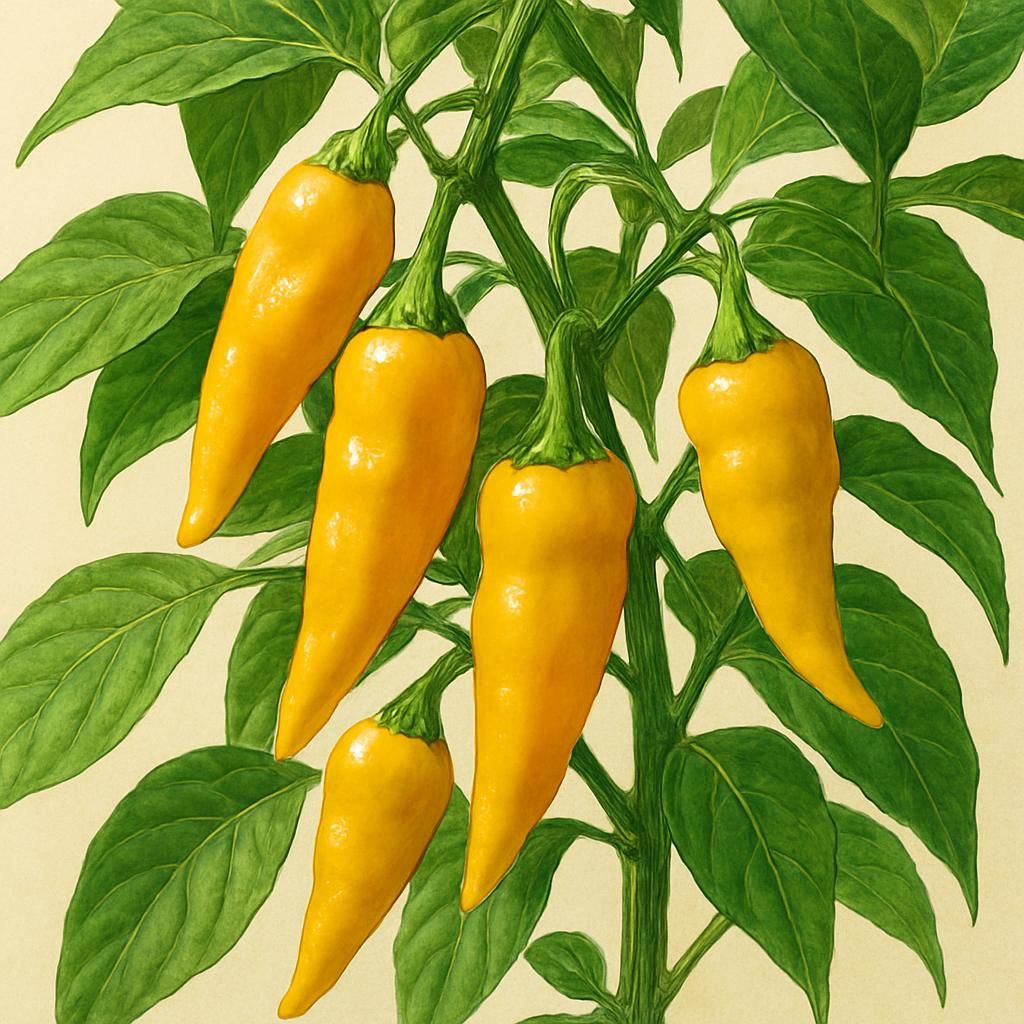
Peter Pepper (Yellow)
The Yellow Peter Pepper is a unique variety of the Capsicum annuum species, known for its distinctive shape and vibrant yellow color. It is both an ornamental and culinary delight, offering mild to moderate heat, suitable for a variety of dishes.
View Guide
Petunias
Petunias are not a traditional agricultural pest but rather a popular ornamental crop; this guide treats them as a model system for diagnosing and managing common garden and greenhouse issues affecting flowering annuals. The content covers symptom identification, lifecycle stages, environmental triggers, organic treatment tables, prevention strategies, and the crops most frequently impacted when similar pests or diseases spread from petunia plantings.
View Profile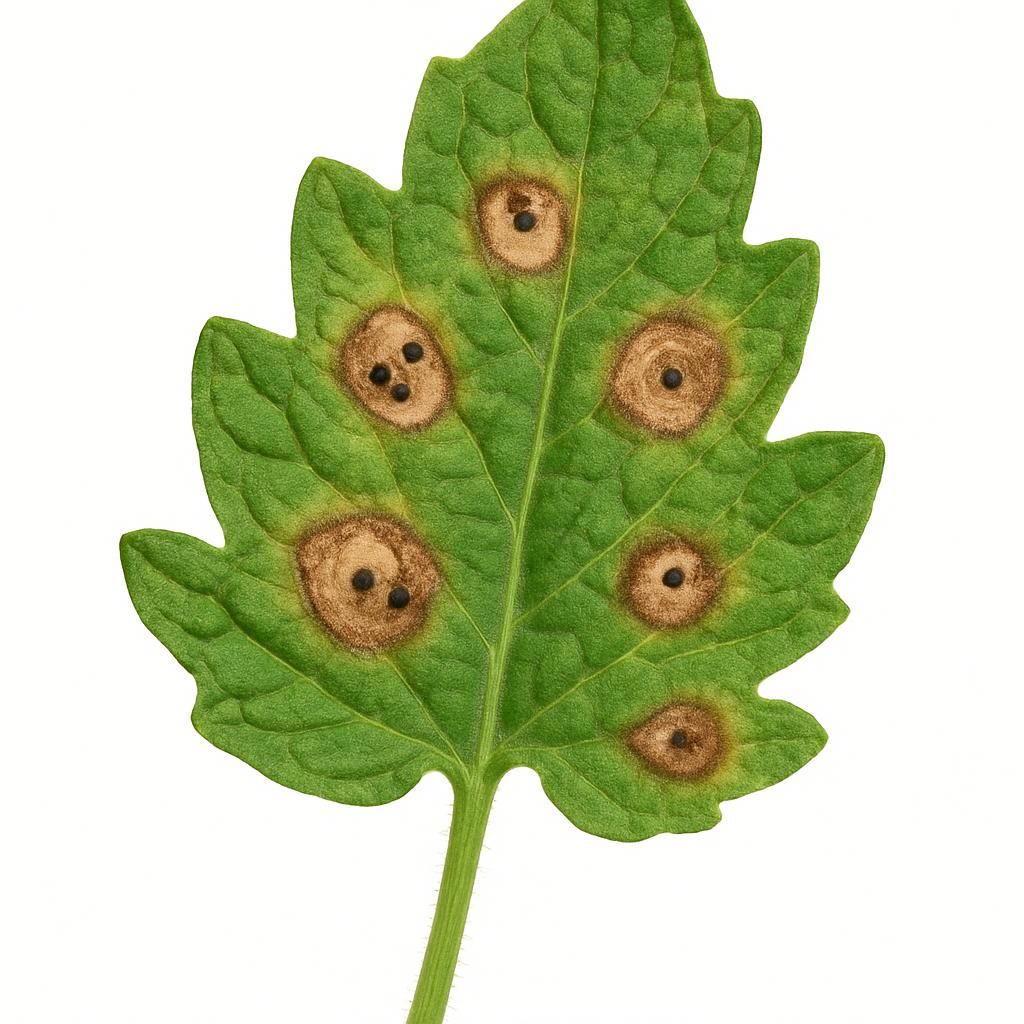
Phoma
Phoma is a genus of ascomycete fungi that causes destructive leaf spots, stem cankers, and fruit rots on a wide range of crops. Infections spread rapidly under cool, wet conditions and can lead to significant yield losses if left unmanaged.
View Profile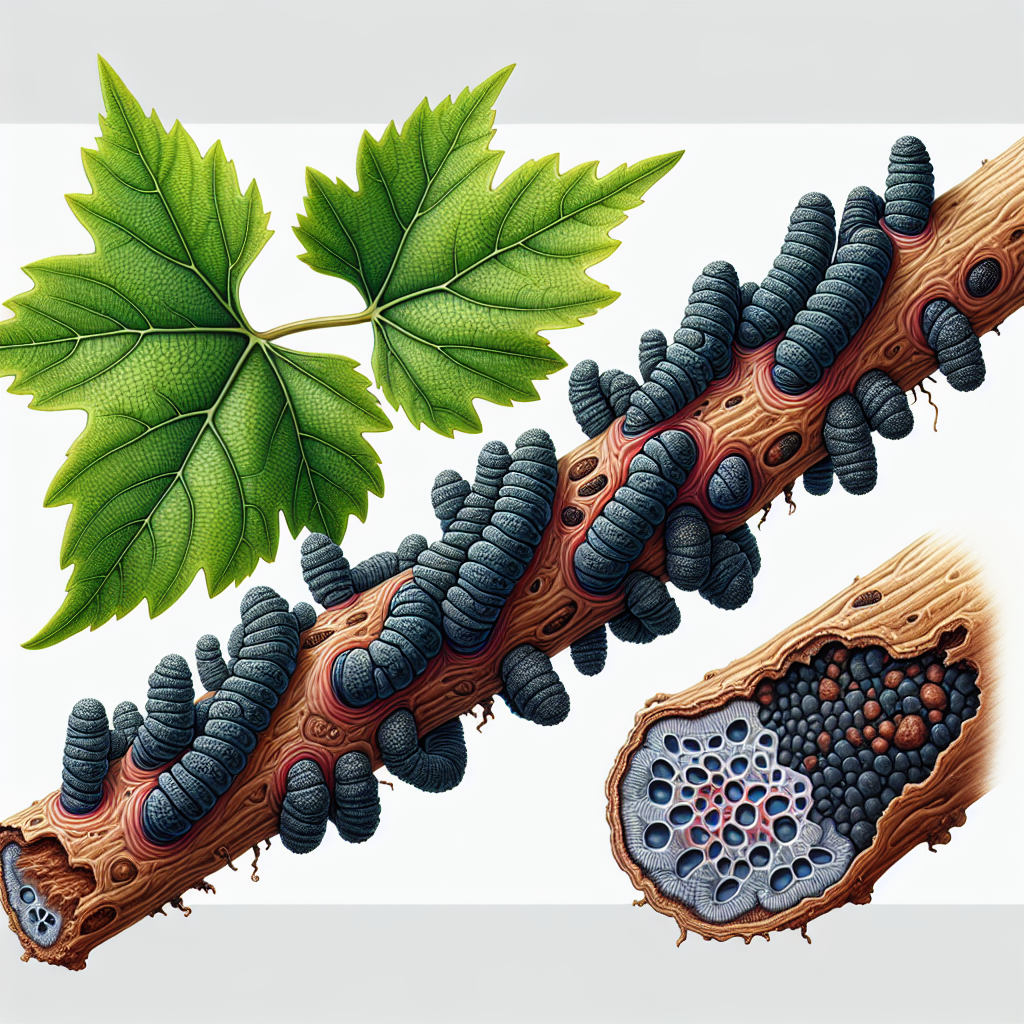
Phomopsis
Phomopsis is a destructive fungal disease caused by Phomopsis species, primarily affecting woody plants like grapes, blueberries, and stone fruits through blight, cane lesions, and fruit rot. It thrives in warm, wet conditions, leading to significant yield losses if unmanaged. This guide provides comprehensive diagnostics, organic management strategies, and prevention tactics for affected crops.
View Profile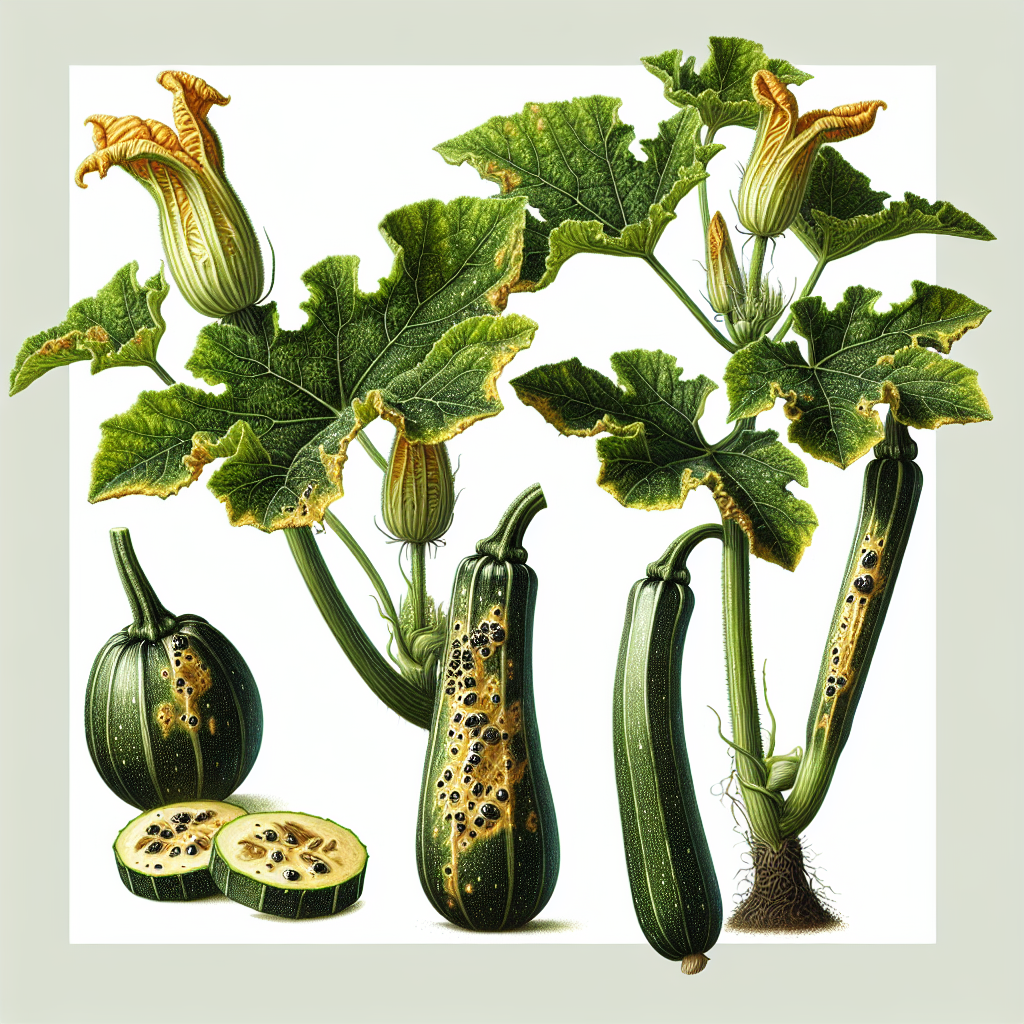
Phomopsis blight
Phomopsis blight is a destructive fungal disease primarily affecting cucurbits, eggplant, and grapes, causing stem cankers, leaf spots, and fruit rot that lead to significant yield losses. Caused by Diaporthe and Phomopsis species, it thrives in warm, wet conditions and spreads via rain splash and infected debris. Effective management relies on cultural practices, resistant varieties, and timely organic fungicides.
View Profile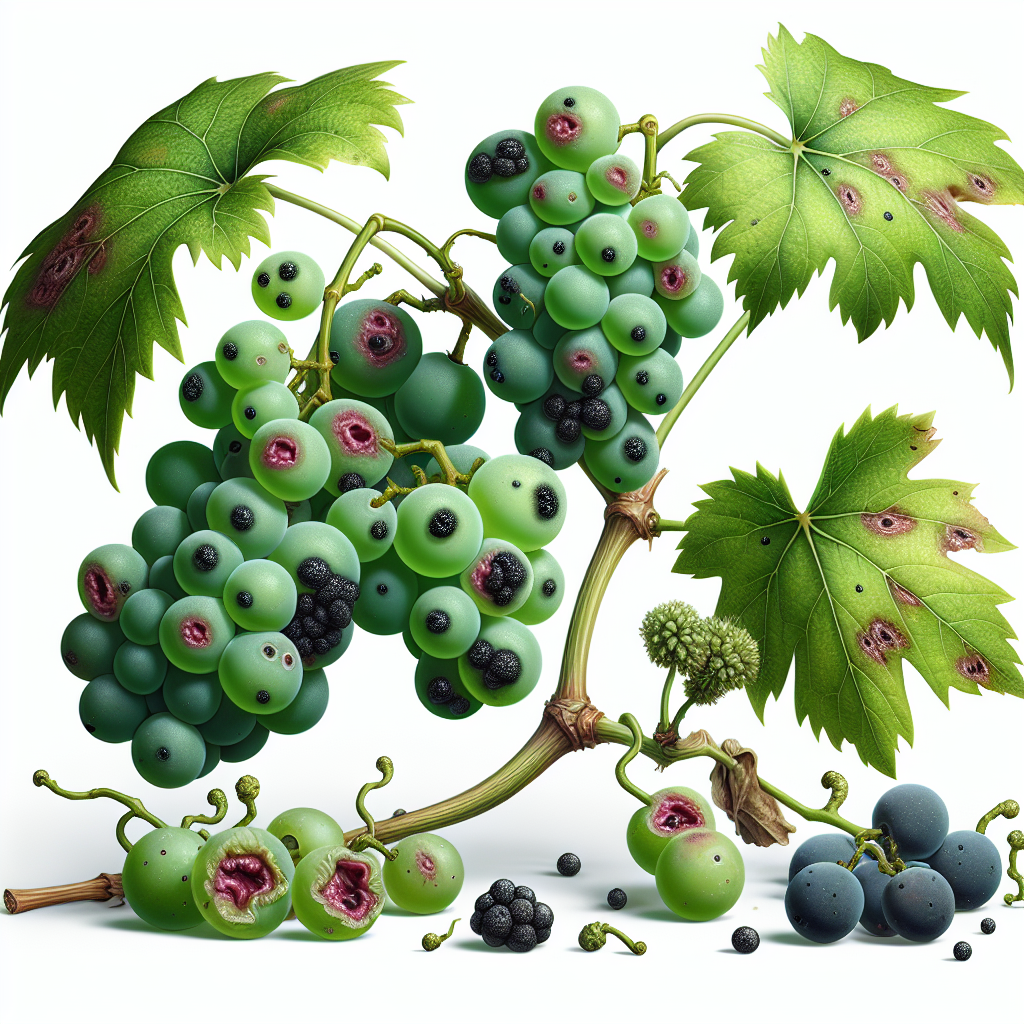
Phomopsis blight and fruit rot
Phomopsis blight and fruit rot is a destructive fungal disease affecting numerous fruit crops, causing twig blight, leaf spots, and fruit decay leading to significant yield losses. Caused by Phomopsis species, it thrives in warm, wet conditions and spreads via spores and infected plant debris. Effective management relies on cultural practices, resistant varieties, and timely organic fungicide applications.
View Profile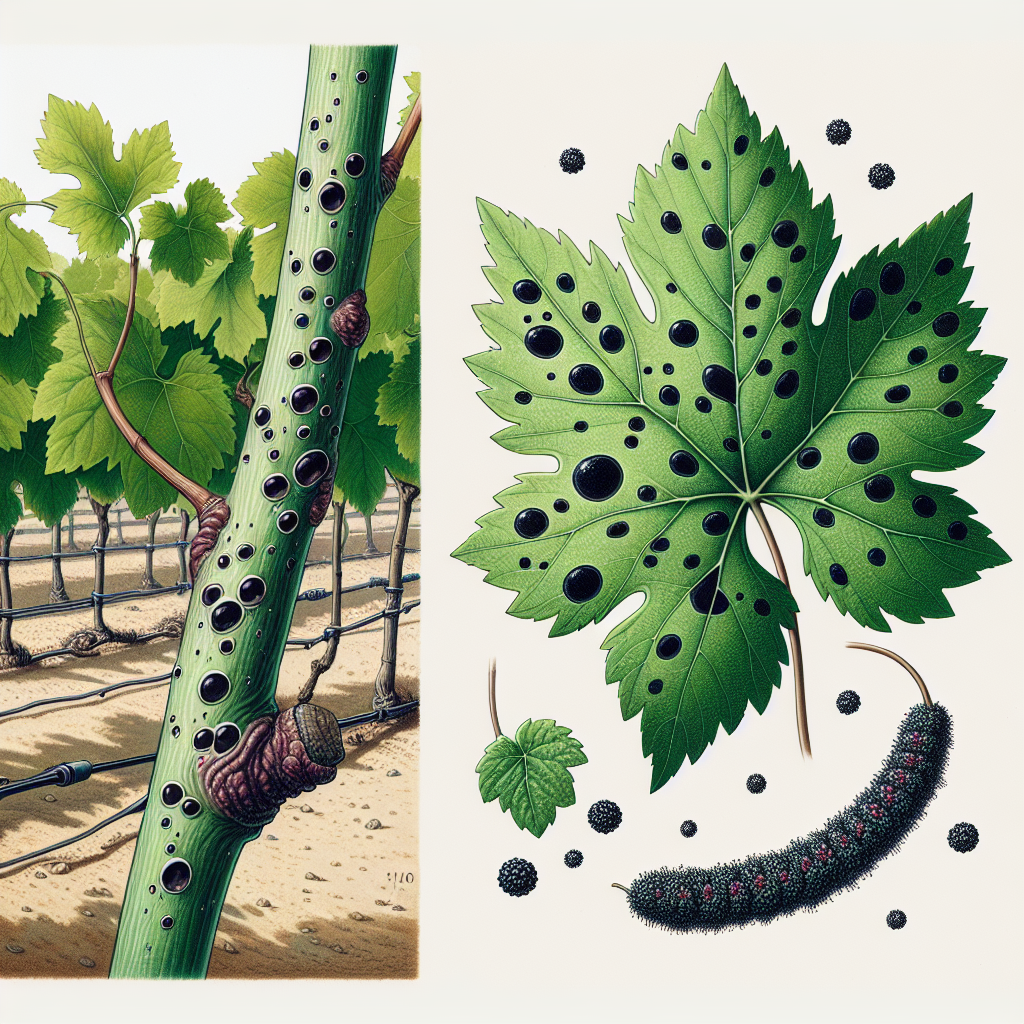
Phomopsis cane and leaf spot
Phomopsis cane and leaf spot is a destructive fungal disease primarily affecting grapevines, causing elliptical spots on leaves, necrotic streaks on canes, and significant yield losses through fruit rot and dieback. Caused by the fungus Phomopsis viticola, it thrives in cool, wet springs and spreads via rain-splashed spores. Effective management relies on cultural practices, resistant varieties, and timely organic fungicide applications to minimize damage.
View Profile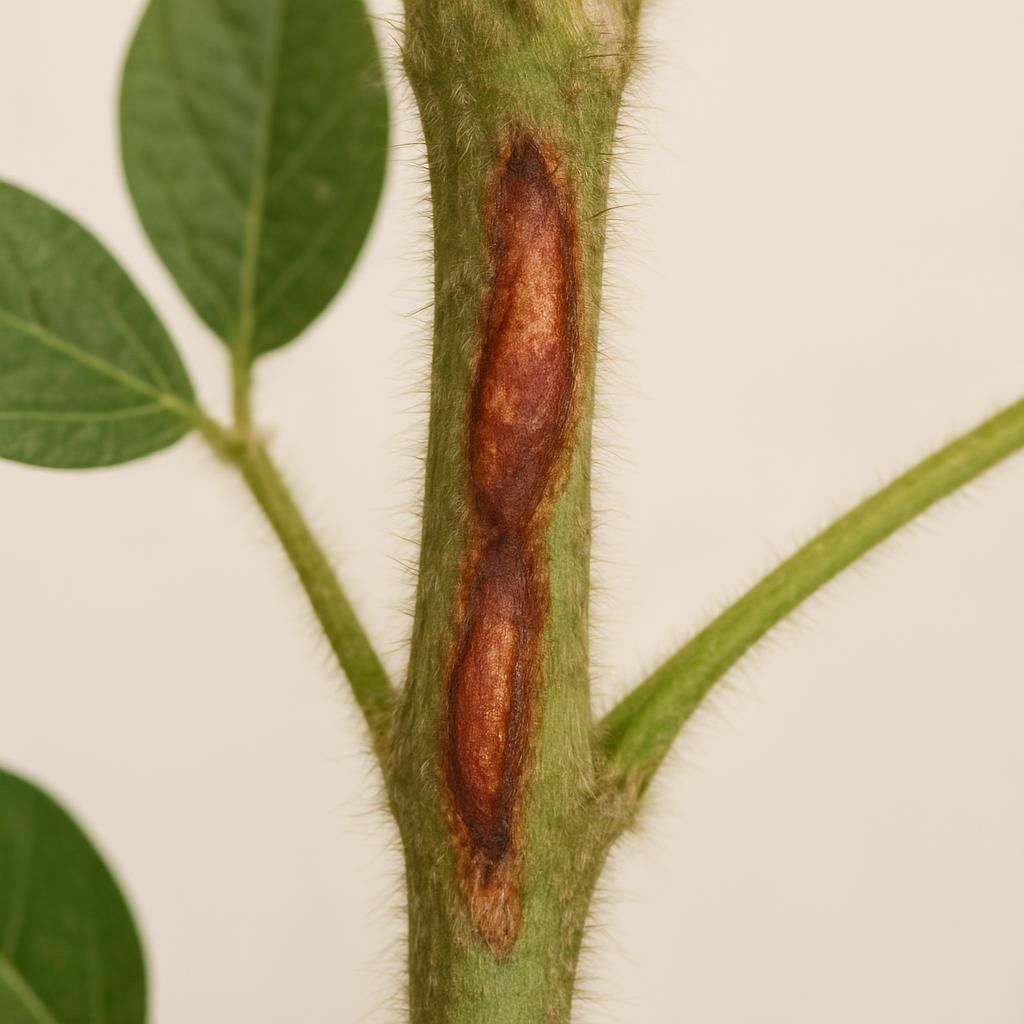
Phomopsis stem canker
Phomopsis stem canker is a destructive fungal disease primarily affecting soybeans and other legumes, causing stem lesions, wilting, and significant yield losses. Early identification and integrated management are critical to limit spread and protect crop productivity.
View Profile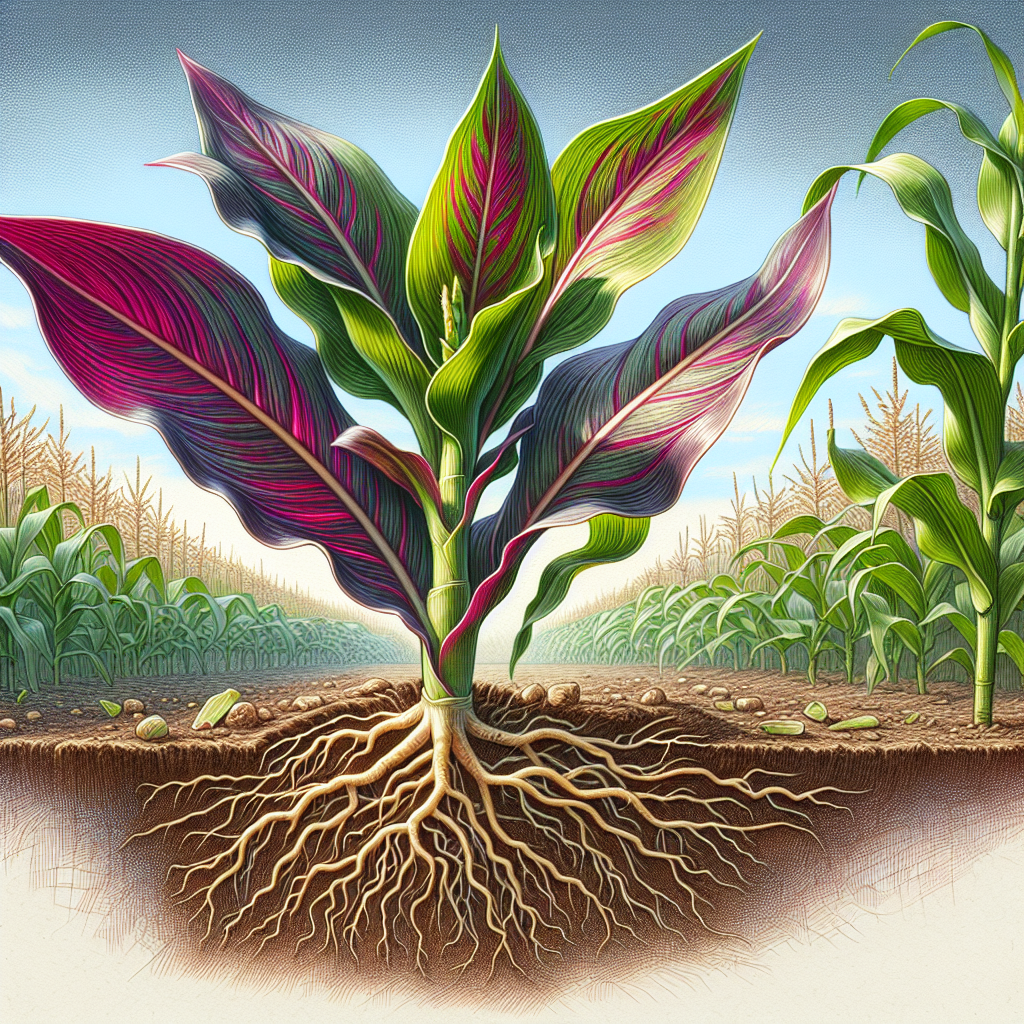
phosphorus shortages
Phosphorus shortages in crops manifest as stunted growth, purplish leaves, and poor root development, severely impacting yield and plant vigor. This guide provides definitive diagnostics, organic management strategies, and prevention techniques for farmers dealing with P deficiencies. Learn to identify symptoms early, understand triggers, and implement soil-building practices for resilient agriculture.
View Profile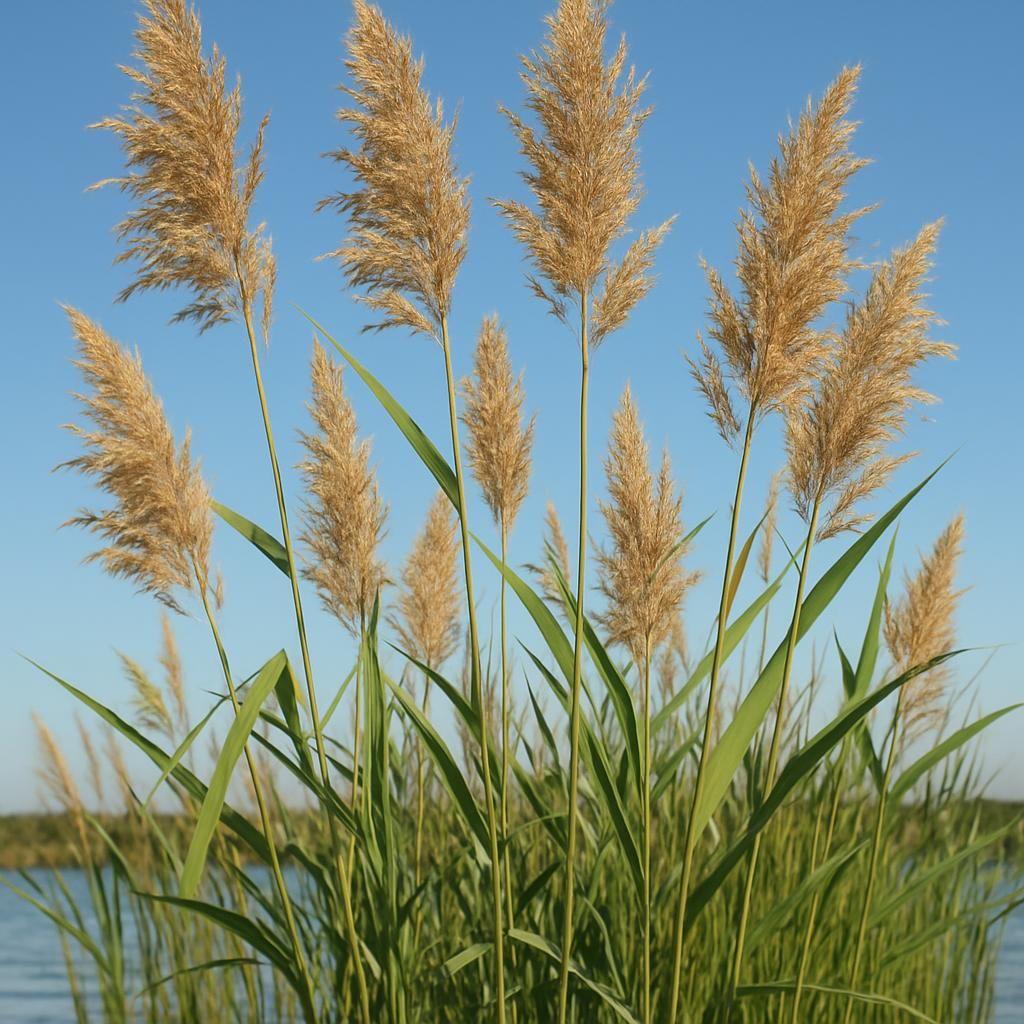
Phragmites
Phragmites is a tall, perennial wetland grass widely used for erosion control, wastewater treatment, and biomass production. It thrives in saturated soils and offers multiple ecological and economic benefits when managed properly.
View Guide
phyllody
Phyllody is a devastating phytoplasma-induced disorder causing floral organs to transform into leaf-like structures, severely reducing crop yields. Transmitted primarily by leafhoppers, it affects numerous plants worldwide, leading to witches' broom symptoms and sterility. Early detection and vector control are crucial for effective management in agriculture.
View Profile