Encyclopedia
Definitive guides for crops, pests, and agricultural diseases.
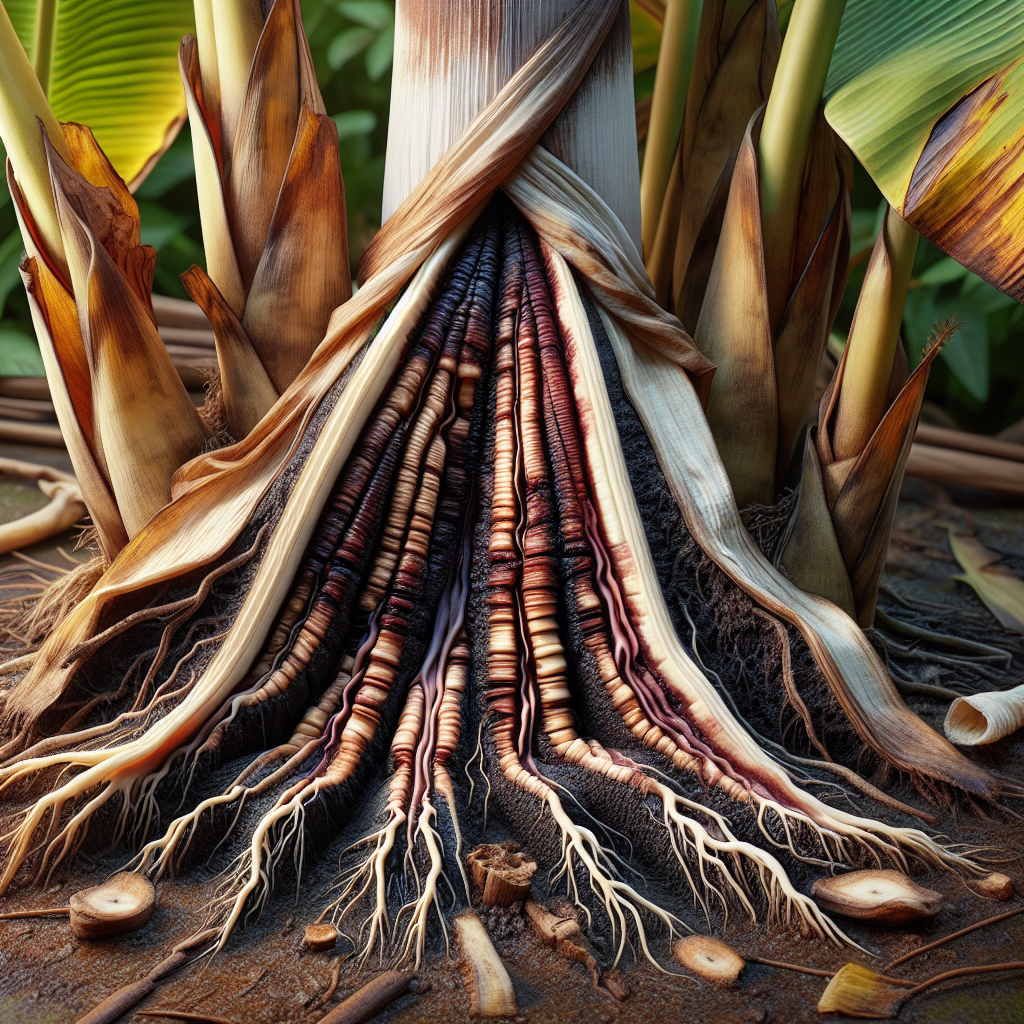
Panama disease
Panama disease, also known as Fusarium wilt of banana, is a devastating soil-borne fungal disease that has wiped out entire banana plantations worldwide, particularly targeting the Cavendish banana. Caused by the pathogen Fusarium oxysporum f. sp. cubense, it clogs the plant's vascular system, leading to wilting and death. This guide provides essential diagnostic, management, and prevention strategies for growers facing this global threat.
View Profile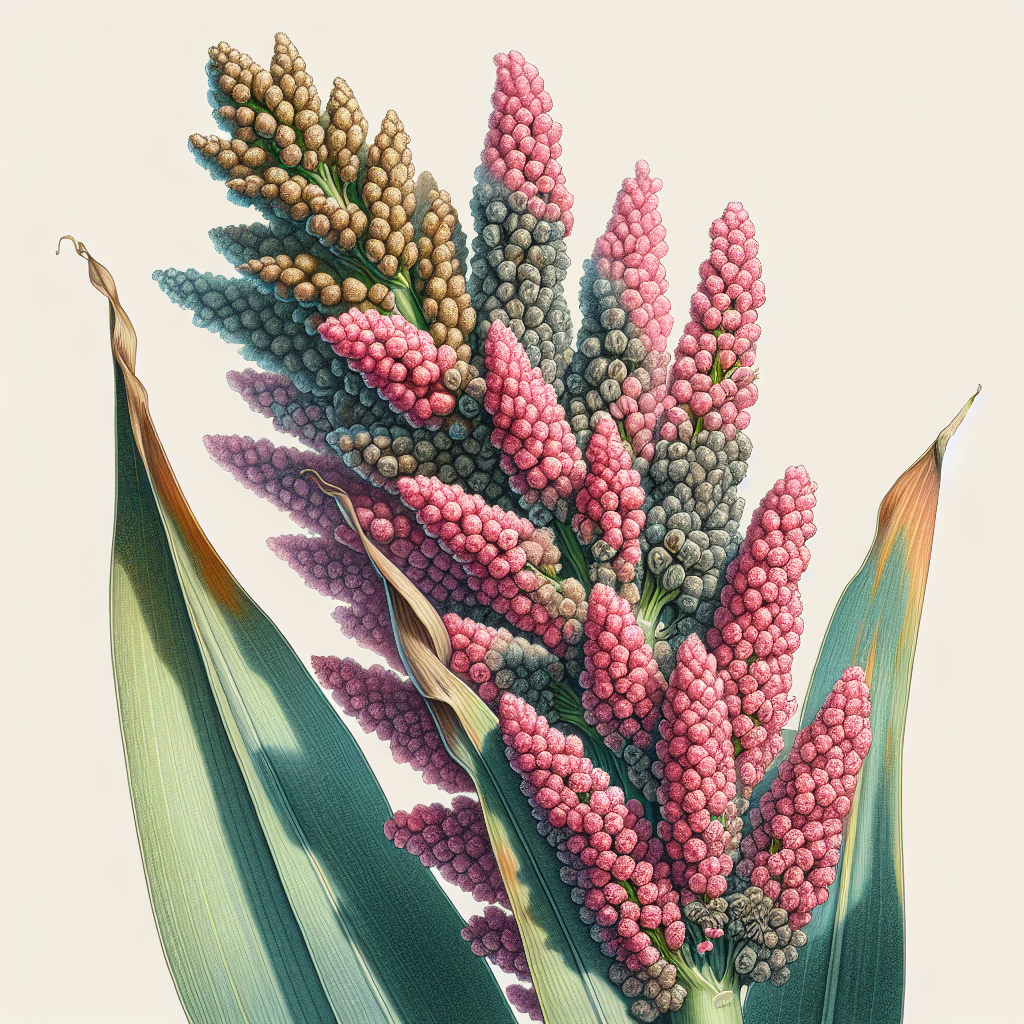
Panicle molds
Panicle molds are fungal diseases that infect the panicles of cereal crops like rice, sorghum, and pearl millet, causing grain discoloration, shriveling, and significant yield losses under high humidity conditions. Primarily triggered by wet weather during grain filling, they reduce grain quality and market value. Effective management relies on cultural practices, resistant varieties, and timely fungicide applications.
View Profile
Papalo
Papalo (Porophyllum ruderale) is a fragrant, herbaceous plant native to Mexico and Central America, often used in traditional dishes for its bold, cilantro-like flavor. Ideal for warm climates, it thrives in well-drained soil with plenty of sun exposure.
View Guide
Papaya
Papaya is a fast-growing tropical fruit crop valued for its sweet, carotenoid-rich fruit, continuous bearing habit, and high productivity under warm, frost-free conditions. Although often called a tree, it is technically a giant, short-lived herb with a hollow stem, shallow root system, and exacting needs for drainage, warmth, balanced nutrition, and disease prevention.
View Guide
Papaya leaf curl
Papaya leaf curl is a devastating viral disease caused by begomoviruses transmitted by whiteflies, leading to leaf curling, stunted growth, and significant yield losses in papaya crops. Early identification and integrated management are crucial for minimizing damage. This guide provides practical diagnostic, organic control, and prevention strategies for farmers.
View Profile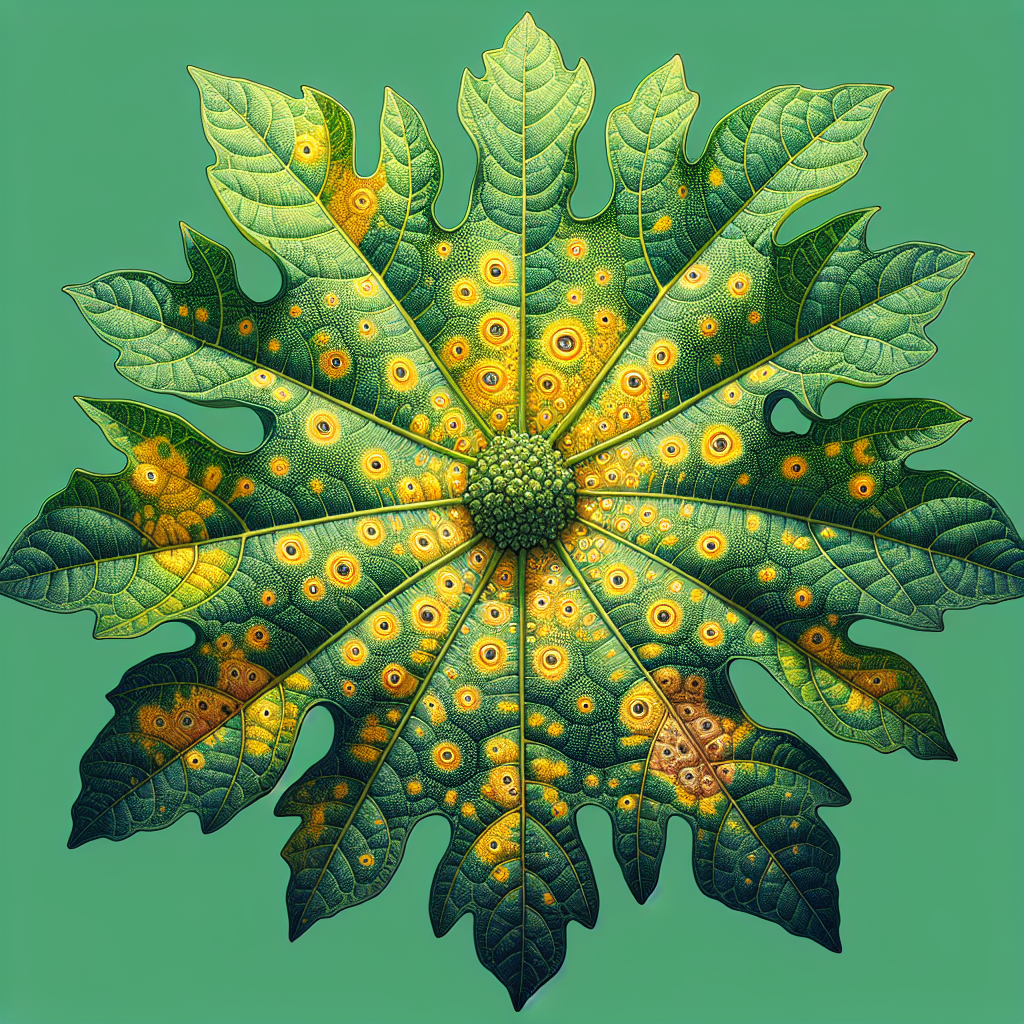
Papaya ringspot virus
Papaya ringspot virus (PRSV) is a devastating potyvirus that causes ringspots, leaf distortion, and stunted growth in papaya crops, leading to significant yield losses. Transmitted primarily by aphids in a non-persistent manner, it spreads rapidly in tropical regions. Effective management relies on resistant varieties, vector control, and strict sanitation practices.
View Profile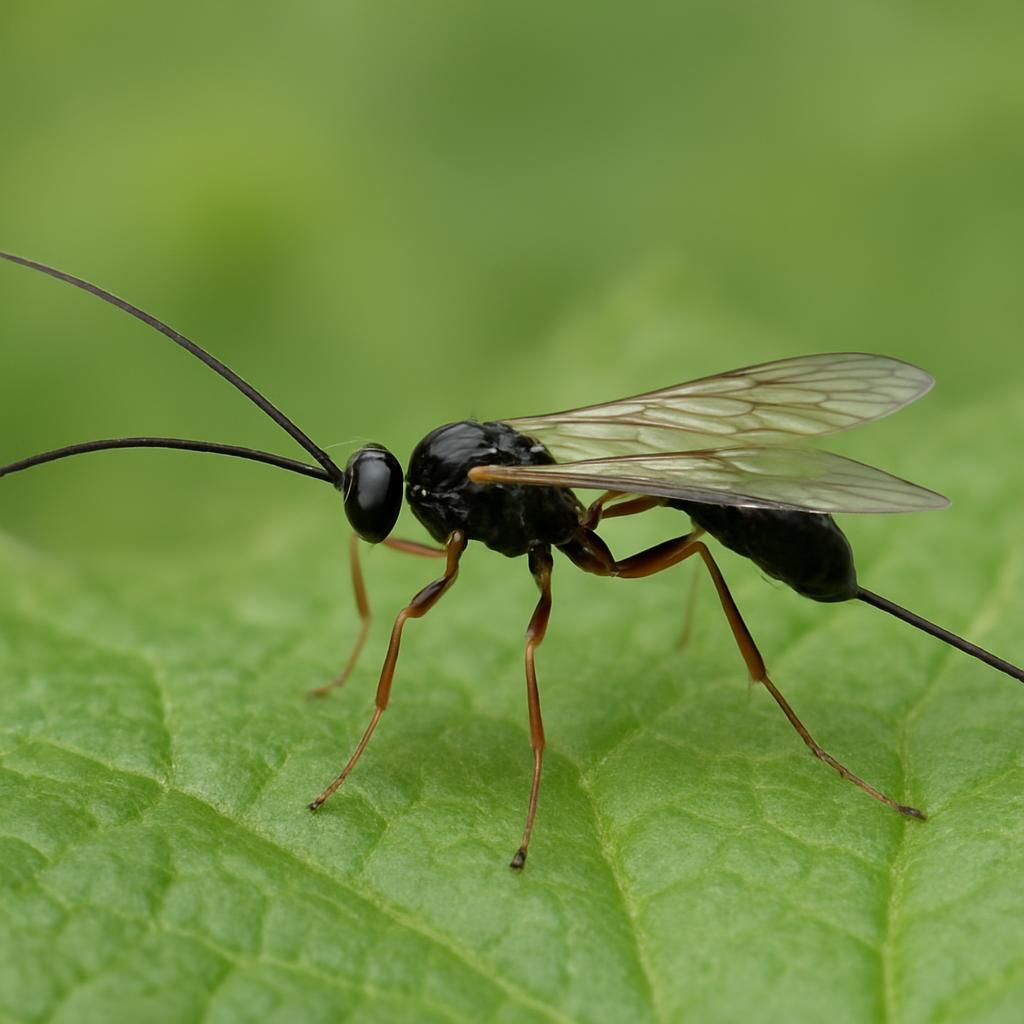
parasitoid wasps
Parasitoid wasps are beneficial insects that lay eggs inside or on pest insects, killing the host as larvae develop. They provide natural biological control in many cropping systems but can be confused with harmful species. Proper identification and habitat support maximize their pest-management value.
View Profile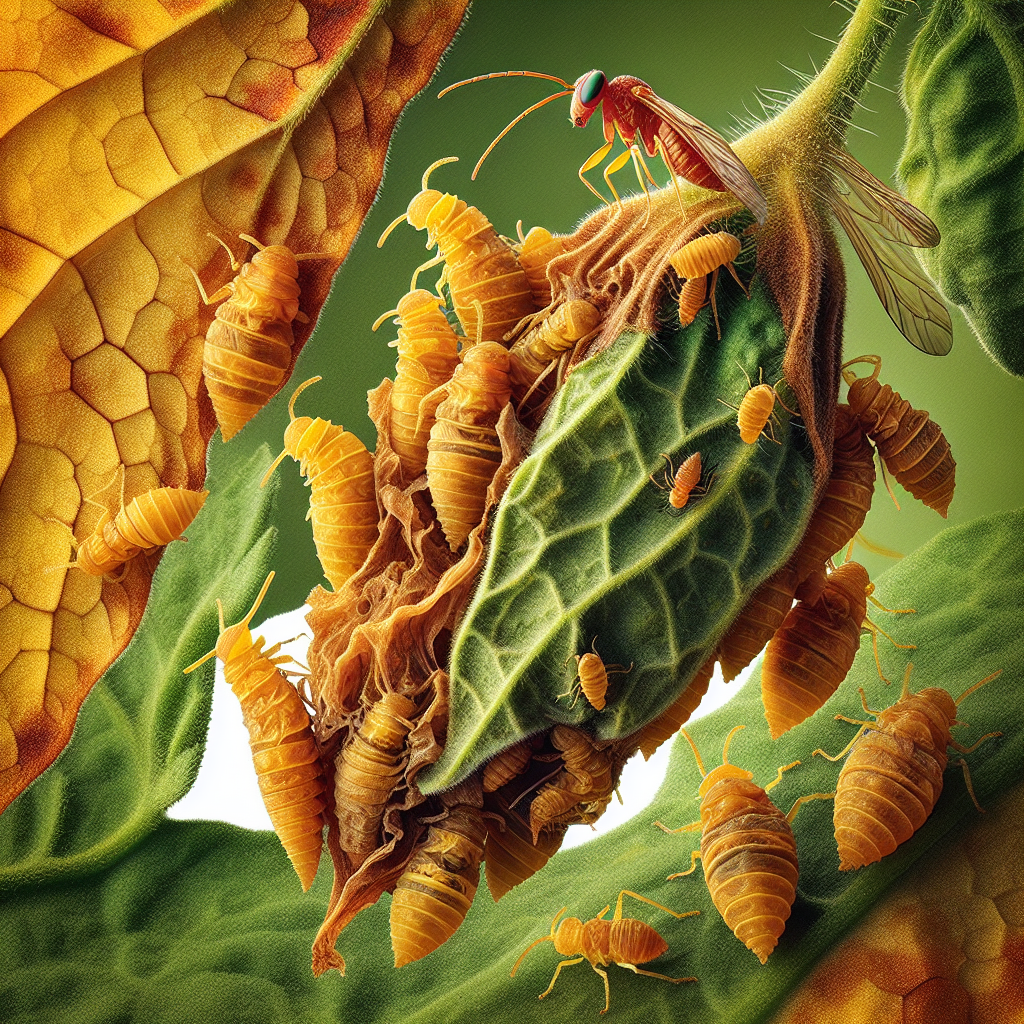
parasitoids
Parasitoids are beneficial insects that lay eggs inside or on other pest insects, ultimately killing the host as larvae develop. While not pests themselves, mismanagement can disrupt their populations, leading to pest outbreaks in crops. This guide provides diagnostic insights and management strategies to harness or conserve parasitoids for natural pest control in agriculture.
View Profile
Parsley
Parsley is a cool-season biennial herb grown primarily as an annual for its aromatic leaves and edible stems. Highly valued in home gardens and market production, it performs best in fertile, moisture-retentive but well-drained soil and rewards careful establishment with a long harvest window.
View Guide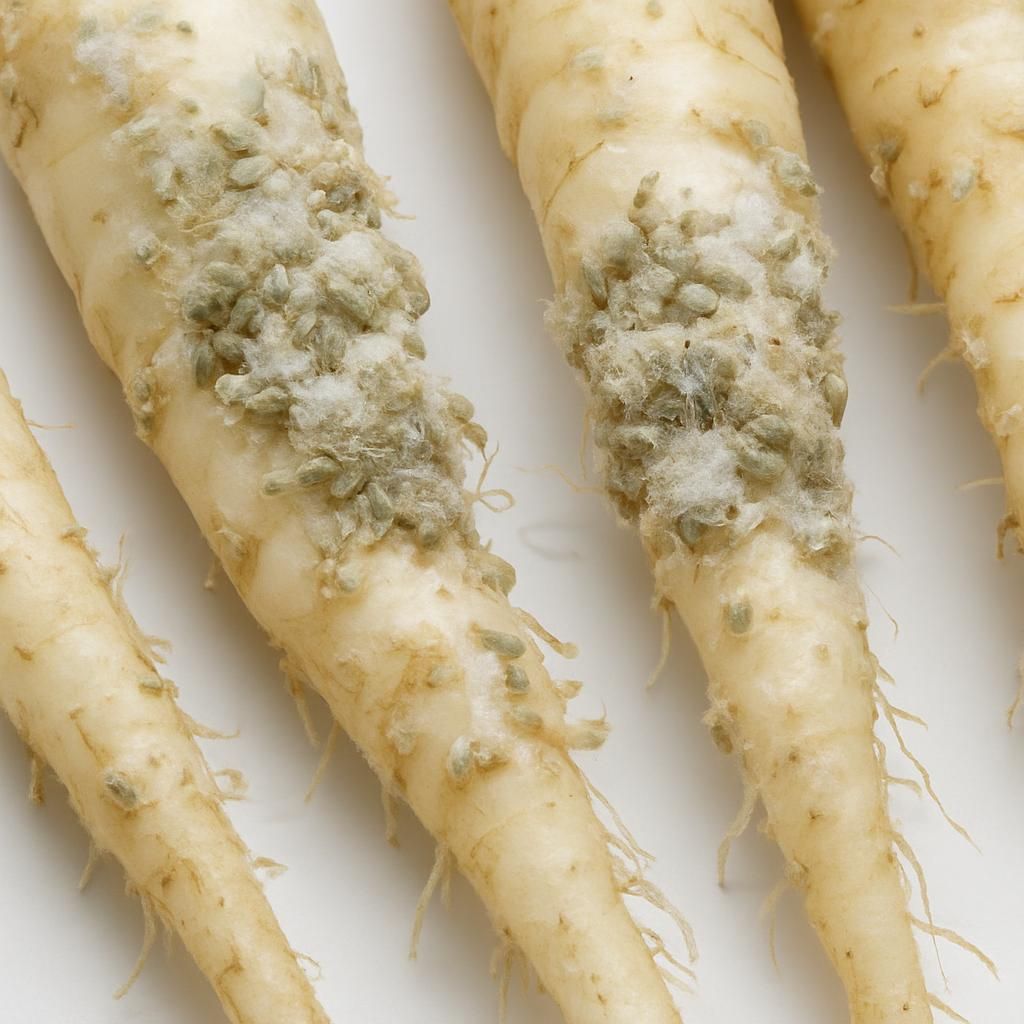
parsley root aphid
The parsley root aphid is a soil-dwelling pest that targets the roots of parsley and related Apiaceae crops, causing stunting, yellowing, and reduced yields. It forms dense colonies on roots and produces protective galls, making early detection and integrated management essential for commercial and home growers.
View Profile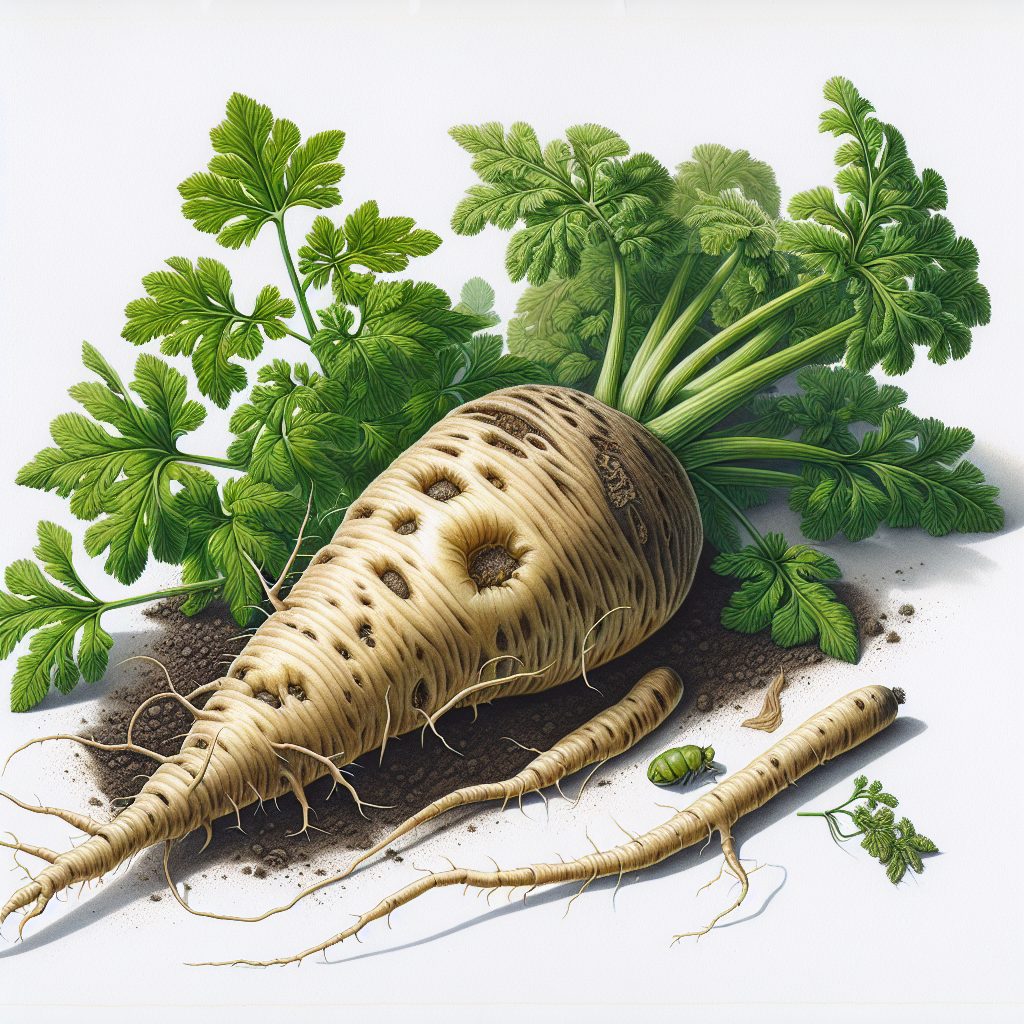
Parsnip
Parsnip (Pastinaca sativa) is a biennial root vegetable crop prized for its sweet, nutty flavor, but it faces significant challenges from pests, diseases, and environmental stresses that can devastate yields. This guide provides definitive diagnostics for symptoms like canker, leaf spot, and root damage, alongside organic management strategies, lifecycle insights, and prevention tactics. Farmers can protect [carrot](/wiki/carrot) and parsnip crops using integrated approaches to minimize losses and ensure bountiful harvests.
View Guide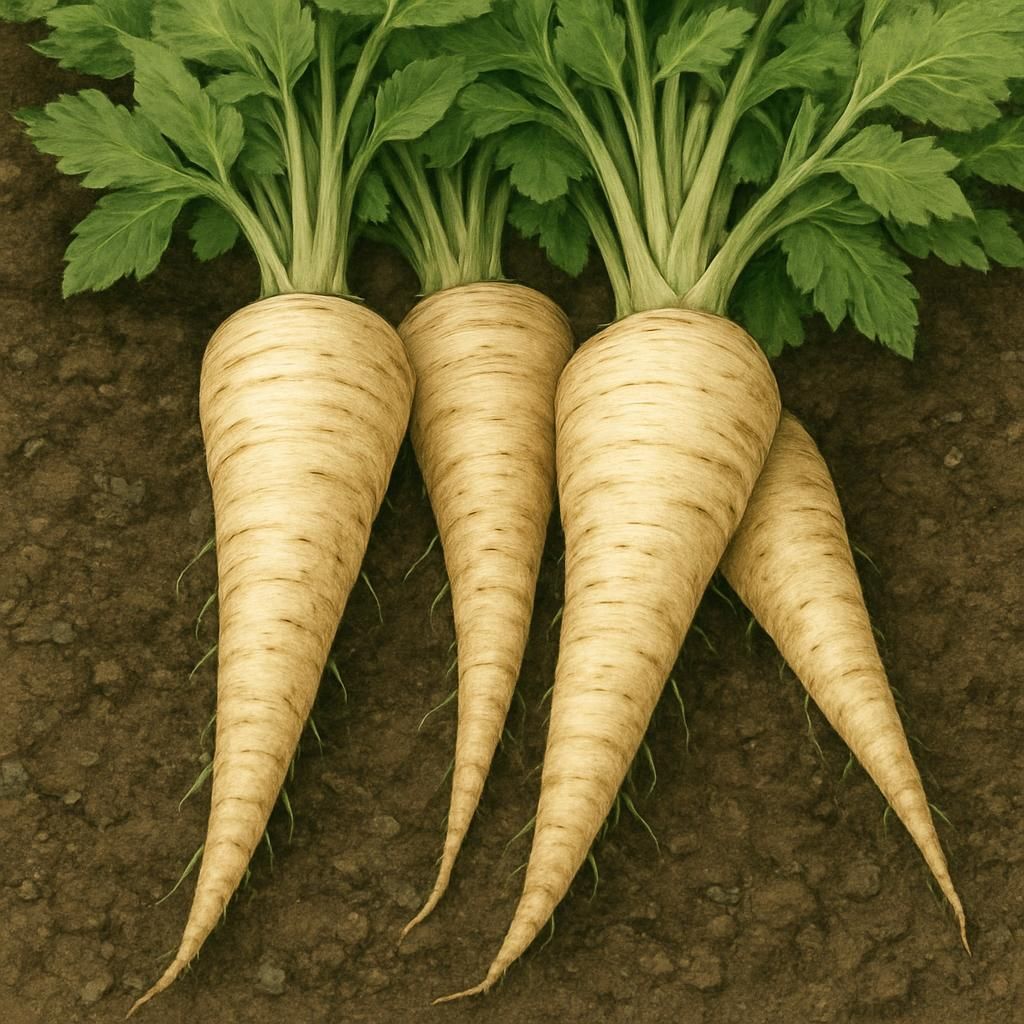
Parsnip (Gladiator)
Gladiator is a high-yielding, canker-resistant parsnip cultivar prized by commercial and home growers for its smooth, tapered roots and reliable performance in cool climates. This definitive guide covers every stage from soil preparation through long-term storage, delivering professional-grade advice for consistent, high-quality harvests.
View Guide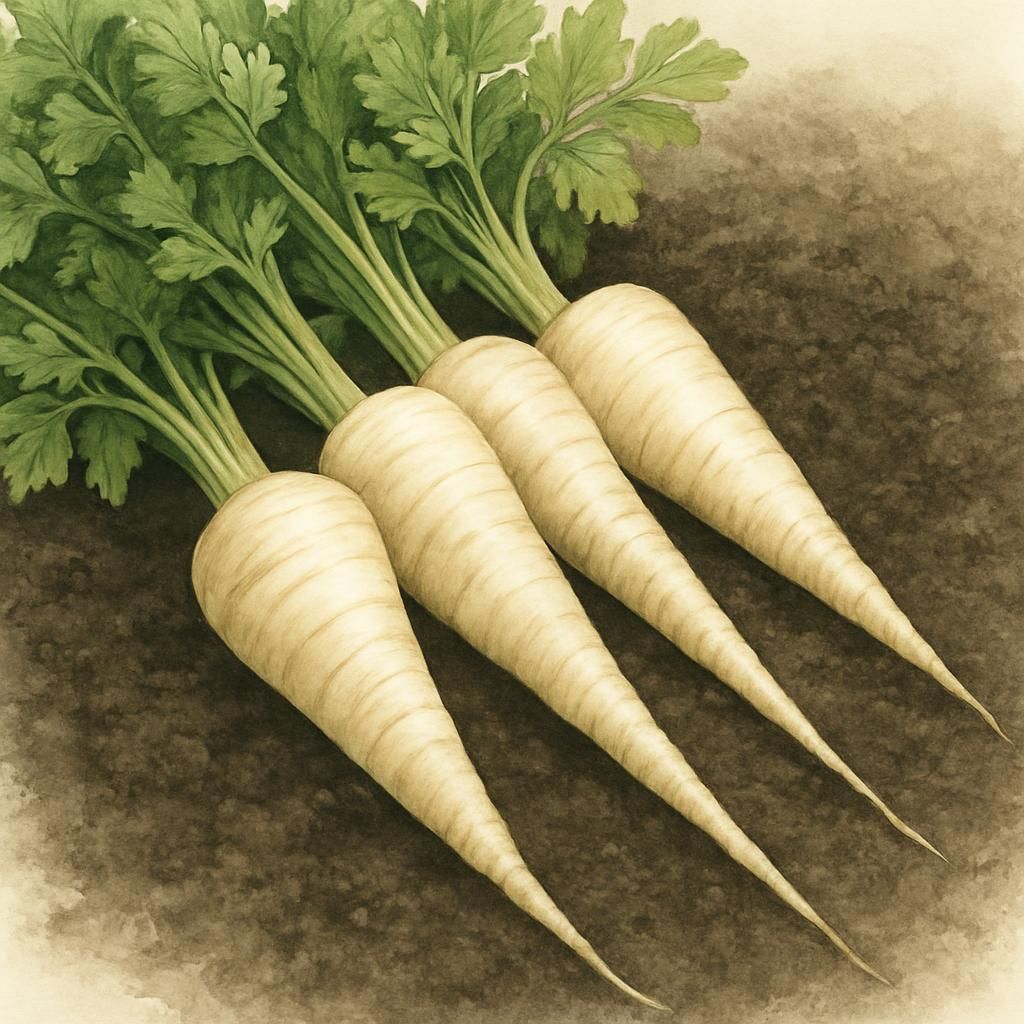
Parsnip (Hollow Crown)
Hollow Crown is a classic open-pollinated parsnip variety prized for its long, smooth white roots and sweet flavor after frost. This definitive guide covers soil preparation, planting timelines, integrated pest management, and long-term storage methods for reliable home and market production.
View Guide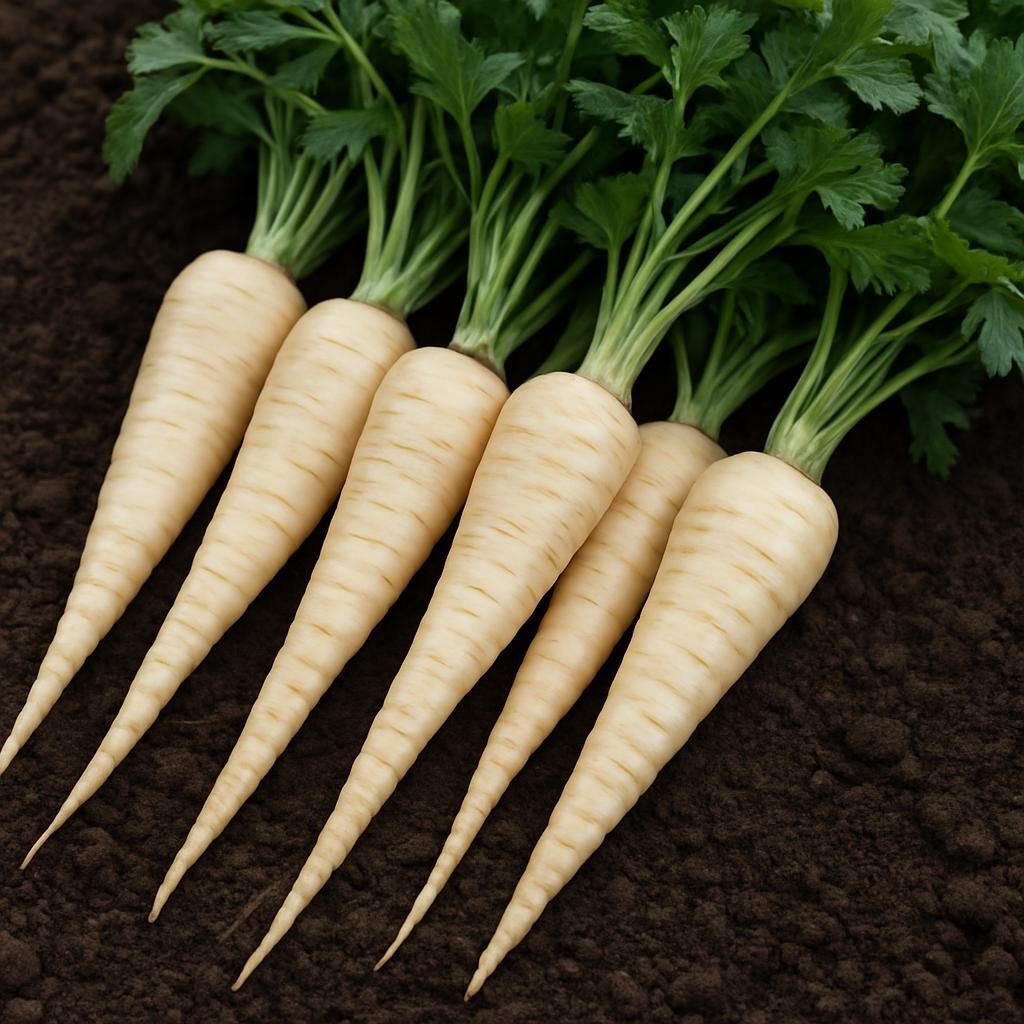
Parsnip (Turga)
Parsnip (Turga) is a cold-hardy, sweet-rooted biennial prized for its long, tapered cream-white roots and rich nutty flavor that improves after frost. This guide delivers professional-grade, field-tested advice on soil preparation, planting timing, irrigation, pest control, and storage to maximize yields for home gardeners and small-scale growers.
View Guide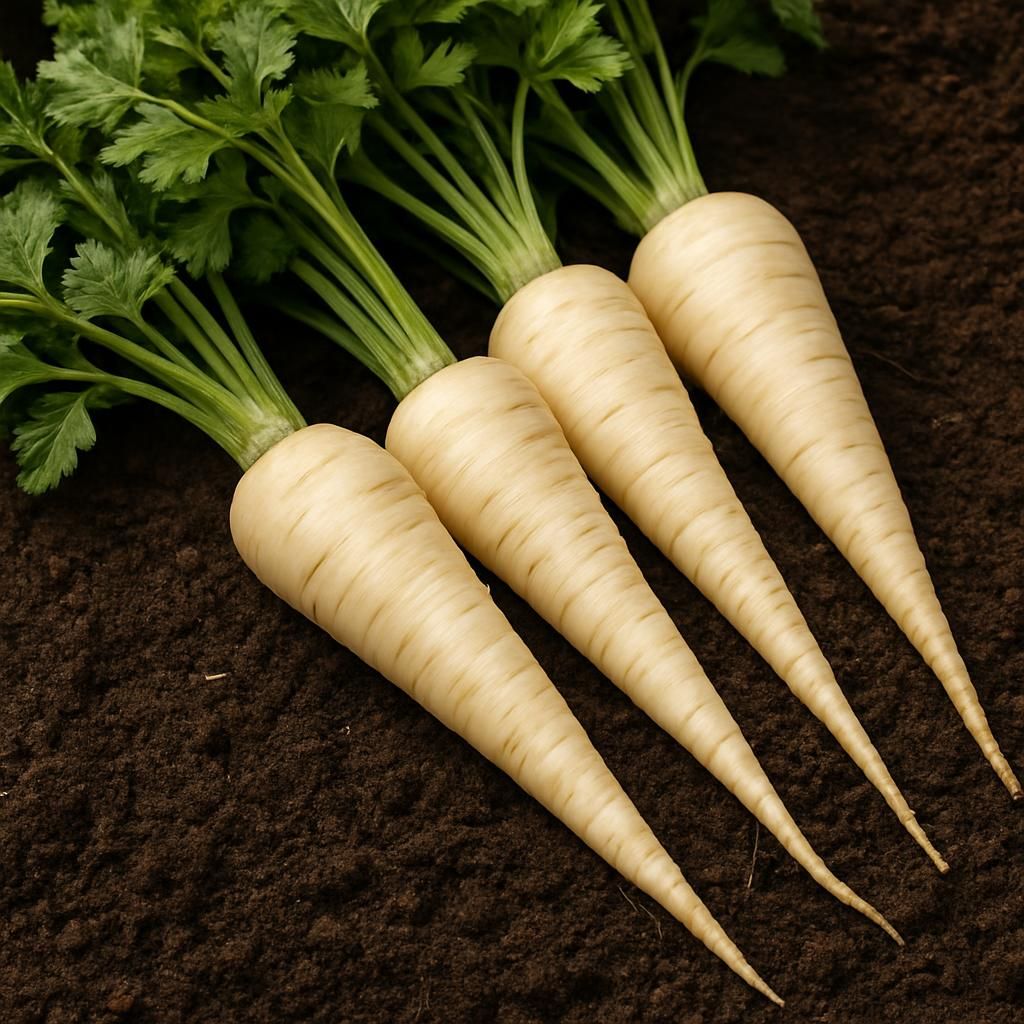
Parsnip (White Gem)
White Gem is a reliable, smooth-skinned parsnip cultivar prized for its uniform roots and sweet, nutty flavor after frost. It performs well in cool climates and offers dependable yields for home gardeners and market growers seeking a high-quality root crop.
View Guide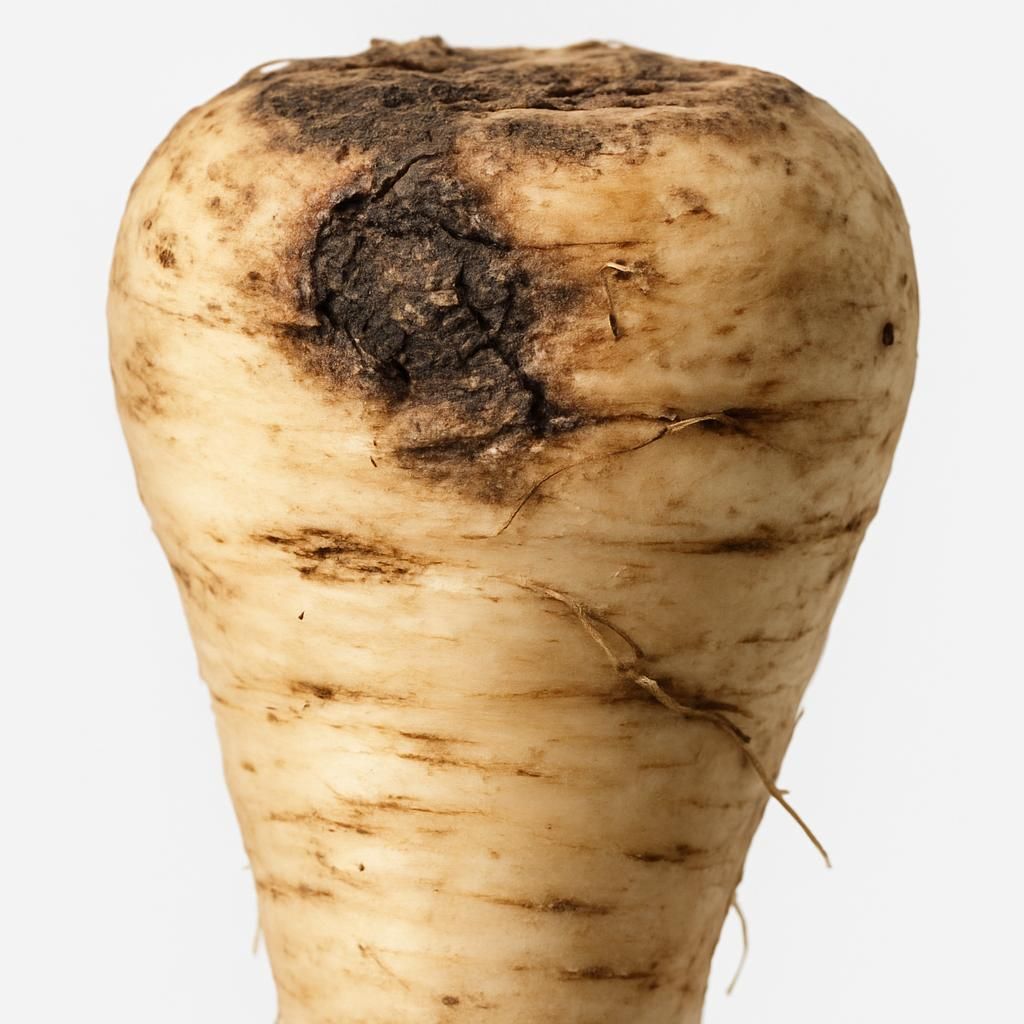
Parsnip canker
Parsnip canker is a fungal disease that primarily affects parsnip roots, causing dark lesions, cracking, and secondary rots that reduce marketability. The pathogen survives in soil and crop debris and spreads through splashing water and infected seed. Effective management combines resistant varieties, crop rotation, and strict sanitation.
View Profile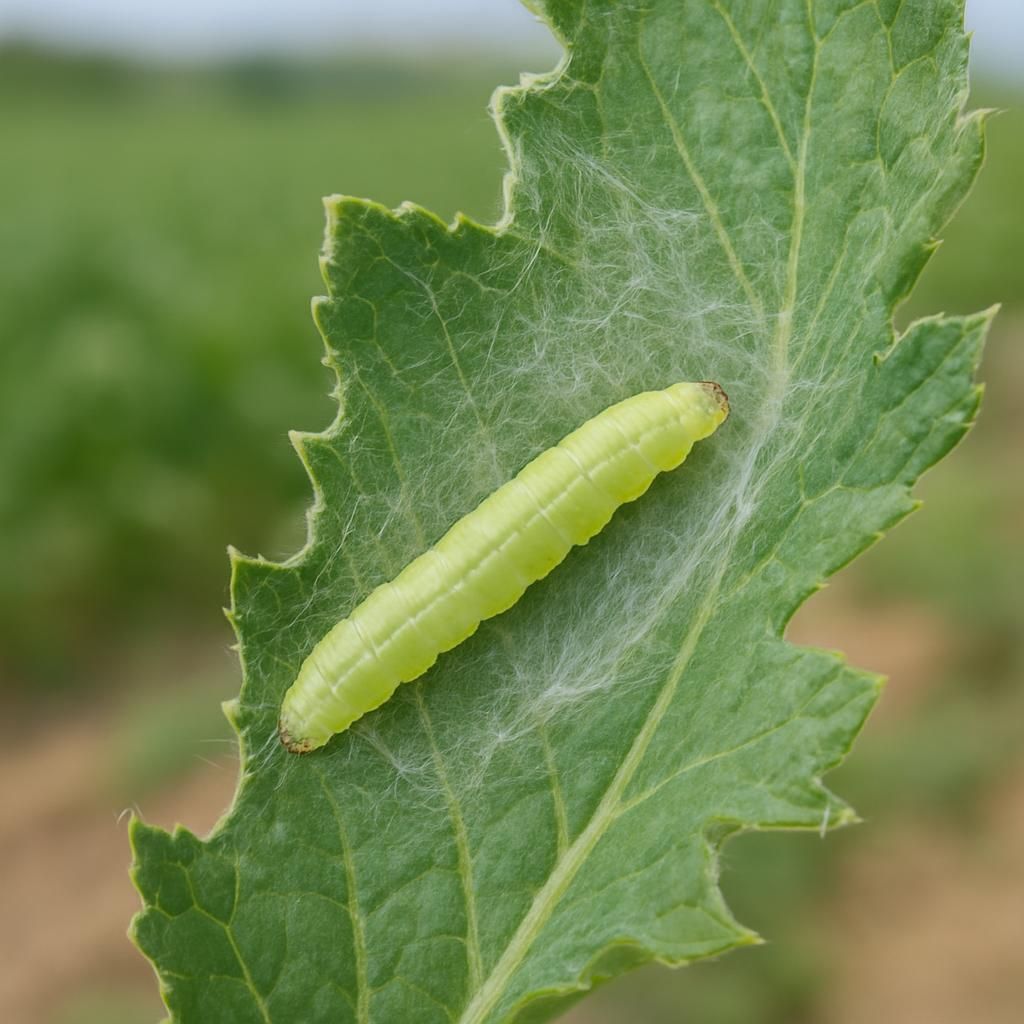
Parsnip webworm
The parsnip webworm is a specialist lepidopteran pest whose larvae construct silk webs and feed on parsnip foliage and umbels, reducing photosynthesis and seed set. Early detection of silk tents, frass, and skeletonized leaves is essential for timely intervention. Integrated management combining cultural, mechanical, and targeted biological controls delivers the most reliable long-term suppression.
View Profile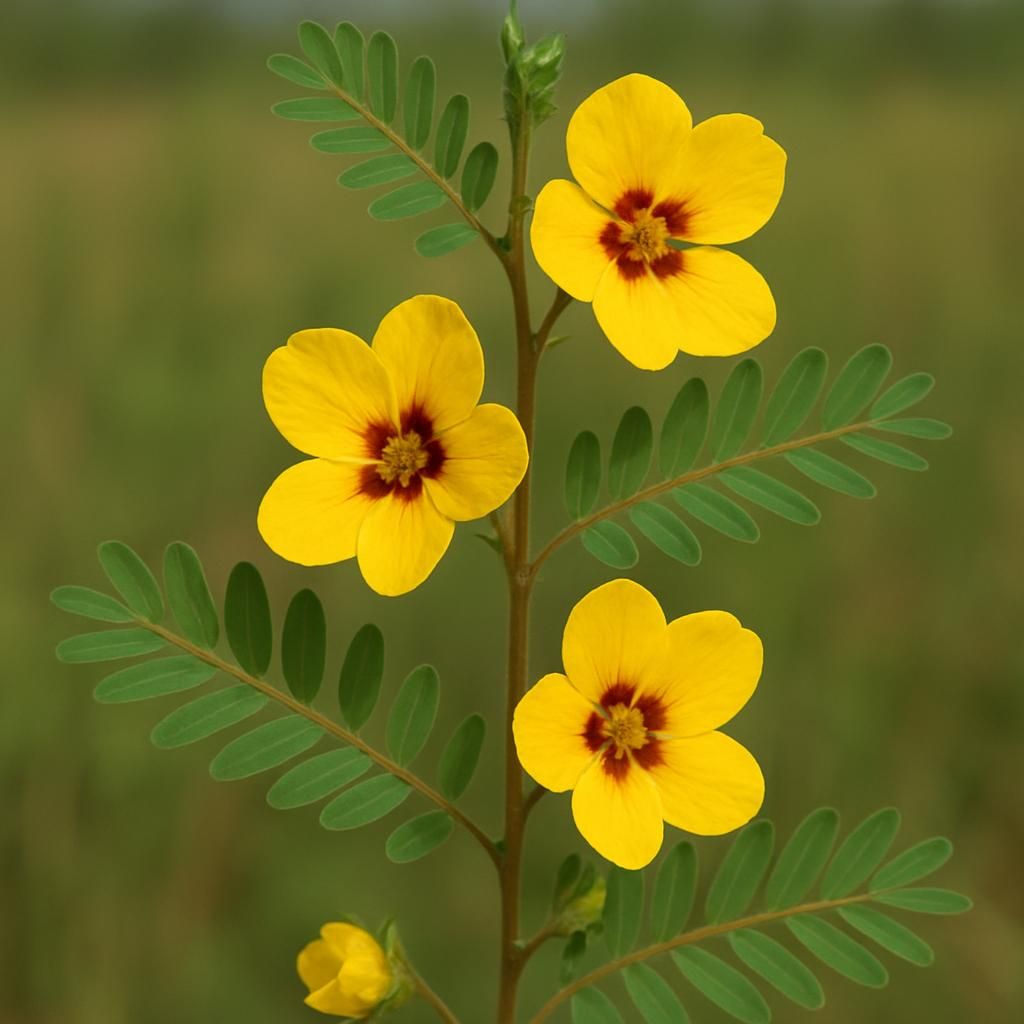
partridge pea
Partridge pea is a native North American annual legume prized for soil improvement, pollinator support, and wildlife habitat. It fixes nitrogen, tolerates poor soils, and produces abundant yellow flowers that attract bees and other beneficial insects.
View Guide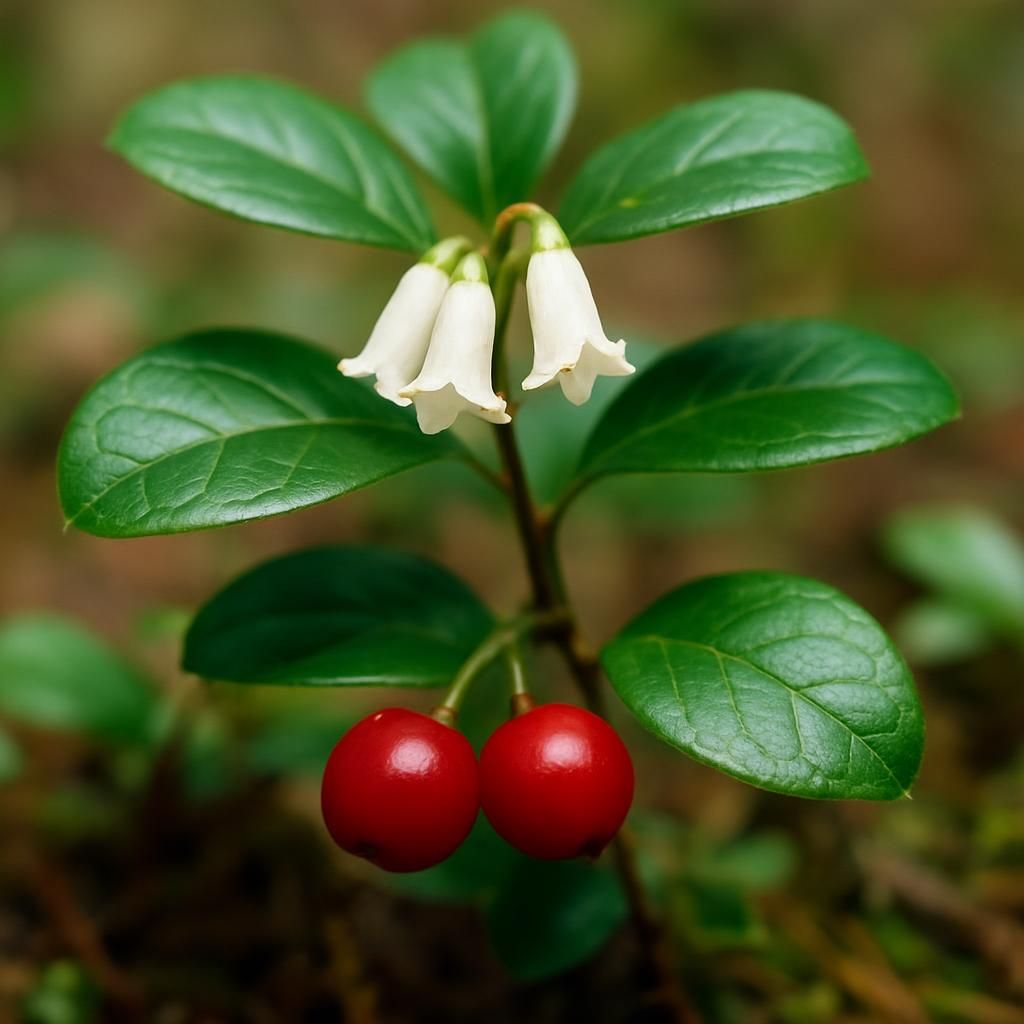
partridgeberry
Partridgeberry is a low-growing evergreen native groundcover valued for its glossy leaves, paired white flowers, and bright red berries. It thrives in shaded, acidic woodland soils and is primarily grown for ornamental, medicinal, and ecological uses rather than commercial fruit production.
View Guide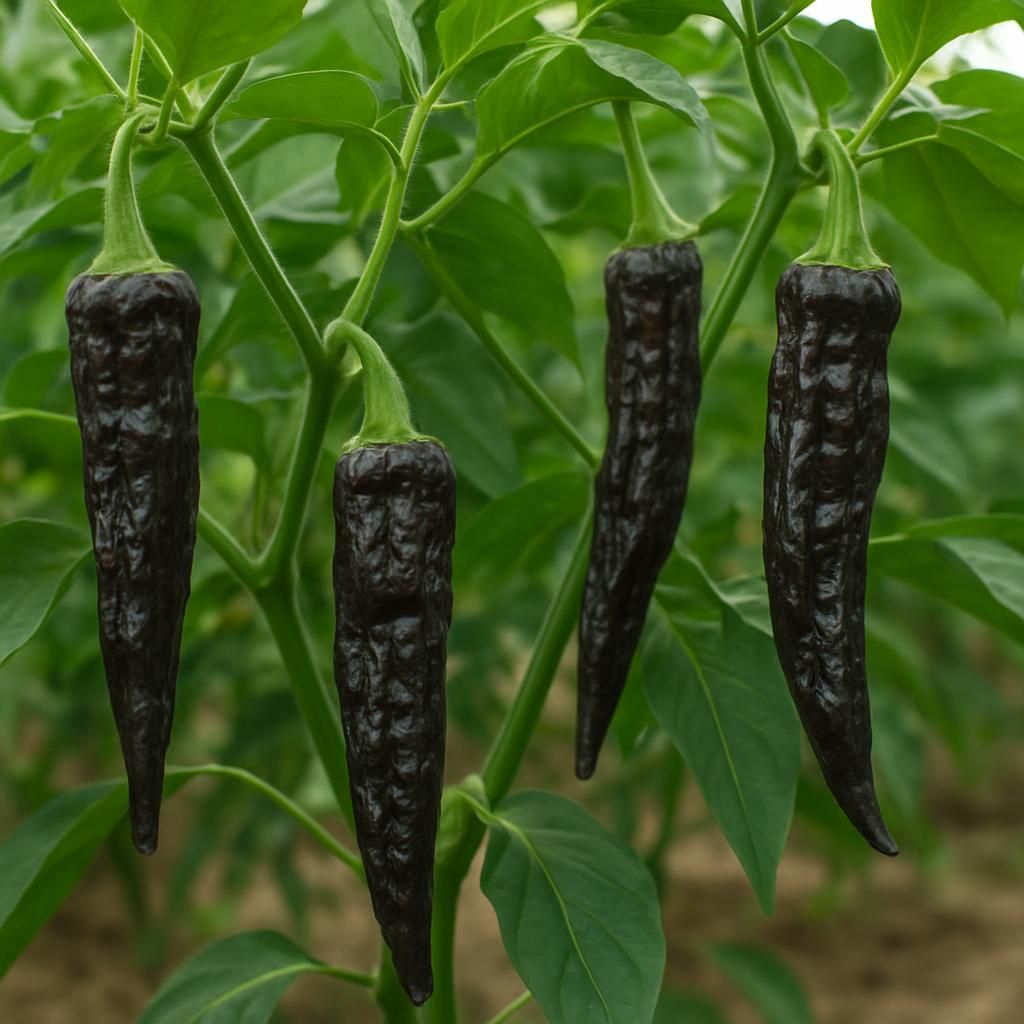
Pasilla Bajio Pepper
The Pasilla Bajio Pepper is a long, slender Mexican heirloom chile prized for its rich, dark flavor and mild-to-medium heat. This guide covers every stage of cultivation from soil prep to post-harvest curing, delivering professional-grade advice for consistent, high-quality harvests.
View Guide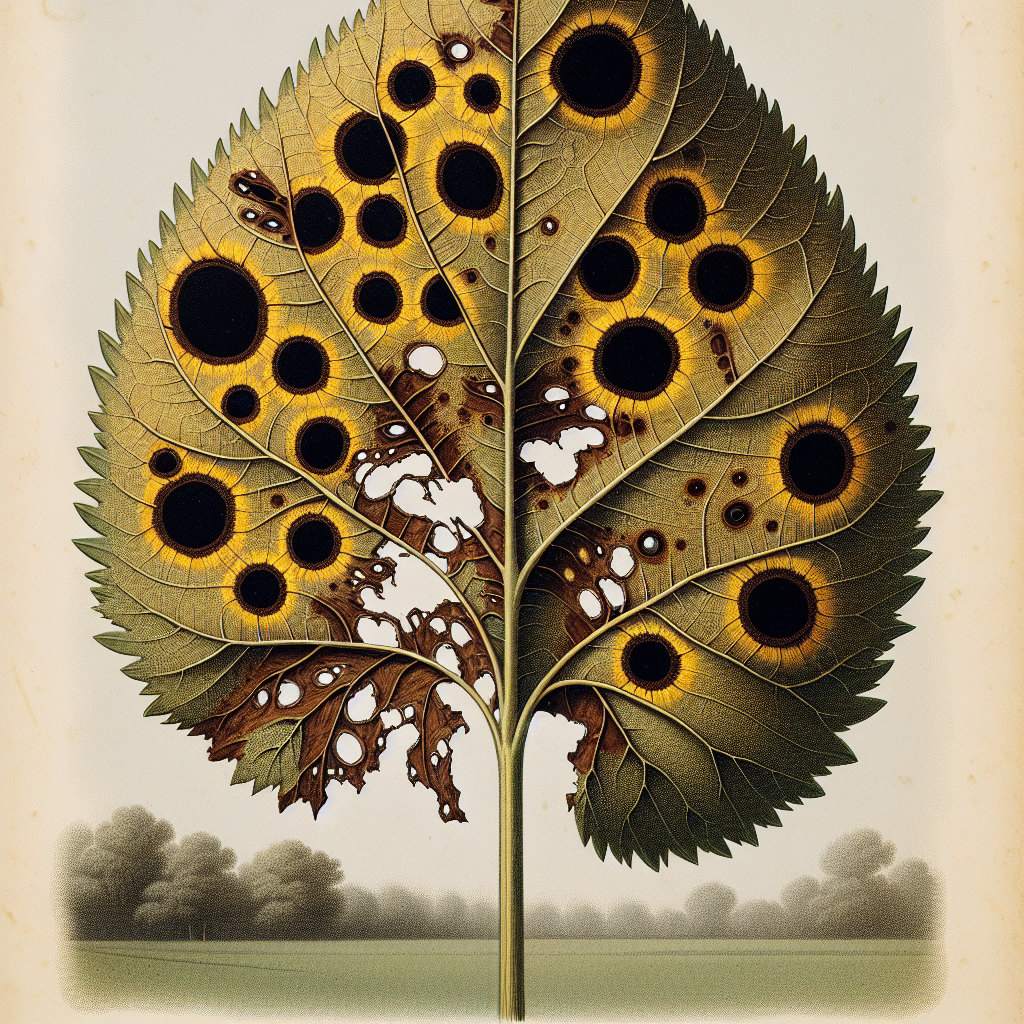
Pasmo
Pasmo is a destructive fungal disease primarily affecting sunflowers, causing leaf spots, stem lesions, and significant yield losses in warm, humid conditions. Early identification of its characteristic symptoms allows for timely organic interventions to minimize crop damage. Effective management relies on cultural practices, resistant varieties, and preventive strategies to protect sunflower fields.
View Profile
Passion Fruit (Frederick)
Passion Fruit (Frederick) is a vigorous, high-yielding purple passion fruit cultivar renowned for its large, sweet-tart fruits and exceptional disease resistance. Ideal for subtropical climates, this variety thrives on trellises, producing abundant crops within 18-24 months of planting. Growers prize 'Frederick' for its productivity, reaching up to 50-60 kg per vine annually under optimal conditions.
View Guide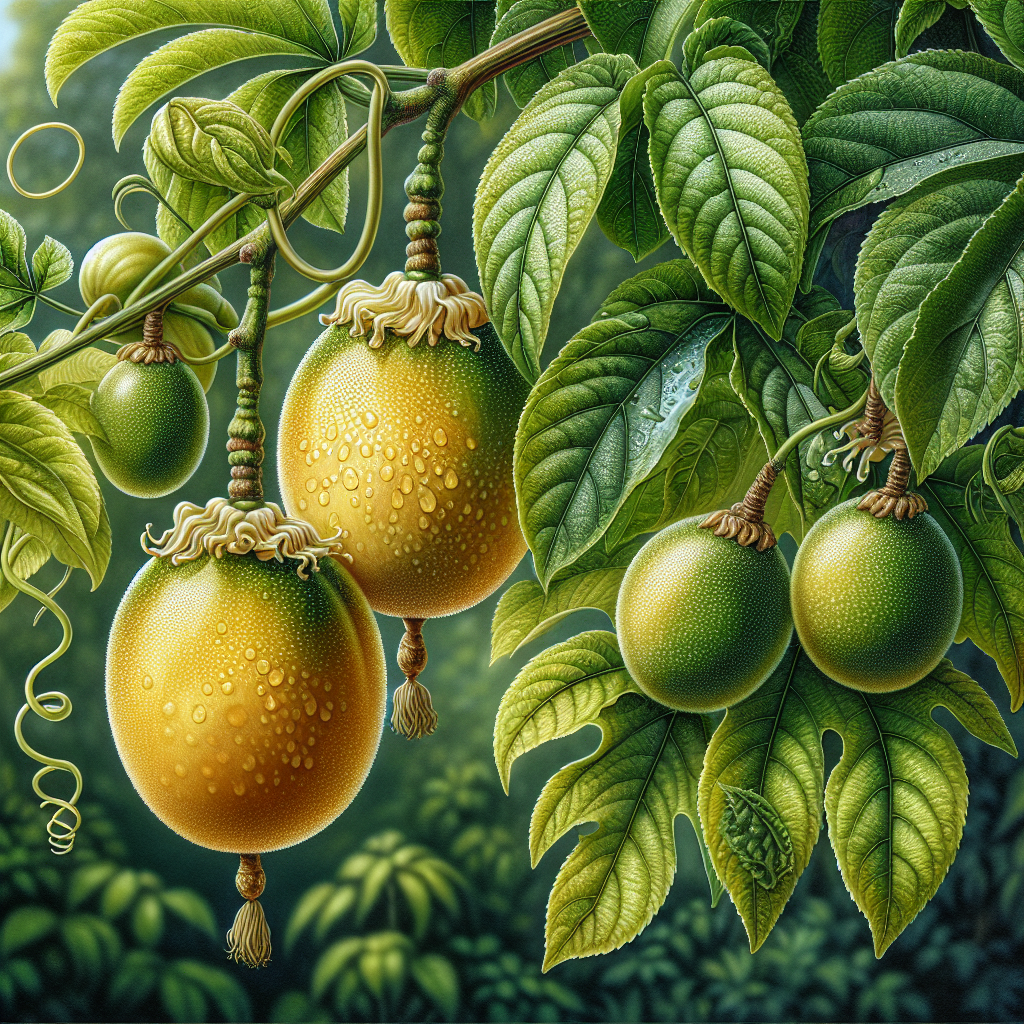
Passion Fruit (Nancy Garrison)
Nancy Garrison passion fruit is a vigorous yellow-fruited cultivar prized for its large, sweet-tart fruits and high yields in subtropical climates. This guide provides expert cultivation techniques from propagation to harvest, emphasizing organic practices and pest management for optimal production. Ideal for home gardeners and small farms seeking exotic tropical fruits.
View Guide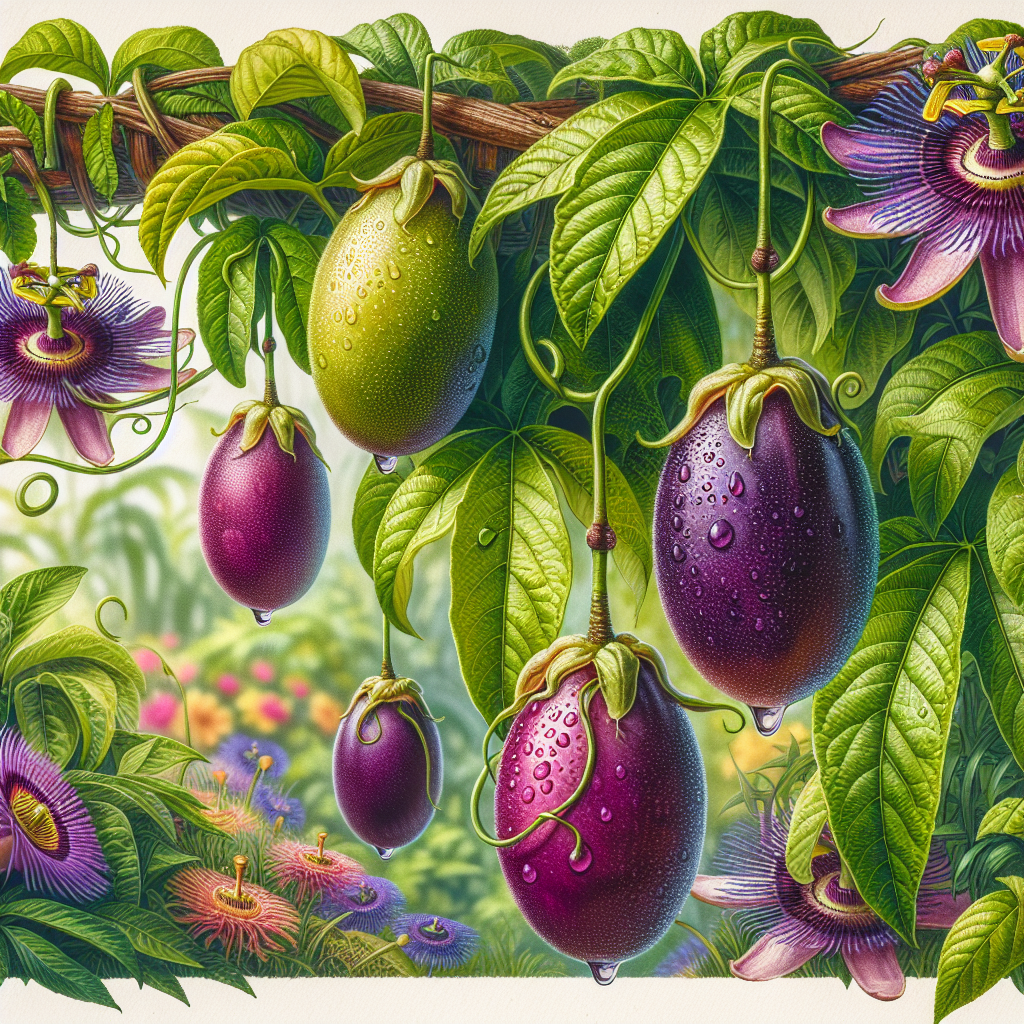
Passion Fruit (Possum Purple)
Possum Purple passion fruit is a vigorous, self-fertile vine prized for its large, deep purple fruits with exceptional flavor and high yields. Thriving in subtropical climates, it offers juicy, seed-filled pulp ideal for fresh eating, juices, and desserts. This guide provides expert cultivation techniques for optimal production.
View Guide