Introduction to Safou (African Pear)
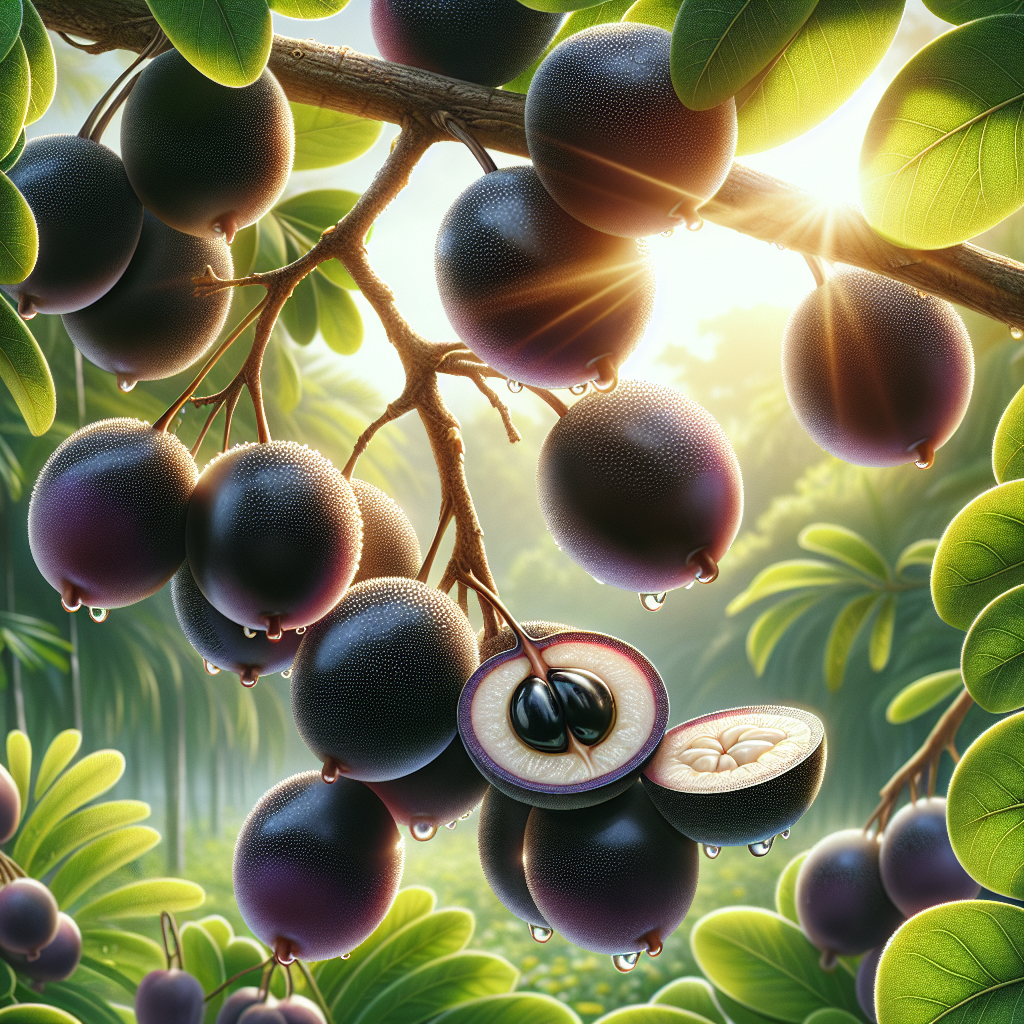
Safou, commonly called African Pear or Bush Mango, is a versatile fruit tree (Dacryodes edulis) that's a staple in West and Central African agriculture. Native to regions like Cameroon, Nigeria, Democratic Republic of Congo, and Gabon, it thrives in humid tropical climates and produces oblong, olive-shaped fruits with a rich, oily pulp that's highly nutritious. The fruit is harvested unripe for cooking—typically roasted over fire or boiled—and ripens to a buttery texture similar to avocado, packed with healthy fats, vitamins A and C, and minerals like potassium and iron.
This tree isn't just a food source; it's a multi-purpose crop. Safou trees can reach 20-40 meters tall but are often pruned for easier harvesting. They fix nitrogen, improve soil fertility, and provide shade, timber, and medicinal bark. In commercial farming, Safou yields 200-500 kg per mature tree annually, with peak seasons from June to August. Demand is surging globally due to its superfood status, making it a profitable choice for smallholder farmers. Challenges include post-harvest perishability and specific climate needs, but with right practices, Safou offers resilience against climate variability. This guide provides professional-grade advice for optimal cultivation, from seed to market-ready fruit. Why Companion Planting Feels Like Guesswork for Small Farms - And How AI Makes It Foolproof
Botanical Profile of Safou (African Pear)
Safou belongs to the Burseraceae family, closely related to Indian frankincense trees. Scientifically Dacryodes edulis, it's an evergreen dioecious tree (separate male and female plants), though some varieties are monoecious. Leaves are pinnate with 5-8 pairs of leaflets, glossy green, and aromatic when crushed. Flowers are small, whitish-green panicles appearing in dry seasons (November-February), pollinated by insects like bees.
Fruits are drupes: 4-12 cm long, 2-4 cm wide, green turning blackish when ripe, with a single seed encased in a fibrous endocarp. Pulp comprises 40-60% of fruit weight, high in lipids (up to 72% oil content). Trees grow rapidly in youth (1-2 m/year), maturing at 5-7 years, with lifespan over 50 years. Root system is deep taproot with laterals, aiding drought tolerance once established. Varieties include 'Ngali' (Cameroon, large fruit), 'Eben' (smaller, early-bearing), and 'Dschang' (high-yield). Genetic diversity is high, with wild and cultivated strains; select grafted cultivars for uniformity. Compared to mango, Safou has higher oil content but shorter shelf life unripe.
Soil, pH, and Climate Requirements for Safou (African Pear)
Safou demands well-drained, fertile soils—loamy or sandy loams ideal, avoiding heavy clays prone to waterlogging. Optimal pH is 5.5-7.0; acidic soils below 5.0 cause nutrient lockout, while alkaline above 7.5 limits iron uptake. Test soil annually; amend with organic matter like compost (10-20 tons/ha) to boost tilth and fertility. Trees tolerate poor soils but yield best with 2-3% organic content.
Climatically, Safou needs tropical humid conditions: 24-30°C average (min 18°C, max 35°C), no frost. Rainfall 1200-2500 mm/year, bimodal preferred (two rainy seasons) for flowering induction. Humidity >70%; drought >3 months reduces yields 50%. Altitude 0-1200 m; higher elevations delay maturation. Windbreaks essential in exposed sites. For marginal areas, mulch heavily and irrigate young trees. Companion with cassava for soil improvement. Read Soil Health Mastery: 5 Proven Strategies for Small Farms to Build Fertile Ground Without Breaking the Bank for more tips.
Step-by-Step Planting & Propagation
Propagation Methods: Seeds are recalcitrant (lose viability quickly), so plant fresh within 2 weeks. Germination 2-4 weeks at 25-30°C. For uniformity, use budding or grafting onto wild rootstocks (success 70-90%). Air-layering works for females.
- Site Prep: Clear land, plow 30-50 cm deep, incorporate 20 t/ha manure. Spacing 8x8 m (150 trees/ha) or 10x10 m for agroforestry.
- Seed Sowing: Select plump seeds from ripe fruits, depulp, sow 5 cm deep in shaded beds. Transplant at 30-50 cm.
- Grafting: June-July; cleft or veneer graft 4-6 month seedlings. Ensure 1:1 male:female ratio.
- Planting: Rainy season onset; dig 50x50x50 cm pits, fill with topsoil+manure. Stake, mulch 10 cm thick.
- Initial Care: Water weekly first year; prune to single leader. Expect first fruits year 4-5; full production year 8.
Care & Maintenance regimes for Safou (African Pear)
Irrigation: Supplemental in dry spells; drip systems save 30% water. Young trees need 40-60 L/week. Fertilization: NPK 200:100:200 g/tree/year, split applications. Foliar micronutrients (Zn, B) at flowering. Organic: green manure from pigeon pea. Pruning: Annual, remove deadwood, open canopy for light penetration. Top at 4-6 m for harvest access. Weeding: Mulch suppresses 80%; manual first 3 years. Training: Intercrop with plantain years 1-4 for income. Monitor growth; yields peak with balanced regime. Fall Companion Planting Guide: Boost Yields and Soil Health for Small Farms and Gardens
Pests, Diseases & Organic Management
Pests: Major: fruit flies (fruit flies), seed weevils (seed weevils), aphids (aphids). Control: neem oil sprays, pheromone traps, yellow sticky traps. Budworms via Bacillus thuringiensis. Diseases: Phytophthora root rot (phytophthora-root-rot), anthracnose (anthracnose), leaf spots (leaf-spot-diseases). Prevent: drainage, copper fungicides organic-approved, resistant rootstocks. Integrated Management: Crop rotation, sanitation, beneficial insects (ladybugs). Monitor weekly; early intervention saves 90% losses. Why 90% of Small Farms Fail at Pest Management - And 8 Organic Fixes That Actually Work
Harvesting, Curing & Optimal Storage
Harvest unripe (green-black, firm) June-August; fruits drop when overripe. Use poles or ladders; yield 20-40 t/ha. Handle gently to avoid bruising. Curing: Roast 5-10 min over fire for flavor; boil 20 min. Storage: Cool (10-15°C), 70% RH; shelf life 1-2 weeks fresh, months smoked/oiled. Process into butter/paste for export. Post-harvest losses <10% with sorting. Market as premium superfood.
Companion Planting for Safou (African Pear)
Safou excels in agroforestry. Good companions: banana (shade tolerance, windbreak), cacao (understory), legumes like cowpea for N-fixation, cassava for soil cover. Avoid water-hungry like maize. Benefits: pest deterrence, biodiversity, 20-30% yield boost. Plant legumes between rows; intersperse herbs like thyme for repellents. See Why Companion Planting Feels Like Guesswork for Small Farms - And How AI Makes It Foolproof.