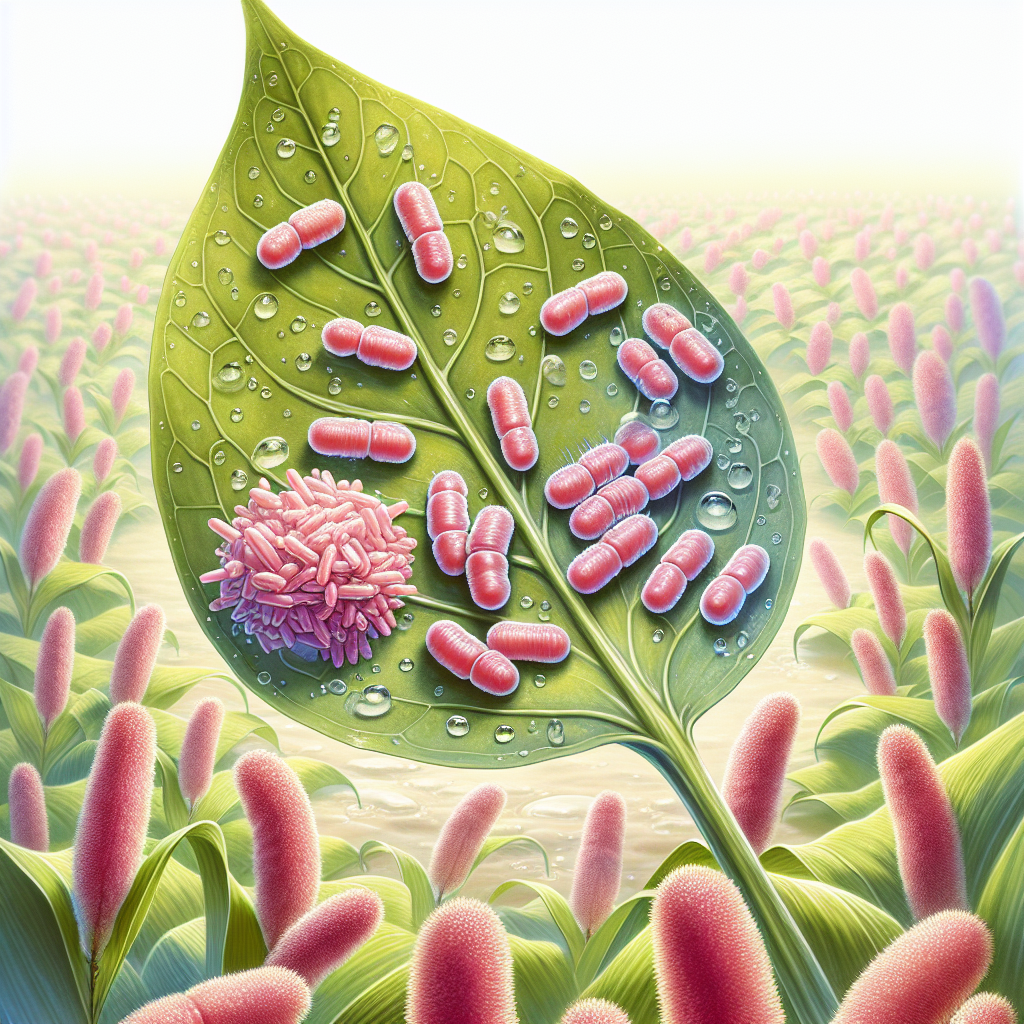
Introduction to salmonella
Salmonella is not a traditional crop pest like insects or fungi but a dangerous bacterial pathogen that threatens agricultural production and public health. As a leading cause of foodborne illnesses worldwide, Salmonella contaminates crops through contaminated water, manure, soil, and handling practices. In agriculture, it primarily affects fresh produce destined for raw consumption, such as lettuce, tomato, and sprouts, leading to recalls, economic losses, and outbreaks. Understanding Salmonella in farming contexts is crucial for organic growers aiming to produce safe, marketable yields.
This comprehensive guide equips farmers, agronomists, and small-scale producers with diagnostic tools, lifecycle knowledge, and organic management strategies. By focusing on prevention and biological controls, growers can reduce Salmonella incidence without synthetic chemicals. Early detection through symptom recognition and environmental monitoring prevents crop losses and protects consumers. For small farms, integrating these practices with tools like Spring Pest Patrol: Organic AI Strategies to Shield Your Crops from Common Invaders enhances vigilance against bacterial threats.
Salmonella thrives in warm, moist environments common in irrigated fields, persisting in soil for months. Over 2,500 serotypes exist, with Salmonella enterica being most relevant to produce. Contamination often traces to animal feces from wildlife, livestock runoff, or improper compost. Global outbreaks linked to scallions, peppers, and melons underscore the need for vigilant management in diverse cropping systems.
Identifying Symptoms & Damage
Unlike visible pests, Salmonella doesn't cause obvious plant damage; its presence is detected through contamination indicators rather than direct symptoms. Crops appear healthy but harbor bacteria on surfaces or internally via roots, posing risks during harvest and consumption. Key diagnostic signs include:
- Water Quality Indicators: Foamy or off-odor irrigation water suggests fecal contamination, a primary Salmonella vector. Test runoff near livestock areas.
- Soil and Manure Clues: Dark, clumpy residues or unusual odors in fields previously manured signal potential persistence. Salmonella survives in soil up to 18 months post-application.
- Plant Surface Contamination: Slimy films or irregular wetting patterns on leaves after rain/irrigation. Use UV lights for fluorescence tests in labs.
- Post-Harvest Damage: Soft rots or discoloration on stored produce, often secondary to Salmonella weakening tissues.
Damage manifests economically: contaminated batches lead to 100% rejection, with U.S. recalls costing millions annually. Health impacts include salmonellosis—fever, diarrhea, vomiting—affecting 1.35 million Americans yearly per CDC. Differentiate from similar issues like Pythium (oozing roots) or bacterial leaf spots via lab culturing on selective media like XLD agar, where Salmonella forms red colonies with black centers.
Field diagnostics involve swab sampling leaves, soil, and water, followed by PCR or ELISA for rapid detection. Train scouts to spot wildlife scat (birds, deer) near crops, as birds and deer feces amplify risks. Early identification prevents spread, especially in high-risk crops like cabbage.
Lifecycle and Progression of salmonella
Salmonella lacks a true 'lifecycle' like insects but cycles through survival, transmission, and multiplication phases in agricultural ecosystems. As a Gram-negative rod (0.7-1.5 μm), it enters non-spore-forming vegetative states, persisting via environmental adaptations.
- Survival Phase: In soil, Salmonella endures desiccation, UV, and predation for 6-18 months, protected in biofilms or organic matter. Manure application introduces 10^6-10^9 CFU/g.
- Transmission Phase: Aerosolized via irrigation splash, wind, or wildlife. Enters plants via stomata, wounds, or roots in hydroponics.
- Multiplication Phase: Optimal at 37°C (human body temp), grows 5-47°C (danger zone 5-60°C). Doubles every 20-60 minutes in moist leaf axils.
- Internalization: Invades roots of radish or spinach, translocating systemically via xylem.
- Persistence on Harvest: Survives drying, chilling; low pH fruits like tomatoes internalize via cracks.
Progression accelerates post-rain: splash disperses to canopies, multiplying during warm nights. From field to fork, poor washing perpetuates. Unlike Fusarium, no dormancy spores; control targets active cells.
Environmental Triggers & Risk Factors
Salmonella outbreaks spike under specific conditions favoring bacterial survival and spread:
- Warm, Moist Soils: >20°C with >60% moisture; overhead irrigation splashes bacteria upward.
- pH 4.5-9.5: Thrives in neutral soils; acidic amendments like lime reduce viability.
- Organic Amendments: Raw manure within 120 days; improper composting (<131°F kills).
- Wildlife Proximity: Raccoons, rodents introduce via feces near fields.
- Flooding/Runoff: Contaminates sweet potato fields post-storm.
Risk factors include dense planting reducing airflow, low-UV winter persistence, and worker hygiene. High-risk zones: Salinas Valley lettuce fields, tomato packing sheds. Monitor via soil tests; integrate cover crops like clover to suppress via competition.
Organic Control & Treatment Plans
Organic management emphasizes sanitation, biological antagonists, and physical barriers—no antibiotics to avoid resistance.
Immediate Response Plan:
- Quarantine: Isolate suspect fields; test via enrichment broth culture.
- Sanitation: Flood-irrigate with chlorinated water (10 ppm free chlorine, pH 7.0); drain.
- Biologicals: Apply Lactobacillus or Bacillus subtilis (10^9 CFU/ml) weekly; outcompetes Salmonella.
- Compost Teas: Aerobic extracts from hot-composted manure suppress via siderophores.
- Essential Oils: Cinnamon or oregano (0.1%) sprays reduce populations 3-log.
Integrated Plan:
- Crop rotation with brassicas.
- Drip irrigation only.
- Beneficial microbes: Pseudomonas fluorescens.
- UV-treated water systems.
Field trials show 90% reduction combining bioagents and sanitation. For outbreaks, destroy contaminated lots humanely.
Preventing salmonella in the Future
Prevention is layered defense:
- Water Management: Test sources quarterly; install filters, UV sterilizers.
- Manure Protocols: Compost 120+ days at 131°F; apply pre-planting.
- Hygiene Training: Worker handwashing stations, footbaths.
- Wildlife Fencing: Exclude squirrels, birds.
- GAP Certification: Follow Good Agricultural Practices audits.
- Monitoring: Weekly swabs, rapid kits.
Soil solarization (6 weeks summer plastic) kills 99.9%. Pair with Soil Health Mastery: 5 Proven Strategies for Small Farms to Build Fertile Ground Without Breaking the Bank for resilient microbiomes outcompeting pathogens.
Crops Most Affected by salmonella
Produce eaten raw is vulnerable:
- Leafy Greens: Lettuce, spinach—surface adhesion.
- Tomatoes: Roma tomato—internalization.
- Sprouts: Alfalfa—warm germination.
- Melons: Cantaloupe—rind contact.
- Onions: Onion—soil splash.
- Peppers: Bell pepper—irrigation.
Outbreaks: 2008 peppers, 2018 romaine. Protect via traceability.