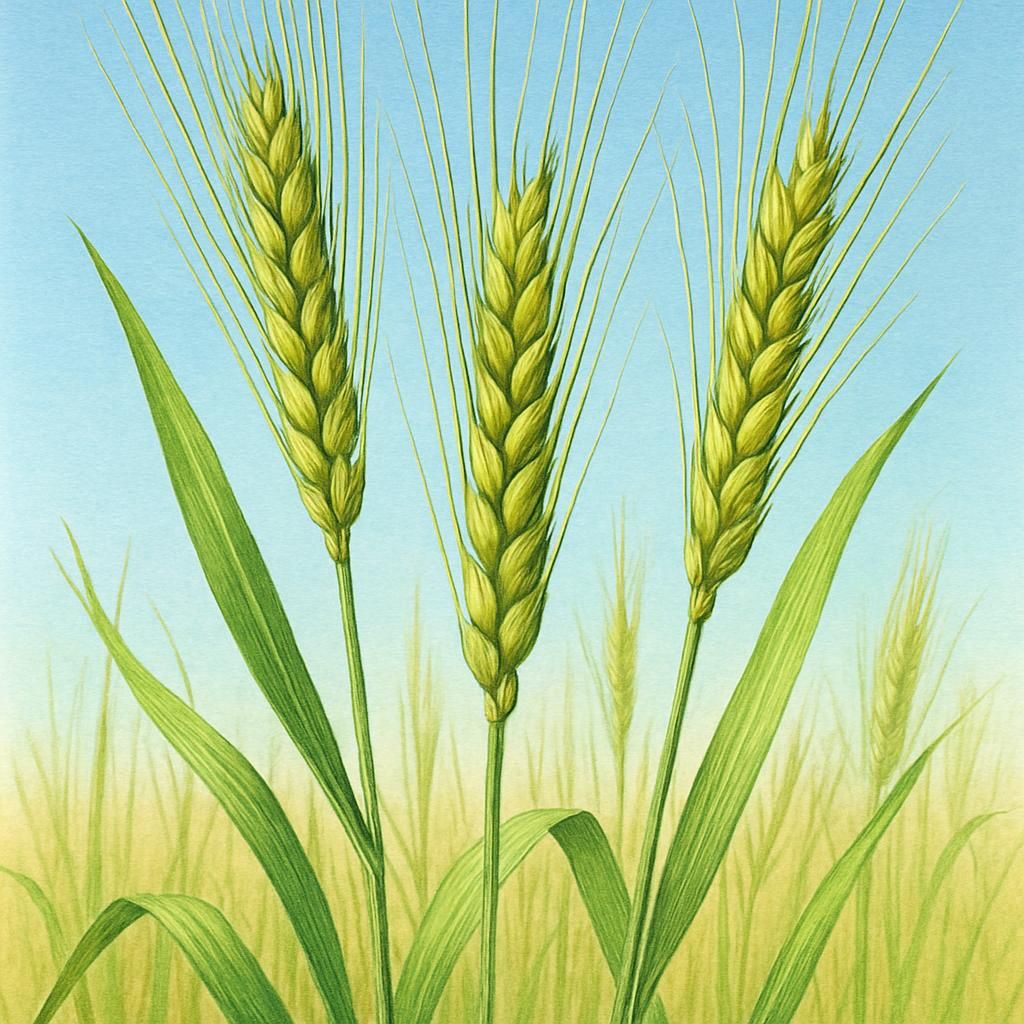
Introduction to Rye (Gazelle)
Rye (Gazelle) is a versatile and resilient cereal grain, favored in agricultural sectors for its adaptability and strong performance in less than ideal growing conditions. Known primarily for its use in bread making and as a cover crop, Rye (Gazelle) provides excellent biomass and weed suppression, making it an invaluable crop for soil improvement and erosion control.
Botanical Profile of Rye (Gazelle)
Rye, scientifically known as Secale cereale, is a member of the Poaceae family, akin to Wheat and Barley. The 'Gazelle' variety is particularly noted for its ability to germinate in cooler soils, making it an ideal choice for late-season planting. Rye plants typically reach heights of 3 to 6 feet and exhibit narrow, blue-green leaves with tall, slender heads containing the grain.
Soil, pH, and Climate Requirements for Rye (Gazelle)
Rye (Gazelle) thrives in a range of conditions but performs best in well-drained, fertile soils. It is particularly resilient against temperature fluctuations and can endure periods of drought better than many grains.
| Parameter | Ideal Condition |
|---|---|
| Soil Type | Well-drained loamy soil |
| pH Level | 5.5 to 7.0 |
| Climate | Temperate to Continental |
| Temperature | 10°C to 24°C |
Step-by-Step Planting & Propagation
- Soil Preparation: Begin by plowing and harrowing the soil to a fine tilth. Ensure a weed-free environment to prevent competition for nutrients.
- Sowing: Rye (Gazelle) seeds should be sown in a well-prepared seedbed between late summer and early autumn. Use a seed drill to plant seeds at a depth of about 1 to 2 inches.
- Spacing: Maintain a spacing of 6 inches between rows to ensure optimal growth and aeration.
- Watering: Though drought-resistant, ensure consistent moisture during germination and early growth stages.
Care & Maintenance regimes for Rye (Gazelle)
Regular maintenance ensures the healthy growth of Rye (Gazelle), promoting a rich yield.
| Task | Frequency |
|---|---|
| Watering | Weekly, or as required |
| Fertilizing | Early growth & heading |
| Pruning | Not typically required |
Watering: Though tolerant to drought, watering should be consistent, especially during dry spells.
Fertilizing: Apply nitrogen-rich fertilizers during early growth stages and again during the heading phase to enhance yield.
Pests, Diseases & Organic Management
Rye (Gazelle) can be susceptible to pests such as Spider Mites and diseases like Ergot. Adopting organic management strategies like crop rotation and the use of neem oil can effectively manage these issues.
Harvesting, Curing & Optimal Storage
Rye (Gazelle) reaches maturity around 120 days post-sowing. Harvesting should occur once the grains have dried sufficiently in the field, employing a combine harvester for larger fields.
Curing: Post-harvest, dry the grain further to a moisture content below 13% to ensure long-term storage.
Storage: Preserve the grains in a cool, dry place, ideally in sealed containers to prevent infestation by pests like Storage Beetles.
Companion Planting for Rye (Gazelle)
Rye (Gazelle) is an excellent companion plant for legumes like Peas, enhancing soil nitrogen levels naturally. It can also suppress weeds effectively, benefiting crops like Potato and Corn when used in crop rotation systems.