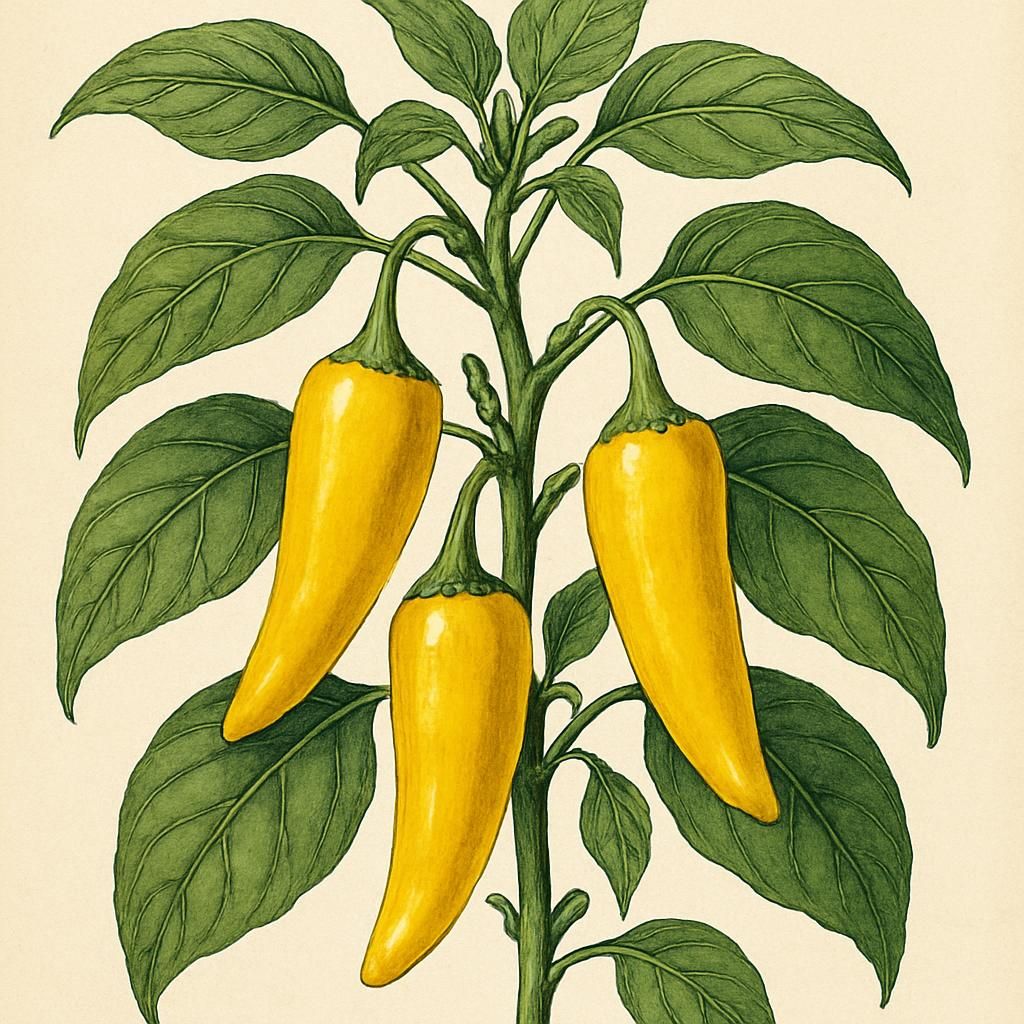
Introduction to Santa Fe Grande
Santa Fe Grande peppers, also known as Guero peppers, are a delightful addition to any garden. Known for their vibrant yellow color and mild heat, they bring both aesthetic beauty and culinary versatility to your gardening repertoire. Their adaptability and relatively simple care requirements make them perfect for beginner farmers or home gardeners.
Botanical Profile of Santa Fe Grande
The Santa Fe Grande pepper belongs to the species Capsicum annuum, which encompasses a variety of sweet and hot peppers. Unlike its spicier relatives, Santa Fe Grande offers a gentle heat, typically ranging from 500 to 700 Scoville Heat Units (SHU). The fruit matures from a pale yellow to a vibrant red, adding a splash of color to salads or salsas.
Soil, pH, and Climate Requirements for Santa Fe Grande
Santa Fe Grande peppers thrive in warm climates but are surprisingly adaptable. They flourish in well-drained soils rich in organic matter. Here’s a detailed table of ideal growing conditions:
| Condition | Optimal Range |
|---|---|
| Soil Type | Loamy, well-draining |
| Soil pH | 6.0 - 7.0 |
| Temperature Range | 70°F - 85°F (21°C - 29°C) |
| Sunlight | Full Sunlight |
| Precipitation Requirements | Moderate, avoid waterlogging |
Step-by-Step Planting & Propagation
Seed Selection: Choose high-quality seeds from a reputable supplier.
Sowing Seeds: Start seeds indoors about eight weeks before the last expected frost. Sow seeds 1/4 inch deep in seed-starting soil.
Germination: Maintain a temperature of 70°F to 80°F. Germination typically occurs within 7-14 days.
Transplanting: Once seedlings have at least two sets of true leaves, they are ready to transition outdoors. Harden off plants by gradually exposing them to outdoor conditions over 7-10 days.
Garden Bed Preparation: Space plants 18-24 inches apart in rows 24-36 inches apart, ensuring good air circulation.
Planting: Transplant during early evening or on cloudy days to reduce transplant shock.
Care & Maintenance Regimes for Santa Fe Grande
Proper care and maintenance ensure maximum yield and plant health. Here's a schedule for watering, fertilizing, and pruning:
| Care Aspect | Schedule |
|---|---|
| Watering | 1-2 inches per week, depending on rain |
| Fertilizing | Every 4-6 weeks during growing season |
| Pruning | Remove yellow leaves and suckers weekly |
Pests, Diseases & Organic Management
Santa Fe Grande is quite resilient but can encounter common pepper pests like Spider Mites and diseases such as Chili Leaf Curl Disease. Consider these organic management strategies:
- Companion Planting: Grow near strong aromatic herbs like Thyme to deter pests.
- Neem Oil: Use neem oil sprays as a preventative measure.
- Manual Removal: Regularly check and handpick pests from plants.
- Crop Rotation: Avoid planting in soils where other nightshades have been recently grown.
Harvesting, Curing & Optimal Storage
- Harvesting: Peppers can be harvested 70-85 days after transplanting, when they turn vibrant yellow to orange.
- Curing: Allow peppers to dry in a well-ventilated area to enhance flavor.
- Storage: Store in a cool, dry place. Fresh peppers last about 1-2 weeks in the refrigerator.
Companion Planting for Santa Fe Grande
Companion planting helps maximize growth and protect against pests. Pair Santa Fe Grande with companion plants like Basil for enhanced growth or with Nasturtiums which attract beneficial insects.
For more information on the benefits of companion planting, read our blog on Summer Companion Planting: 10 Organic Pairings to Boost Small Farm Resilience.