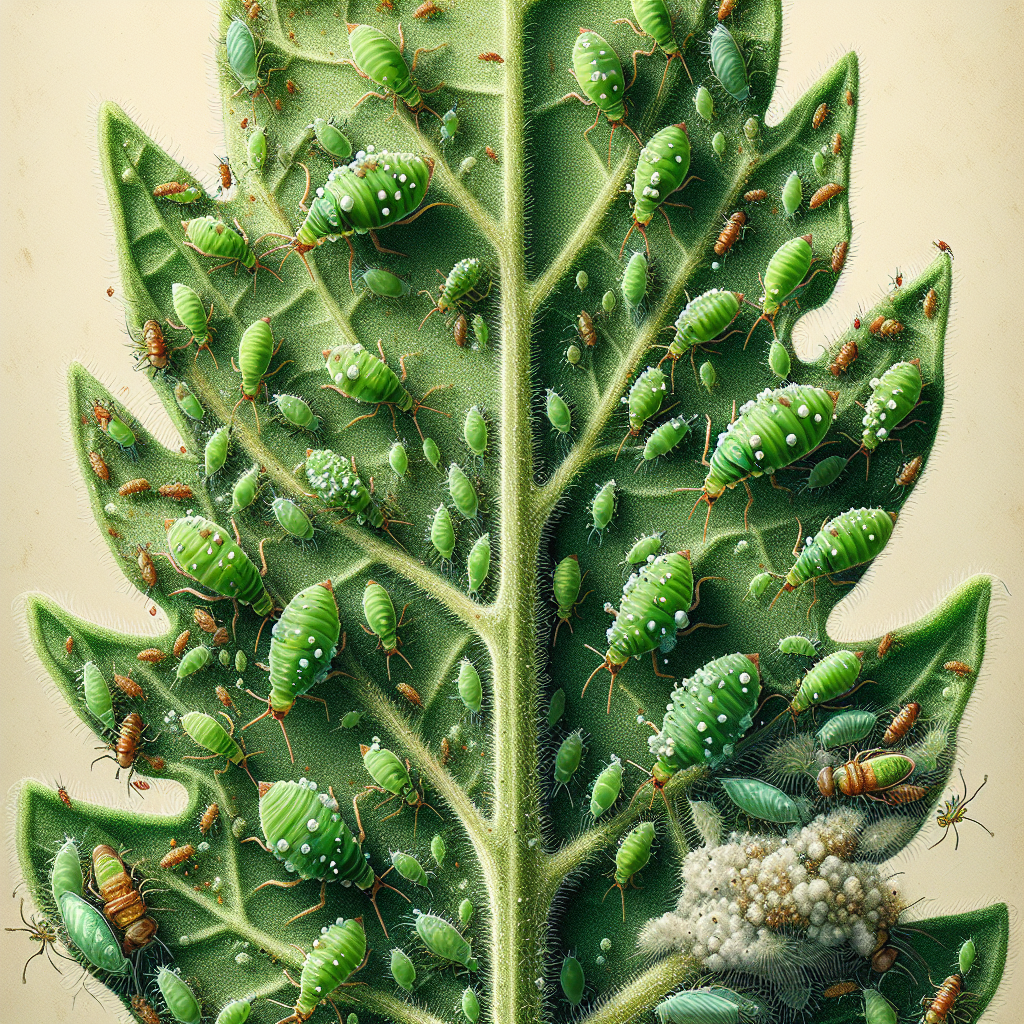
Introduction to Sap feeders
Sap feeders represent one of the most pervasive pest groups in agriculture, encompassing insects like aphids, whiteflies, leafhoppers, scale insects, and mealybugs that pierce plant tissues to extract nutrient-rich sap. These pests are notorious for not only direct feeding damage but also for excreting honeydew, which fosters sooty mold growth, and vectoring devastating viral diseases. In commercial and small-scale farming, sap feeders can reduce yields by 20-50% in susceptible crops, making early detection and integrated management essential. This guide provides professional-grade diagnostics, lifecycle insights, and organic strategies tailored for growers facing sap feeder infestations. Understanding their biology empowers farmers to implement targeted controls, minimizing chemical use and preserving crop health.
Identifying Symptoms & Damage
Diagnosing sap feeder damage starts with recognizing distinctive symptoms on leaves, stems, and fruits. Initial signs include clustered insects on new growth: aphids appear as green, black, or pink pear-shaped bugs; whiteflies as tiny white moths fluttering when disturbed; leafhoppers as wedge-shaped hoppers; and scales as immobile, waxy bumps. Feeding causes leaf curling, yellowing (chlorosis), and stunted shoots, as sap extraction disrupts phloem transport.
Honeydew, a sticky exudate, coats lower leaves, attracting ants and promoting black sooty mold—a fungal growth that blocks photosynthesis. Severe infestations lead to leaf drop, distorted fruits, and plant wilting. Differentiate from mites by the absence of fine webbing and from diseases like powdery mildew by the presence of live insects. Use a hand lens to confirm piercing mouthparts. Economic thresholds vary: act when 10-20% of plants show symptoms in high-value crops like tomato or grapes. Regular scouting with yellow sticky traps quantifies populations, enabling timely intervention.
Lifecycle and Progression of Sap feeders
Sap feeders exhibit complex lifecycles adapted to exploit tender growth, typically completing 10-20 generations per year in warm climates. Eggs, laid on undersides of leaves, hatch into nymphs or larvae that molt 3-5 times before pupating into adults. Aphids reproduce parthenogenetically (asexually) in spring, producing live nymphs rapidly; populations explode from a few to thousands in weeks. Whiteflies pass through egg, four nymphal instars (immobile scales), and pupal stages, with adults dispersing via flight.
Leafhoppers overwinter as eggs or adults, nymphs progressing in 2-3 weeks. Scales have crawlers (mobile first instar) that settle and form protective armor. Progression ties to host phenology: peak activity during flush growth. Temperature drives development—optimal at 75-85°F (24-29°C), slowing below 50°F (10°C). Multiple overlapping generations complicate control; target crawlers and nymphs when vulnerable. Monitor with degree-day models for precise timing.
Environmental Triggers & Risk Factors
Sap feeders thrive under specific conditions that favor rapid reproduction and dispersal. High nitrogen fertilizers promote succulent growth, ideal for feeding; over-fertilization increases risk by 30-50%. Crowded planting reduces airflow, elevating humidity and hindering natural enemies. Warm, dry weather (70-90°F, low wind) boosts aphid and whitefly flights, while mild winters allow overwintering.
Stressed plants from drought, poor drainage, or root rot attract invaders. Nearby weeds or alternate hosts harbor reservoirs. In greenhouses, closed environments amplify outbreaks. Risk factors include monocultures of susceptible crops like citrus or soybeans, lack of diversity, and ant presence protecting pests. Climate change extends seasons, intensifying pressure. Mitigate by balancing nutrition, enhancing biodiversity, and using reflective mulches to deter alates.
Organic Control & Treatment Plans
Organic management emphasizes integrated pest management (IPM) with cultural, biological, and low-toxicity tactics. Cultural: Prune infested tips, remove weeds, and space plants for airflow. Use row covers early season; reflective mulches repel adults. Biological: Introduce predators like ladybugs, lacewings, and parasitic wasps—release 1,000-5,000 per acre based on scouting. Encourage natives with flowering borders (nasturtium, yarrow).
Treatments: Insecticidal soaps or neem oil smother soft-bodied stages; apply evenings to spare beneficials, 3-5 times at 7-day intervals. Horticultural oils target scales during crawler stage. Pyrethrin sprays for outbreaks, but rotate to prevent resistance. Sulfur burns sooty mold. For Spring Pest Patrol: Organic AI Strategies to Shield Your Crops from Common Invaders, combine with monitoring apps. Threshold-based action prevents unnecessary sprays. In heavy infestations on avocado, vacuum or power wash trunks. Track efficacy weekly; integrate with resistant varieties for long-term suppression.
Preventing Sap feeders in the Future
Prevention hinges on proactive farm practices building resilience. Select resistant cultivars: e.g., tomato varieties tolerant to whiteflies. Crop rotation disrupts lifecycles—avoid solanaceous repeats. Maintain soil health via cover crops (clover) to bolster plant vigor. Balanced fertility avoids excess nitrogen; test soil annually.
Sanitation: Destroy volunteers and debris post-harvest. Install traps and borders of trap crops like blueberry bushes. Conserve predators with no-spray zones. Monitor weekly with traps; use economic thresholds. Drip irrigation minimizes wet foliage. For perennials like mango, prune for open canopies. Long-term, diversify with intercropping—thai basil repels aphids. Annual planning reduces incidence by 70%. Check for ants and eliminate with boric acid baits.
Crops Most Affected by Sap feeders
Sap feeders plague a wide array of crops, prioritizing those with tender, sap-rich tissues. Fruit trees like apple, peach, cherry, and citrus suffer leaf curl and fruit drop. Vegetables including tomato, eggplant, bell pepper, cucumber, and squash face stunting and virus transmission. Berries (strawberry, grapes) produce honeydew-contaminated fruit.
Field crops such as soybeans, corn, rice, and sugarcane see yield losses from hopper burn. Ornamentals and herbs like Thai basil are vulnerable. Tropicals including mango, avocado, banana, and coffee endure chronic infestations. In greenhouses, lettuce and cabbage are hotspots. Global economic impact exceeds billions annually; focus scouting on new flushes.