Encyclopedia
Definitive guides for crops, pests, and agricultural diseases.
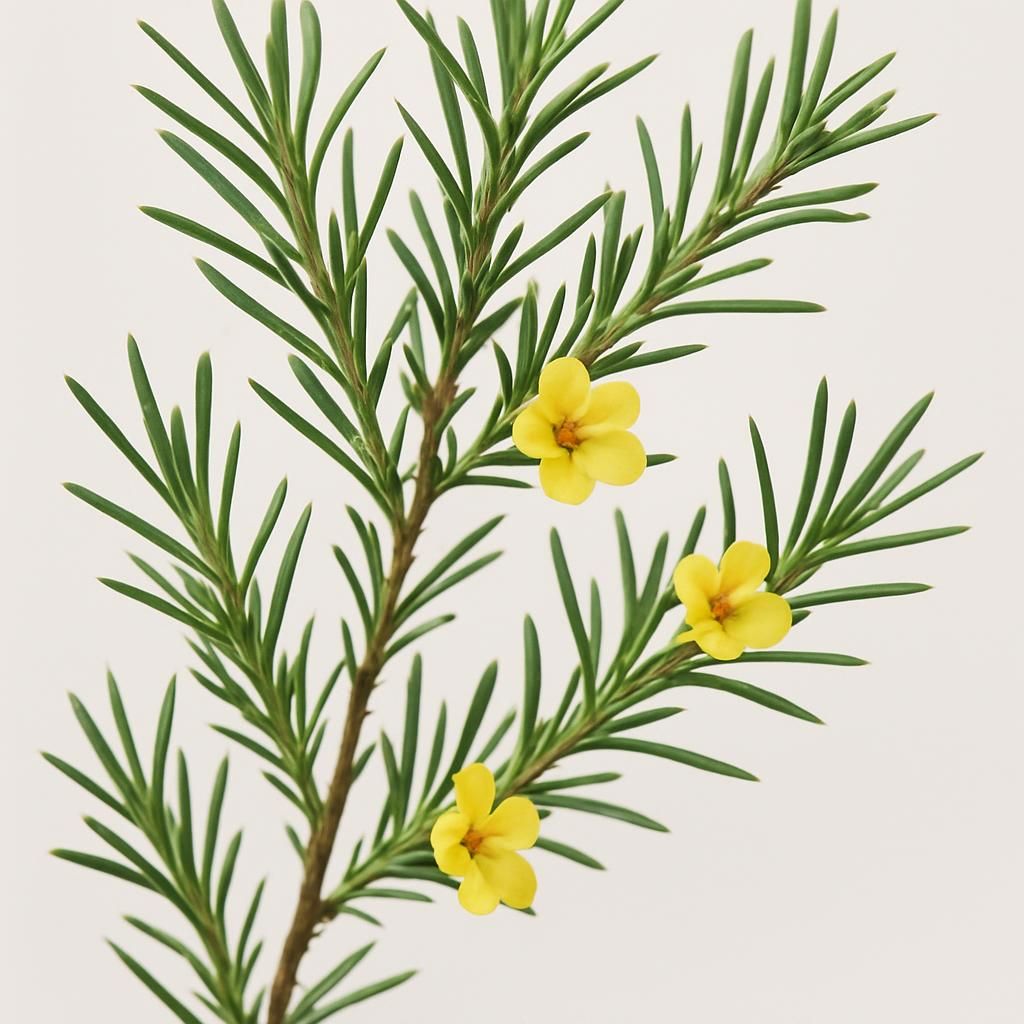
Rooibos
Rooibos is a nitrogen-fixing legume native to South Africa’s fynbos region, cultivated exclusively for its needle-like leaves that are harvested, oxidized, and dried to produce a naturally sweet, caffeine-free herbal tea with significant antioxidant value.
View Guide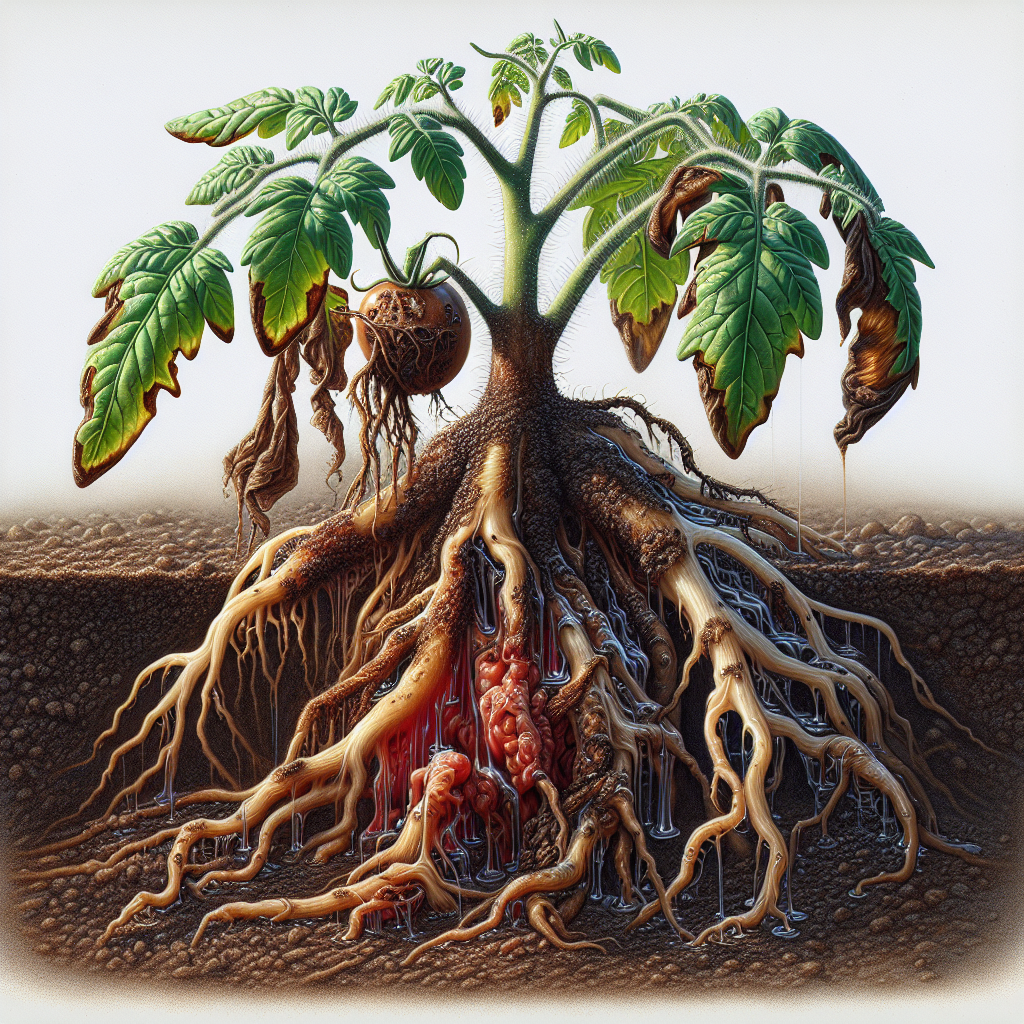
Root and Crown Rots
Root and crown rots are devastating soilborne fungal and oomycete diseases that attack plant roots and lower stems, leading to wilting, stunted growth, and plant death. Caused by pathogens like Phytophthora, Pythium, and Fusarium, they thrive in poorly drained, waterlogged soils. Effective management relies on prevention through cultural practices, soil health improvement, and prompt organic interventions.
View Profile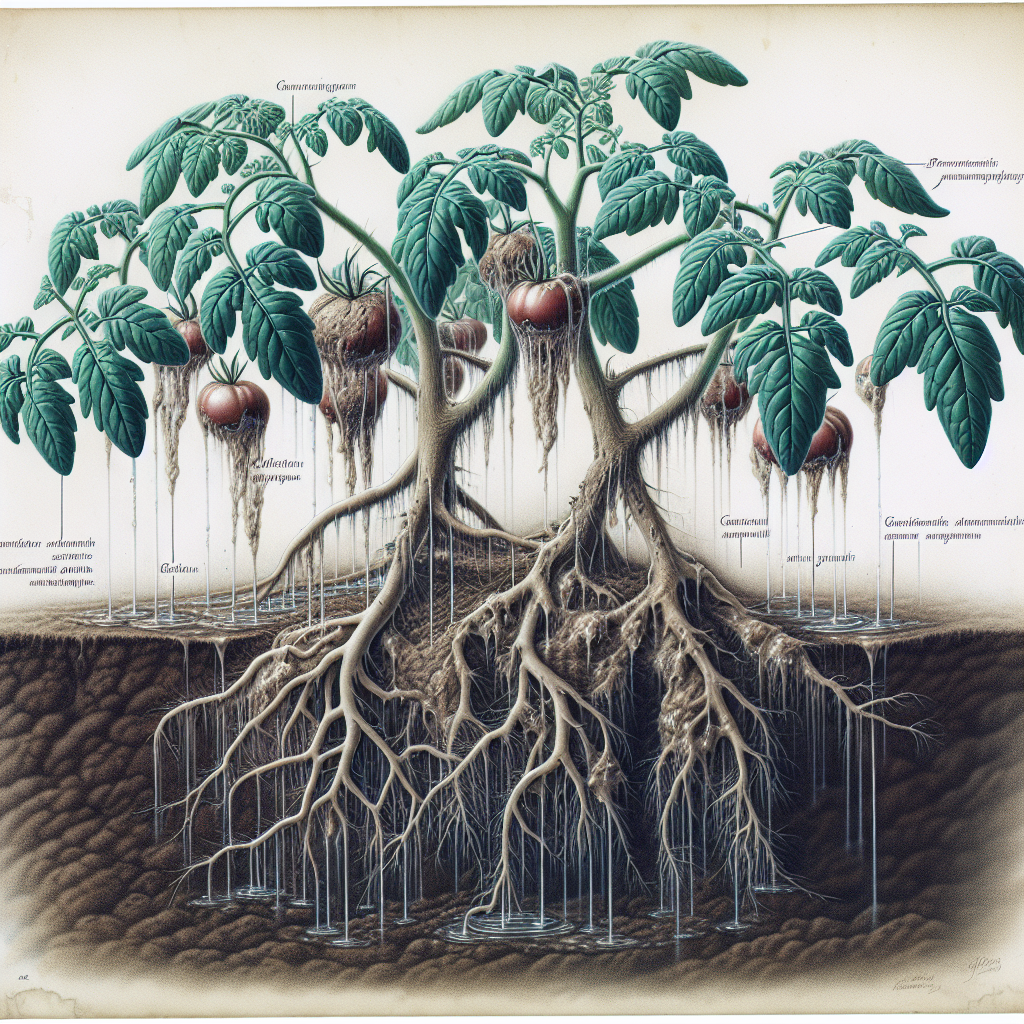
Root and seedling diseases
Root and seedling diseases are devastating soilborne fungal and oomycete pathogens that attack plant roots and young seedlings, causing damping-off, root rot, and stunted growth. These diseases thrive in poorly drained, waterlogged soils and can wipe out entire stands of crops before emergence. Effective management relies on cultural practices, resistant varieties, and biological controls to prevent outbreaks.
View Profile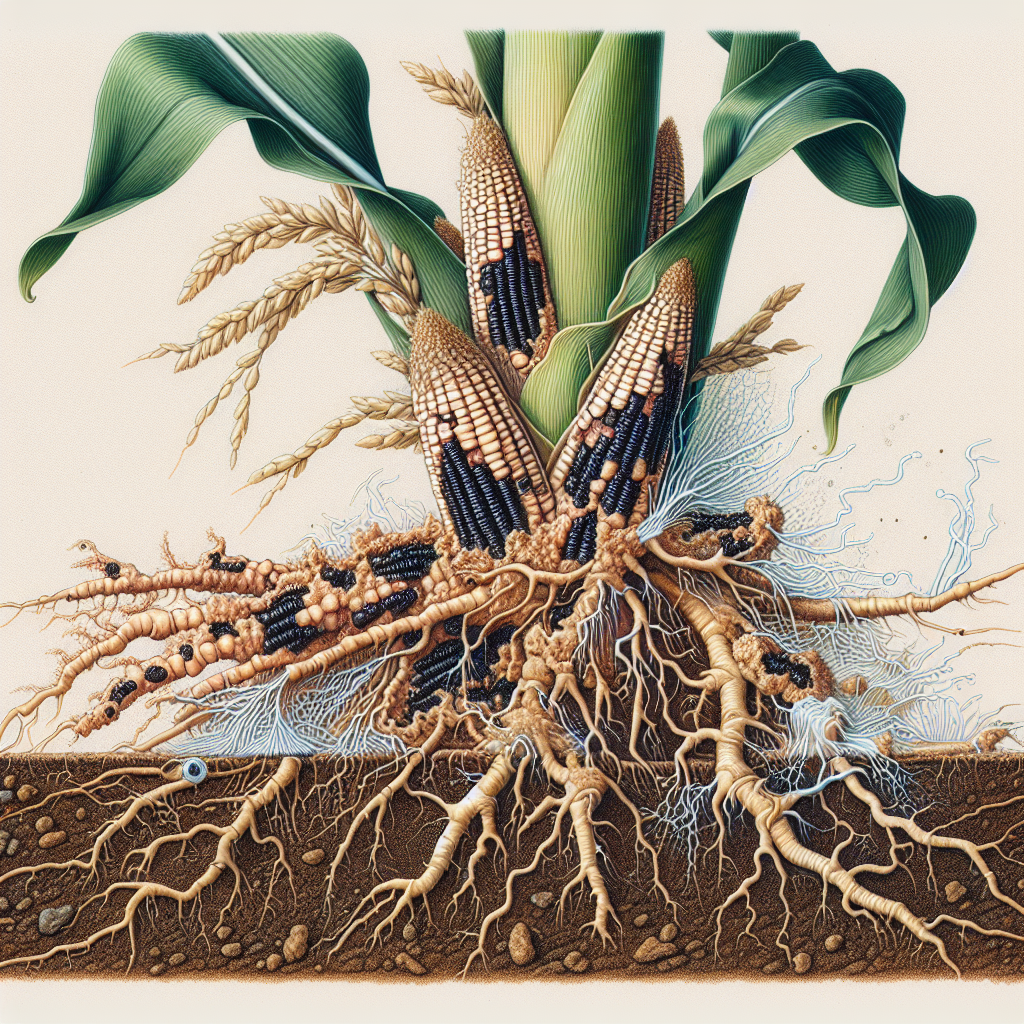
root and stalk rots
Root and stalk rots are devastating soilborne fungal and oomycete diseases that attack the underground and lower stem tissues of crops, leading to wilting, lodging, and significant yield losses. Caused by multiple pathogens thriving in wet, poorly drained conditions, they affect a wide range of field and horticultural crops. Effective management relies on cultural practices, resistant varieties, and organic biocontrols to minimize damage.
View Profile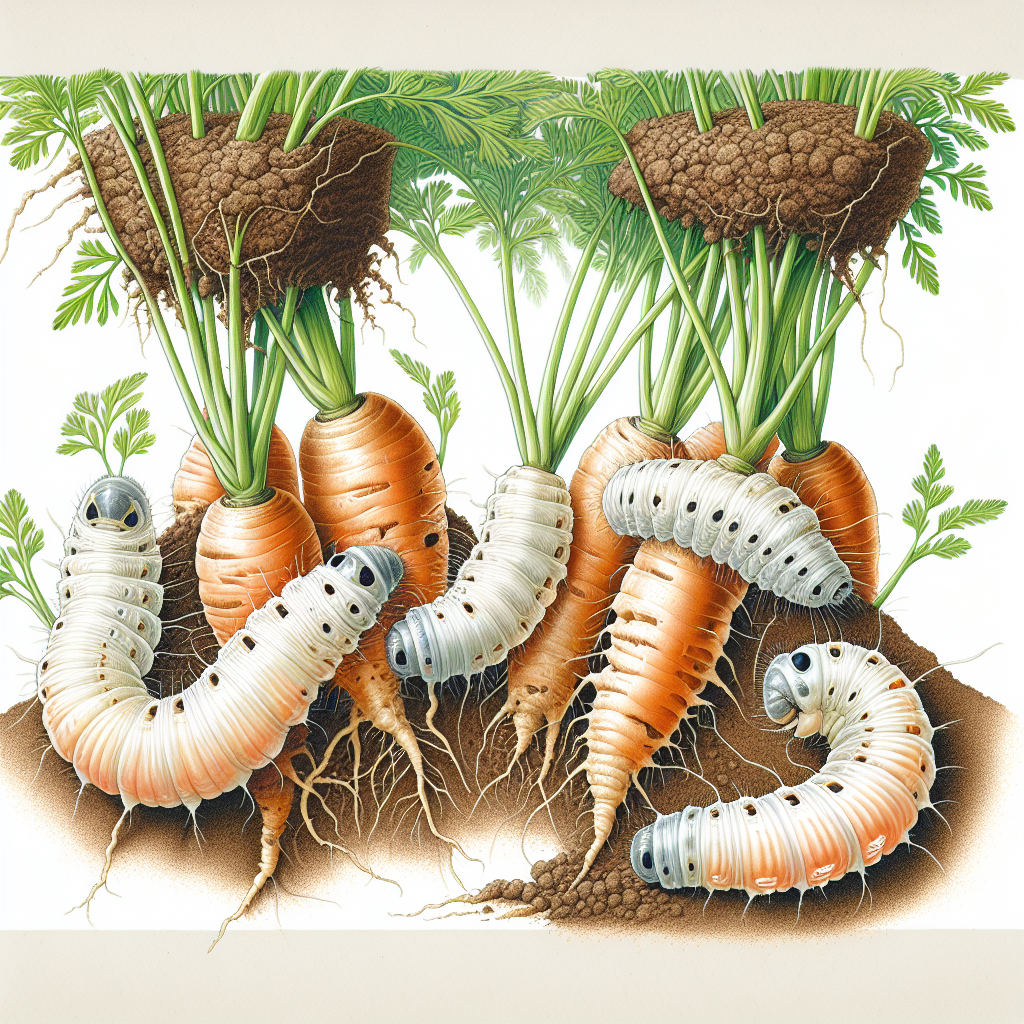
Root borers
Root borers are destructive soil-dwelling larvae of beetles and moths that tunnel into plant roots, causing wilting, stunted growth, and plant death in crops like potatoes, carrots, and sweet potatoes. This guide provides comprehensive diagnostics, lifecycle insights, organic management strategies, and prevention tips for farmers battling these hidden pests. Early detection and integrated organic controls can protect yields effectively.
View Profile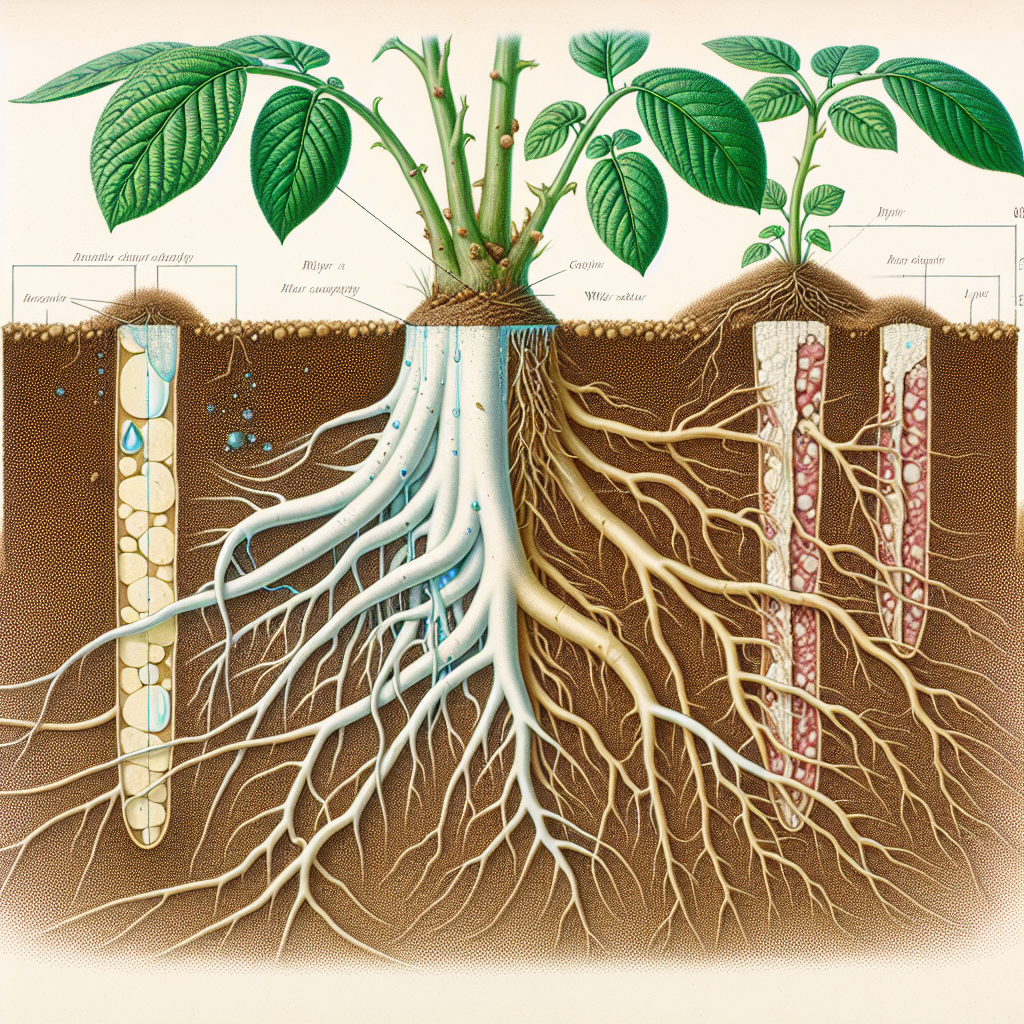
Root decay
Root decay is a devastating soil-borne fungal disease that causes progressive rotting of plant roots, leading to wilting, stunted growth, and plant death. Commonly triggered by overwatering and poor drainage, it affects a wide range of crops by depriving them of water and nutrient uptake. Early detection and cultural management are key to controlling this pervasive issue in agriculture.
View Profile
root diseases
Root diseases are devastating soil-borne infections caused primarily by fungi, oomycetes, and bacteria that attack plant roots, leading to rot, wilting, and plant death. These pathogens thrive in poorly drained, waterlogged soils and can persist for years, making prevention critical for sustainable agriculture. Effective management combines cultural practices, organic treatments, and resistant varieties to protect yields.
View Profile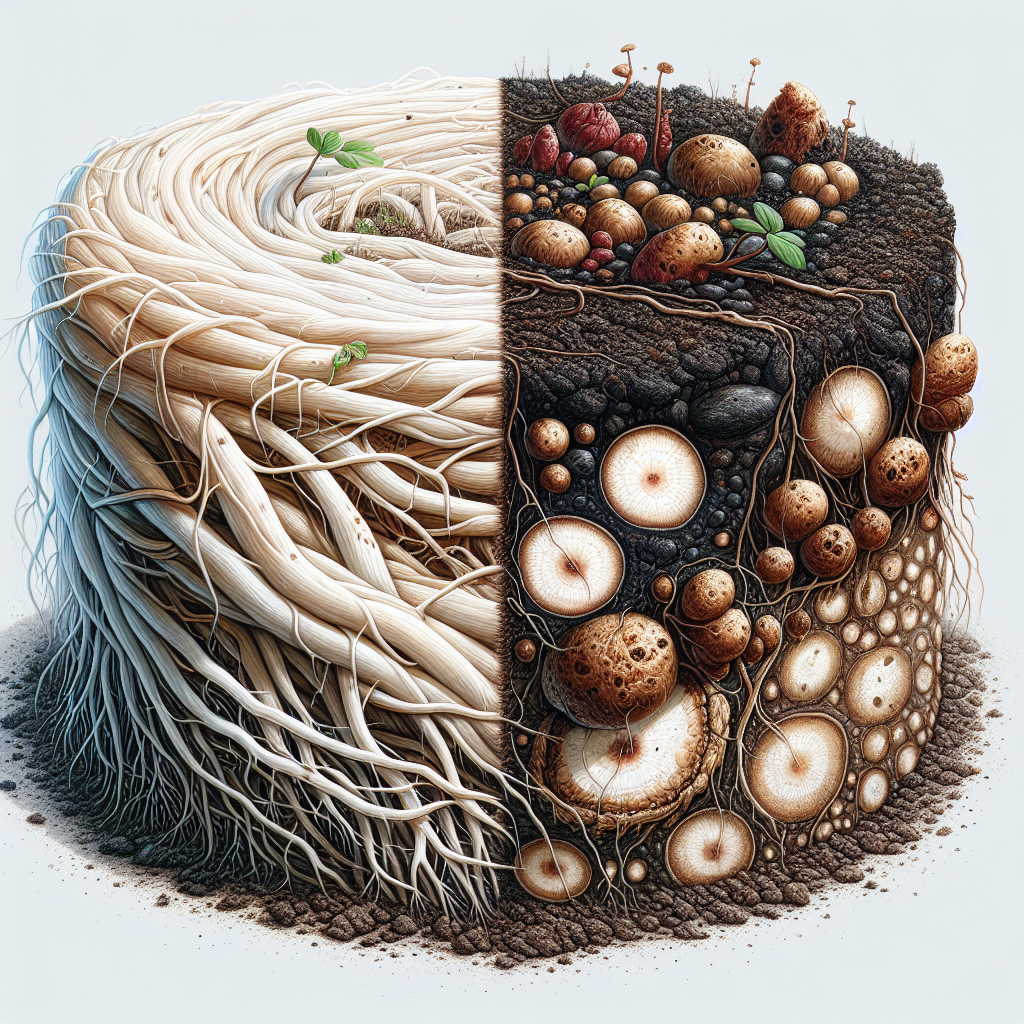
root disorders
Root disorders encompass a range of abiotic and biotic issues that impair root health, leading to stunted growth, wilting, and yield losses in crops. Common causes include poor drainage, nutrient imbalances, pathogens like [Pythium](/wiki/pythium) and [Phytophthora](/wiki/phytophthora), and pests such as [root-knot nematodes](/wiki/root-knot-nematodes). Early diagnosis and targeted management are crucial for recovery and prevention.
View Profile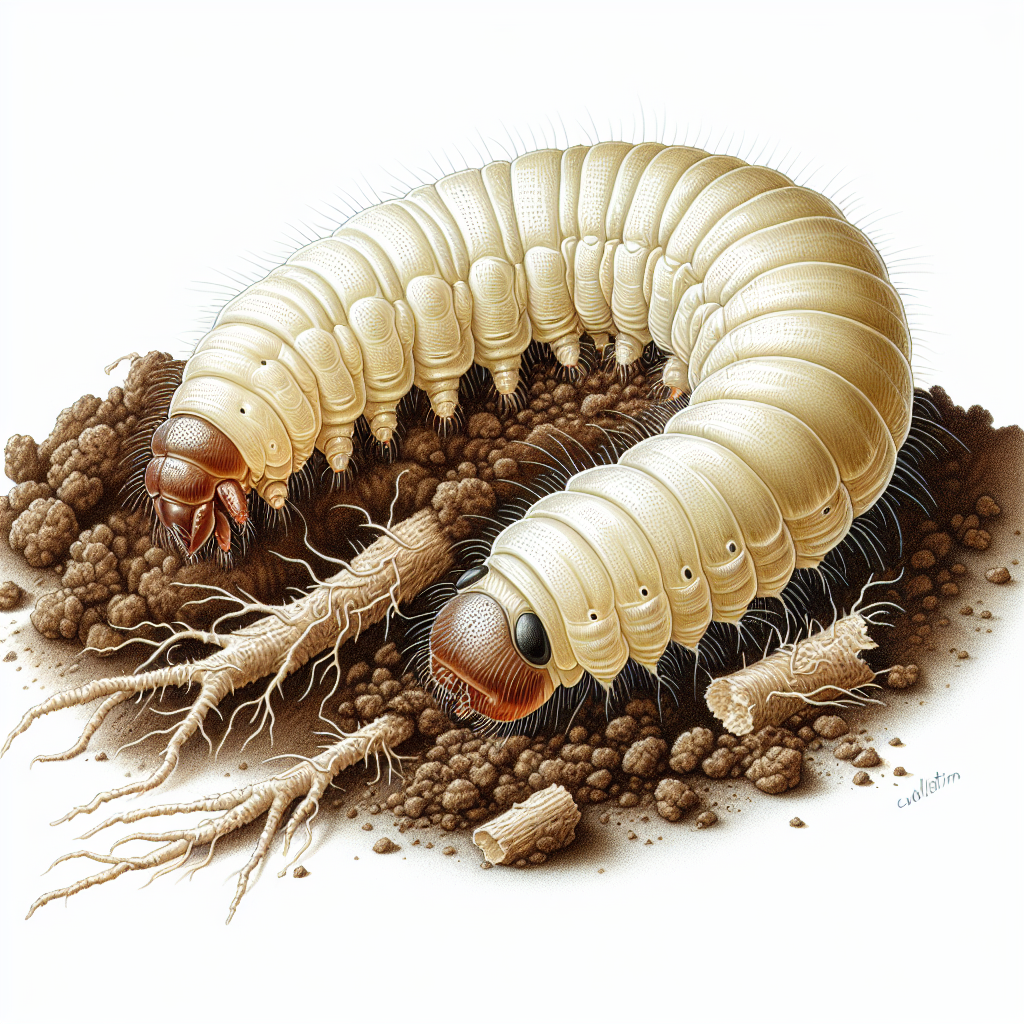
Root grubs
Root grubs are the C-shaped larvae of scarab beetles that feed on plant roots, causing severe damage to turf, pastures, and crops by severing roots and leading to wilting and death. Common species include white grubs like those from the genera Phyllophaga (June beetles) and Popillia (Japanese beetles). Effective management combines cultural practices, biological controls, and targeted treatments for sustainable control.
View Profile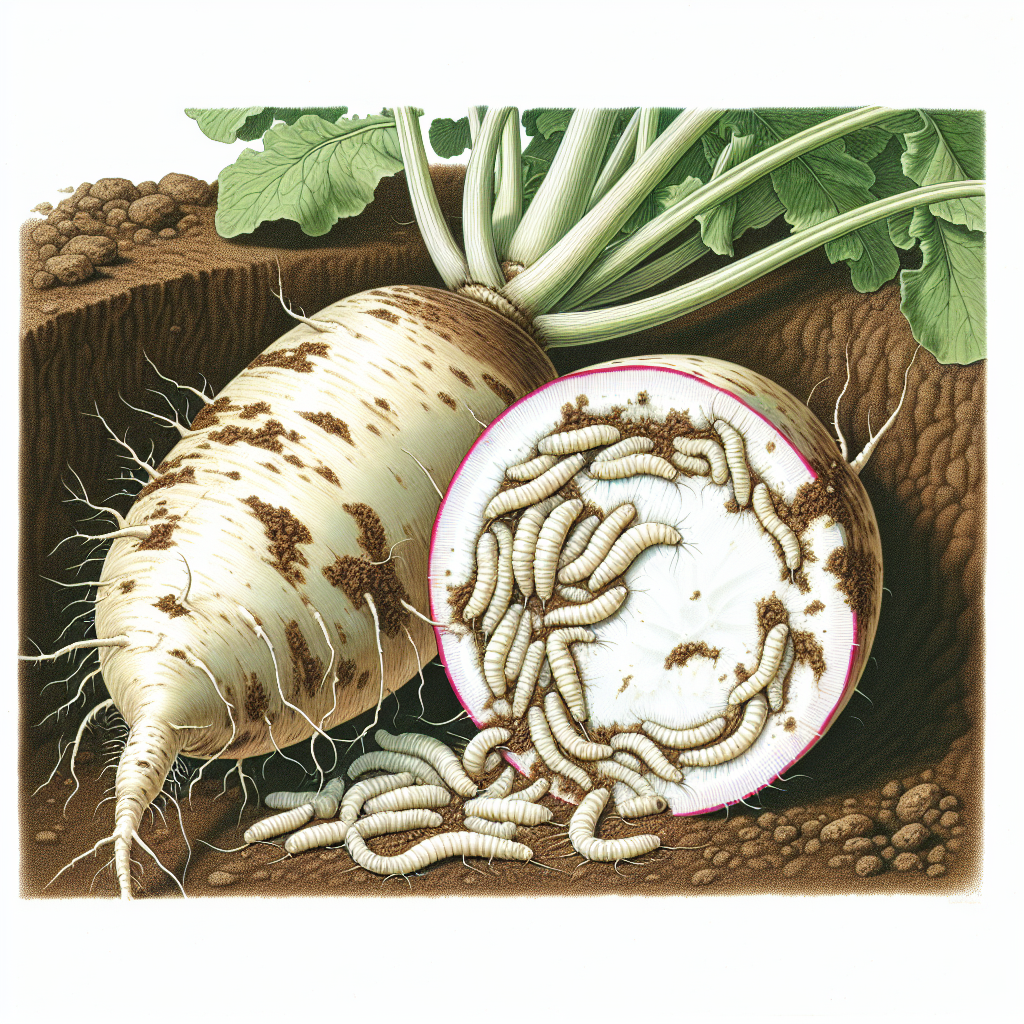
root maggots
Root maggots are the larval stage of several fly species that target the roots and stems of cruciferous and onion-family crops, causing severe damage to seedlings and young plants. These pests thrive in cool, moist conditions and can lead to stunted growth, wilting, and complete crop loss if unmanaged. Effective identification, cultural controls, and organic treatments are key to protecting vulnerable crops like radishes, cabbage, and onions.
View Profile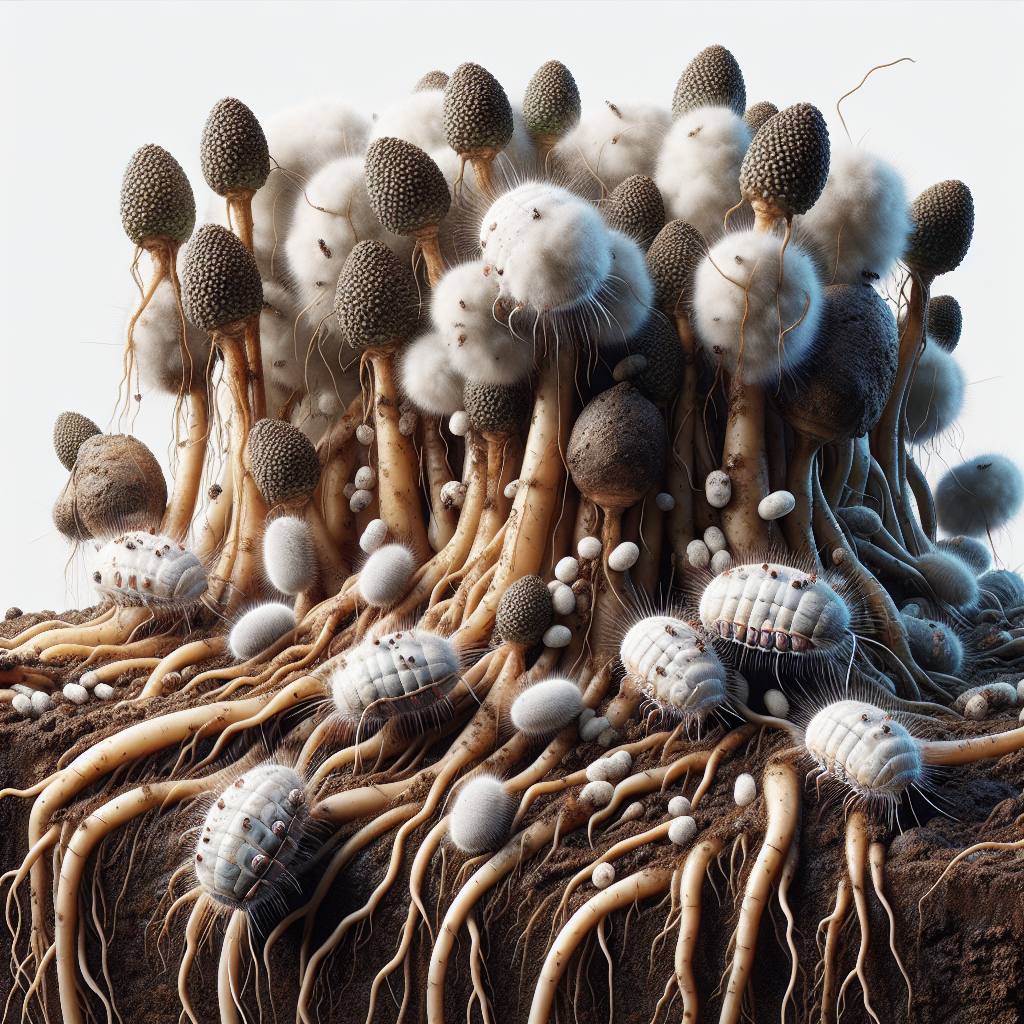
Root mealybugs
Root mealybugs are tiny, sap-sucking pests that infest plant roots, causing wilting, stunted growth, and potential plant death. They thrive in moist soils and are often missed until severe damage appears. This guide provides expert diagnosis, organic management, and prevention strategies for affected crops.
View Profile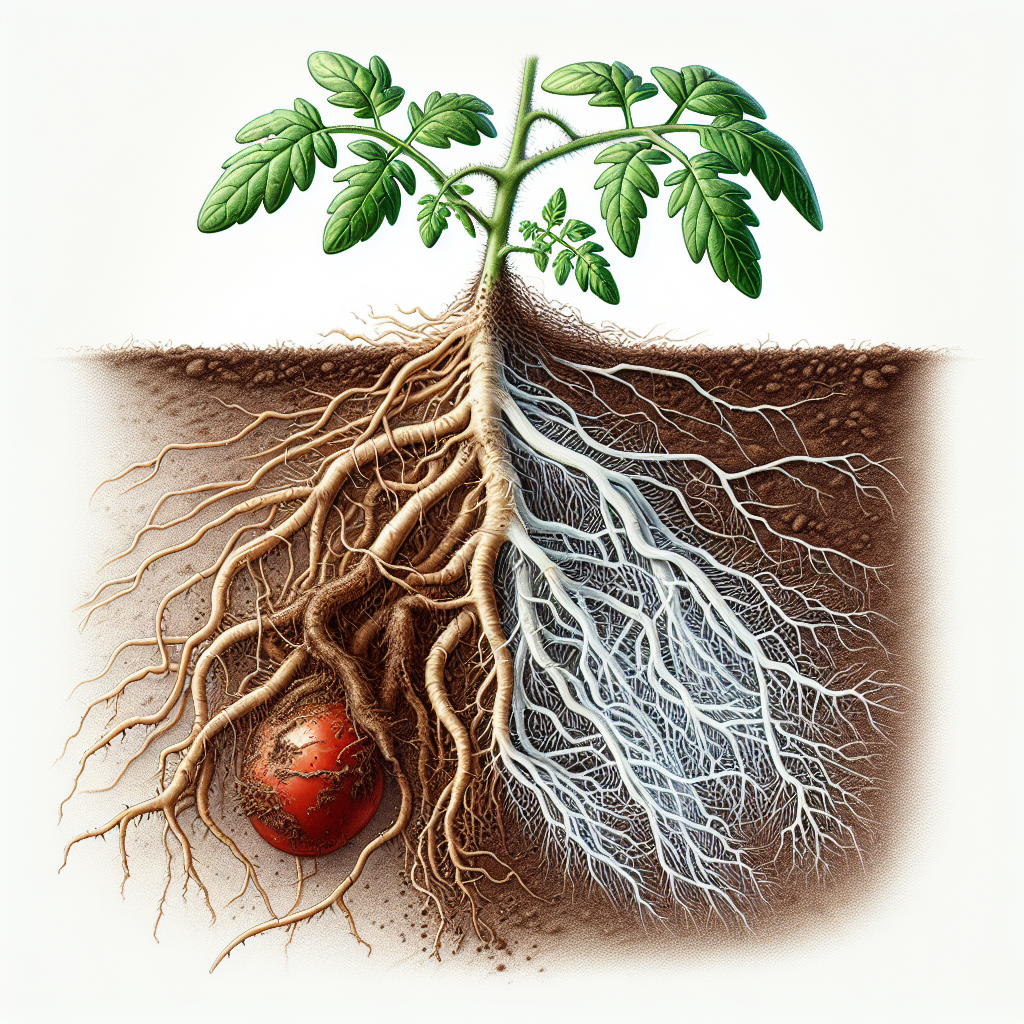
Root rot
Root rot is a devastating soilborne fungal and oomycete disease that causes roots to decay, leading to wilting, stunted growth, and plant death in crops worldwide. Commonly triggered by overwatering and poor drainage, it affects a broad range of plants from vegetables to ornamentals. Early detection and cultural management are key to minimizing losses.
View Profile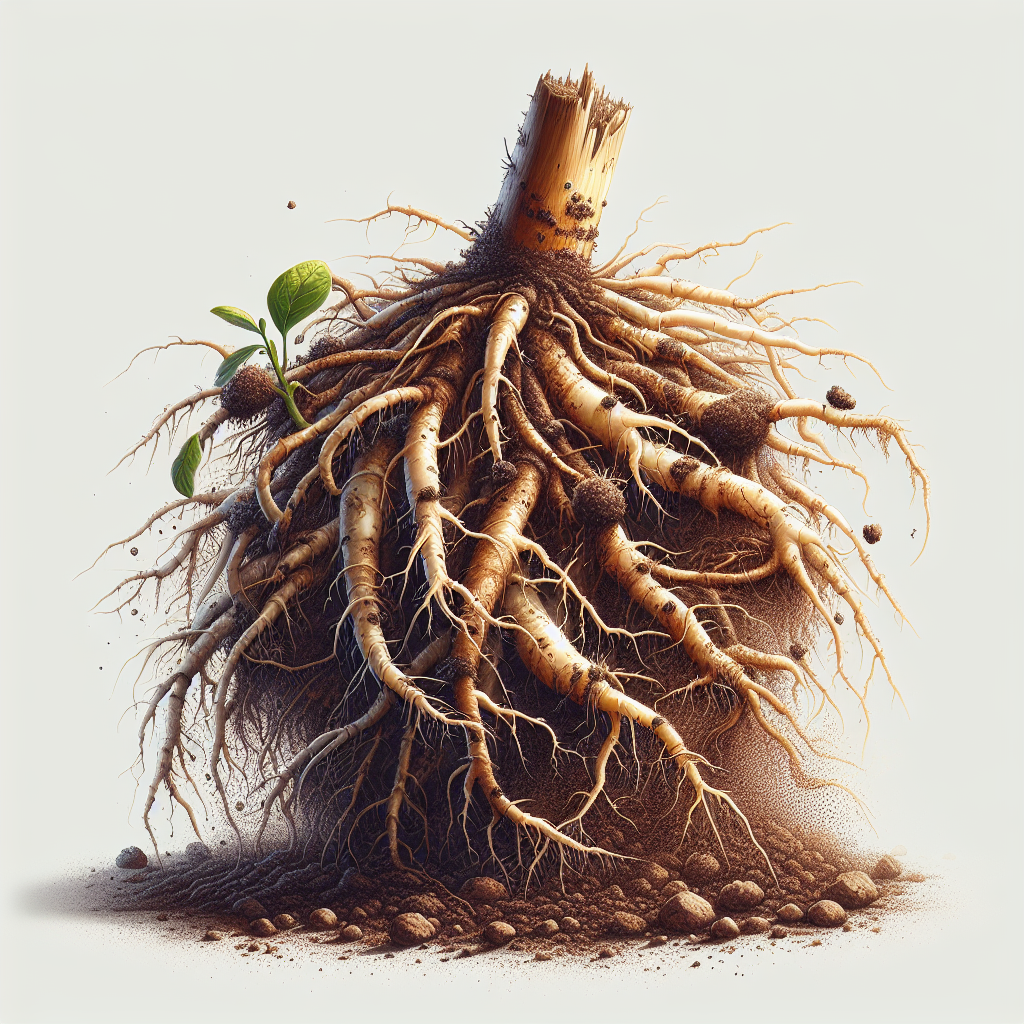
Root rot (Phytophthora)
Root rot caused by Phytophthora is a devastating soilborne disease affecting numerous crops worldwide, leading to rapid wilting and plant death due to root decay. This oomycete pathogen thrives in waterlogged conditions, making it a major threat in poorly drained soils. Effective management relies on prevention, cultural practices, and targeted organic treatments.
View Profile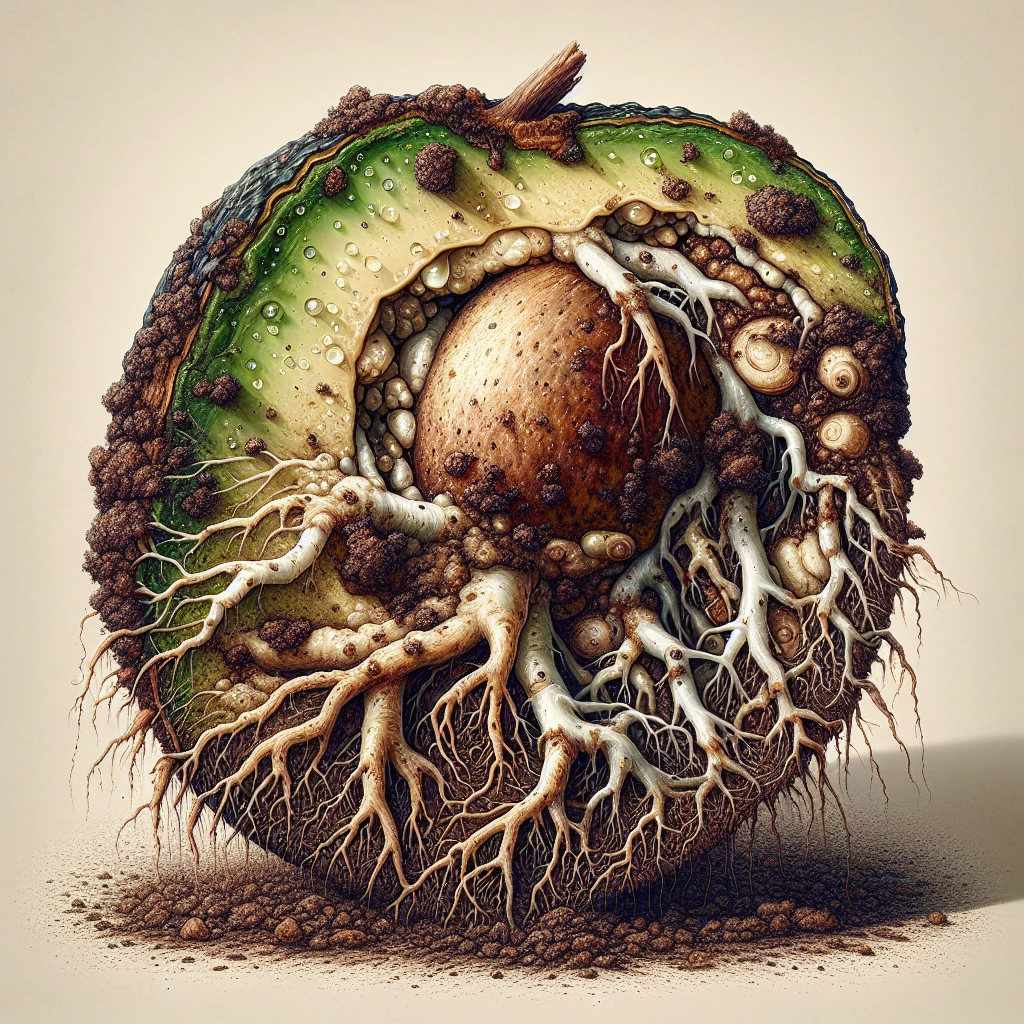
root rot complexes
Root rot complexes are devastating soilborne disease syndromes caused by multiple pathogens thriving in waterlogged conditions, leading to root decay, stunted growth, and plant death. Affecting a wide range of crops, these complexes are challenging to manage due to their synergistic interactions and persistence in soil. Effective control relies on prevention through improved drainage, resistant varieties, and cultural practices.
View Profile
Root rots
Root rots are devastating soilborne fungal and oomycete diseases that decay plant roots, leading to wilting, stunted growth, and plant death. Caused by multiple pathogens thriving in wet conditions, they affect a wide range of crops from vegetables to ornamentals. Early detection, cultural practices, and organic treatments are key to management and prevention.
View Profile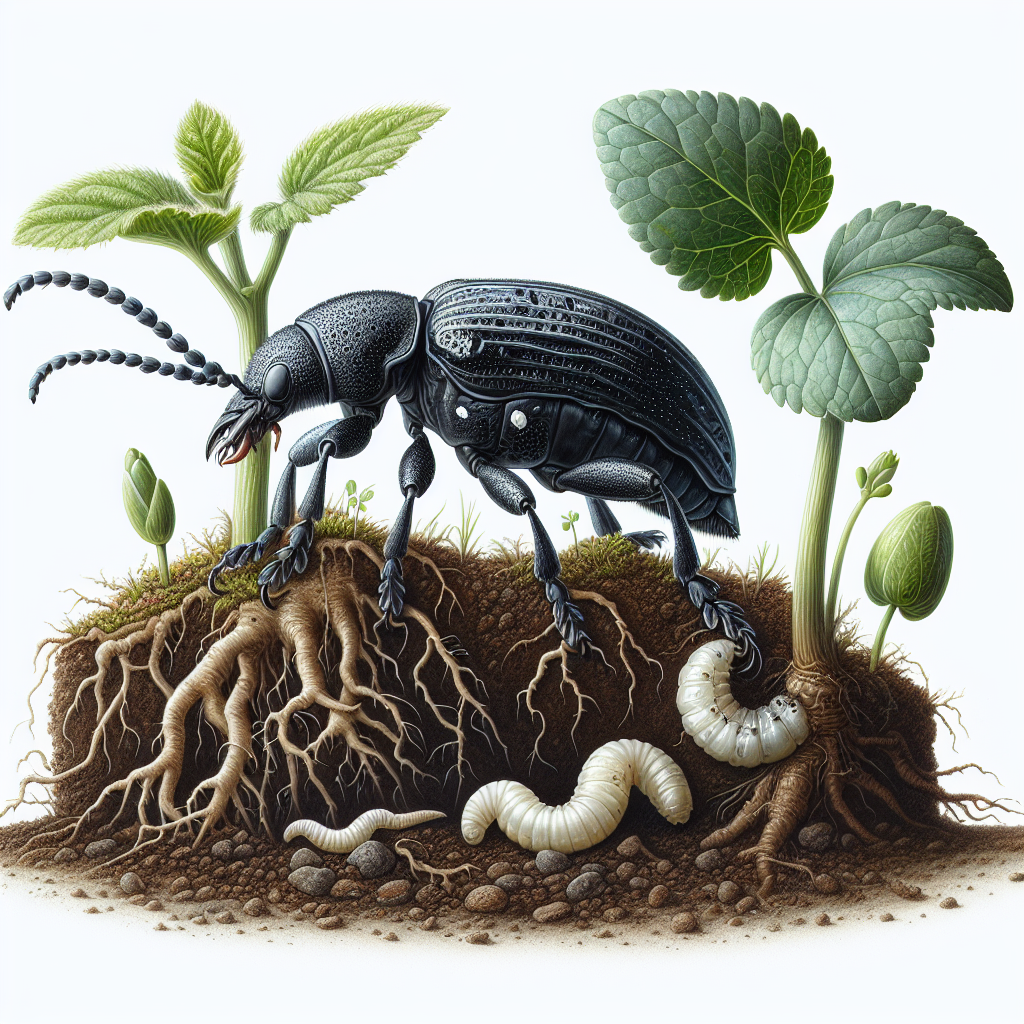
root weevils
Root weevils are nocturnal beetles that devastate plant roots, causing wilting and stunted growth in ornamentals, shrubs, and crops. Their larvae feed voraciously underground, while adults notch leaves. Effective management combines cultural practices, biological controls, and targeted organic treatments for lasting prevention.
View Profile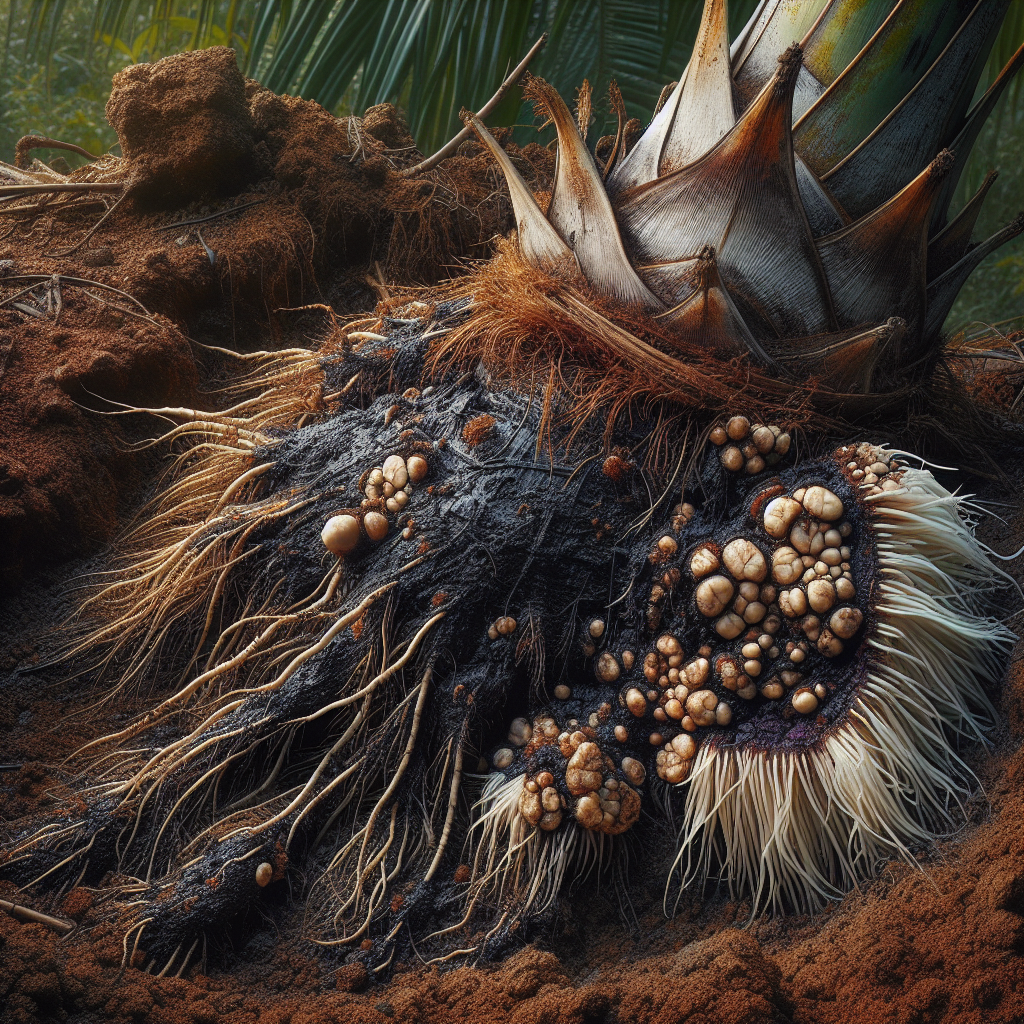
Root wilt
Root wilt is a devastating fungal disease primarily affecting coconut palms and other tropical crops, caused mainly by Phytophthora meadii, leading to root decay, wilting, and eventual tree death. It spreads through soil and water, thriving in poorly drained conditions. Early detection and cultural management are key to limiting its spread in affected plantations.
View Profile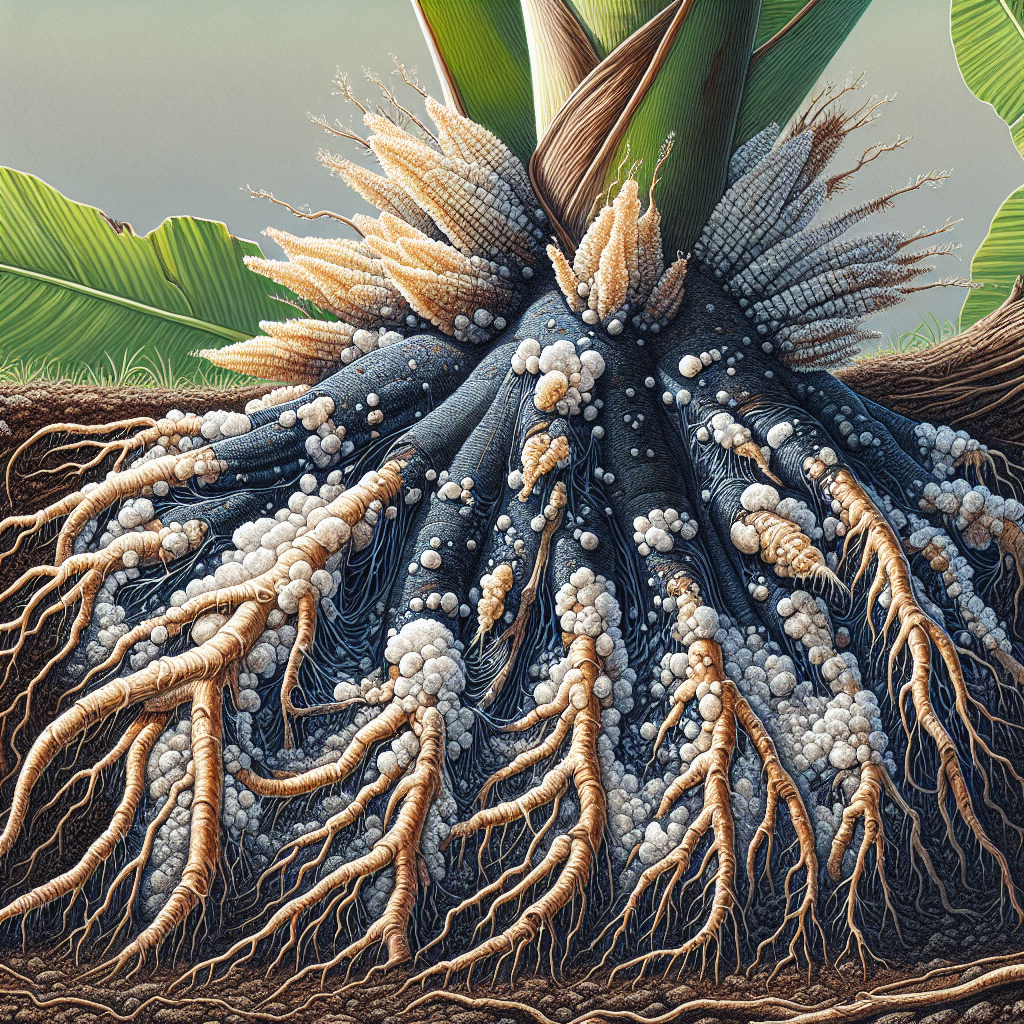
Root wilt complexes
Root wilt complexes are devastating soilborne disease syndromes caused by interactions between fungal pathogens, oomycetes, bacteria, and nematodes that lead to root decay, vascular blockage, and plant wilting. These complexes mimic single diseases but involve multiple agents, making diagnosis and management challenging. Effective control relies on integrated cultural practices, resistant varieties, and soil health optimization.
View Profile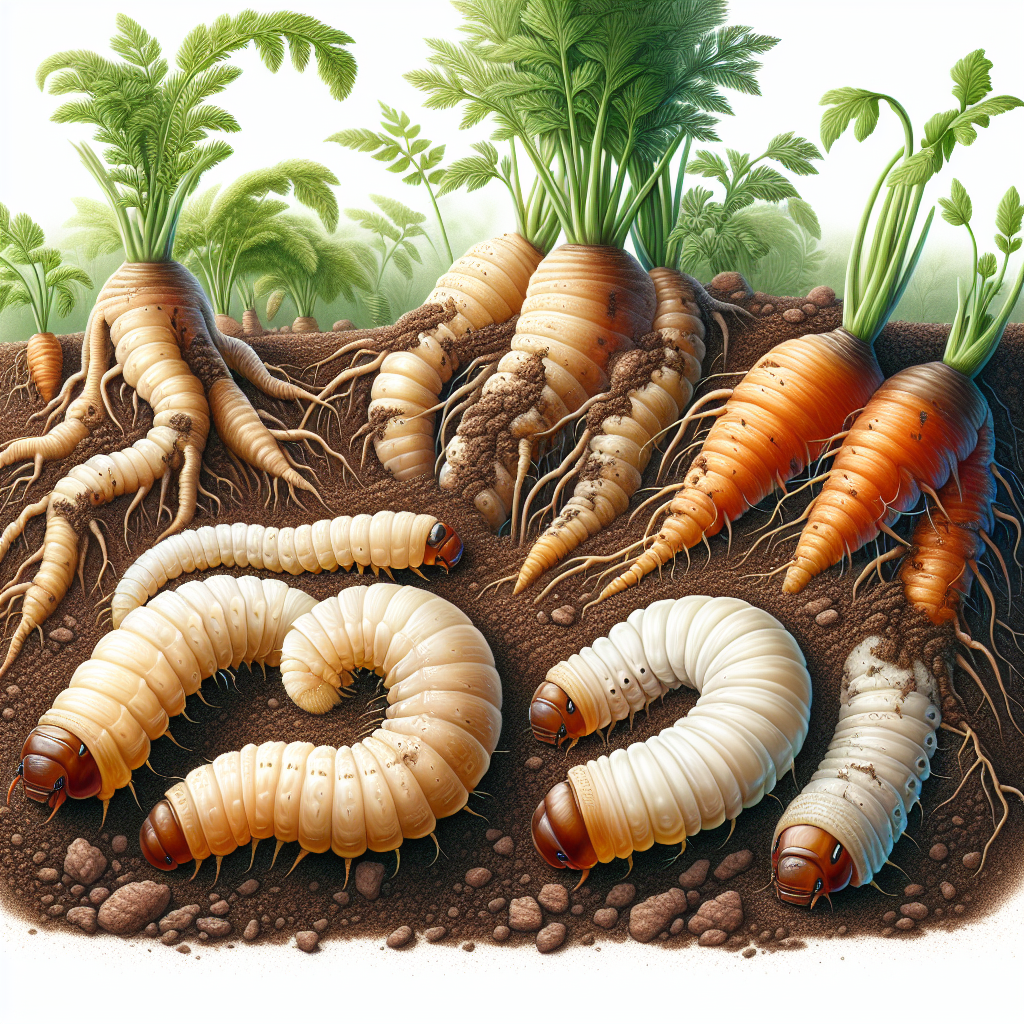
Root-feeding larvae
Root-feeding larvae are soil-dwelling insect grubs that target plant roots, causing stunted growth, wilting, and plant death in crops like potatoes, corn, and carrots. These pests, often from click beetles or rootworms, thrive in moist soils and can devastate seedlings and mature plants alike. Effective management combines cultural practices, biological controls, and monitoring for long-term prevention.
View Profile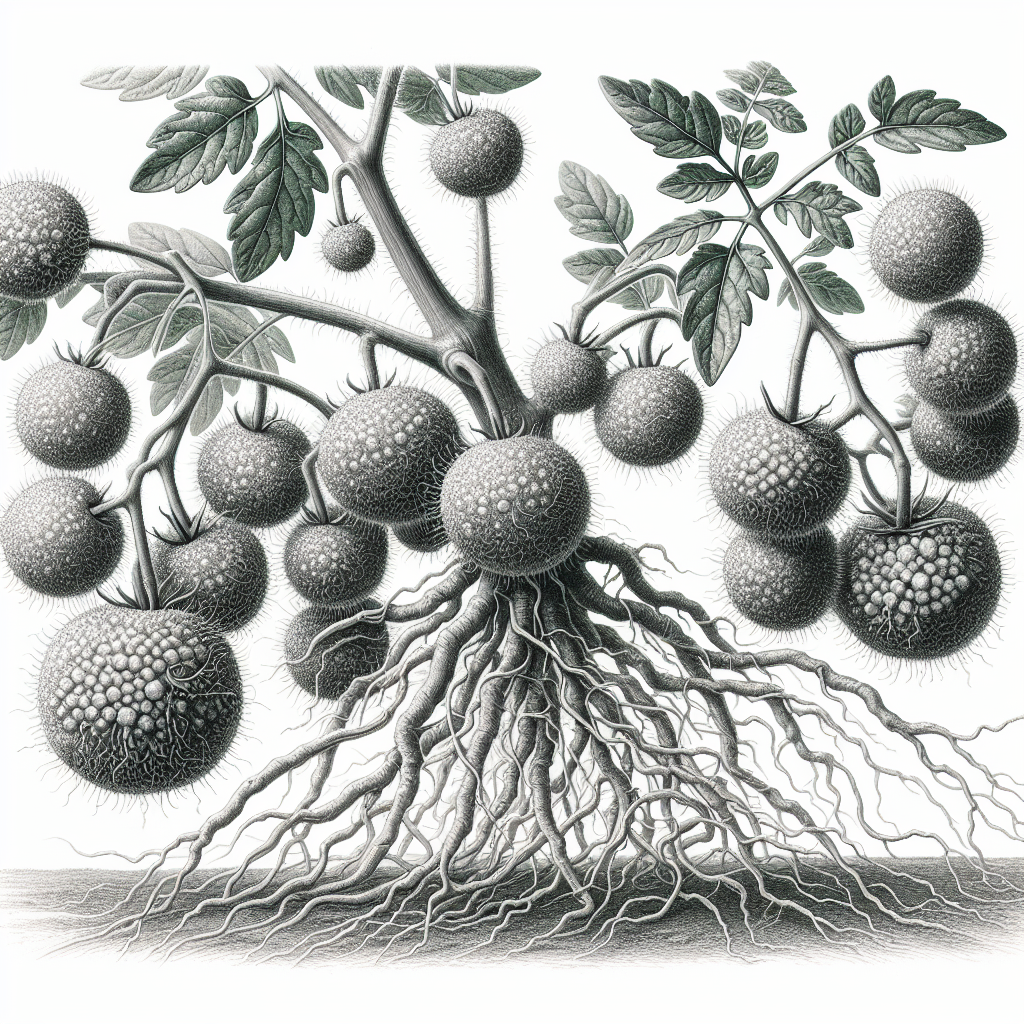
Root-knot nematode
Root-knot nematodes are microscopic, soil-dwelling worms that attack plant roots, causing galls and stunted growth in a wide range of crops. These pests disrupt water and nutrient uptake, leading to significant yield losses if unmanaged. Effective diagnosis, organic controls, and prevention strategies are essential for sustainable agriculture.
View Profile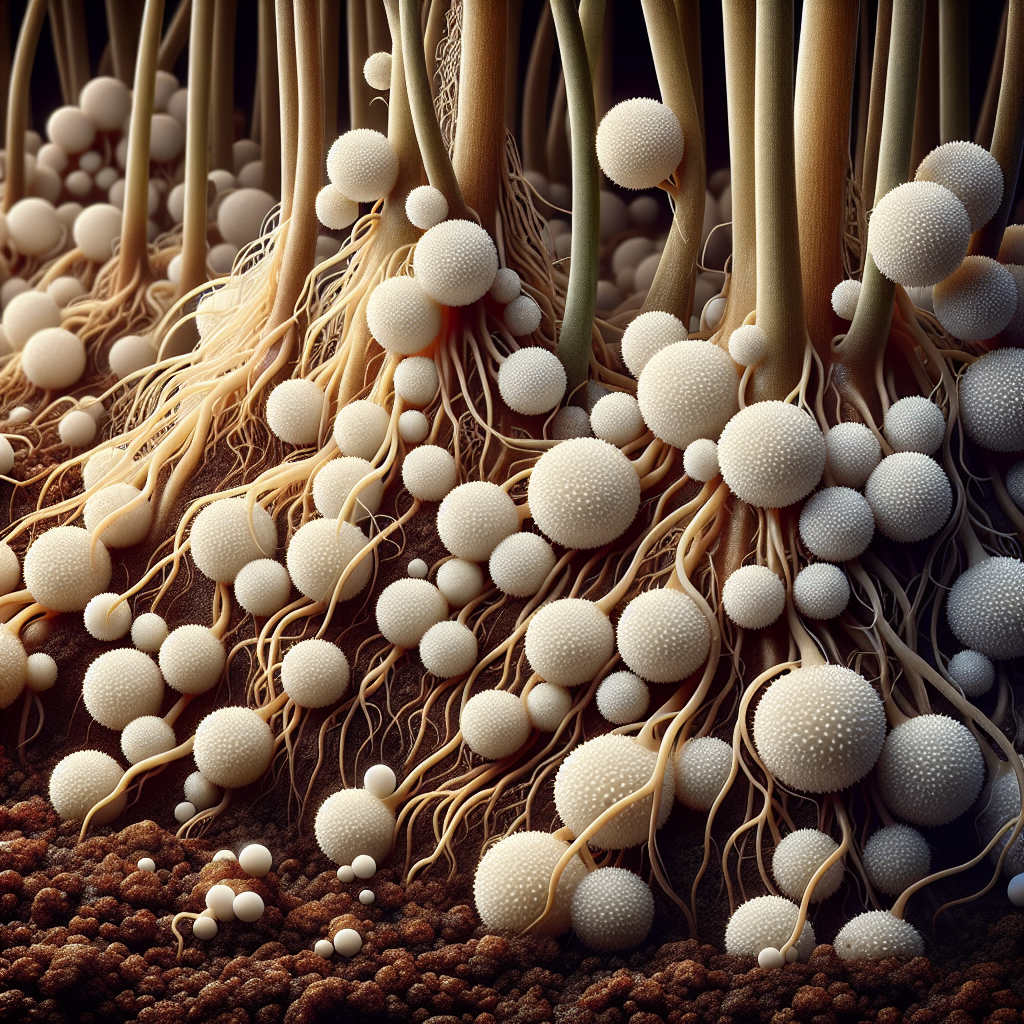
Root-knot nematodes
Root-knot nematodes (Meloidogyne spp.) are microscopic, soil-borne pests that attack plant roots, causing galls and stunted growth in a wide range of crops. They disrupt nutrient and water uptake, leading to significant yield losses in vegetables, fruits, and field crops. Effective management combines cultural practices, resistant varieties, and organic treatments for sustainable control.
View Profile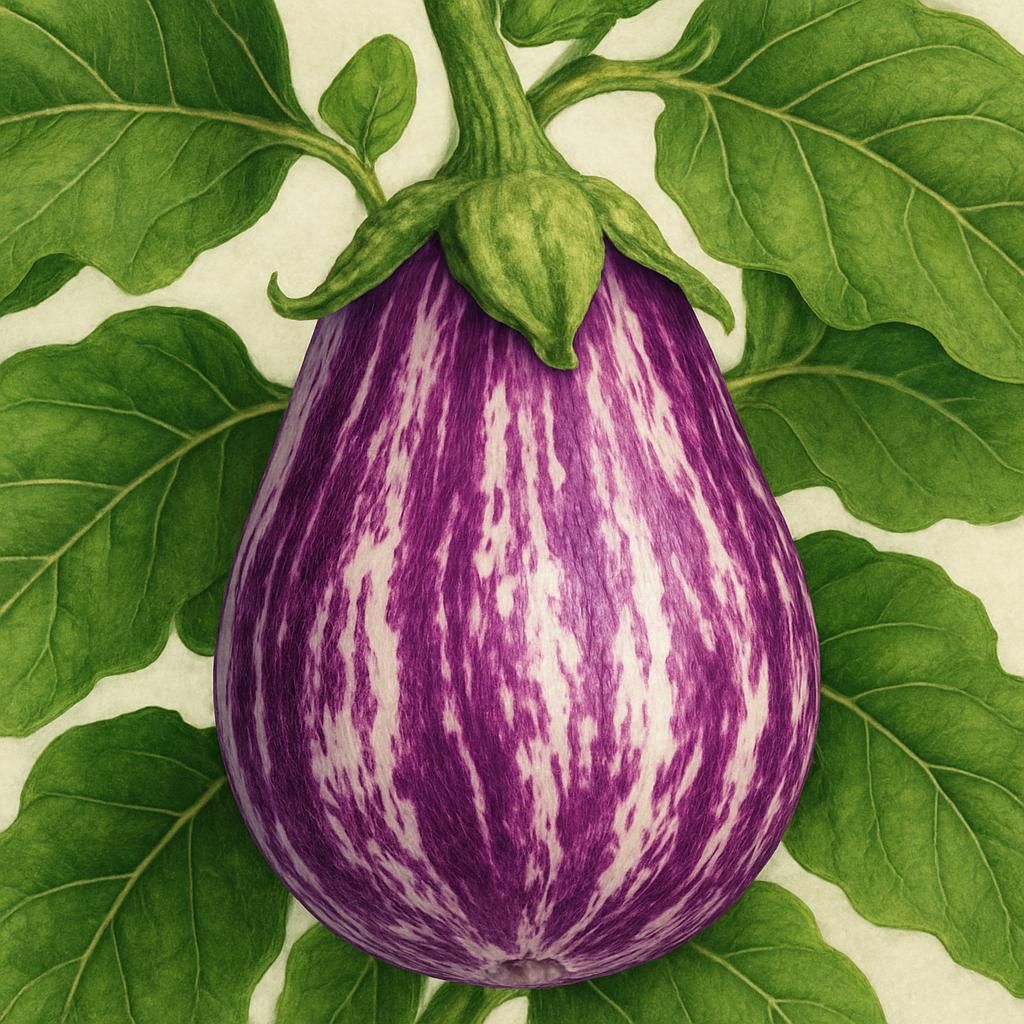
Rosa Bianca Eggplant
Rosa Bianca Eggplant, a visually striking heirloom variety, is known for its creamy texture and mild flavor. Its unique lavender and white exterior makes it a favorite among gardeners and chefs alike.
View Guide
Rose
Roses are among the most beloved ornamental plants worldwide, prized for their stunning blooms and fragrance, but they are highly susceptible to a range of pests and diseases that can devastate gardens. This guide provides definitive diagnostic tools, lifecycle insights, and organic management strategies to protect roses from common invaders like aphids, black spot, and spider mites. With proper prevention and treatment, growers can maintain healthy, vibrant rose bushes year-round.
View Guide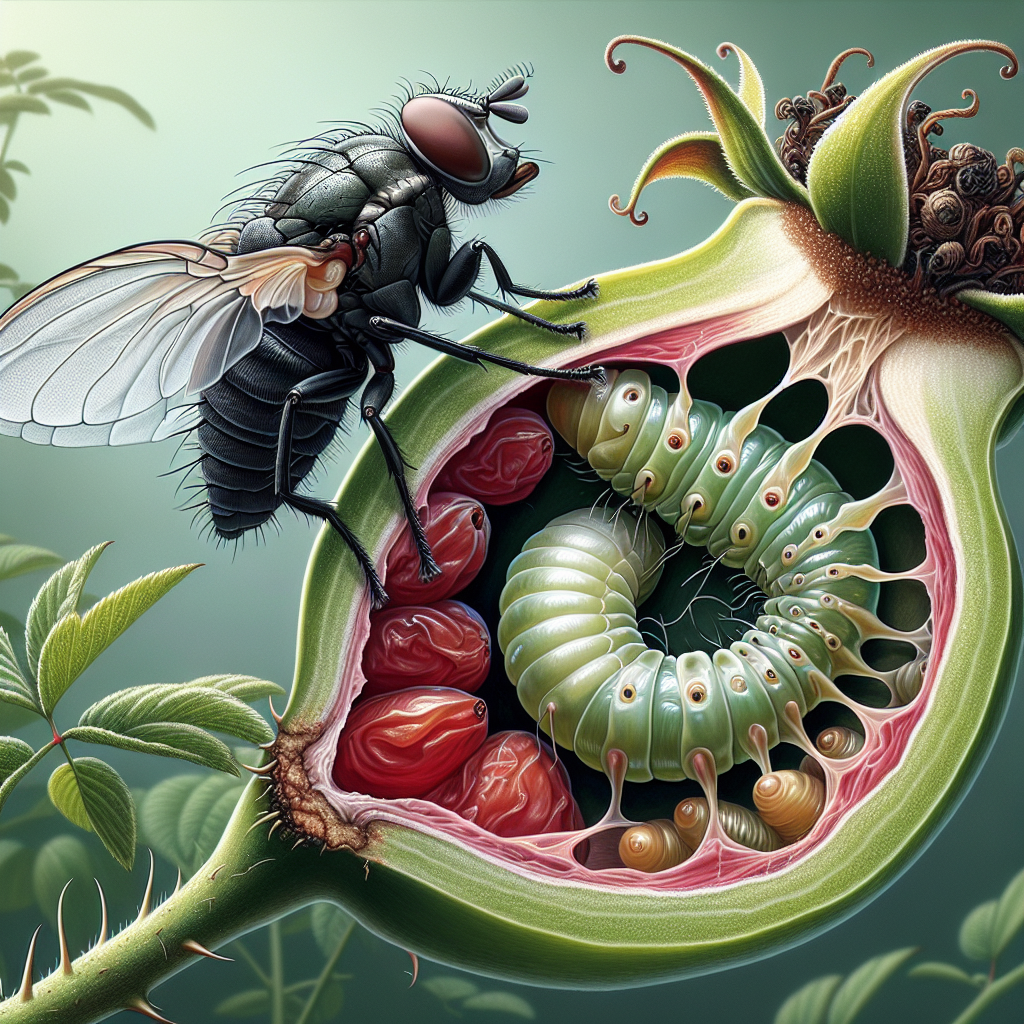
Rose Hip Maggot
Psila rosae, commonly known as the rose hip maggot, is a significant pest of rose hips and related crops, with larvae boring into developing fruits causing substantial damage. This guide provides comprehensive diagnostics, lifecycle insights, organic management strategies, and prevention tips for affected growers. Effective control hinges on understanding its biology and implementing timely interventions.
View Profile