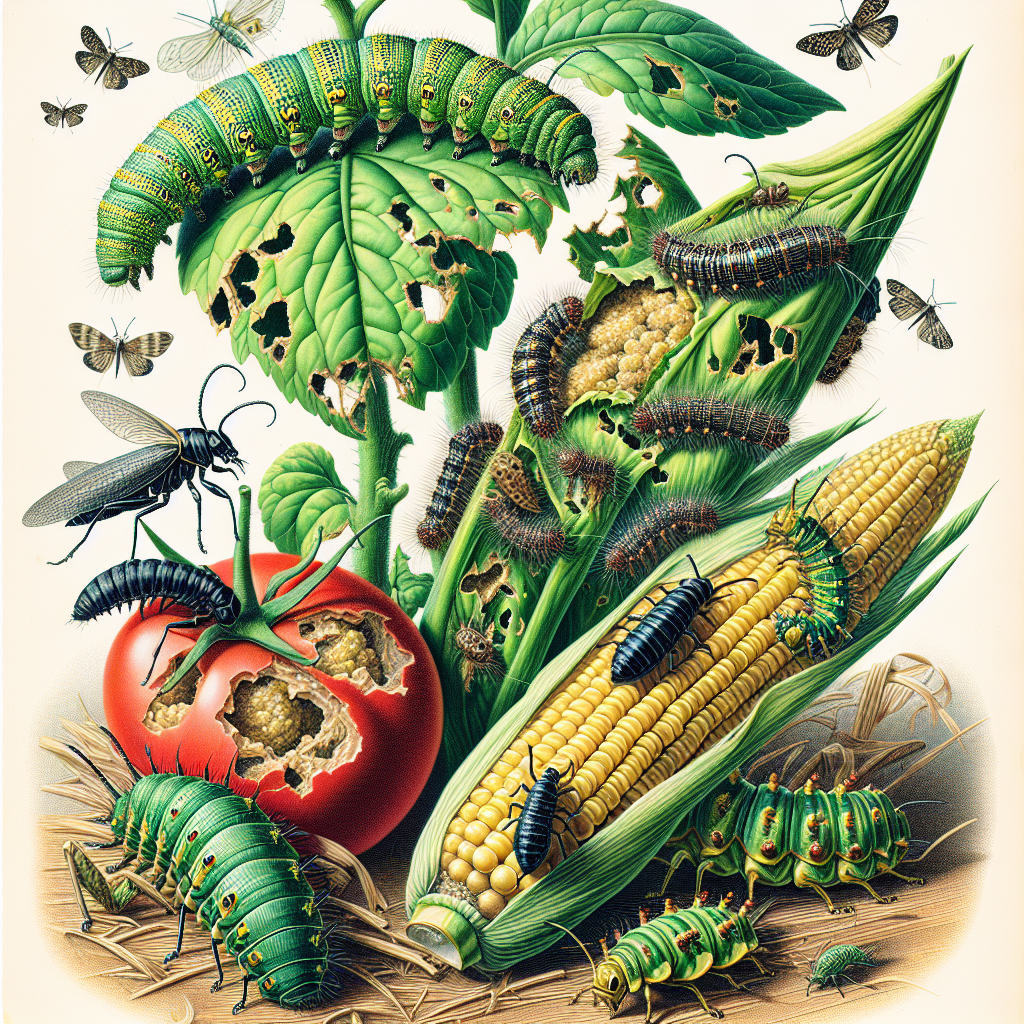
Introduction to Leaf feeders
Leaf feeders represent one of the most pervasive challenges in modern agriculture, encompassing a diverse array of insects that target plant foliage as their primary food source. These pests include caterpillars, leaf-feeding caterpillars, beetles like flea beetles, and grasshoppers such as grasshoppers. Unlike sap-sucking pests like aphids or whiteflies, leaf feeders physically chew through leaves, creating irregular holes, skeletonization, or complete defoliation. This feeding behavior not only reduces photosynthetic capacity but also weakens plants, making them susceptible to secondary infections like leaf spot diseases or powdery mildew.
In commercial and small-scale farming, leaf feeders can devastate yields, with losses ranging from 20-50% in severe infestations. Common culprits include armyworms, cutworms (cutworms), and various beetle larvae. Early detection is critical, as unchecked populations explode rapidly under favorable conditions. This definitive guide equips growers with professional-grade diagnostic methods, lifecycle insights, organic controls, and prevention strategies to safeguard crops like tomato, cabbage, and corn. By integrating cultural, biological, and minimal chemical tactics, farmers can achieve sustainable management while preserving beneficial insects. For real-world applications, check out this Spring Pest Patrol: Organic AI Strategies to Shield Your Crops from Common Invaders.
Identifying Symptoms & Damage
Recognizing leaf feeder damage is the first step in effective pest management. Primary symptoms include irregular holes in leaves, often starting at the edges or tips. Unlike leafminers that create serpentine trails within the leaf tissue, leaf feeders leave clean-cut or ragged edges. Skeletonization occurs when only veins remain after feeding, a hallmark of beetle larvae or small caterpillars. Heavy infestations lead to defoliation, where entire leaves or plants are stripped bare, stunting growth and reducing yields.
Examine the underside of leaves for frass (insect droppings), which appears as green or black pellets. Look for presence of the pests themselves: green or striped caterpillars, shiny beetles, or hopping flea beetles. Secondary damage includes wilting, yellowing, or entry points for diseases like Alternaria leaf spot. Differentiate from chewing mammals like deer or rabbits, which leave larger, cleaner bites. Use a hand lens to spot eggs clustered on leaf undersides or silken webs from webworms.
Severity scales: Light damage (10-20% foliage loss) may not require intervention, but moderate (20-50%) demands action. Severe cases (>50%) can halve crop yields. Scout weekly, using sticky traps for flying adults and beat sheets to dislodge larvae. Document patterns to predict outbreaks, especially after noticing increased armyworms activity.
Lifecycle and Progression of Leaf feeders
Leaf feeders typically follow a complete metamorphosis: egg, larva (feeding stage), pupa, and adult. Eggs are laid in clusters on host plants, hatching in 3-7 days under warm conditions. Larvae, the primary leaf feeders, go through 4-6 instars over 2-4 weeks, voraciously consuming foliage. Pupation occurs in soil or leaf litter, lasting 7-14 days, before adults emerge to mate and lay eggs.
Progression varies by species. Leaf-feeding caterpillars like those from Helicoverpa species peak in summer, with multiple generations per season. Beetles such as flea beetles overwinter as adults, emerging in spring to feed and lay eggs. Grasshoppers have one generation, nymphs feeding progressively larger as they molt. Understanding timing is key: monitor for eggs in early spring, larvae in summer, and adults in fall.
Environmental cues trigger progression. High humidity favors fungal pathogens that control populations naturally, while drought stresses plants, enhancing attractiveness. Track degree-days (heat units) to predict emergence; most require 500-1000 DD above 50°F (10°C). Disrupt lifecycle by targeting vulnerable stages: eggs with spinosad, larvae with BT, adults with traps.
Environmental Triggers & Risk Factors
Leaf feeders thrive in specific conditions, making certain environments high-risk. Warm temperatures (70-85°F/21-29°C) and moderate humidity accelerate reproduction. Over-fertilization with nitrogen produces lush, succulent leaves that attract feeders. Monocultures amplify outbreaks, as seen in large soybeans or wheat fields.
Weeds and crop residues harbor overwintering stages. Nearby wild hosts like grasses sustain grasshoppers. Climate change extends seasons, increasing generations. Poor soil health weakens plant defenses, exacerbating damage. Risk factors include: new plantings (tender growth), drought-stressed crops, and reduced tillage preserving pupae.
Mitigate by diversifying crops, maintaining soil moisture, and avoiding excess N. Monitor weather forecasts; rain suppresses populations via fungal epizootics like [Beauveria bassiana]. High winds disperse adults, but also disrupt mating.
Organic Control & Treatment Plans
Organic management emphasizes Integrated Pest Management (IPM). Cultural Controls: Hand-pick visible larvae daily, especially mornings. Use row covers to block adults. Companion plant with marigold or nasturtium as traps. Till soil post-harvest to expose pupae to predators.
Biological Controls: Apply Bacillus thuringiensis (BT) for caterpillars—safe, targeted, applied evenings. Release predatory wasps, lacewings, or ladybugs. Neem oil disrupts feeding and molting; apply weekly at dusk. Insecticidal soaps smother small larvae.
Treatment Plans: Scout threshold: 10-20% damage or 1-2 larvae/plant. Week 1: BT + neem. Week 2: Introduce predators + soaps. Monitor; rotate products. For outbreaks, spinosad (OMRI-listed) provides knockdown. Combine with Spring Pest Patrol: Organic AI Strategies to Shield Your Crops from Common Invaders for tech-enhanced scouting. Avoid broad-spectrum sprays to preserve pollinators.
| Stage | Control Method | Application Frequency |
|---|---|---|
| Eggs | Horticultural oil | Weekly |
| Larvae | BT kurstaki | Every 5-7 days |
| Adults | Pheromone traps | Continuous |
Success rates: 70-90% with consistent IPM.
Preventing Leaf feeders in the Future
Prevention is 80% of control. Select resistant varieties: Bt-corn for corn earworm, or cabbage hybrids against loopers. Crop rotation disrupts lifecycles—avoid host plants for 2-3 years. Maintain borders with flowering plants attracting beneficials like parasitic wasps.
Sanitation: Remove weeds, destroy crop debris. Mulch suppresses soil-emerging larvae. Timing plantings to miss peak egg-lay. Use reflective mulches to deter flying adults. Monitor with traps; threshold-based action prevents escalation.
Long-term: Build soil health with cover crops like clover for robust plants. Encourage birds (birds as natural predators). Annual planning integrates these for <5% damage.
Crops Most Affected by Leaf feeders
Leaf feeders target over 100 crops, prioritizing leafy vegetables and field crops. Brassicas like cabbage, kale, and broccoli suffer from cabbage loopers and worms. Solanaceae (tomato, potato, eggplant) face hornworms and potato beetles (Colorado potato beetle). Grains: corn (fall armyworm), wheat (cereal leaf beetle). Legumes (soybeans, peas) hit by velvetbean caterpillars. Fruits: apple, grapes by leafrollers (leafrollers). Tropicals like mango and banana see tip borers. High-value: lettuce, spinach. Tailor strategies per crop for optimal protection.