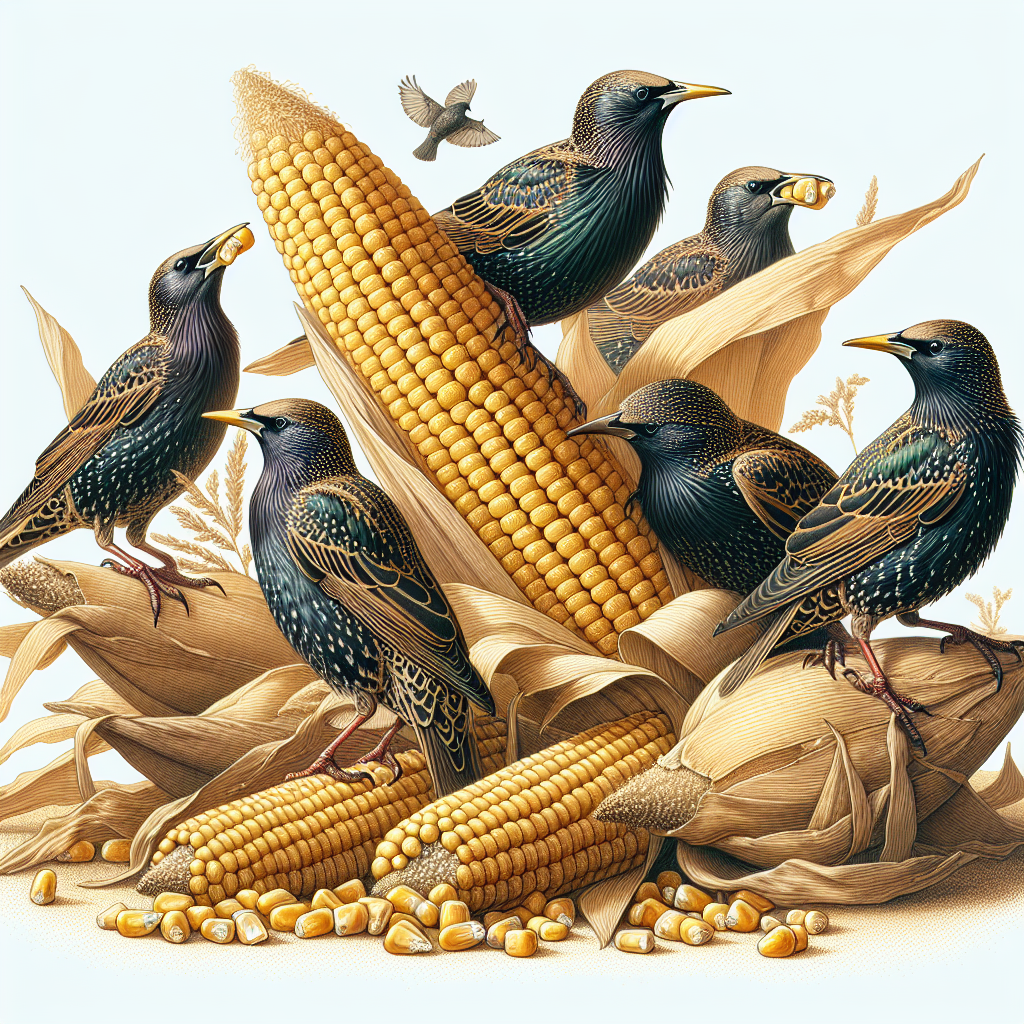
Introduction to Birds
Birds represent one of the most challenging vertebrate pests in agriculture due to their intelligence, mobility, and adaptability. Unlike insect pests, birds such as starlings, blackbirds, sparrows, and pigeons can devastate entire fields overnight, targeting ripening grains, fruits, and seeds. Global estimates suggest birds cause 5-20% yield losses in staple crops like rice, corn, and wheat, with even higher impacts in orchards of cherry, grapes, and strawberry. Their opportunistic feeding behavior makes them particularly problematic during harvest seasons, where flocks can strip crops bare.
As a professional botanist and agricultural expert, I've seen birds turn promising harvests into losses exceeding thousands of dollars per acre. This definitive guide equips farmers with diagnostic tools, lifecycle insights, organic controls, and prevention strategies. By understanding bird behavior and implementing integrated pest management (IPM), growers can minimize damage while complying with organic standards and wildlife regulations. For small farms, early intervention is key—check out this Spring Pest Patrol: Organic AI Strategies to Shield Your Crops from Common Invaders for timely tips.
Bird damage isn't just about direct feeding; it includes secondary issues like disease transmission via droppings and physical crop disruption. Effective management requires a multi-faceted approach, blending cultural, physical, and biological methods. This guide draws from field-tested practices across diverse climates, ensuring practical, scalable solutions for hobby farms to commercial operations.
Identifying Symptoms & Damage
Diagnosing bird damage is straightforward once you know the signs, distinguishing it from insect or disease issues. Primary symptoms include cleanly pecked fruits with precise holes, missing seeds from ears or pods, and scattered husks or hulls under plants. Unlike caterpillars that leave frass or webbing, birds create tidy excisions—think halved cherry tomatoes or grape clusters with berries vanishing entirely.
Inspect fields at dawn or dusk when birds are most active. Look for:
- Peck marks: Small, round punctures on soft fruits like blueberry or strawberry, often with flesh exposed.
- Seed loss: Empty panicles in rice or corn ears, with kernels stripped.
- Foliage stripping: Young shoots on apple trees browsed, resembling deer damage but with finer cuts.
- Droppings: White, splattered feces on leaves or soil, potentially spreading sooty mold.
Quantitative assessment: Walk transects counting damaged units per 100 plants. Over 10% loss warrants action. Differentiate from squirrels (jagged tears) or raccoons (large chunks removed). Use binoculars for aerial scouting—flocks circling fields signal imminent raids. Early detection prevents escalation, preserving marketable yield.
Lifecycle and Progression of Birds
Birds don't follow a simple insect-like lifecycle; their annual cycles drive pest pressure. Most pest species are year-round residents or migrants, breeding in spring and feeding voraciously in summer-fall. Take the European starling (Sturnus vulgaris): eggs laid March-May (4-6 per clutch), fledglings active by June, forming massive flocks by harvest.
Key phases:
- Breeding (Spring): Nesting near fields increases local populations; protect seedlings.
- Nesting/Fledging (Summer): Juveniles learn crop-feeding, amplifying damage.
- Flocking (Fall): Thousands congregate for migration, peaking on ripening grapes or grains.
- Winter: Reduced activity but seed scavenging persists.
Progression in crops: Initial scouting leads to probing, then mass consumption. Monitor migration patterns via local ag extensions. Species like red-winged blackbirds target corn milk stage, while cedar waxwings prefer cherry. Understanding timing allows preemptive strikes, disrupting cycles before peak damage.
Environmental Triggers & Risk Factors
Bird pressure surges with specific conditions. Open fields near woods or water attract flocks; corn, wheat, and orchards near roosts see 2-3x damage. Drought concentrates birds on irrigated crops, while abundant weeds draw them away—maintain buffers.
Triggers:
- Ripening crops: Sugars peak, irresistible to finches/starlings.
- Proximity to habitat: <1km from trees/hedges spikes incidence.
- Weather: Winds/rain force birds to sheltered crops.
- Food scarcity: Post-harvest, they raid stubble.
Risk factors include monocultures, early-maturing varieties, and poor sanitation (leftovers lure them). Climate change extends seasons, boosting migrant waves. Assess farm layout: high-risk if >20% edge habitat. Mitigate by diversifying plantings and timing harvests.
Organic Control & Treatment Plans
Organic bird control emphasizes non-lethal, eco-friendly tactics. Avoid poisons—focus on deterrence.
Immediate Actions:
- Netting: Bird-proof netting over grapes, berries; install pre-fruit set. Cost-effective for <5 acres.
- Reflectors: Mylar tape/balloons create flash/scare; move weekly to prevent habituation.
- Noise devices: Propane cannons, ultrasonic repellers; alternate sounds.
Integrated Plan (4-week rollout):
- Week 1: Deploy visual deterrents (scarecrows, kites) + overhead lines.
- Week 2: Add auditory (pyrotechnics) + habitat mods (trim perches).
- Week 3: Introduce falcons/dogs for predation simulation.
- Week 4: Net high-value areas; monitor efficacy.
Biological: Encourage raptors via perches/nest boxes. Trapping (live, relocate legally) for pigeons. Repellents: Capsaicin sprays on cherry. Rotate tactics—birds adapt fast. Track ROI: netting yields 90% protection vs. 50% for scares alone. Combine with deer fencing for vertebrates.
Preventing Birds in the Future
Long-term prevention builds resilient systems. Plant bird-resistant varieties (e.g., tight-husked corn). Time planting to avoid peak migration; use cover crops like clover as decoys.
Strategies:
- Habitat modification: Remove roosts, plant thorny hedges.
- Diversification: Intercrop with unpalatable garlic.
- Monitoring: Trail cams, apps for flock tracking.
- Community action: Coordinated scaring across farms.
Annual audits: Map damage zones, adjust. For small farms, check Soil Health Mastery: 5 Proven Strategies for Small Farms to Build Fertile Ground Without Breaking the Bank for buffers. Success: <5% loss via IPM.
Crops Most Affected by Birds
Birds target high-sugar, accessible crops:
- Grains: Rice (10-30% loss), corn, wheat—seed/ear feeding.
- Fruits: Cherry, grapes, strawberry, blueberry—pecking/ripening.
- Tree fruits: Apple, peach—buds/fruit.
- Others: Sunflower seeds, peas.
Orchards suffer most; protect Hass Avocado flowers. Global hotspots: paddy fields, vineyards.