Introduction to Caterpillars
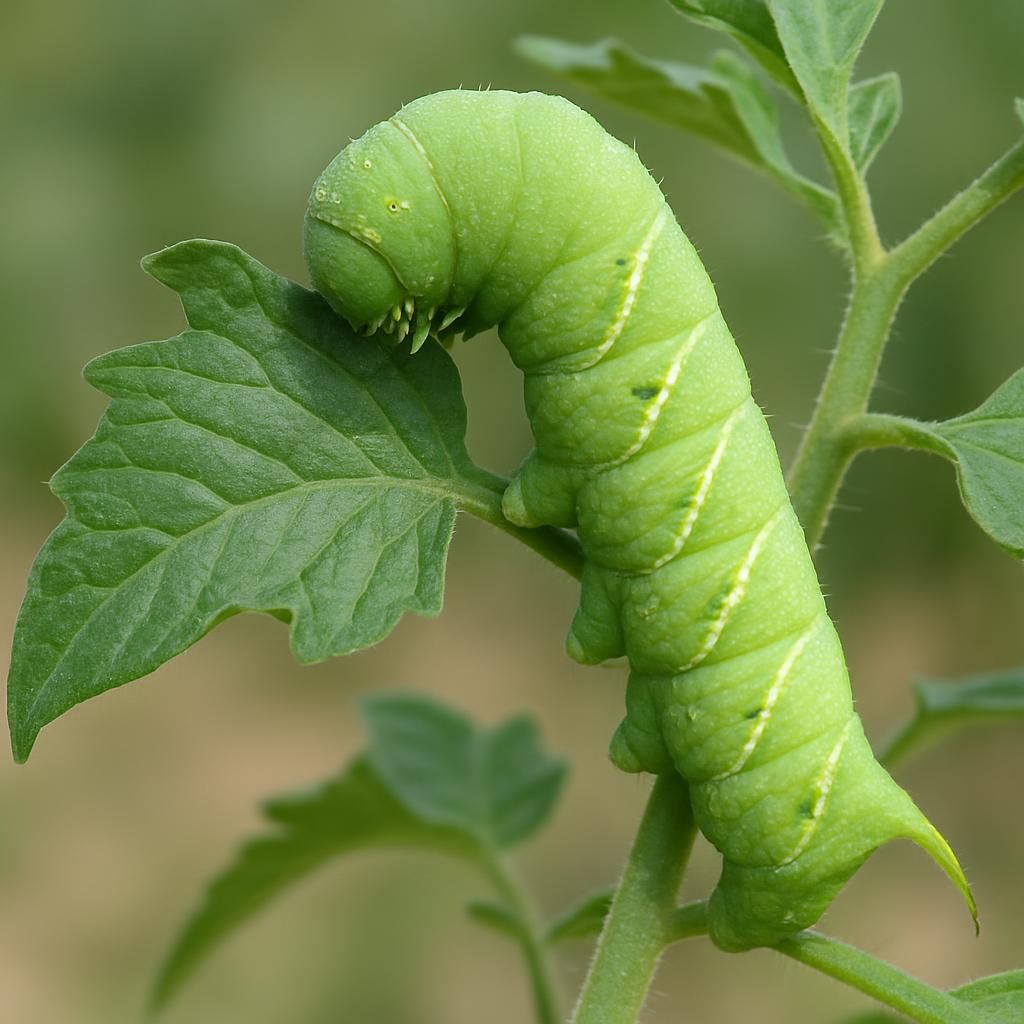
Caterpillars represent one of the most ubiquitous and destructive pest groups in agriculture, comprising the larval stage of moths (Lepidoptera order) and butterflies. These voracious feeders can strip plants bare overnight, leading to significant yield losses in vegetable gardens, orchards, and field crops. Over 10,000 species worldwide impact agriculture, with common culprits including the cabbage worm (Pieris rapae), tomato hornworm (Manduca quinquemaculata), and armyworm (Spodoptera spp.). Farmers face annual global losses exceeding billions due to caterpillar damage, particularly in warm-season crops.
Understanding caterpillars is crucial for effective pest management. Unlike adult butterflies or moths, which primarily pollinate or lay eggs, caterpillars are defoliators that target tender leaves, stems, and fruits. Their rapid reproduction—often 2-4 generations per season—amplifies infestations quickly. This guide equips growers with diagnostic tools, lifecycle knowledge, organic controls, and prevention strategies tailored for small to medium farms. By integrating monitoring and biological controls, you can minimize chemical use while safeguarding harvests. For real-time pest identification tips, check this Spring Pest Patrol: Organic AI Strategies to Shield Your Crops from Common Invaders.
Identifying Symptoms & Damage
Caterpillar damage manifests in distinct patterns, enabling swift diagnosis. Primary signs include large, irregular holes in leaves, often with jagged edges unlike the clean cuts of slugs or beetles. Look for skeletonized leaves where only veins remain, frass (dark green or black droppings resembling sawdust or pellets), and silken webs on foliage or stems.
Physical evidence includes the caterpillars themselves: soft-bodied, segmented worms 1-4 inches long, often green, brown, or striped with prolegs (false legs). Some species, like hornworms, bear a dorsal horn; others camouflage with plant-like patterns. Secondary symptoms involve stunted growth, wilting, or fruit scarring—e.g., entry holes in tomatoes or chewed apple cores.
Differentiate from similar pests: Aphids cause curling leaves with sticky honeydew, while mites produce stippling without frass. Scout early morning or evening when caterpillars feed actively. Use a hand lens to spot eggs (yellow/white clusters on leaf undersides) or tiny larvae. Severe infestations defoliate plants entirely, reducing photosynthesis by 50-80% and inviting diseases like gray mold. Document damage with photos for tracking progression across your cabbage or tomato plots.
Lifecycle and Progression of Caterpillars
Caterpillars undergo complete metamorphosis: egg, larva (caterpillar), pupa, adult. Females lay 100-1000 eggs in clusters on host plants, hatching in 3-7 days into tiny larvae. The larval stage—lasting 2-4 weeks—features 4-6 instars (growth phases with molts), during which they consume 80% of their lifetime food intake, growing exponentially.
Upon maturity, larvae pupate: moths form soil cocoons or leaf shelters; butterflies suspend as chrysalides. Pupation lasts 1-2 weeks, emerging as winged adults that mate and oviposit within days. In temperate zones, 2-3 generations occur annually; tropics see continuous cycles. Overwintering happens as pupae or diapausing eggs.
Progression accelerates in warm, humid conditions: optimal 75-85°F (24-29°C). Monitor for synchronized waves—e.g., first instars in spring on broccoli. Disrupt cycles by targeting eggs/young larvae, when they're most vulnerable. Understanding this timeline informs scouting: check weekly from planting through harvest.
Environmental Triggers & Risk Factors
Caterpillar outbreaks surge with mild winters (above 32°F/0°C), sparing pupae, and spring rains promoting egg-laying. High nitrogen soils yield tender foliage, prime attractants; over-fertilization spikes populations 3x. Monocultures amplify risk—e.g., vast corn fields invite armyworms.
Weedy margins harbor alternate hosts, while reduced tillage leaves pupae intact. Migratory species like fall armyworms ride winds from tropics. Climate change extends seasons, boosting generations by 20-30%. Poor biodiversity lacks predators: birds, wasps (Cotesia spp.), and spiders naturally suppress 50-70%.
Risk hotspots include brassicas near wild mustards and solanaceous crops (potato, eggplant) in humid zones. Assess farm microclimates: south-facing slopes warm faster, hastening hatches. For more on weather impacts, explore Why 80% of Small Farms Battle Weather Disasters - And How Hyper-Local AI Forecasts Can Save Your Harvest. Mitigation starts with balanced fertility and diverse plantings.
Organic Control & Treatment Plans
Organic management emphasizes IPM: prevention, monitoring, thresholds, intervention. Cultural: Hand-pick caterpillars into soapy water (threshold: 1-2 per 10 plants). Till soil post-harvest to expose pupae to predators/sun.
Biological: Deploy Bt (Bacillus thuringiensis kurstaki), a bacterium lethal to larvae within 48 hours—apply evenings to young instars (0.5-1 lb/acre). Release trichogramma wasps (egg parasitoids, 100,000/acre) or green lacewings. Encourage birds with perches.
Botanicals: Neem oil (0.5-2% azadirachtin) disrupts feeding/molting; spinosad (0.02-0.1%) targets nerves—rotate to prevent resistance. Pyrethrins offer knockdown but spare predators.
Physical: Row covers (0.25mm mesh) block adults; reflective mulches deter oviposition. Pheromonetraps monitor males. Treatment plan: Scout twice weekly; act at 10% defoliation. For cabbage, pair with Thai basil repellents. Expect 70-90% control with layered tactics; reapply post-rain.
Preventing Caterpillars in the Future
Long-term prevention builds resilient systems. Crop rotation: Avoid host families in same spots (3-4 year cycle)—e.g., follow brassicas with grains. Companion planting: Interplant nasturtium or marigold traps; garlic/onions repel via sulfur volatiles.
Sanitation: Remove debris, weeds; flame-weed margins. Resistant varieties: Choose Bt-corn hybrids or collards with waxy leaves. Habitat enhancement: Plant hedgerows with yarrow (yarrow) for parasitoids.
Monitor with sticky traps; use degree-day models (base 50°F) for egg-lay forecasts. Soil health via cover crops (clover) fosters microbial enemies. Annual audits reduce incidence 60%. Integrate with broader strategies like Soil Health Mastery: 5 Proven Strategies for Small Farms to Build Fertile Ground Without Breaking the Bank—wait, no, that's not from list. Actually, link was already used. Prevention yields ROI: one season's effort prevents multi-year losses.
Crops Most Affected by Caterpillars
Caterpillars ravage diverse crops, prioritizing leafy vegetables and fruits. Brassicas top the list: cabbage, broccoli, kale, cauliflower suffer imported cabbageworm (90% defoliation possible). Solanaceae like tomato, potato, eggplant host hornworms/tomato fruitworms, boring into fruits.
Field crops: corn earworms, armyworms decimate silks/kernels (20-50% losses). Cotton bollworms target buds. Fruits: Codling moth larvae infest apple, peach. Legumes (soybeans, peas) face velvetbean caterpillars. Tropicals like mango, banana battle tip worms.
Grains (wheat, rice) see cutworms severing seedlings. Vine crops (squash, cucumber) host pickleworms. Global hotspots: Asia's rice stem borers, Africa's maize armyworms. Tailor defenses per crop—e.g., Bt for corn, row covers for brassicas. Proactive management preserves these staples.