Introduction to Helicoverpa species
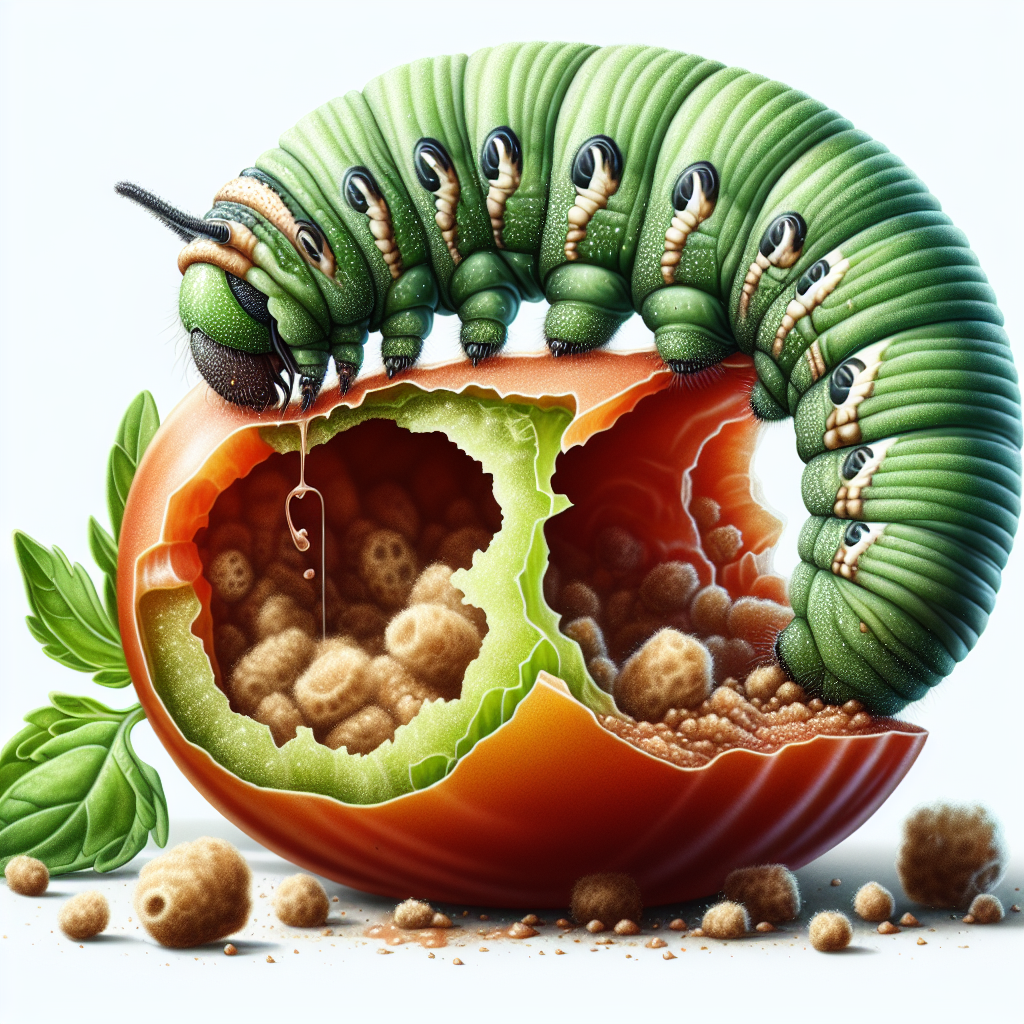
Helicoverpa species represent one of the most notorious pest complexes in global agriculture, infamous for their voracious appetite and adaptability across diverse cropping systems. Key species include Helicoverpa armigera (Old World bollworm), Helicoverpa zea (New World corn earworm), Helicoverpa punctigera, and others within the Noctuidae family. These moths lay eggs on host plants, and their larvae—green to brown caterpillars with longitudinal stripes—drill into tender fruits, flowers, pods, and stems, rendering produce unmarketable.
Native to regions from Asia to the Americas, Helicoverpa has earned a reputation as a 'super pest' due to its wide host range exceeding 300 plant species, rapid reproductive cycles, and resistance to many insecticides. Annual global economic losses exceed billions, particularly in cotton, corn, tomato, soybeans, and chickpeas. This guide provides farmers with diagnostic tools, lifecycle insights, organic management strategies, and prevention tactics to combat infestations effectively. Early detection and integrated pest management (IPM) are crucial, as larvae hidden inside plant tissues evade surface sprays. Understanding regional variations—such as H. armigera's invasion into the Americas—helps tailor control measures.
Identifying Symptoms & Damage
Helicoverpa damage manifests distinctly across growth stages, enabling precise diagnosis. Eggs are pearly white, ribbed domes (0.5 mm) laid singly on foliage, often near buds or flowers—scout by parting leaves at dusk.
Neonatal larvae (1-3 mm) create fine 'windowpane' damage on leaves, scraping epidermis without penetrating. Older larvae (up to 40 mm) bore entry holes (2-5 mm) into fruits, bolls, ears, or pods, leaving frass pellets and silk. Characteristic signs include:
- Tomato/Pepper: Round holes in calyx end of green fruits, with frass 'plugs'; internal tunneling rots fruit.
- Corn: Larvae in silk channel entering ears, feeding on kernels from tip; frass masses on husks.
- Cotton: Bore into flower buds (shedding squares) or bolls, damaging 1-3 locules per boll.
- Legumes: Entry holes in pods, seeds consumed, secondary pathogens enter.
Differentiate from similar pests like corn earworm (often synonymous with H. zea) or European corn borer by larvae's pale stripes, three pairs of legs plus prolegs, and lack of saddle spot. Use pheromone traps for adults (robust moths with forewing V-mark). Thresholds: 10% infested squares/flowers or 5-10% ears with entry holes warrant action. Yield losses reach 30-100% untreated.
Lifecycle and Progression of Helicoverpa species
Helicoverpa completes 20-30 generations yearly in tropics, 2-4 in temperate zones, thriving 15-35°C. Lifecycle spans 25-40 days:
- Egg (3-5 days): Laid nocturnally on suitable hosts; viable 2-3 days.
- Larva (14-21 days, 6 instars): Most damage in instars 3-5; dispers by ballooning silk.
- Prepupa/Pupa (7-10 days): Burrows into soil 5-10 cm deep.
- Adult (7-10 days): Moths (30-45 mm wingspan) mate/feed on nectar, females oviposit 500-3000 eggs.
Overwinter as diapausing pupae in soil. Multiple host shifts (e.g., corn to cotton) amplify outbreaks. Monitor with traps: 1-2 moths/trap/night signals risk. Soil sampling post-harvest reveals pupal banks for tillage timing.
Environmental Triggers & Risk Factors
Helicoverpa thrives in warm, humid conditions (25-30°C, >60% RH), with outbreaks following mild winters reducing natural mortality. Key triggers:
- Host Availability: Continuous susceptible crops like sweet corn or tomato sustain generations.
- Weeds/Volunteers: Alternate hosts harbor populations.
- Moth Migration: Winds carry adults hundreds of km.
- Nitrogen Excess: Lush growth attracts oviposition.
- Irrigation: High humidity favors survival.
Risk peaks at flowering/fruiting; scout high-risk fields weekly. Drought stress increases damage as plants can't compensate. Climate change extends seasons, intensifying pressure—see Spring Pest Patrol: Organic AI Strategies to Shield Your Crops from Common Invaders for predictive tools.
Organic Control & Treatment Plans
Organic IPM prioritizes non-chemical tactics:
Cultural: Destroy crop residues; deep till (15-20 cm) buries pupae. Crop rotation (2-3 years non-hosts). Early planting avoids peak moth flights.
Biological: Conserve predators (ladybugs, lacewings), parasitoids (Trichogramma wasps—release 100,000/ha weekly). Bacillus thuringiensis (Bt) kurstaki sprays at young larvae (threshold 20% foliage damage), 2-3 apps 5-7 days apart. Neem oil/azadirachtin disrupts hormones.
Physical: Pheromone traps (10-20/ha) for monitoring/mass trapping. Micromesh netting over small plantings. Aspirate eggs/larvae from whorls.
Threshold-Based Plan:
- Scout 25 sites/field twice weekly.
- <5% infestation: Monitor.
- 5-10%: Bt + neem.
10%: Add spinosad (organic-approved), release Trichogramma.
Resistant varieties (e.g., Bt cotton) integrate well. Avoid broad-spectrum sprays preserving beneficials. Efficacy: 80-95% with timely IPM.
Preventing Helicoverpa species in the Future
Long-term prevention builds resilient systems:
- Crop Rotation: Alternate with clover or grains breaking cycles.
- Trap Crops: Plant early sorghum borders diverting moths.
- Reflective Mulches: Repel adults from seedlings.
- Sanitation: Shred/chop residues; solarize soil.
- Companion Planting: Marigold, nasturtium as repellents—details in Why Companion Planting Feels Like Guesswork for Small Farms - And How AI Makes It Foolproof.
- Monitoring Tech: Pheromone lures, degree-day models predict flights.
- Soil Health: Balanced fertility reduces susceptibility.
Annual pupal tillage + rotation cuts populations 70%. Certify fields pest-free via audits.
Crops Most Affected by Helicoverpa species
Helicoverpa devastates high-value crops:
| Crop | Damage Type | Loss Potential |
|---|---|---|
| Cotton | Boll/flower boring | 20-50% |
| Corn | Ear tip feeding | 10-30% |
| Tomato | Fruit boring | 30-80% |
| Soybeans | Pod/seed | 15-40% |
| Chickpeas | Pod borer | 25-60% |
| Sorghum | Head/panicle | 10-35% |
Others: [Tobacco], peppers, okra, sunflower. Field edges suffer most; intercropping mitigates.